
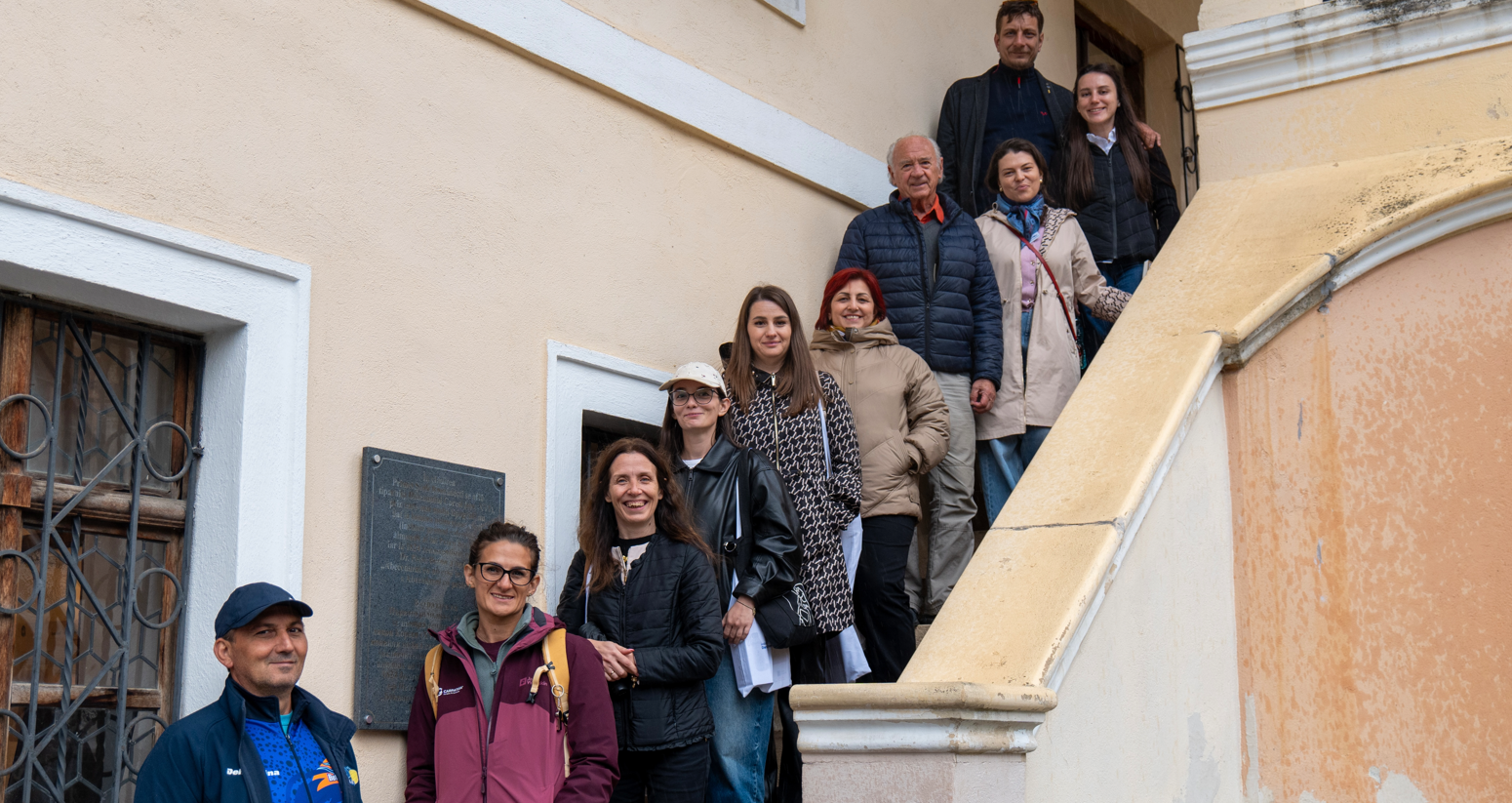

Șchei: The People Behind the Place
URBAN PILOT STORY | BRAȘOV, ROMANIA
The People Behind the Place
How local knowledge is turning Șchei from a place to pass through into a place to experience
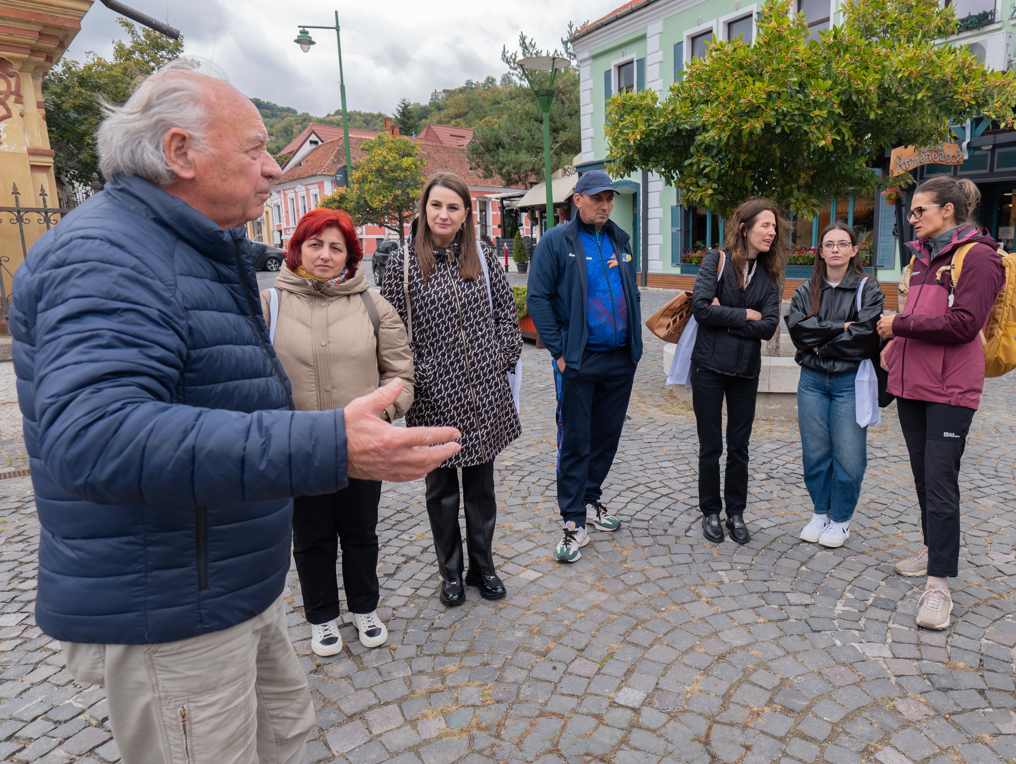
Professor Eugen Moga helps visitors read the stories held in Șchei's streets, houses and landmarks. Photo: Brașov Metropolitan Agency for Sustainable Development
Some places reveal themselves at first glance. Șcheii Brașovului asks something different: that visitors slow down long enough to notice the stories held in its streets.
At the foot of Mount T“mpa, just beside Brașov's historic centre, old houses, churches, roadside crosses and traditional flavours carry the memory of generations. Yet many visitors pass through the neighbourhood without discovering the people who can bring those details to life. The People Powered Tourism urban pilot set out to change that - not by creating a new attraction, but by connecting the knowledge, places and skills already rooted in Șchei.
Close to the centre but easy to pass by
Șcheii Brașovului holds an exceptional concentration of cultural heritage, living traditions and natural assets. Its difficulty is not a lack of stories. It is that those stories often remain fragmented - held by historians, cultural institutions and community members, but not yet connected into a visitor experience that reveals the meaning behind what people see.
Without that human interpretation, an old house may remain only a facade, a roadside cross only a landmark, and a traditional dish only something to taste. Even museums and churches of outstanding historical and cultural significance, whose importance extends far beyond the local community, may be visited without their stories and wider relevance being fully understood. Visitors can walk the neighbourhood and still miss its deeper identity.
The people who make the place legible
The pilot began with the people who know Șchei from the inside. Local historian Professor Eugen Moga has documented its streets, houses and roadside crosses. Historian and gastronomy researcher Professor Alexandru Stănescu connects local history with recipes, resourcefulness and traditional creative practices. At the First Romanian School, curator Ioan Cornea helps visitors understand another defining layer of the neighbourhood's heritage.
Alongside Casa Junilor, cultural actors, tourism stakeholders and community members, they came together through participatory workshops to map the neighbourhood's assets and ask a practical question: how could separate places, skills and memories become one meaningful journey?
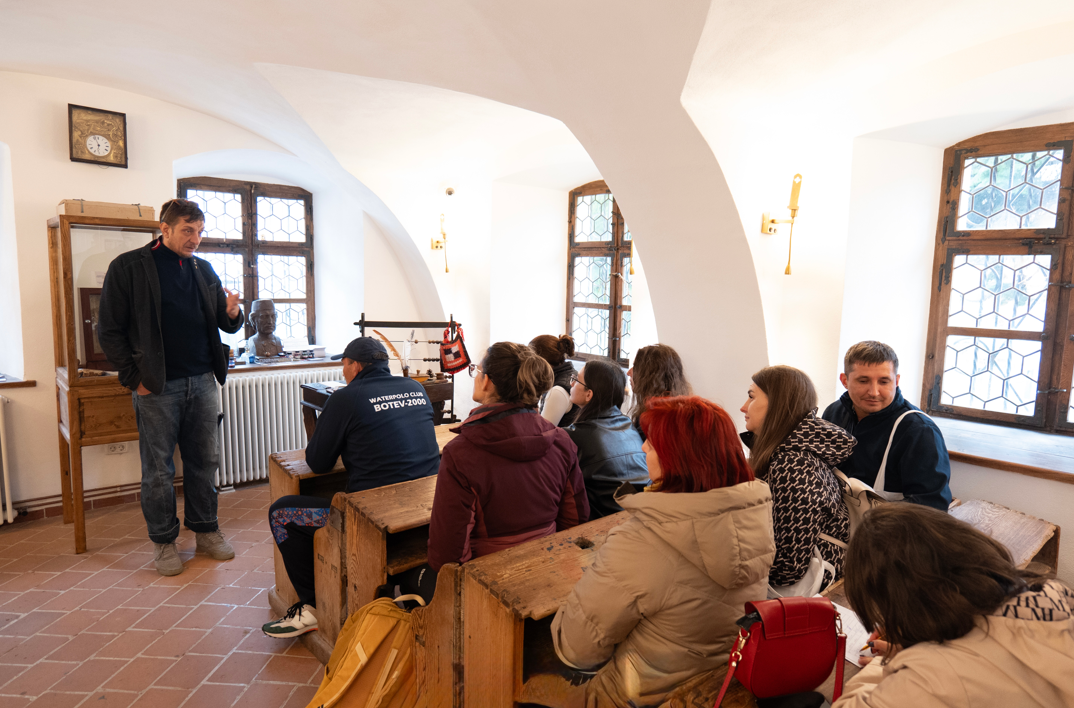
At the First Romanian School, local knowledge turns a heritage site into a living conversation. Photo: Brașov Metropolitan Agency for Sustainable Development
From scattered knowledge to one shared experience
The work did not begin by asking what Șchei lacked. It began by asking what the neighbourhood already held, and who could help visitors understand it.
Professor Moga shaped a cultural route around the stories embedded in streets, historic houses and roadside crosses. Professor Stănescu brought local history together with a tasting based on documented Șcheian recipes and a traditional wood-painting workshop. Casa Junilor offered a community setting for these encounters, while the First Romanian School and curator Ioan Cornea added the perspective of one of Brașov's most important heritage institutions.
Each contributor brought a different piece of knowledge, place or skill. Their collaboration turned those pieces into a connected one-day experience, where walking, listening, tasting and making all became ways of learning about the same neighbourhood.
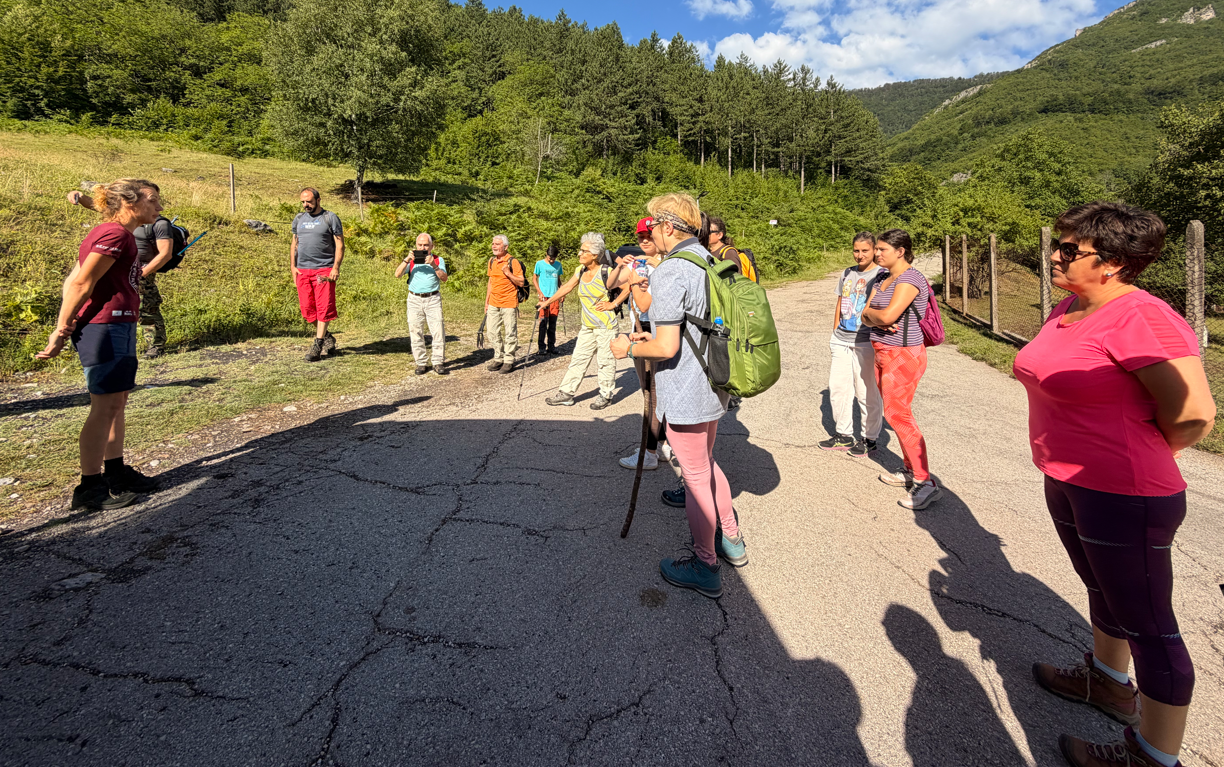
The first public test invited visitors to stop, listen and discover the meanings behind familiar heritage places. Photo: Brașov Metropolitan Agency for Sustainable Development
The day visitors stopped and listened
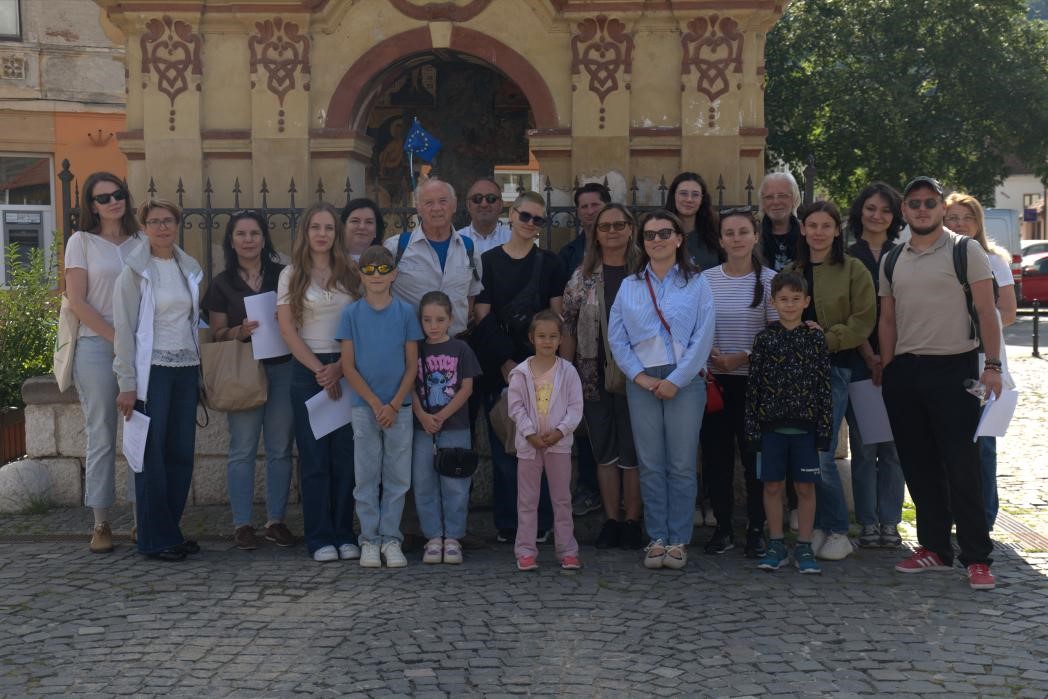
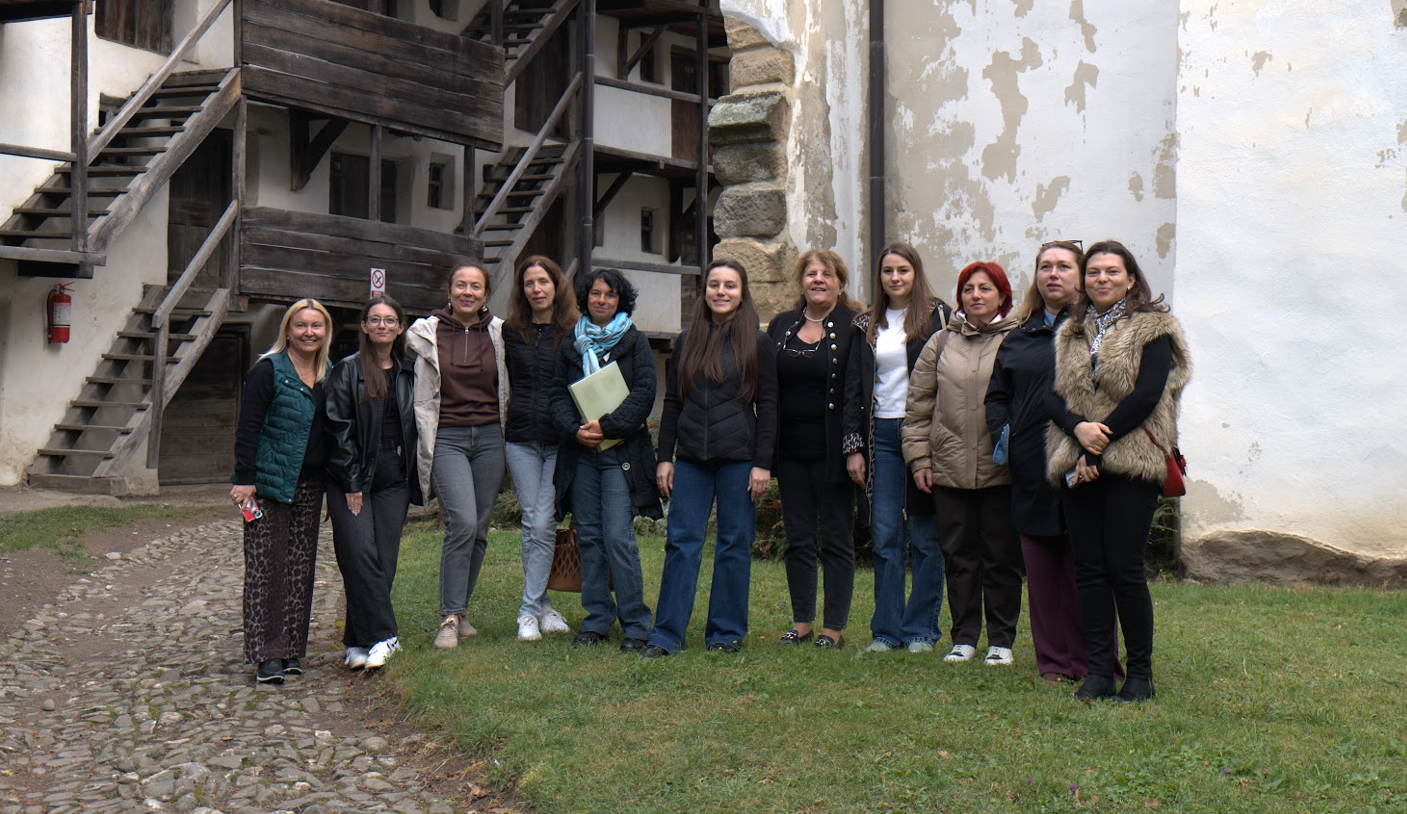
On 23 July 2026, more than 20 participants joined the first public test of the Cultural Tour of Șcheii Brașovului. Guided by Professor Moga, they explored historic streets, roadside crosses and old houses, as well as the First Romanian School and St. Nicholas Church. Observation forms and direct feedback allowed the team to learn not only what interested visitors, but how the experience helped them see the neighbourhood differently.
When history could be tasted and made by hand
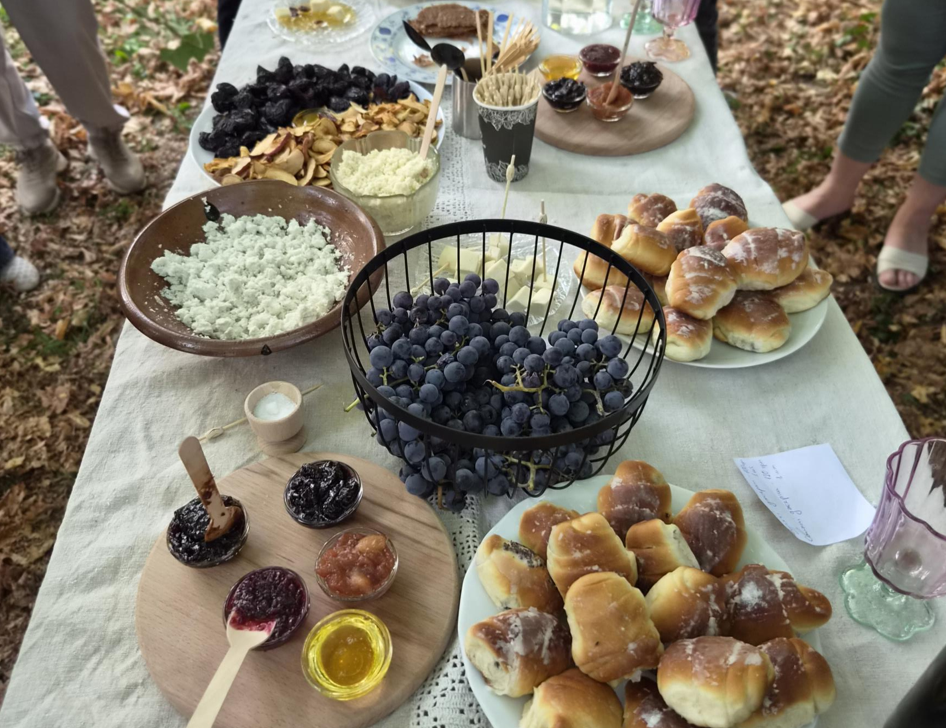
The route was then tested on 23 September as part of the peer review visit, through a full-day experience with Professor Stănescu. Local history led to traditional gastronomy, featuring recipes documented in his own book; recipes opened conversations about everyday life; and a wood-painting workshop invited participants to engage with heritage through their own hands, showing how furniture was traditionally painted to bring beauty into the home.
These activities changed the rhythm of the visit. Participants were no longer moving from one sight to the next. They had time to sit together, ask questions, create something and understand how knowledge is carried through food, craft and personal memory.
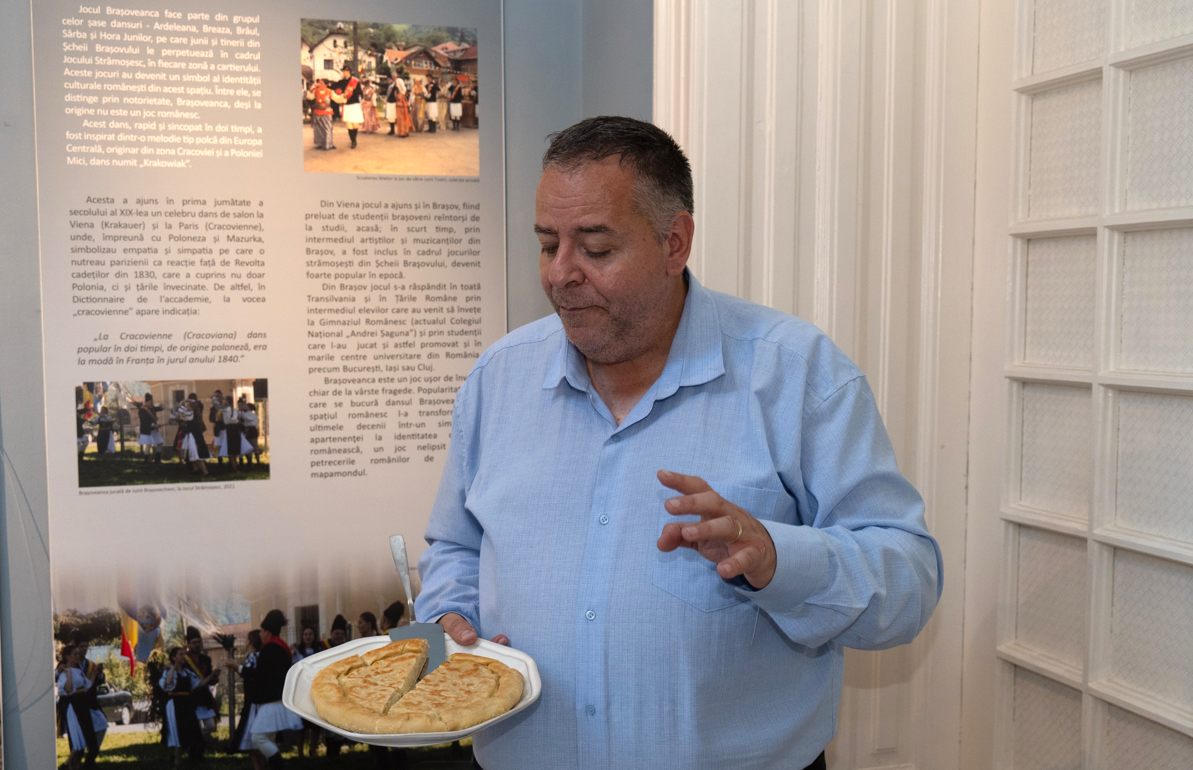
Professor Alexandru Stănescu shares the local knowledge and resourcefulness preserved in traditional Șcheian cuisine. Photo: Brașov Metropolitan Agency for Sustainable Development
Making the best of what we have
“In difficult times, let us make the best of what we have.”
— Professor Alexandru Stănescu
Professor Stănescu shared this saying with the participants, who grew fond of it and continued using it during their stay in Brașov. In traditional Șcheian cuisine, it has a very practical meaning: simple and accessible ingredients can become something delicious through knowledge, creativity and care.
The same thought quietly captures the pilot itself. Nothing essential had to be invented. The ingredients were already there - heritage, skills, stories, places and people. The change came from bringing them together with care.
The Difference Between Passing Through and Understanding
Participants described the guided experience as far more informative than visiting Șchei independently. The difference was not simply the amount of information they received. It was the chance to understand why the places along the route mattered and to connect visible heritage with the people and stories behind it.
Their positive feedback, including interest in joining further experiences of this kind, offered early evidence that local knowledge can turn passing through into staying, exploring and engaging. It also showed how a richer visitor experience can create visibility and value for historians, cultural actors, craftspeople and community spaces.
From pilot experience to lasting invitation
Because the route is built from people, knowledge and spaces that already exist, it has a credible life beyond the project. The experience can be further refined and promoted within Brașov's tourism offer, with the Brașov Metropolitan Agency for Sustainable Development and local tourism and cultural stakeholders supporting its integration into existing visitor channels. Its elements can also be adapted for different groups without losing the human relationships at its centre.
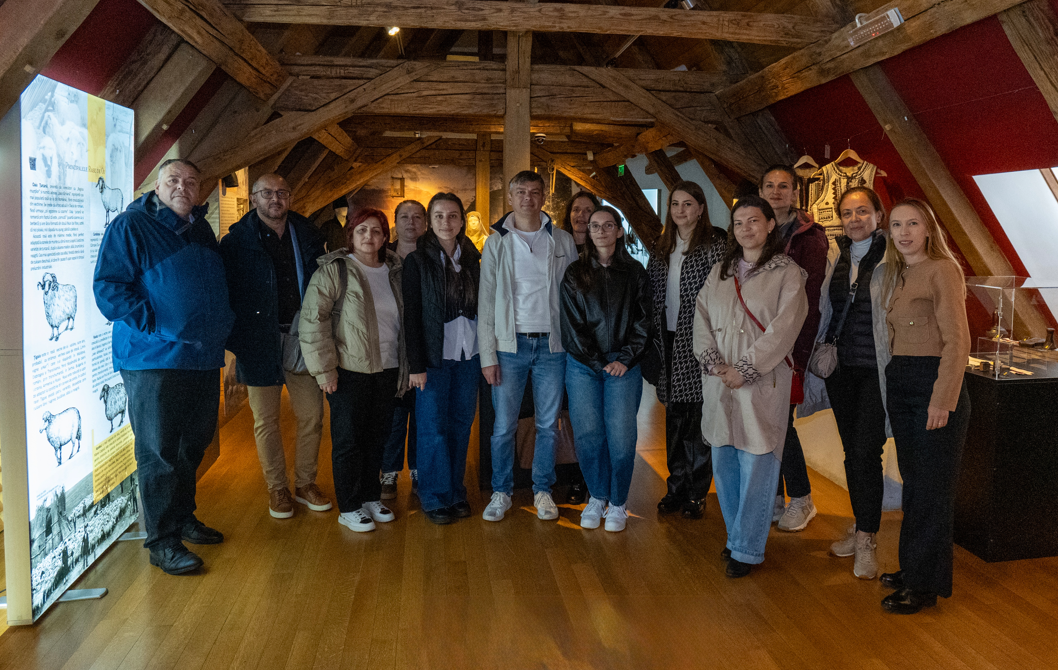
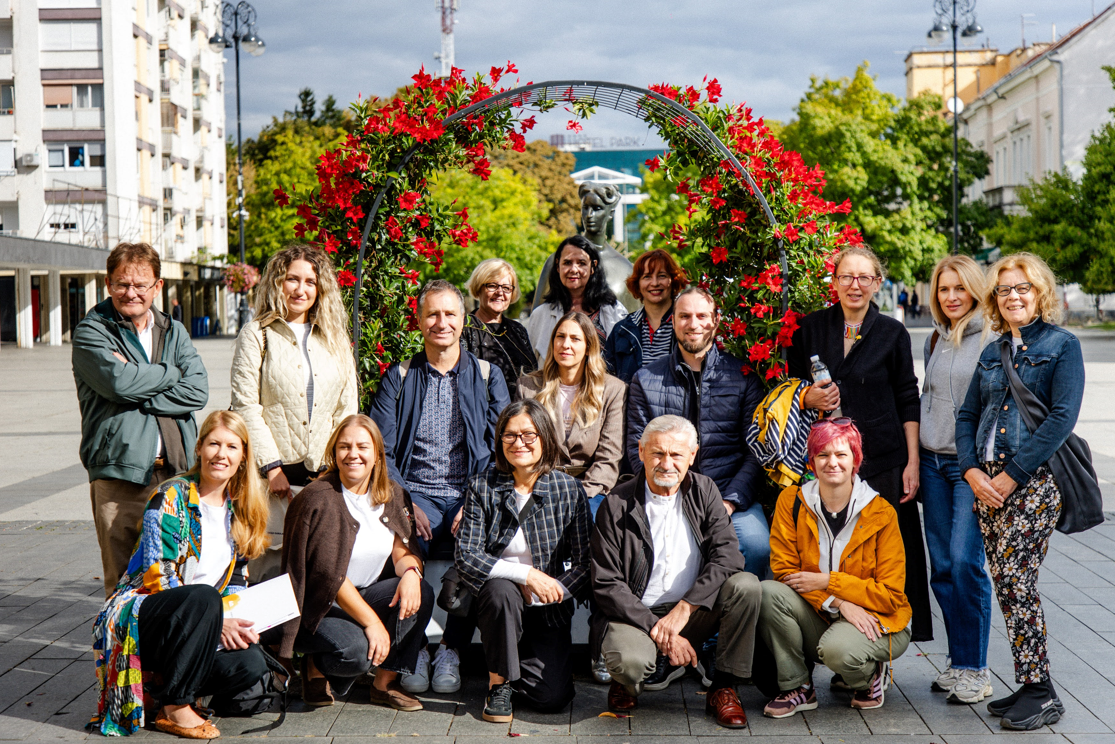
The pilot connected heritage places with the people whose knowledge helps visitors understand them. Photo: Brașov Metropolitan Agency for Sustainable Development
If this collaboration continues, Șcheii Brașovului can become more than a neighbourhood beside the historic centre. It can become a place where visitors stop, listen, learn and contribute to a visitor economy that values the people who keep local heritage alive.
When visitors slow down and local voices take the lead, Șchei changes from a neighbourhood seen in passing into a place understood through the people who know it best. Its lasting value lies not only in what visitors see, but in whom they meet and what they learn to notice.

04/11/2026
By Anna Szentgyörgyi
Share on social media:


News & Events
Read the most recent updates and explore the upcoming events.

Would you like to receive project updates?
You're already part of our community!
Welcome to our newsletter community!
Subscribe to our newsletter