
Pelinovo: Where Visitors Become Part of the Story
RURAL PILOT STORY | PELINOVO, MONTENEGRO
Pelinovo: Where Visitors Become Part of the Story
How a dry-stone wall and an olive grove turned visitors from observers into participants.
In the hills above Kotor, Pelinovo brings our People Powered Tourism pilot series to rural Montenegro. Project partner NGO Green Home and local residents asked what might happen if visitors did more than look at village life: if they worked alongside the people who live it and left behind a contribution of their own.
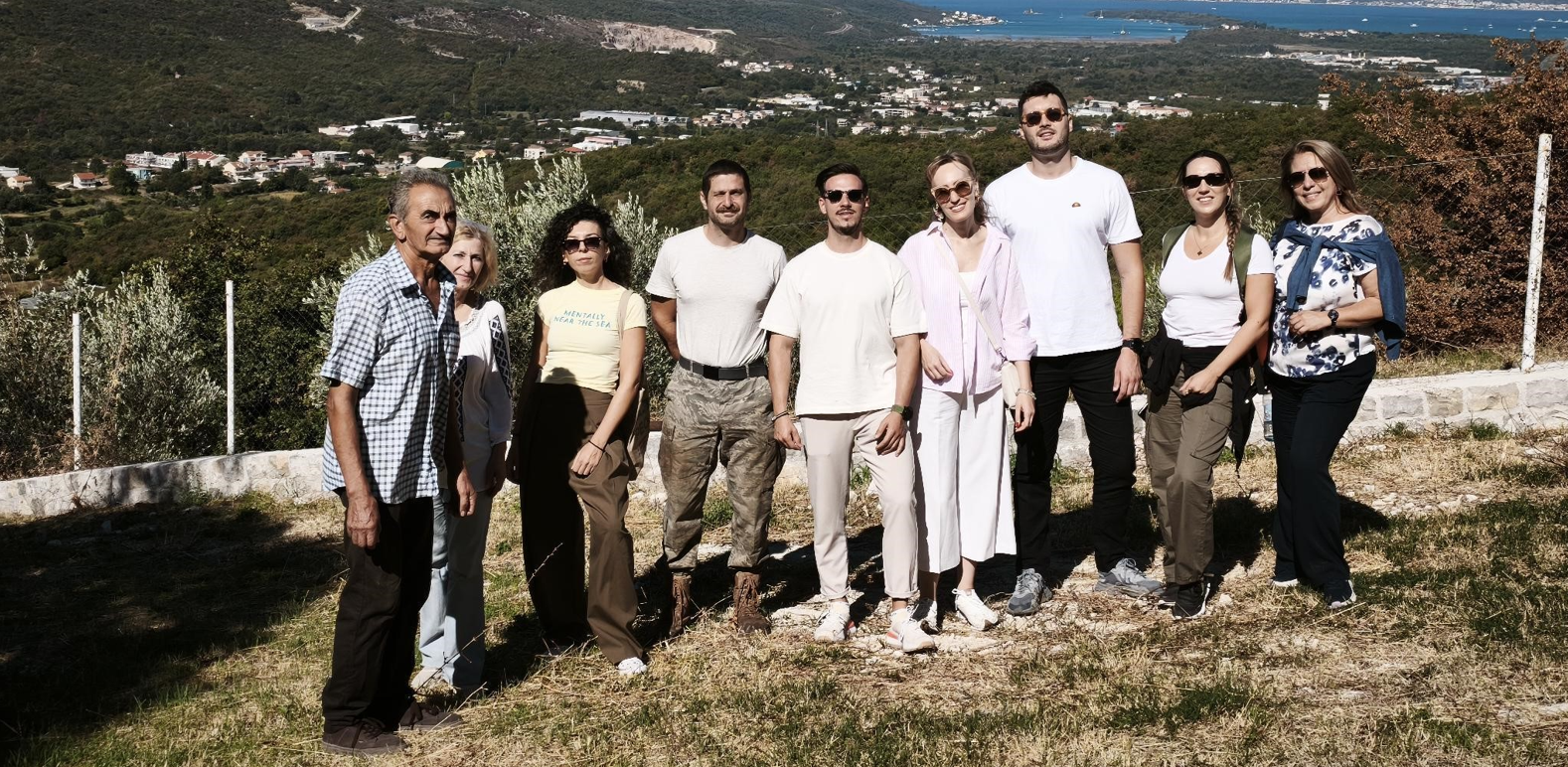
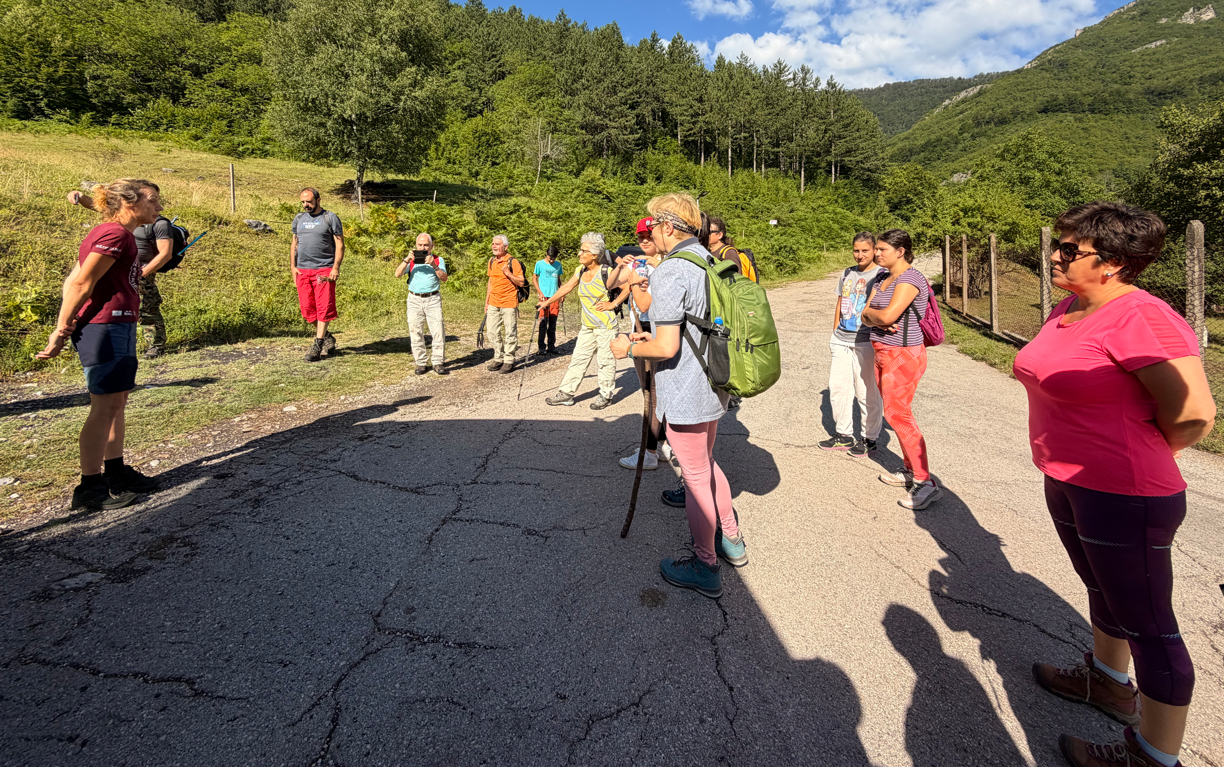
 Pelinovo's landscape drew the visitors in; its people, knowledge and everyday life shaped the experience. Photo: NGO Green Home
A village whose knowledge remained out of sight
Olive groves, traditional food, dry-stone walls and stories passed between generations are part of everyday life in Pelinovo. They link the village to its land and to the people who have continued to care for it. Yet much of this knowledge remained outside the visitor experience.
For local residents, particularly women and those who remained as others moved away, tourism offered few ways to create value from their products, knowledge and practical skills. Visitors, meanwhile, could move through the rural landscape without meeting the people behind it or understanding how its traditions were kept alive.
This created a clear question for the pilot: how could tourism bring visitors closer to the people and traditions of Pelinovo while giving the community a direct role and a direct benefit?
Starting with what Pelinovo already knew
Green Home invited local residents and women from the village to identify what they wanted visitors to encounter and what they were ready to share. Olive growing and traditional dry-stone wall building soon emerged as the strongest foundations. Neither had been invented for tourists. Both belonged to Pelinovo's identity and daily relationship with the land.
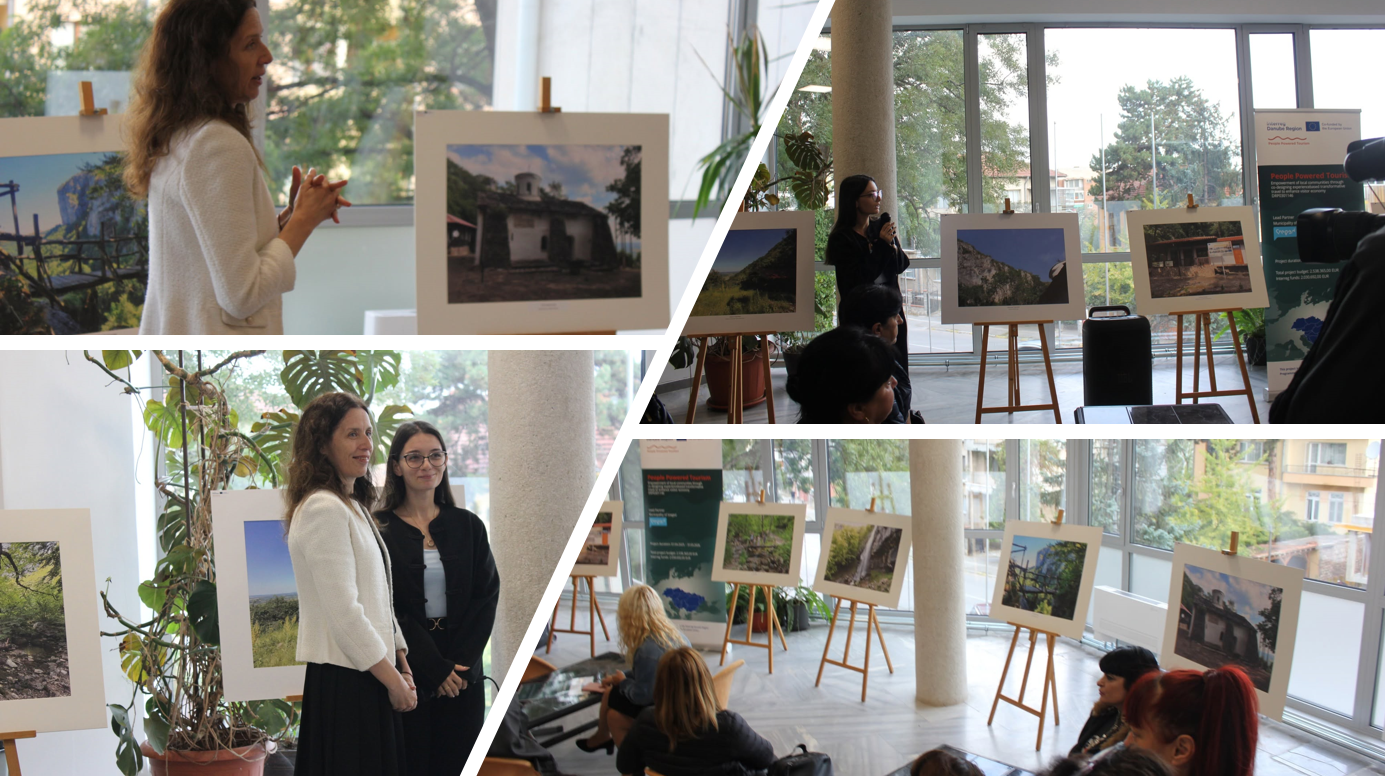
From there, residents, project partners and participants shaped a hands-on programme as a way for visitors to learn by doing, while local people share what they know best. Visitors would get their hands dirty building a traditional dry-stone wall, care for the olive grove, discover local heritage, taste local products and sit down with their hosts for a traditional meal. The separate activities gradually became one community-led experience.
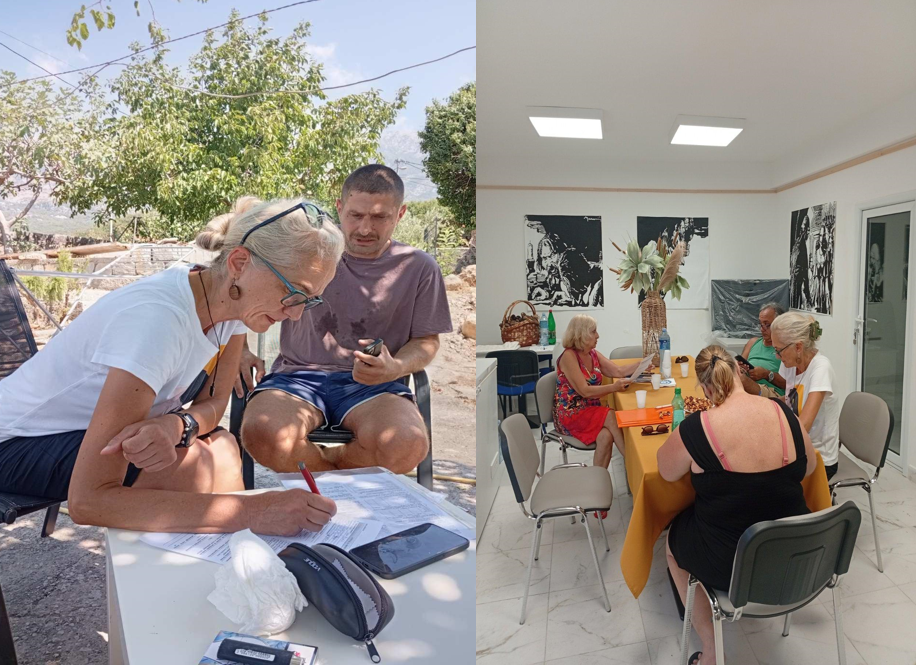 The programme took shape through practical planning with the people who would host, explain and carry the experience. Photo montage: NGO Green Home
When the idea met the ground
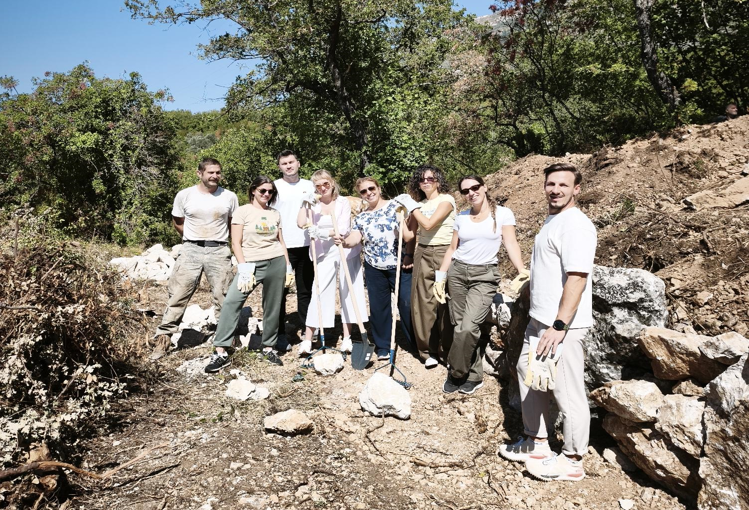
The decisive test came when visitors arrived and experienced Pelinovo from the inside. At the olive grove, they cleared vegetation, handled stones and worked with local people on a traditional dry-stone wall. They learned about olive growing and the care of the landscape through the work itself, rather than through an explanation delivered from a distance.
The route then connected this work to the wider life of the village. Participants visited an old stone mill, heard how olive growing and cooperation had shaped the community, tasted olive oil, stopped at a local water spring and walked through Pelinovo. The programme also included the Church of St Peter and Paul and encounters with residents along the way.
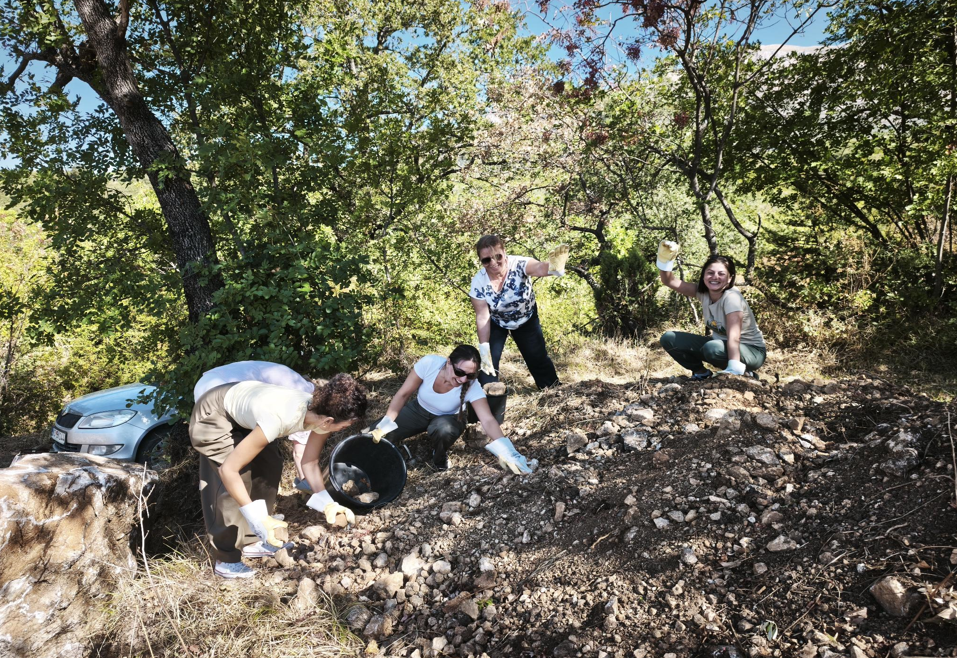 Visitors joined local residents in the physical work of caring for the olive grove and its dry-stone heritage. Photo: NGO Green Home
A wall that changed the visitor's role
The dry-stone wall gave the pilot its clearest expression. Residents explained how this traditional building practice is connected to the care of the land, soil and olive grove. Visitors then contributed with their own hands. The wall ceased to be part of the scenery they observed and became a piece of local heritage they had helped preserve.
The stones remained after the visitors left. So did the practical evidence that a tourism experience can give something back to the place in which it happens.
From the olive press to the shared table
The old stone mill placed the work in a longer story. Here, visitors encountered the tools, products and knowledge behind Pelinovo's olive-growing tradition and tasted the oil produced from the landscape they had just helped to care for. Local residents were not supporting characters in someone else's tour; they were the people able to explain why each place and practice mattered.
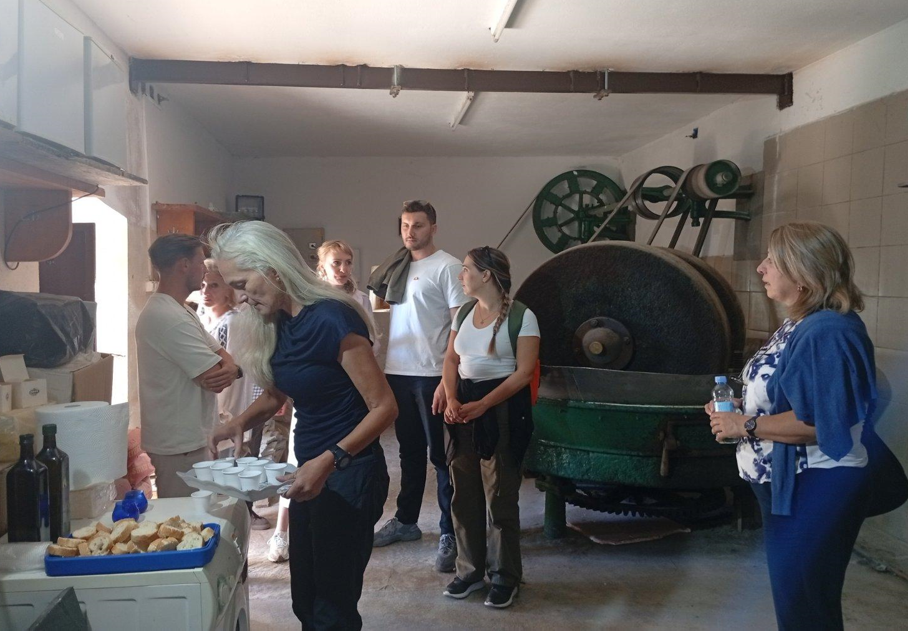 Inside the old stone mill, local knowledge connects the olive grove to Pelinovo's history,
products and community life. Photo: NGO Green Home
The day continued around a shared table with traditional dishes and local products. After the work in the grove, the meal created time for conversation and genuine contact. Visitors had already lifted stones, cleared the land and listened to local stories. By the time they sat down to eat, Pelinovo was no longer a backdrop to their visit.
Progress that could be seen
The first test produced visible results: part of a traditional dry-stone wall was built, the olive grove was cleaned and local knowledge became the centre of a visitor experience. Participants learned directly from residents about olive growing, heritage and food, while the community tested how its own everyday skills could form a meaningful tourism offer.
Representatives of the local community and institutions, together with project partners from Croatia and Bosnia and Herzegovina, also took part. Their feedback will help Green Home and the community refine the model. The early lesson is already clear: visitors do not have to remain observers. Visitors become active participants, while local residents become the people who share and shape the story of their own home. In that exchange, visitors contribute, learn and form a real connection with the people who make a place what it is.
A visit that returns something to the village
Pelinovo's pilot gives the visitor economy a practical local form. The community shares its knowledge, products and hospitality, and the visitor contributes time, attention and work in return. This exchange creates more than a memorable day. It supports the care of the village's natural and cultural heritage while opening a path towards direct local benefit.
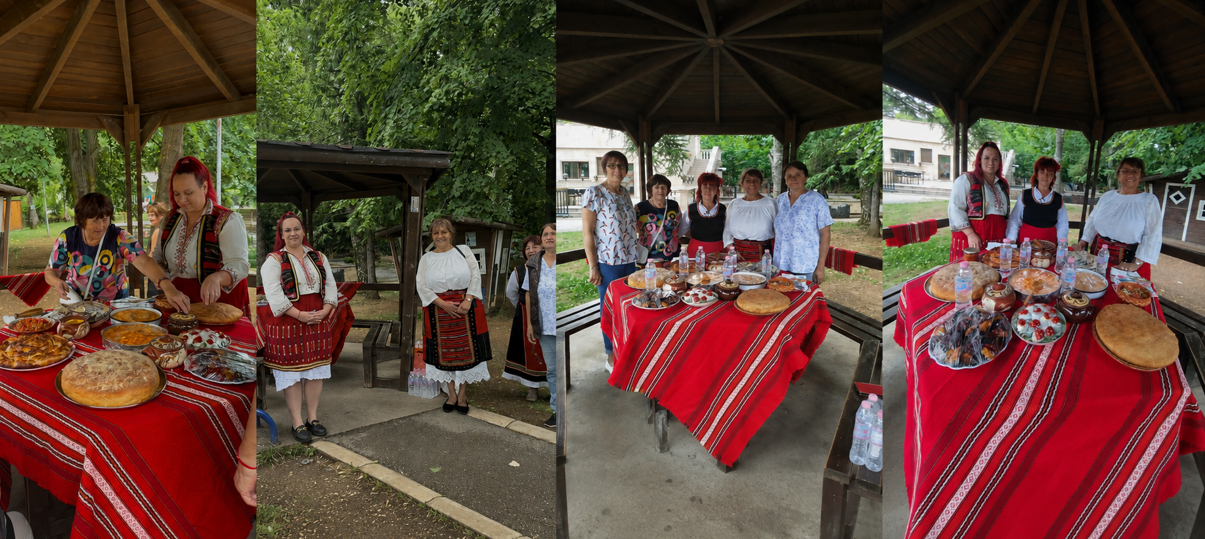
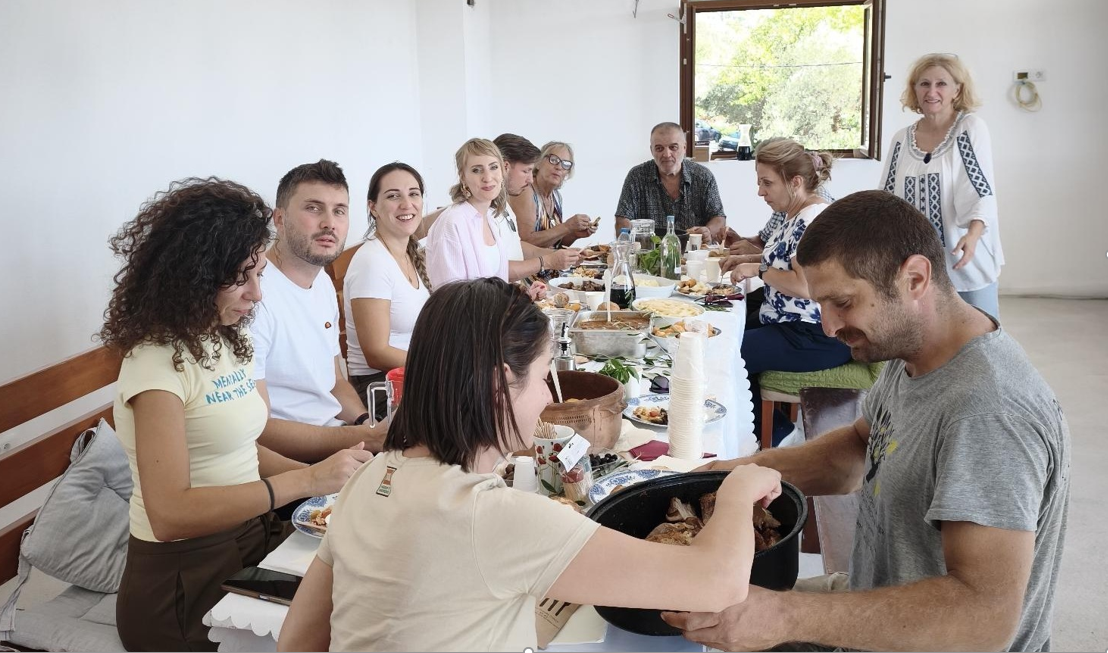 The shared meal turns practical work into conversation, hospitality and a closer relationship between visitors and hosts. Photo: NGO Green Home
Keeping Pelinovo's story in local hands
The experience is intended to continue beyond the project. The current plan is to transfer it to a local tourism organisation or destination management body that could integrate it into the area's tourism offer. Green Home and the local community can support that process by passing on the knowledge and experience developed through the pilot.
The next task is to secure the partnerships and funding needed to keep the programme active. If that foundation is built, the model could also inspire similar community-based experiences in other rural areas: experiences created from local knowledge, tested with real visitors and adapted without taking ownership away from the people whose lives give them meaning.
Pelinovo did not need a new story written for visitors. Its olive groves, stonework, food and memories already formed one. The pilot allowed local people to remain its authors while inviting visitors to take part - and to leave the village having helped care for what they came to discover.

13/10/2026
By Anna Szentgyörgyi
Share on social media:



News & Events
Read the most recent updates and explore the upcoming events.

Would you like to receive project updates?
You're already part of our community!
Welcome to our newsletter community!
Subscribe to our newsletter