
From Orchard Flavours to Palace Gates
DOVHE, UKRAINE • RURAL PILOT
From Orchard Flavours to Palace Gates
How Dovhe is shaping local tastes, skills and a heritage site into a visitor journey built with its community
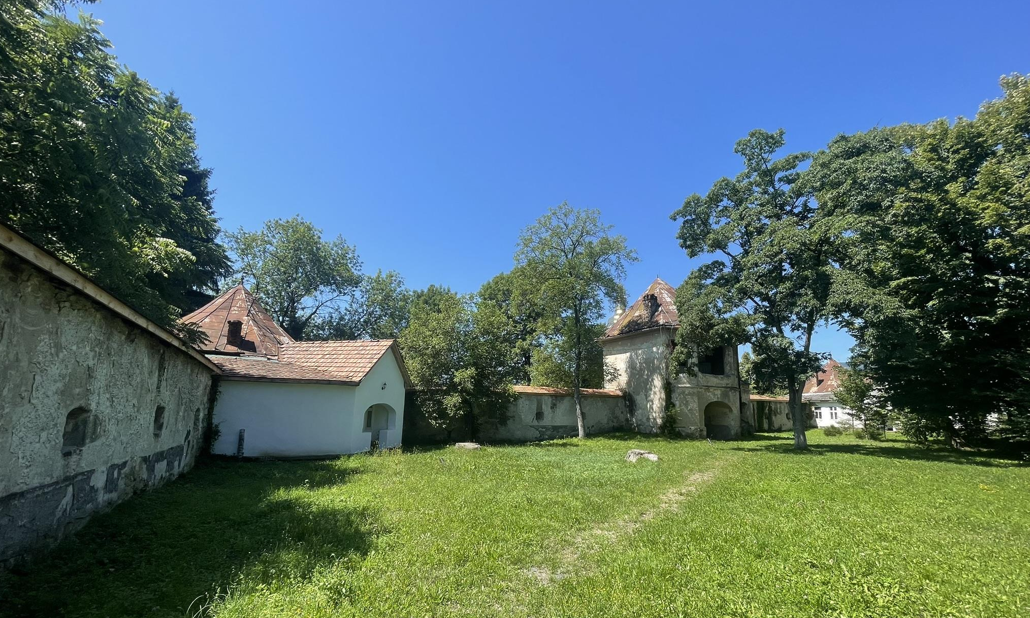
Teleki Palace is one of Dovhe’s most important heritage assets and one of the anchors of the rural pilot. Photo provided by FORZA.
Some visitor experiences begin at a landmark. Dovhe community begins at a table beneath fruit trees, where homemade jams are served without labels and visitors must trust their senses. From there, the route moves through a hands-on workshop, local songs and dance before reaching Teleki Palace, where a guide in period dress speaks as Count József Teleki.
These experiences came from different households, local skills and places. The pilot’s task was to give them a shared rhythm that visitors could understand, book and remember, while creating value for the people who grow, make, teach and care for Dovhe.
Local value without a shared visitor route
Dovhe is a rural community beside Zacharovanyi Kray National Nature Park, surrounded by agricultural land, forested slopes and mountain scenery. It has fruit growers, artisans, local food producers, living song and dance traditions, and Teleki Palace. Yet these assets had no common route or local coordinator to turn them into a regular visitor offer and recurring income.
The need is especially concrete during the ongoing war. Foreign leisure travel to Ukraine remains severely limited, while Zakarpattia is home to many people who have relocated from other parts of the country. The first realistic audience is therefore domestic: families, friends and small groups from nearby towns, together with guests already staying at Borzhava sanatorium. For Dovhe, visitor economy development can support self-employment, give local knowledge greater value and build interest in a heritage site that needs sustained care.
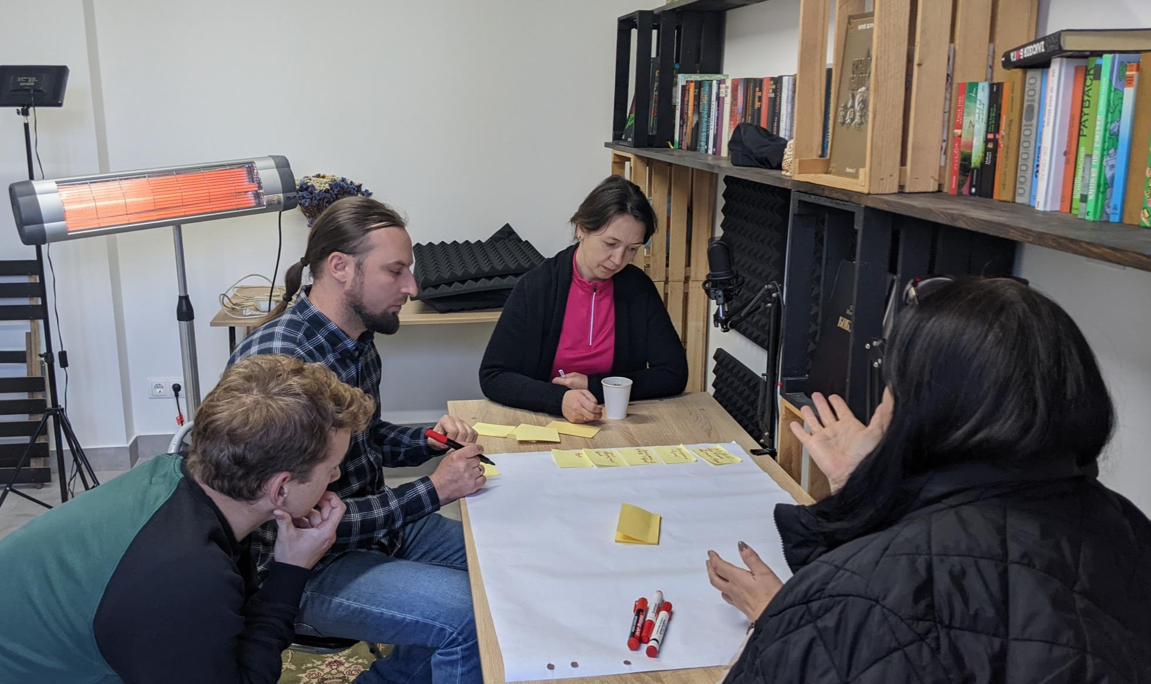
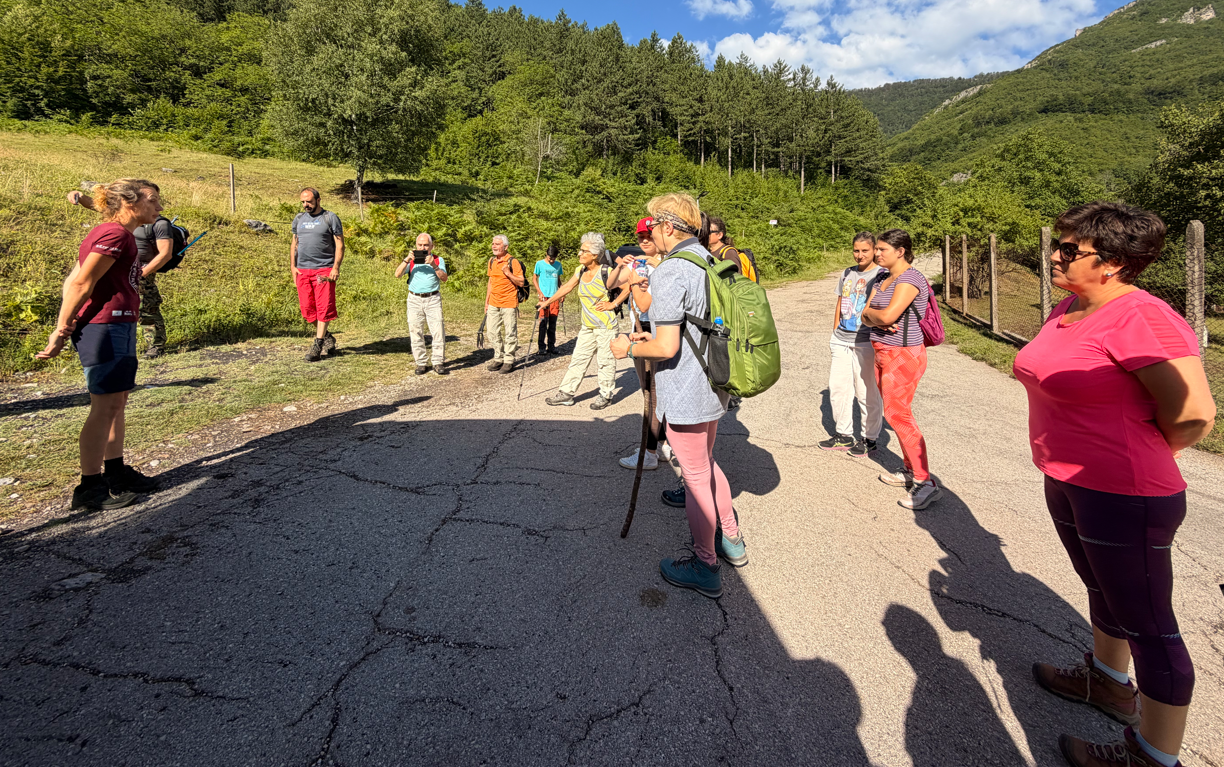
FORZA and local actors discuss which services can be shaped into a visitor experience. Photo provided by FORZA.
Seven conversations before one itinerary
FORZA did not arrive with a finished programme. Its team met seven potential contributors and explored what each person could host, which activities visitors could try and what would need further preparation. The work involved municipal representatives, a local NGO, volunteers, growers, producers, teachers, craftspeople and prospective guides.
An internal team and local volunteers tested the proposed services, discussed what felt authentic and what needed adjustment, then combined the elements most ready for the peer review on 6 October 2026. The process also began to change the palace itself. Two community clean-ups prepared the site for visitors, while FORZA thematic expert Yuriy Slavik developed the historical structure of the excursion. Other providers remain part of the next development phase, so the programme can grow without depending on one fixed itinerary.
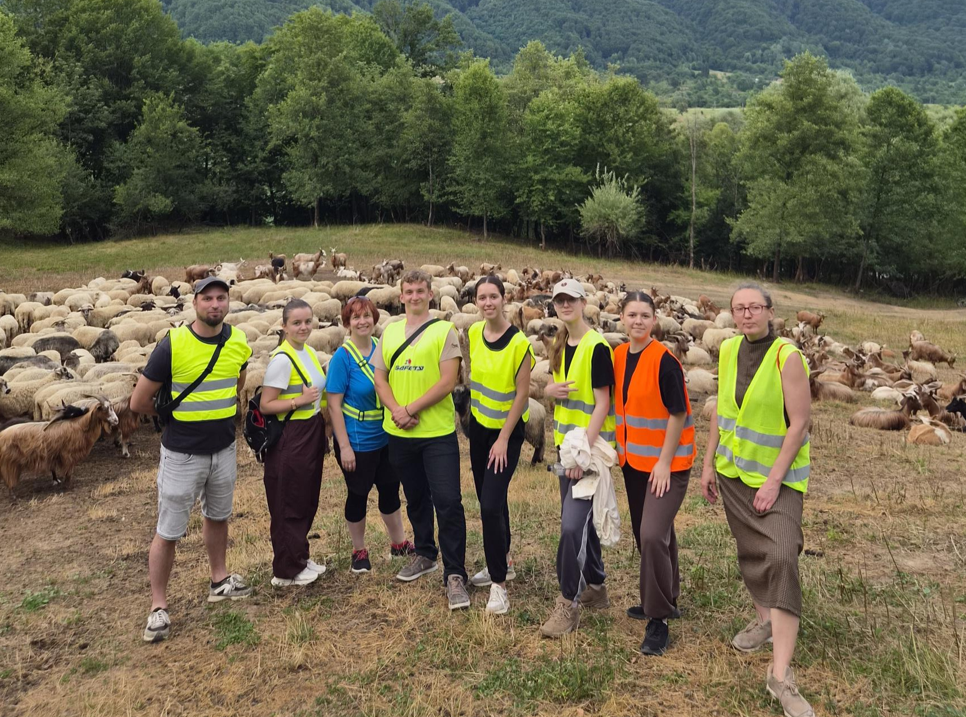
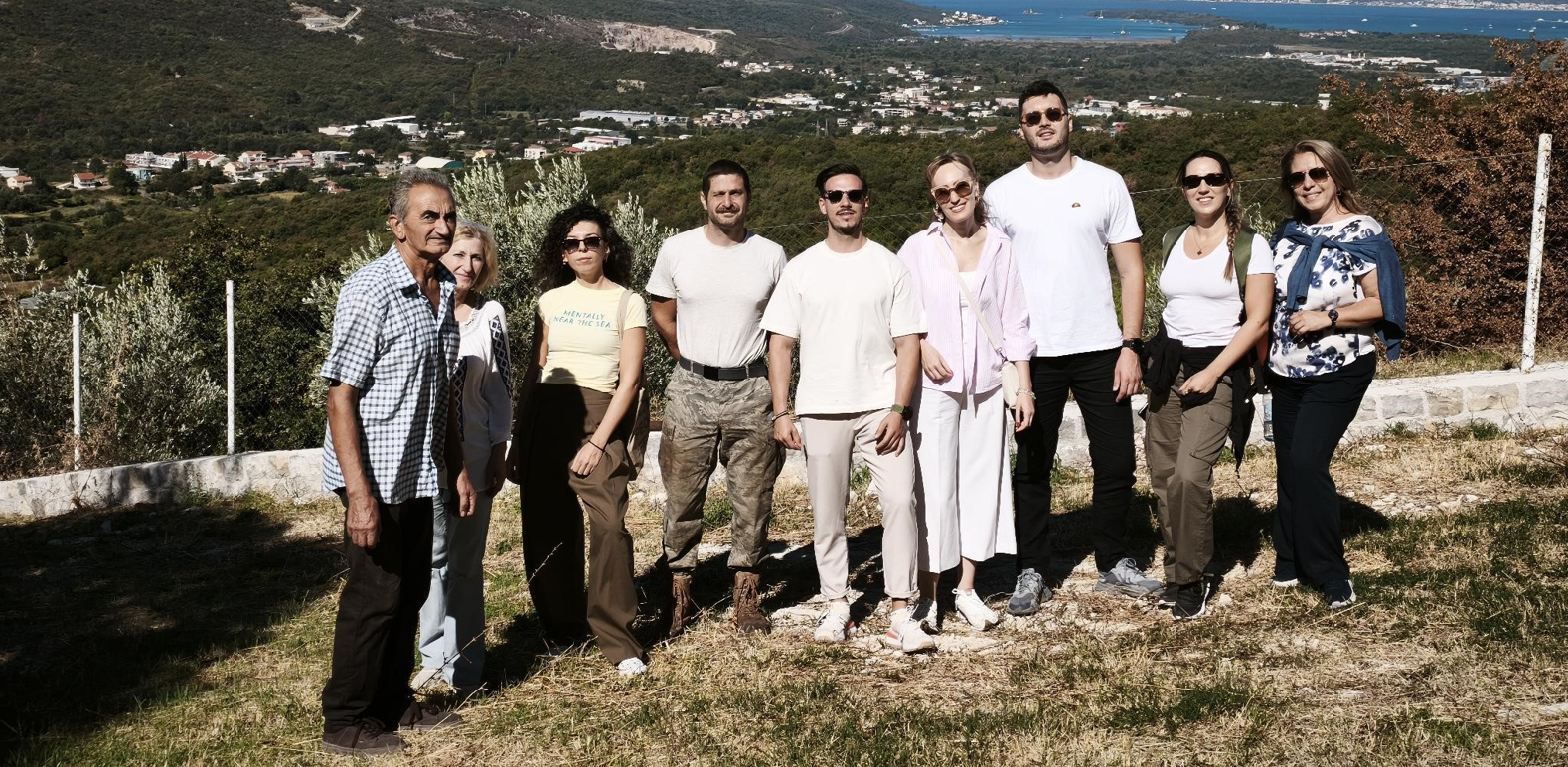
Local volunteers and project participants take part in a community activity in Dovhe. Photo provided by FORZA.
An orchard with a personal history
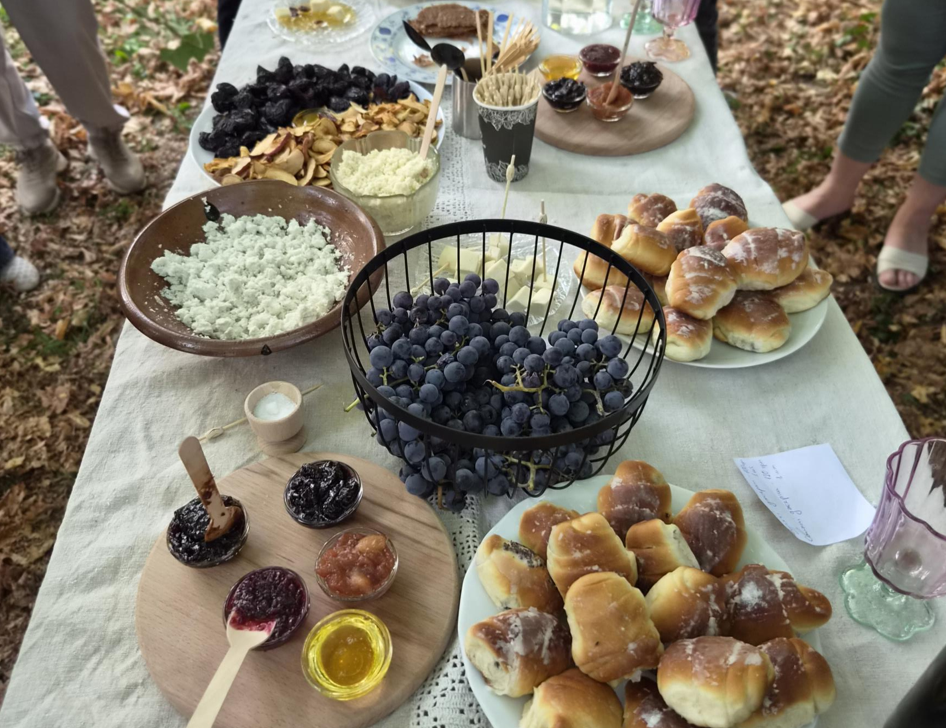
At the family orchard of Tetyana and Serhiy Kanaylo, the route begins in everyday rural life. Guests walk among the trees, taste homemade jams without seeing the labels, compare local fruit varieties and share baked products at an outdoor table. The simplicity is part of its strength: tasting opens a conversation that moves naturally from flavour to land use, family knowledge and the work behind each jar.
The orchard also carries a personal story. Serhiy created the place for Tetyana. It is a place shaped by care, which the hosts can share in their own words. Future versions may add practical activities such as fruit-tree pruning, gardening, haymaking or other forms of traditional land management, subject to suitable arrangements at the privately owned site.
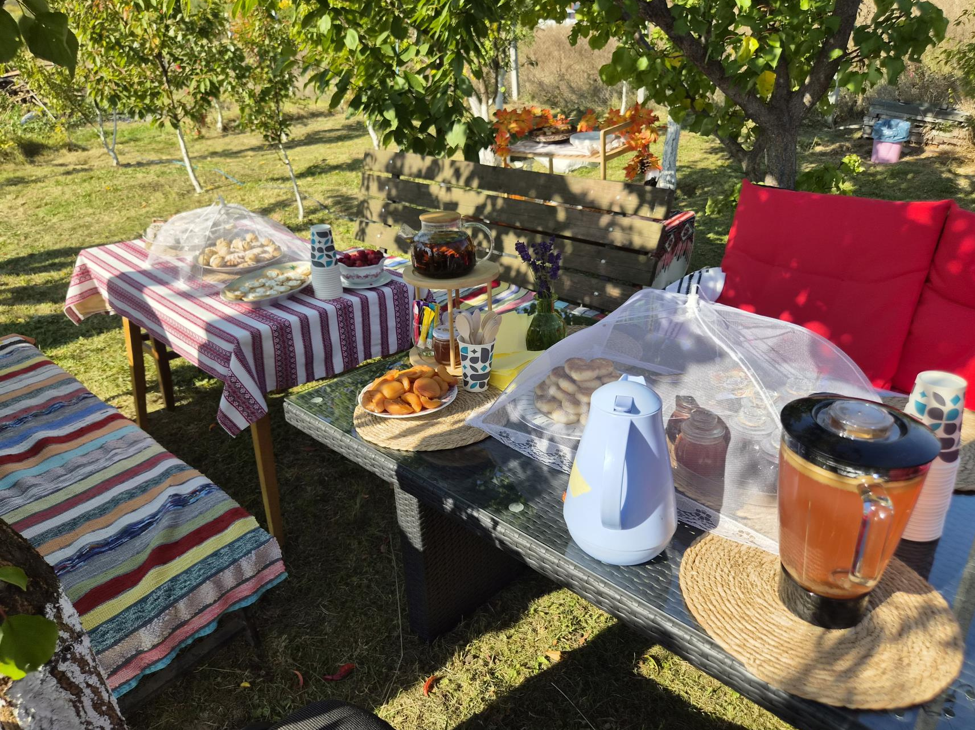
Blind jam tasting in Tetyana and Serhiy Kanaylo’s orchard leads into stories of land, family and everyday life. Photo provided by FORZA.
A workshop that found its own rhythm
The next part was led by Iván Lengyel, who helped each participant make a macramé bottle holder. Local singing and dance followed. Peer review feedback found the craft activity engaging but rather long for an average visitor and suggested giving more time to the music, where Ivan’s singing created a stronger connection. FORZA can now shorten the workshop and let the songs carry more of Dovhe’s character.
Behind the gates of Teleki Palace
At Teleki Palace, the pilot changes pace. A local guide steps into the role of Hungarian Count József Teleki and leads the “Behind the Gates of Teleki Palace” excursion. The character gives the building a voice and introduces visitors to the family’s influence on Dovhe’s history.
The palace needs more than interpretation. It requires continued cleaning, research and careful reconstruction. The pilot therefore tests a visitor-economy idea with real local consequence: future guests could contribute through clean-ups, research or supervised restoration activities. Licensed specialists would guide any reconstruction work. The visit ends with products from the wider community, including sheep and goat cheeses, dried fruit, baked buns and local wine or schnapps. The route brings the heritage site, local producers and community effort into one experience.
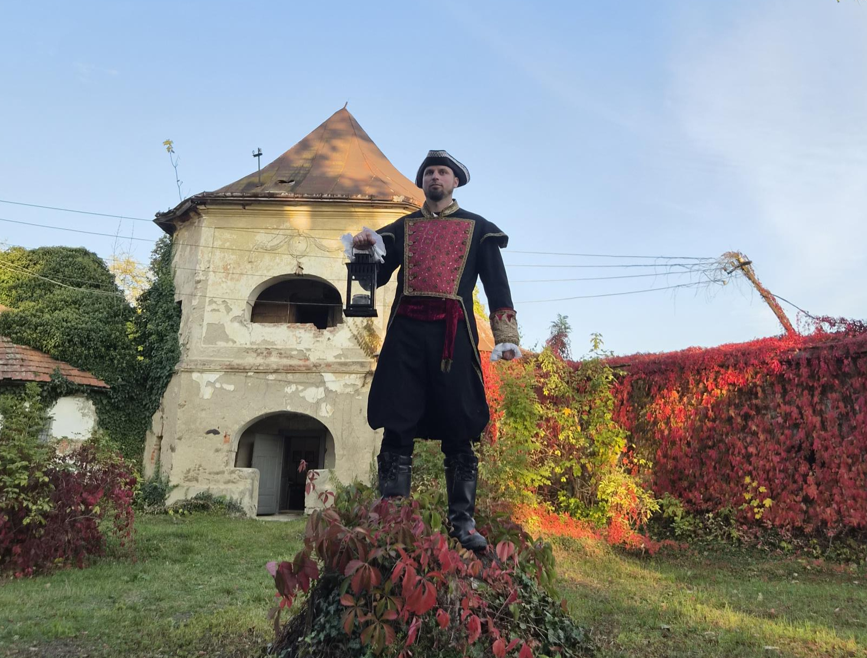
A local guide steps into the role of Count József Teleki during the “Behind the Gates of Teleki Palace” excursion. Photo provided by FORZA.
When curiosity joined the pilot
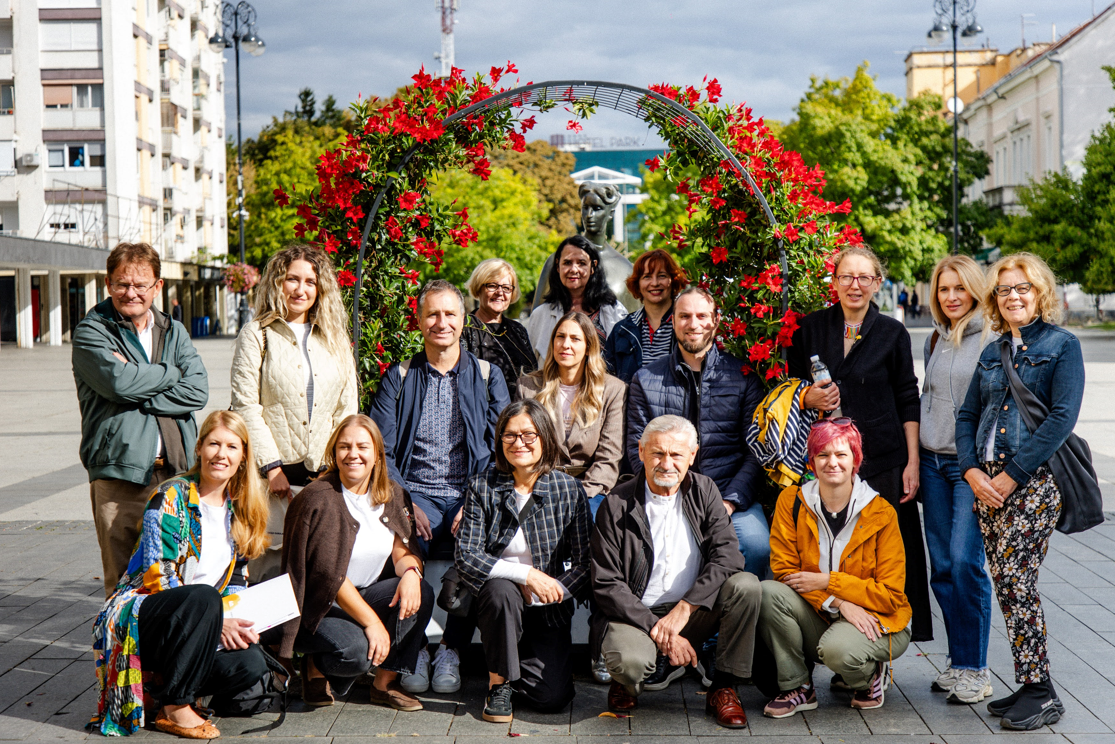
During the peer review on 6 October 2026, the orchard and workshop were tested in a small group, while around 15 external participants joined the palace excursion. At least eight local people and four project staff members contributed to the rural pilot.
Several guests from the nearby sanatorium heard about the excursion and asked to take part. They were outside the planned review group. Their spontaneous arrival does not yet prove a regular market, but it gives Dovhe an important early signal: people already staying in the area were curious enough to change their plans and join.
“We looked at this place with new eyes. The story is so interesting.” Feedback from a local person during the first test excursion |
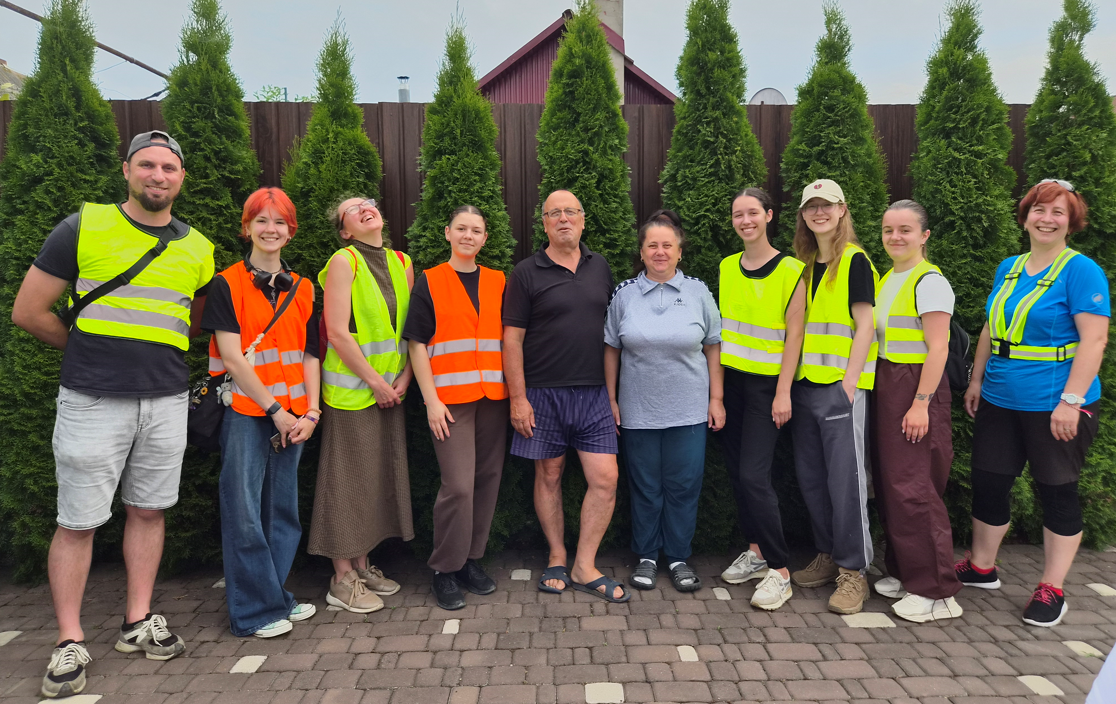
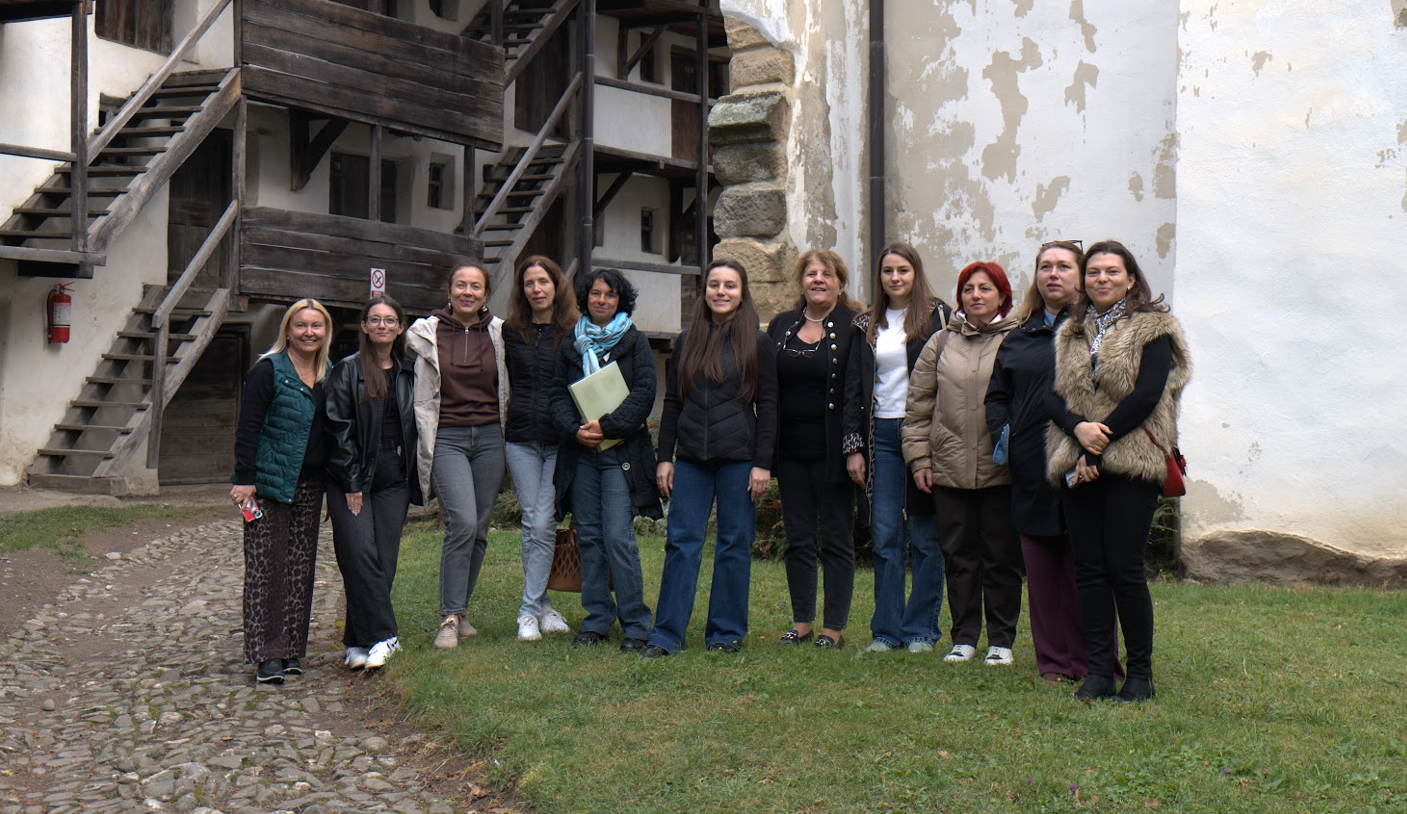
Local contributors and participants during the rural pilot programme. Photo provided by FORZA.
A programme that can keep changing
FORZA will continue with local guides, service providers and community leaders to turn the tested elements into a repeatable programme for groups of around 12 to 15. Guides will receive training for the palace excursion, a period costume will be prepared for the guide, and venue conditions will be improved. A local coordinator is planned to assemble the day according to visitor interests.
Products and workshops are also expected to reach Borzhava sanatorium, where guests are already looking for local experiences. As other contributors become ready, the programme can add painting, baking, woodcarving, shepherding and further food products without losing its community scale.
The longer-term aim is confidence as much as income. Dovhe’s residents can see that their time, knowledge and hospitality have value, while visitors gain a practical way to support the place they came to experience. The orchard can extend its care to neglected land; the palace can gain volunteers, attention and a stronger case for investment.
The approach can be adapted without copying Dovhe’s route. Rural communities elsewhere in Zakarpattia and across the wider Danube Region can begin with their own food, skills and overlooked heritage, test them with real visitors and build care for the place into the experience.
Visitors may arrive for a flavour, a song or the palace story. Dovhe’s aim is that they leave having strengthened the community that welcomed them. |

10/11/2026
By Anna Szentgyörgyi
Share on social media:


News & Events
Read the most recent updates and explore the upcoming events.

Would you like to receive project updates?
You're already part of our community!
Welcome to our newsletter community!
Subscribe to our newsletter