
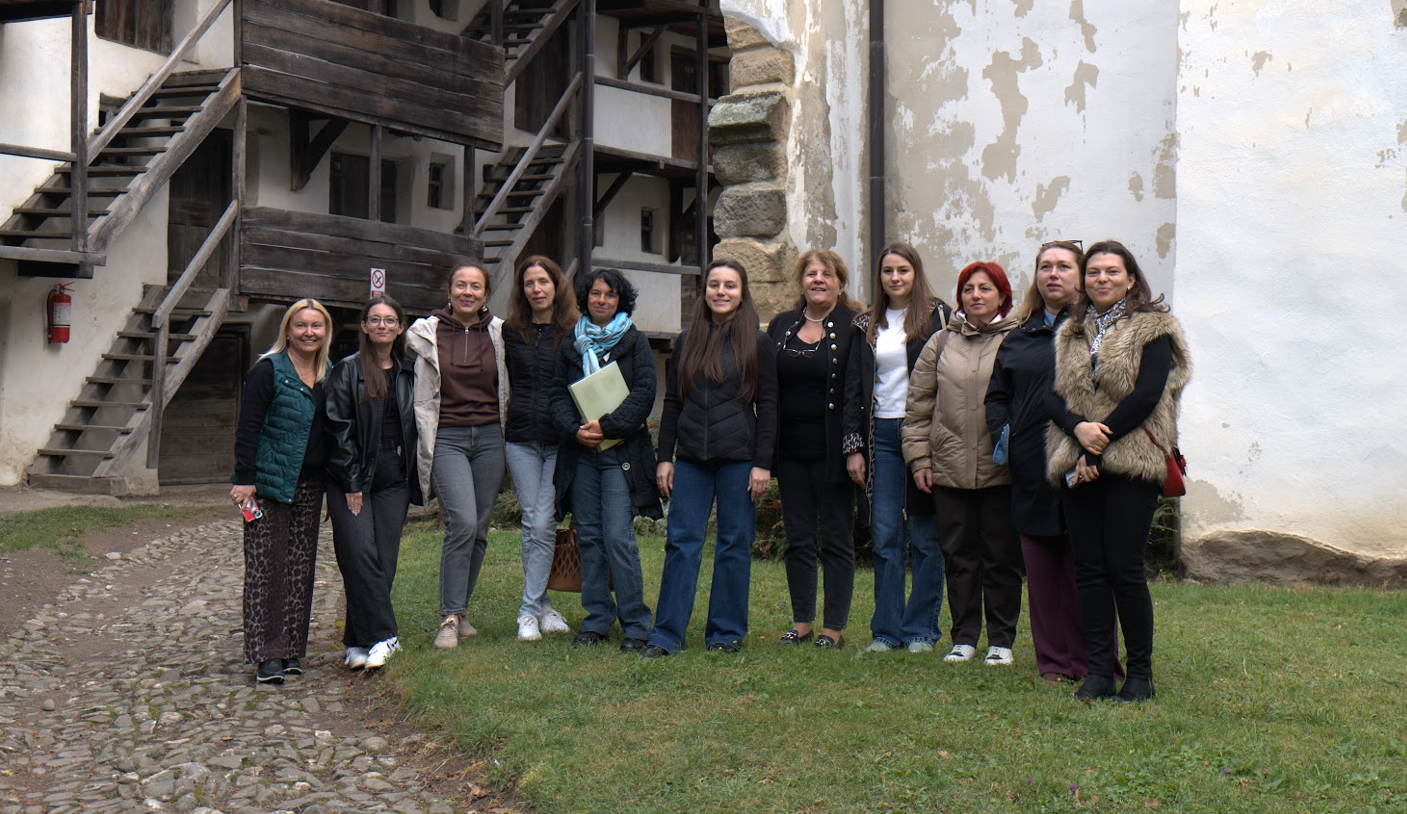

Beyond the Fortress: Discovering the People of Prejmer
RURAL PILOT STORY | PREJMER, ROMANIA
Beyond the Fortress
Discovering the People of Prejmer
How a one-day route led visitors from a famous heritage site into the food, crafts and human connections of the village
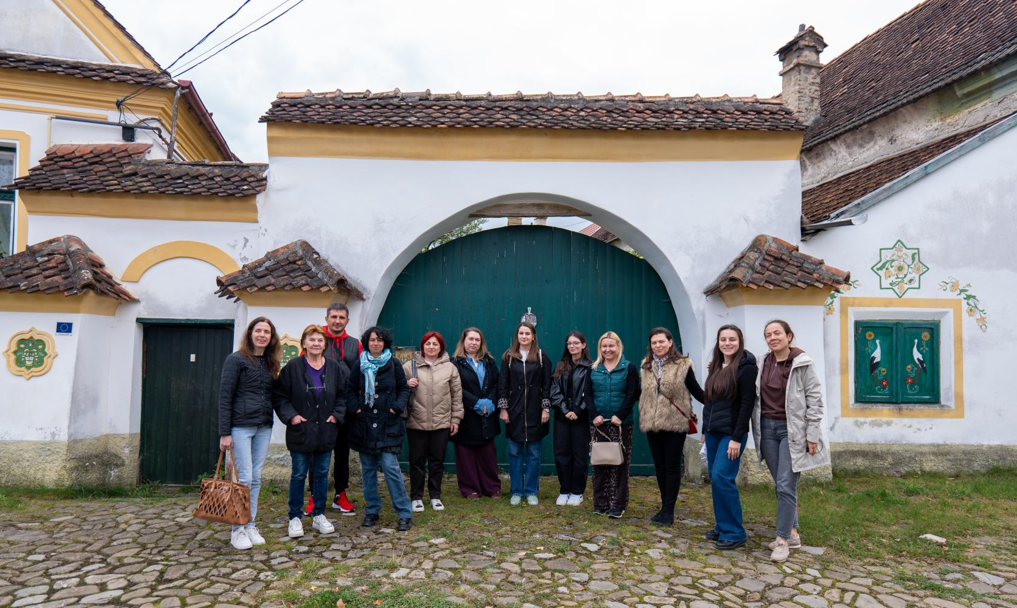
Beyond its best-known monument, Prejmer opens onto heritage houses, local skills and community encounters. Photo: Brașov Metropolitan Agency for Sustainable Development
Prejmer is easy to recognise by its fortified church. It is harder to know by that landmark alone.
Just outside Brașov, the rural community is already a familiar stop on organised itineraries. Groups arrive, visit Prejmer’s UNESCO-listed fortified church one of the best-preserved fortified churches in Eastern Europe and often leave before the village has had the chance to introduce itself. The rural pilot led by the Brașov Metropolitan Agency for Sustainable Development began at precisely that unfinished moment: where the usual visit ends, but Prejmer still has much more to share.
Where the usual visit ends
The fortified church draws visitors to Prejmer, but tourism centred on a single attraction leaves much of the village outside the experience. Local crafts, recipes, stories, music and practical knowledge remain largely unseen, while the time and value generated by visitors are concentrated around one stop.
For the community, the missing link was not another monument. It was a route that could lead visitors from the landmark into the life around it - towards the people, places and practices that continue to shape Prejmer every day.
Letting the village enter the itinerary
The process began with meetings with local representatives in 2025. A dedicated resource-mapping workshop followed on 25 March 2026, bringing local stakeholders together to identify cultural, natural, gastronomic and community assets that could support a richer and more sustainable visitor offer.
The discussions produced more than a list of possible stops. They showed a community willing to take an active role in the experience - by opening doors, demonstrating skills, preparing food, interpreting heritage and welcoming visitors into spaces that rarely appear on a standard itinerary.
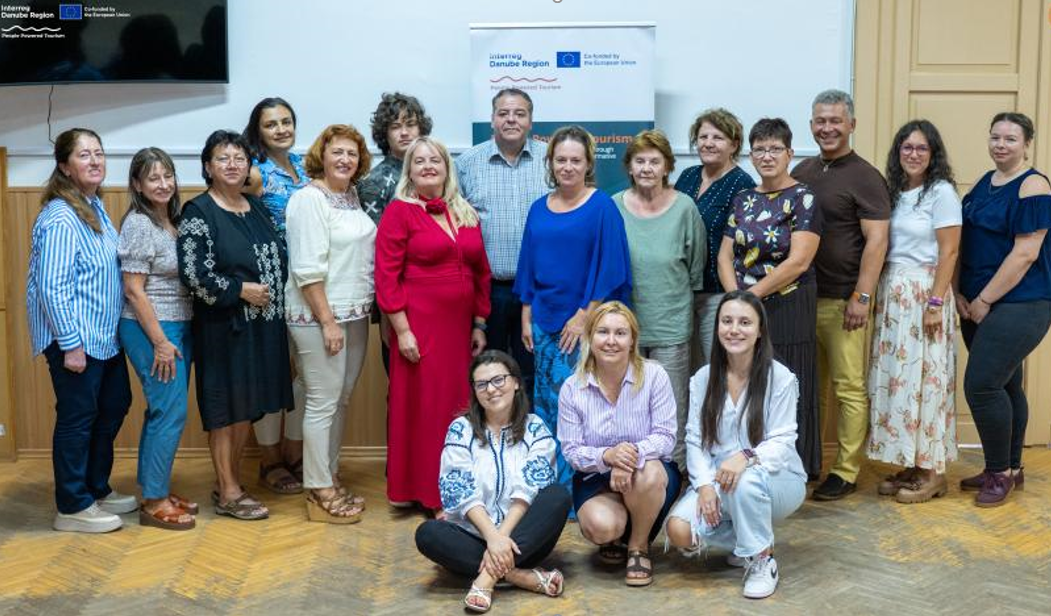
The pilot grew from local participation, connecting residents and organisations around a broader visitor experience. Photo: Brașov Metropolitan Agency for Sustainable Development
Building the route through practice
In August 2026, a three-day Cultural and Gastronomic Heritage course turned the mapping work into practical route ideas. Participants explored how food, craft, storytelling and local tradition could be experienced together, then worked on concrete concepts for a one-day visit.
The course also brought the future hosts of the route into one circle: Stela Onuț, with her UNESCO heritage house and traditional wood-painting skills; Gastro Local Prejmer; the women of the Firul Tradițiilor group; the local church; the Prejmer Folk Ensemble; and local heritage guides. Each offered a different way into the village, and the route began to take shape through their combined contributions.
The day the village became the route
On 24 September 2026, project partners from the Chamber of Commerce and Industry Vratsa, Timișoara Destination Management Organization and Chișinău City Hall (Visit Chișinău) experienced the complete concept during the rural peer review. The day began at the fortified church, but this time the monument was the opening chapter rather than the entire visit. From there, the route continued to St. Peter and Paul’s Church, Stela Onuț’s heritage house and a traditional wood-painting workshop.
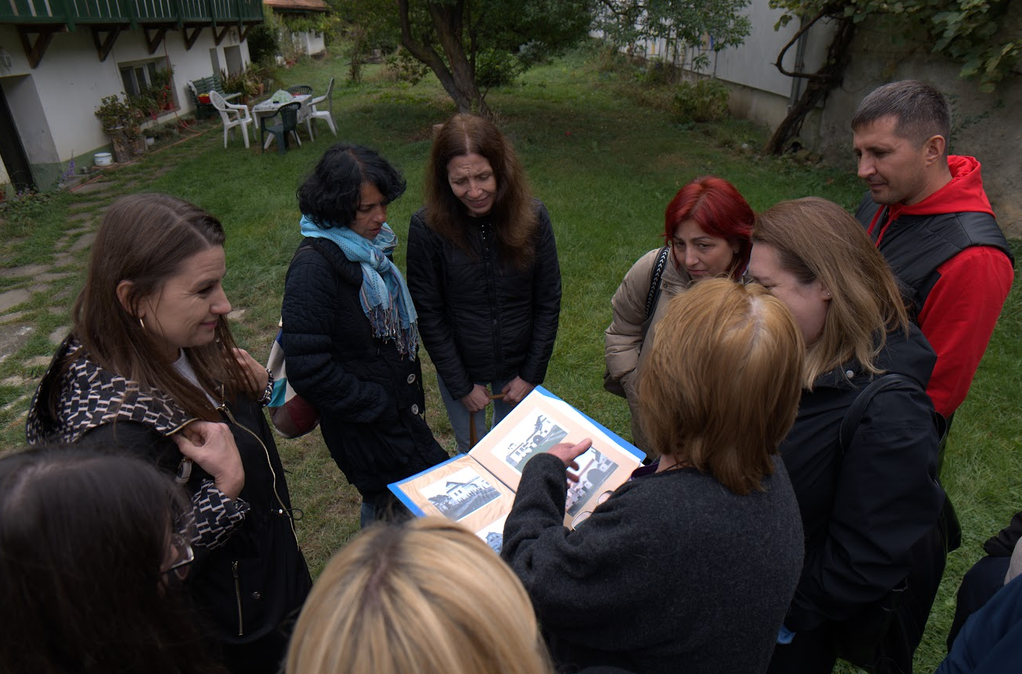
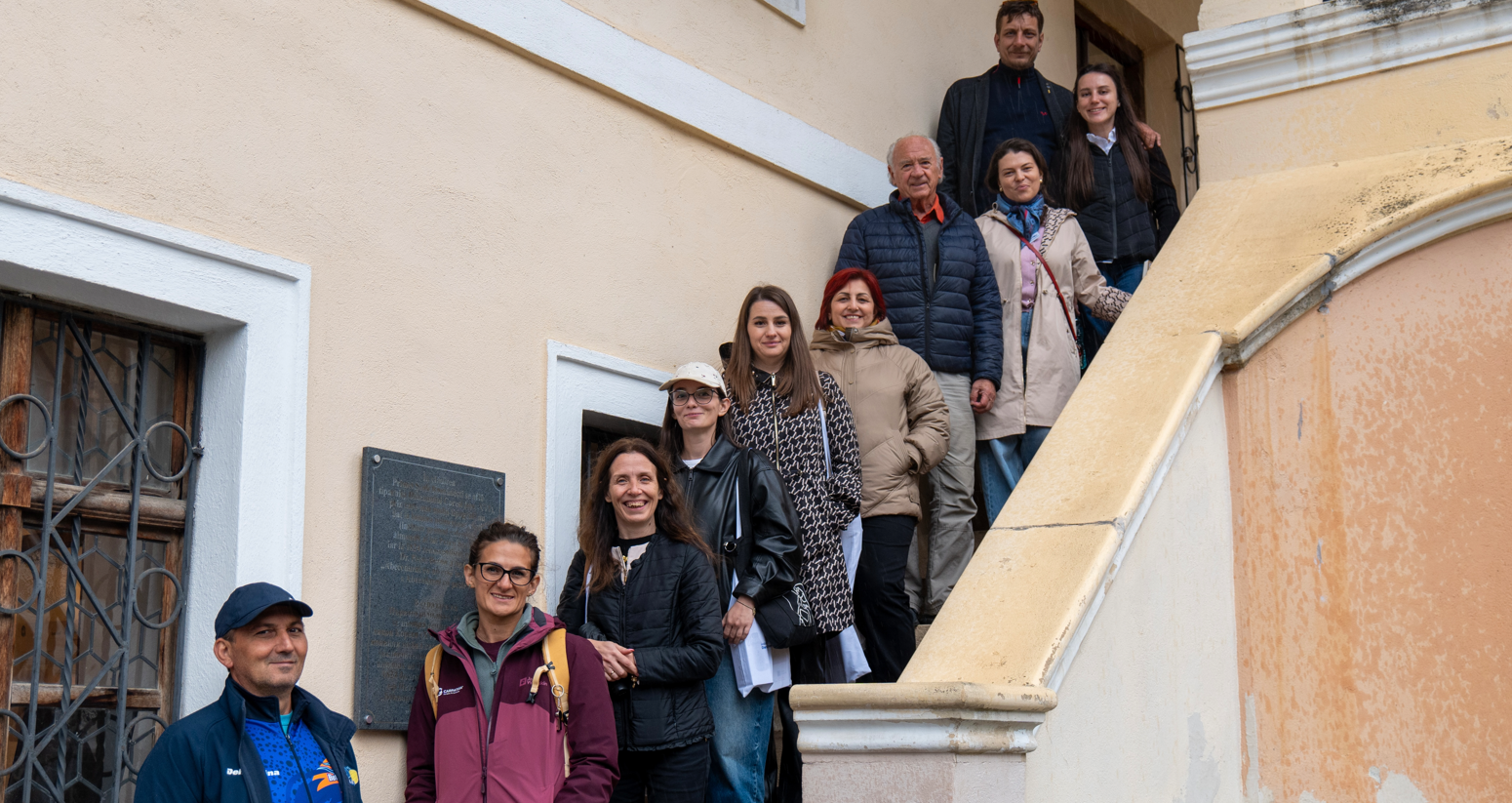
The peer review attendants learn about local history. Photo: Brașov Metropolitan Agency for Sustainable Development
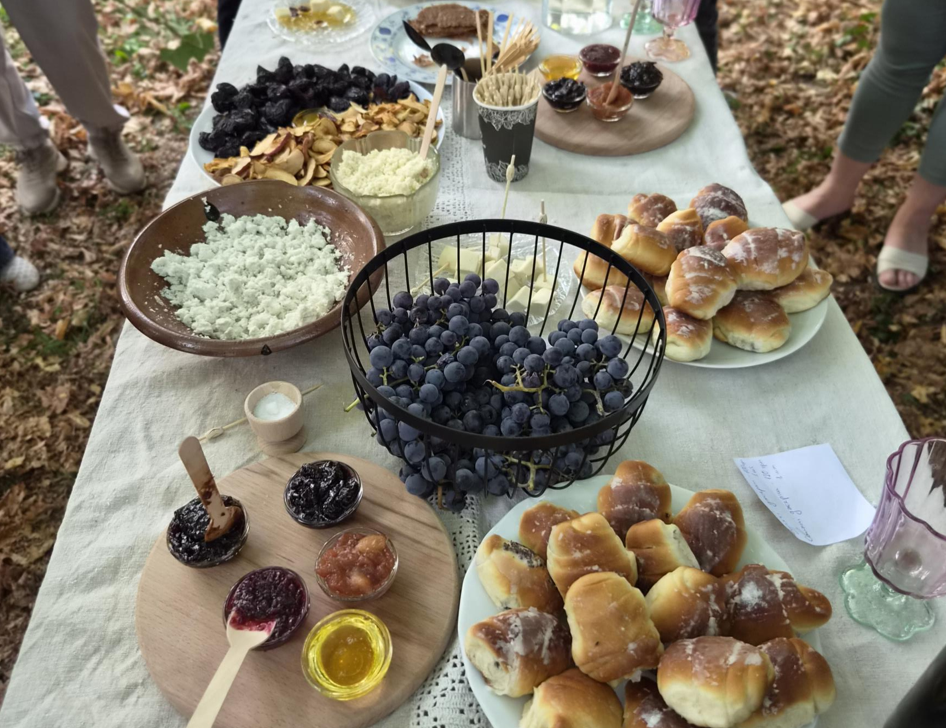
Local gastronomy brought everyone around the table at Gastro Local Prejmer, a local gastronomic point showcasing traditional food. A folk-dance performance by the Prejmer Folk Ensemble invited participants to become spectators, while a wool-felting workshop with Firul Tradițiilor gave them the opportunity to create their own patterned berets and learn directly from local craftswomen. The test asked whether these very different contributions could hold together as one experience. By the end of the day, the answer was visible in the rhythm of the journey: each encounter prepared the way for the next.
Patience imagination and care
One of the day's most revealing moments came during the wool-felting workshop. The women of Firul Tradițiilor explained that creating traditional pieces - whether through felting wool or making ii, the traditional Romanian blouse - requires patience, imagination and care.
Their insight shifted attention away from the finished object. A craft is not preserved simply because an item survives. It remains alive when the knowledge of how to make it is practised, explained and passed from one pair of hands to another.
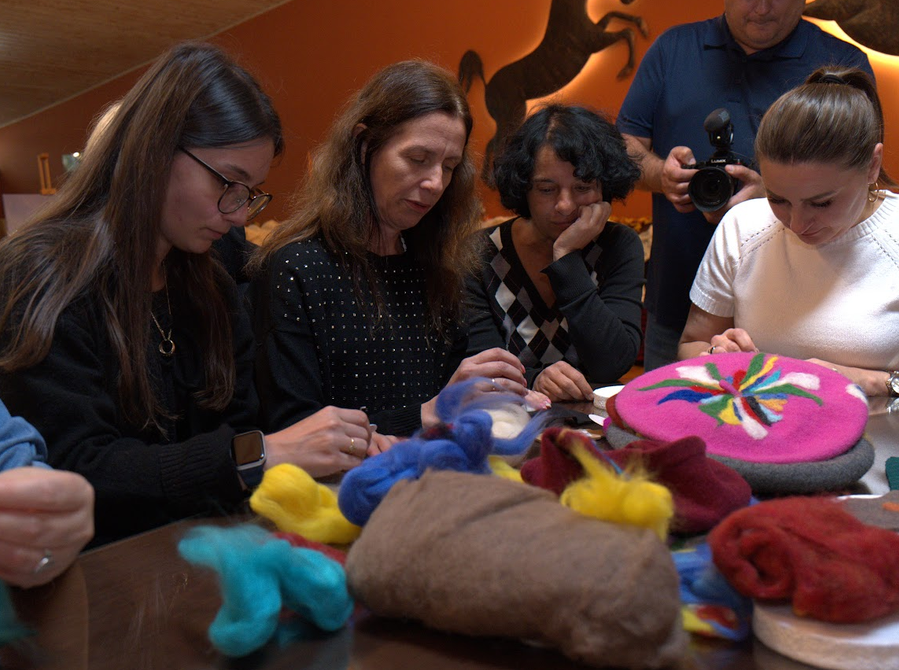
During the wool-felting workshop, visitors encountered tradition as a creative process shaped by patience, imagination and care. Photo: Brașov Metropolitan Agency for Sustainable Development
Patience, imagination and care are not only qualities behind a handmade piece. They are how a tradition travels from hand to hand.
That exchange captures the human value of the route. Visitors do more than look at heritage or purchase a local product. They spend time with the people sustaining a practice, try part of the process themselves and begin to understand the judgement, creativity and memory held within it.
For local contributors, this creates room for skills that often remain private or undervalued to become visible within the visitor economy. The experience does not separate culture from economic value: it allows value to grow from respectful encounters with the community that carries the culture forward.
From a landmark economy to a village experience
The progress is tangible. The three-day course produced the first one-day route concepts and connected heritage guides, a heritage-house owner and craftswoman, food producers, cultural groups, church representatives and performers. The September test showed that these contributions could work together as a coherent day rather than remain separate activities.
If this experience becomes part of Prejmer's permanent tourism offer, it could change the village from a short stop centred on one famous monument into a place where visitors spend more time, meet local people and discover the traditions, food and skills that still shape everyday life. For the community, this could mean greater visibility and value for local knowledge, crafts, gastronomy and cultural traditions - allowing more of what makes Prejmer unique to become part of the visitor economy.
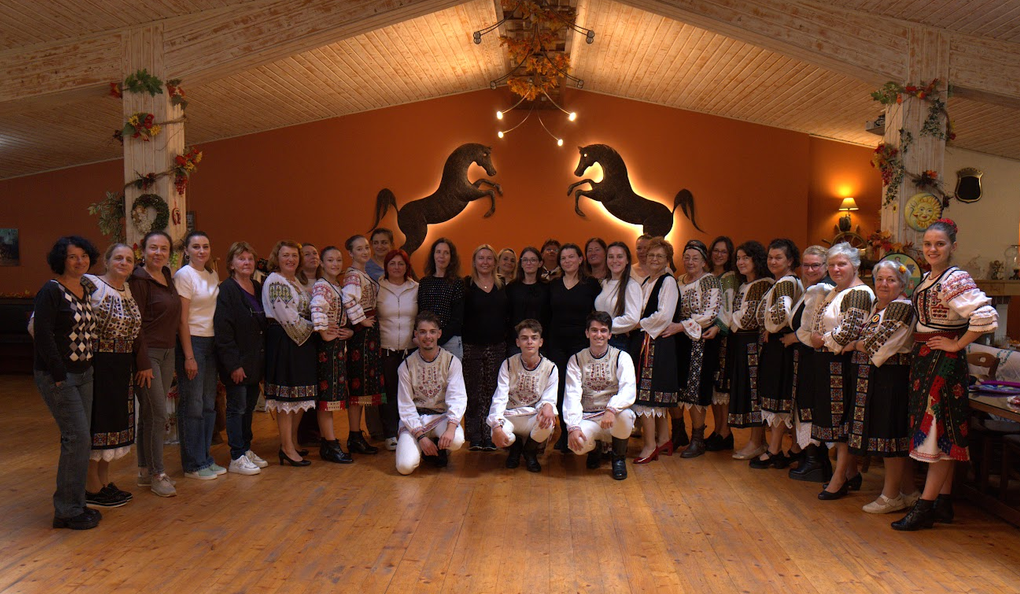
Music and dance added movement, participation and new local relationships to the one-day experience. Photo: Brașov Metropolitan Agency for Sustainable Development
A route designed to remain
The route is carried by actors who can continue after the project: Stela Onuț, Gastro Local Prejmer, Firul Tradițiilor, the Prejmer Ensemble, the local church and heritage guides. Tourism stakeholders can promote and integrate the complete experience into Prejmer's visitor offer.
Further development can turn the route into a bookable one-day experience and adapt it for different visitor groups. The approach also offers a useful lesson for other heritage destinations across the Danube Region: a celebrated monument can draw visitors in, while community participation allows the benefits of their stay to reach further.
Prejmer's fortified church may place the village on an itinerary. Beyond its walls, shared food, skilled hands, music and hospitality turn a short stop into a village remembered.

06/11/2026
By Anna Szentgyörgyi
Share on social media:


News & Events
Read the most recent updates and explore the upcoming events.

Would you like to receive project updates?
You're already part of our community!
Welcome to our newsletter community!
Subscribe to our newsletter