

Bistrets, Told by the People Who Call It Home
URBAN PILOT STORY | VRATSA, BULGARIA
Bistrets, Told by the People Who Call It Home
How a local community turned memories, food and tradition into a journey worth sharing.
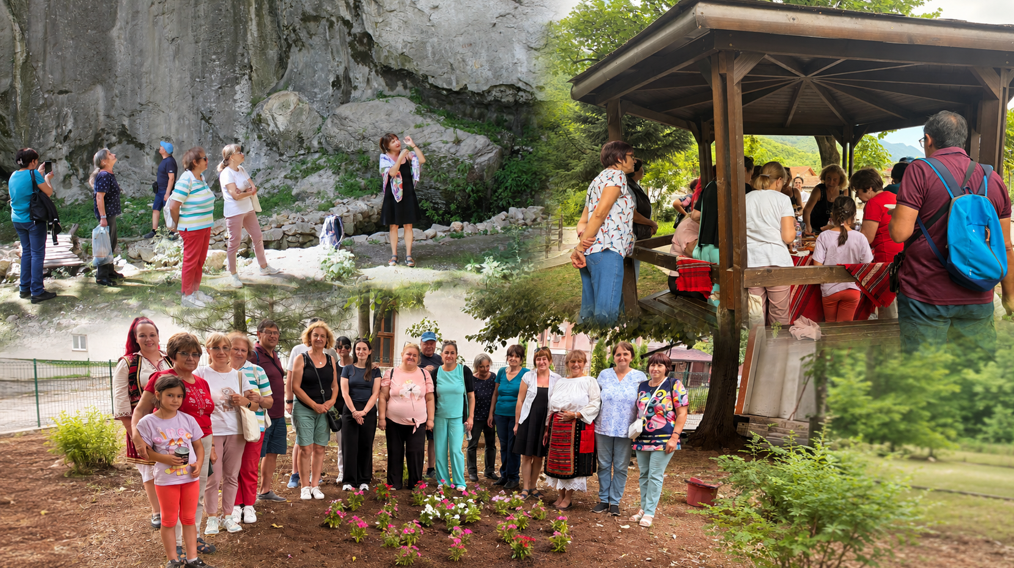
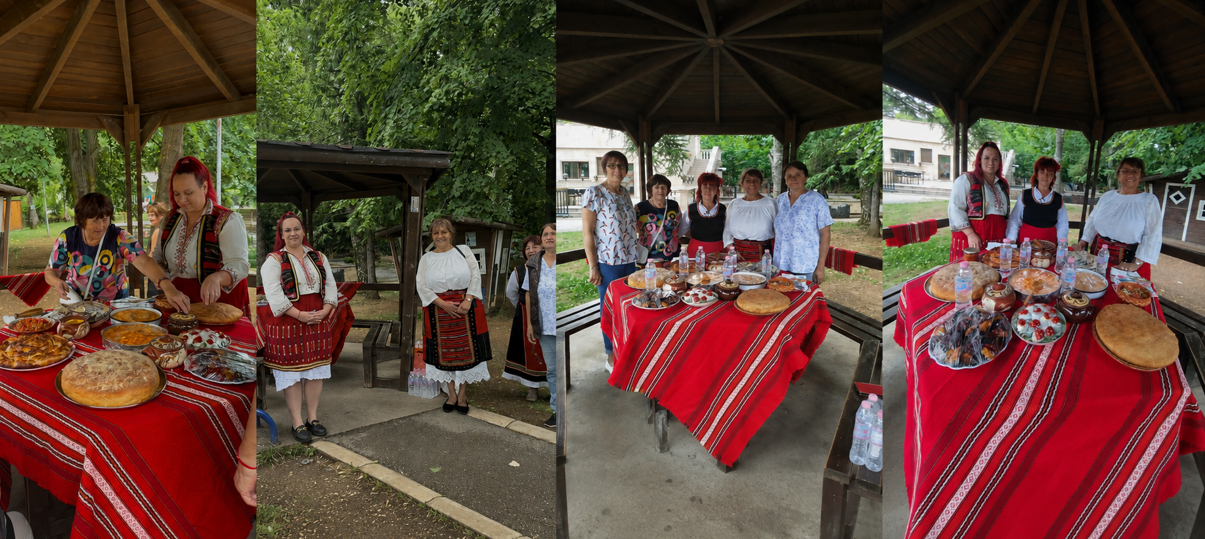
Bistrets brings together landscape, living traditions and the people who keep them alive. Photo montage: Chamber of Commerce and Industry Vratsa
Continuing our series of People Powered Tourism pilot stories, we travel to Bistrets, a neighbourhood on the quieter edge of Vratsa. Here, the pilot did not begin with a new attraction or a ready-made itinerary. It began with a question asked of the people who live there: “If someone came to Bistrets for the first time, what would you want them to see, hear and remember?”
A place that needs someone to tell its story
Some places are not meant to be discovered with a map in your hand. They need someone to tell you their story. Bistrets is one of those places. Just outside Vratsa’s busier centre, the streets grow quieter, people know one another and traditions are still woven into gatherings, celebrations, food and everyday conversation.
Yet visitors to Vratsa rarely had the chance to encounter this side of the city. The neighbourhood’s cultural heritage often remained beyond the usual routes, while many of the people carrying its knowledge — particularly older residents and women — had few opportunities to shape how Bistrets was presented to others.
Beginning with a question, not a ready-made route
The Chamber of Commerce and Industry Vratsa project partner therefore started by listening. Representatives of Probuda 1931 Community Centre and Zdravets Seniors’ Club sat down with local producers, young activists and volunteers. Together they spoke about places that carry memories, recipes still prepared by hand, stories older residents remember and the people who could help visitors understand Bistrets through lived experience rather than a conventional sightseeing programme.
The answers gradually shaped the Bistrets Path of Tradition, a route created together with the locals. One place naturally emerged as its beginning: the St. Ivan Pusti Monastery. For the local community, this centuries-old site is more than a landmark. Its history, mountain setting and spiritual significance remain closely connected to local traditions and identity.
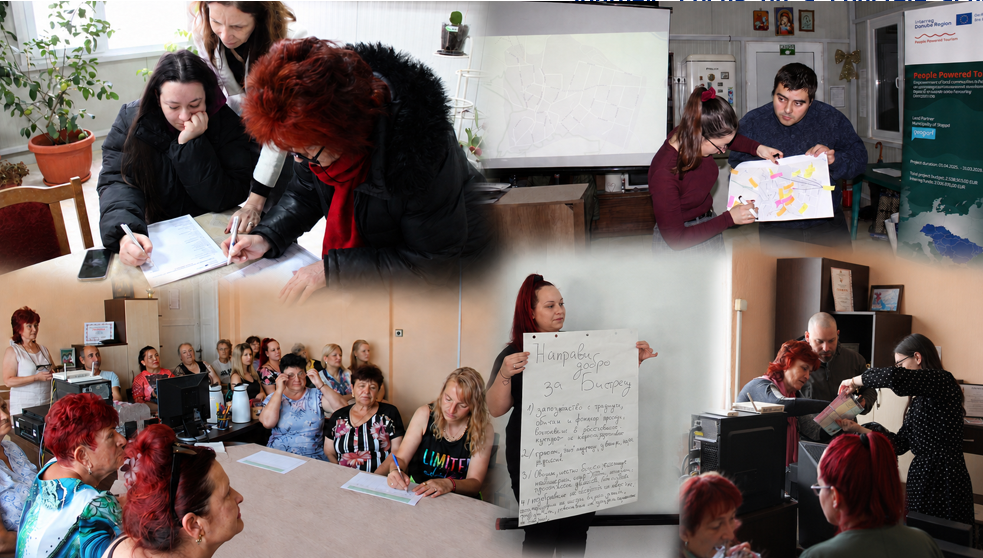
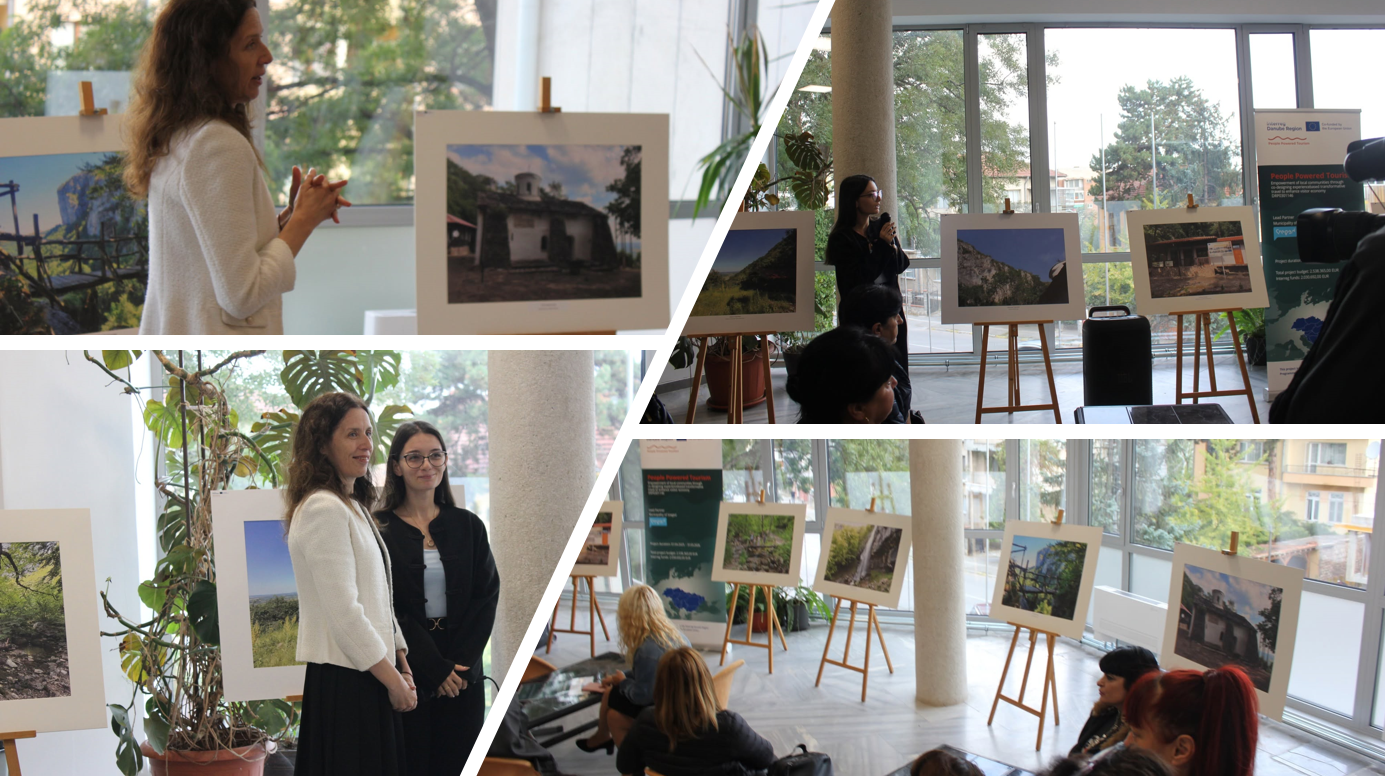
Residents and local organisations shape the route together, beginning with the places, foods and stories that matter to them. Photo montage: Chamber of Commerce and Industry Vratsa
A route assembled from living memory
Then came the part that could only happen together. Probuda 1931 Community Centre and Zdravets Seniors’ Club volunteered to prepare the traditional food for the culinary experience. Young activists helped bring people together, while volunteers prepared the workshop space and the Garden of the World. Bit by bit, everyone contributed something of their own.
Around the open-air oven, local women did more than demonstrate recipes. They invited visitors into the preparation process, shared dishes made for the occasion and added a surprise performance of traditional songs. Food became the doorway to conversation: about ingredients, customs, family memories and the small practices through which a place keeps its identity alive.
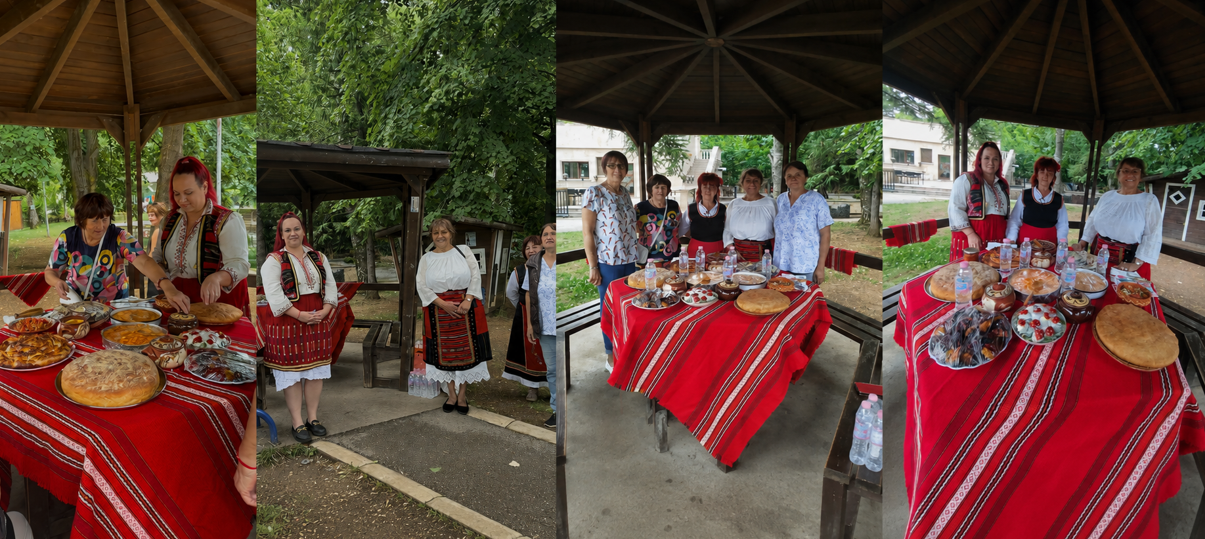
The culinary workshop turns local recipes into a shared experience led by the women who preserve them. Photo montage: Chamber of Commerce and Industry Vratsa
When preparation became a lived experience
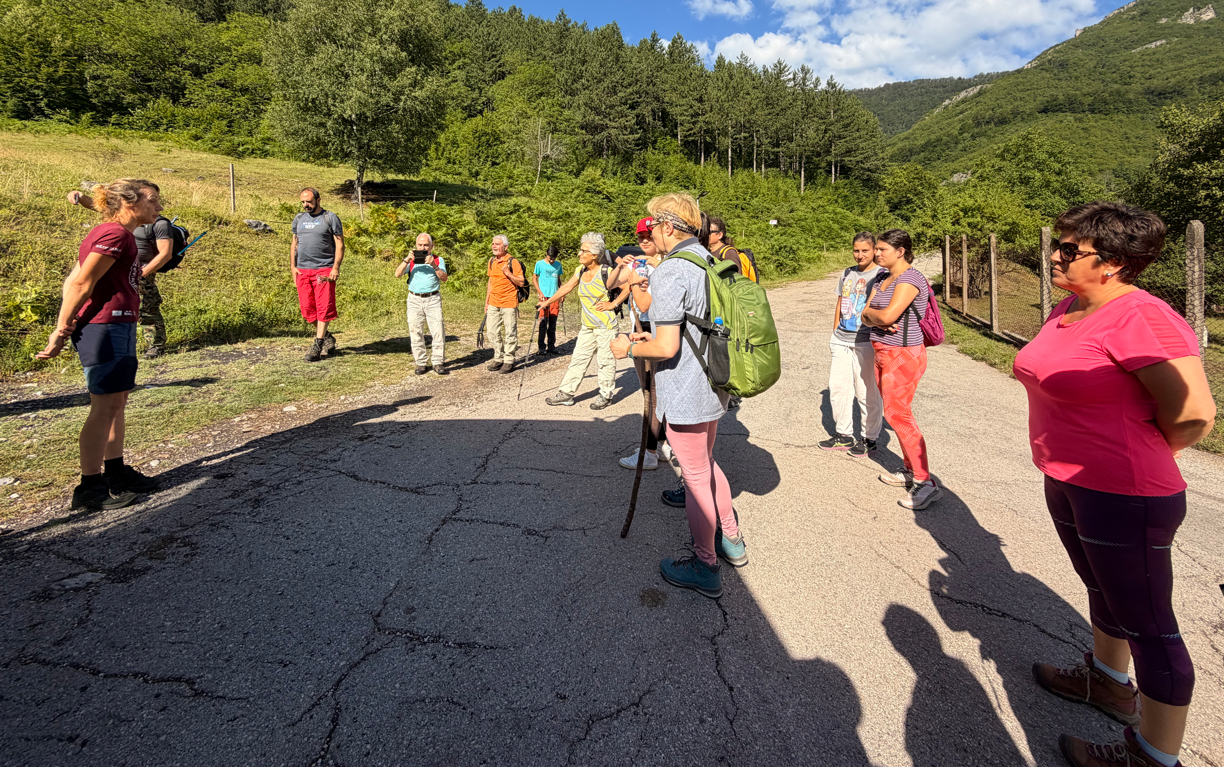
On 4 July 2026, the conversations and preparations became a real visitor journey. Twelve participants left Hristo Botev Square in Vratsa for the monastery, where a short walk opened onto the site’s history, rock frescoes, landscape and continuing significance. Back in Bistrets, they joined the culinary programme, shared a meal with local residents and listened to stories rarely written down but essential to the neighbourhood’s character.
The first feedback suggested that this human closeness was the route’s strongest quality. Visitors described the monastery visit as “enlightening” and the encounter with the community as “touching”. All twelve participants gave the experience the highest possible rating and several said they would gladly recommend it to others.
Peer review strengthens the route
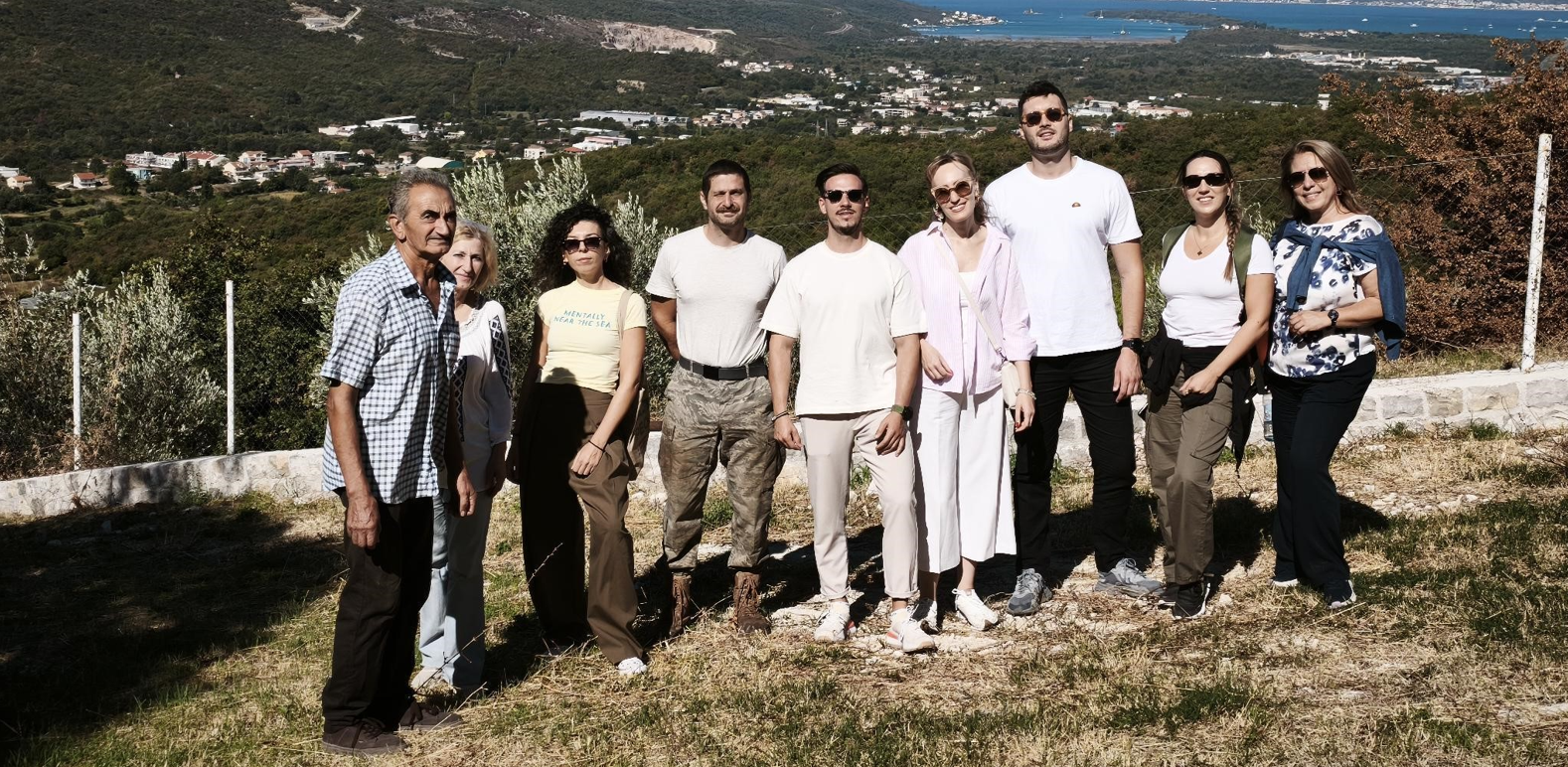
A second layer of learning came on 14 August, when project partners BURST Non-profit Ltd. and Brasov Metropolitan Agency joined the route as visiting project partners. The peer review confirmed two defining strengths with the highest scores: the active involvement of older local women and the pilot’s strong reliance on Bistrets’ own traditions, cultural assets and community organisations.
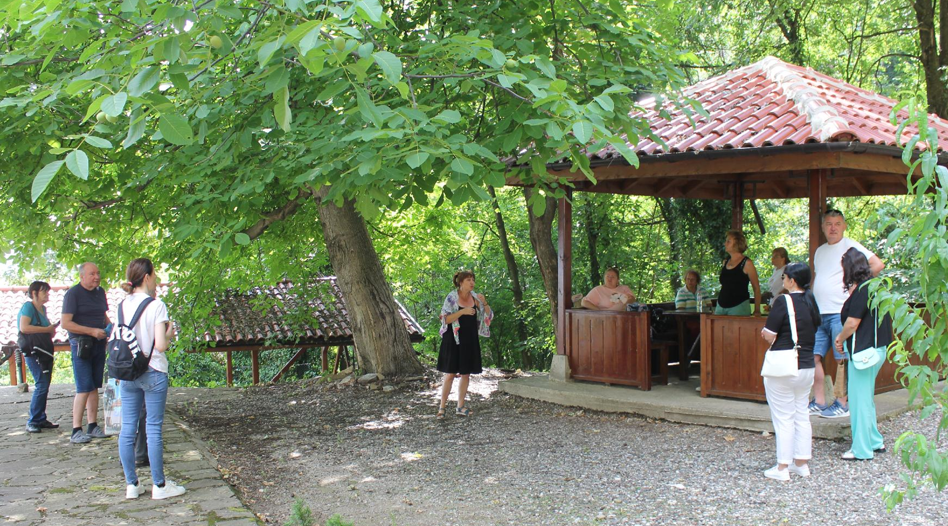
The route meets its users: heritage, local hospitality and participation become one connected half-day experience. Photo: Chamber of Commerce and Industry Vratsa
“The cooking workshop gave me insight into living traditions.” — peer reviewer, BURST Non-profit Ltd.
Leaving a trace in both directions
The route’s final stop gives this idea a visible form. In the Garden of the World, each visitor plants a flower. It is a small gesture with a simple message: visiting a place does not have to mean only taking away a photograph, a memory or an experience. A visitor can also leave something behind.
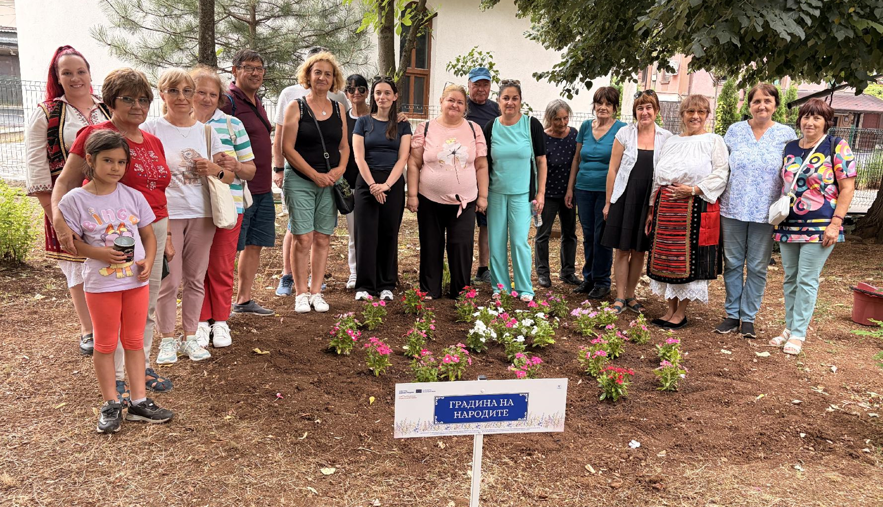
Visitors leave a living reminder in the Garden of the World, cared for by the local community after they depart. Photo: Chamber of Commerce and Industry Vratsa
The flowers remain in Bistrets, cared for by the community, and the garden changes with every new group. Visitors carry home the neighbourhood’s stories; Bistrets keeps a living reminder of the people who passed through. The route leaves a trace in both directions.
A path designed to continue — and to travel
The route’s most durable asset is not the number of stops, but the people behind them. With continued coordination by the Chamber of Commerce and Industry Vratsa, Probuda 1931 Community Centre, Zdravets Seniors’ Club and other local stakeholders, the experience can move into a travel agency’s portfolio. Local residents and the guide can then be contracted for their contributions, turning community knowledge into local value while preserving ownership of the story.
That is why the "Bistrets Path of Tradition" is not simply a route created for the local community. It is a route created with them.
And when future visitors follow it, they will not simply see Bistrets. They will discover it trough the people who call it home.

27/08/2026
By Anna Szentgyörgyi
Share on social media:



News & Events
Read the most recent updates and explore the upcoming events.

Would you like to receive project updates?
You're already part of our community!
Welcome to our newsletter community!
Subscribe to our newsletter