
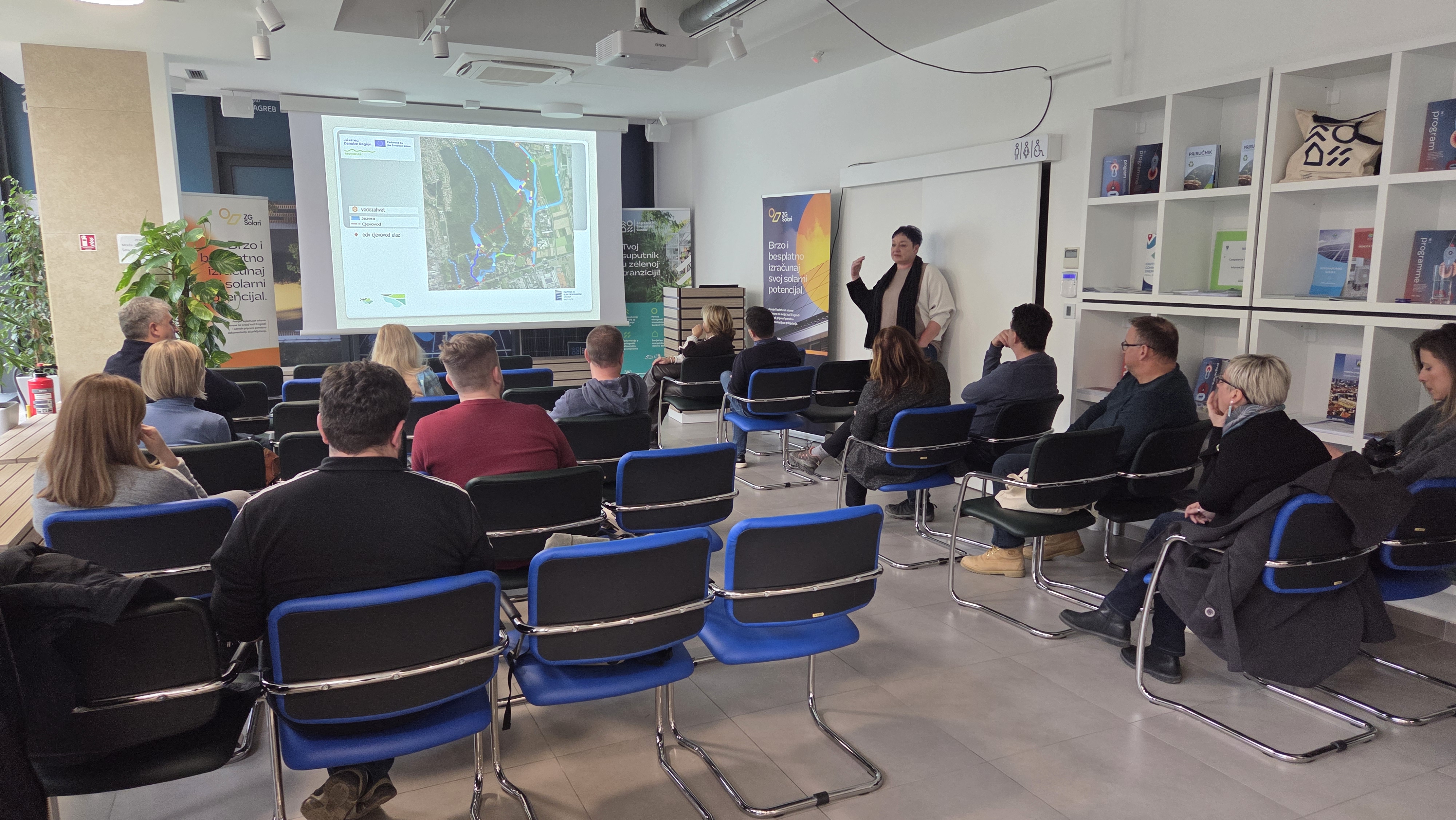

Presentation of Study Results on the Application of Natural Water Retention Measures in Maksimir
Presentation of Study Results on the Application of Natural Water Retention Measures in Maksimir
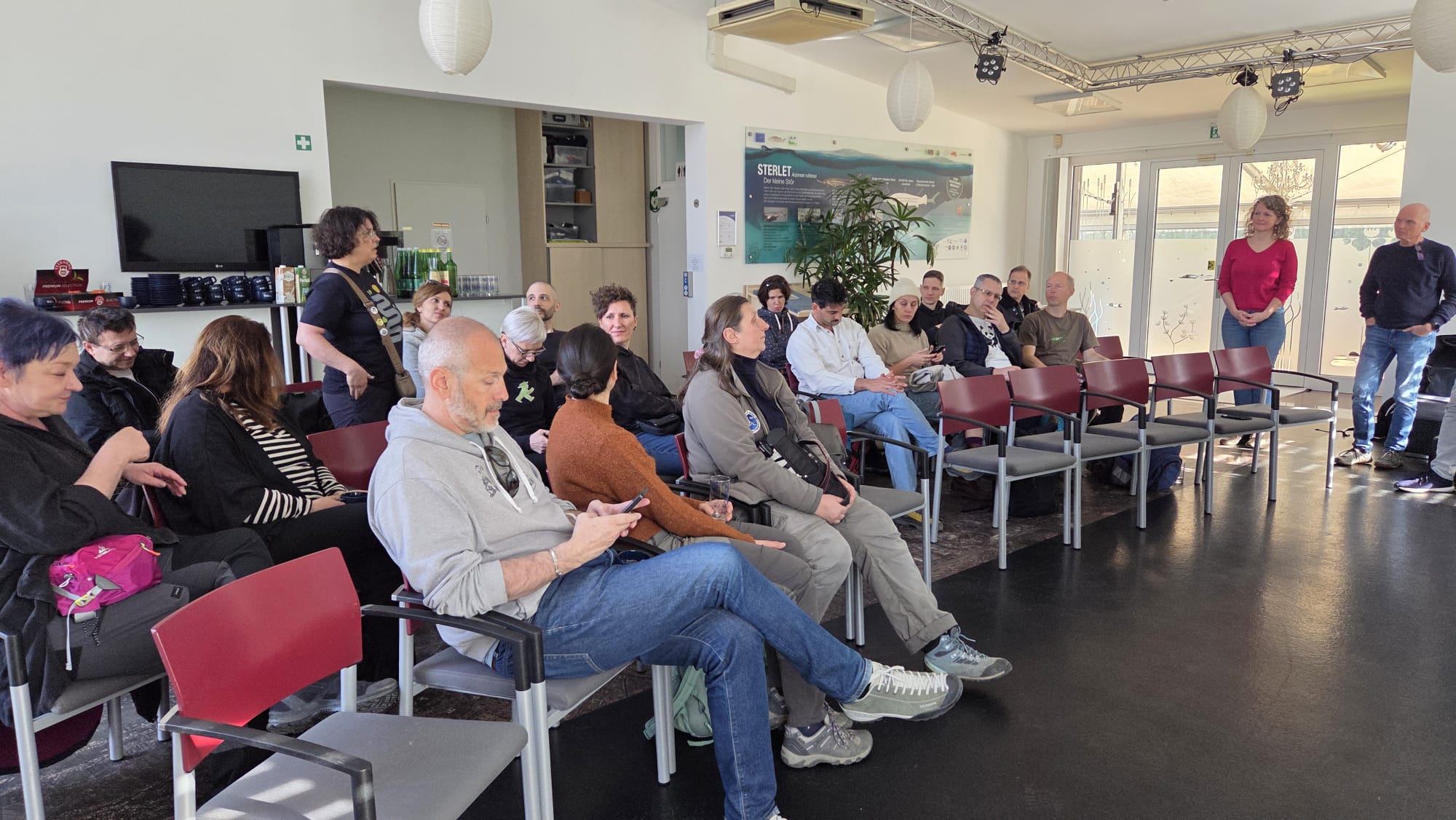
The results of the final part of the study on the retention capacity of the SPA Maksimir area, including an analysis of the condition of hydrotechnical structures and the identification of possibilities to increase retention capacity through nature-based solutions were presented on Friday at the Zagreb Energy Centre during the third meeting of the Advisory Working Group of Stakeholders within the RESTORIVER project. The study was prepared by the team from the Institute for Electrical Engineering, and the research focused on exploring the potential application of Natural Water Retention Measures (NWRM) in Park Maksimir to better adapt to the impacts of climate change-droughts and heavy rains that, along with other waters coming from Medvednica hill, end up in the city sewage system.
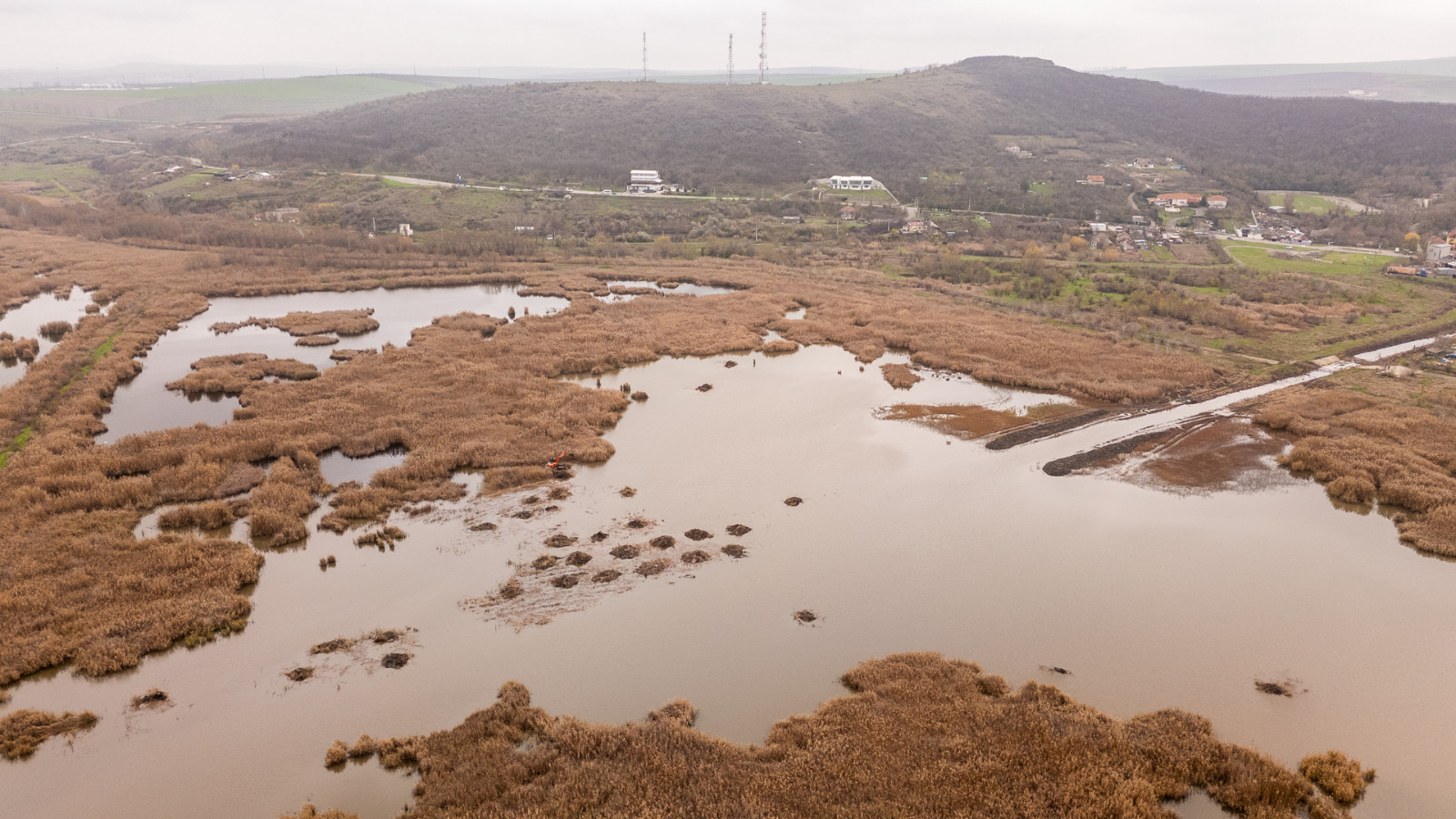
Civil engineer Renata Vidović Šutić presented the study, elaborating on the assessment of the condition of lakes, dams, spillways, and other hydrotechnical structures in Maksimir. The study aimed to examine the possibilities for implementing Natural Water Retention Measures, which promote water retention within the catchment area, improving its functionality while simultaneously restoring natural ecosystems. A range of potential Natural Water Retention Measures was defined for the SPA Maksimir area, specifically including the creation of forest depressions, their connection with watercourses, channel widening, meandering of watercourses, and the replacement of pipelines with open streams.
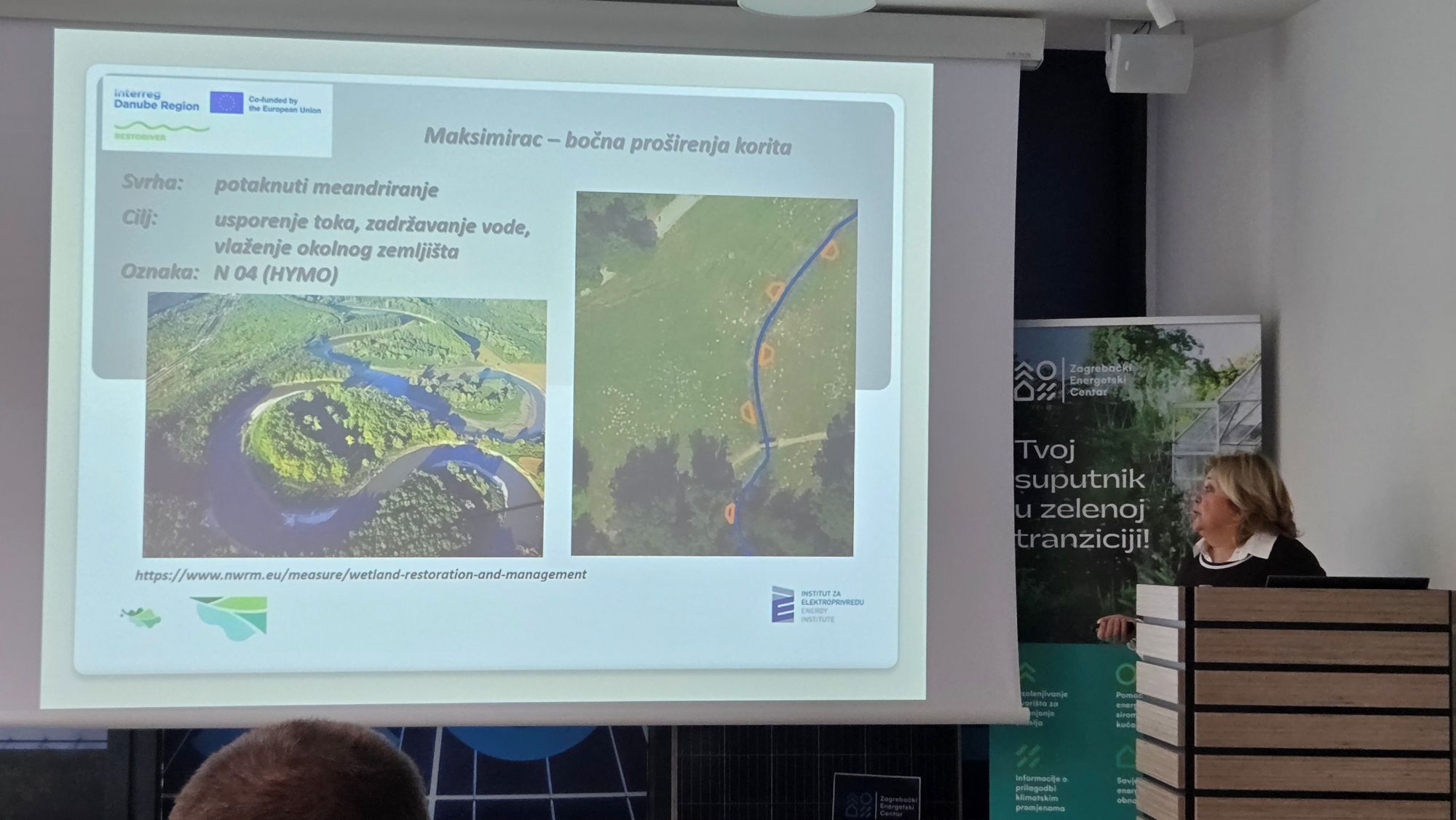
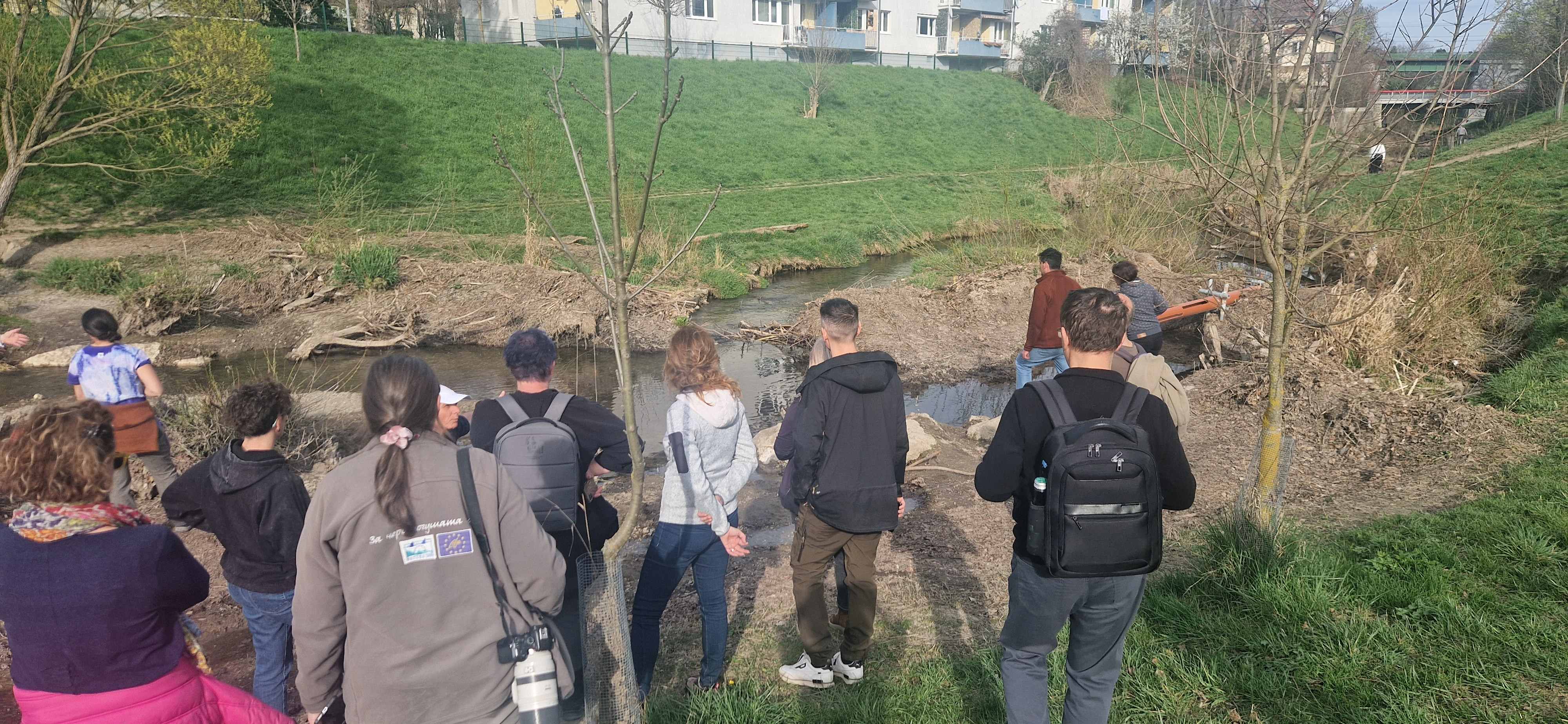
Among other proposals, it was suggested that alternating lateral widening of the Maksimirac stream channel be introduced to encourage meandering, along with widening the mouth of a drainage ditch to create small ponds and deepening an existing forest depression to connect it with the watercourse. Irina Zupan, M.Sc., Head of the Nature Conservation Department at the Public Institution “Priroda Grada Zagreba,” explained that these small-scale interventions will be carried out later this year as part of the RESTORIVER project, with works expected to begin in early February.
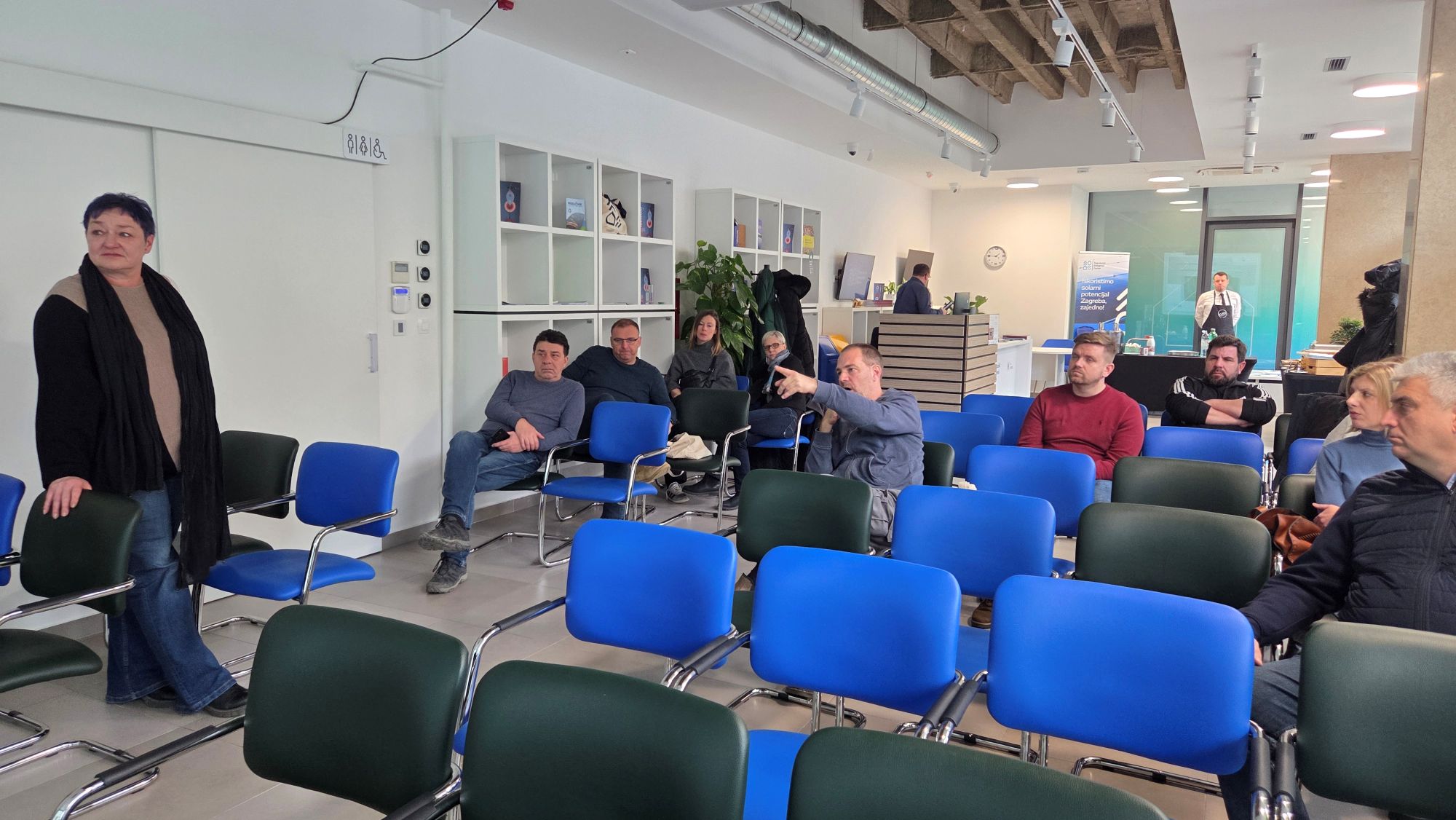
Additional proposals include digging a trench and a drainage channel around the young-growth plot near the Dalijevci stream, lateral widening of the Bukovčak stream channel, connecting the Maksimirac and Bukovčak streams through a meandering open watercourse, and replacing part of existing pipelines with open channels. The ensuing discussion particularly focused on solutions that would redirect outflow from the Maksimirac stream and the First Maksimir Lake back into the Bliznec stream, instead of into the sewage system where it currently ends up.
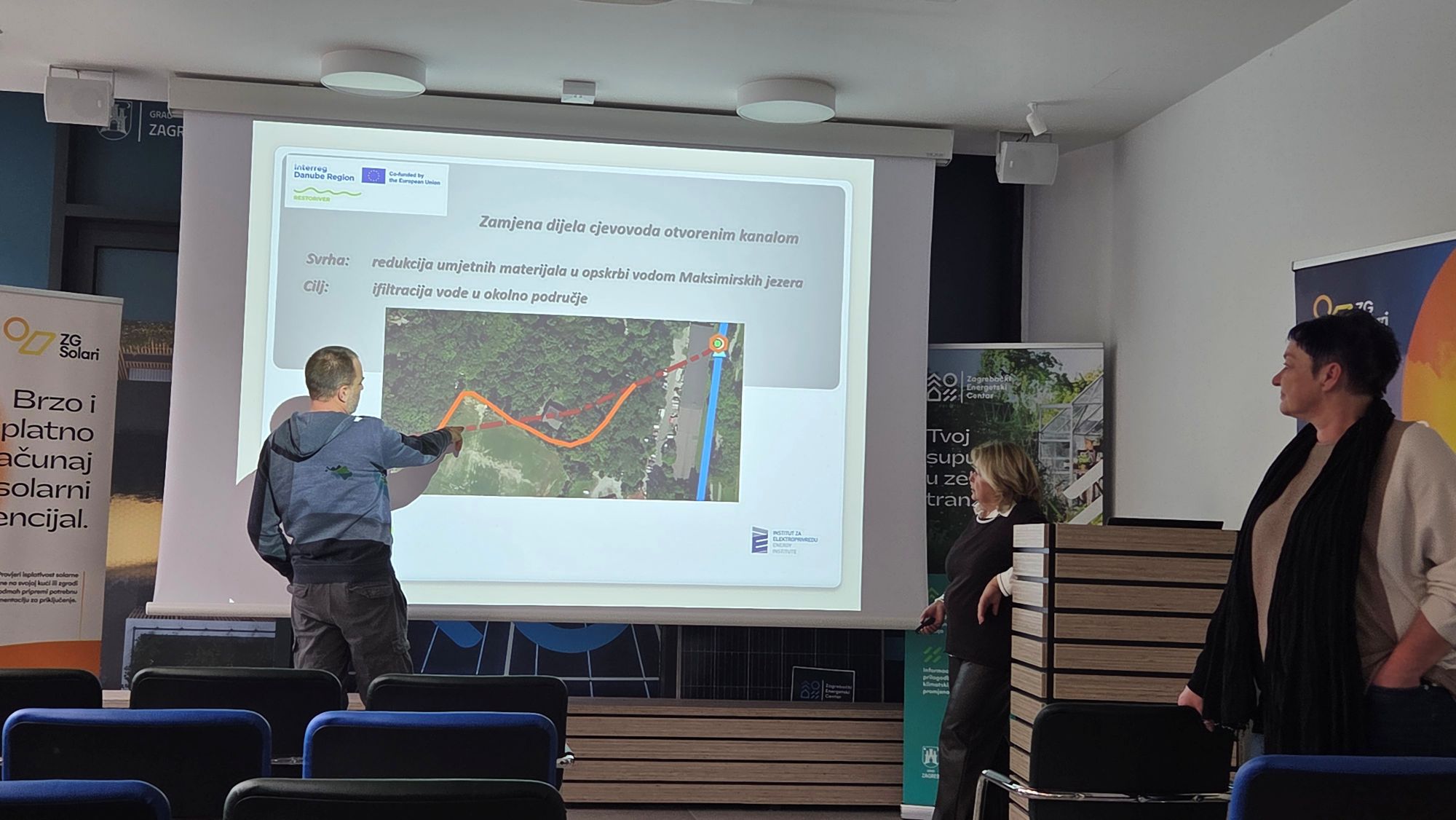
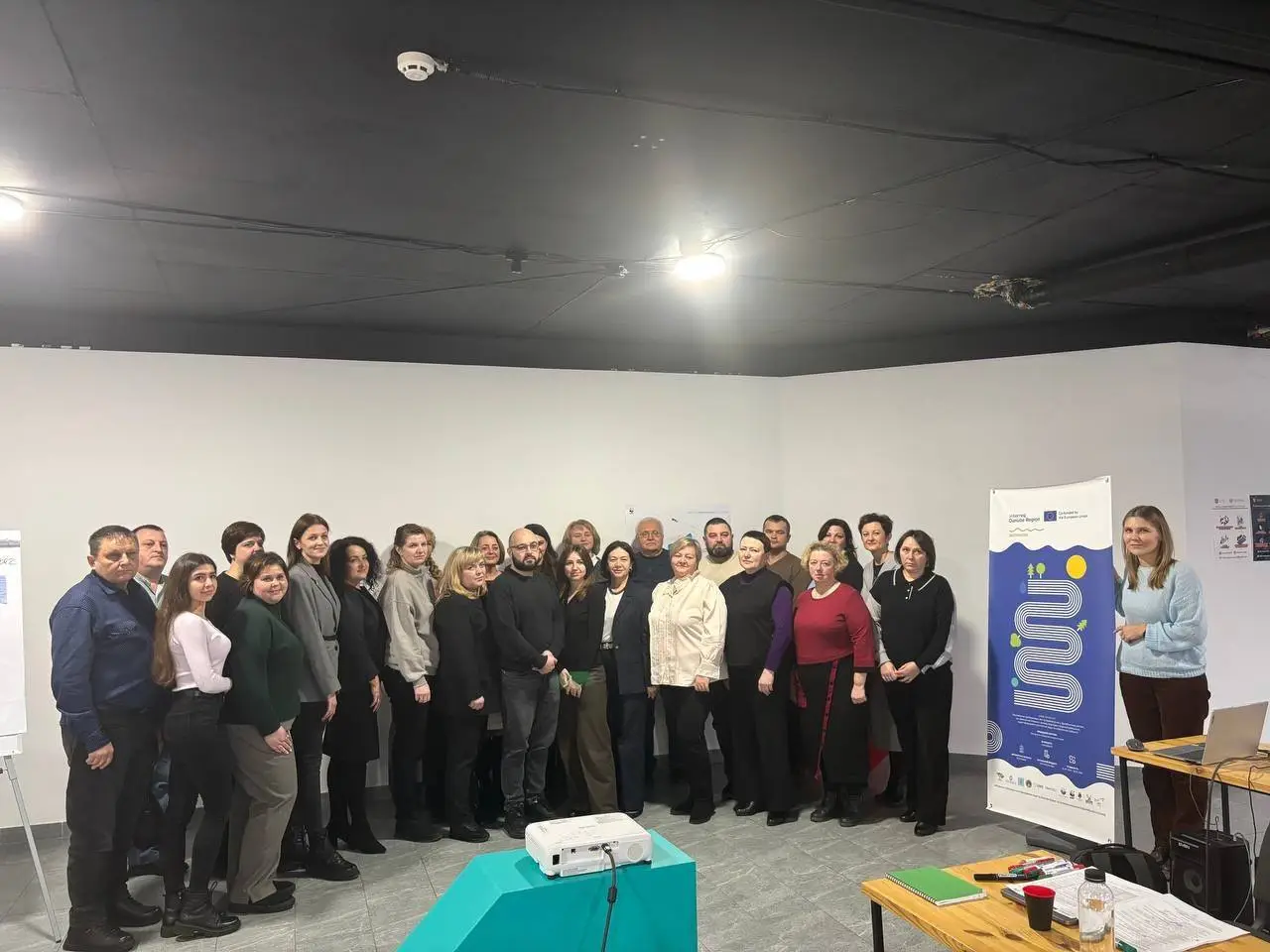
In addition to representatives of project partners WWF-Adria and the Public Institution “Zagreb City Nature,” and cooperating partners from the Institute for Environment and Nature of the Ministry of Environmental Protection and Green Transition, the working group also includes representatives from various departments of the City of Zagreb, the City Institute for Cultural and Natural Heritage Conservation; the City Office for Economy, Environmental Sustainability and Strategic Planning and the City Office for Development, Physical Planning, Construction and Reconstruction, as well as representatives from the Faculty of Agriculture and the Faculty of Forestry and Wood Technology of the University of Zagreb, Croatian Waters, the Zagreb Zoo Institution, Zagreb Holding (Water Supply and Drainage Division), and the Croatian Geological Institute.
The RESTORIVER project, dedicated to mitigating the effects of climate change through the adoption of Natural Water Retention Measures, will conclude in June 2026. After two and a half years of implementation, the project is contributing to a better understanding and wider acceptance of Nature-based Solutions, Natural Water Retention Measures specifically, among stakeholders and citizens. It is testing specific interventions, procedures, and processes across six pilot areas and providing concrete recommendations to influence policy adjustments, all with the goal of systematically adopting approaches that benefit both people and nature.

27/01/2026
By Petra Boić Petrač
Share on social media:



News & Events
Read the most recent updates and explore the upcoming events.

Would you like to receive project updates?
You're already part of our community!
Welcome to our newsletter community!
Subscribe to our newsletter