

From field intervention to decision-making: RESTORIVER opens the dialogue on the future of the Zaghen polder
The European project RESTORIVER, in mid December, brought together local authorities, project partners, scientific experts, civil society representatives, media and other stakeholders in Tulcea, within an integrated approach dedicated to the pilot intervention currently underway in the Zaghen polder and to the future governance and sustainable use of this peri-urban wetland area.
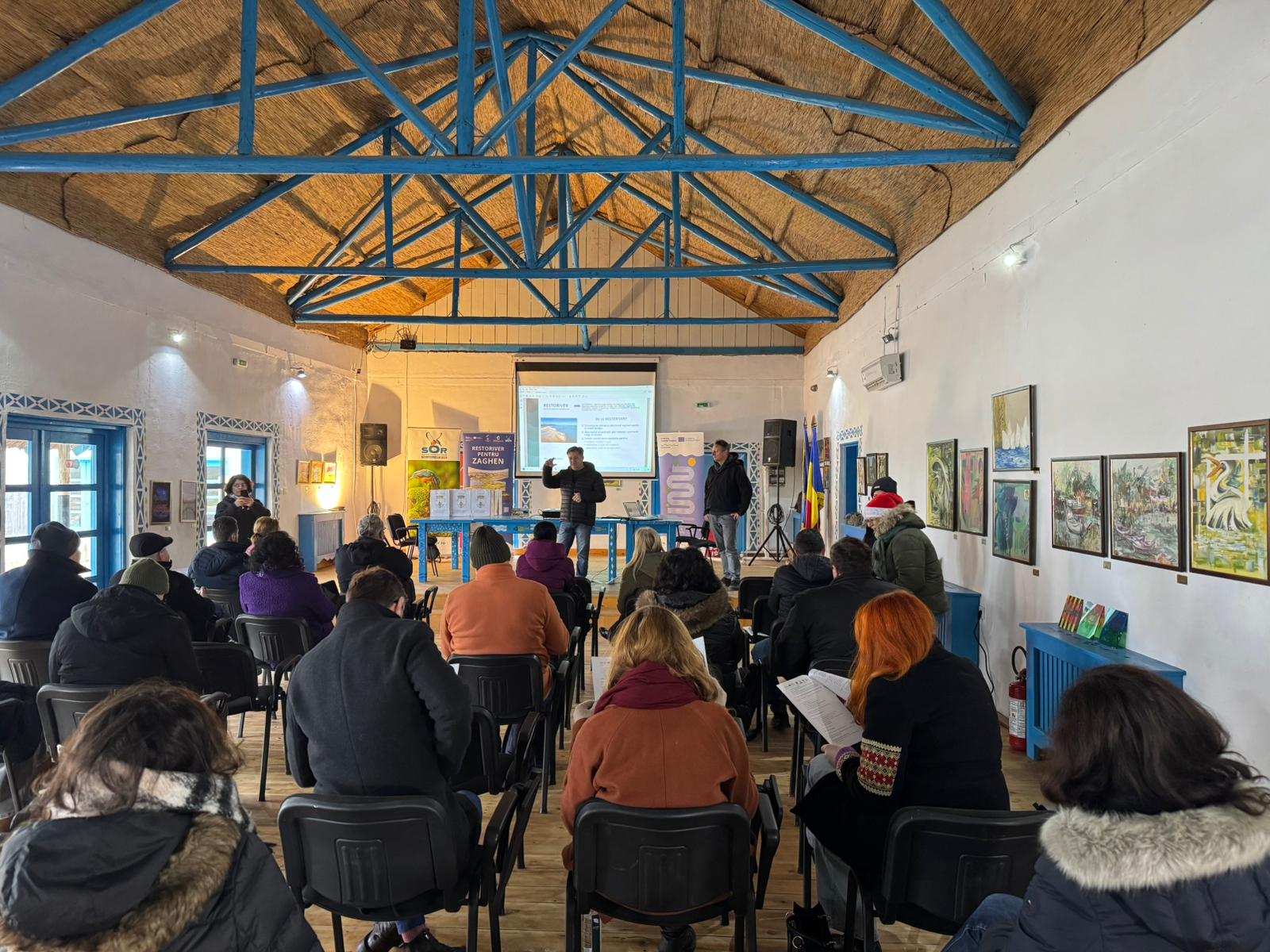
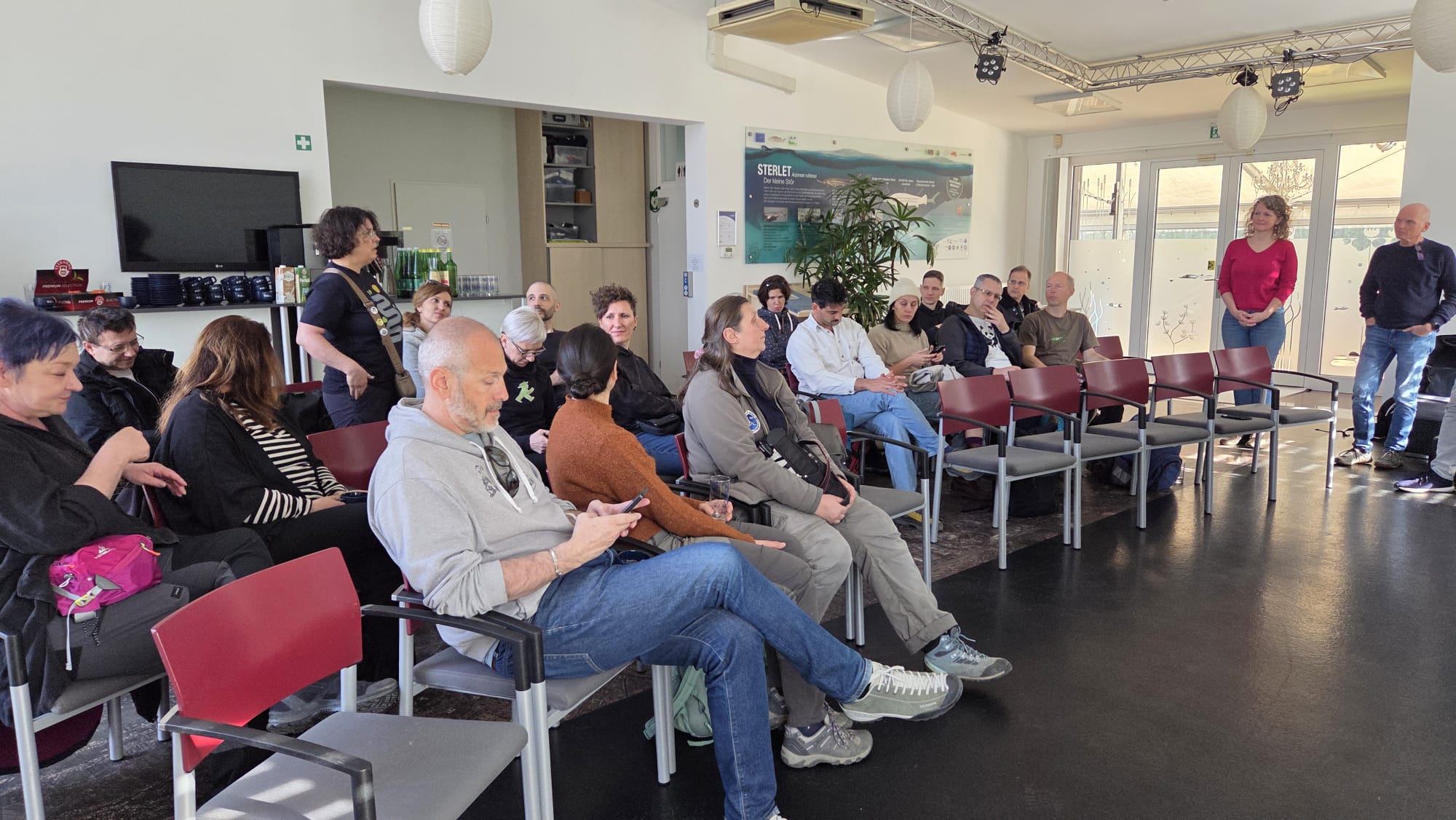
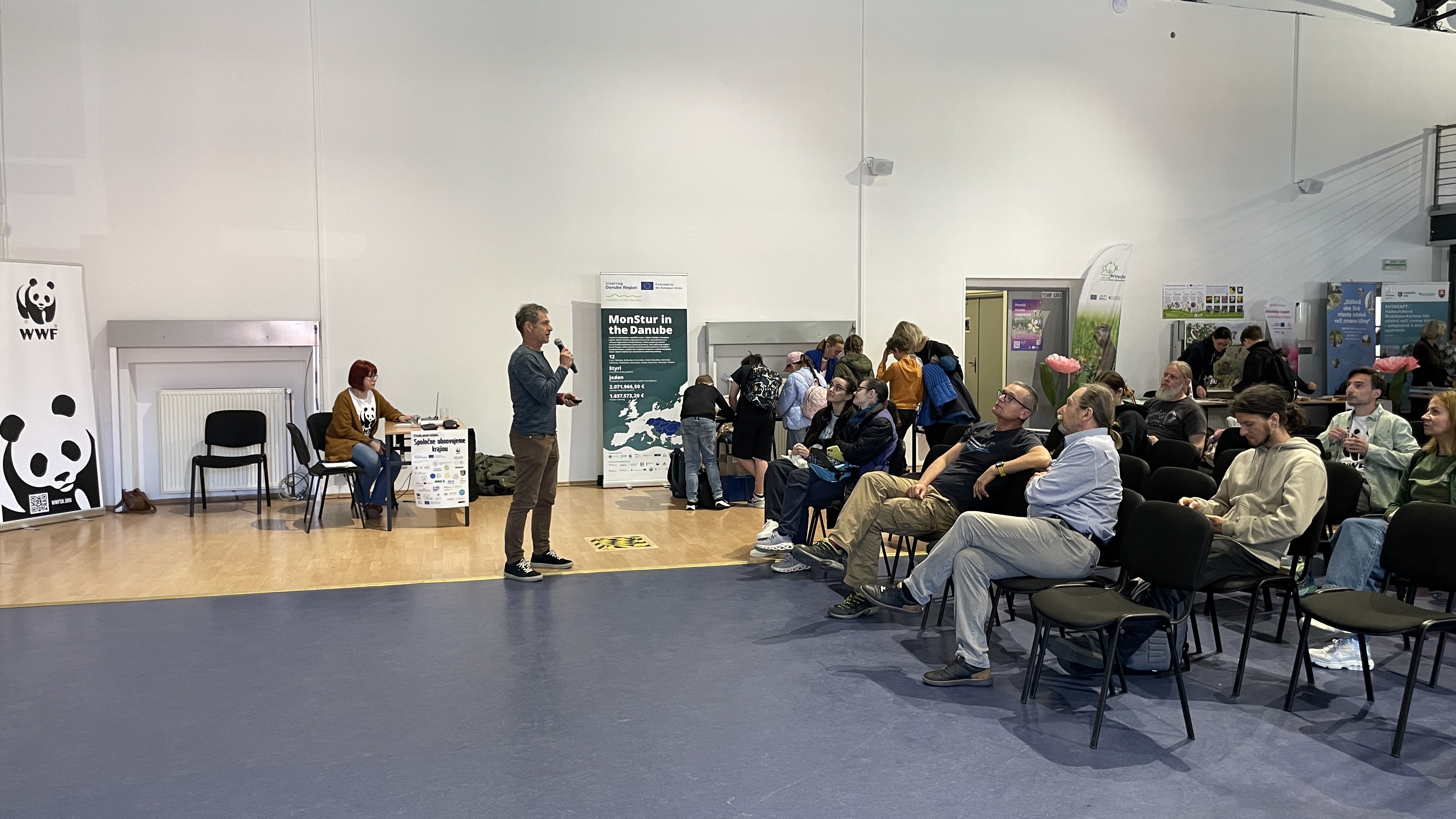
The day started at the Traditional Fishermen’s Village, located in the immediate vicinity of the Zaghen pilot area, with a stakeholder meeting organised while the pilot intervention is actively ongoing. Participants had the opportunity to gain a direct understanding of the context, objectives and relevance of the pilot action implemented within the RESTORIVER project.
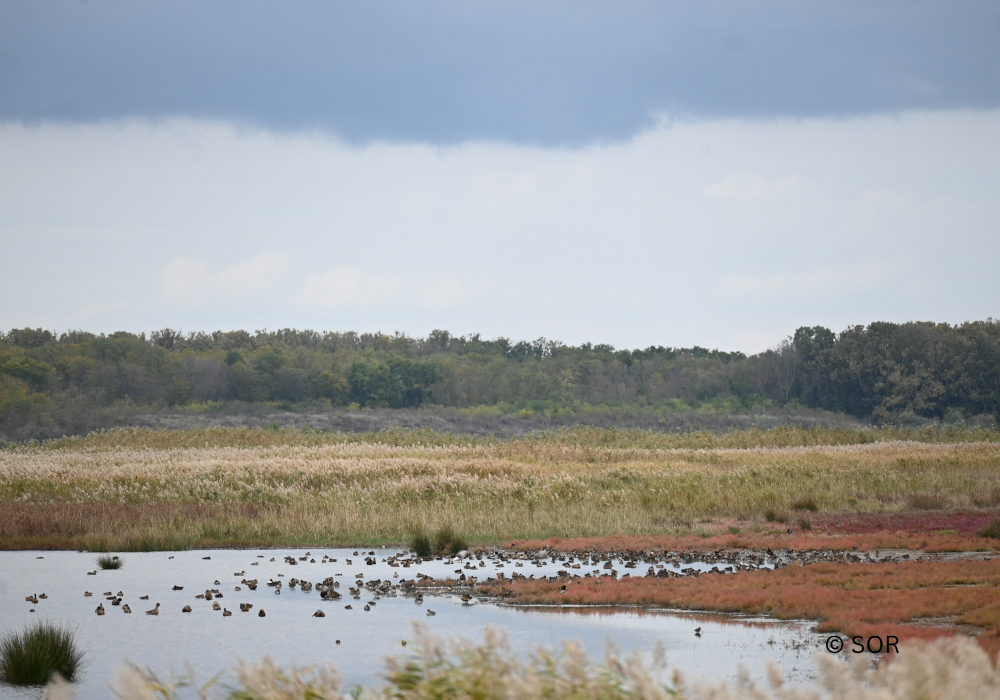
Presentations delivered by representatives of the Municipality of Tulcea, project partners – National Administration “Romanian Waters”, Romanian Ornithological Society and WWF Romania – as well as by scientific experts from INCDDD-DDNI, highlighted the role of Nature-based Water Retention Measures (NWRM) in climate change adaptation and the importance of peri-urban wetlands for hydrological regulation and biodiversity conservation.
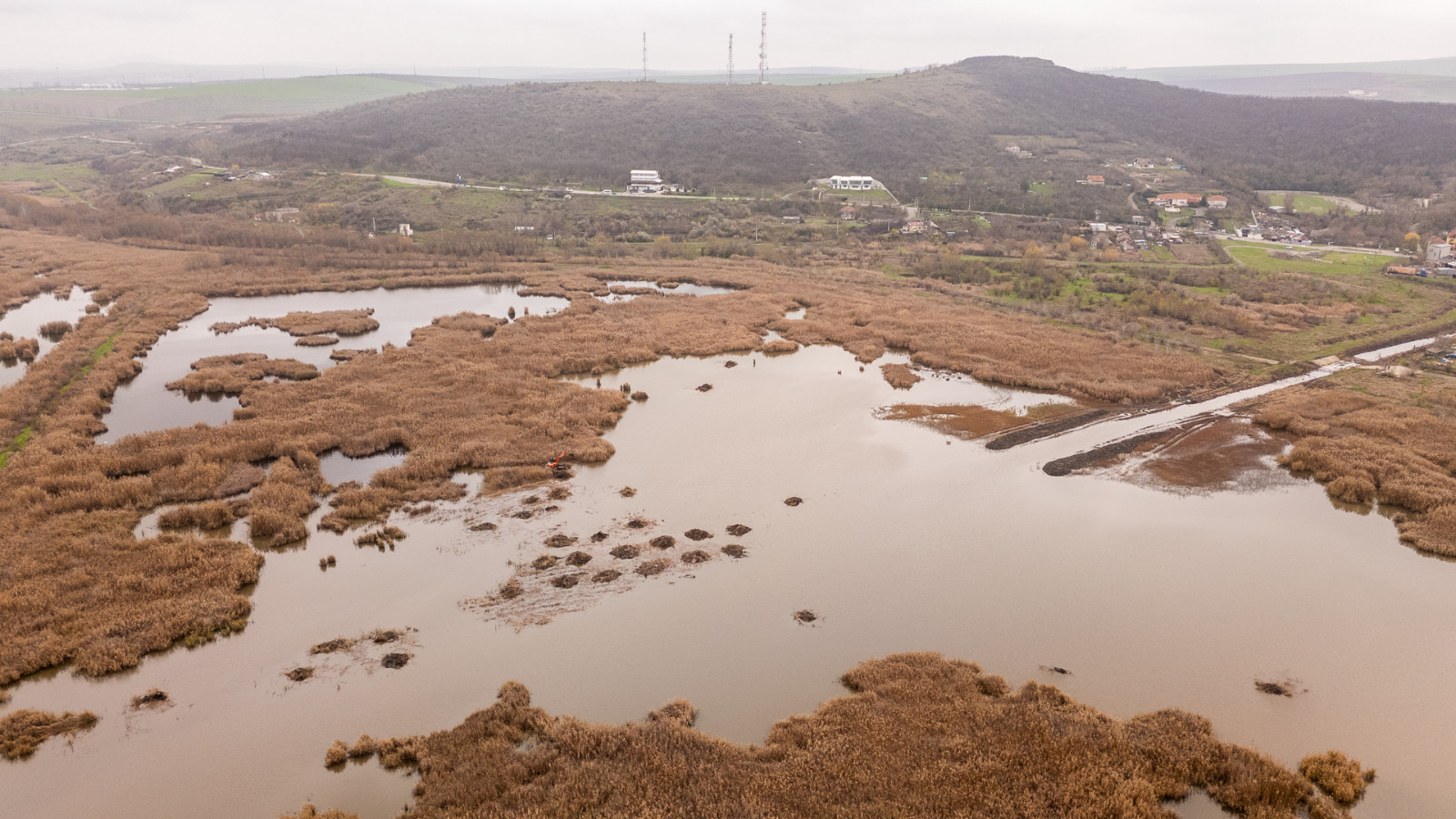
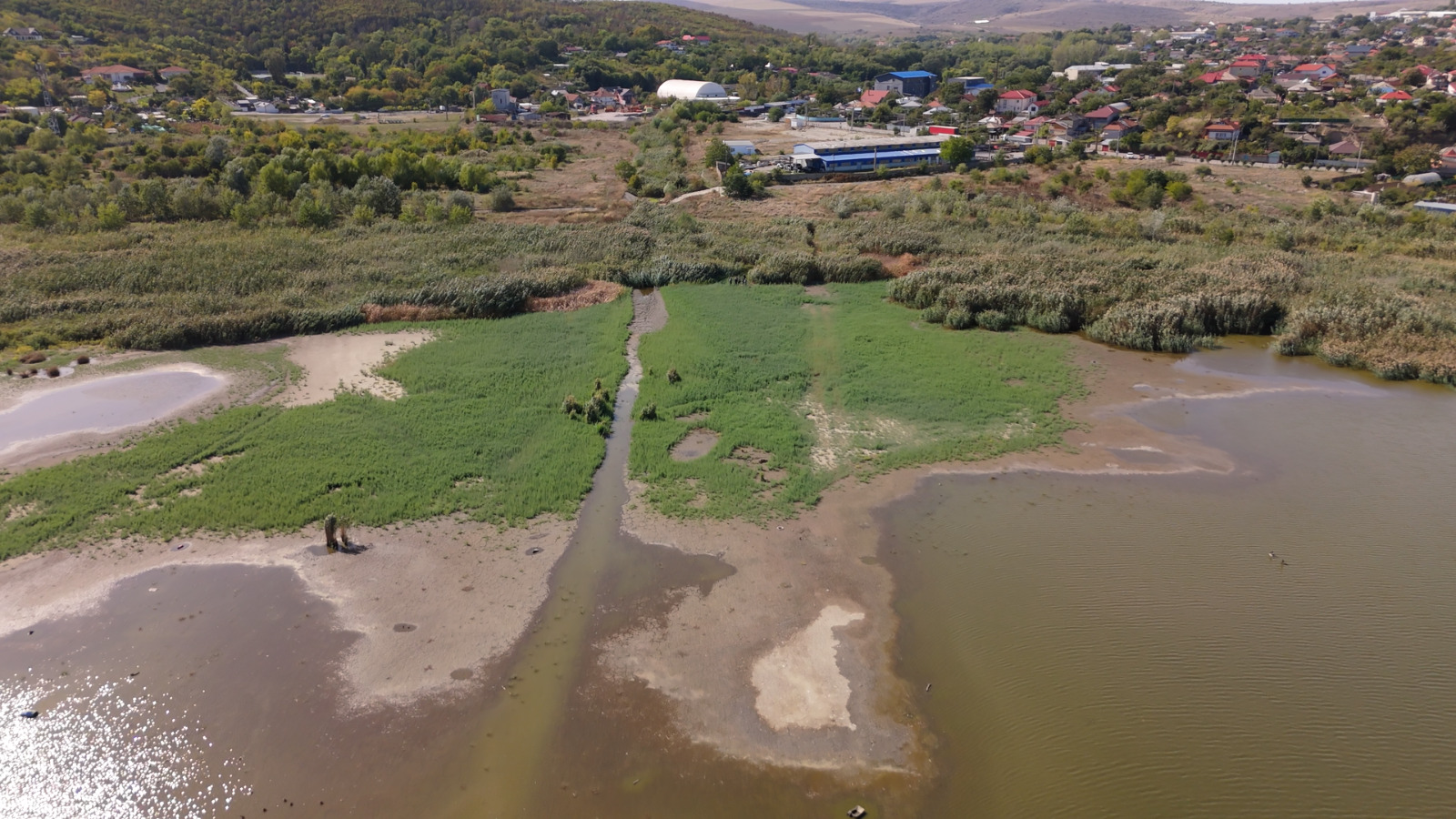
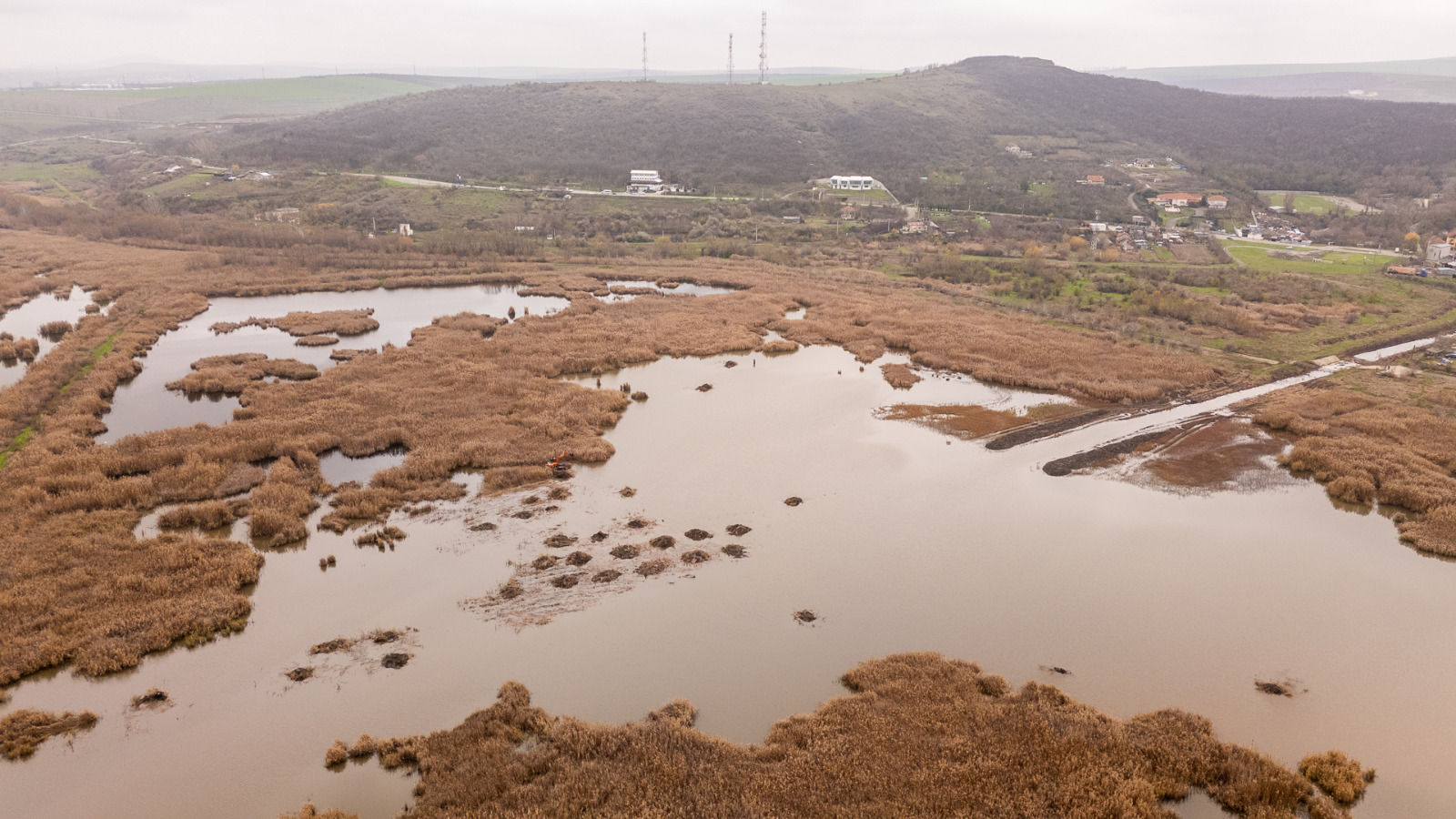
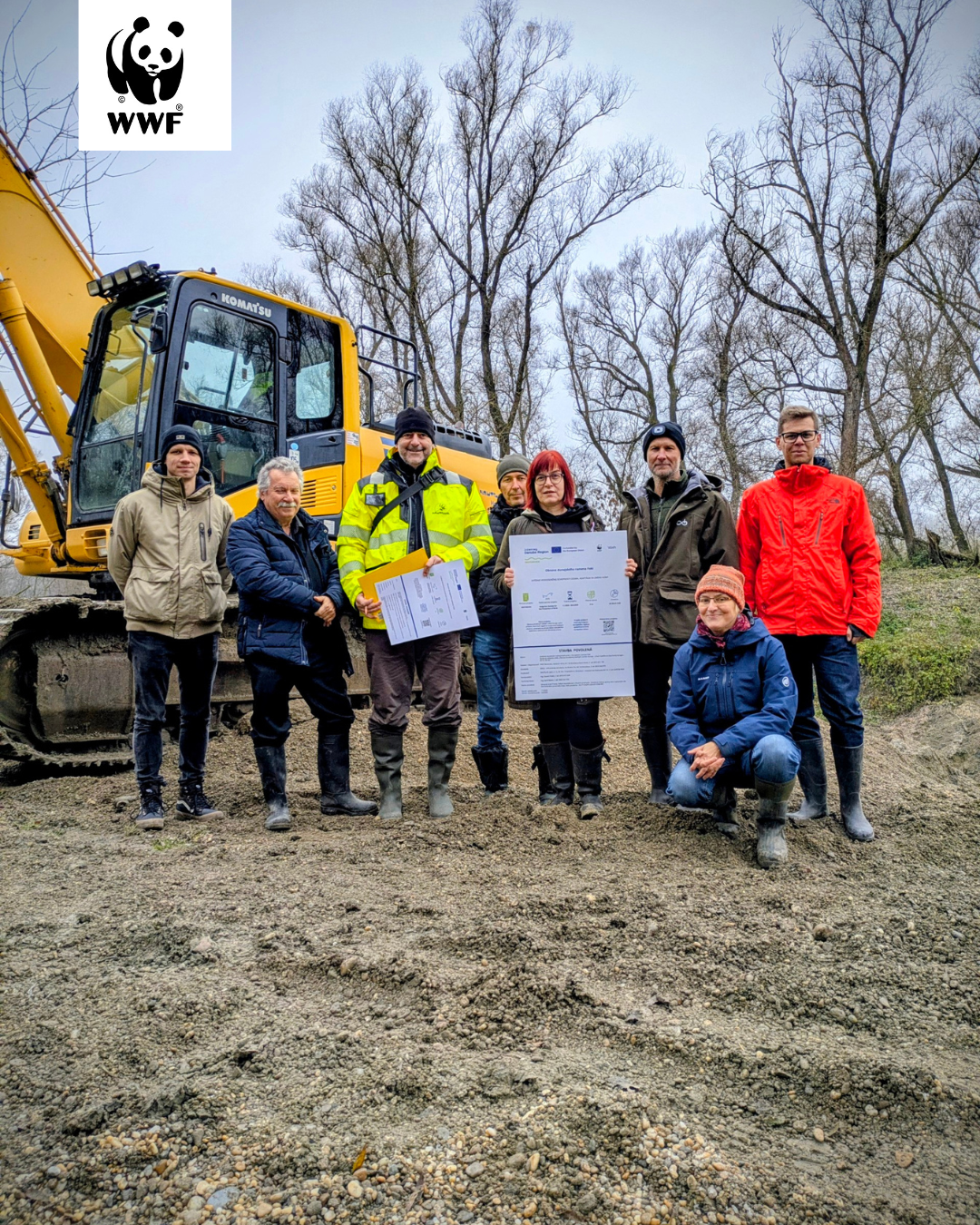
Special focus was placed on the Zaghen polder pilot intervention, currently in full implementation. Participants were informed about the reed management works, their purpose in addressing key challenges such as sedimentation, limited water circulation and excessive reed expansion, as well as about the equipment used and the environmental and safety measures applied during the works. The technical explanations were complemented by photo and video materials, including aerial and ground-level images, illustrating the condition of the polder before the intervention and the progress achieved on site.
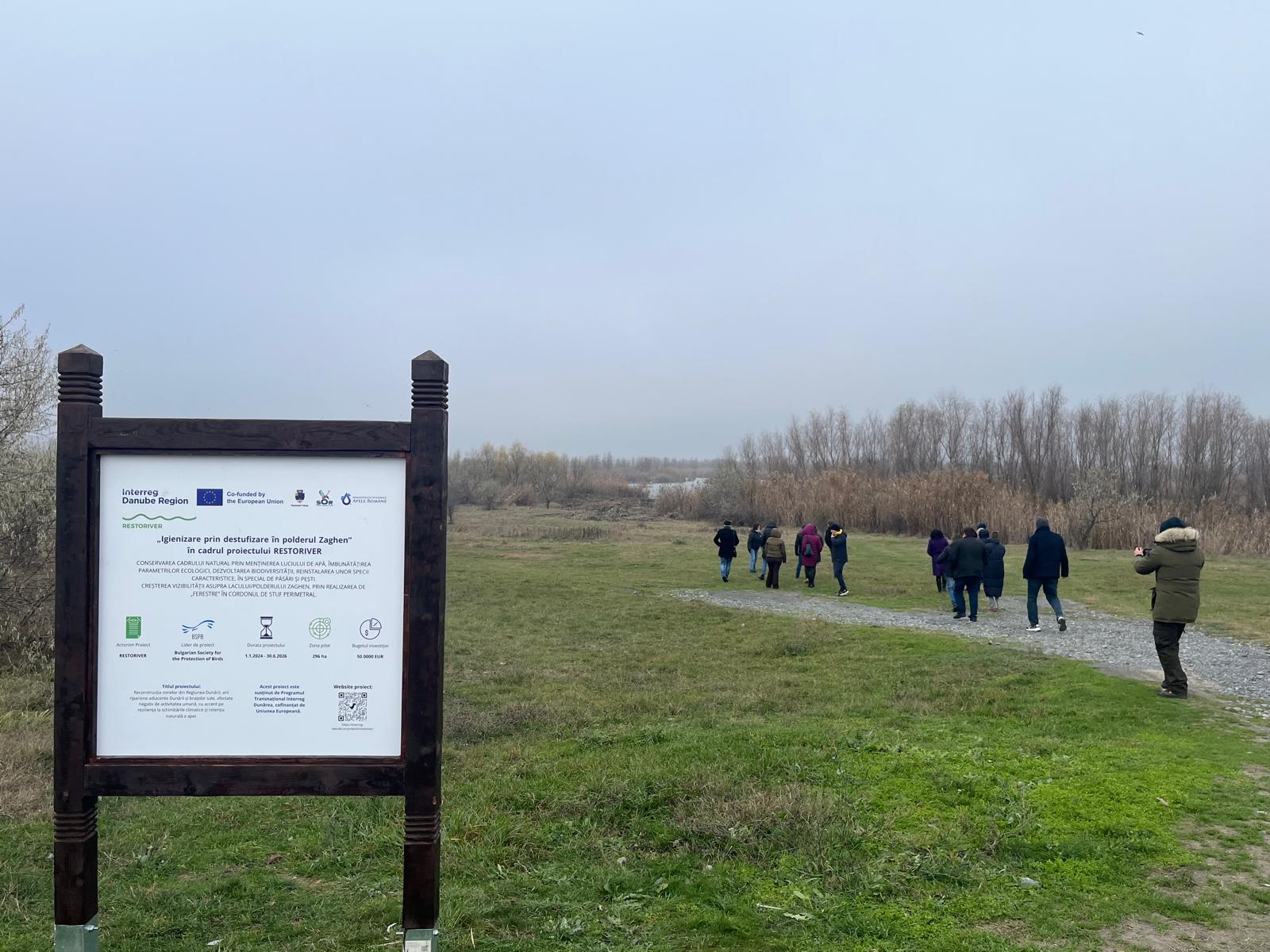
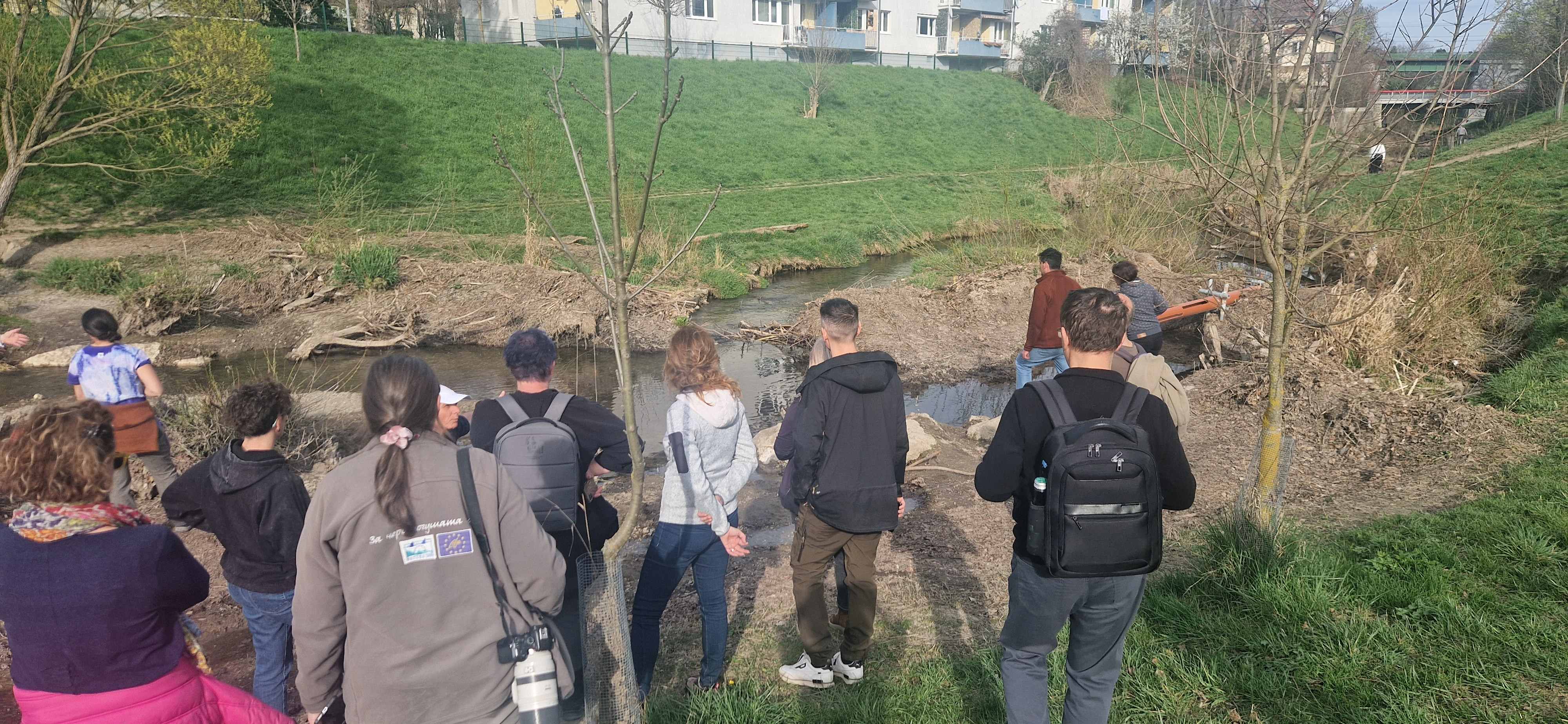
The meeting continued with a guided field visit, during which participants observed the intervention areas under safe conditions. Discussions in the field addressed internal water circulation, the effects of sedimentation and reed overgrowth, newly created open-water and visibility windows, as well as sensitive areas affected by uncontrolled access and other pressures. The field tour benefited from the expertise of DDNI specialists, the representative of the company implementing the works, and experts from Romanian Waters and the Romanian Ornithological Society.
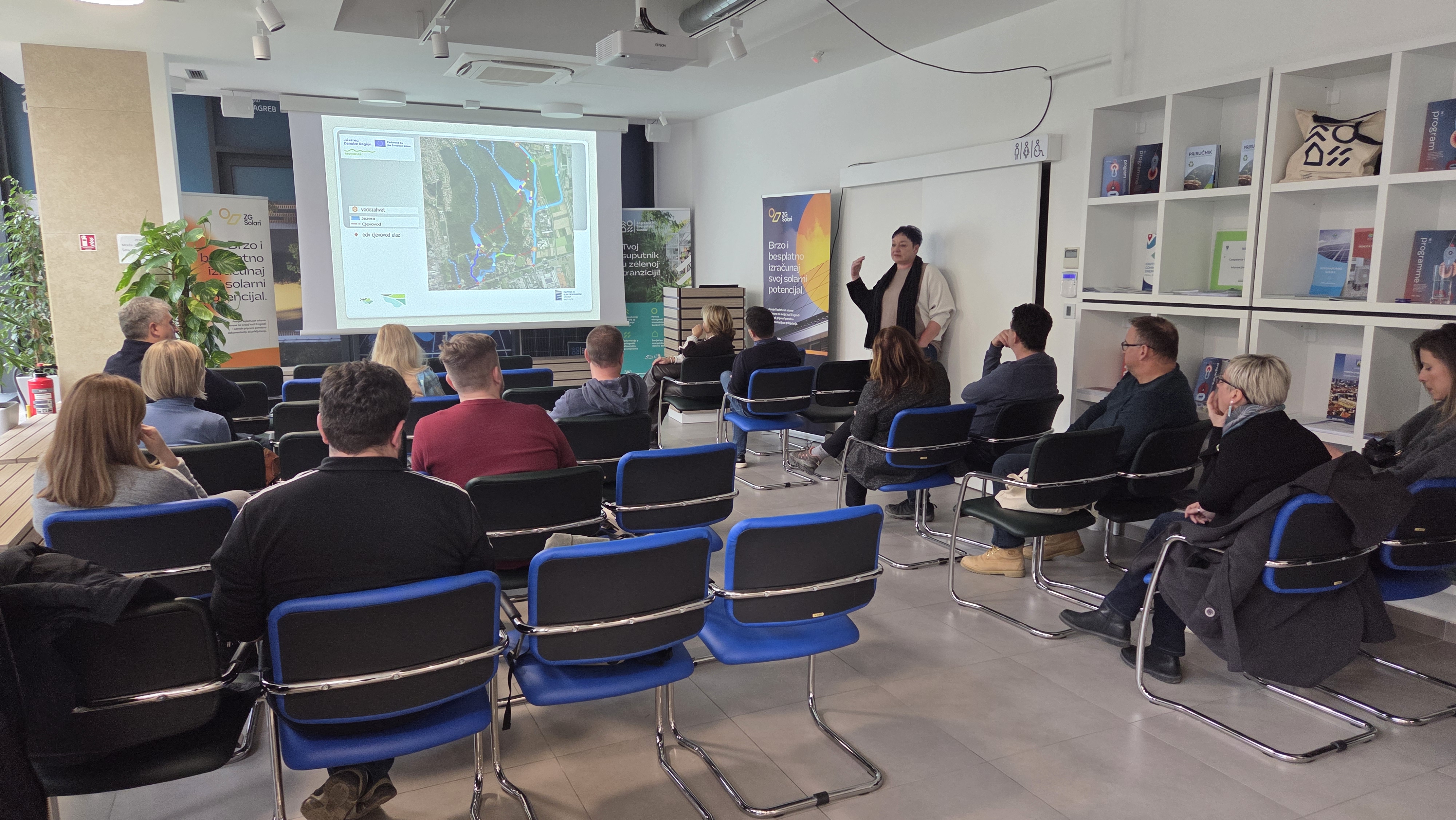
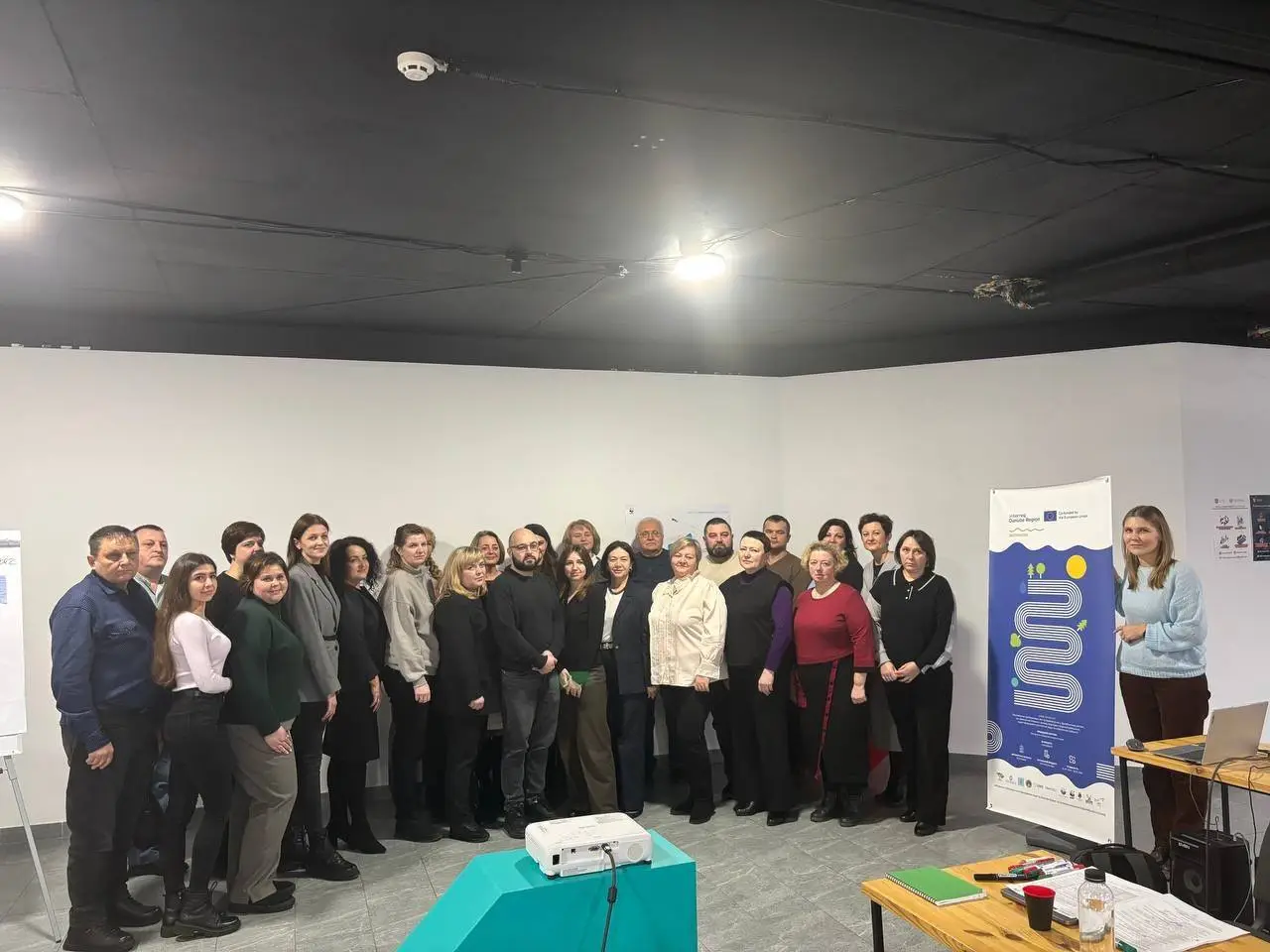
In the second part of the day, the dialogue moved to the Municipality of Tulcea headquarters, in the “Tulcea” Conference Hall, where a roundtable discussion on the governance and sustainable use of the Zaghen polder took place, in the context of the ongoing pilot intervention. Alongside institutional representatives and project partners, the event brought together civil society organisations, tourism stakeholders, landscape architects, students and media representatives, creating an open and inclusive framework for exchange.
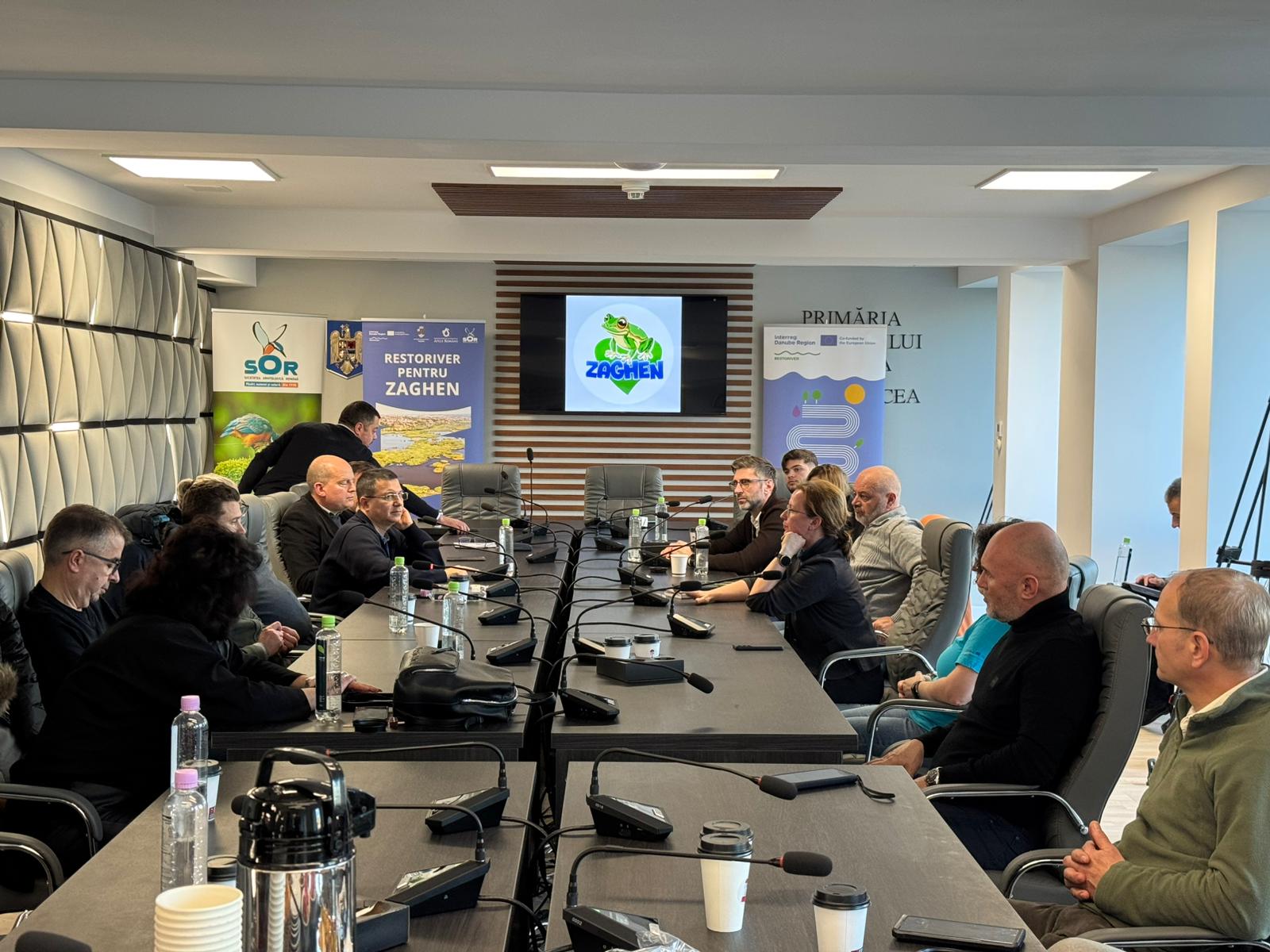
The discussions focused on the future governance model of the Zaghen area, the need to align technical interventions with public policies and planning instruments, and on the identification of solutions to improve water circulation, which are currently being explored through expert dialogue and scientific input, with support from INCDDD. Participants underlined the importance of institutional cooperation between the Municipality of Tulcea, the Danube Delta Biosphere Reserve Authority (ARBDD) and other relevant authorities, in order to ensure coherent management and long-term sustainability of the Zaghen polder as a peri-urban wetland integrated into the life of the city.
Media participation throughout the day contributed to raising public awareness of the pilot intervention and the broader discussions on the future of the Zaghen area, highlighting the growing public interest in ecological restoration and climate adaptation initiatives at local level. By linking on-site intervention with strategic dialogue and policy-oriented discussions, RESTORIVER once again demonstrated the value of cooperation between local authorities, scientific experts and communities in shaping resilient and sustainable solutions for peri-urban wetland areas.

14/01/2026
By Petra Boić Petrač
Share on social media:



News & Events
Read the most recent updates and explore the upcoming events.

Would you like to receive project updates?
You're already part of our community!
Welcome to our newsletter community!
Subscribe to our newsletter