

Natural Water Retention Measures as a Way to Save Small Rivers. WWF-Ukraine Experts Studied the Ploska River in Khmelnytskyi
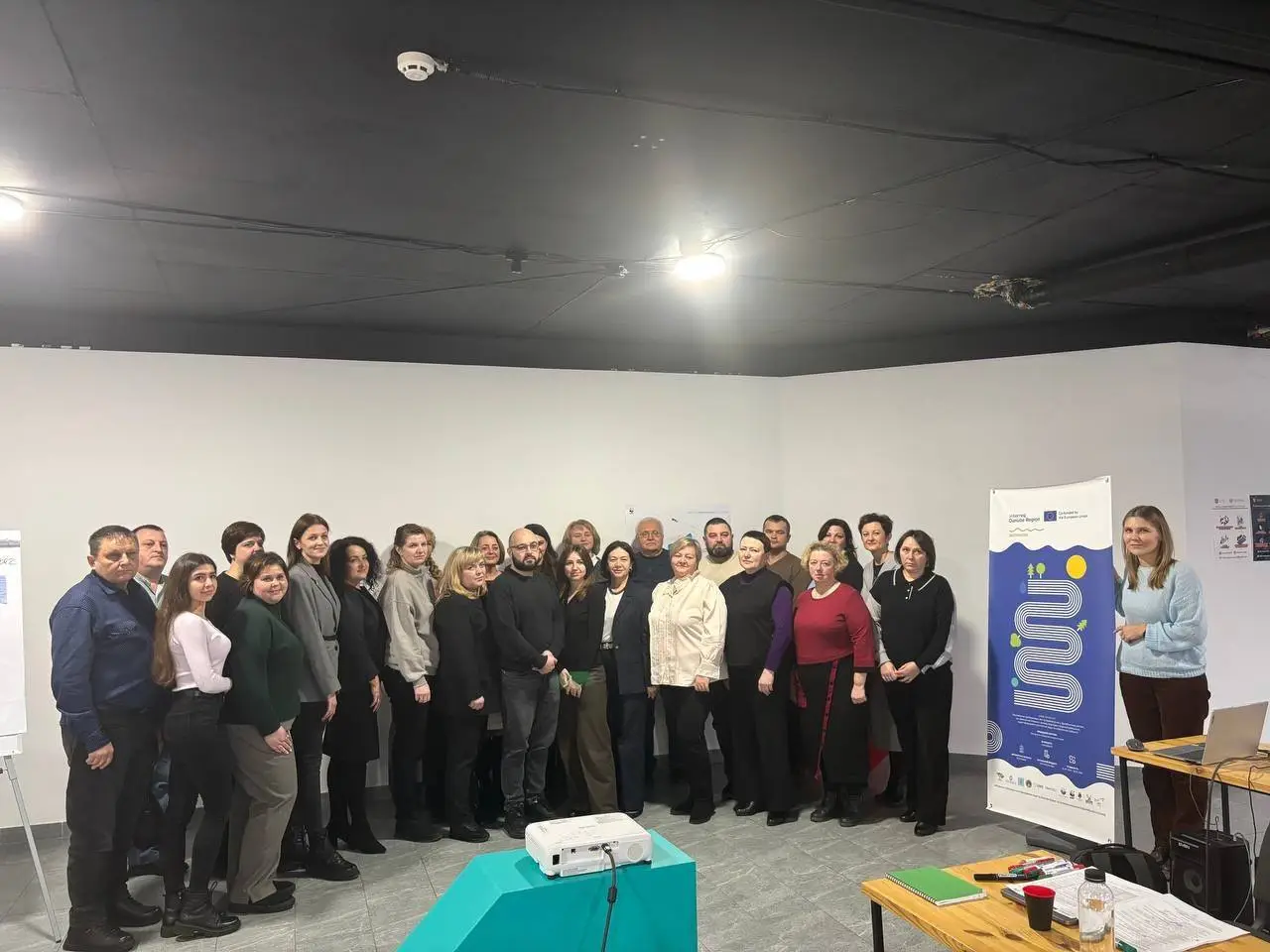
The Ploska River, which flows through the city of Khmelnytskyi, is a crucial part of the urban ecosystem. It contributes to biodiversity conservation and helps the city adapt to climate change. That is why its restoration is a strategic goal for the city's development. How to "bring the Ploska River back to life" using "nature-based solutions" — these and other issues were discussed by experts, local government officials, and community representatives during a special seminar organized with the participation of the World Wide Fund for Nature (WWF-Ukraine) on December 4, 2025.
The Ploska River is a Valuable City Asset that Must be Preserved
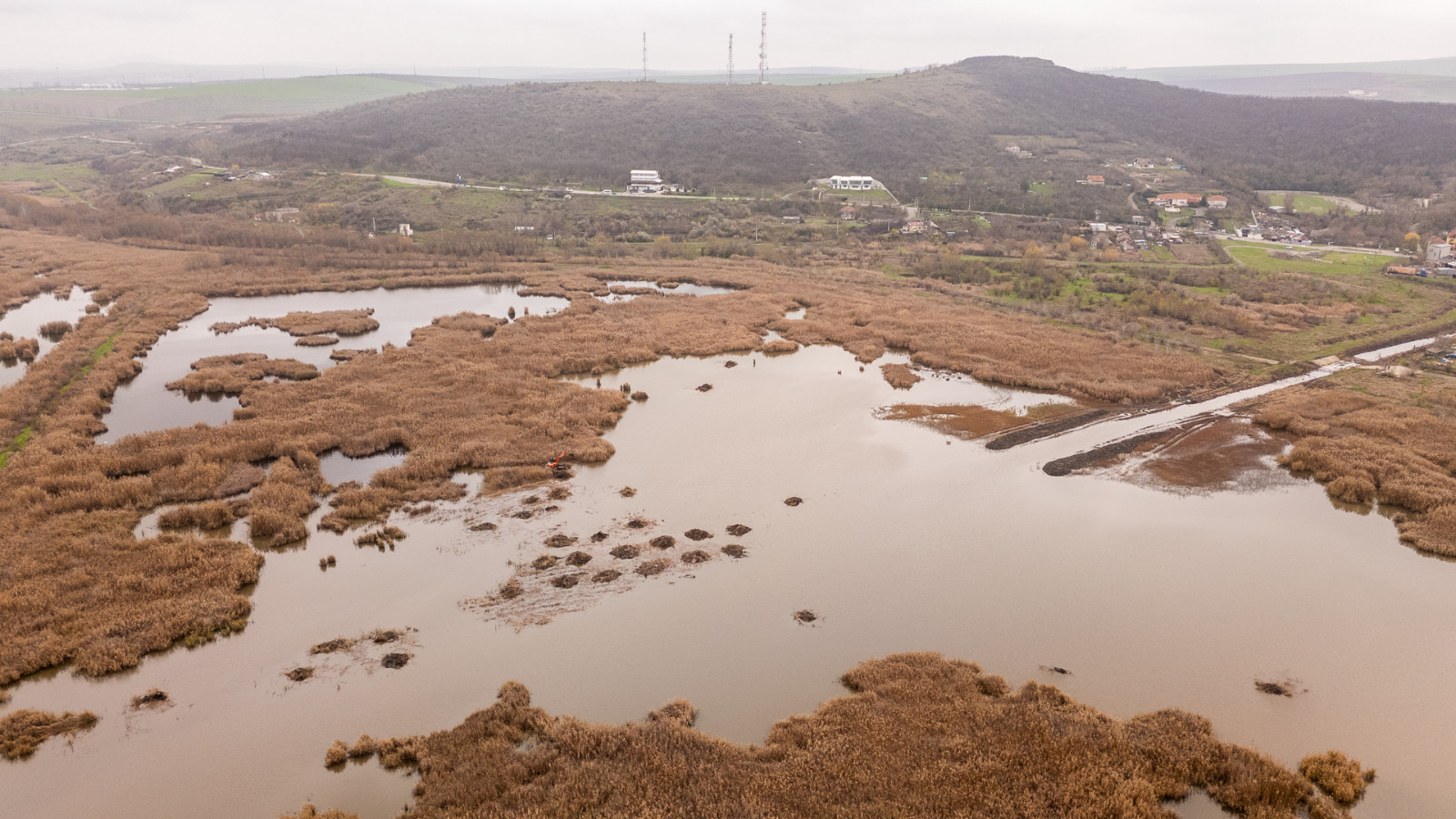
The Ploska River is a small river that flows through Khmelnytskyi and is an important part of the urbanized ecosystem. Within the city limits, it divides into channels and flows into the Khmelnytskyi Reservoir.
Ploska plays a key role in maintaining the water balance, ensures water exchange, and contributes to biodiversity conservation. Its restoration and protection will improve the ecological status, support natural ecosystems, and help the city adapt to climate change. Besides the obvious benefits, its restoration is important in the context of Ukraine's legislative goals and European integration commitments.
WWF-Ukraine, together with partners, is looking for solutions to restore the Ploska River using NWRM
One of the effective ways to restore small rivers like Ploska is through Natural Water Retention Measures (NWRM). These are sustainable water management practices that work with natural processes. Their goal is to retain water in the soil, vegetation, and aquifers rather than rapidly draining it.
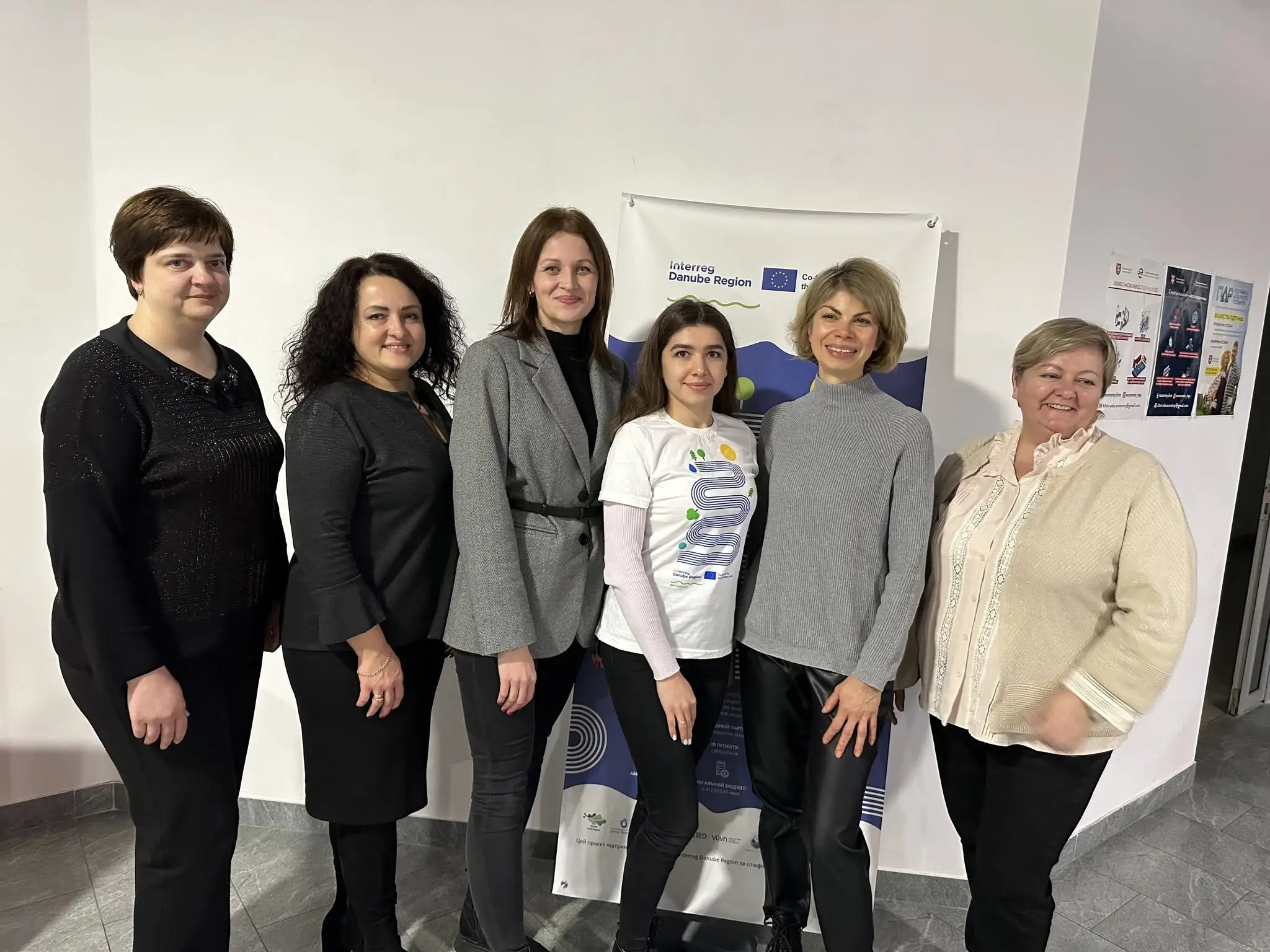
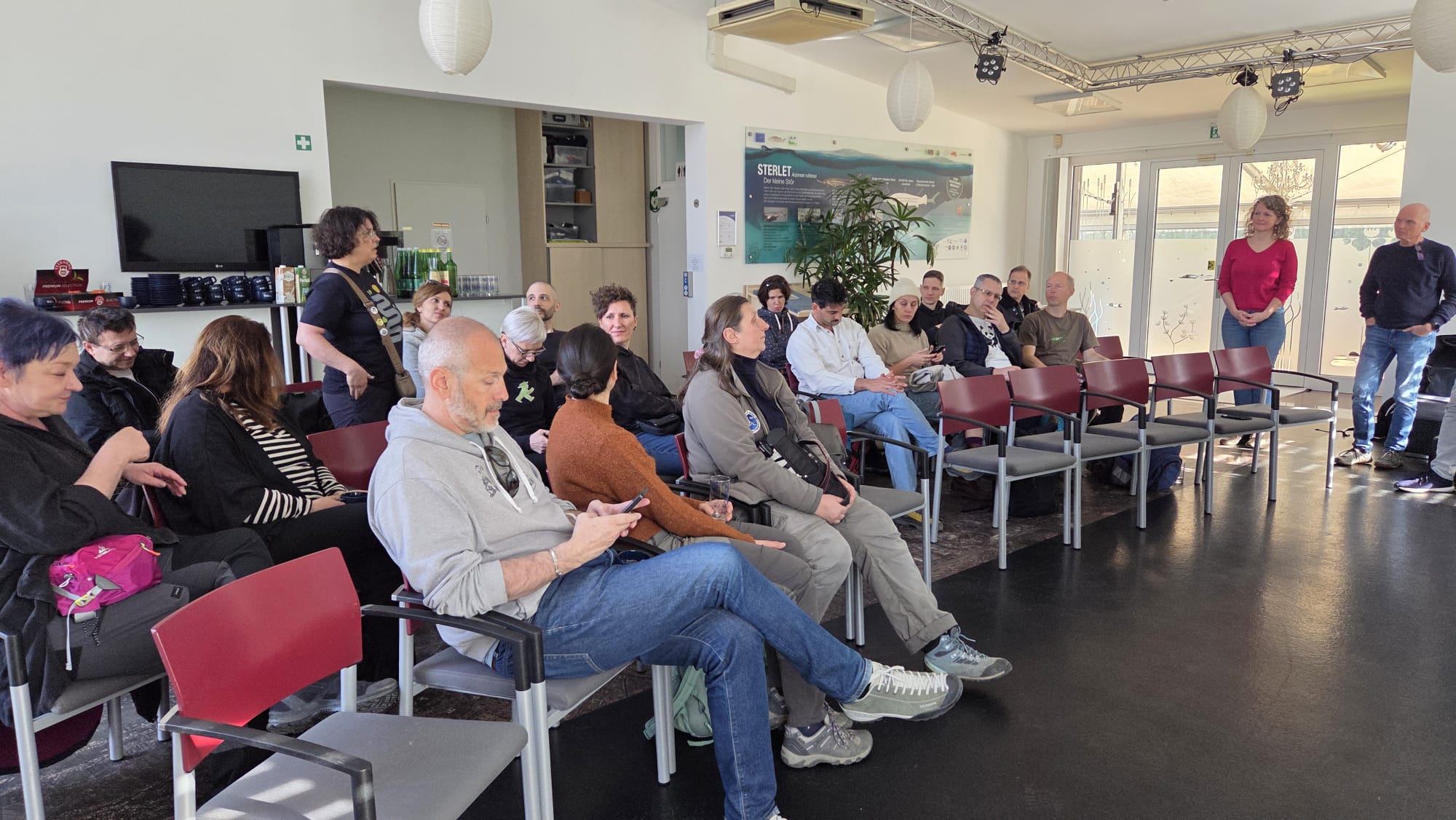
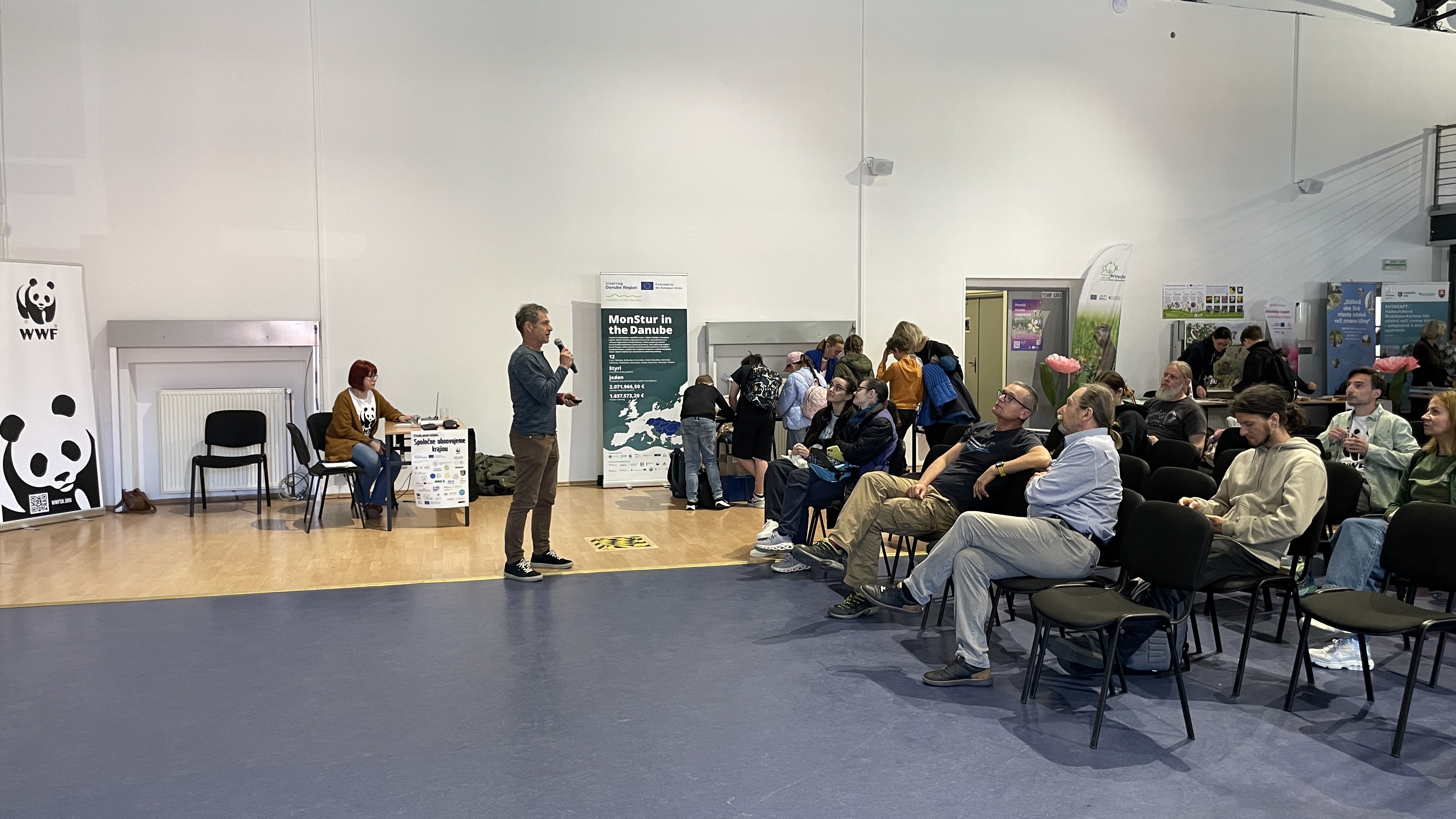
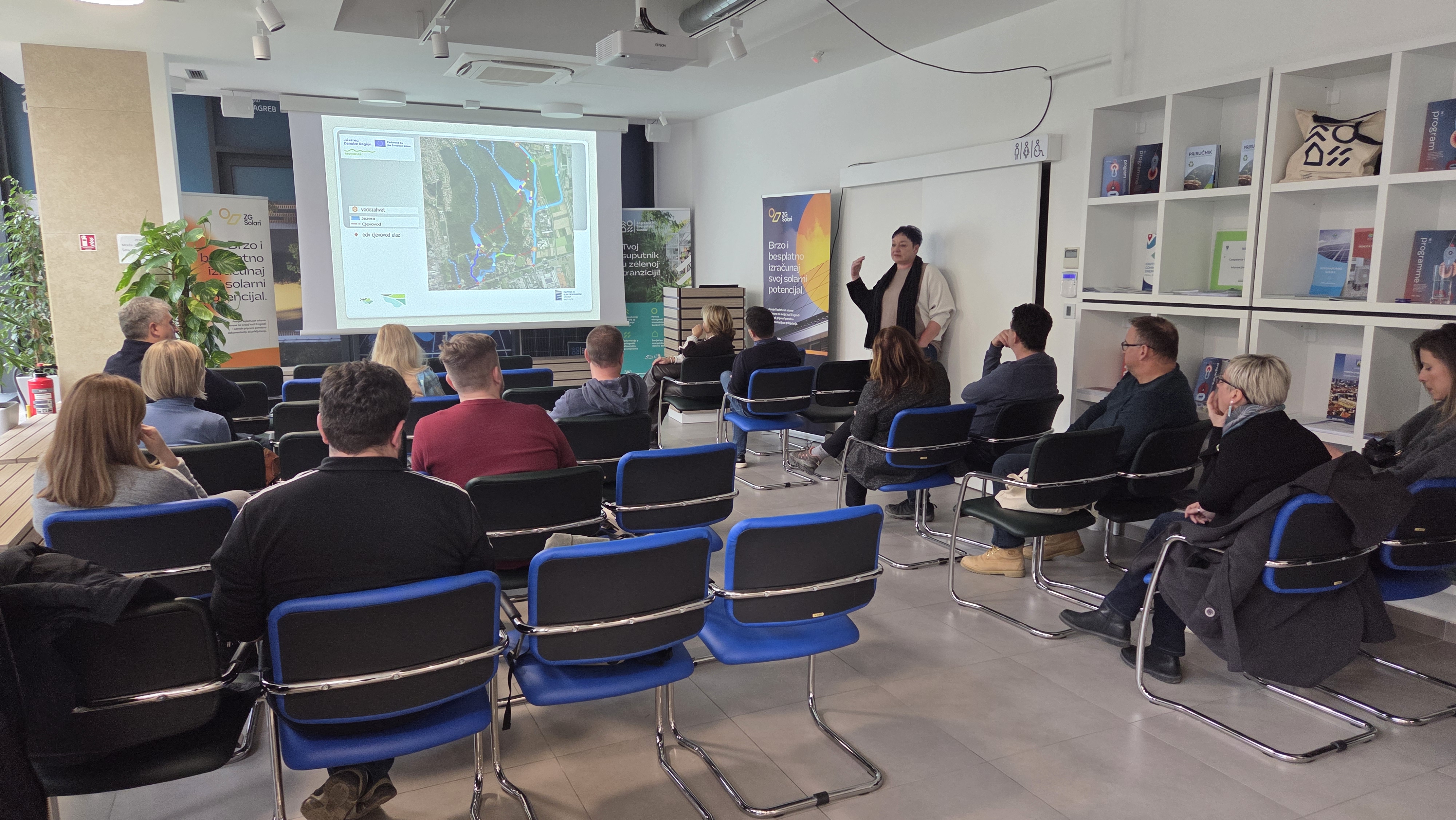
These approaches and the possibilities of their application for Ploska's restoration were discussed on December 4 at the seminar "Natural Water Retention Measures (NWRM) as a Tool for Restoring Small Rivers, Water Ecosystems, and Increasing Their Resilience to Climate Change." The event was held within the framework of cooperation between the Department of Ecology and Improvement Control and WWF-Ukraine, as part of the international RESTORIVER project.
The seminar was attended by representatives of the city council and the public, utility companies, scientists from Khmelnytskyi National University, specialists from water management organizations, the State Service of Ukraine on Food Safety and Consumer Protection (SSUFSCP), the Hydrometeorological Center, as well as colleagues from other cities.
The participants learned about the NWRM approach, examples of its application, and how it helps cities address spatial planning issues, restore degraded areas, and improve the state of water ecosystems.
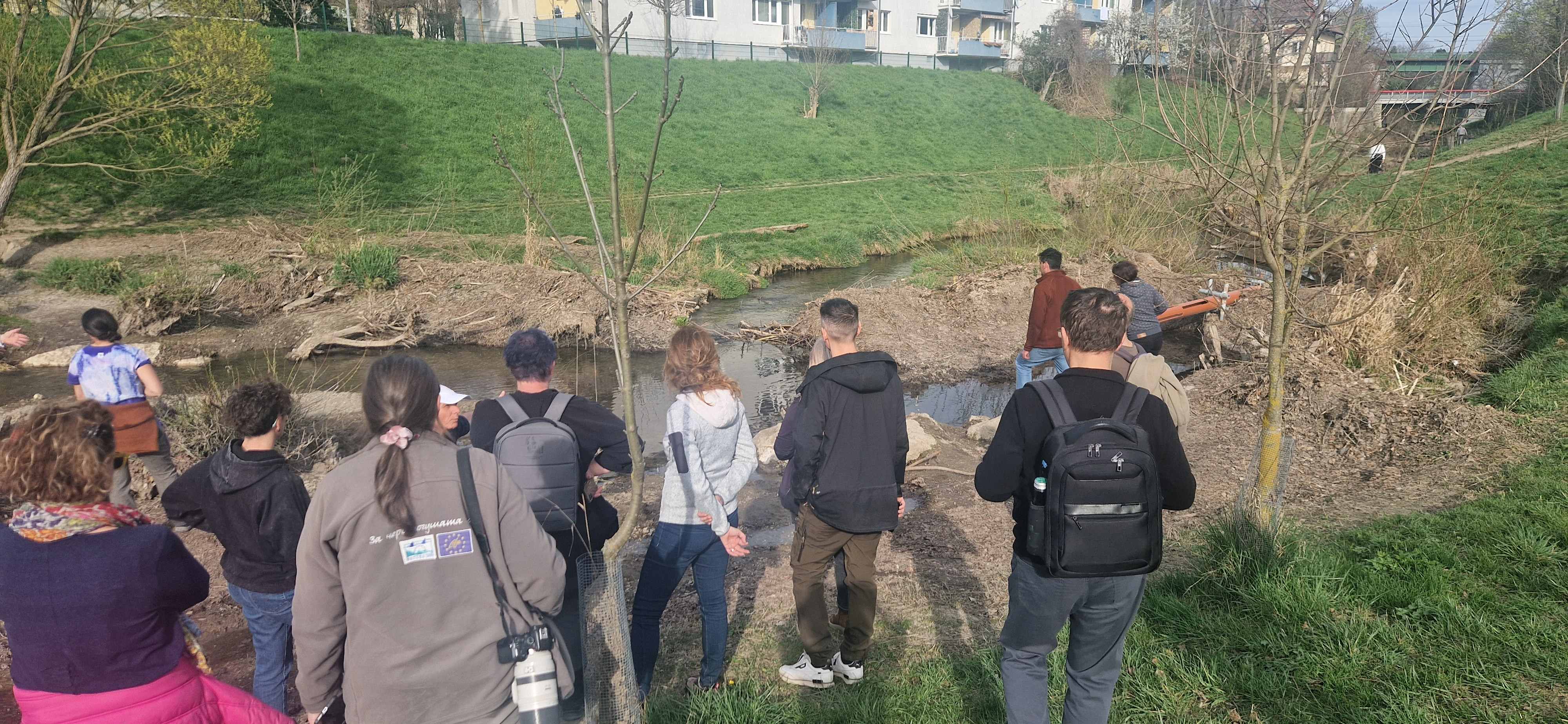
Based on the results of the hydromorphological studies of the Ploska River, experts and scientists presented the current state of the river, the causes of its degradation, and possible nature-based solutions for improving its condition:
Restoring the floodplain;
Developing green spaces;
Creating natural filters and other solutions to increase the river's resilience to climate change.
Their recommendations will form the basis of an action plan for the city authorities for the restoration of the Ploska River.
During the seminar, participants developed a shared vision for further actions to save the Ploska River, involving the community, scientists, and local authorities.

17/12/2025
By Petra Boić Petrač
Share on social media:



News & Events
Read the most recent updates and explore the upcoming events.

Would you like to receive project updates?
You're already part of our community!
Welcome to our newsletter community!
Subscribe to our newsletter