
Food as a Tool of Inclusion: The Municipality of Postojna Leads the European Project SReST
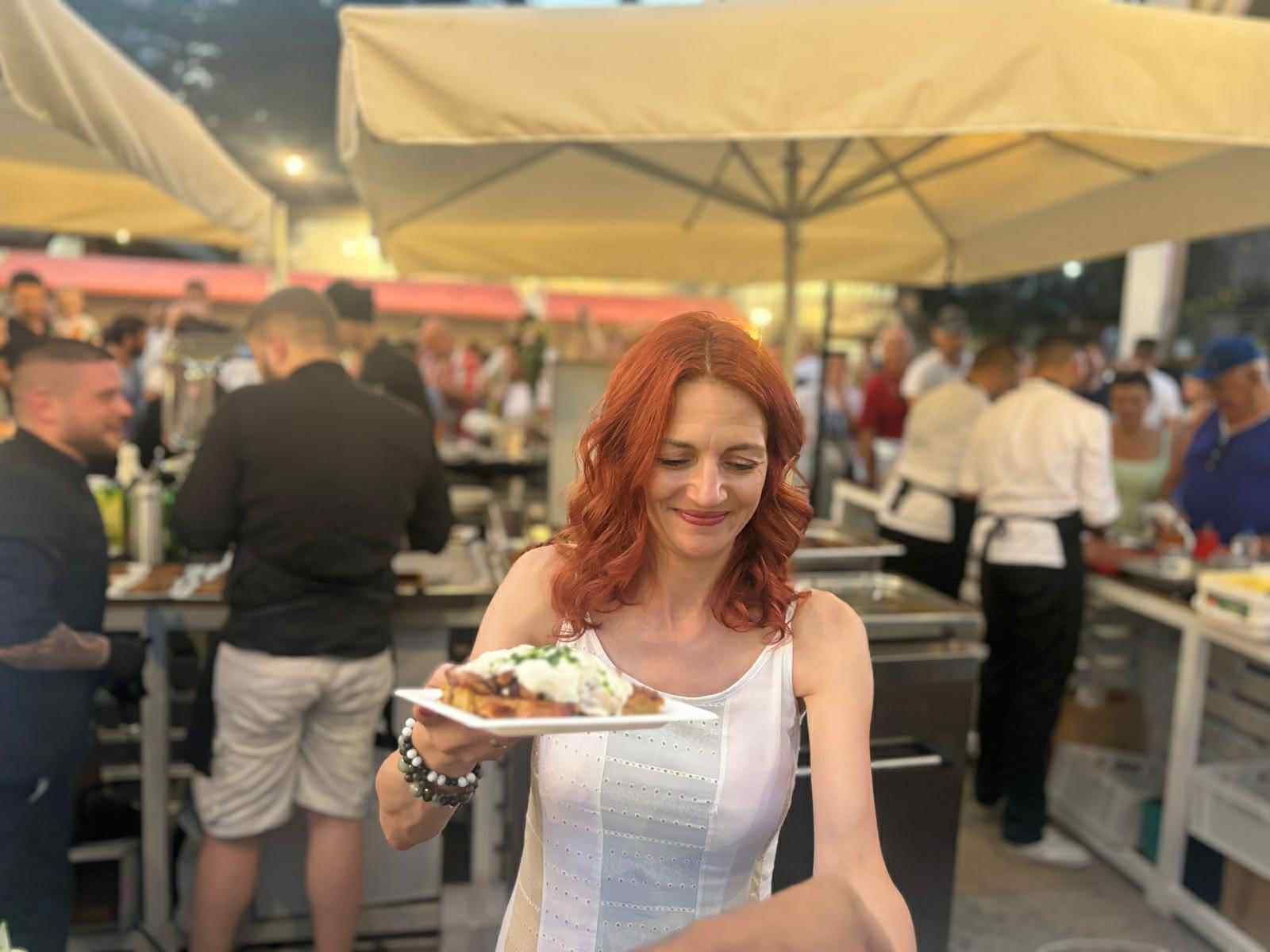
The Municipality of Postojna, as the lead partner, is participating in the European project SReST – Socially Responsible Slow Food Tourism, which connects gastronomy, sustainable tourism, and social inclusion. The project, implemented under the Interreg Danube Programme and involving partners from seven countries, demonstrates that food can be more than cultural heritage — it can also become an effective tool for integrating vulnerable groups and creating new employment opportunities.
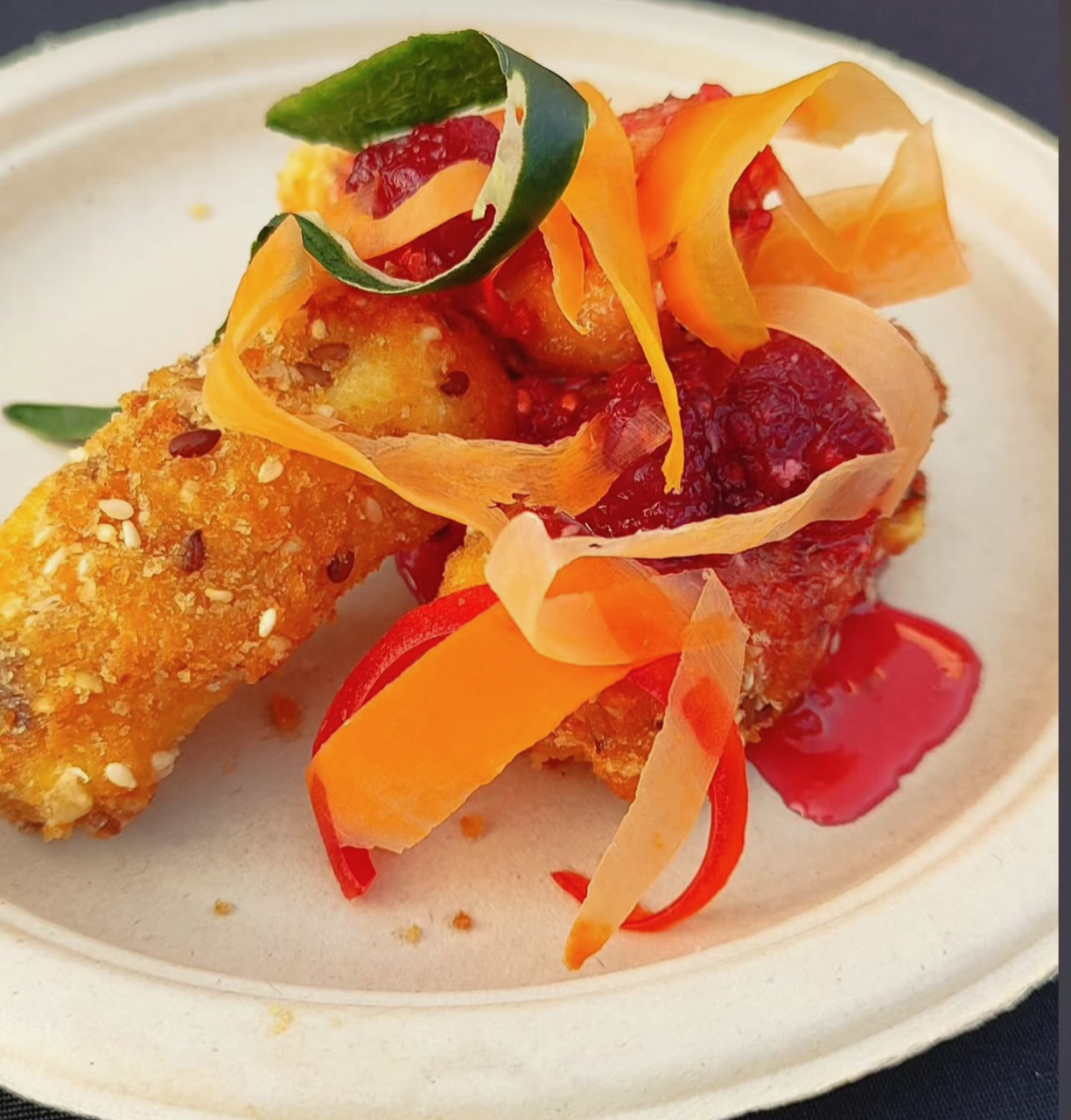
SReST builds on the rich gastronomic and biological diversity of the Danube region and links it with the principles of sustainable tourism and the Slow Food movement. A special emphasis is placed on the inclusion of migrants, minorities, the unemployed, and other vulnerable groups in local food and tourism value chains — from food production and processing to gastronomy, guiding, and heritage interpretation. In this way, the project contributes to local economic development, the preservation of rural areas, and stronger social cohesion.
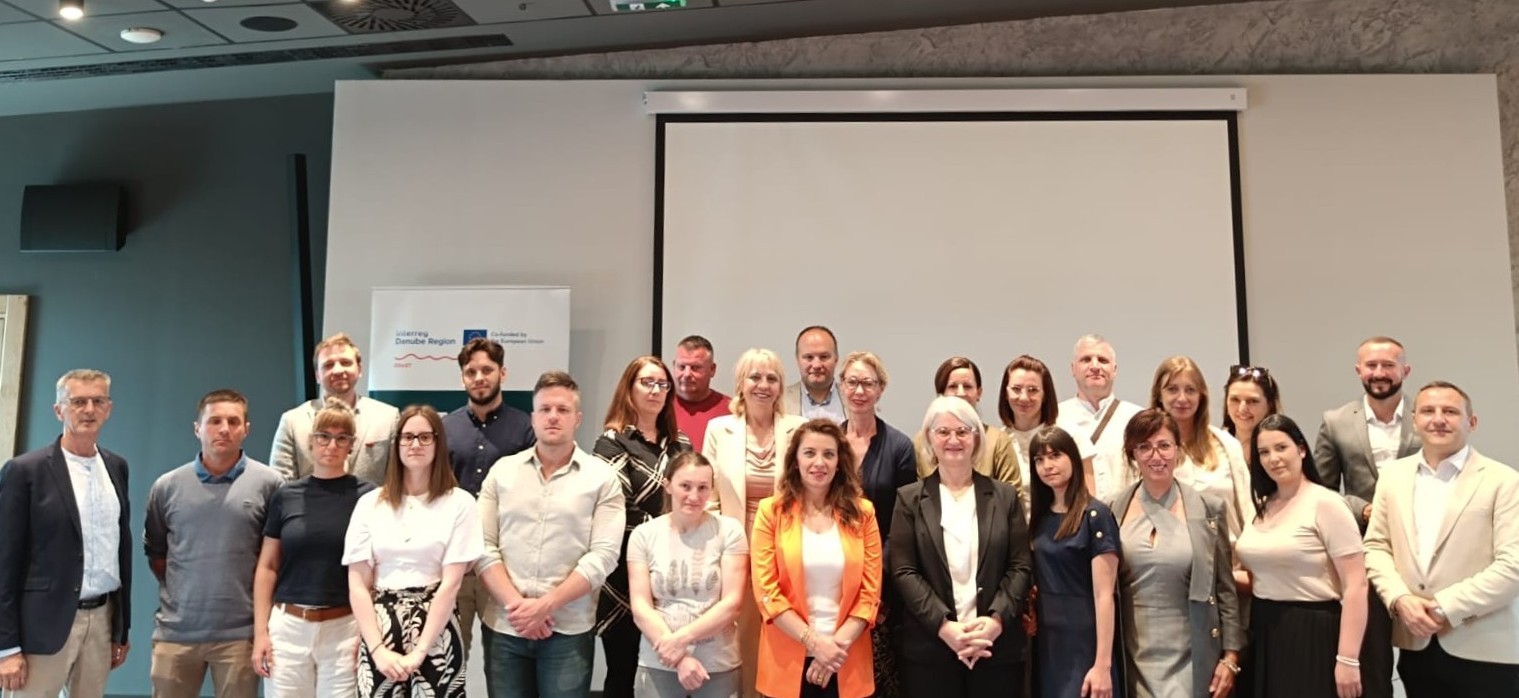
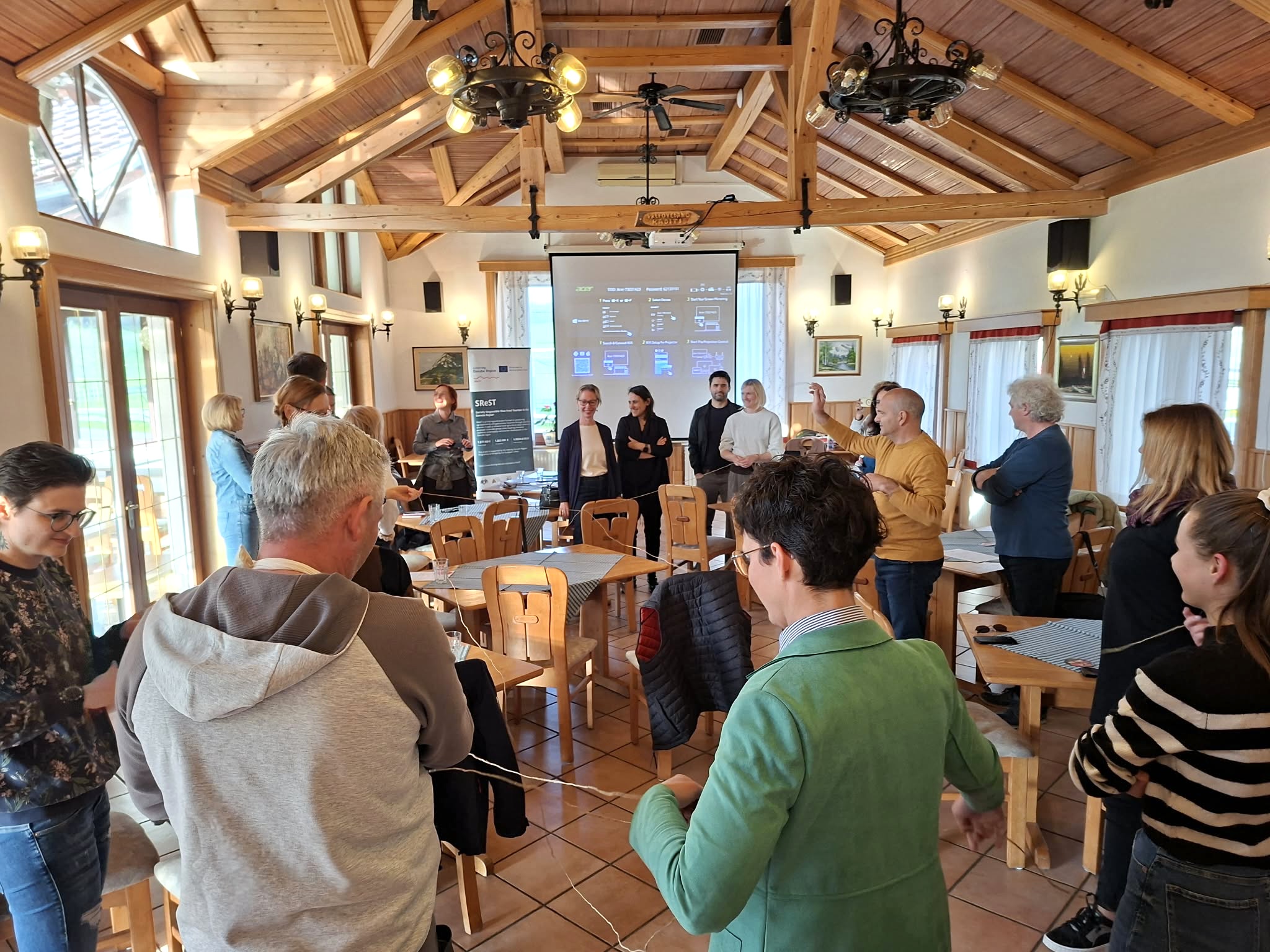
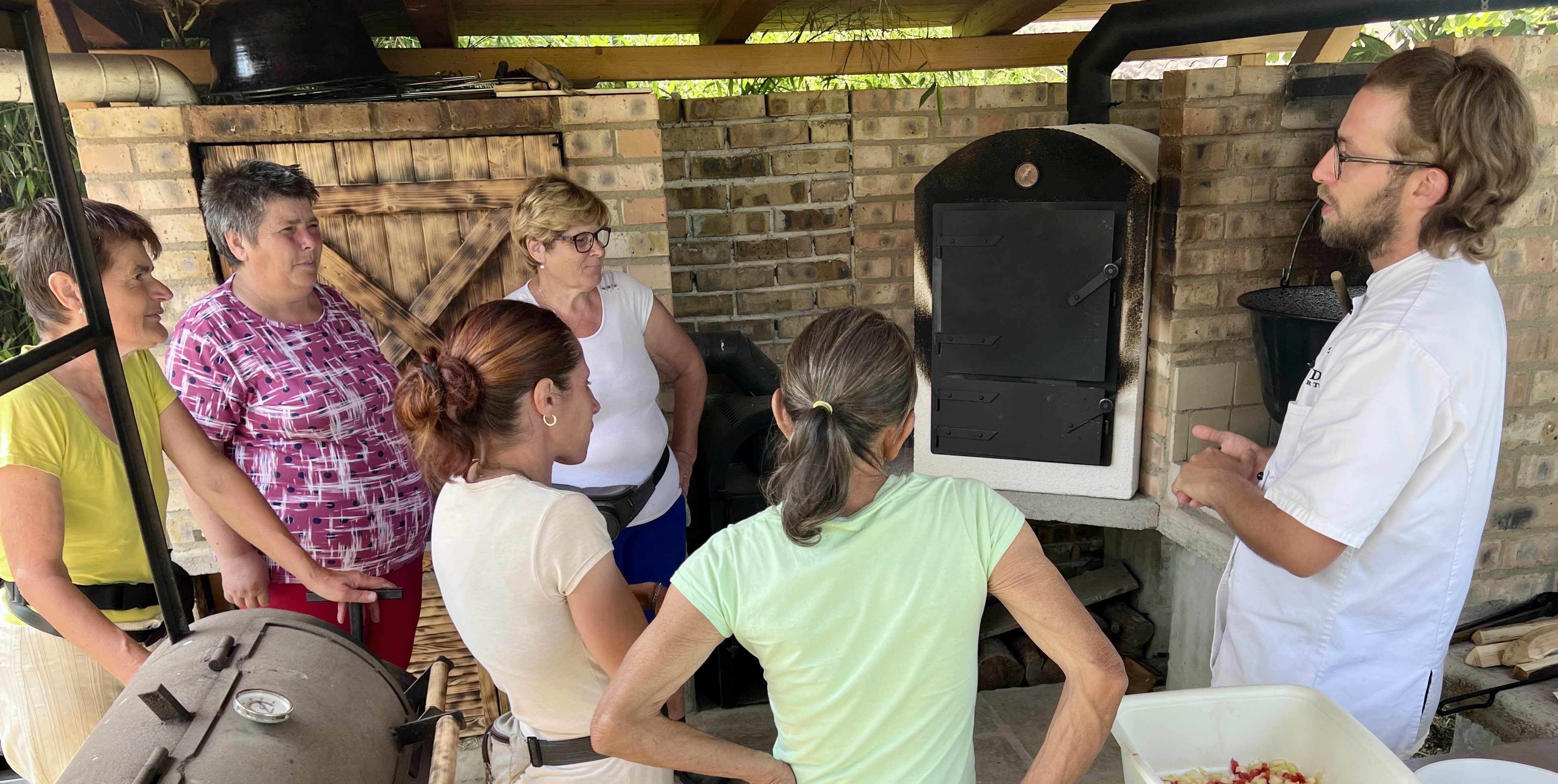
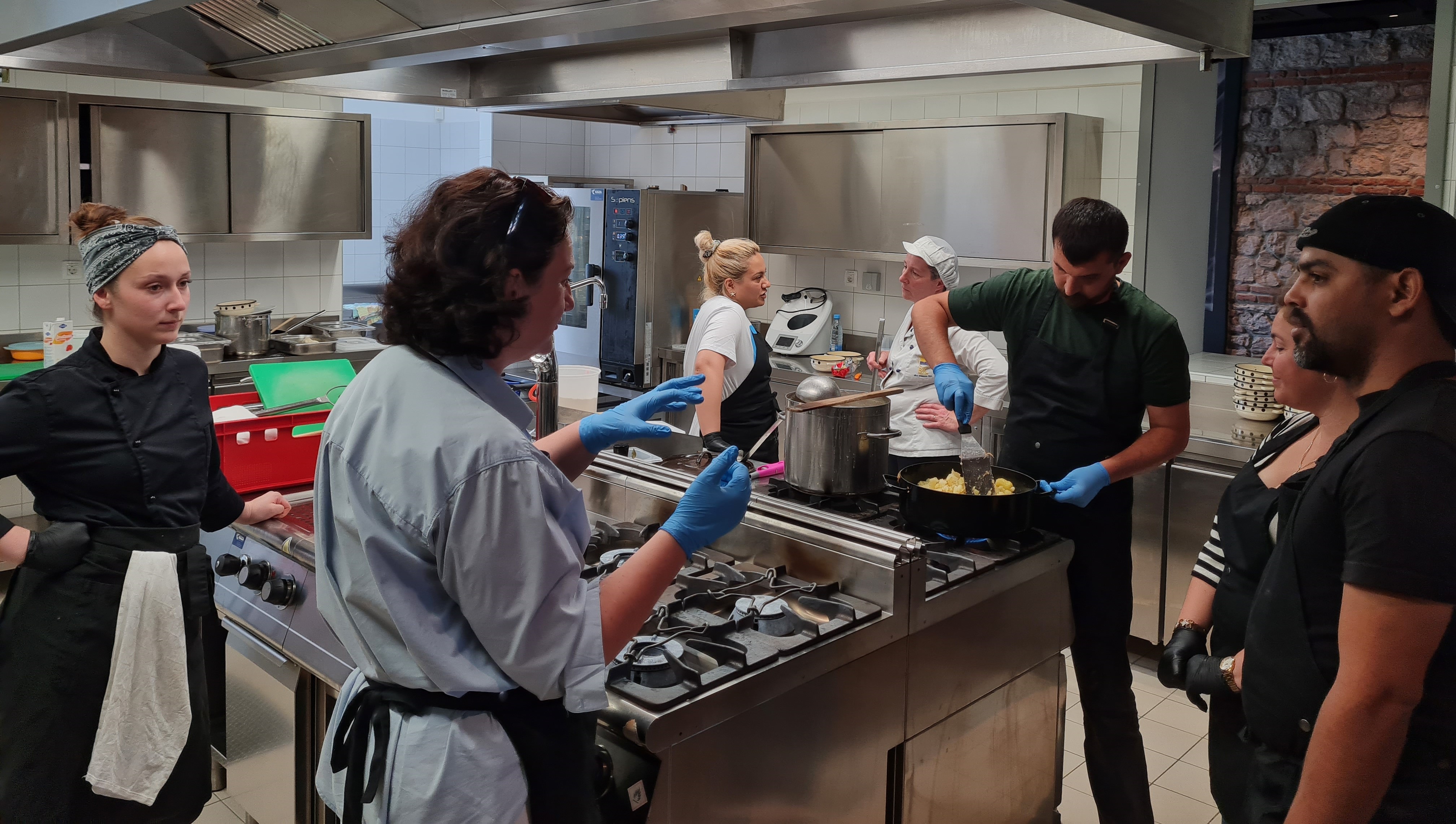
In Postojna and the wider region, workshops, training sessions, and pilot activities were carried out as part of the project, aimed at integrating migrants into tourism and gastronomy. Some participants have already found employment in tourism-related activities, including a group of Ukrainian women who, after taking part in the project, founded an association and developed their own entrepreneurial initiatives. The project thus does not only generate knowledge, but also creates concrete life and business opportunities.
The SReST project is also closely linked to the European initiative European Culinary Trail, which collects and promotes more than 700 recipes from minority and migrant communities across the Danube region and highlights the richness of culinary traditions that often remain invisible within dominant national cuisines. Together, the two projects raise awareness that cultural diversity, sustainability, and inclusion can form the foundation of modern tourism development.
“Food is a universal language that connects people, builds trust, and opens new paths of cooperation,” emphasizes Snežana Simić from Visit Postojna. “By including people who are often on the margins of society in local value chains, we not only preserve tradition, but also create jobs, strengthen communities, and give real meaning to the concept of sustainable development.”
The SReST project shows that even smaller local communities like Postojna can become important actors in European development policies by connecting knowledge, culture, and solidarity — and that food itself can be a starting point for a more inclusive, sustainable, and connected society.


31/12/2025
By Živa Dekleva
Share on social media:



News & Events
Read the most recent updates and explore the upcoming events.


Would you like to receive project updates?
You're already part of our community!
Welcome to our newsletter community!
Subscribe to our newsletter