
Active2Public Transport Project Results
After two and a half years of transnational cooperation, the Active2Public Transport (A2PT) project concluded in June 2026, leaving behind practical tools, tested mobility solutions and recommendations for cities and regions. Bringing together 11 partners from nine countries, the project demonstrated how better connections between walking, cycling and public transport can make sustainable journeys more convenient, accessible and attractive. Its results are now available to support further improvements across the Danube Region and beyond.
From a shared challenge to practical solutions
Public transport does not begin at the bus stop or railway station. Every journey also involves reaching the service, transferring between transport modes and completing the final part of the trip. When these connections are inconvenient, unsafe or poorly organised, private cars often remain the preferred option.
Active2Public Transport addressed this challenge by examining how walking and cycling can be better integrated with buses and trains.
Co-funded by the European Union through the Interreg Danube Region Programme and coordinated by the Austrian Energy Agency, the project combined strategic planning, stakeholder cooperation, practical pilot activities and knowledge sharing.
The final project phase focused on evaluating the implemented measures, consolidating lessons learned and making the results available for further use.
A practical toolbox for cities, regions and transport providers
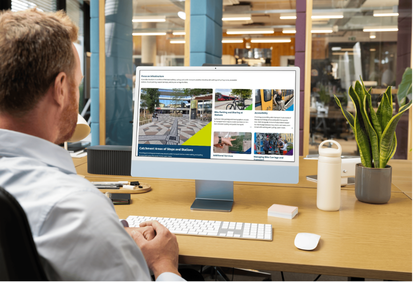
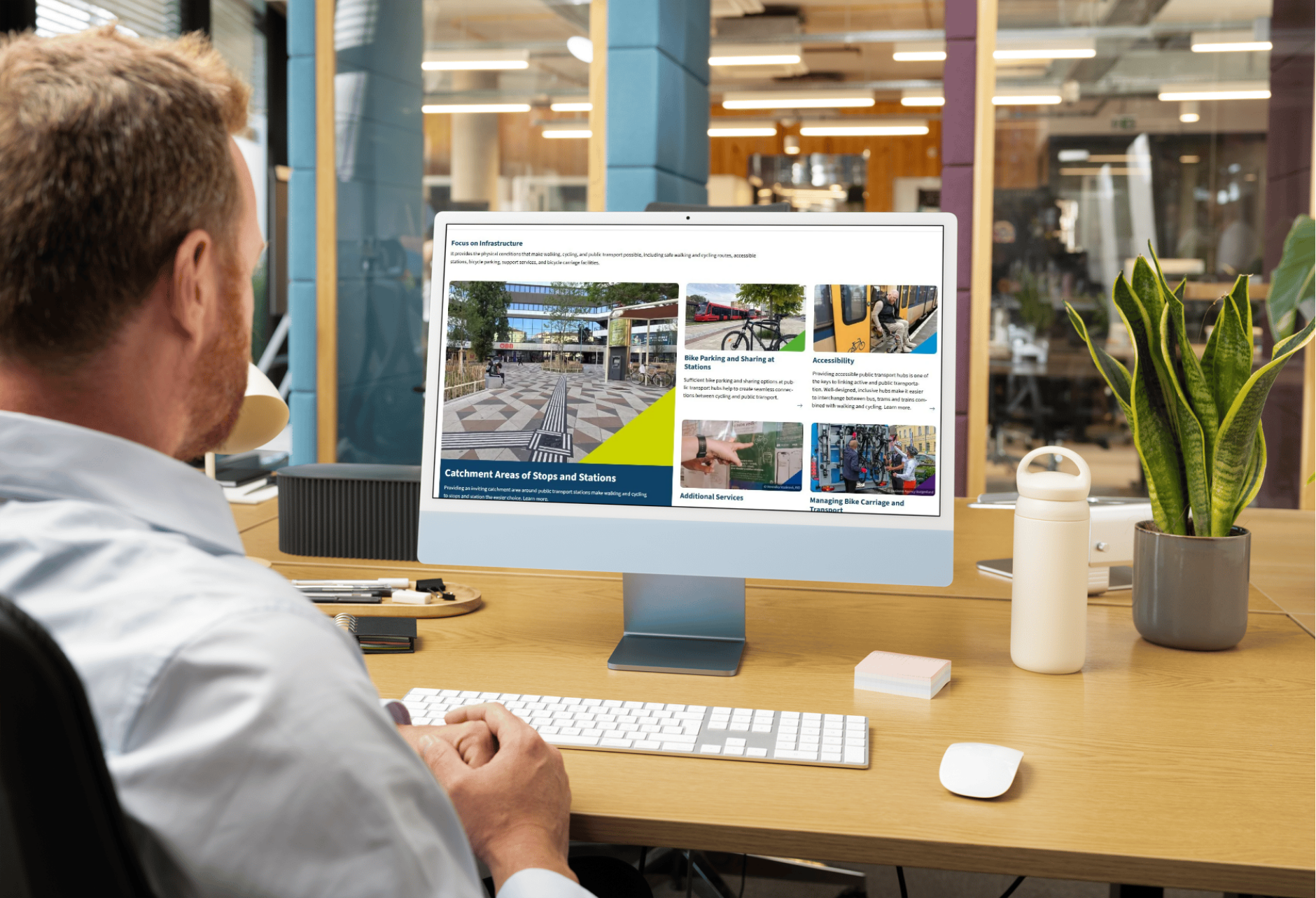
One of the project's main achievements is the Online A2PT Toolbox, developed to help public authorities, transport planners and mobility providers design better connections between active mobility and public transport.
The toolbox brings together guiding principles, ten fields of action, examples of good practice and experience from the project's pilot activities. It addresses practical challenges such as access to stations, secure bicycle parking, bicycle carriage on public transport, integrated ticketing and passenger information.
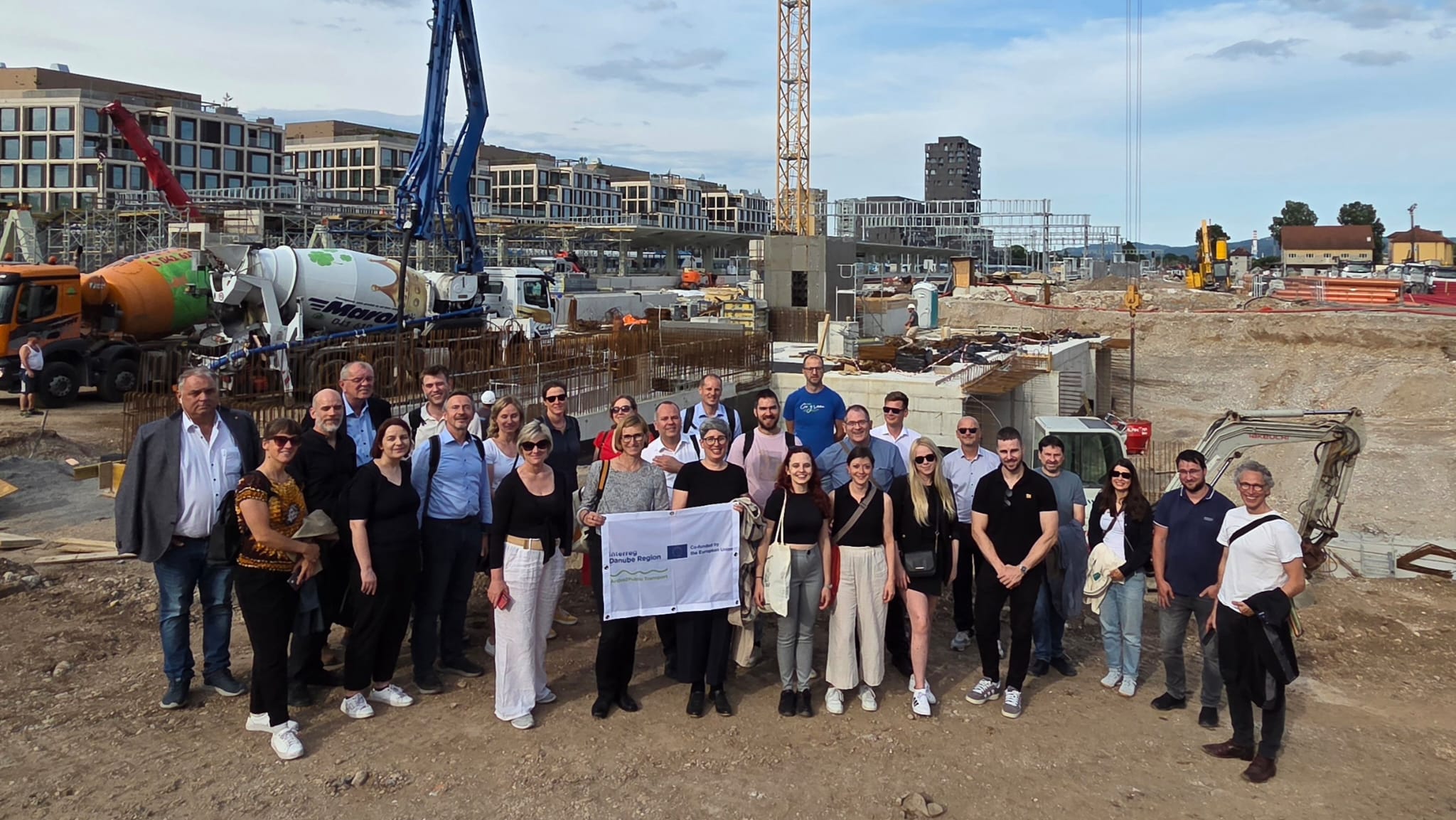
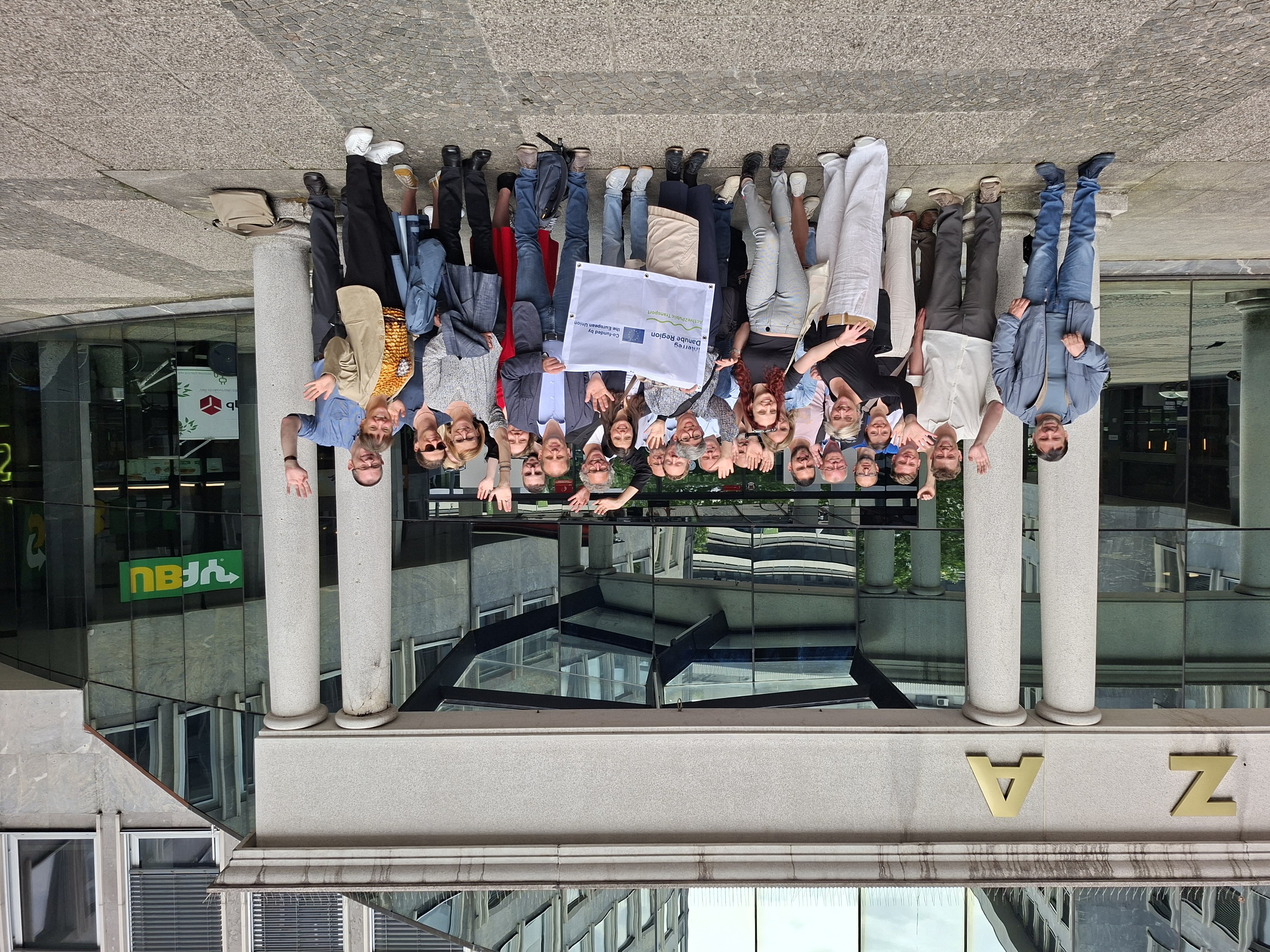
Before its public launch at the project's final conference in Ljubljana on 3 June 2026, the toolbox was tested with approximately 60–70 stakeholders through focus groups, interviews and an online survey.
It is hosted on Austria's klimaaktiv mobil platform, where it will remain available beyond the project period.
Additional instruments, including the A2PT Checklist and Walkability Assessment, help practitioners evaluate transport stops, interchange facilities and their surroundings.
Together, these resources provide a practical basis for planning and improving multimodal transport connections.
Explore the Online A2PT Toolbox: https://www.active2publictransport.eu
Seven pilot approaches tested under real-life conditions
The project translated its strategic objectives into seven thematic pilot approaches, examining different ways to improve the combination of walking, cycling and public transport.
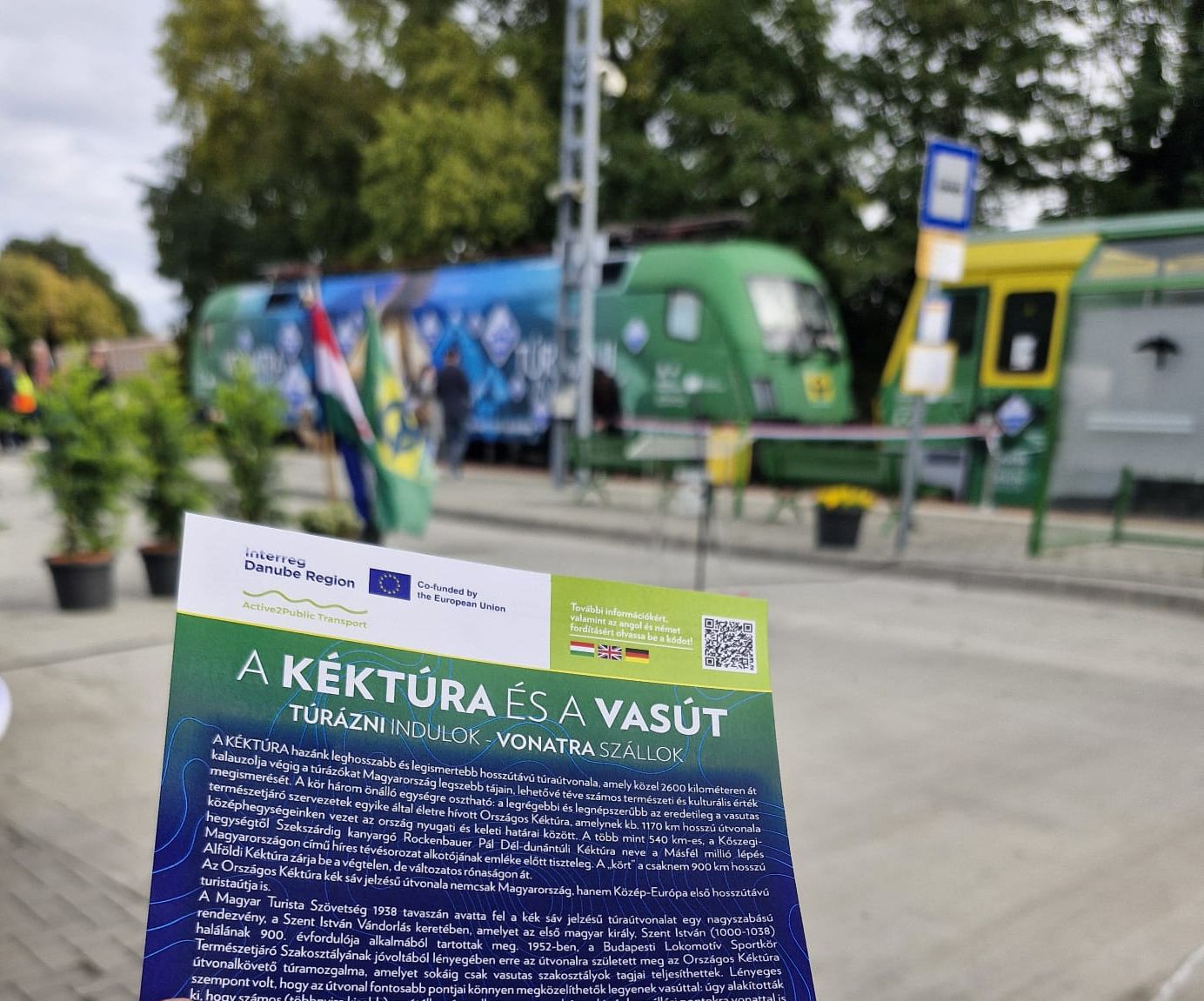
These included testing schemes that encouraged regular car users to try alternative travel options, temporary street transformations, secure bicycle parking facilities, bicycle carriage solutions for regional buses, connections between hiking and cycling routes and railway services, integrated ticketing, and improvements to existing digital travel information.
The activities generated practical experience in different urban, regional and cross-border settings.
In Bratislava, an integrated ticket for passengers travelling with bicycles was introduced through an existing transport application and subsequently became a permanent service.
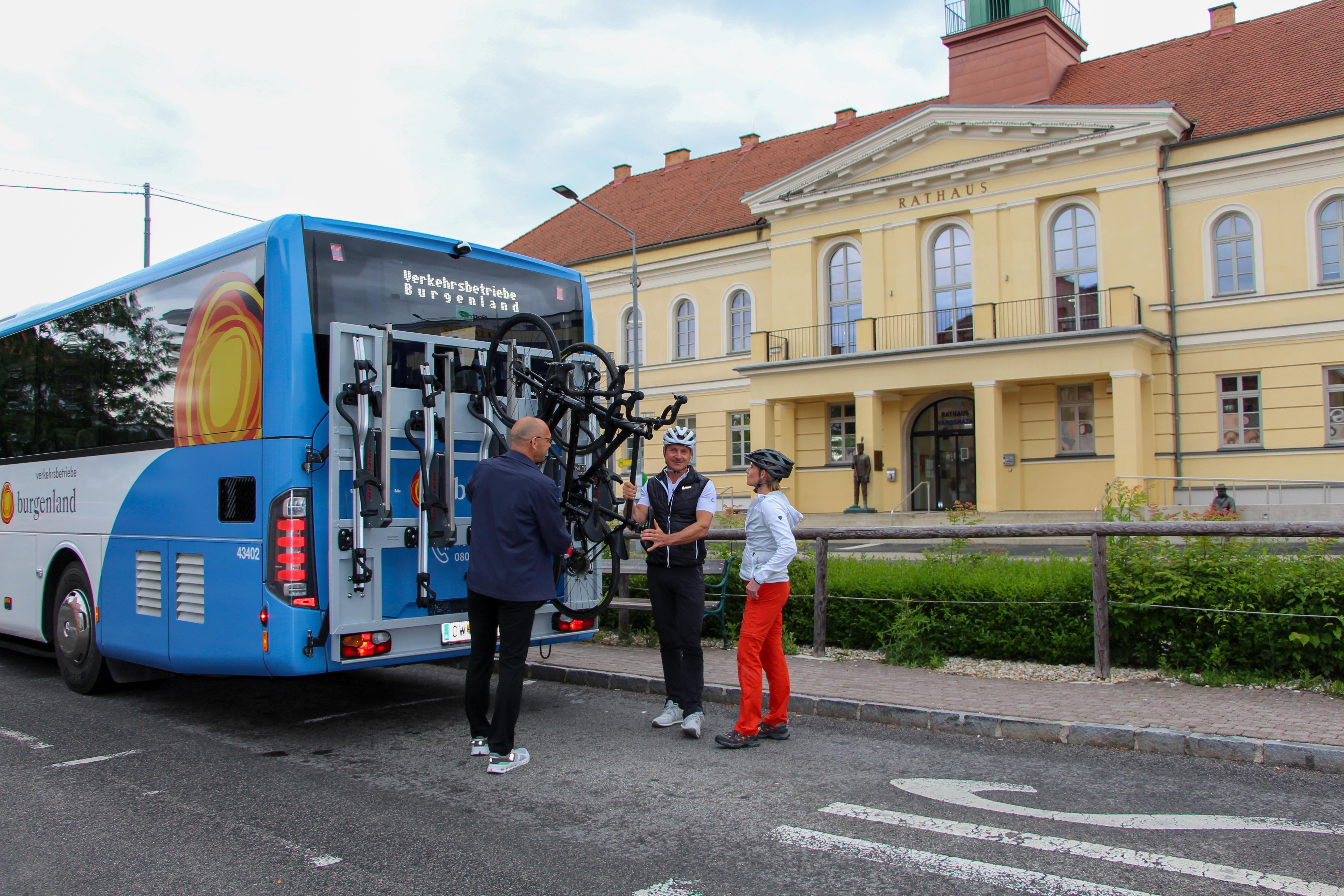
In Burgenland, testing bicycle carriage on regional buses contributed to further investment in bicycle transport equipment.
Other pilots explored how secure bicycle parking, improved railway station facilities and better information can make combined journeys easier.
The evaluations also highlighted implementation challenges. Procurement procedures, infrastructure requirements, coordination between institutions and differences in local conditions affected the delivery of some planned measures.
These experiences formed an important part of the project's findings: successful solutions require not only suitable infrastructure and services, but also early stakeholder involvement, clear responsibilities, sufficient preparation and effective communication with users.
Turning practical experience into recommendations
The project's final outputs go beyond individual pilot activities.
The A2PT Policy Brief – Lessons Learned for Cities and Regions translates the project's research and practical experience into recommendations for authorities, transport operators and other organisations.
It highlights the importance of understanding complete door-to-door journeys, identifying gaps in walking and cycling connections, involving users and stakeholders, and testing solutions before implementing them on a larger scale.
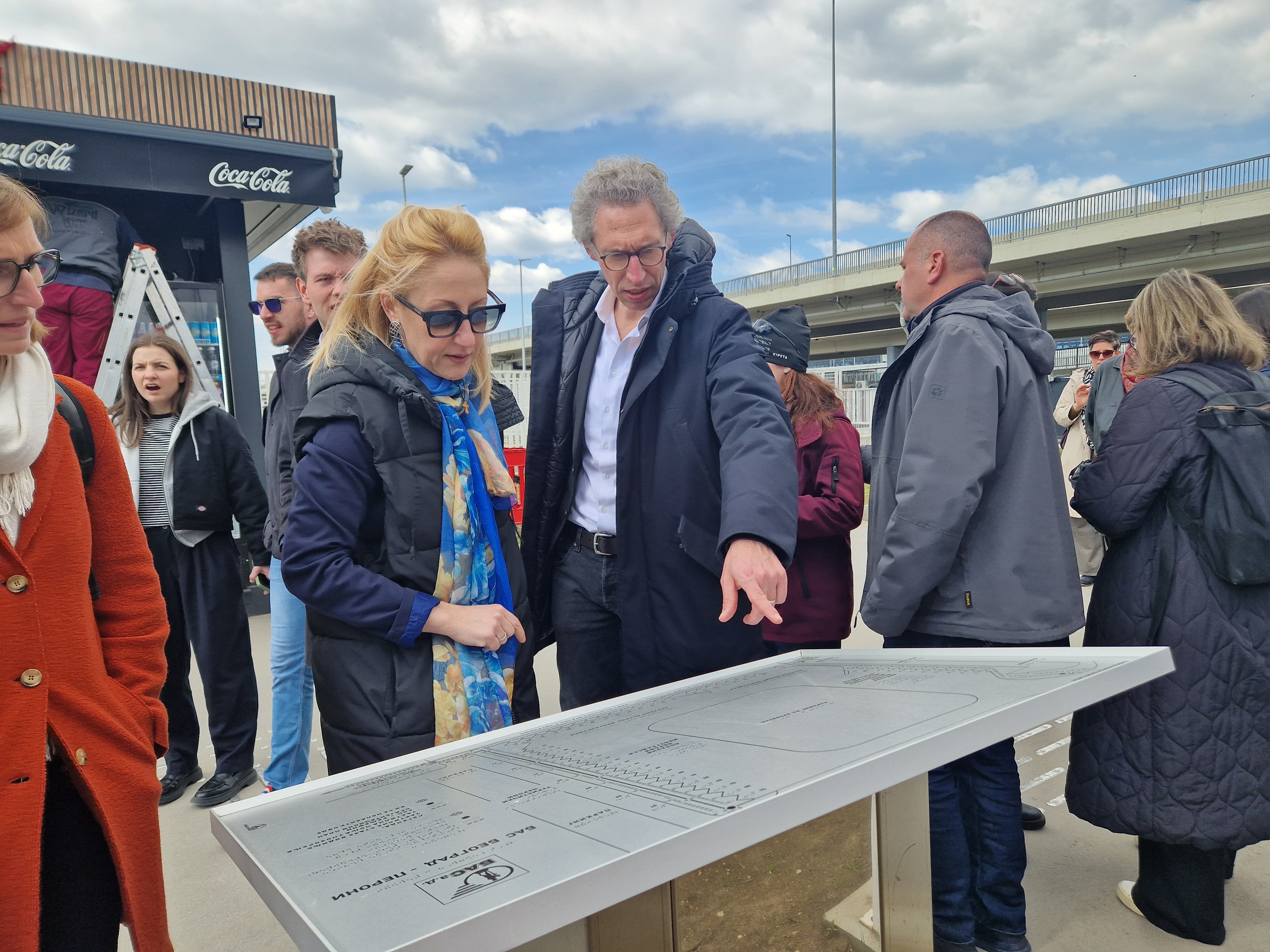
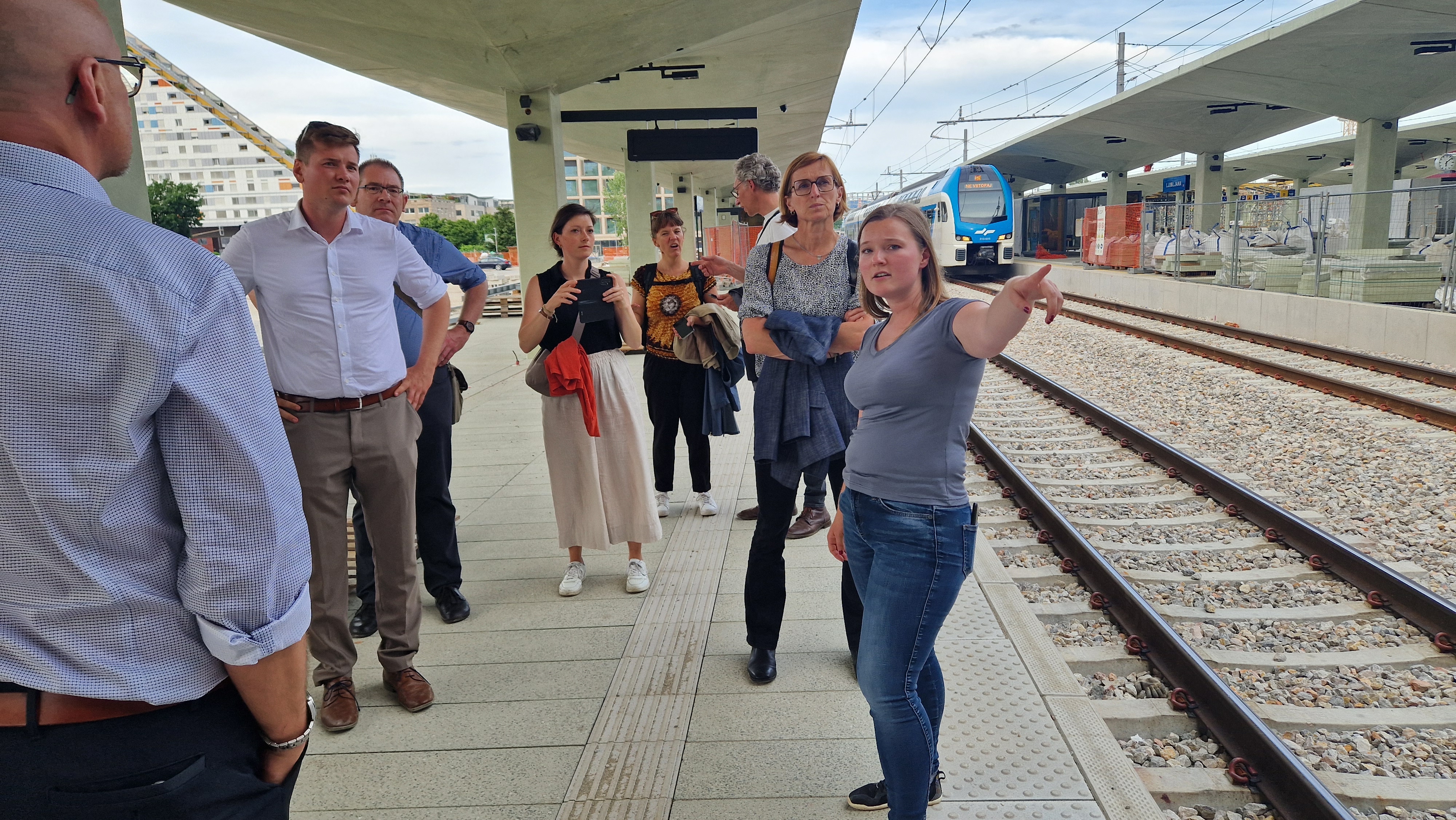
Assessments of 45 public transport stations across the Danube Region revealed differences in infrastructure quality and recurring challenges relating to accessibility, wayfinding, passenger information and bicycle parking.
The project also developed common A2PT Guiding Principles, providing a framework for safe, accessible, comfortable and well-connected multimodal mobility.
Together with the pilot monitoring and evaluation results, these documents offer an evidence base for future investment decisions and mobility planning.
Cooperation that continues beyond the project
A2PT has also demonstrated the value of transnational cooperation.
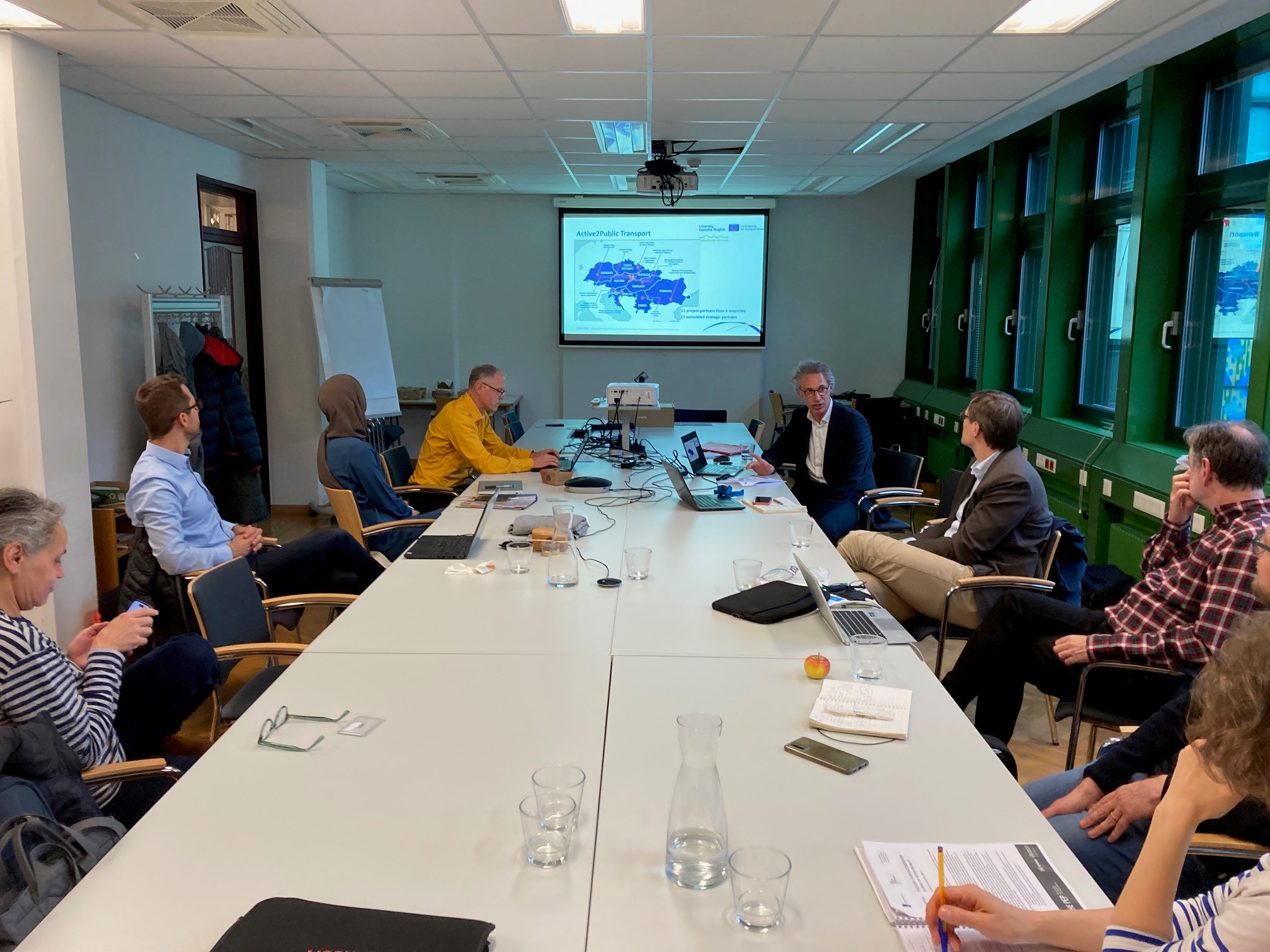
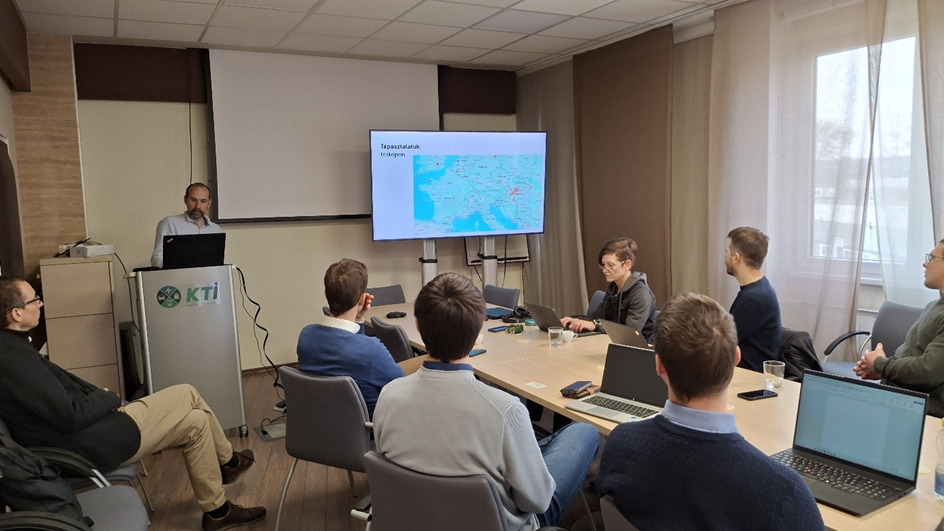
Partners exchanged experience, adapted solutions to different regional circumstances and established connections between authorities, transport providers and other mobility stakeholders.
According to the final project report, 72 organisations reported increased institutional capacity through the cooperation activities.
Several project results are already being used beyond their original pilot settings.
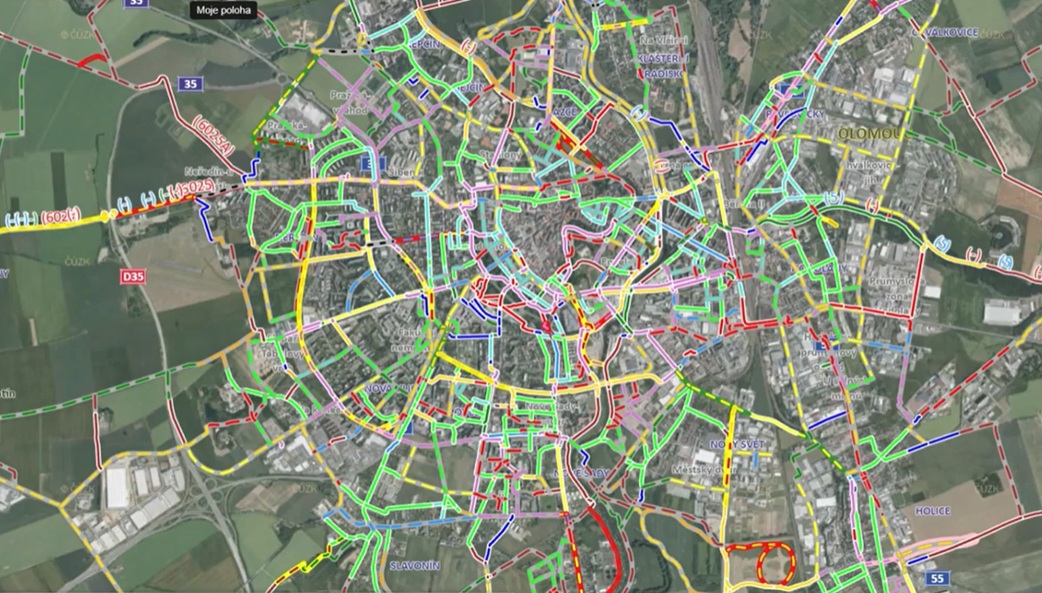
The A2PT Checklist has been adopted for monitoring public transport stops in Burgenland. In the Czech Republic, A2PT knowledge and tools are being shared through the Akademie mobility platform, while project findings have contributed to local mobility planning. International cooperation with organisations and networks such as Walk21, the European Cyclists' Federation and THE PEP is helping extend the reach of the results beyond the Danube Region.
These examples show how project outputs can become part of ongoing planning, professional exchange and transport service development.
The next step: applying the results
Although the A2PT project officially ended on 30 June 2026, its tools, recommendations and lessons remain relevant for future mobility projects.
The experience gathered demonstrates that better integration of active mobility and public transport depends on coordinated action across infrastructure, services, information and governance.
For cities and regions, this means looking beyond individual transport measures and considering the quality of the entire journey.
For transport operators and infrastructure managers, it means identifying practical opportunities to make transfers easier, improve station access and provide more integrated services.
The lasting contribution of A2PT is therefore not a single solution, but a combination of tested approaches, shared knowledge and practical resources that other regions can adapt to their own needs.
All main project results, outputs and supporting documents can be explored on the official A2PT Results page:
https://interreg-danube.eu/projects/active2public-transport/results
The Active2Public Transport project was co-funded by the European Union through the Interreg Danube Region Programme and implemented between January 2024 and June 2026.

25/10/2026
By Jitka Vrtalova
Share on social media:


Green

News & Events
Read the most recent updates and explore the upcoming events.


Would you like to receive project updates?
You're already part of our community!
Welcome to our newsletter community!
Subscribe to our newsletter