

Active2Public Transport: Turning European Cycling Policy into Practice
Active2Public Transport (A2PT) funded by the EU-Interreg Danube Region Programme has been selected as a featured case study by the EU Urban Mobility Observatory, recognising it as a standout example of how European cycling and mobility strategies can be translated into concrete action on the ground. Showcased alongside leading initiatives from across Europe, A2PT demonstrates how multimodality and cycling tourism can actively support the goals of the European Declaration on Cycling (2024) as well as other strategies.
From strategy to street level
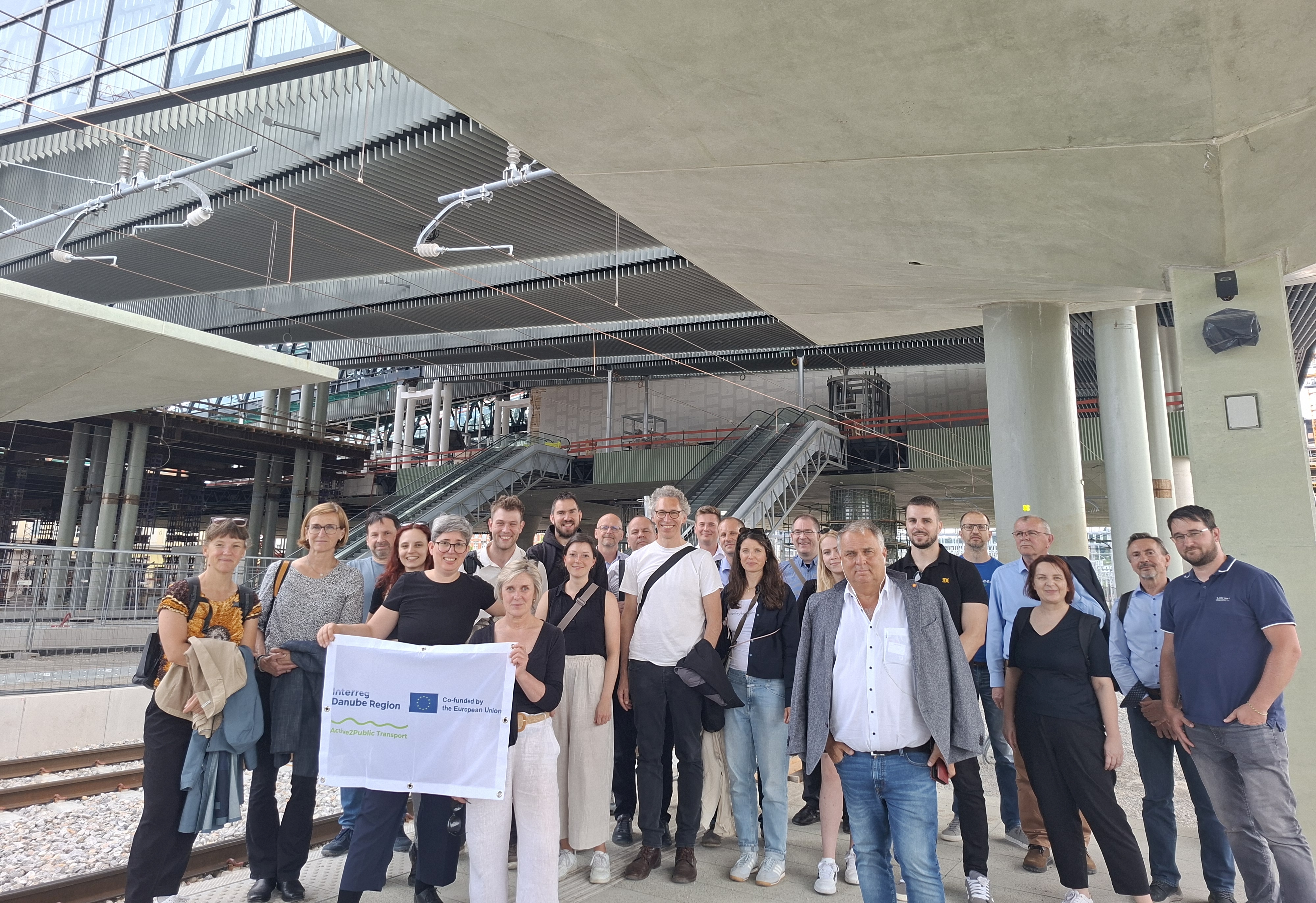
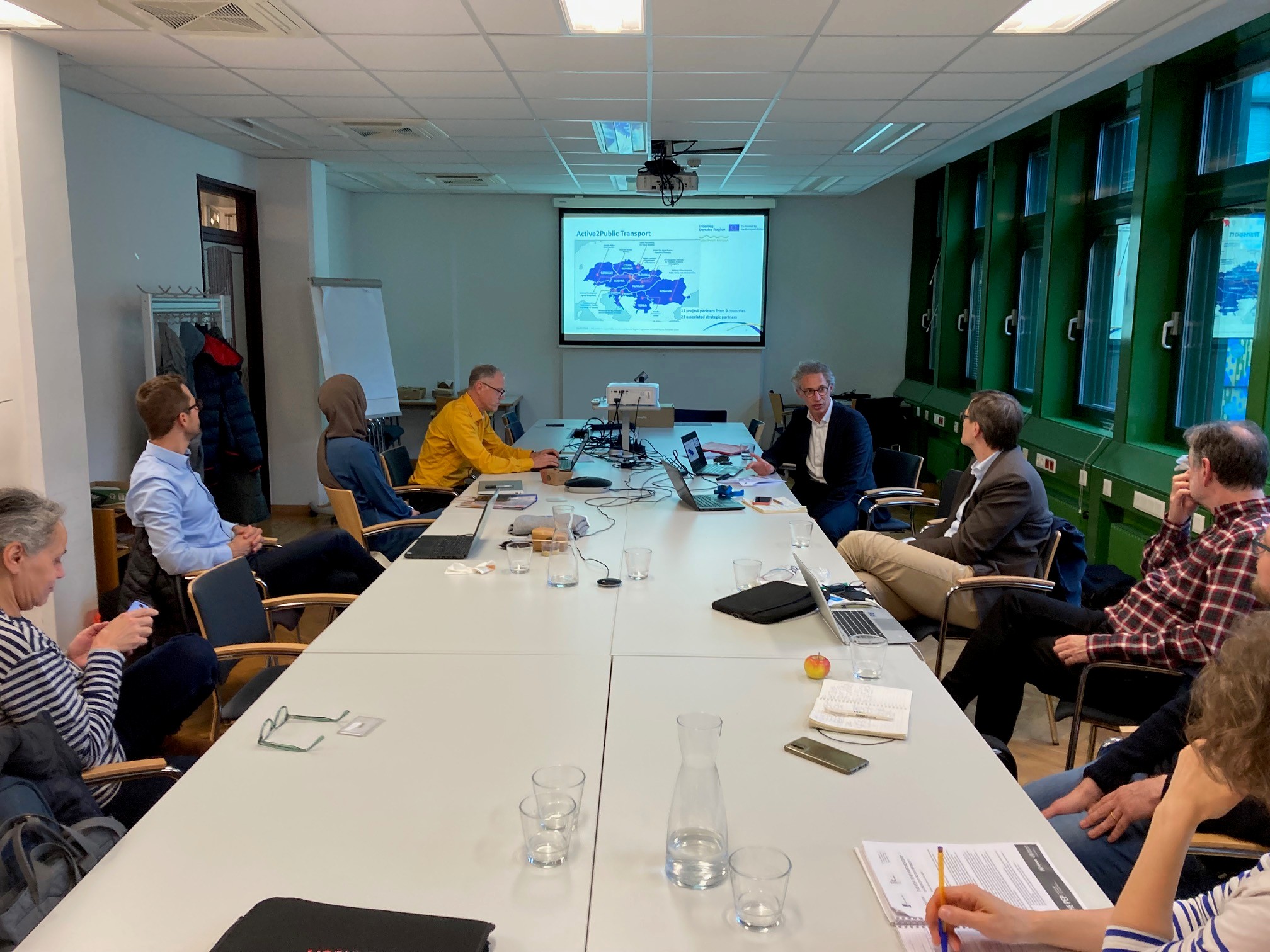
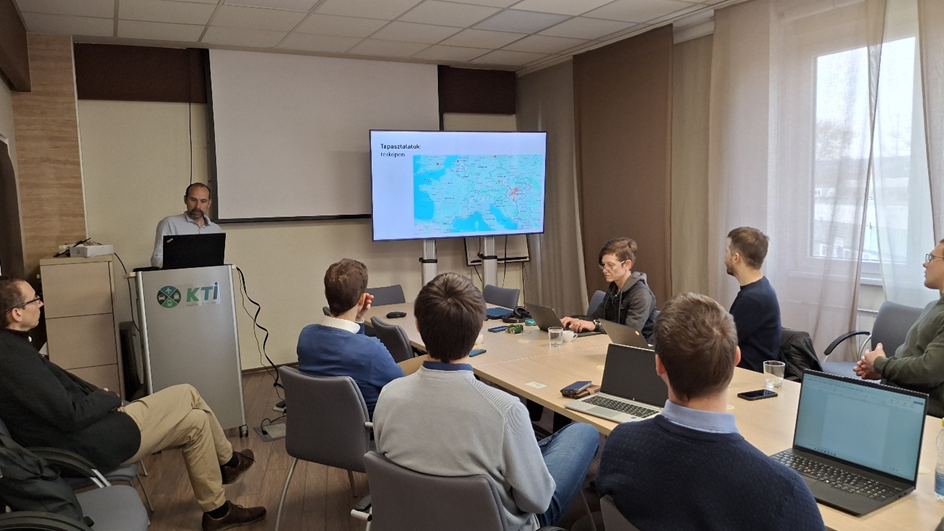
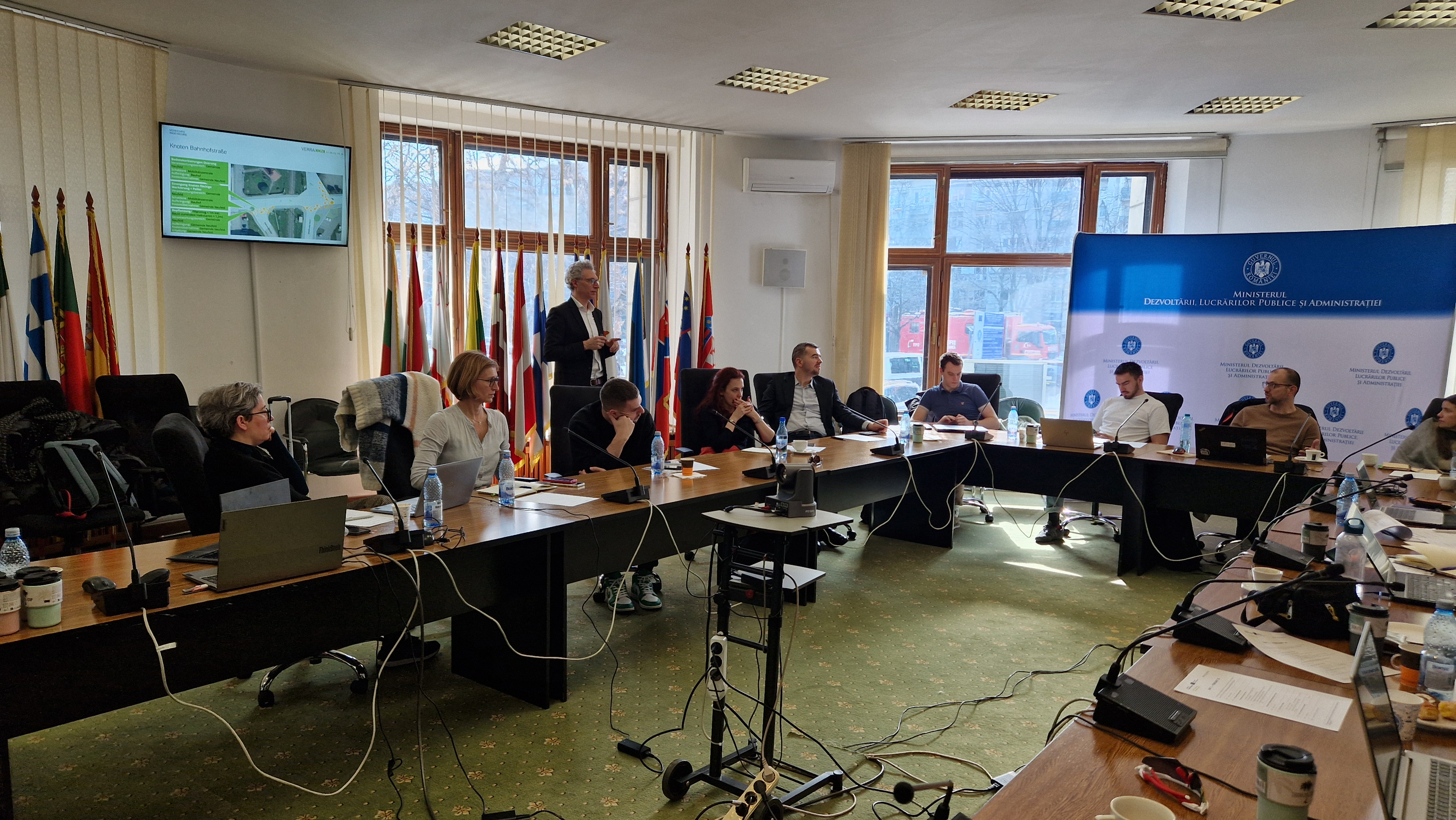
Across the Danube region, A2PT brings together partners from multiple EU Member States and neighbouring countries, working at different governance levels and across traditionally separate sectors. Transport authorities collaborate with tourism organisations. Regional planners work alongside municipalities, operators and NGOs. The result is a coordinated effort to make multimodal travel work beyond pilot cities or national borders.
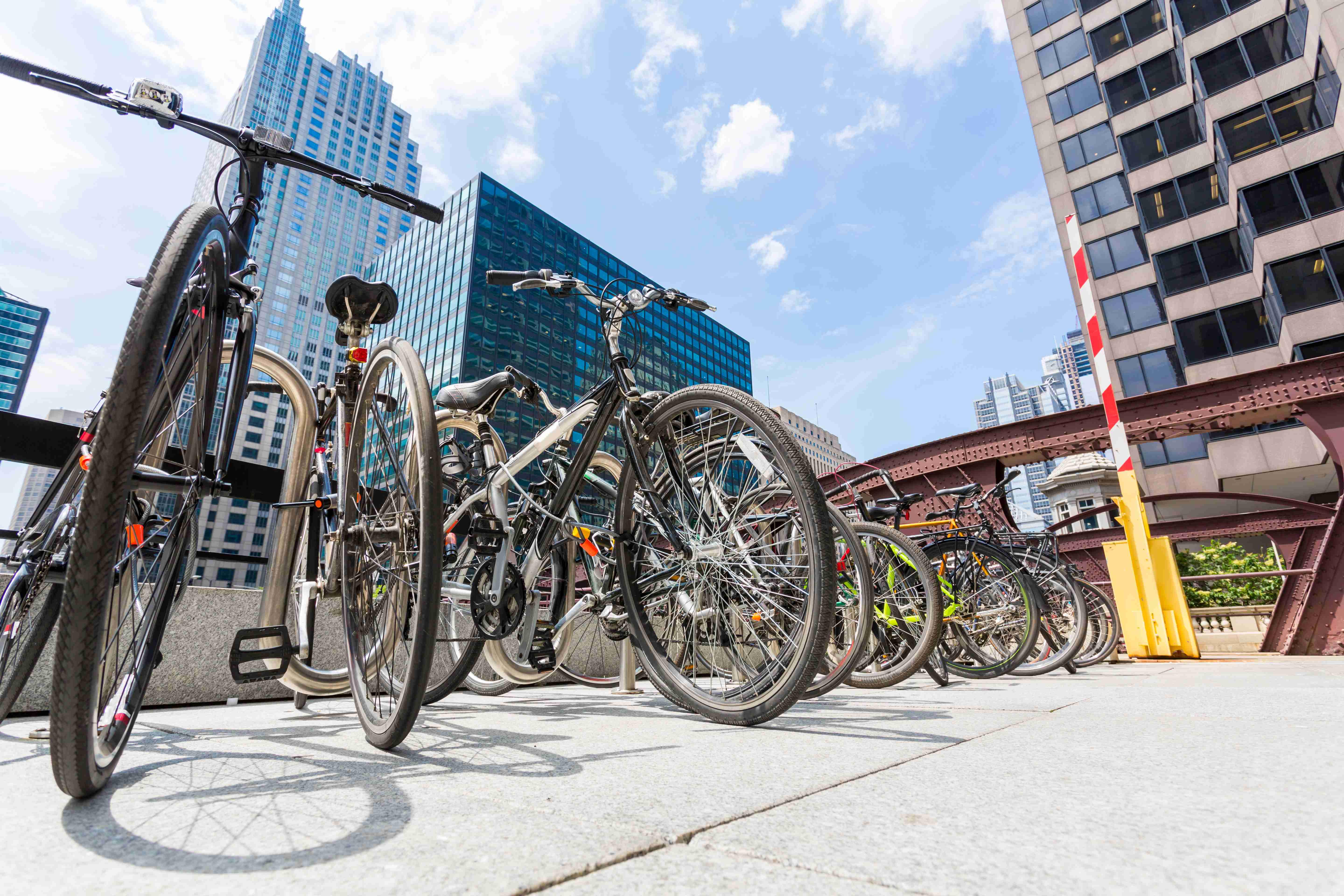
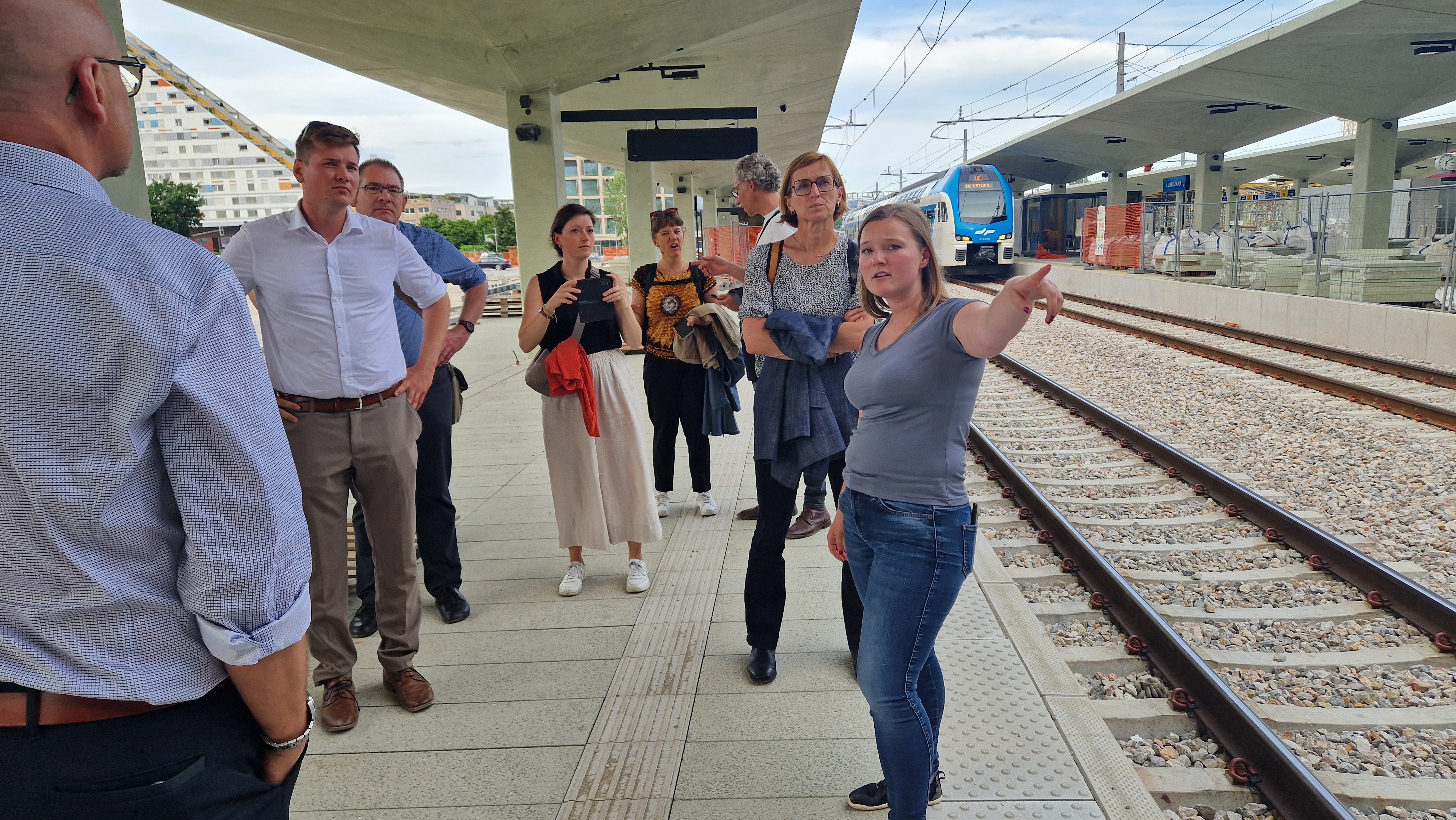
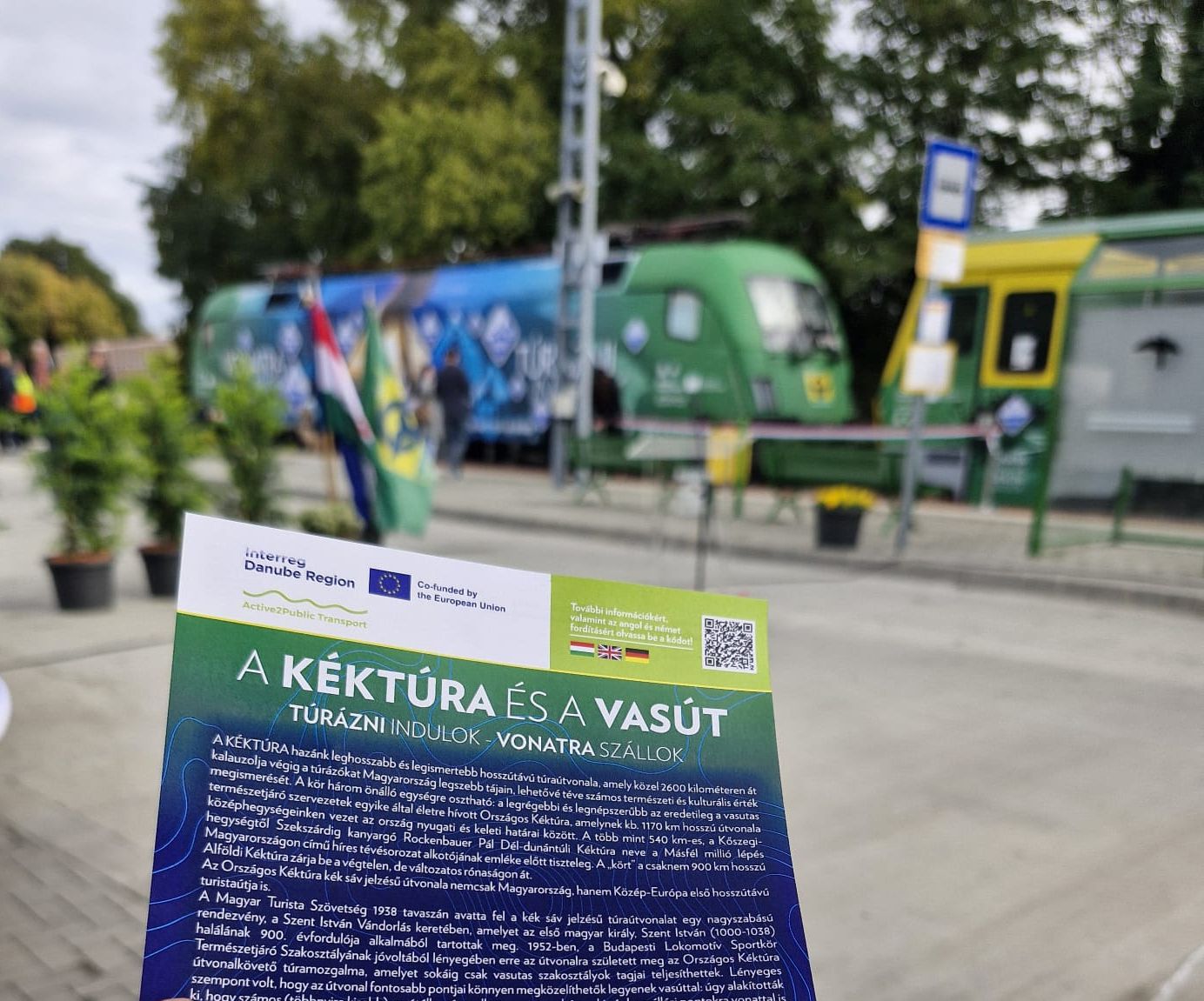
Crucially, the project does not stop at strategies and reports. It tests solutions in real conditions: safer and more accessible station areas, secure bike parking for the first and last mile, bike-friendly public transport services, integrated ticketing and journey planning, and multimodal tourism offers that link cycling routes with rail and bus services.
At the same time, the project addresses persistent barriers identified across Europe: car dependency, uneven infrastructure quality, fragmented governance around stations, and limited awareness of multimodal travel options.
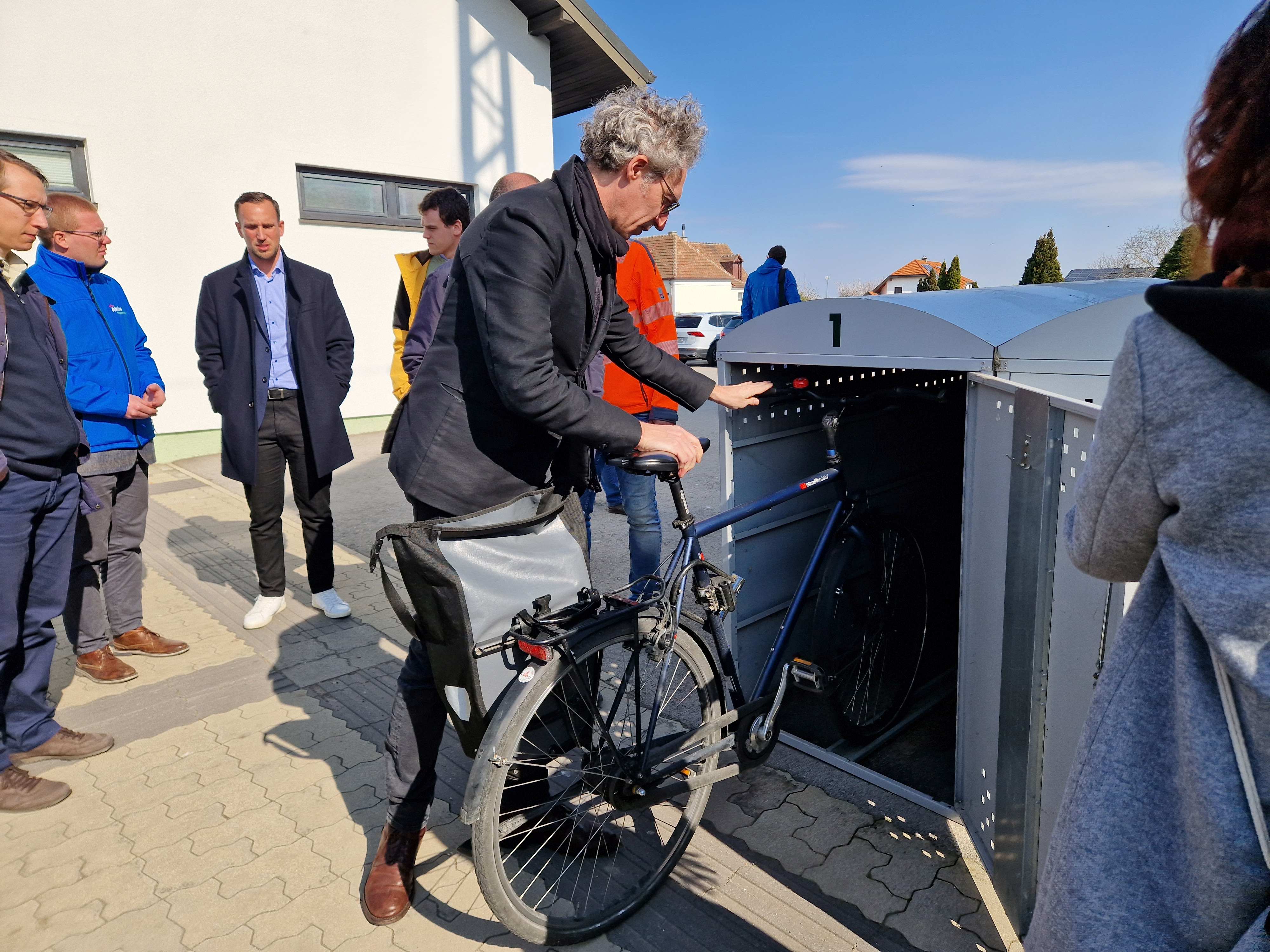
Photo: (c) Jitka Vrtalova
What makes A2PT unique?
A2PT goes beyond isolated pilots or single-city solutions. It is a transnational action plan spanning the Danube region, bringing together 11 project partners and 23 associated partners from 9 countries. Its ambition is simple but powerful: make walking and cycling a natural, convenient extension of public transport, both for everyday travel and for tourism.
Instead of treating cycling, walking and public transport as separate systems, the project approaches them as one connected mobility experience. The focus is not only on infrastructure, but on behaviour, governance and usability: the everyday details that determine whether people actually leave their cars behind.
Why this matters beyond the Danube region
For the EU Urban Mobility Observatory, A2PT is more than a regional success story. It is a replicable model. Through its transnational cooperation and the development of the A2PT Toolbox, the project creates practical guidance that other cities and regions can adapt to their own contexts.
In an era when Europe is striving to make sustainable mobility the default choice, A2PT demonstrates what it takes to move from declarations to daily practice. Not with one-size-fits-all solutions, but through collaboration, experimentation and a clear focus on people’s real travel needs.
That is why A2PT earned its place among Europe’s leading case studies — and why its lessons resonate far beyond the banks of the Danube.
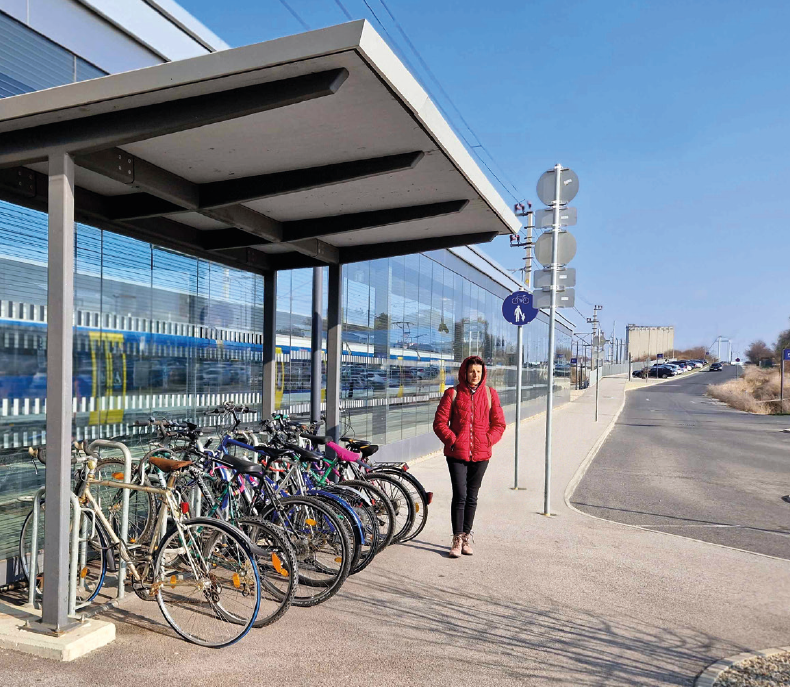
Photo: (c) Jitka Vrtalova
About the EU Urban Mobility Observatory
EU Urban Mobility Observatory
The EU Urban Mobility Observatory supports the exchange of knowledge, data and best practices in the field of sustainable urban mobility across Europe. It serves professionals working in transport, urban and regional planning, public health, energy and environmental policy, and related disciplines. Funded by the European Commission’s Directorate-General for Mobility and Transport (DG MOVE), the Observatory acts as Europe’s main reference platform for urban mobility, helping cities and regions design, implement and scale effective, people-centred mobility solutions.
European Declaration on Cycling
The European Declaration on Cycling, adopted in 2024 by the European Parliament, the Council and the European Commission, sets out a shared political commitment to promote cycling as a safe, inclusive, sustainable and accessible mode of transport across Europe. The Declaration defines key principles and priorities covering infrastructure, safety, investment, industry development, tourism, data and governance, with the aim of strengthening cycling’s role in everyday mobility and supporting Europe’s transition towards a more resilient, climate-neutral and people-focused transport system.
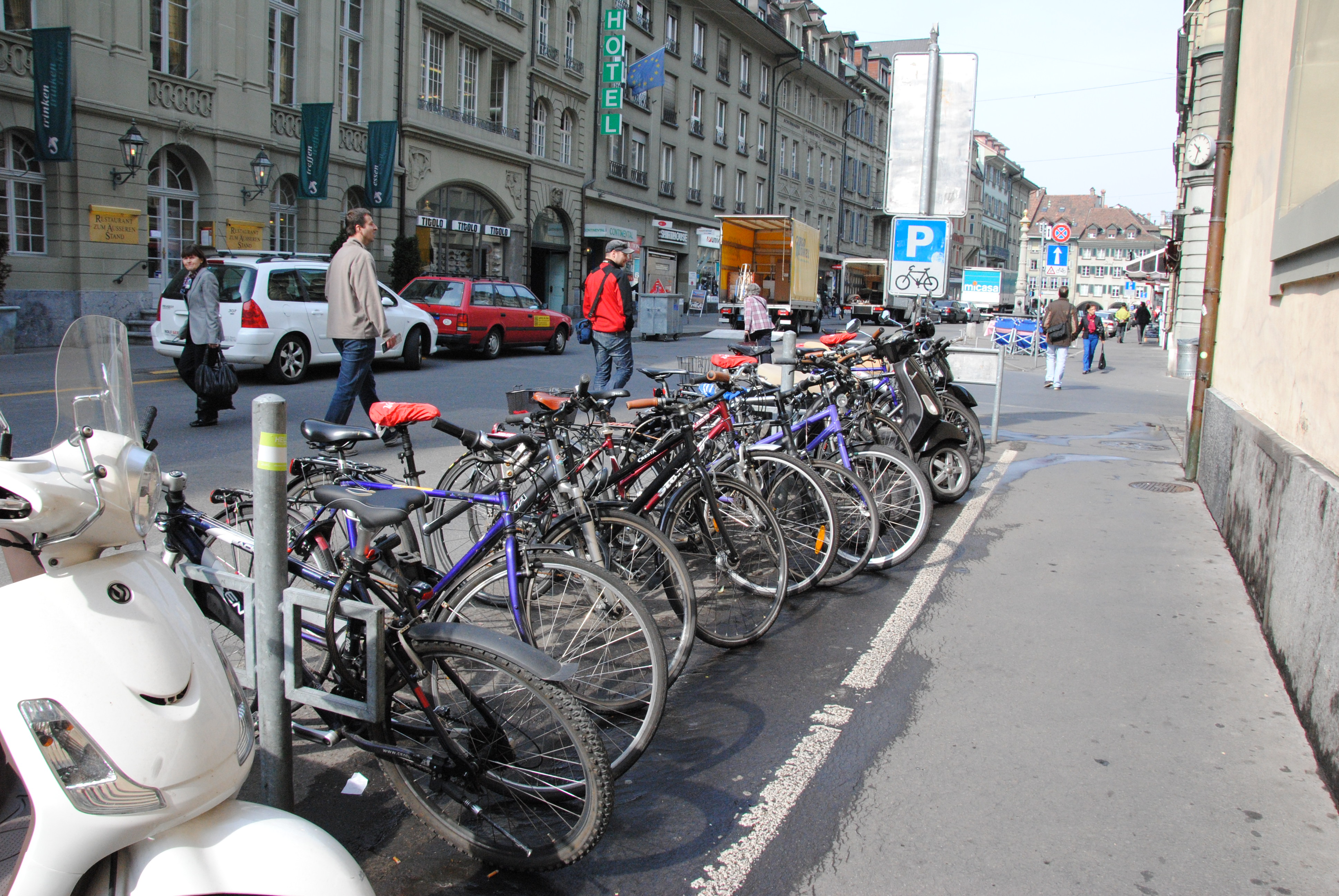
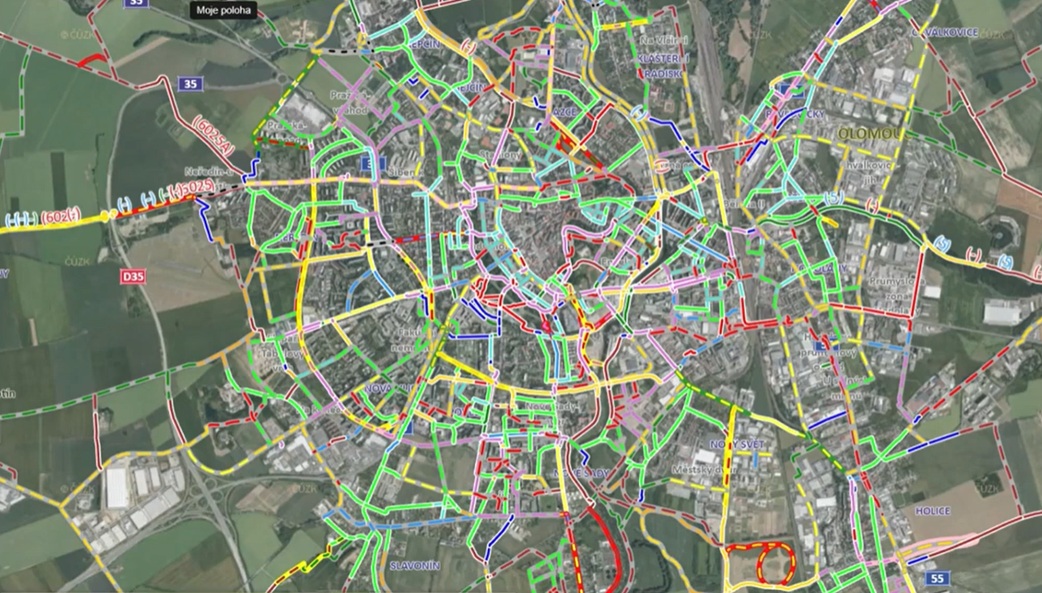
Photo: (c) Jitka Vrtalova

12/01/2026
By Jitka Vrtalova
Share on social media:


Green

News & Events
Read the most recent updates and explore the upcoming events.




Would you like to receive project updates?
You're already part of our community!
Welcome to our newsletter community!
Subscribe to our newsletter