
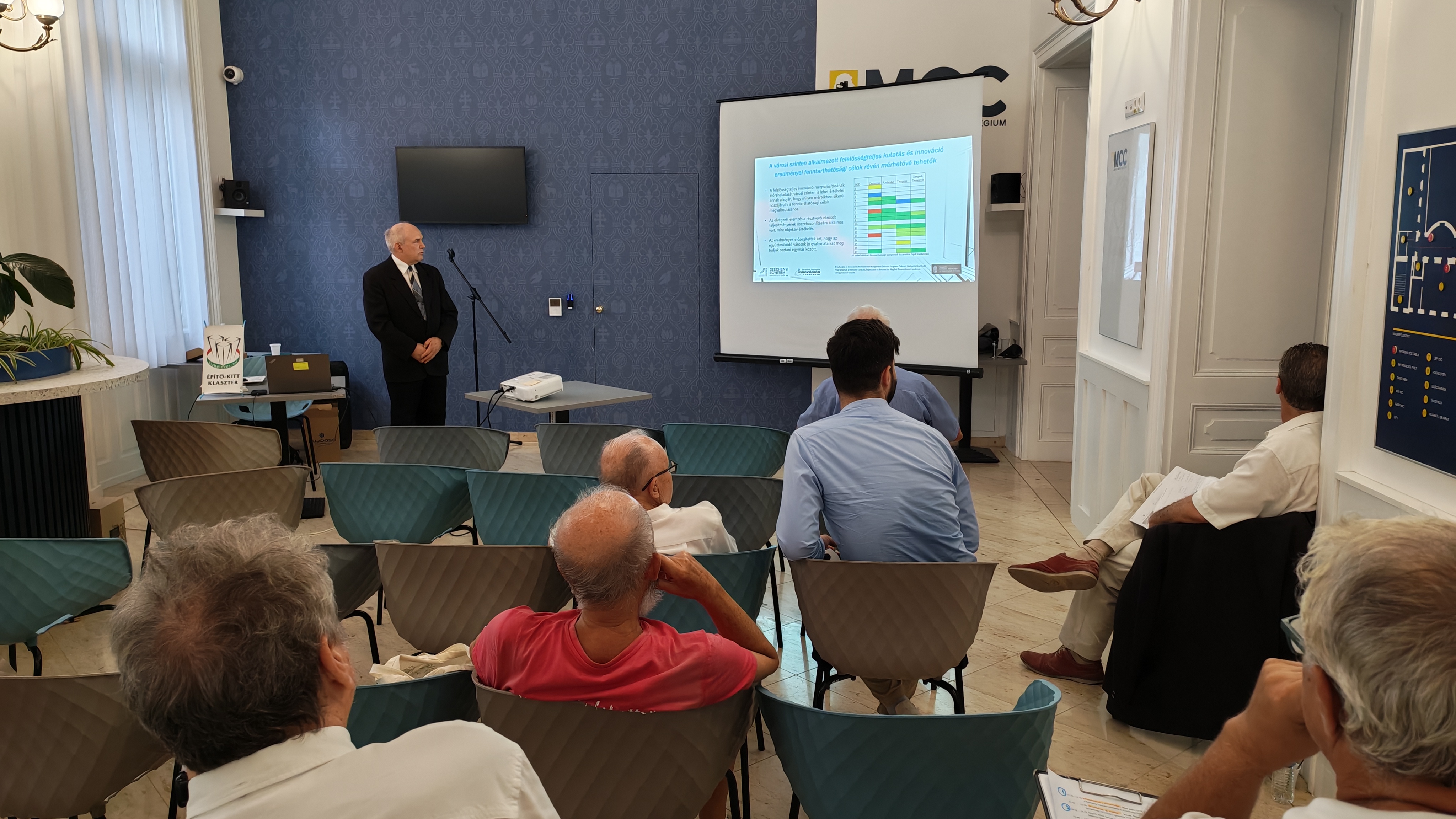

DECORATOR at "Town with future vision" conference
"Town with future vision" conference on the 31st August 2026 in Szeged was organised by the industrial clusters that are active in the construction and renewable energy sectors in the South Great Plain region of Hungary.
The event also served as a platform for disseminating the DECORATOR Model, project solutions and the practical application of New European Bauhaus (NEB) and Cradle-to-Cradle (C2C) principles within the built environment. Emphasis was placed on demonstrating how project results can support the transformation of existing spaces through sustainable design, bio-based materials and circular approaches.
The plenary session started with the presentation by György Alföldi, President of the Hungarian Urban Planning Society. His central message was that a city is, above all, about people and communities; therefore, the direction of its development must be derived from the needs of its residents and a jointly formulated vision for the future.
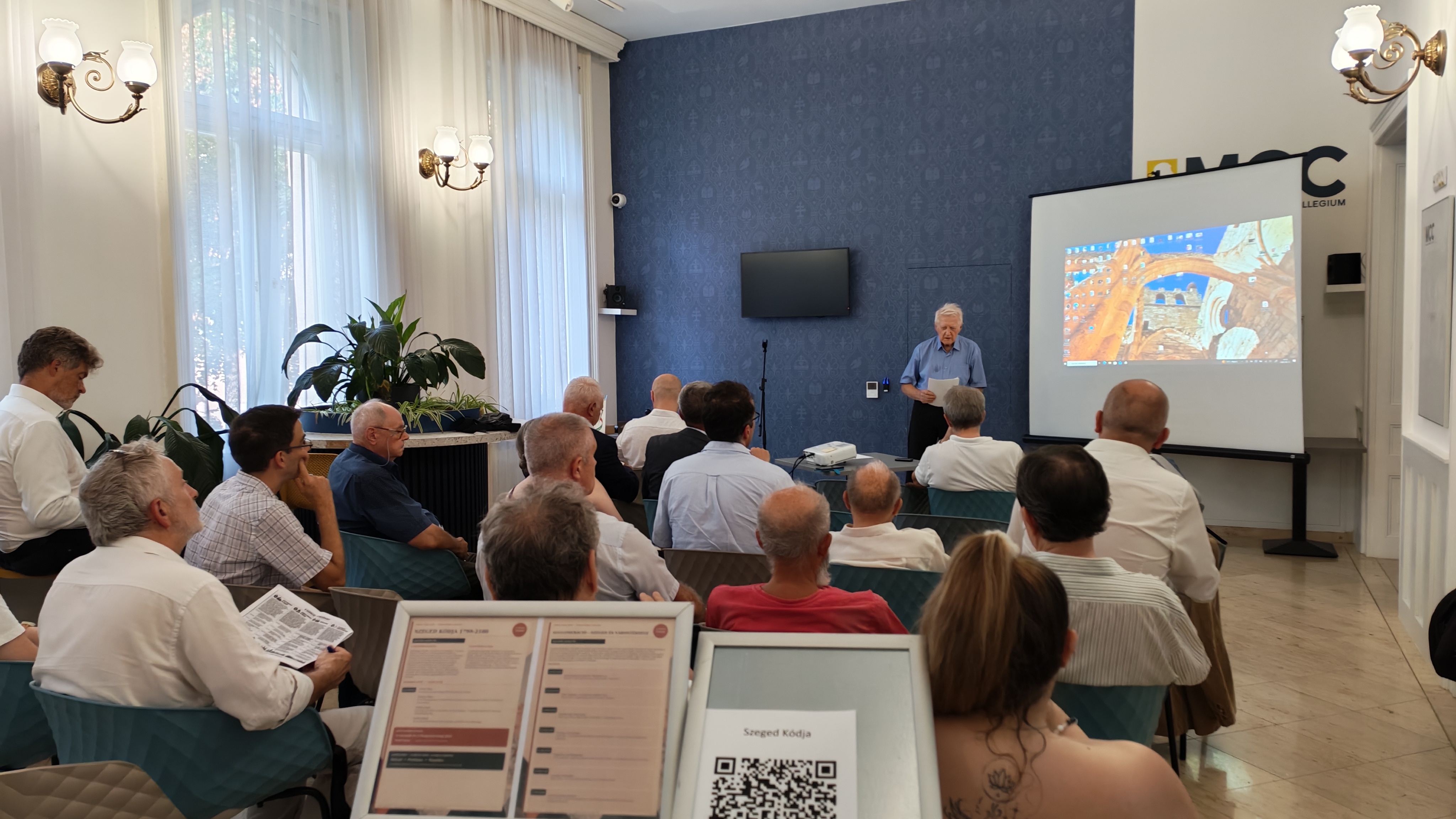
The parallel sessions examined the future of Szeged from four closely interrelated perspectives. The ‘Built Environment and Planning’ block, led by geographer Gábor Vasárus, explored issues relating to a human-scale, climate-adaptive and long-term viable urban structure. Community planning, the protection of built heritage, sustainable mobility and the transformation of outlying areas all highlighted how today’s decisions will shape the quality of urban life for decades to come.
The ‘Natural Environment and its Protection’ section, chaired by Lajos Rácz, an environmental and climate historian, highlighted that Szeged’s sustainability is inextricably linked to the condition of the River Tisza, the Homokhátság and the surrounding landscape. The topics of water management, green spaces, the microclimate and ecological rural development underscored the importance of regional adaptability.
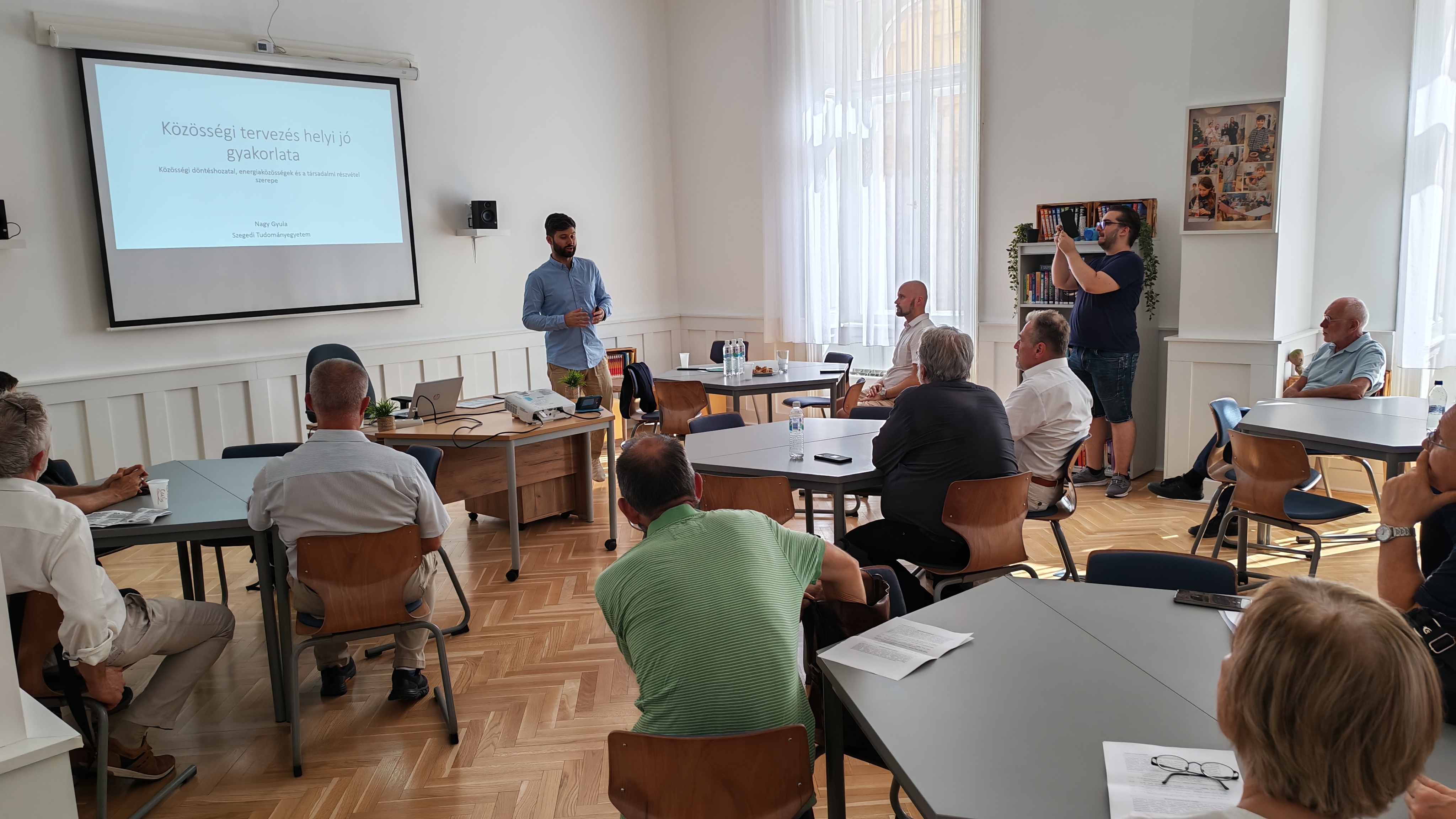
The ‘People and the City’ session, chaired by sociologist and economist Boglárka Berki, focused on the roles of social inclusion, local identity, community relations and cultural heritage. The session demonstrated that the quality of a city is determined not only by its infrastructure, but also by its collective memory, the strength of its communities and the opportunities available to its residents.
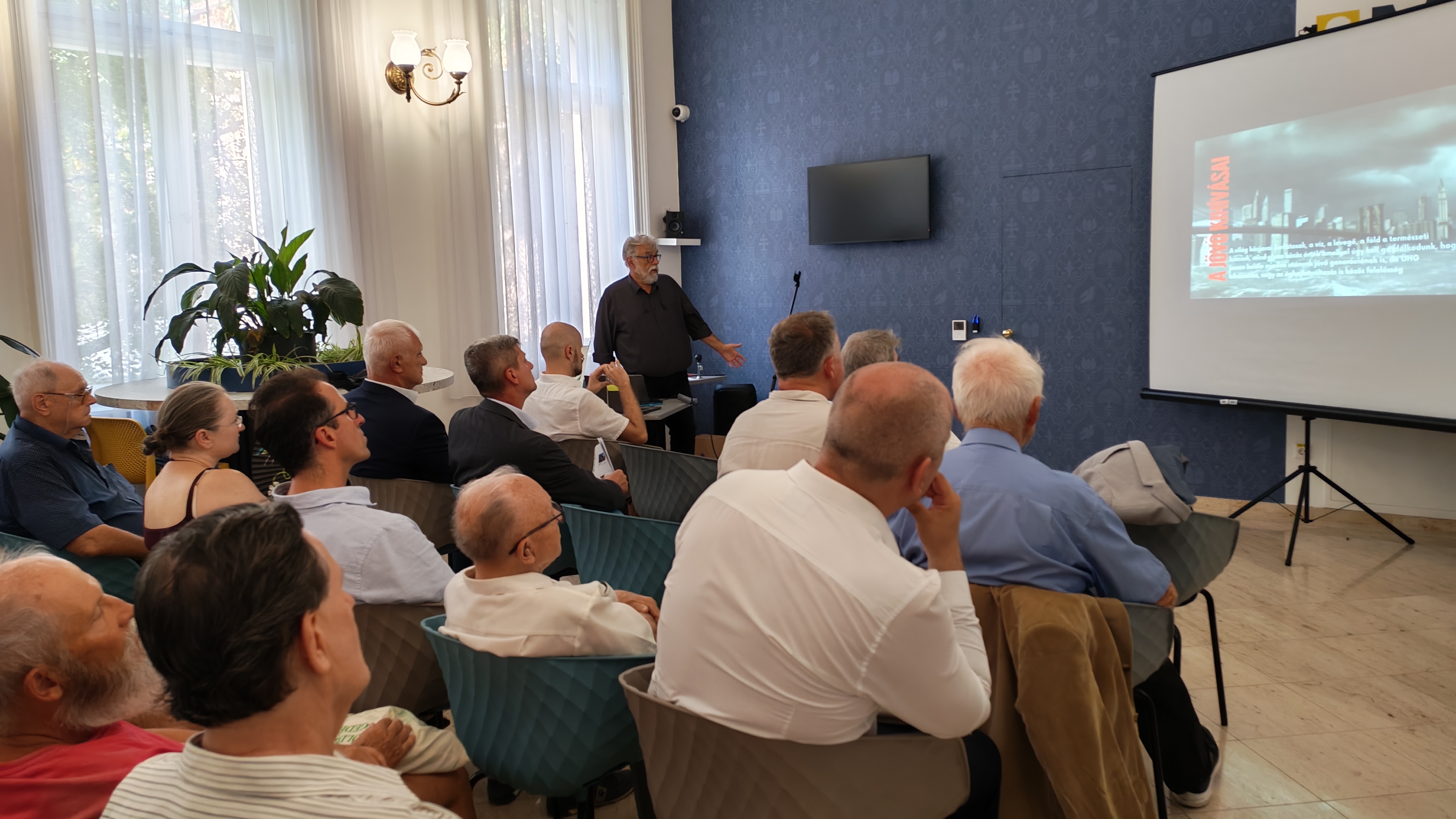
The session entitled ‘Agglomeration – Szeged and its urban area’, led by geographer Béla Csáki, emphasised the importance of cooperation between local authorities. The coordination of transport, economic, tourism and service links, together with the opportunities offered by digitalisation, indicated that an effective response to the challenges of the future can only be provided on a regional scale.
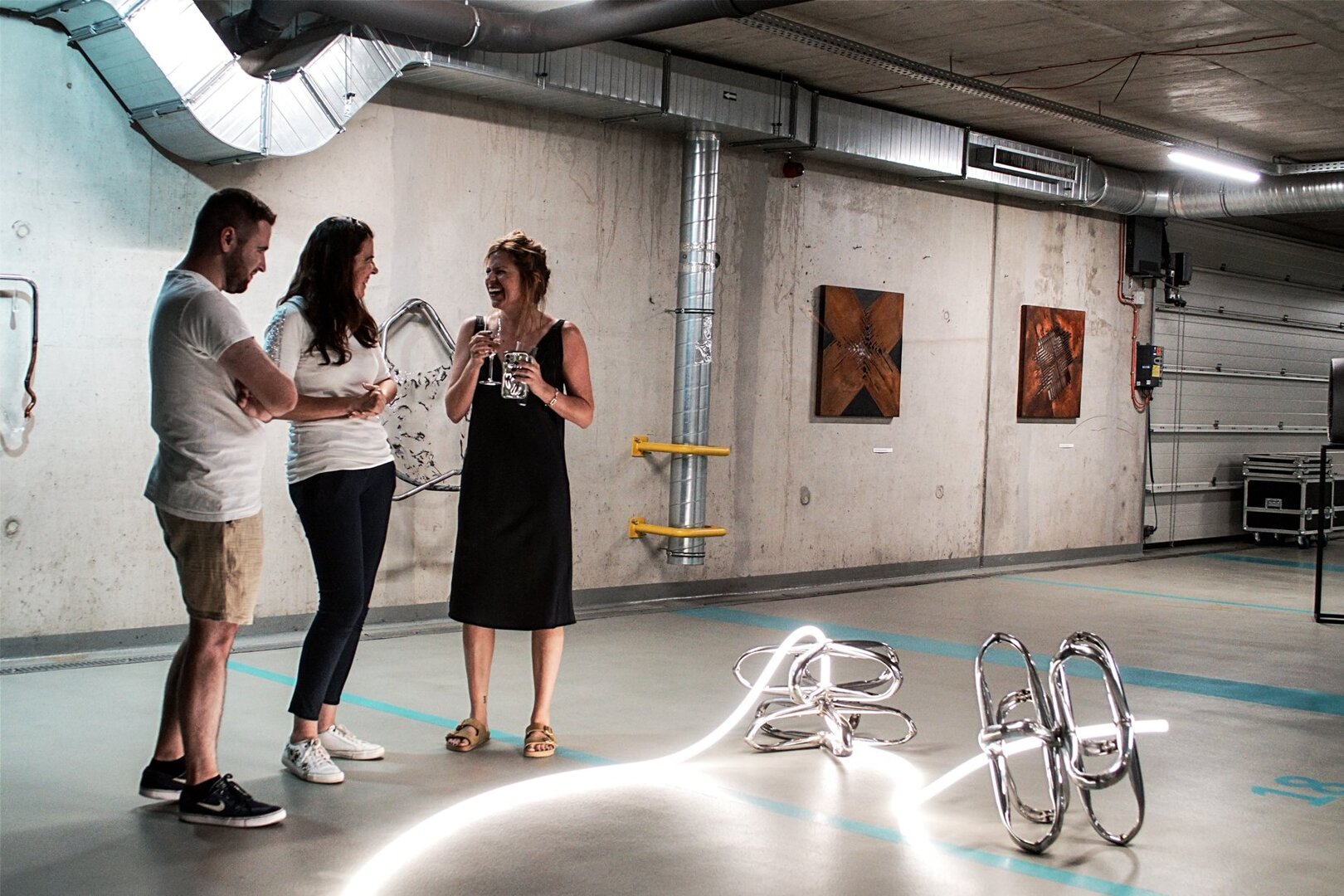
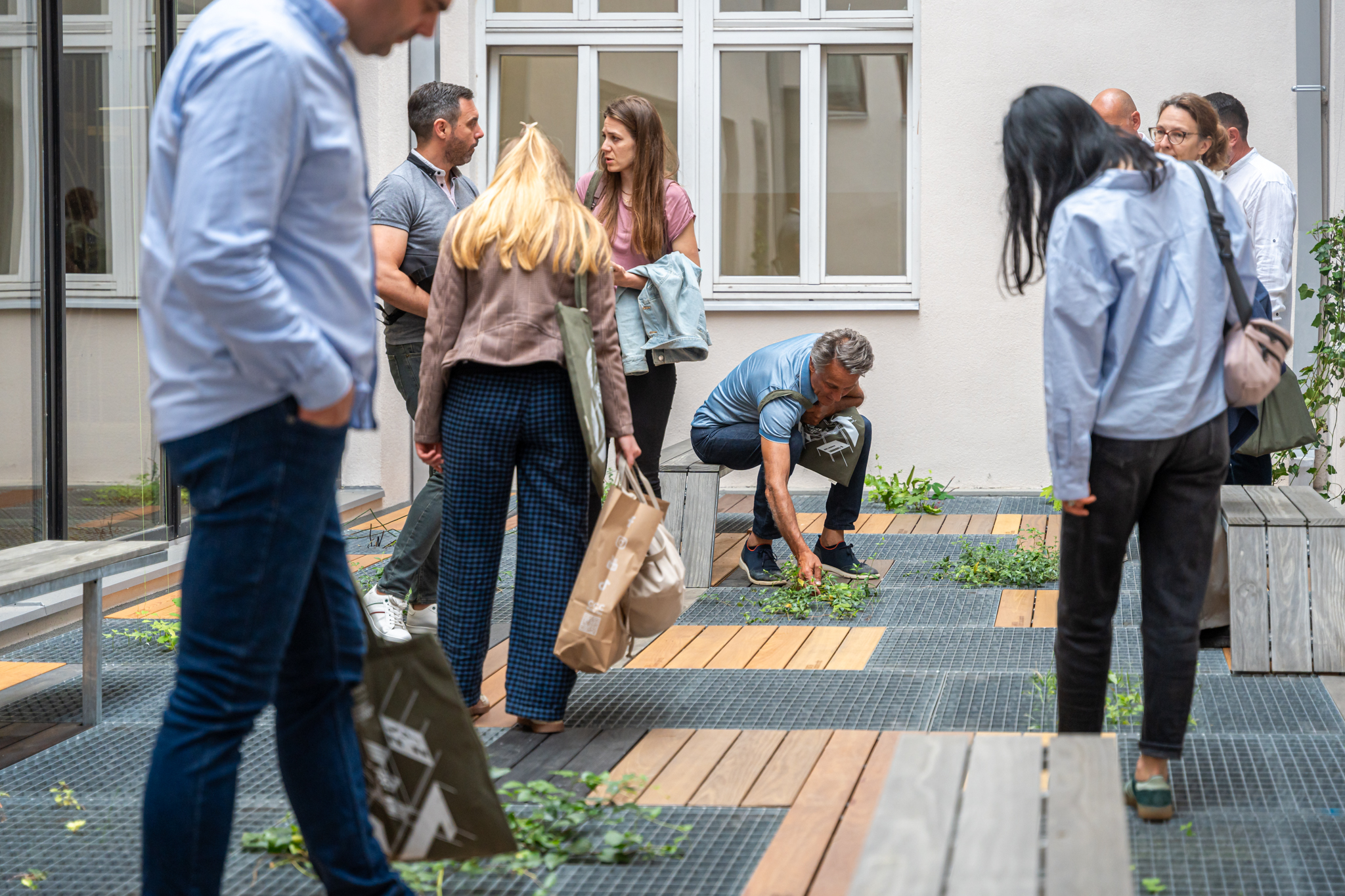
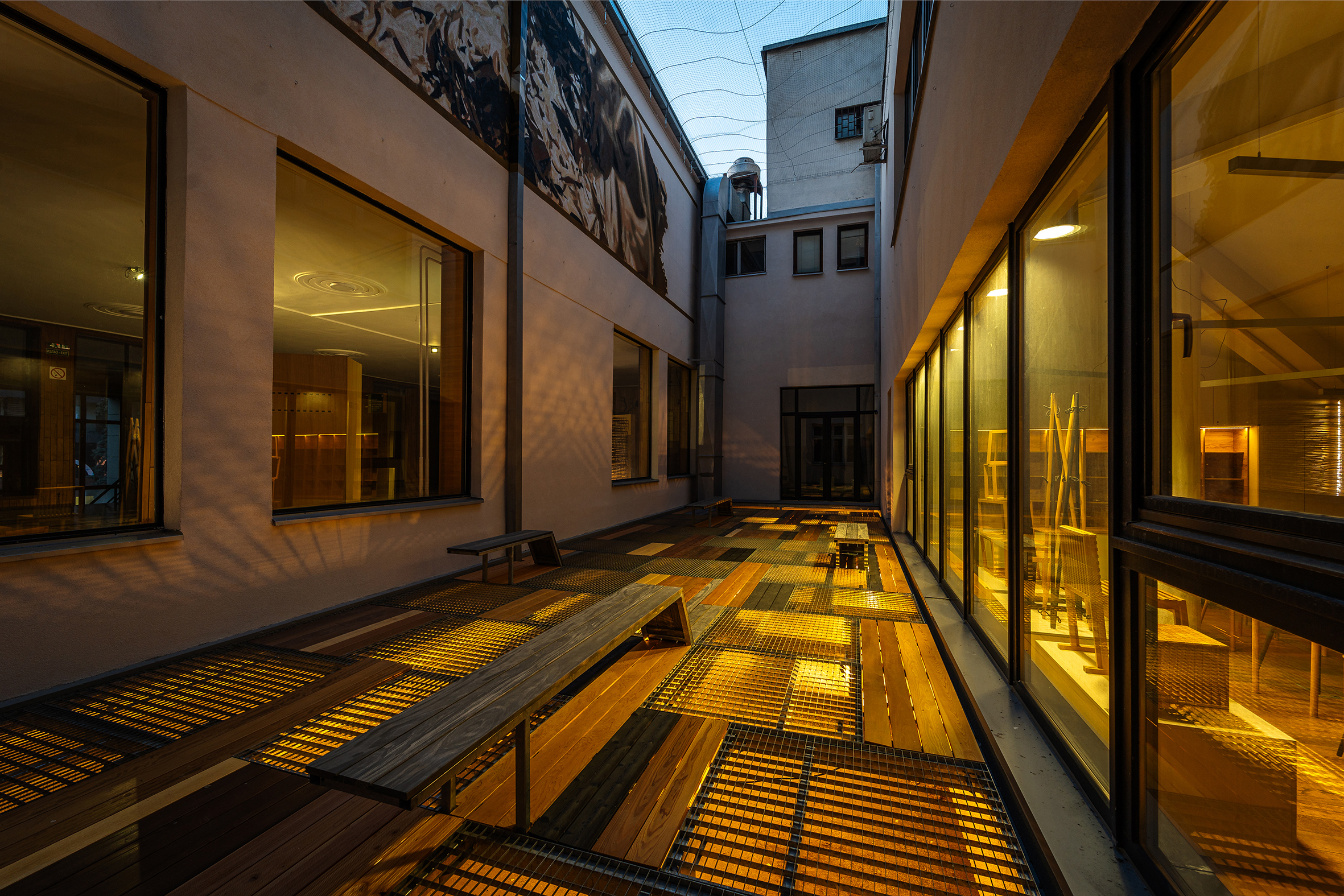
The Hungarian pilot action of the DECORATOR project was presented as practical example of DECORATOR Solution 4 – "Greener Ways to Use Building Spaces" because it demonstrated how an underutilized space can be repurposed into a multifunctional environment that combines educational functions with business development while promoting circular design principles, sustainable materials and New European Bauhaus values. The example illustrated the project's approach to rethinking and revitalizing existing spaces rather than creating new ones.
The event was also used to present the possible follow-up actions of the DECORATOR project by new Interreg Danube transnational projects which could contribute to encouraged public engagement among stakeholders. Further dissemination of project results toward the wider community could be achieved by increased the visibility of DECORATOR activities and results this way.

15/09/2026
By
Share on social media:



News & Events
Read the most recent updates and explore the upcoming events.


Would you like to receive project updates?
You're already part of our community!
Welcome to our newsletter community!
Subscribe to our newsletter