
3rd ELEVATE PROJECT PARTNER MEETING IN ROMANIA
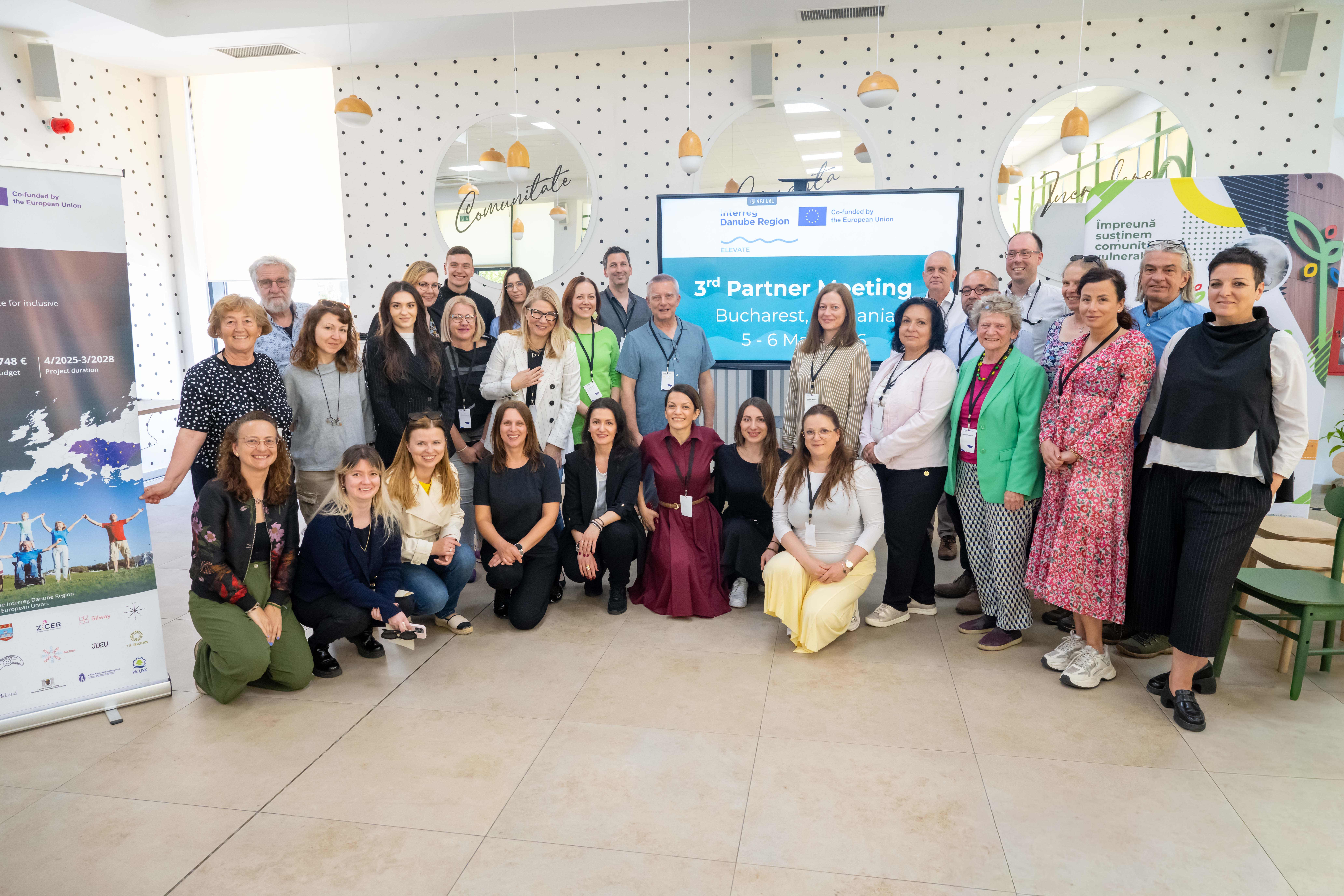
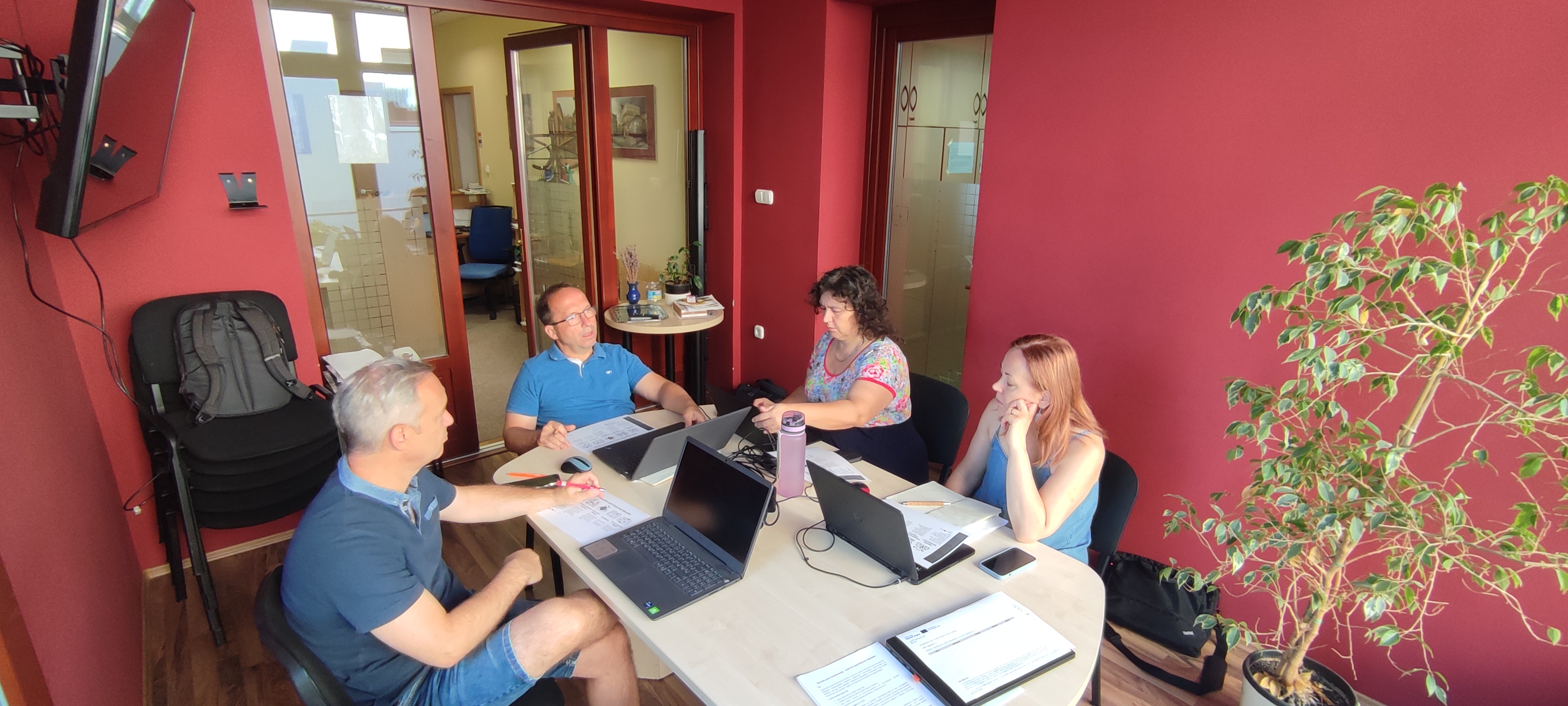
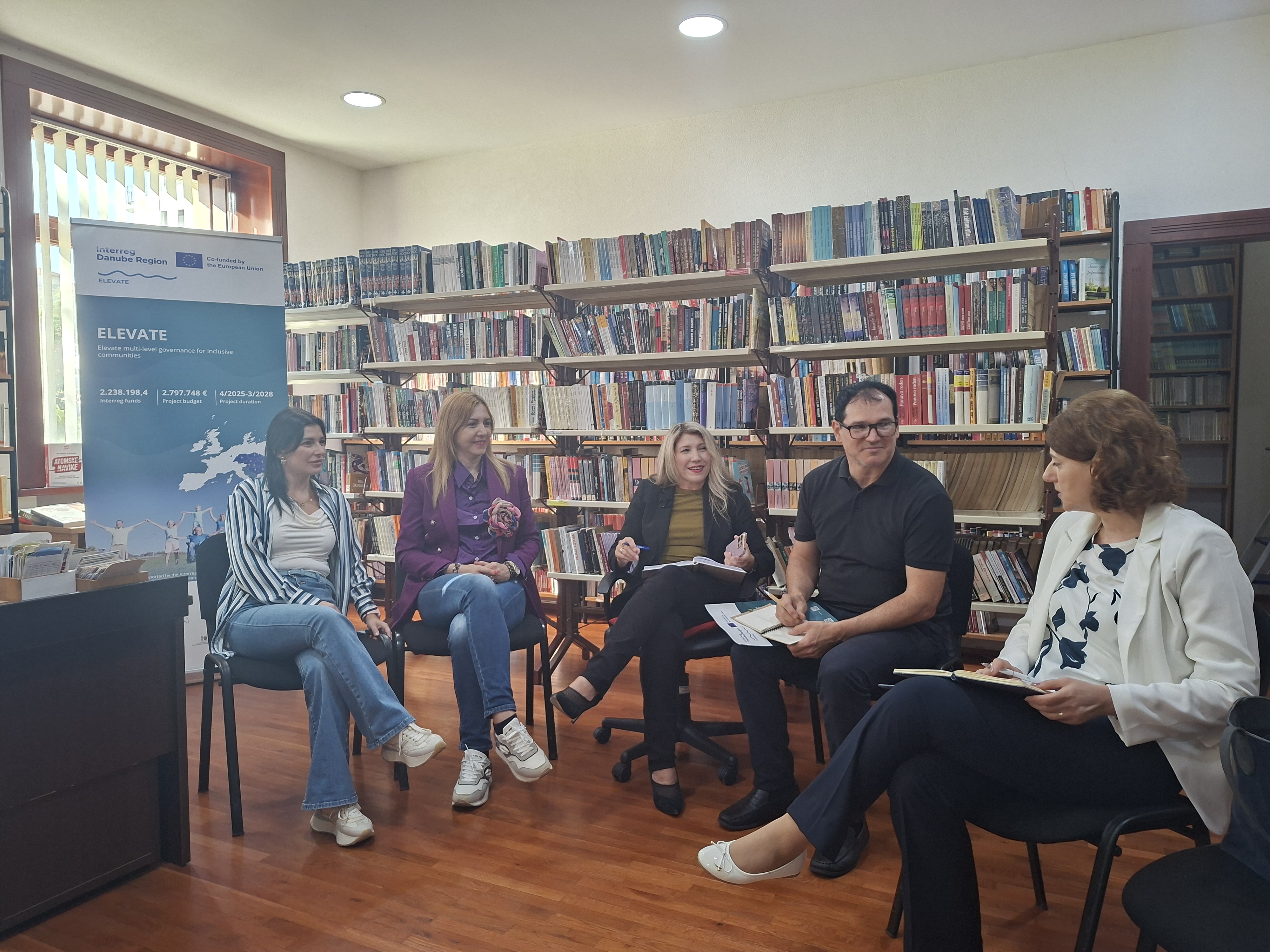
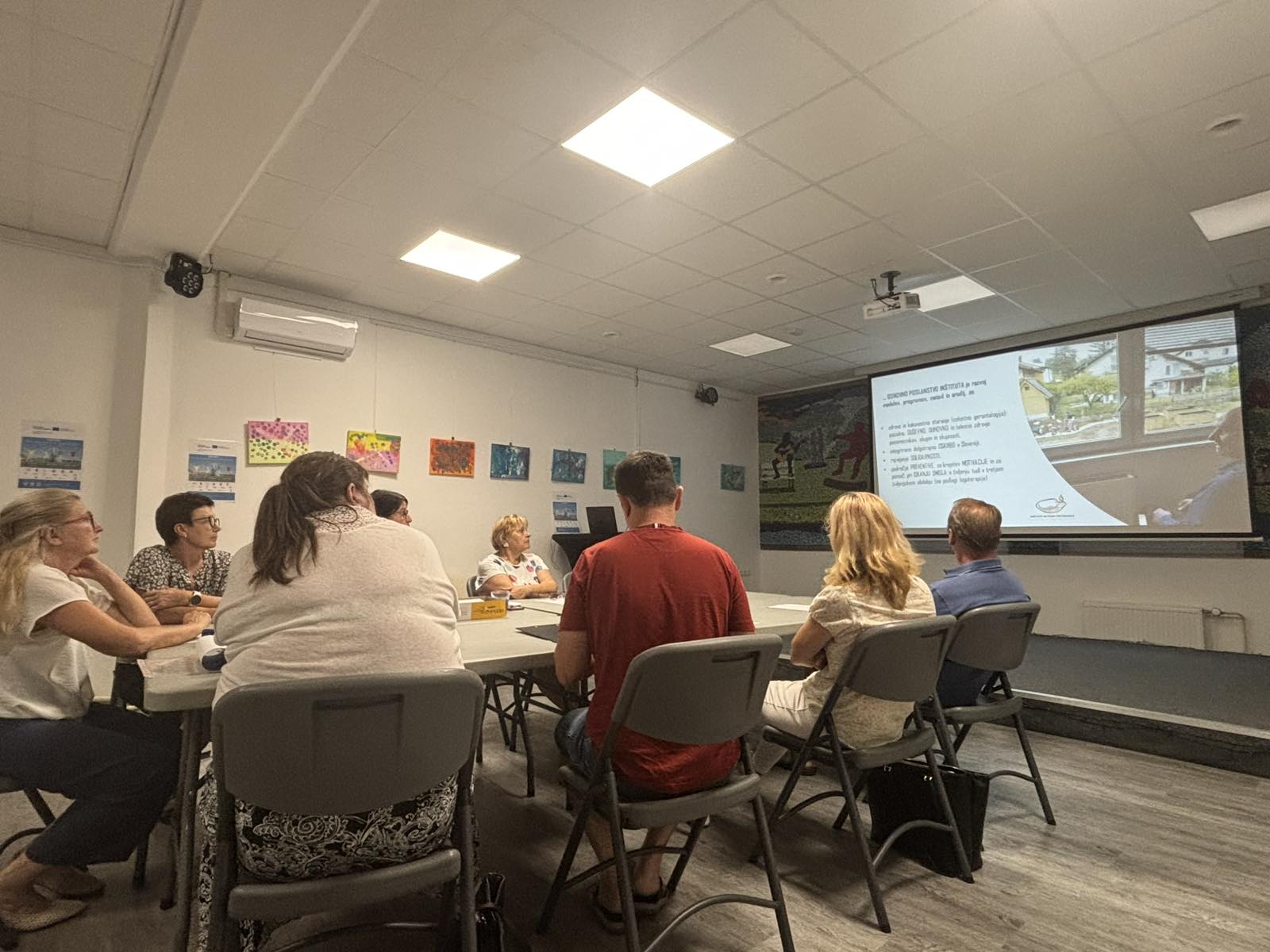
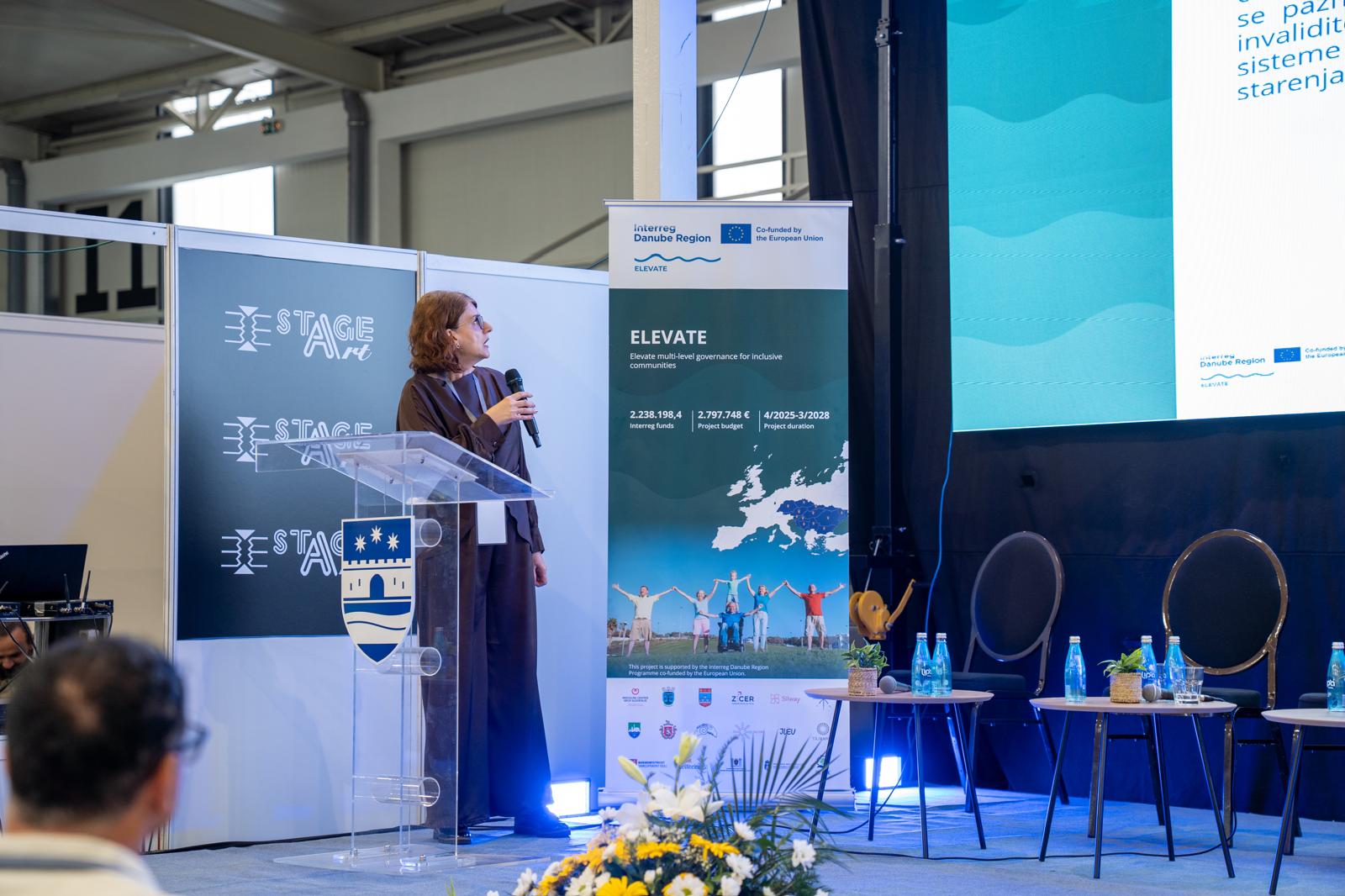
ELEVATE project partners gathered on 5–6 May 2026 in Bucharest, Romania, for the 3rd Interregional meeting hosted by the General Directorate for Social Assistance and Child Protection Sector 6 (DGASPC Sector 6). The meeting focused on further strengthening capacities and cooperation for inclusive territorial development and presentation of draft Elevate model, along with the planned testing of the model through pilot activities in 12 Danube regions, where partners are now starting implementation.
Participants were warmly welcomed by Ms. Mariana Balaban, who introduced the two-day programme and higlighted the Romanian good practices that partners visited during the meeting, while Ms. Irina Panait from URBASOFIA provided an overview of the meeting agenda and its main objectives.
The meeting opened with a lecture by Ms. Carmen Stadelhofer from ILEU on “Age-friendly Media”. Building on the topic “Aging Has Many Faces,” she highlighted the increasing use of digital technologies among older adults across Europe and emphasized the importance of digital inclusion in enabling active participation in society and reducing social isolation.
Mr. Aleš Kenda from Slovenian Ministry of Solidarity-Based Future presented current trends and challenges related to population ageing policies. He addressed demographic changes, declining birth rates, longer life expectancy and the growing need for inclusive social systems capable of responding to digital transformation, migration, changing family structures and social isolation among older adults.
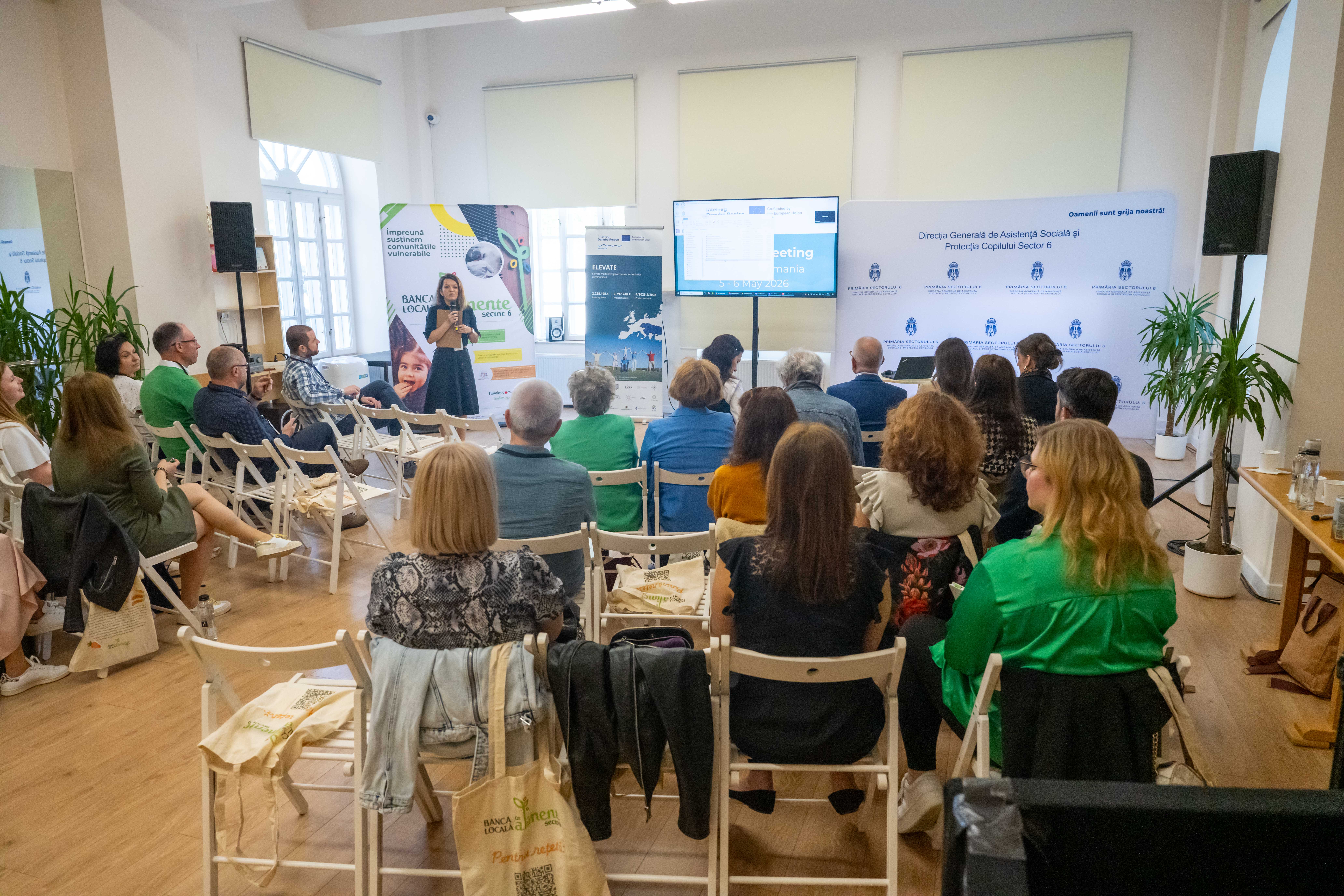
The afternoon session focused on the draft ELEVATE model and communication strategies supporting social inclusion. Ms. Mihaela Tudor, external expert from TUDOR Communications, led a capacity-building workshop on effective communication of administrative and social solutions to various stakeholder groups. Through interactive group work, partners developed stakeholder-oriented arguments connected to their pilot actions and territorial challenges.
The session concluded with recommendations from Ms. Andreea Prasacu from City of Vienna, representing the EU Strategy for the Danube Region (EUSDR), Priority Area 10 “Institutional Capacity and Cooperation.” She emphasized the importance of cooperation at local, regional and microregional levels and encouraged partners to actively involve local businesses, public institutions, older people and people with disabilities in co-creation processes.
In the afternoon, project partners participated in study visits coordinated by DGASPC Sector 6, Mr. Paul Ghișoi. The first visit took place at the Sector 6 Seniors’ Club “Iulia Hasdeu,” a modern community day centre promoting active ageing, social participation and intergenerational cooperation. Partners learned how the centre supports older adults through social, recreational and educational activities designed to prevent isolation and improve quality of life.
The second study visit introduced Social XChange, an innovative circular economy initiative developed by DGASPC Sector 6. Mr. Paul Ghișoi explained how the initiative redistributes donated clothing, footwear and household goods to vulnerable community members through a dignity-based approach that resembles a standard retail environment, while simultaneously promoting sustainability and social inclusion.
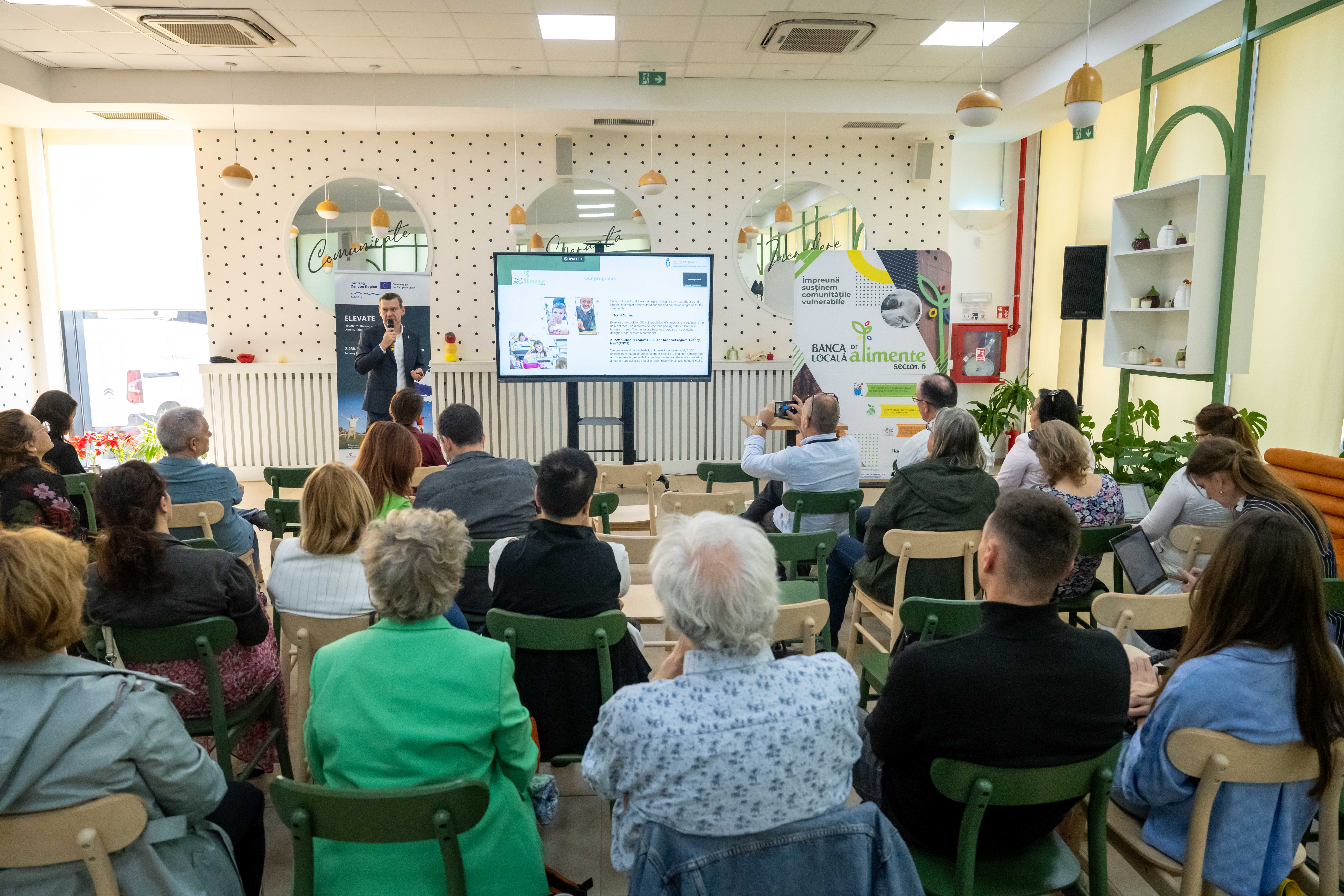
The second day of the meeting took place at the Local Food Bank Sector 6, where participants were welcomed by Mr. Ovidiu Rusu, general manager of the organisation and by Ms. Gabriela Schmutzer, general manager of DGASPC Sector 6. He presented the Food Bank’s mission to improve access to food for vulnerable groups, reduce food waste and support disadvantaged residents within the local community. He highlighted that they are currently providing warm lunches every day to 2.000 local children, including children. Partners also visited the facility’s storage areas, kitchen and composting system, gaining insights into the operational aspects of the initiative.
The programme also included a presentation by representatives of the NONA Academy, Ms. Ana Dragomir, who introduced their governance models, policy recommendations, investor handbooks and educational formats, including academy trainings, travelling academies and national forums. Their activities focus on sustainable development, green investments and the revitalisation of public spaces and heritage areas across the Danube Region.
Ms. Irina Panait further presented the draft ELEVATE model as a practical roadmap for the implementation of pilot actions during next three semesters of the project.
The meeting continued with presentations of pilot actions by all pilot partners under SO2 (Specific Objective 2), focused on developing place-based governance models for inclusive territorial development. Partners presented the implementation plan - target groups, planned activities and expected impacts of their pilot actions for the upcoming three semeters.
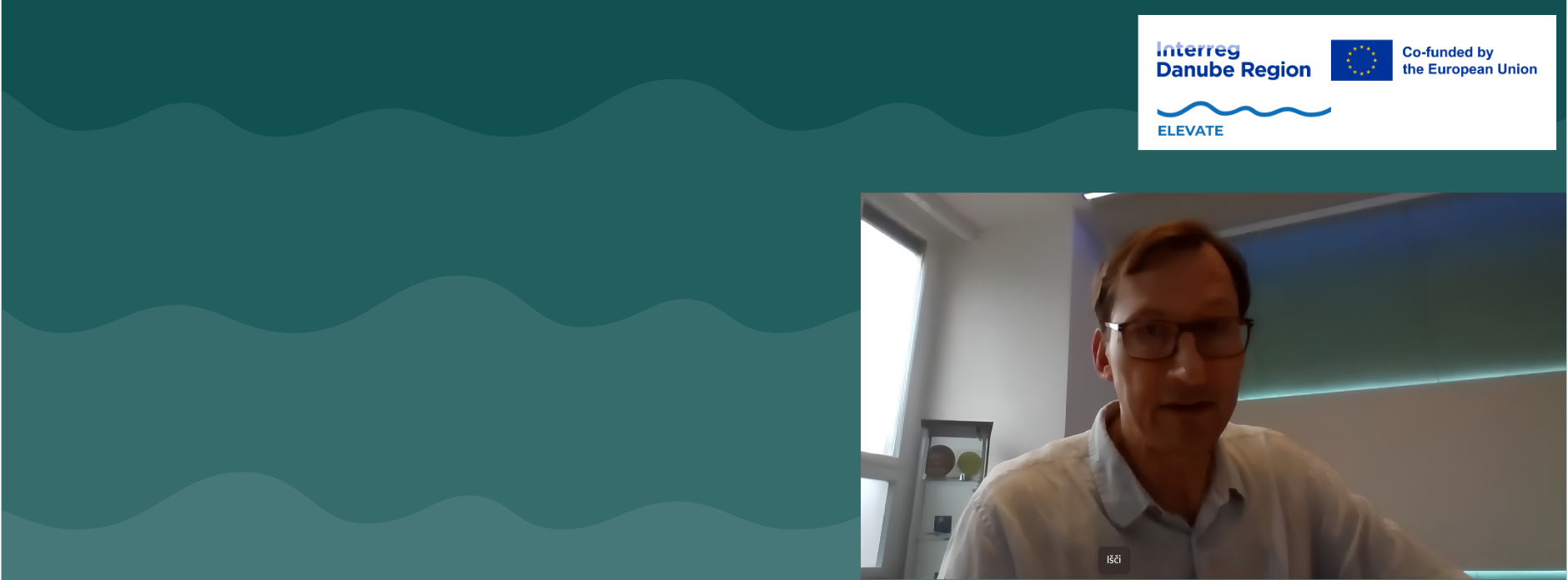
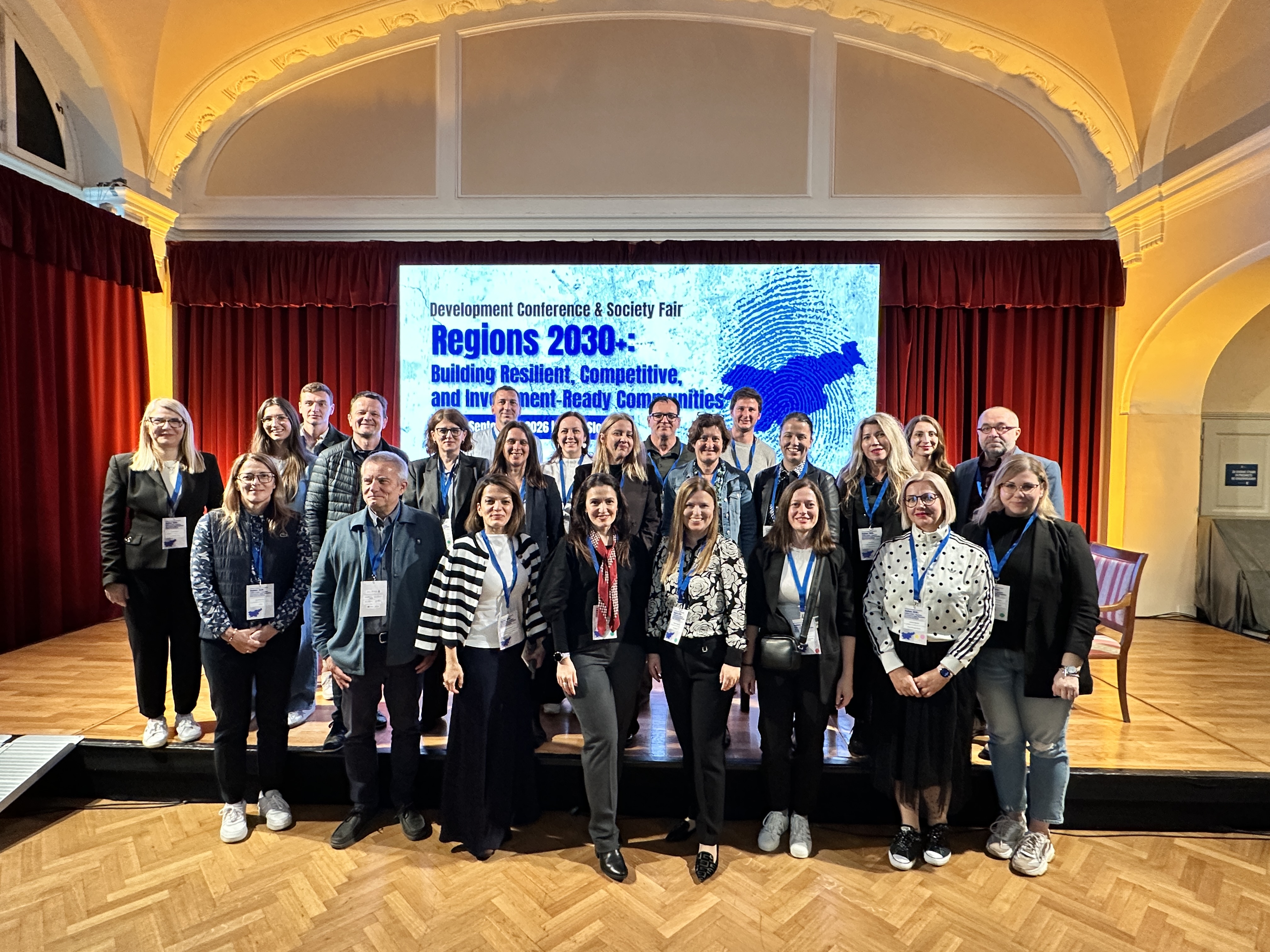
The final presentation was delivered on-line by Ms. Anamarija Fortuna from DCHS, focused on mainstreaming and sustainability activities under SO3 (Specific Objective 3). Partners were introduced to the mainstreaming report template, stakeholder and event mapping activities. The Municipality of Sevnica and DCHS also presented the structure for the upcomming Society Fair that will be organized on 24th September 2026 in Slovenia. The Steering Committee meeting, chaired by DCHS, concluded the two-day programme and confirmed the next steps for project implementation.
The third ELEVATE project meeting further reinforced the importance of inclusive governance, mutual learning and cross-sectoral cooperation in addressing demographic challenges across the Danube Region. Through meetings and study visits such as these, project partners continue to strengthen their cooperation and advance the implementation of pilot actions aimed at creating more inclusive, resilient and age-friendly communities.
Author: Jasna Presečki

18/05/2026
By Jasna Presečki
Share on social media:


News & Events
Read the most recent updates and explore the upcoming events.


Would you like to receive project updates?
You're already part of our community!
Welcome to our newsletter community!
Subscribe to our newsletter