
PILOT ACTIONS WERE BEING SHAPED ACROSS DANUBE REGION - Turning Cooperation into Action (SO2)
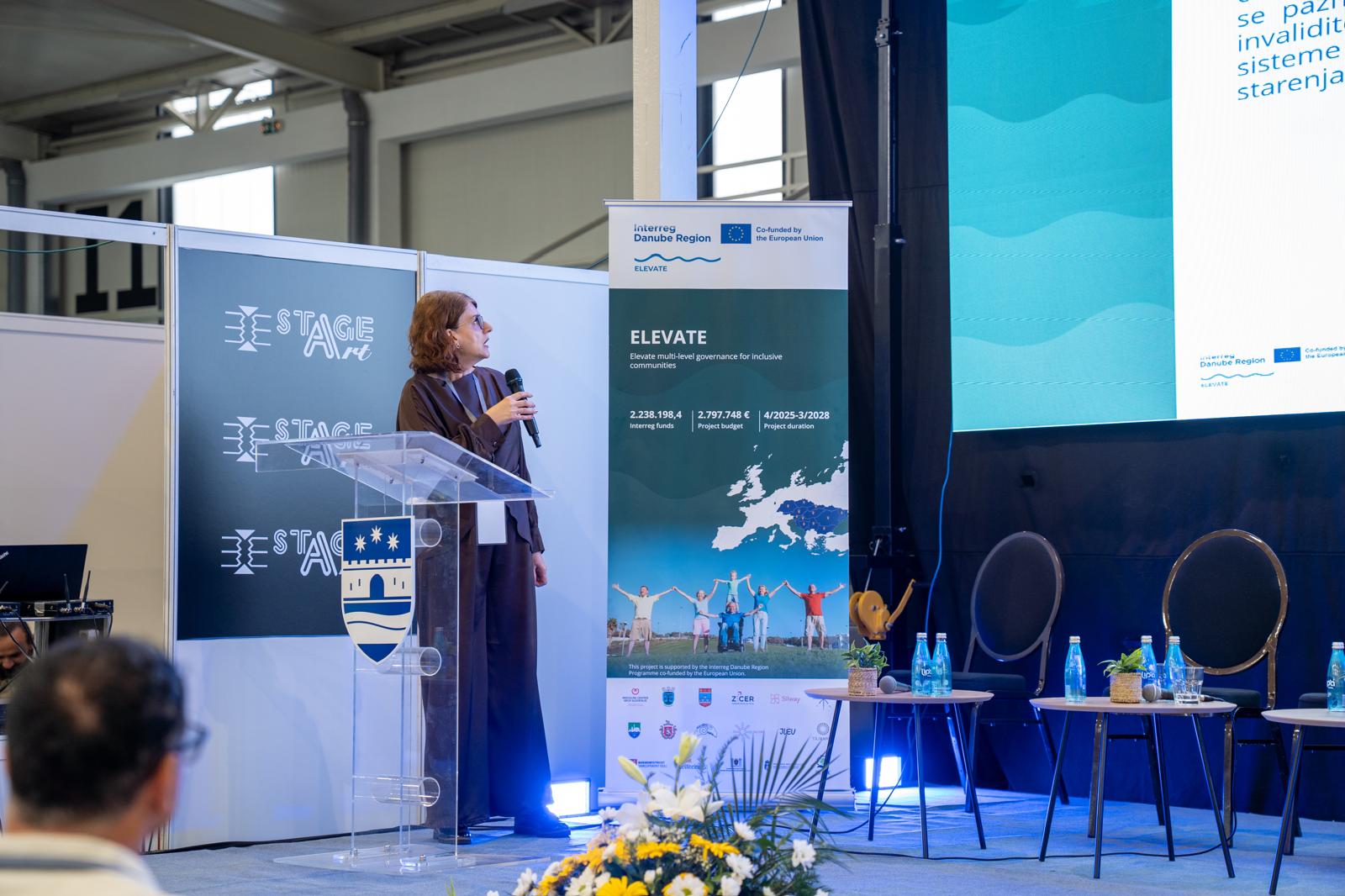
Within Specific Objective 2 (SO2), the focus is on transforming the ELEVATE methodology from a framework into tangible pilot actions that support inclusive governance in diverse territories.
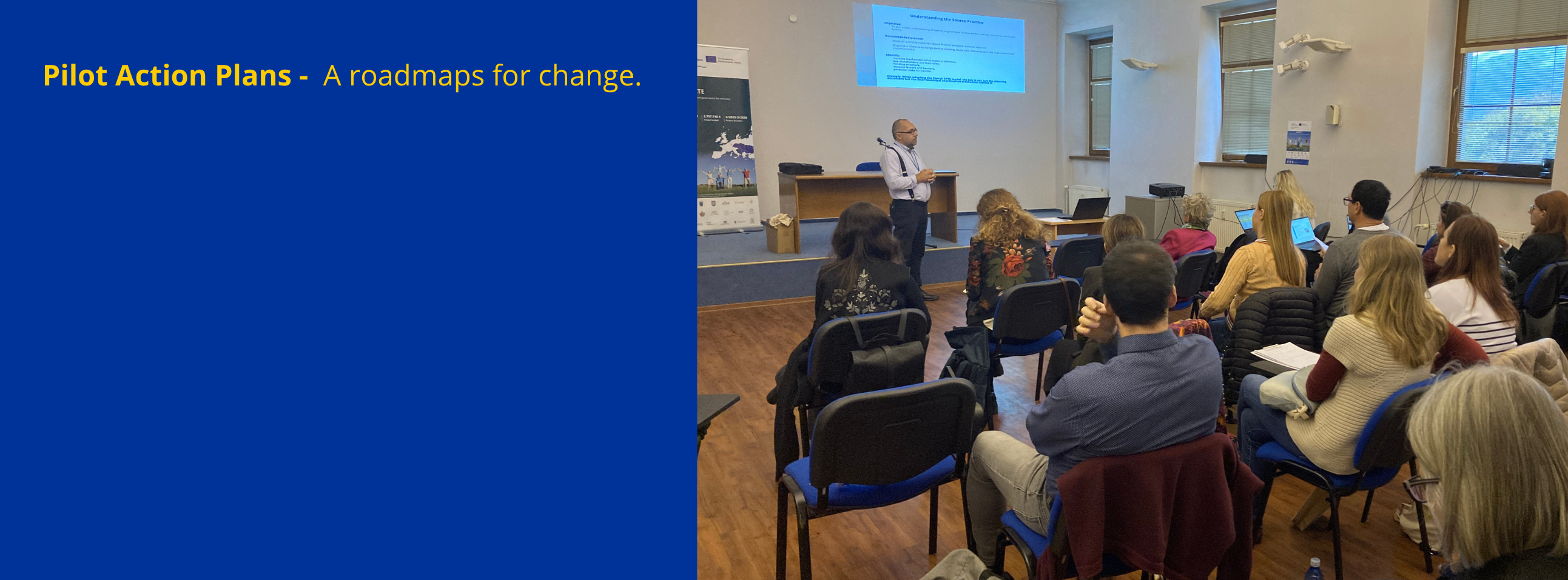
Stronger together: Experts and local actors joining forces
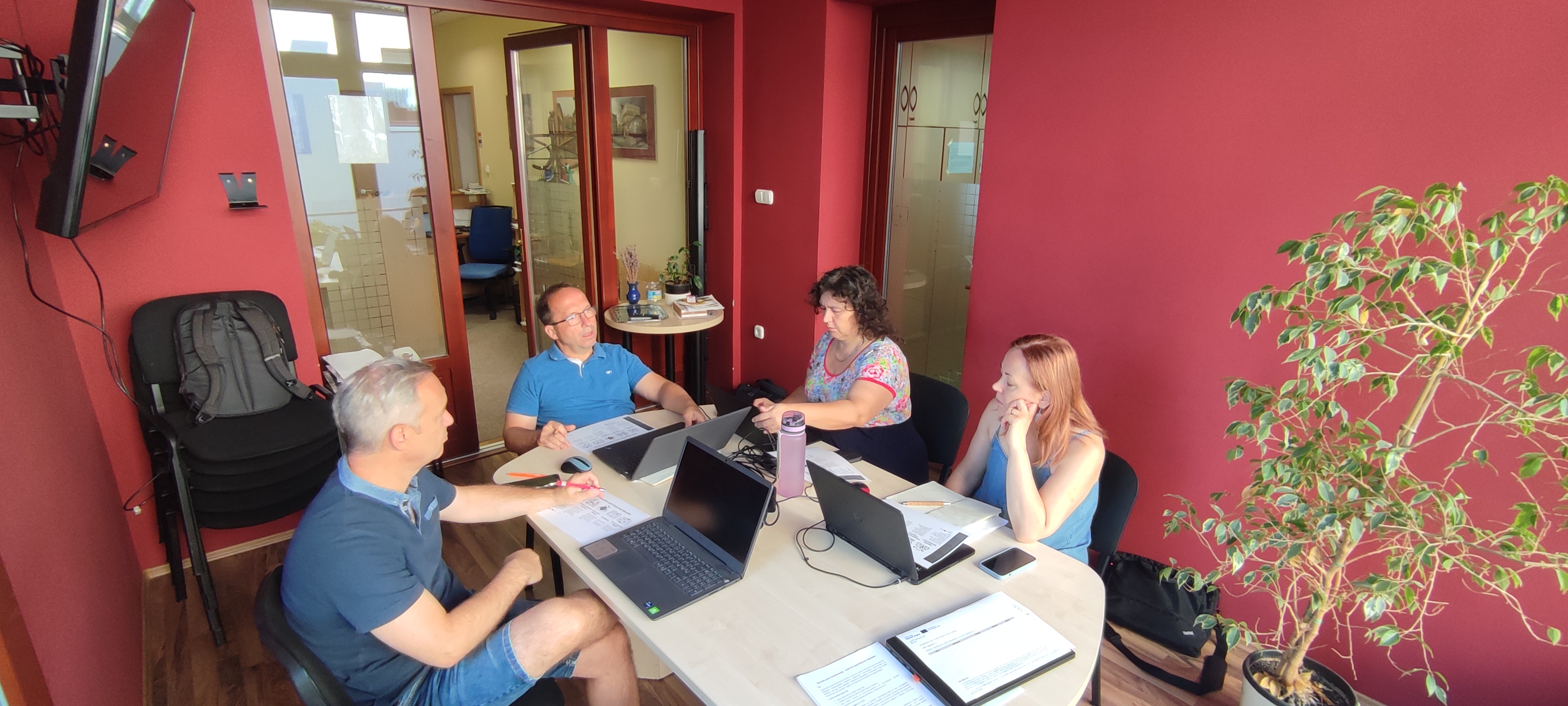
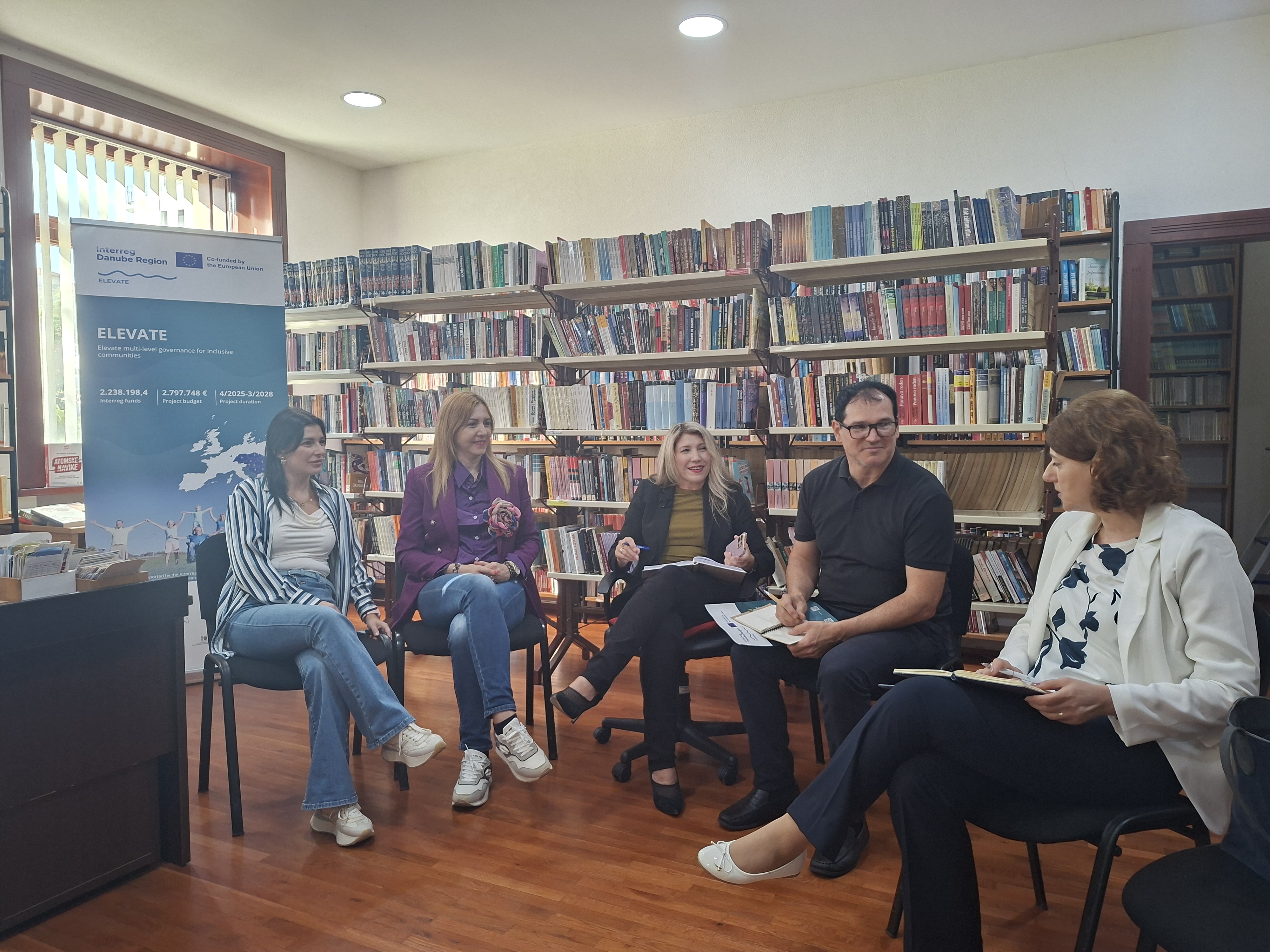
The foundation is the establishment of Project Expert Groups (PEGs) and Local Action Groups (LAGs) across 12 pilot areas.
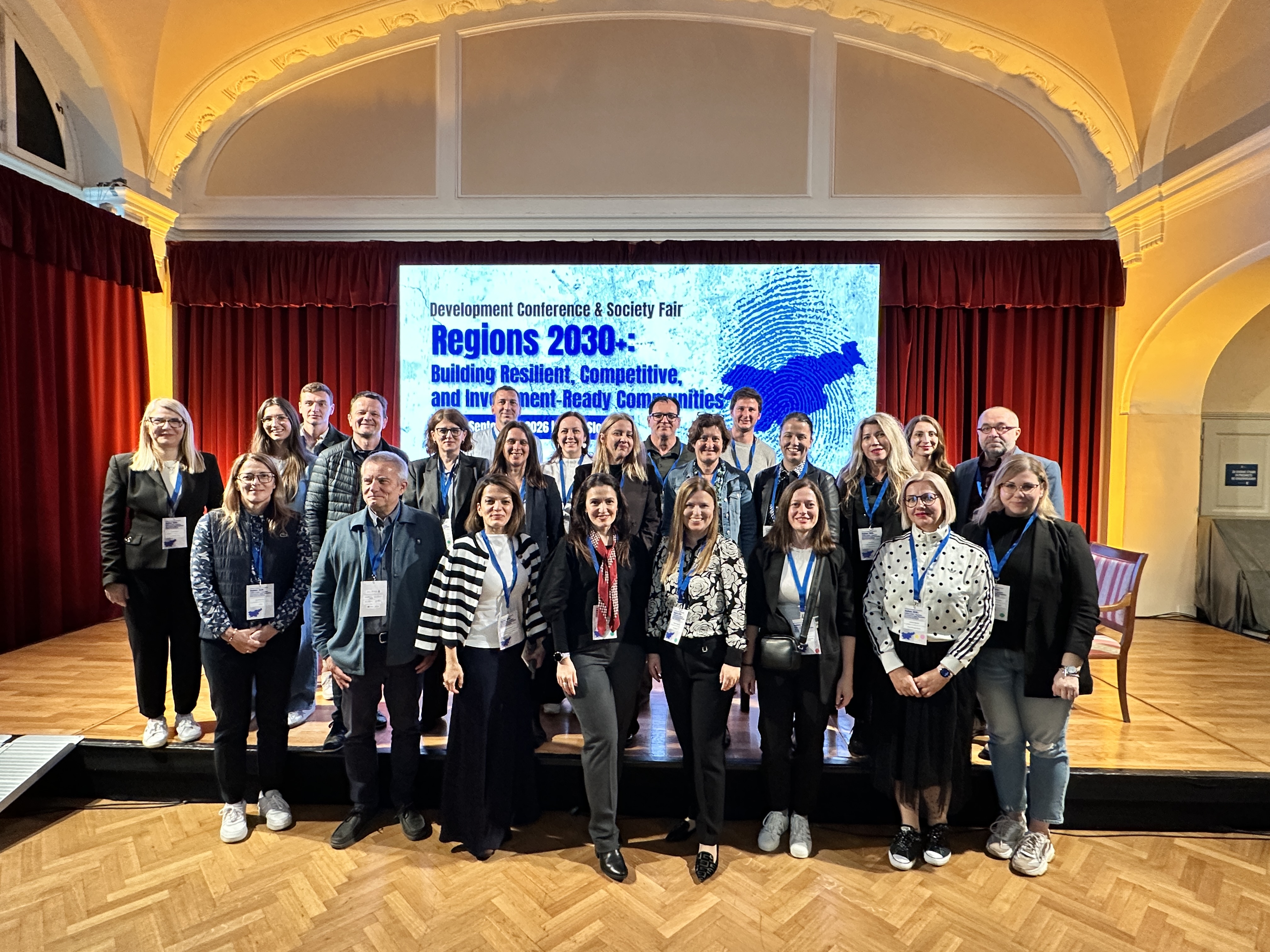
PEGs bring together multidisciplinary expertise, from social inclusion and public administration to territorial planning, civil society and the business sector. These groups actively shape how the ELEVATE approach is applied in each territory, ensuring methodological quality and fostering transnational exchange.
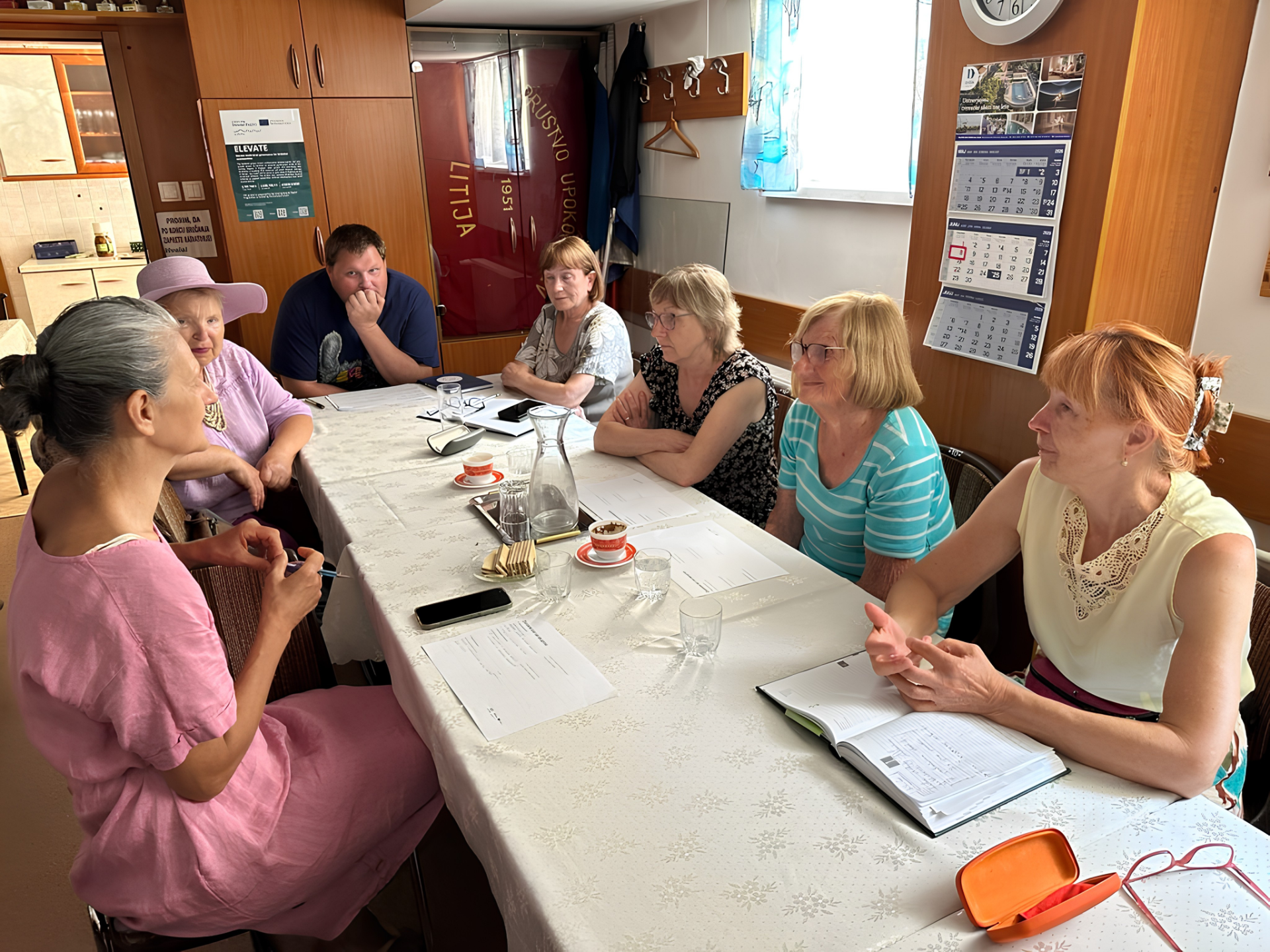
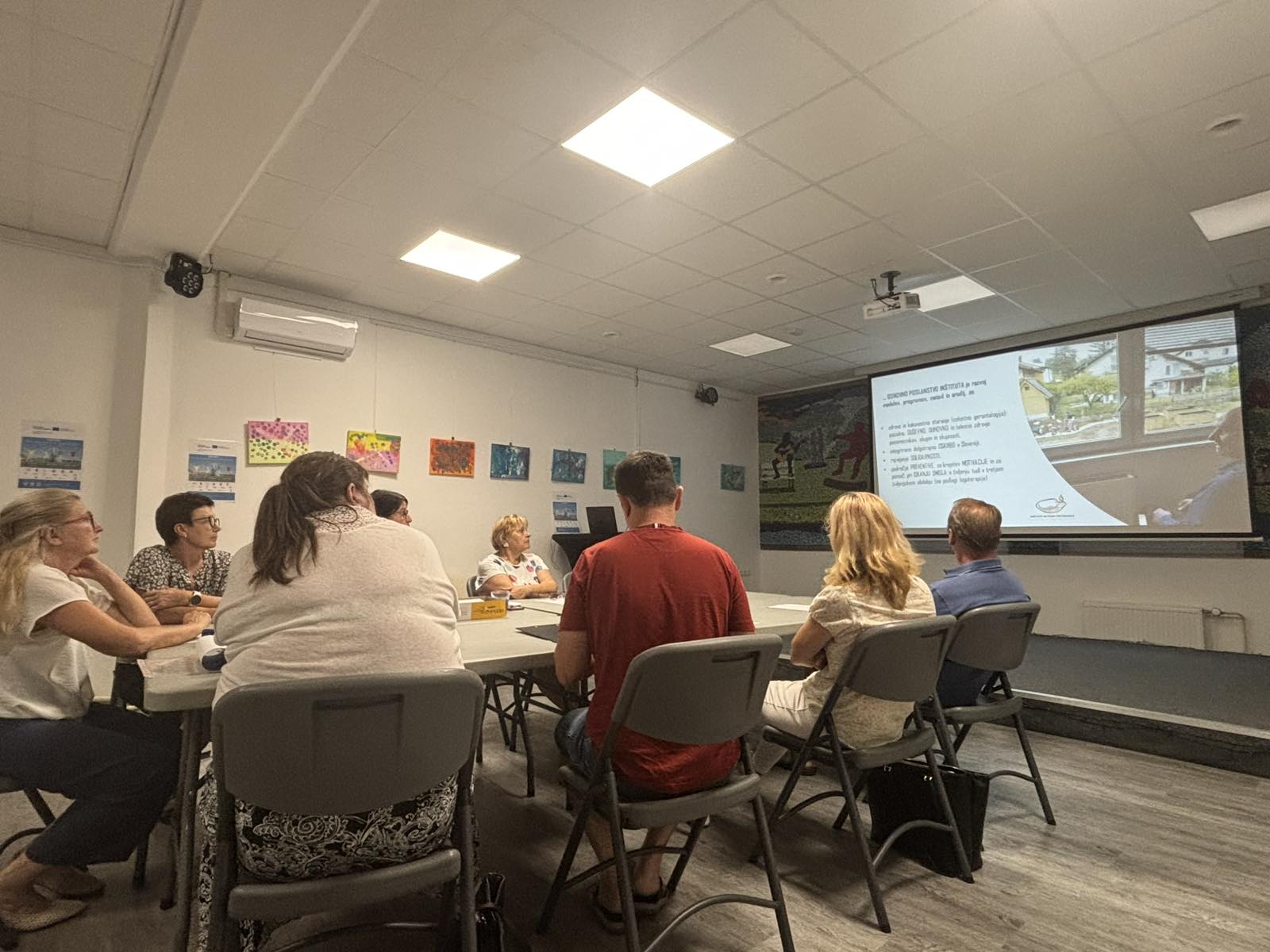
At the same time, LAGs are being formed as partnerships consisting of municipalities, service providers, NGOs, community organisations and other stakeholders to discuss real challenges faced by older people and people with disabilities in their communities.
Through stakeholder mapping and meetings, territories have identified service gaps, coordination challenges and barriers that prevent people from fully participating in local life.
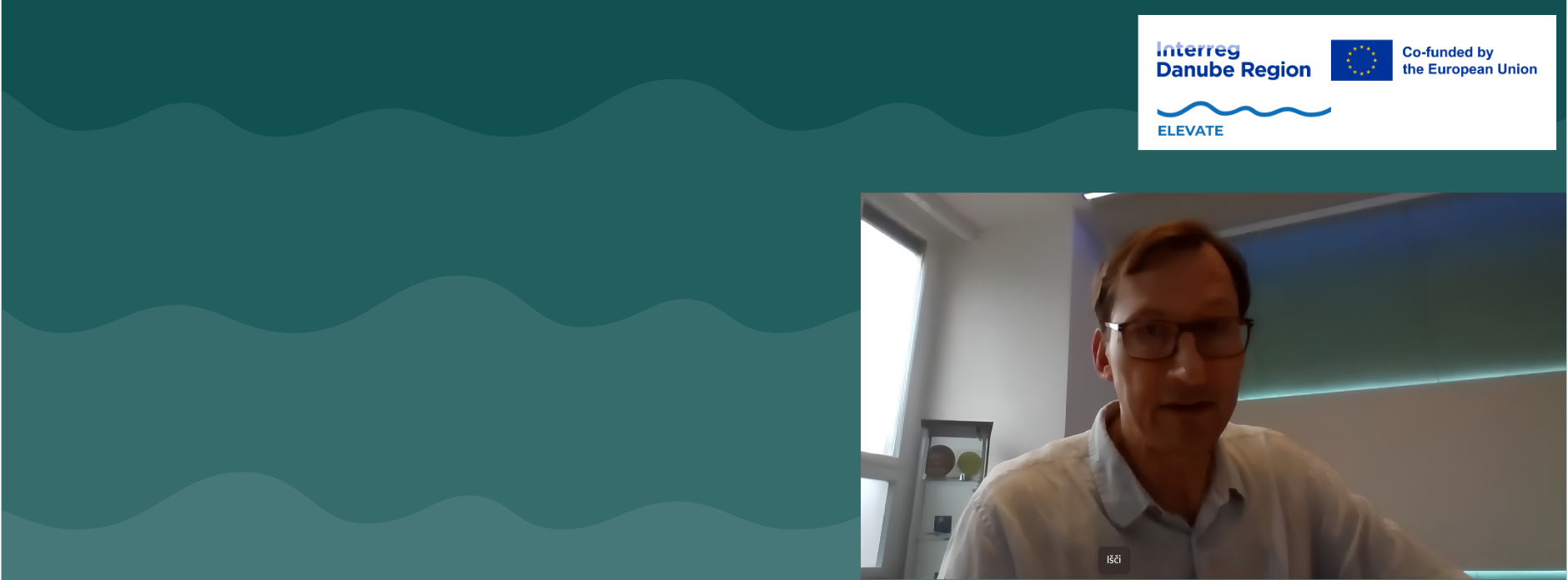
“Specific objective 2 (SO2) is where the ELEVATE methodology truly comes to life. By connecting expert knowledge with local realities, we are not only designing pilots – we are building long-term cooperation structures that can outlast the project itself.” Milan Zbořil, SO2 Leader, BBSK, Slovakia
From identified needs to concrete plans
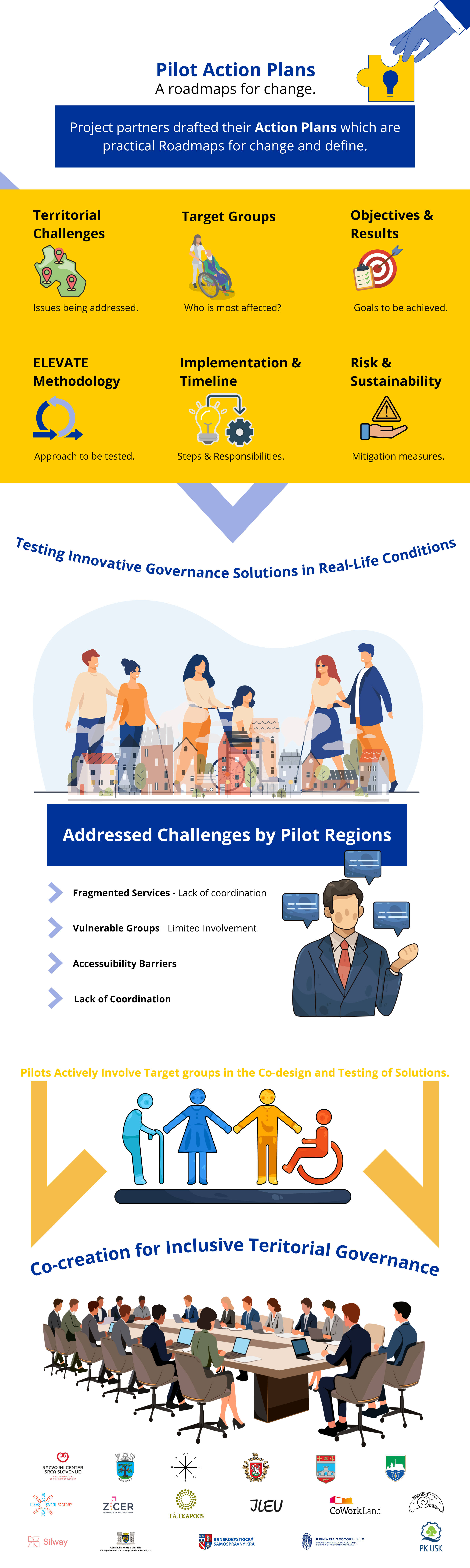
Partners have drafted their Pilot Action Plans, which are practical roadmaps for change and define:
the specific territorial challenge being addressed,
the target groups most affected,
concrete objectives and expected results,
the methodology to be tested under the ELEVATE framework,
implementation steps, timeline, and responsibilities,
risk mitigation and sustainability measures.
The aim is to test innovative governance and coordination solutions in real-life conditions.
Partners have addressed issues such as fragmented service provision, insufficient coordination between institutions, accessibility barriers, and the limited involvement of vulnerable groups in decision-making processes. By tackling these challenges through structured co-creation, inclusion is placed at the centre of territorial governance.
The ELEVATE approach in action
What makes SO2 particularly dynamic is the way the ELEVATE methodology is being translated into practice.
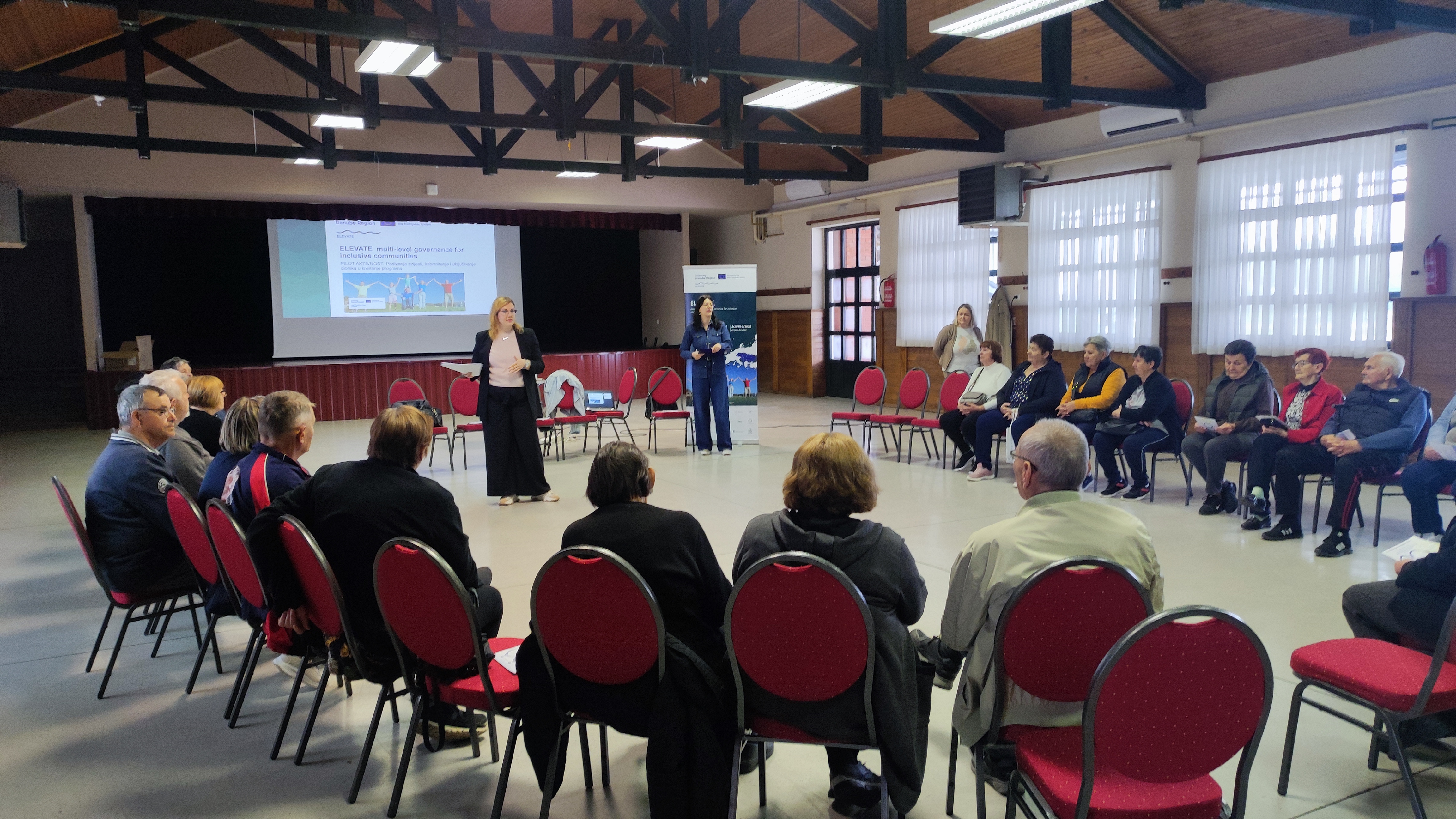
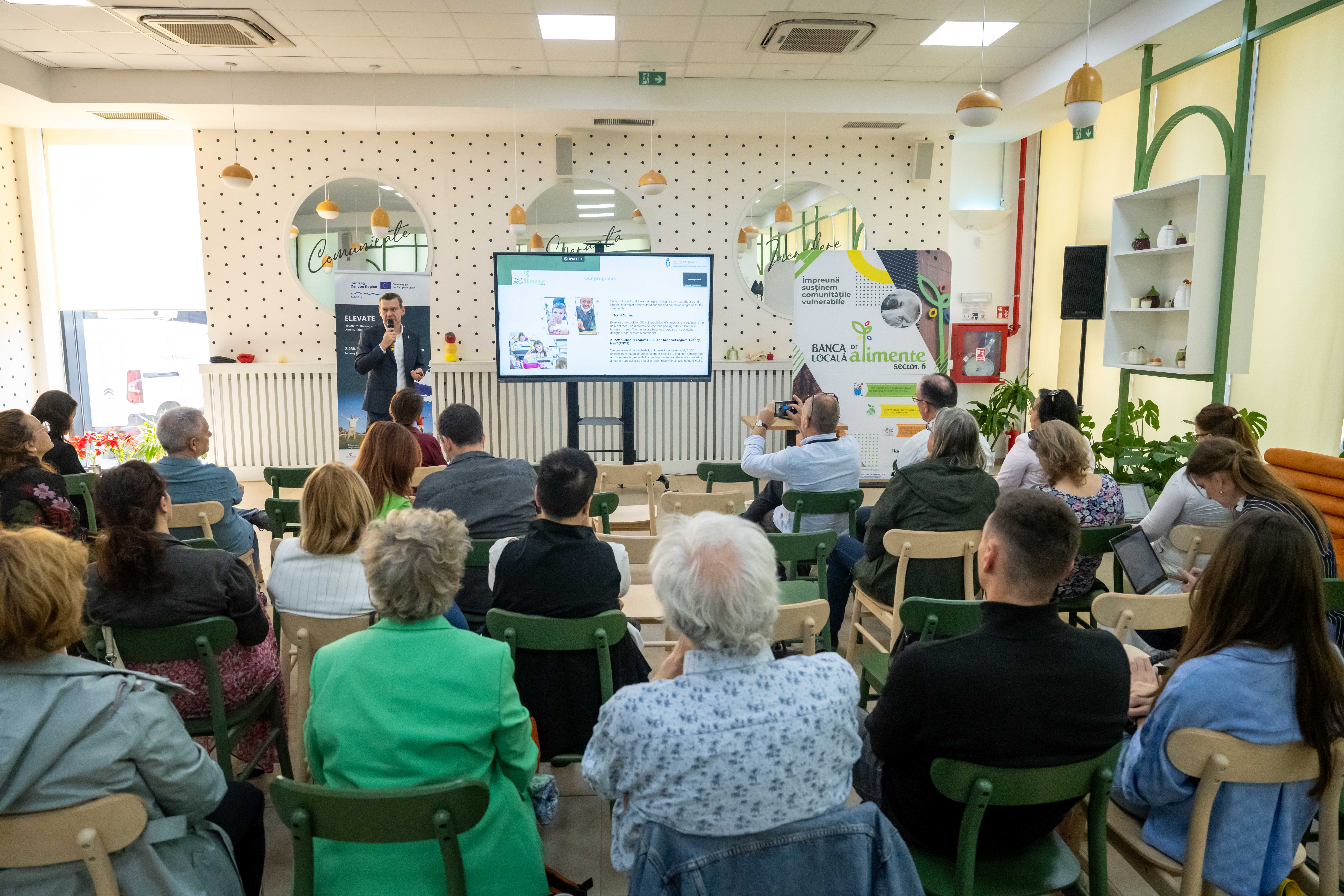
Pilots actively involve target groups in the co-design and testing of solutions. In this way, vulnerable groups are not only beneficiaries but also contributors, while local authorities and service providers strengthen coordination through structured cooperation.
This place-based and participatory approach ensures that solutions are adapted to local needs while remaining aligned with a shared transnational framework. Learning is continuously documented, and feedback is built into the process to allow refinement and transferability across the Danube Region.
What’s next?
Partners finalised their Pilot Action Plans by the end of March 2026. This included:
confirming stakeholder engagement,
planning co-creation workshops and pilot activities,
preparing outreach strategies for target groups,
strengthening coordination and monitoring mechanisms.
In the next project semester, pilot territories will move into the testing phase, generating valuable insights into how inclusive territorial governance can be strengthened in different socio-economic contexts. Testing will last a year and a half.
By combining expert knowledge with local engagement, this approach will lead to concrete improvements for communities across the Danube Region. The next phase will show what works and how inclusive governance can become a practical reality.
Author: Milan Zbořil, BBSK Slovakia

26/03/2026
By Jasna Presečki
Share on social media:


News & Events
Read the most recent updates and explore the upcoming events.


Would you like to receive project updates?
You're already part of our community!
Welcome to our newsletter community!
Subscribe to our newsletter