

From Research to Action: IMPACTA Submits Its Second Project Progress Report
From Research to Action: IMPACTA Submits Its Second Project Progress Report
The IMPACTA partnership has submitted its second Project Progress Report to the Interreg Danube Region Programme. The report presents the work completed during the project’s first year and shows how the partnership has moved from initial planning towards practical implementation.
IMPACTA aims to create a stronger and more inclusive support environment for women entrepreneurs across the Danube Region. The project pays particular attention to women who may face additional barriers. These include young and rural women, women with lower levels of education, refugees and migrants, women aged 50+, mothers returning to work, career changers and women with limited access to finance or professional networks.
Supporting these women requires more than a single training course. Public institutions, business support organisations, investors, researchers, civil society organisations and women entrepreneur networks also need to work together. For this reason, the first year of IMPACTA focused on building a shared knowledge base and stronger cooperation between countries.
Understanding women’s real needs
One of the main achievements of the first year was the completion of three important analytical documents.
The Strategic Diagnostic Review and Contextual Analysis explores the situation of women entrepreneurs and potential entrepreneurs in the participating countries. It looks at the barriers they face, the skills and support they need, and the opportunities available in their local business environments.
The Analysis and Policy Review examines the policies and support systems that influence women’s participation in entrepreneurship and the labour market. It also identifies gaps and possible areas for improvement.
The Benchmarking Analysis collects and compares relevant practices from different countries. Its purpose is to help the partnership understand which approaches already work well and which ideas could be adapted to other local contexts.
These documents were developed through desk research, policy analysis, stakeholder mapping and expert interviews. Partners contributed information from Bulgaria, Croatia, Germany, Hungary, Moldova, Serbia and Ukraine. Together, the findings provide a clearer picture of the common challenges across the Danube Region, while also showing the differences between countries and target groups.
The three analytical deliverables are now being shared as public project resources:
Strategic Diagnostic Review and Contextual Analysis: https://interreg-danube.eu/projects/impacta/news/d111-strategic-diagnostic-review-and-contextual-analysis
Analysis and Policy Review: https://interreg-danube.eu/projects/impacta/news/d112-analysis-and-policy-review
Benchmarking Analysis: https://interreg-danube.eu/projects/impacta/news/d113-benchmarking-analysis
A common approach to stakeholder engagement
The partnership also submitted D3.2.1 – Joint Guidelines on Outreach to and Engagement of Stakeholders.
The guidelines provide a shared framework for identifying, approaching and involving relevant organisations and professionals. They support partners in planning stakeholder engagement in a clear and meaningful way. This includes cooperation with public authorities, business support organisations, NGOs, universities, investors, financial institutions, women entrepreneur networks and other actors connected to the project.
The document was developed with contributions from ABW and NGO BRIT. NGO BRIT provided practical input based on local stakeholder mapping and its experience in working with vulnerable groups, while ABW supported the coordination of the process.
The guidelines will help partners involve stakeholders in future pilot validation, policy dialogue, advocacy, communication and the wider use of project results. They also encourage more targeted outreach towards groups that may be harder to engage, such as public authorities, higher-level policy actors, financial institutions, investors and business angels.
Connecting research with local experience
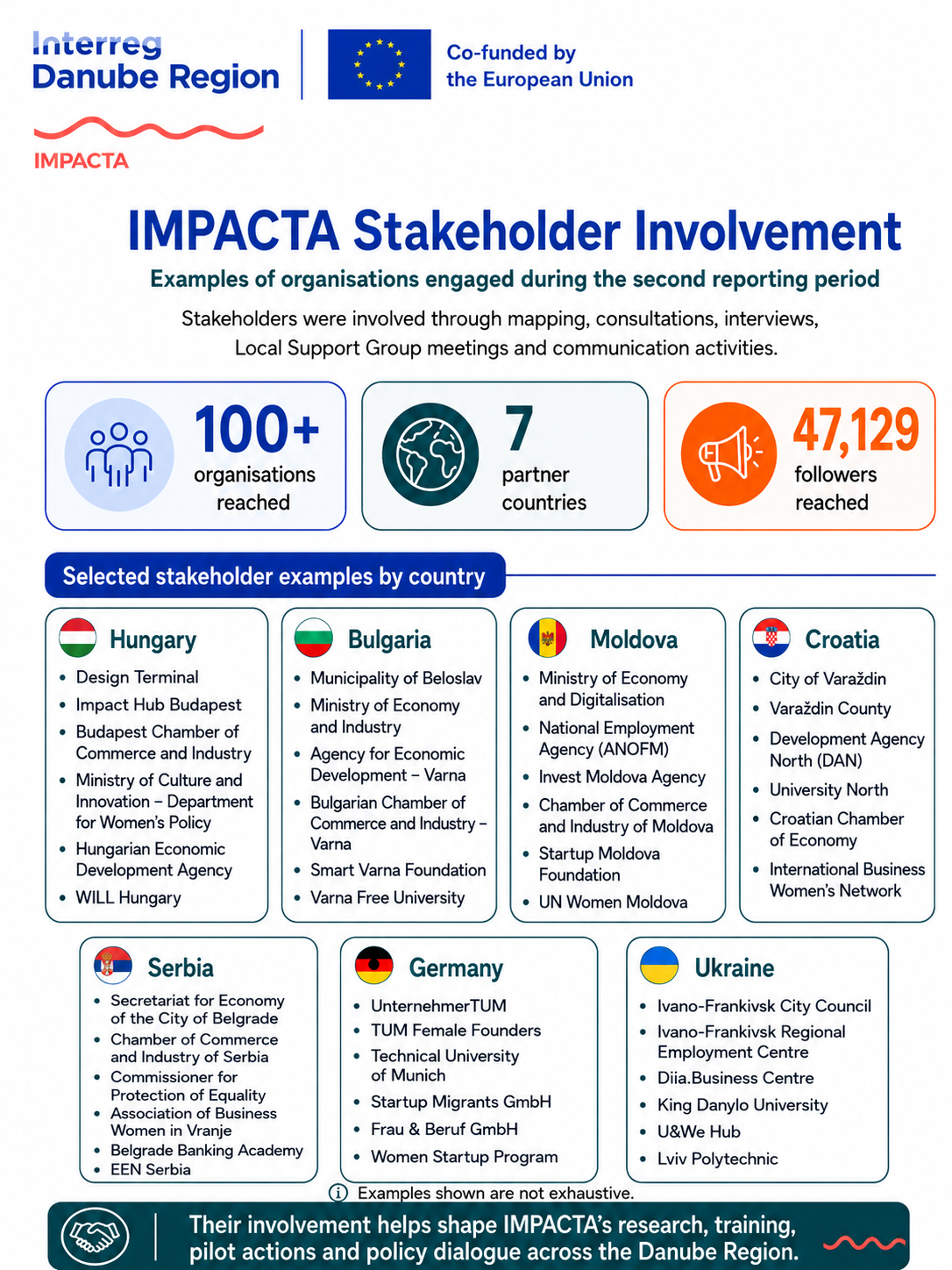
Research alone is not enough. IMPACTA also created Local Support Groups in several partner countries. These groups bring together people and organisations working in areas such as business development, public policy, research, education, investment, social inclusion and women’s entrepreneurship.
The first Local Support Group meetings were organised in Bulgaria, Hungary, Serbia, Germany and Ukraine, while stakeholder cooperation also progressed in Moldova and the other partner countries. These meetings gave local actors an opportunity to discuss the project, respond to research findings and share practical knowledge.
Their feedback will help shape the next project activities. It will be especially important for the development of training materials, local workshops, mentorship programmes and pilot actions. The groups also create stronger links between the project and the organisations that may later use, promote or continue its results.
Preparing flexible training and pilot activities
The partnership also made progress on the common training and methodology framework. Instead of creating one fixed training programme for every country, the partners agreed to develop a flexible structure.
This is important because women entrepreneurs do not all face the same challenges. A young woman starting a business in a rural area may need different support from an experienced entrepreneur looking for investment, a refugee rebuilding her career or a woman returning to work after caring for children.
The future training framework will therefore be adaptable to different national situations, target groups and stages of business development. It will build on research findings, partner experience and direct stakeholder feedback.
The first year also prepared the ground for the next phase of IMPACTA. Upcoming pilot activities will include training for women entrepreneurs, investor-focused learning, mentorship programmes, digital tools for young women and Women Entrepreneurship Offices or support points. These activities will test how the project’s research and methods work in practice.
Stronger cooperation across the Danube Region
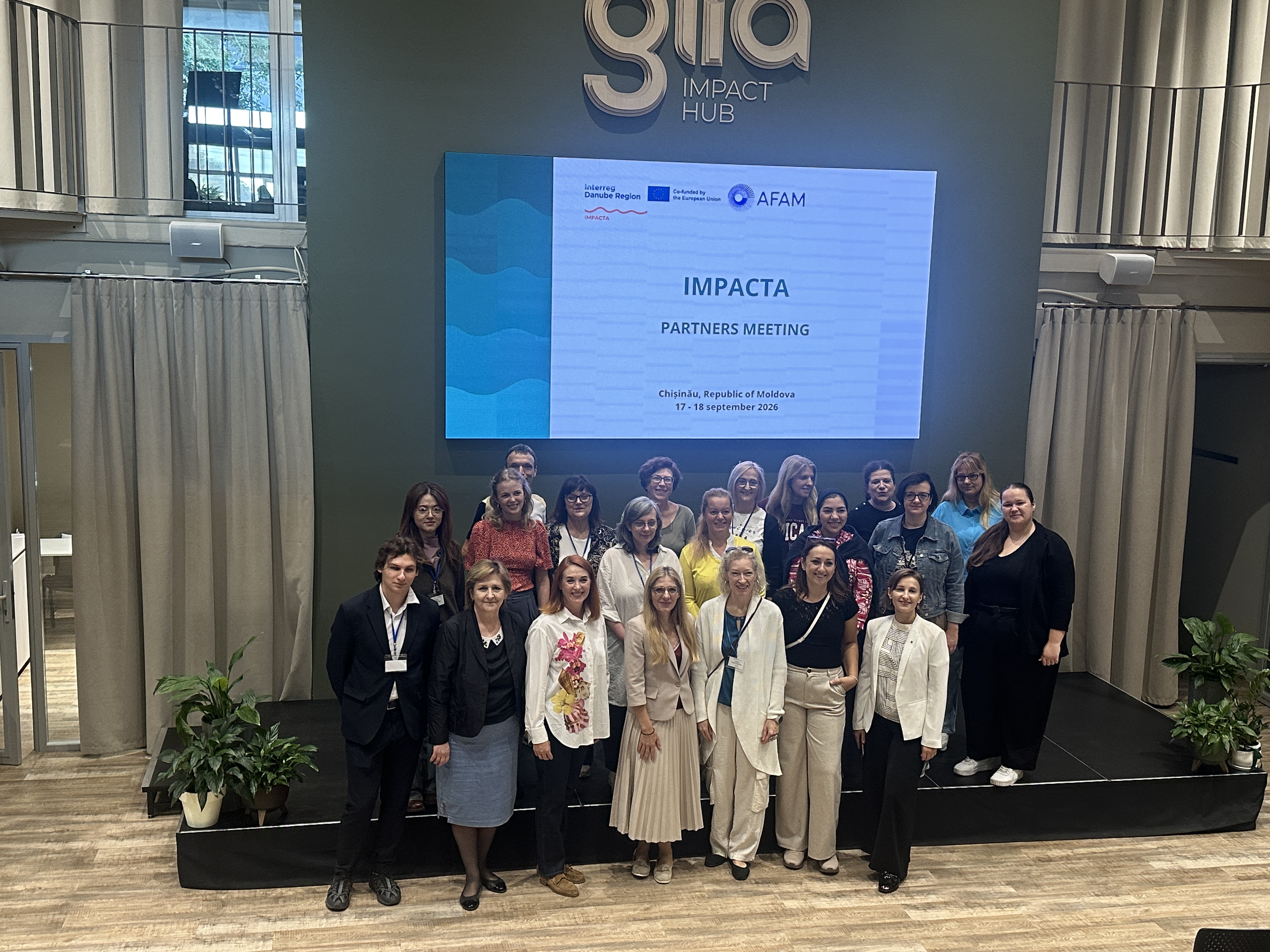
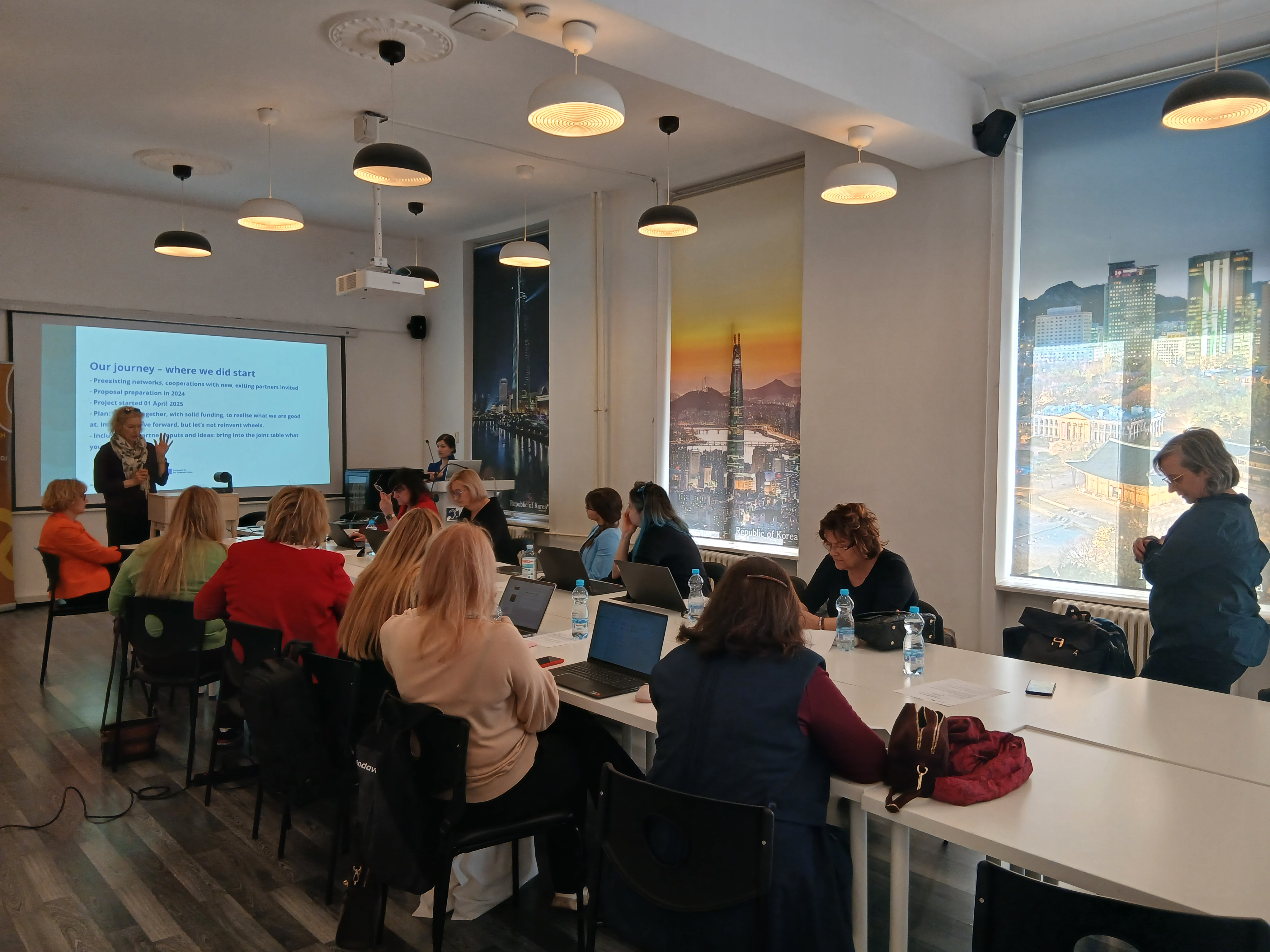
An important milestone was the in-person partner meeting held in Belgrade in March 2026. The meeting helped partners connect the different parts of the project: research, stakeholder involvement, training development and pilot preparation.
Monthly online meetings, shared templates and regular exchange also strengthened coordination within the partnership. The participating organisations bring different but complementary experience. This includes research, policy analysis, women entrepreneur networks, mentoring, investment, business support, innovation ecosystems and cooperation with vulnerable groups.
This diversity is one of IMPACTA’s main strengths. It allows the project to learn from several countries and to develop solutions that can be adapted beyond one organisation or one region.
With the second progress report submitted, IMPACTA is entering a more active stage. The next period will bring more local engagement, training activities, pilot implementation and practical cooperation with stakeholders. The foundations are now in place to turn shared knowledge into useful support for women entrepreneurs across the Danube Region.

16/07/2026
By Renáta Anna Jaksa
Share on social media:


Social

News & Events
Read the most recent updates and explore the upcoming events.



Would you like to receive project updates?
You're already part of our community!
Welcome to our newsletter community!
Subscribe to our newsletter