

International Discussion-Based Exercise in Serbia
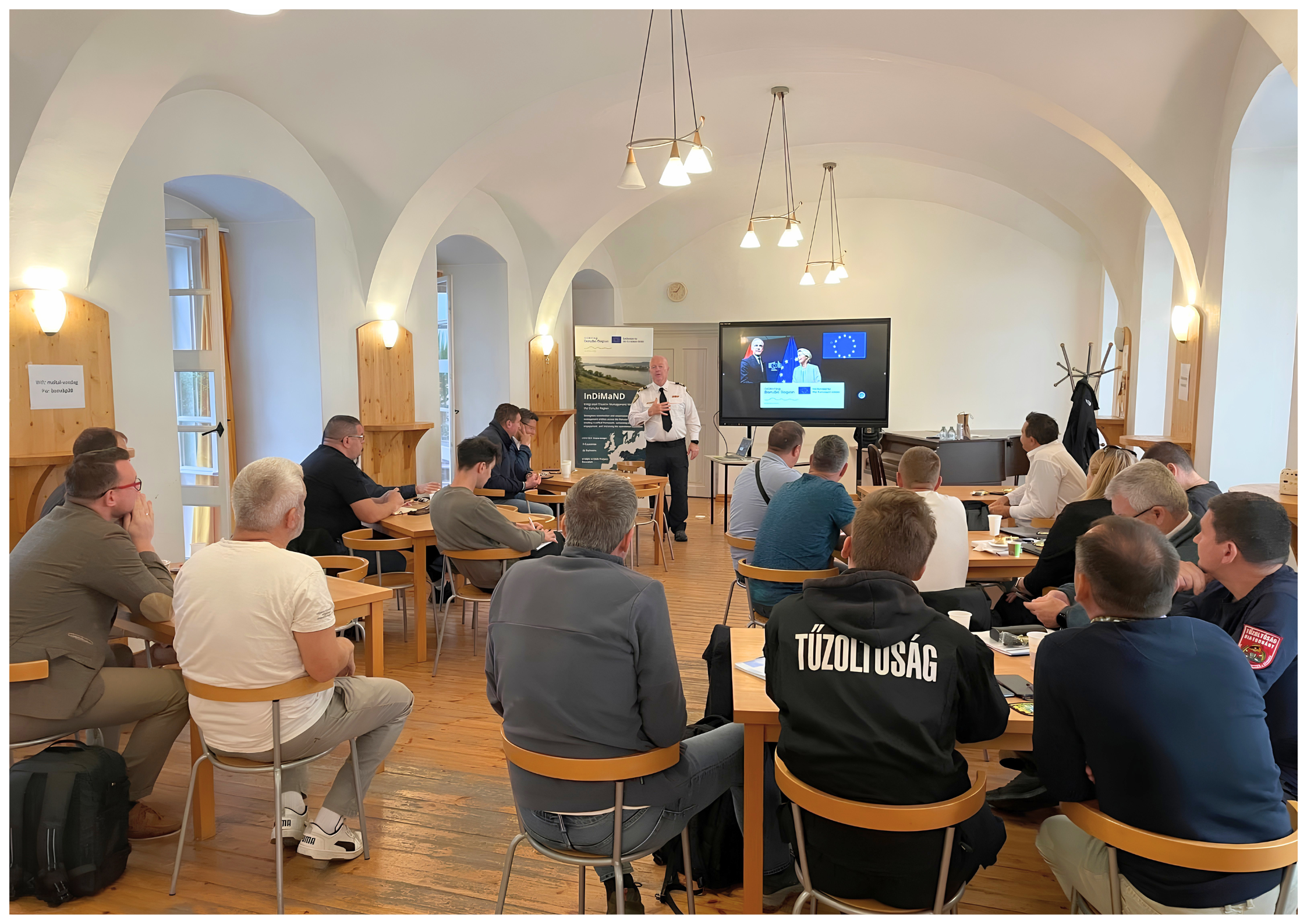
From 4 to 6 November 2026, the InDiMaND project held an international Discussion-Based Exercise (DBX) in Vrdnik, Serbia, focusing on flood risk management, improving disaster preparedness, and strengthening international cooperation.
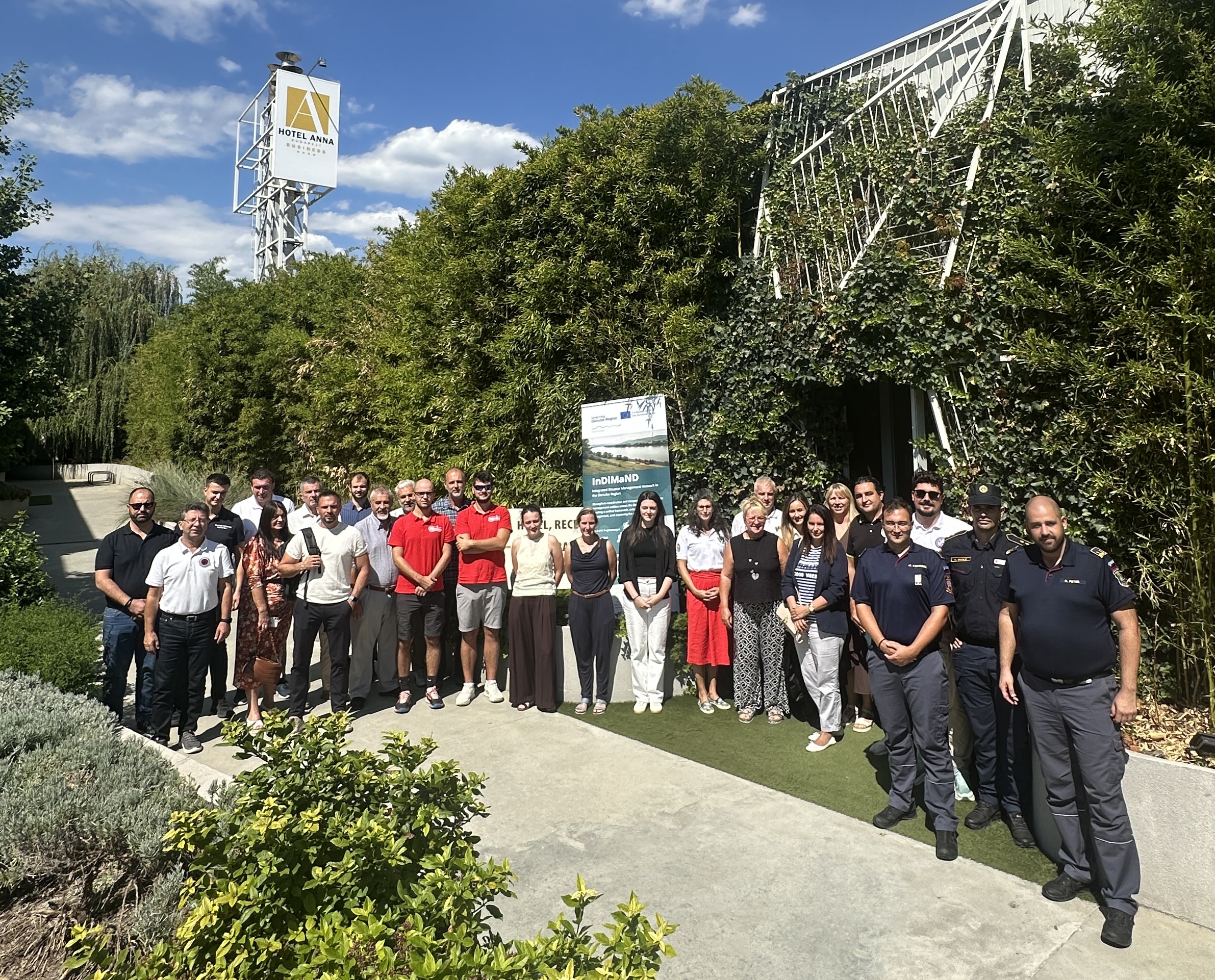
Organised by the Faculty of Technical Sciences at the University of Novi Sad, the event took place at Hotel Fruške Terme. The exercise was held alongside the 17th International Scientific Conference iNDiS 2026, which attracted approximately 200 participants. The InDiMaND programme brought together 24 project partners, professionals, and invited guests.
Scientific Research and Lessons Learned from Recent Fires
On the first day of the three-day event, participants attended the plenary sessions of the international scientific conference.
The keynote lectures examined fire safety and the use of combustible materials in public buildings, with particular emphasis on lessons learned from the tragic nightclub fires in Kočani and Crans-Montana. The presentations highlighted the importance of building fire safety, appropriate material selection, and fire prevention.
Other conference presentations addressed the application of digitalisation and artificial intelligence to support environmental decision-making in construction, satellite-based monitoring of ground deformation, and the challenges of tunnelling in difficult ground conditions.
The second day focused on the InDiMaND project's technical programme. Presentations explored the need for dynamic risk assessment, modelling methods applicable to disaster risk management, the stability of flood protection embankments along the Tisza River, evacuation behaviour, and opportunities to involve volunteers and young people in disaster preparedness.
Focus on the Kanjiža Flood scenario
Following the technical presentations, participants examined a hypothetical flood emergency affecting the municipality of Kanjiža through a discussion-based exercise.
The scenario had previously been developed and tested at the InDiMaND Transnational Workshop held in Novi Sad in June 2026. The November exercise provided an opportunity to further analyse and develop the scenario with the involvement of a wider group of participants.
The joint discussions placed particular emphasis on coordinating flood response operations, information exchange between organisations, resource coordination, and cross-border cooperation.
Modern risk assessment and cooperation as the foundations of preparedness
One of the exercise's key conclusions was that disaster risk assessment should increasingly incorporate dynamic approaches that reflect the evolving nature of emergencies, rather than relying solely on traditional static methods.
Accurate flood risk assessment requires the use of historical hydrological data, climate change projections, and hydraulic models, alongside consideration of population vulnerability and infrastructure exposure.
Participants also emphasised the importance of reliable flood protection infrastructure, effective evacuation planning, and the systematic involvement of volunteers and young people in disaster preparedness.
Shared knowledge for more effective disaster response
A particular strength of the event was the opportunity to examine scientific research findings directly within the context of a realistic disaster scenario. Dialogue between researchers, practitioners, and institutional representatives helped bridge the gap between scientific knowledge and practical experience.
The experiences and professional conclusions gained in Vrdnik will contribute to the next activities of the InDiMaND – Integrated Disaster Management Network in the Danube Region project.
The project aims to strengthen disaster management cooperation among countries in the Danube Region, support joint preparedness, and develop more effective response models that contribute to improving safety and resilience across the region.

17/11/2026
By
Share on social media:


News & Events
Read the most recent updates and explore the upcoming events.



Would you like to receive project updates?
You're already part of our community!
Welcome to our newsletter community!
Subscribe to our newsletter