
NONA final meeting in Šabac: from pilot initiatives to a green investment model for the Danube Region
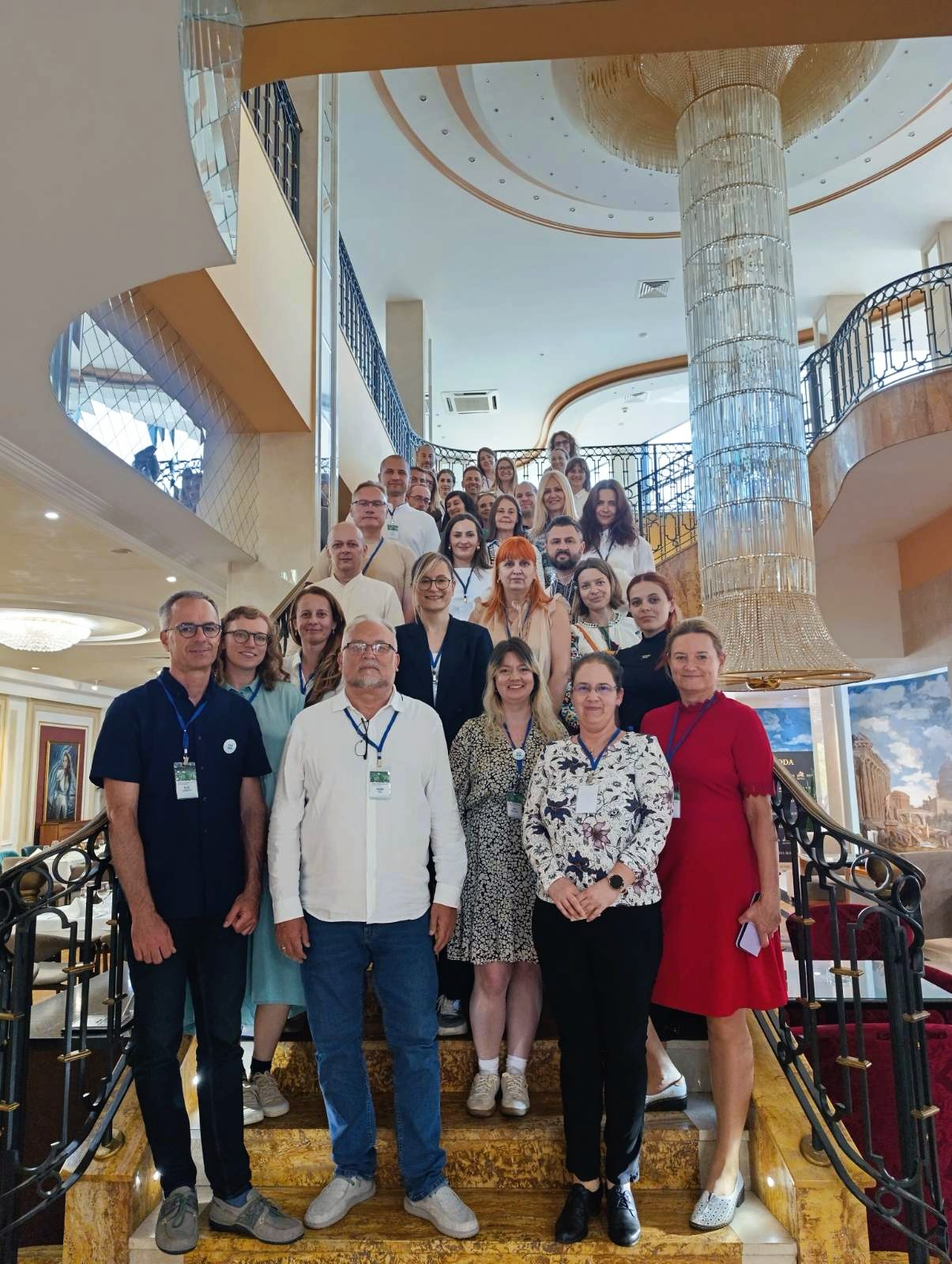
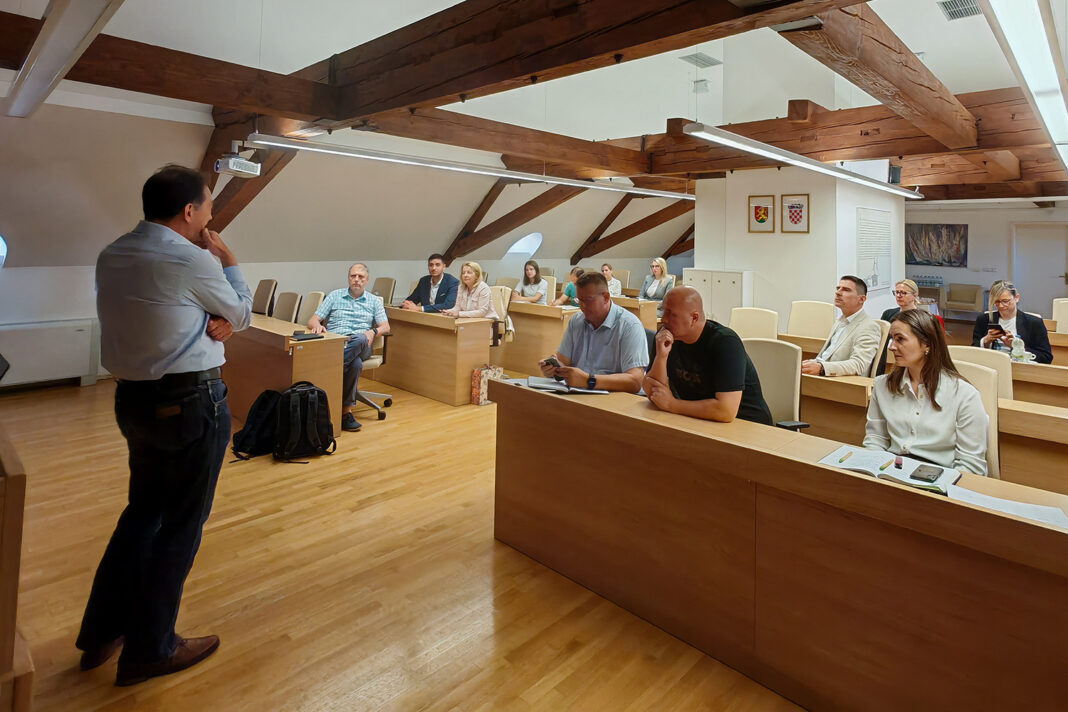
The final international meeting of the NONA - New Governance for New Spaces brought together project partners, international experts, and local representatives to reflect on project achievements and discuss future opportunities for strengthening green investments in urban regeneration and territorial development. The event was hosted by the City of Šabac and the Institute of Architecture and Urban & Spatial Planning of Serbia, and officially opened by the Mayor of Šabac, Aleksandar Pajić, who highlighted the importance of international cooperation, knowledge exchange, and innovative governance approaches in supporting sustainable local development and strengthening the capacity of cities to address future development challenges.
A governance model built across the Danube Region
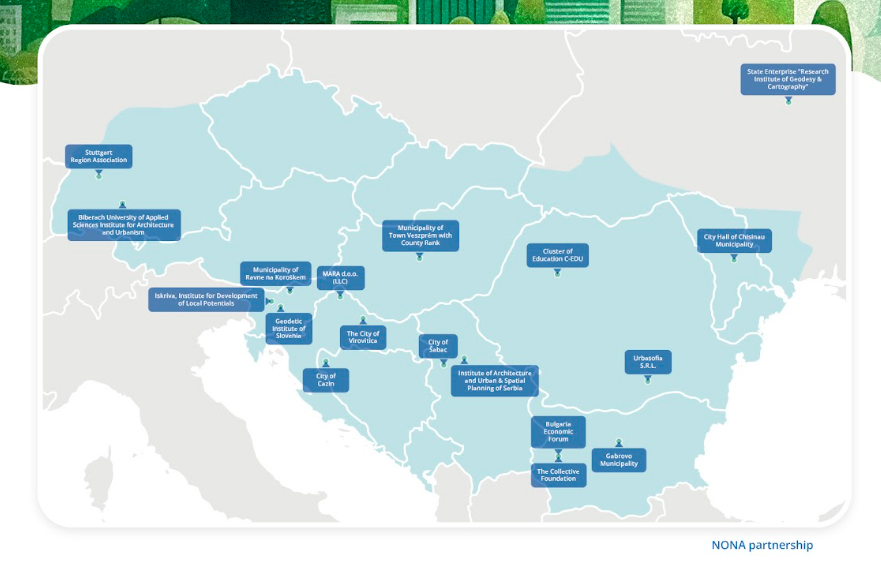
Implemented within the Interreg Danube Region Programme and co-funded by the European Union, NONA has developed a governance model that integrates urban development planning, participatory governance, and investment planning to transform degraded areas into investment-ready development opportunities. A particular focus of the project has been on strengthening cooperation between public authorities, civil society organisations, and the private sector in preparing and implementing green investments.
Over 30 months, project partners tested a common methodology across different territorial contexts in 10 pilot areas, contributing to the development of the NONA Green Investment Model. The final meeting provided an opportunity to present pilot experiences, discuss investment priorities and development potentials, and exchange knowledge on participatory approaches, Local Action Groups, and investment packages developed throughout the project.
From pilots to investment readiness
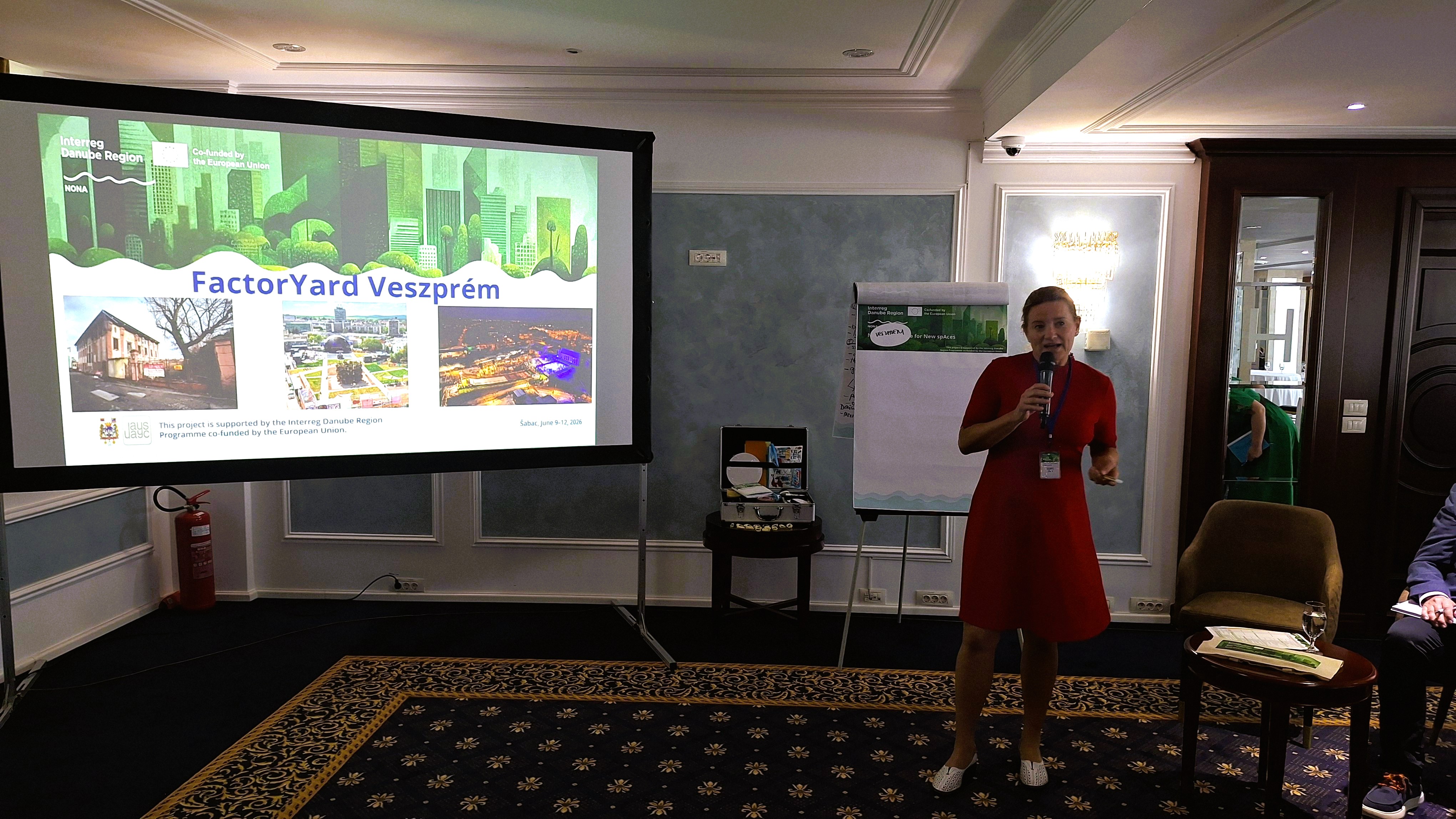
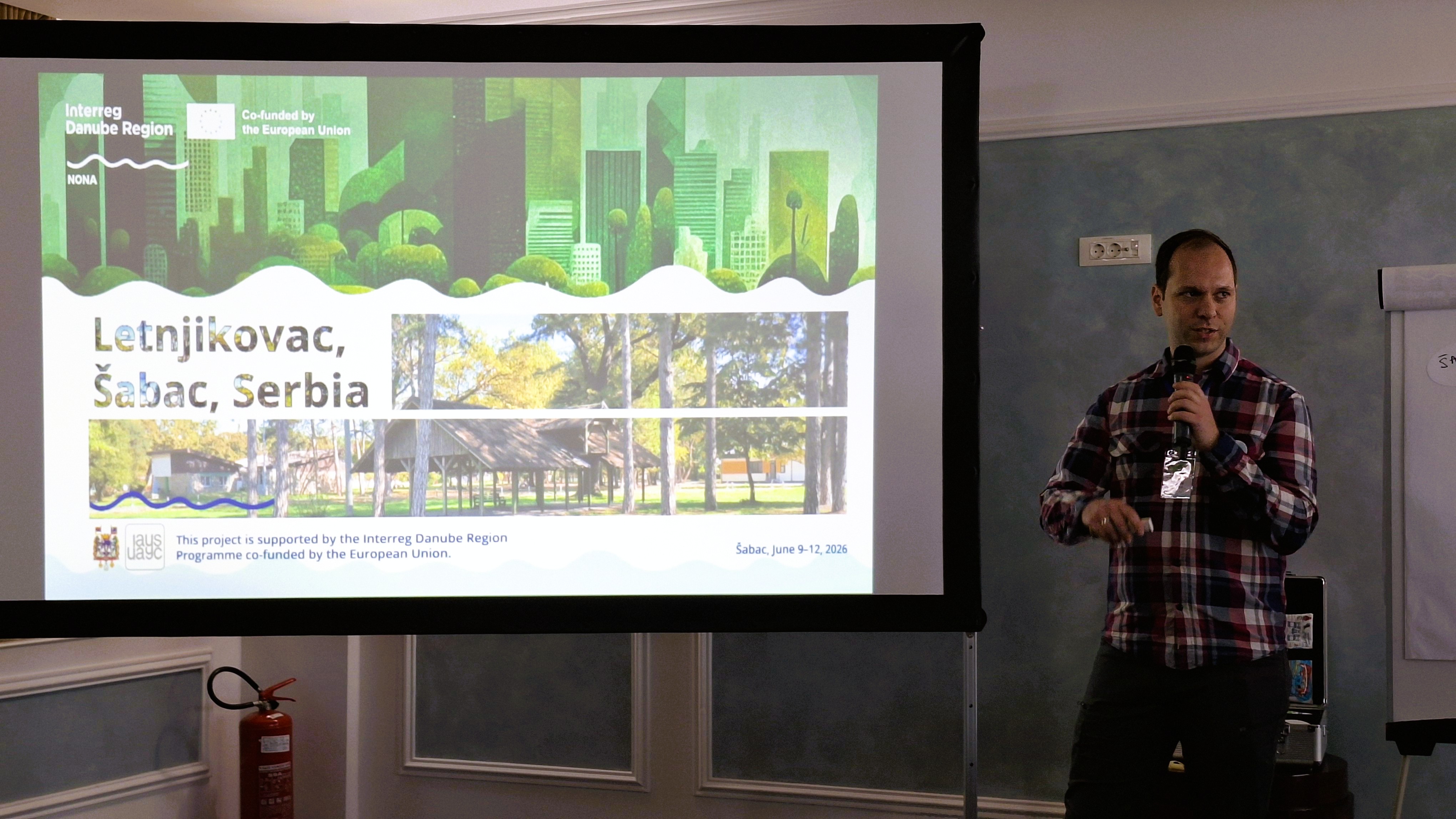
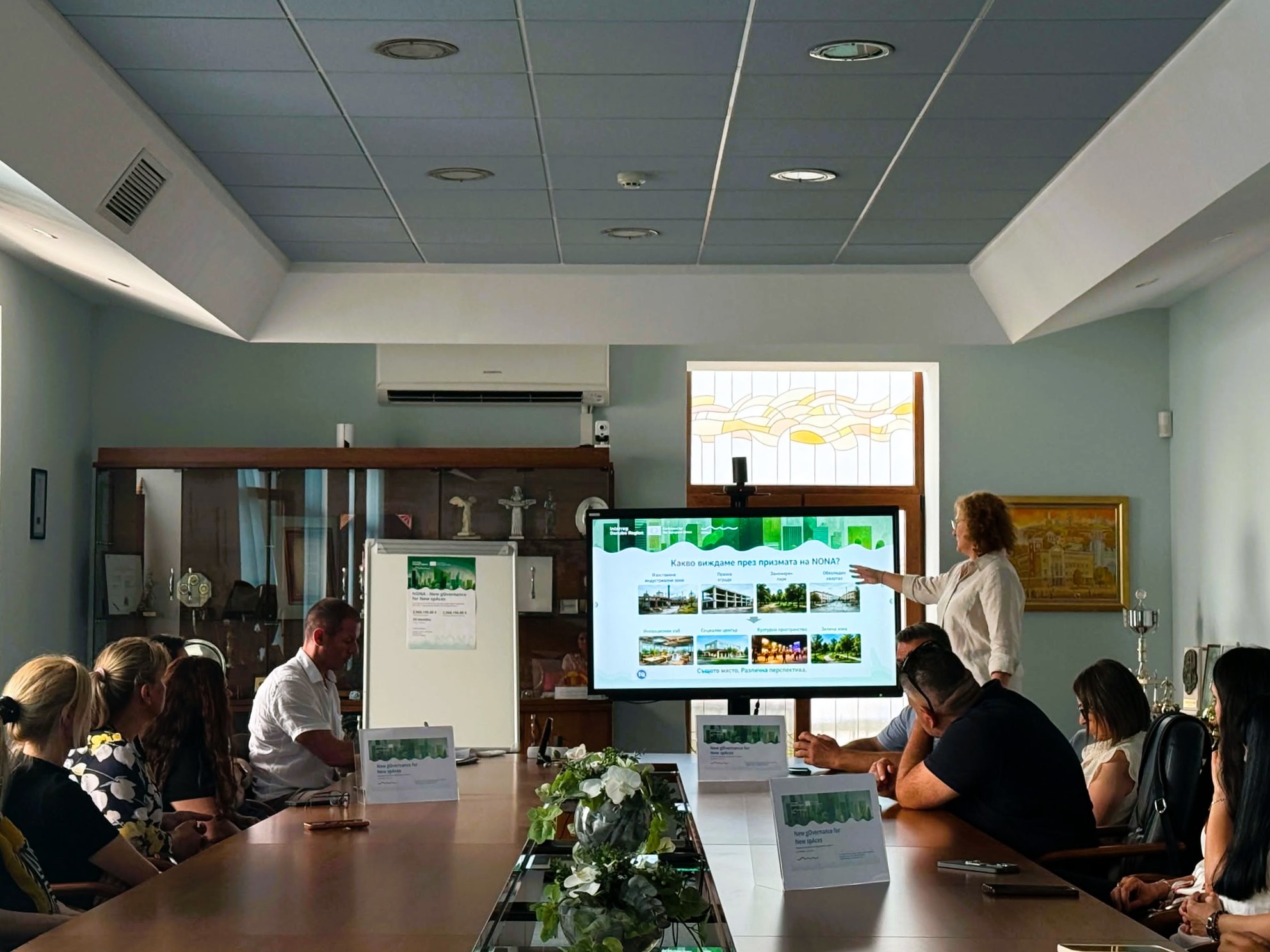
The centrepiece of the meeting was the presentation of pilot projects to representatives of the impact investing community and experts in Integrated Territorial Investments. During the pilot pitch sessions, partners presented their pilot activities, followed by in-depth discussions on how to strengthen the governance capacities of pilot areas and create conditions for long-term socio-economic value in local communities.
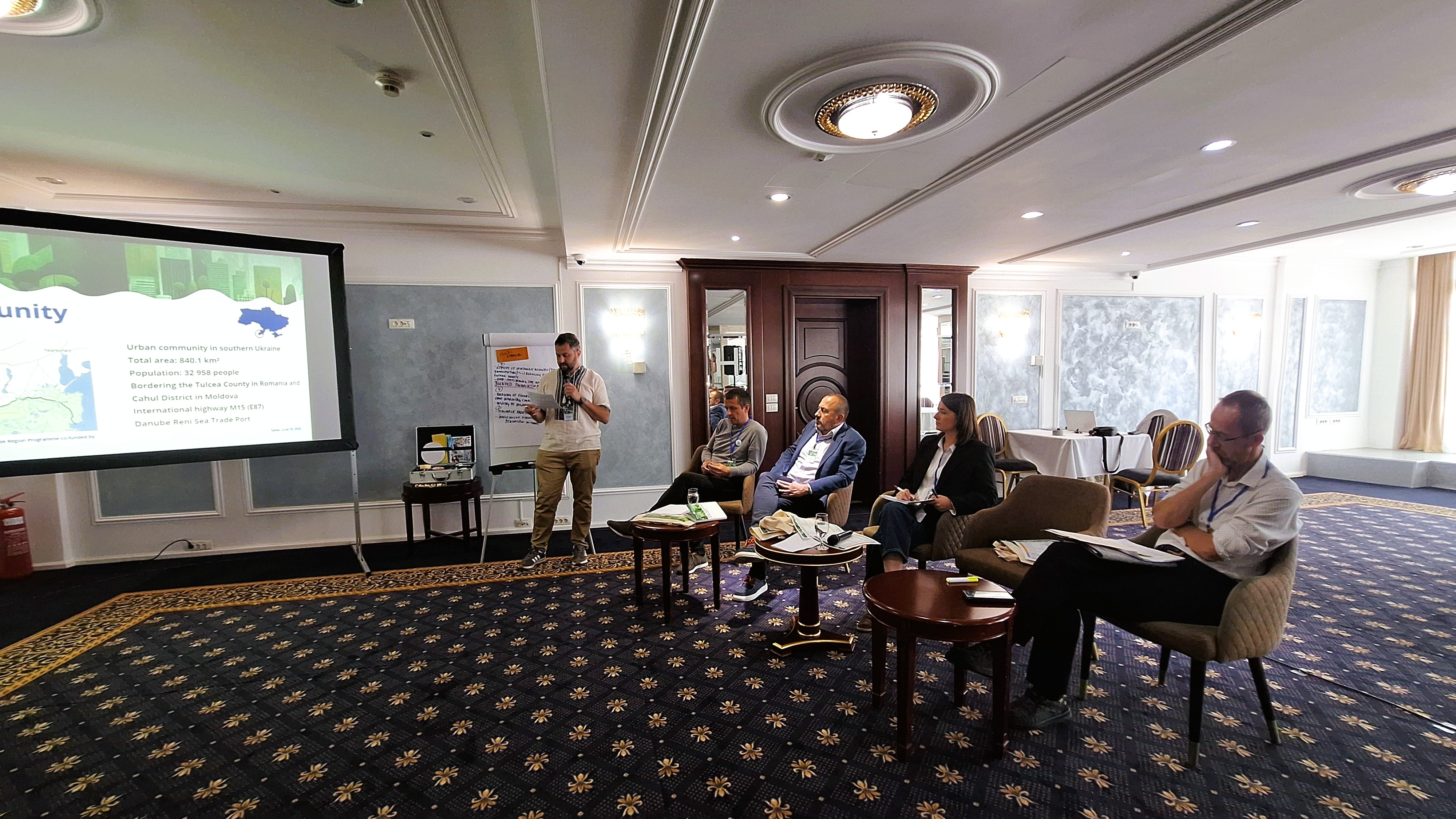
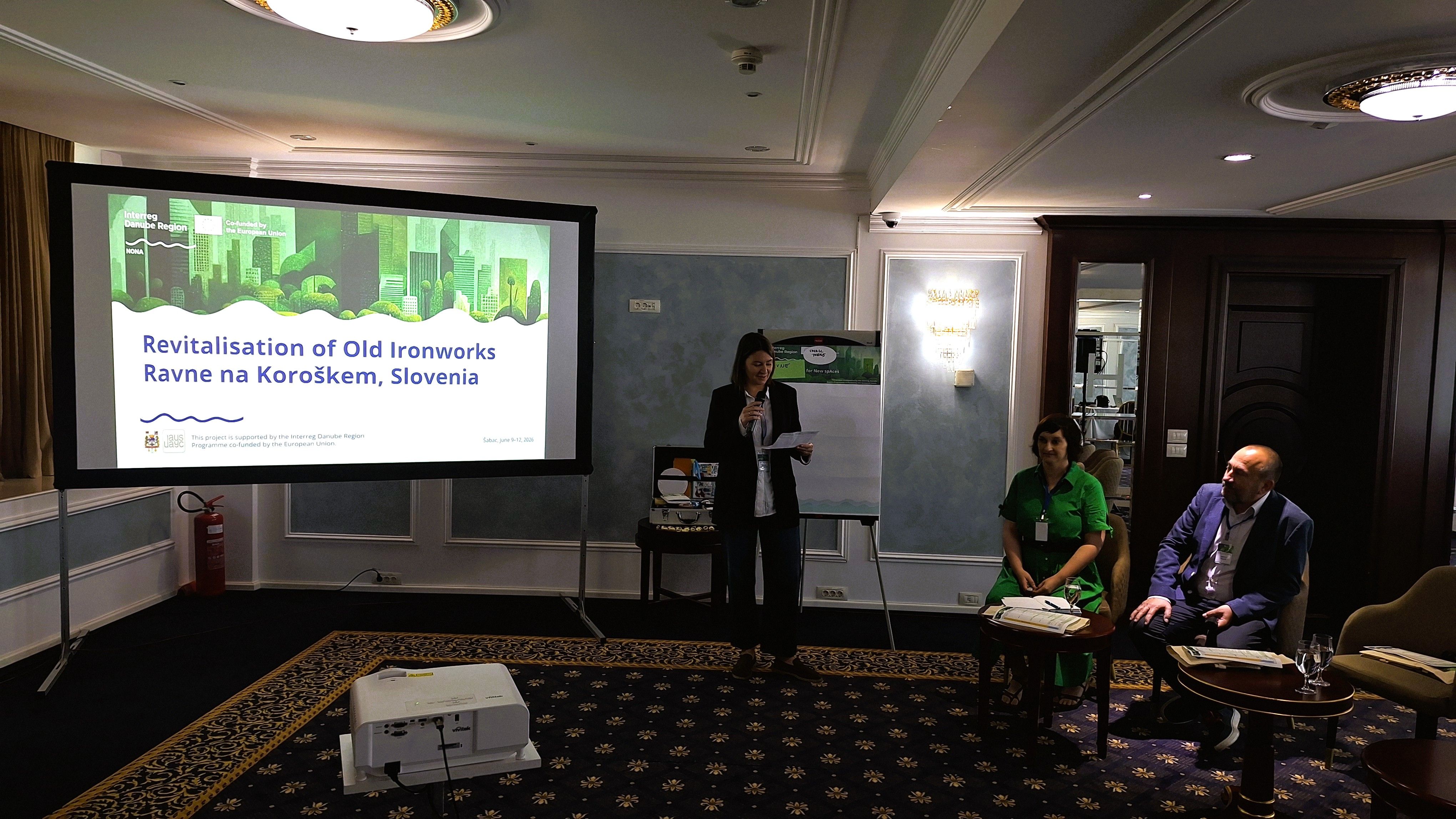
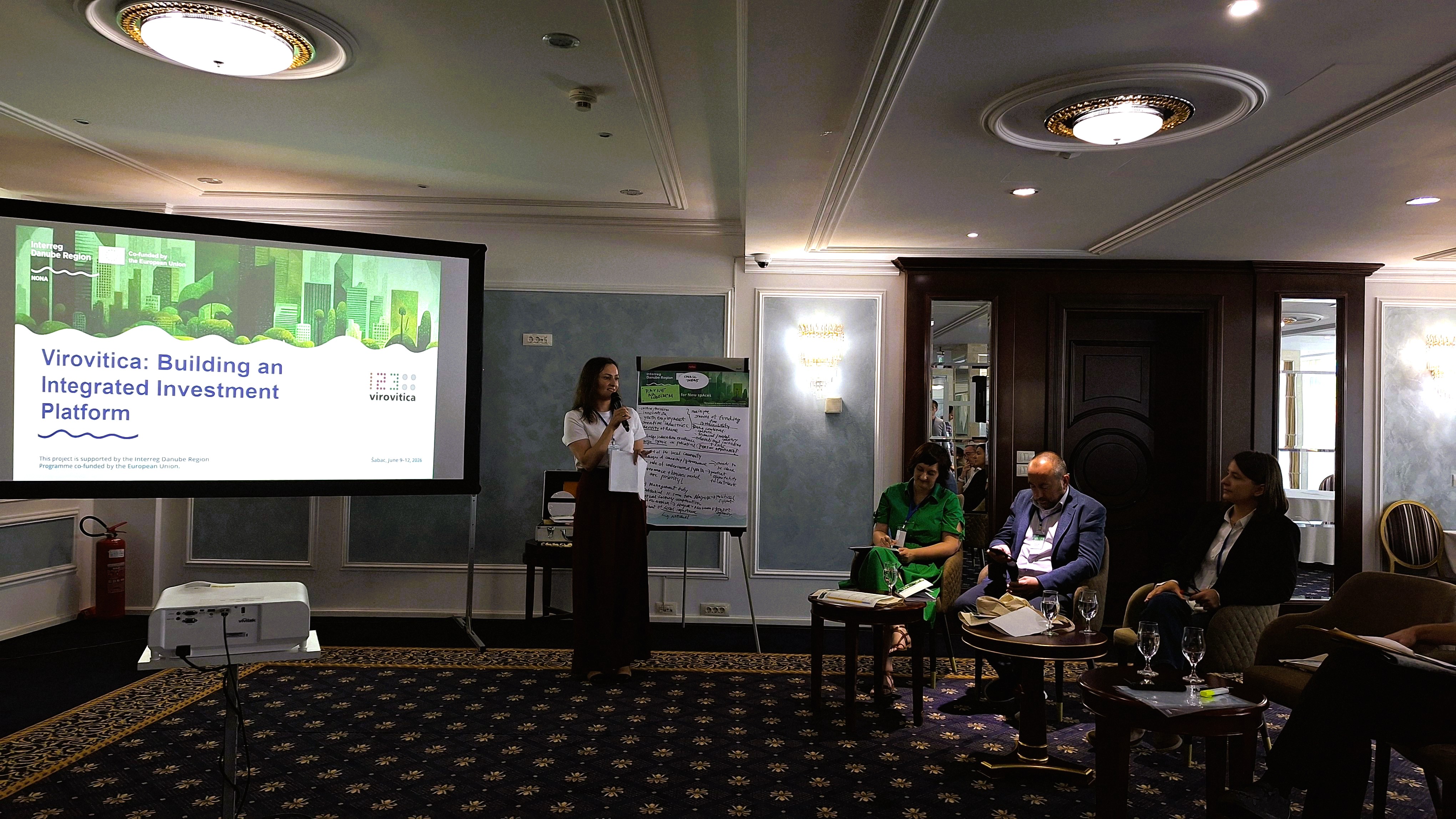
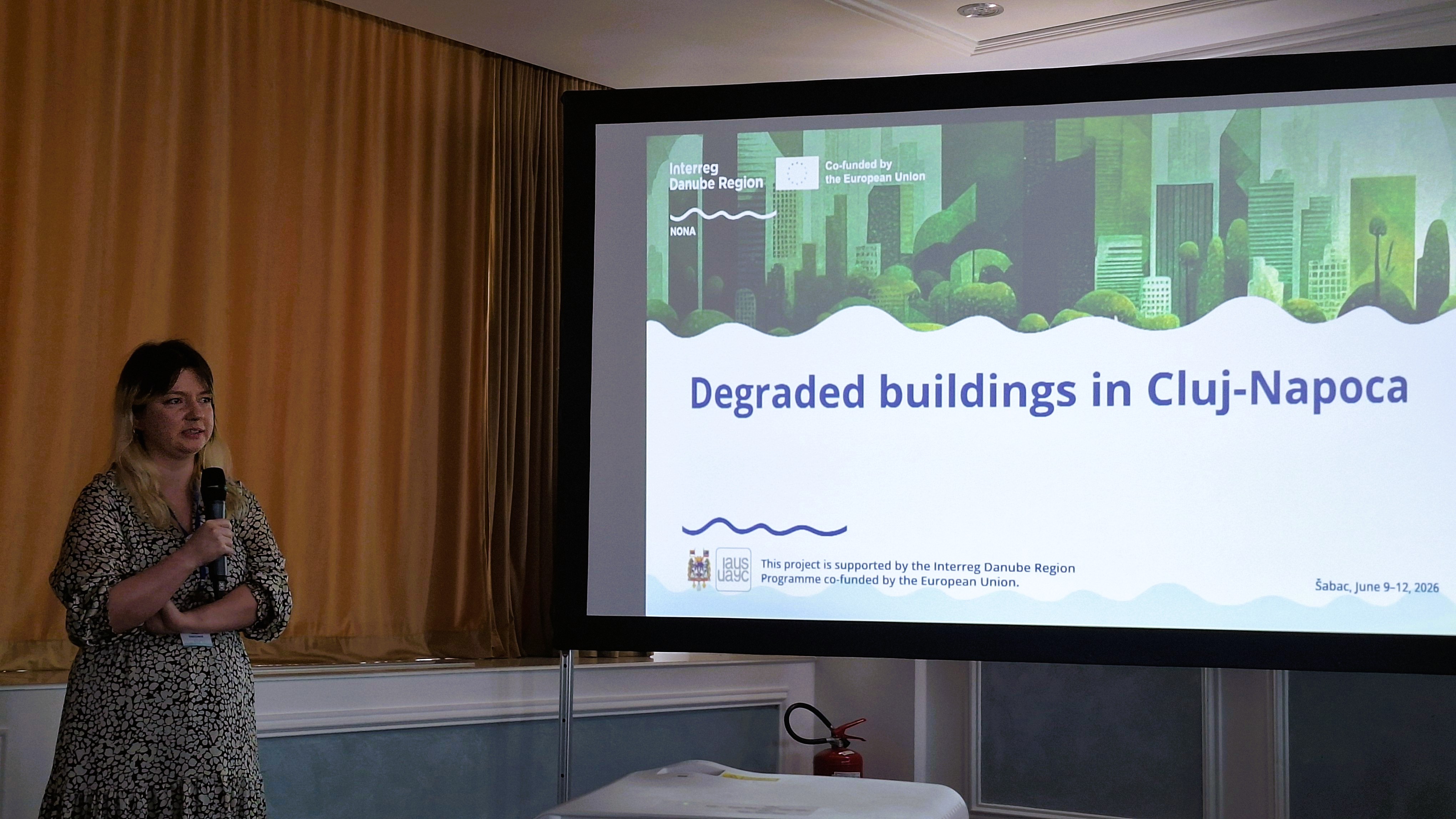
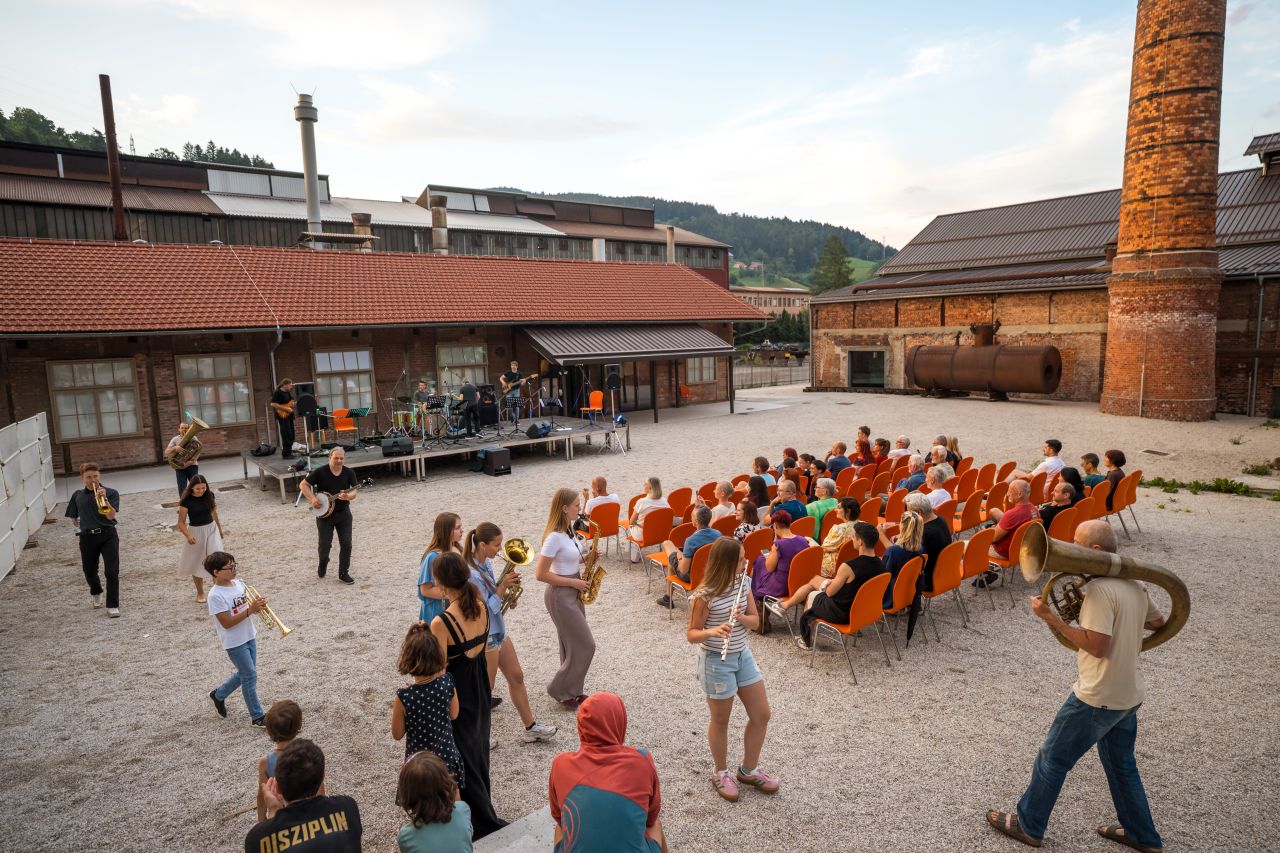
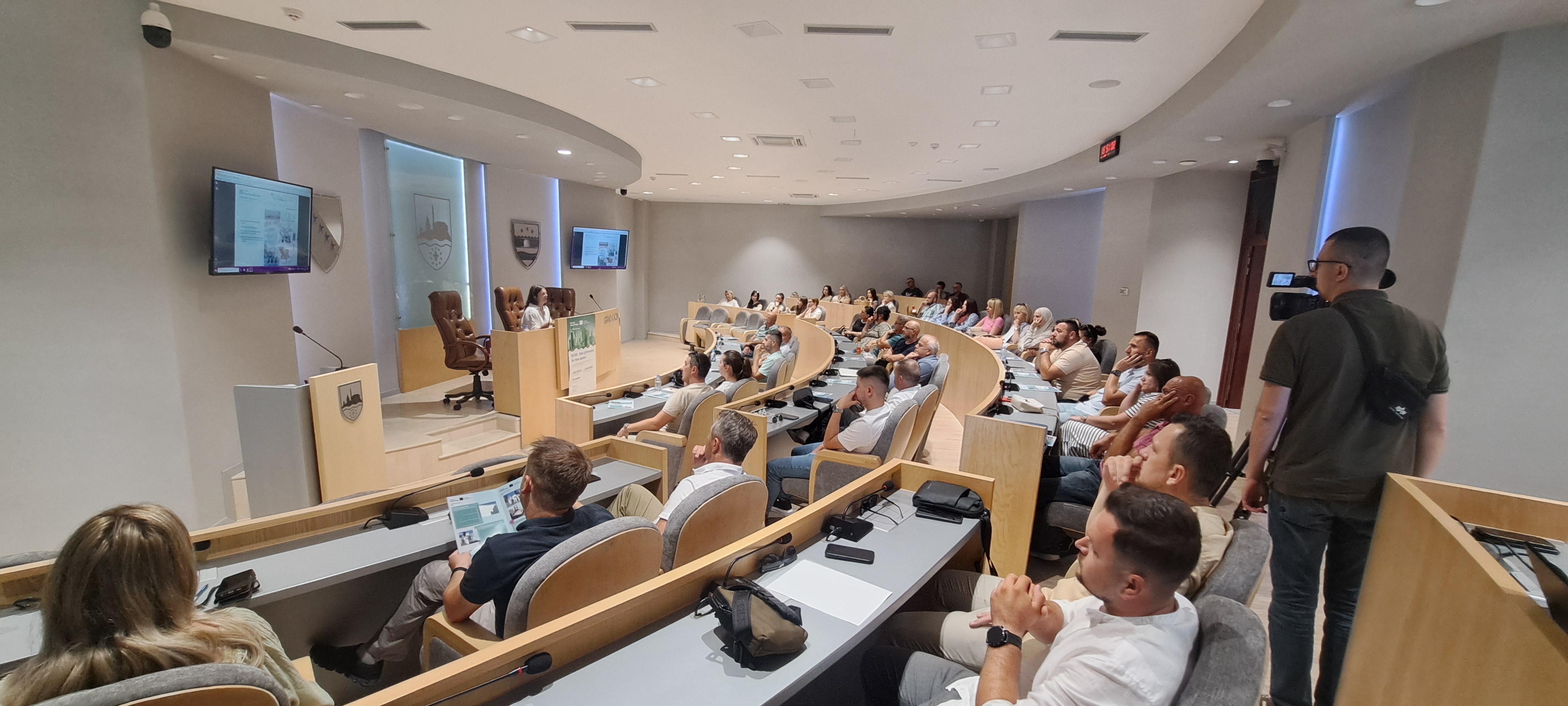
Project partners presented pilot actions testing the common NONA methodology across three distinct territorial contexts. The first session focused on border micro-municipalities, with presentations from Ravne na Koroškem (Slovenia) and Virovitica (Croatia). The second session brought together experiences from mid-sized cities, with presentations from Veszprém (Hungary), Cazin (Bosnia and Herzegovina), and Šabac (Serbia). The third session showcased pilots from urban-rural functional areas, featuring Stuttgart Region (Germany), Cluj-Napoca Metropolitan Area (Romania), and Odesa (Ukraine), alongside a dedicated presentation of SERIGG: Register of Degraded Areas. All sessions were moderated by Zdravko Kozinc ISKRIVA and Nataša Čolić Marković IAUS, and followed by feedback from external experts.
Expert perspectives on territorial investment
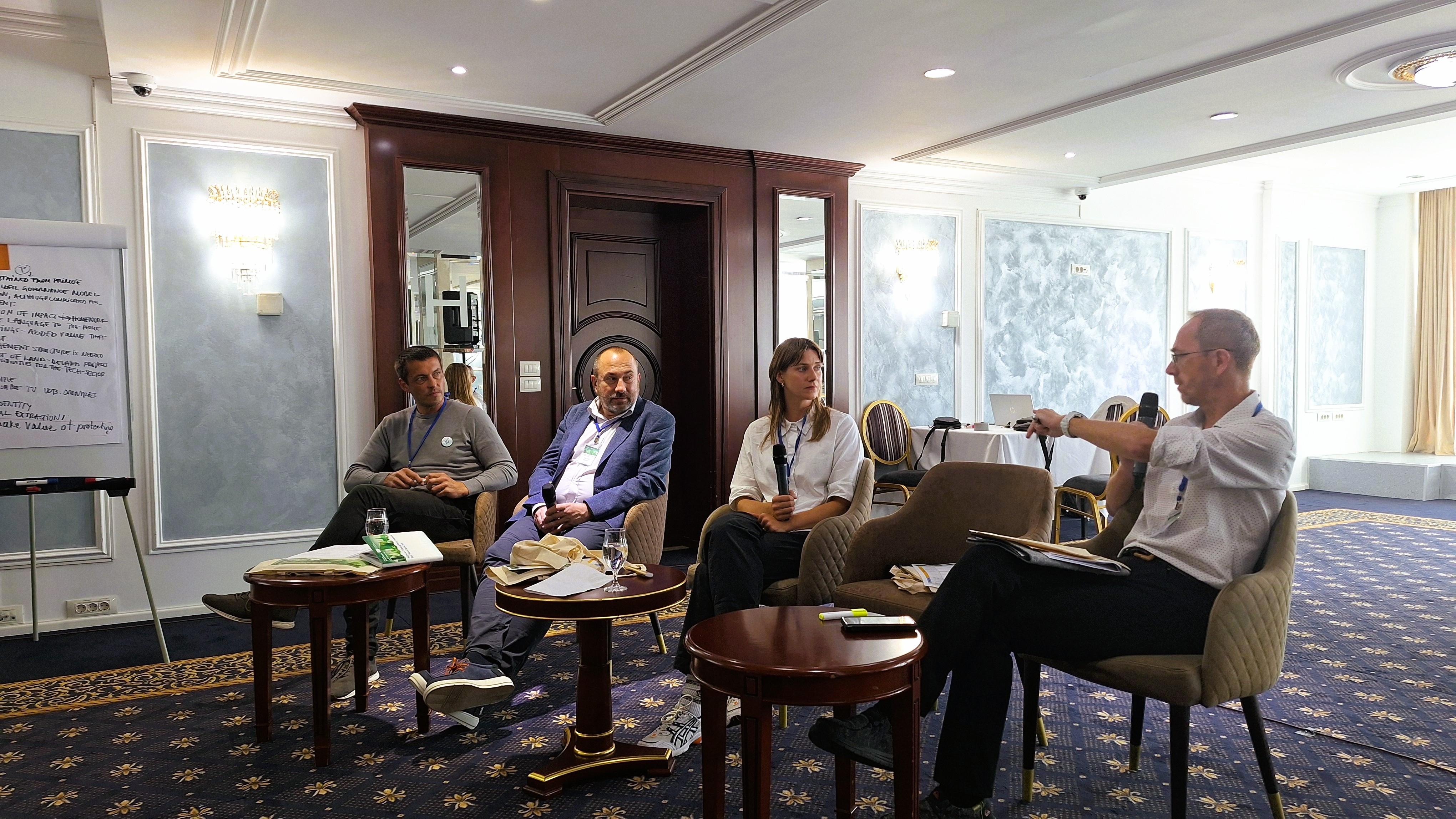
An important contribution to the programme was provided by international experts Viktor Veljović UNOPS and Primož Šporar FUND 2740, who shared insights on territorial governance, investment package development, and impact investment approaches. Their expert evaluations further enriched discussions on the future potential of the initiatives presented by project partners.
Synergies, knowledge exchange, and what comes next
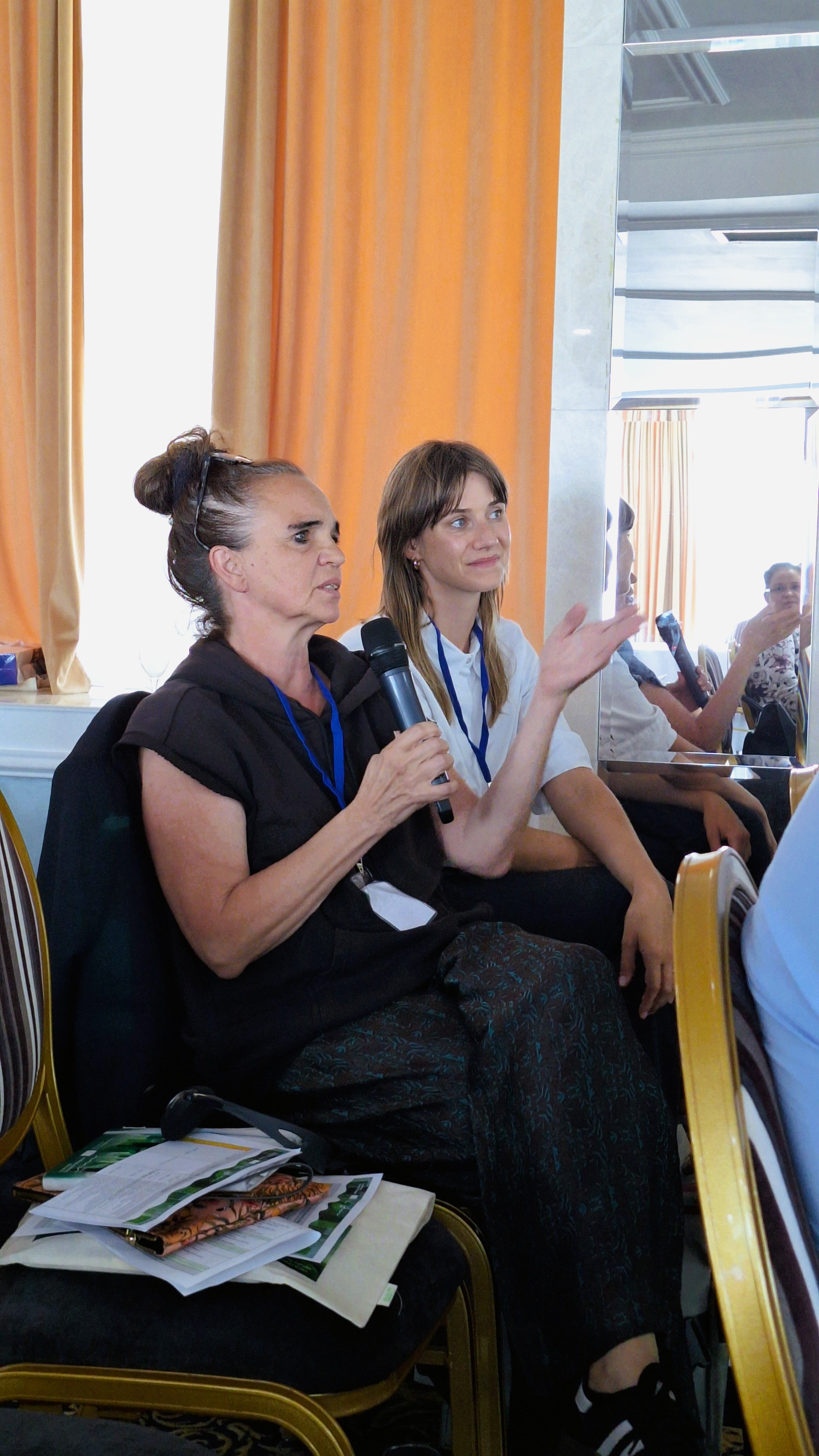
The recommendations gathered through the pilot pitch sessions served as a starting point for a broader discussion on creating synergies between pilots, connecting with new projects and initiatives, and shaping joint activities in the areas of capacity building, knowledge exchange, and international cooperation.
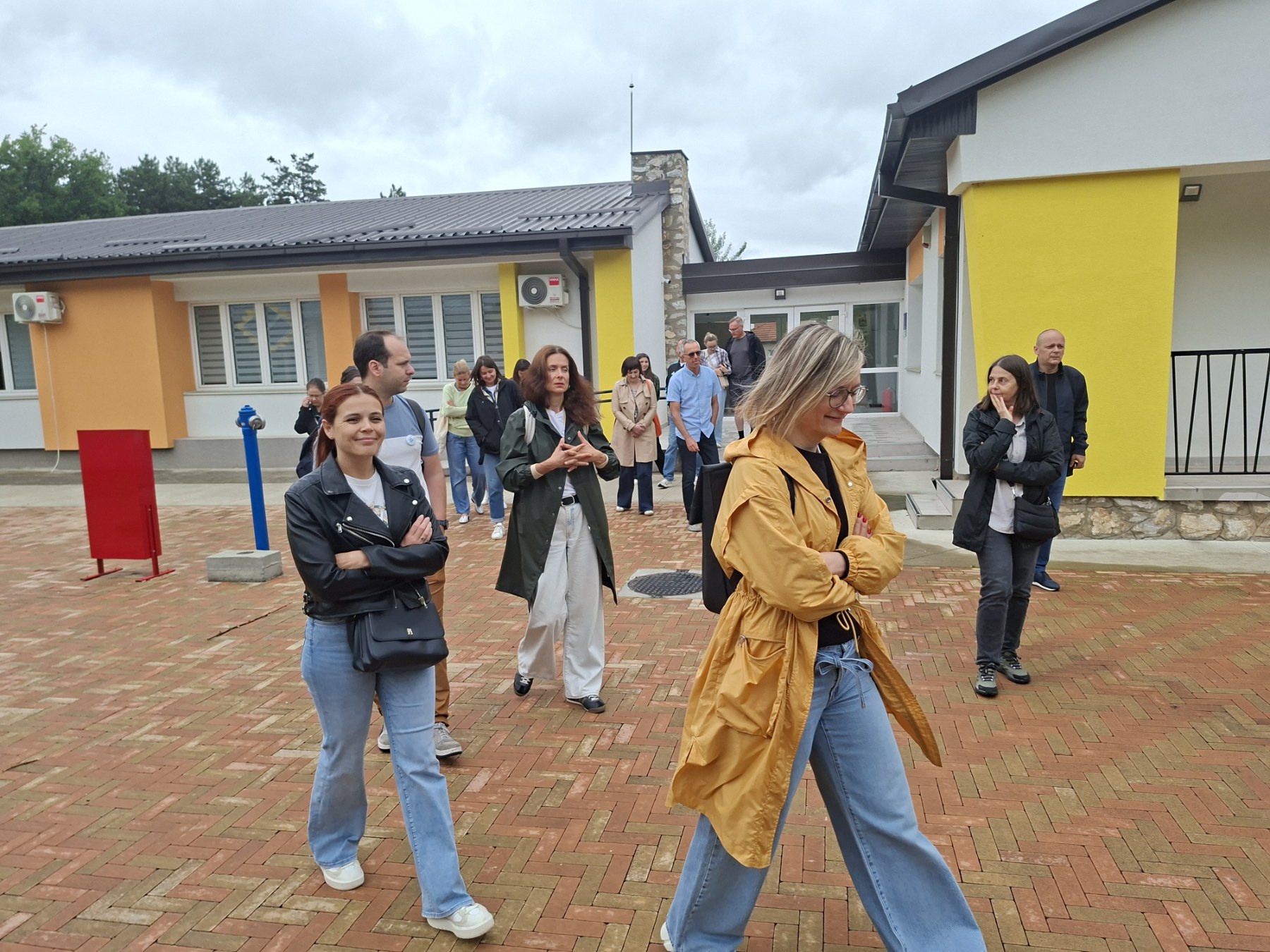
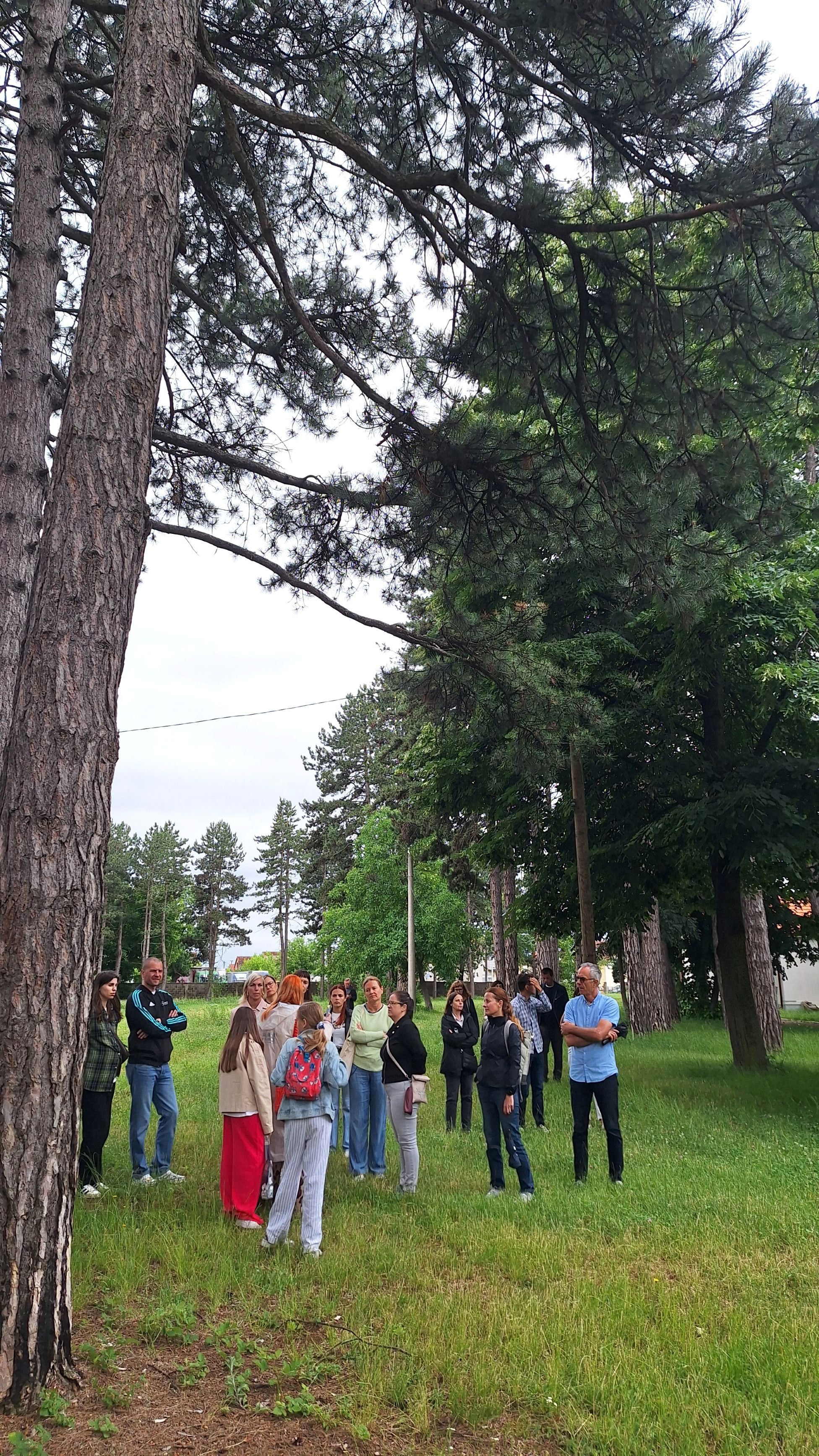
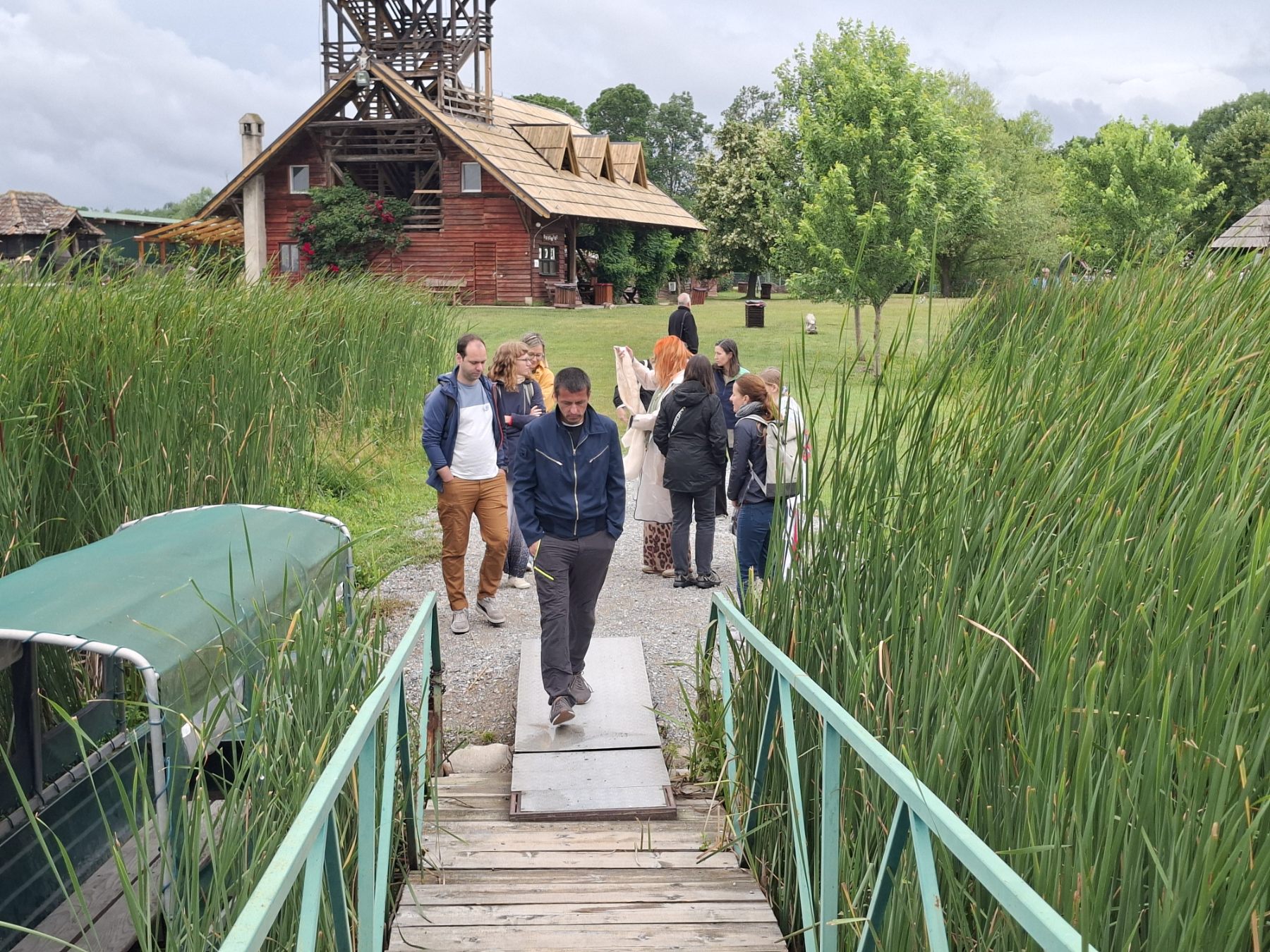
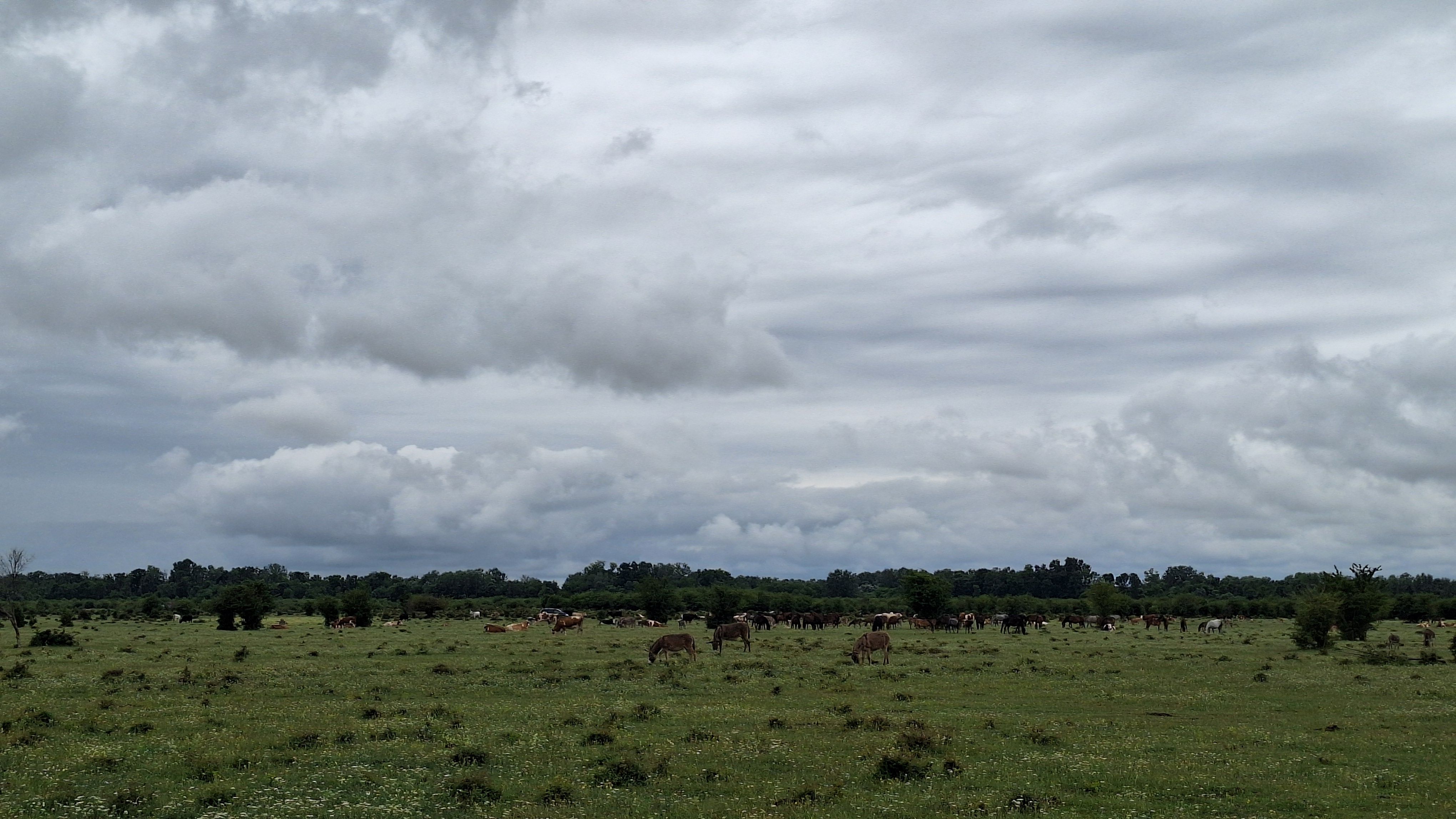
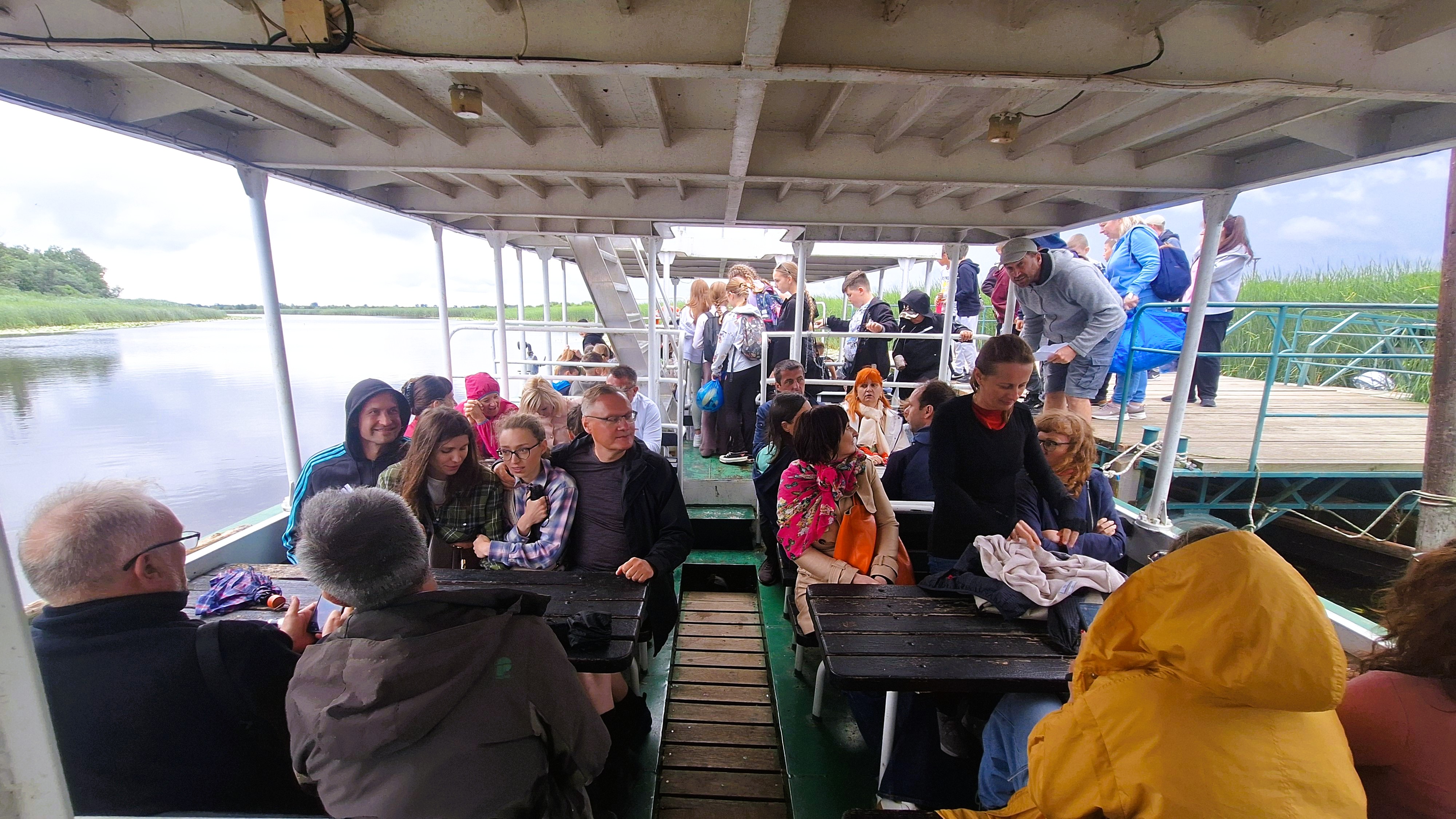
Beyond the conference room, participants had the opportunity to visit the Letnjikovac pilot site in Šabac, a hands-on encounter with one of the project's key regeneration areas that brought the discussions on investment readiness and participatory governance to life. The programme also included a visit to the Special Nature Reserve Zasavica, one of Serbia's most significant wetland ecosystems, where we explored the reserve by boat and electric train. A heartfelt thank you to our wonderful hosts for their warm hospitality, dedication, and the truly special atmosphere they created for our final gathering.

17/06/2026
By
Share on social media:


News & Events
Read the most recent updates and explore the upcoming events.

Would you like to receive project updates?
You're already part of our community!
Welcome to our newsletter community!
Subscribe to our newsletter