
NRGCOM White Paper: a practical guide for renewable energy communities in the Danube Region
The NRGCOM project has published its White Paper on the successful creation and more sustainable functioning of renewable energy communities — the project's principal capitalisation document and one of its flagship results (Output 3.3, Deliverable D3.6.1). It brings together the research findings, pilot experience, stakeholder input and policy recommendations produced over three years of transnational cooperation into a single, practical reference for the whole Danube Region.
Download the White Paper (pdf)
The White Paper addresses two closely connected challenges. First, it identifies the legal, financial, technical and organisational conditions needed to successfully establish new renewable energy communities (RECs). Second, it examines the measures required to keep existing communities economically viable, socially inclusive and environmentally sustainable over the long term. Particular attention is given to governance models, citizen participation, access to financing, digitalisation and cross-sector cooperation.
The document is structured in two parts. Part A applies to energy communities in general — mapping the region's energy landscape, the EU Clean Energy Package, common barriers and the benefits of community-led energy. Part B takes a deeper dive into the specific frameworks and circumstances of each partner region. The 12 target countries — Austria, Bulgaria, Croatia, Czech Republic, Germany, Hungary, Moldova, Montenegro, Romania, Serbia, Slovakia and Slovenia — differ widely, from mature markets such as Austria and Germany to countries still building their first initiatives. The full national reports are included as annexes, offering country-level detail alongside the transnational overview.
Download the White Paper Annexes (pdf)
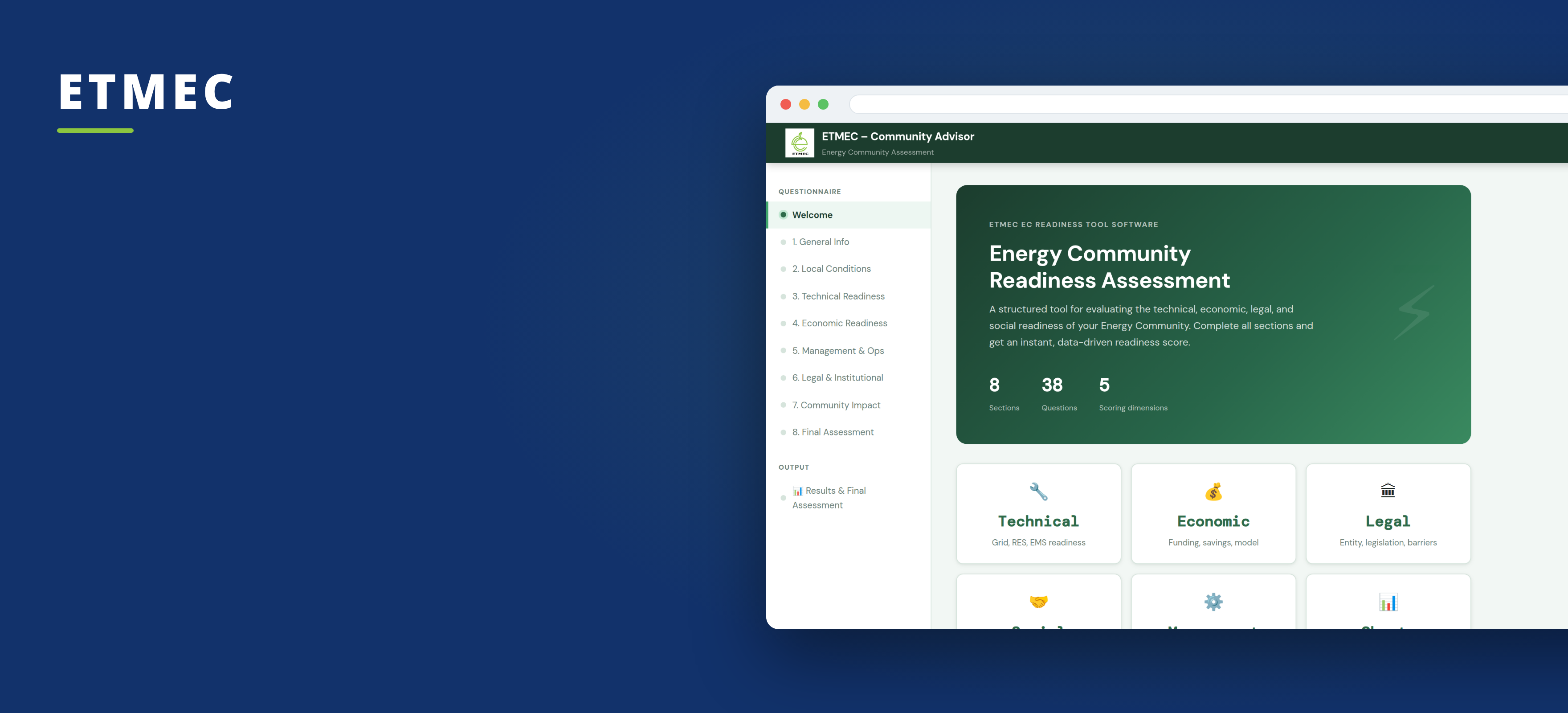
The White Paper draws directly on NRGCOM's pilot actions: the mentoring pilots in Hungary, Croatia, Serbia, Moldova and Germany, and the technological pilots (validating the ETMEC Community Advisor readiness tool) in Austria, the Czech Republic, Slovakia and Slovenia.
Its seven key executive messages remind readers that RECs are socio-technical systems, not merely technical projects; that legal and regulatory maturity is the most decisive factor for success; and that trust-based communication, ambassadors and inclusive design are essential to mobilise participation and ensure a just energy transition.
The White Paper will be revised three years after project closure and remains freely available as a lasting resource for policymakers, municipalities, energy agencies and REC initiators across the Danube Region.

13/07/2026
By NRG COM
Share on social media:


Green

News & Events
Read the most recent updates and explore the upcoming events.


Would you like to receive project updates?
You're already part of our community!
Welcome to our newsletter community!
Subscribe to our newsletter