
Fabric: From an Overlooked District to a Community-Led Destination
FABRIC URBAN PILOT │ TIMIȘOARA ROMANIA
Fabric: From an Overlooked District to a Community-Led Destination
How local people are turning heritage, creativity and urban nature into new reasons to discover the oldest industrial district in Timișoara
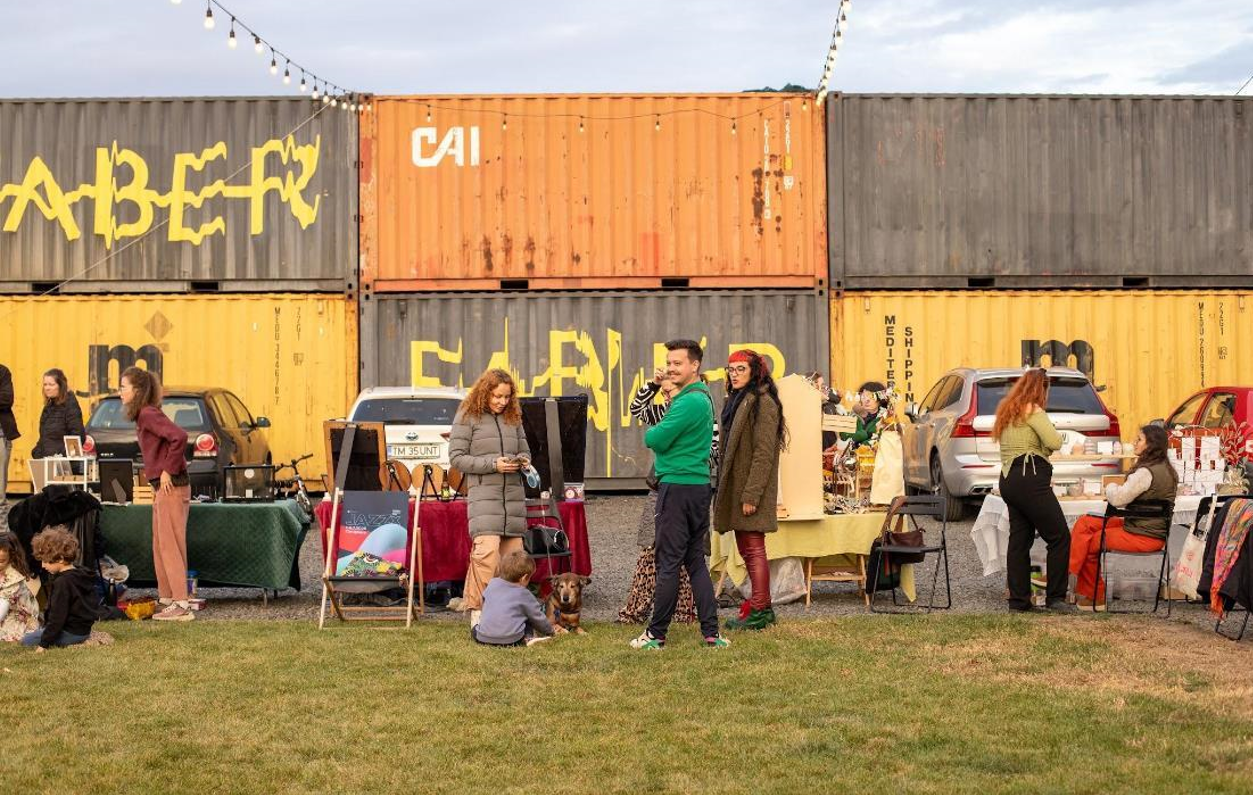
Tourism Days in Fabric brought local makers, residents and visitors together in the FABER courtyard.
Our People Powered Tourism pilot series reaches Timișoara through Fabric, the city’s oldest industrial and commercial district. Factories, workshops and markets shaped this part of the city, alongside its multicultural heritage, the Bega Canal and Regina Maria Park. Yet most visitor flows still remain in the historic centre, leaving Fabric and many of its stories outside the usual route.
Beyond the Historic Centre
Fabric has an active creative community and a strong identity, but territorial stigma and years of decline have reinforced perceptions of the district as marginal, while visitors – including the city’s own residents – have had few opportunities to discover Fabric through the people who know it from within. Current infrastructure works have also reduced access and footfall, adding pressure on local makers and small businesses at the very moment when visibility and cooperation matter most.
At the same time, Fabric is being rediscovered and regenerated by residents, makers, artists, social entrepreneurs and NGOs who are giving new life to its heritage, public spaces and local stories. Destination Management Organization Timisoara worked with this community to test whether a locally-led visitor economy could bring people beyond the centre, support local activity during the construction period and contribute to the district’s regeneration. The process culminated in the Fabric - Reviving District Tourism Days, a two-day urban pilot co-organised with the social cooperative Ecoóp Fabric on 17 and 18 October 2026.
Mapping Fabric From Within
The programme began a year before the public event. A kick-off meeting at FABER brought together 42 stakeholders, followed by mapping and thematic sessions with residents, NGOs, makers, entrepreneurs and local professionals. Walkshops with 25 high-school students and 22 international People Powered Tourism experts tested and enriched the emerging ideas, while participatory place-branding workshops explored how Fabric wanted to present itself.
This year-long process identified the people who could become hosts and storytellers, the local assets that could become visitor experiences and the qualities that make Fabric distinct. Rather than commissioning ready-made tourism products, the pilot connected knowledge, skills and initiatives already rooted in the district and shaped them into a shared programme.
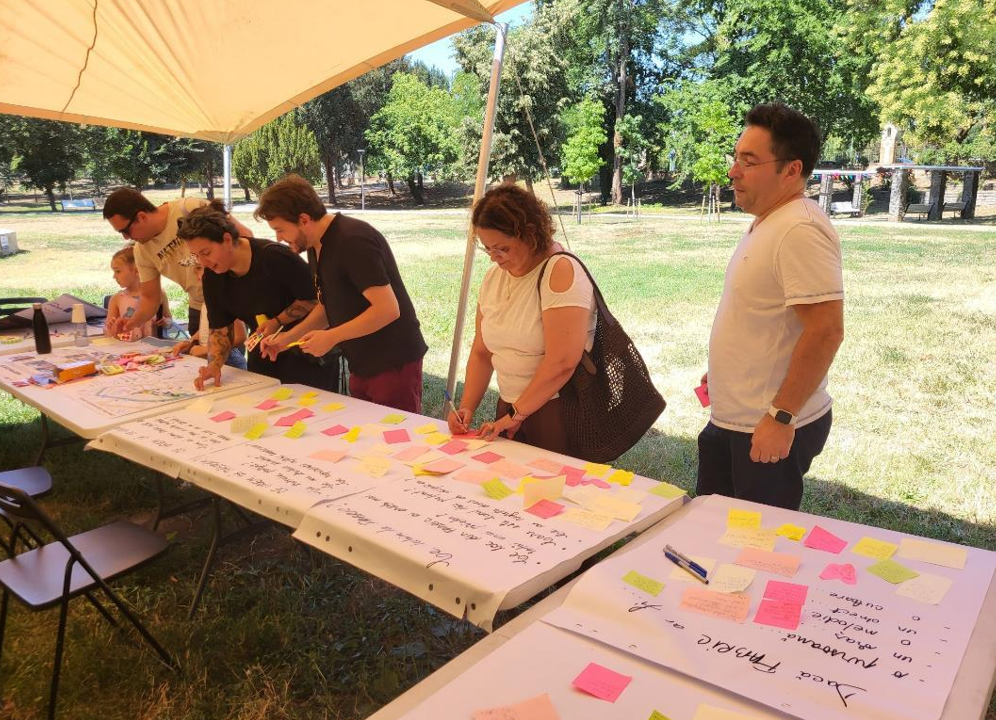
Mapping and co-design helped the community identify, Fabric’s stories, potential hosts and future visitor experiences.
Six Routes Into the District
Local organisations and professionals then turned those ideas into six guided experiences for different audiences. Architects explored resilience and regeneration; a senior resident shared the Fabric of yesteryear; heritage volunteers opened the story of Vorpark; families read the park and river with a nature educator; landscape architects offered a different view of Regina Maria Park; and a local guide led the English-language tour Why Fabric?.
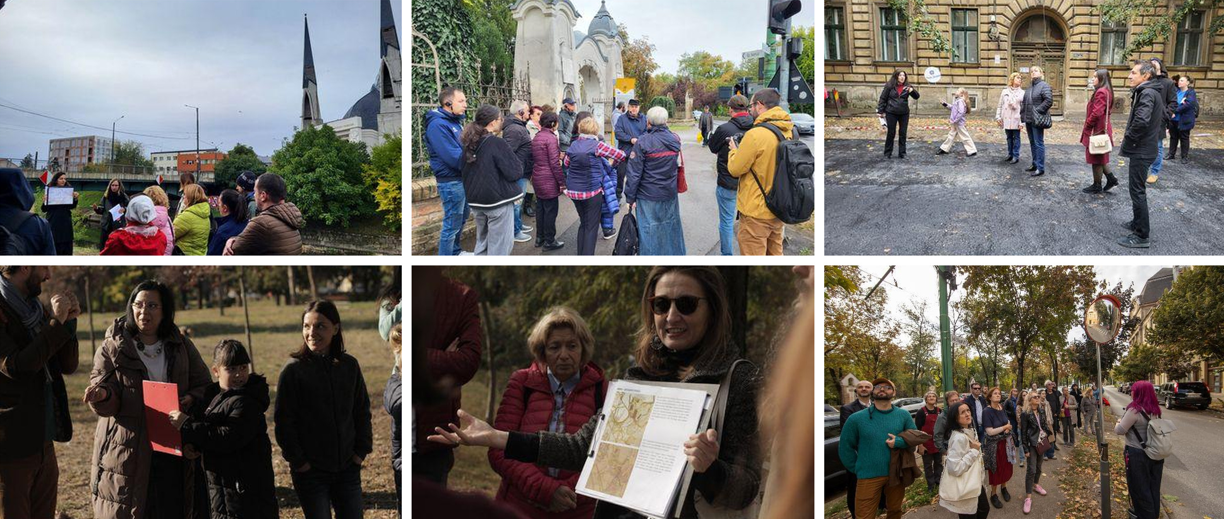
Six themed tours connected visitors with Fabric’s architecture, memories, heritage and urban nature through people who know the district from within.
Each route grew from a particular perspective, but together they created a fuller portrait of the neighbourhood. Temporar, ACSMT, Prin Banat and Heritage of Timișoara, ACIA and Teren Comun, Timișoara Tour Guide and nature educator Alexandra Recășan contributed their own knowledge and methods. The guides were not interpreting Fabric from a distance; they were sharing the places, memories and questions that shape their work and everyday lives.
A Courtyard Becomes a Community Hub
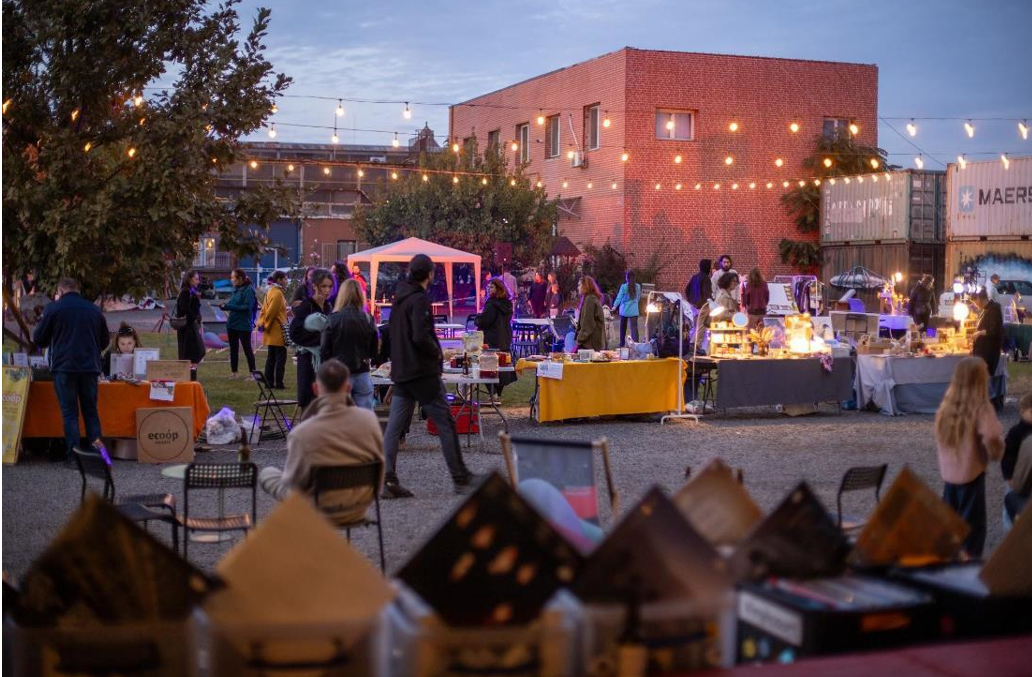
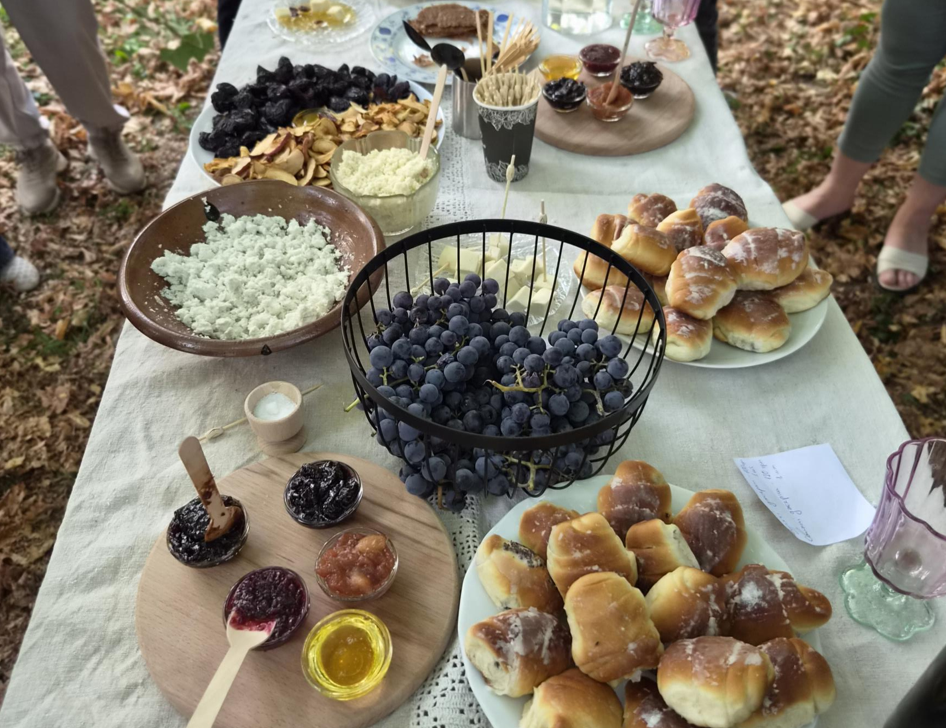
Around the tours, Ecoóp Fabric organised the Autumn Eco-Shop Fair under the theme Nature Craft Community. The FABER courtyard filled with local and low-waste products, creative workshops, food, music and dance. Visitors made ceramic imprints, collages, embroidery and paper micro-journals, tasted ferments, joined a drum circle and contributed ideas to the participatory workshop The Identity of the Fabric District.
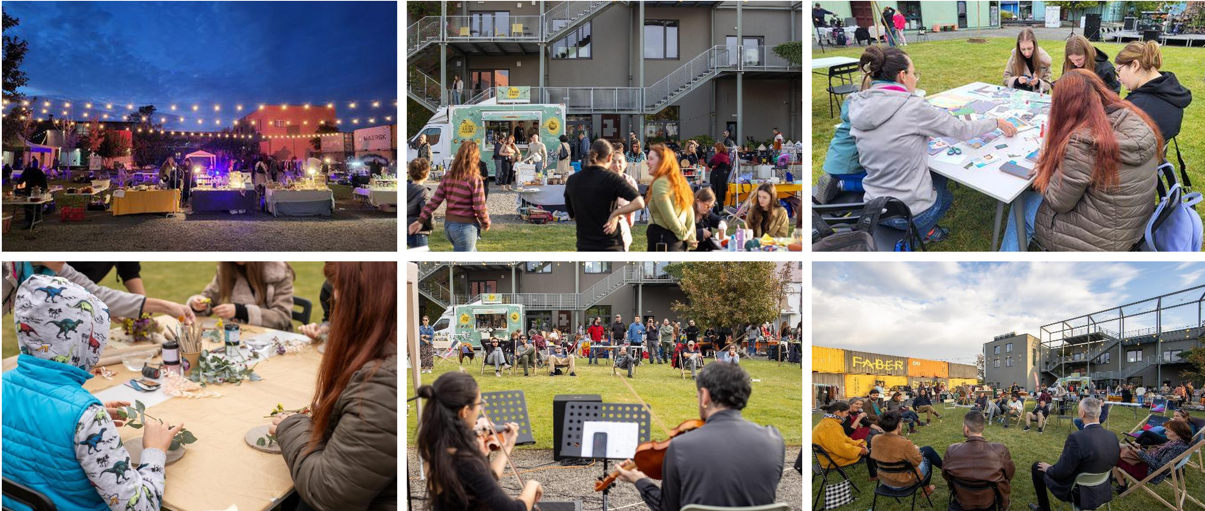
The Autumn Eco-Shop turned the FABER courtyard into a meeting place for makers, families, artists, specialists and neighbours.
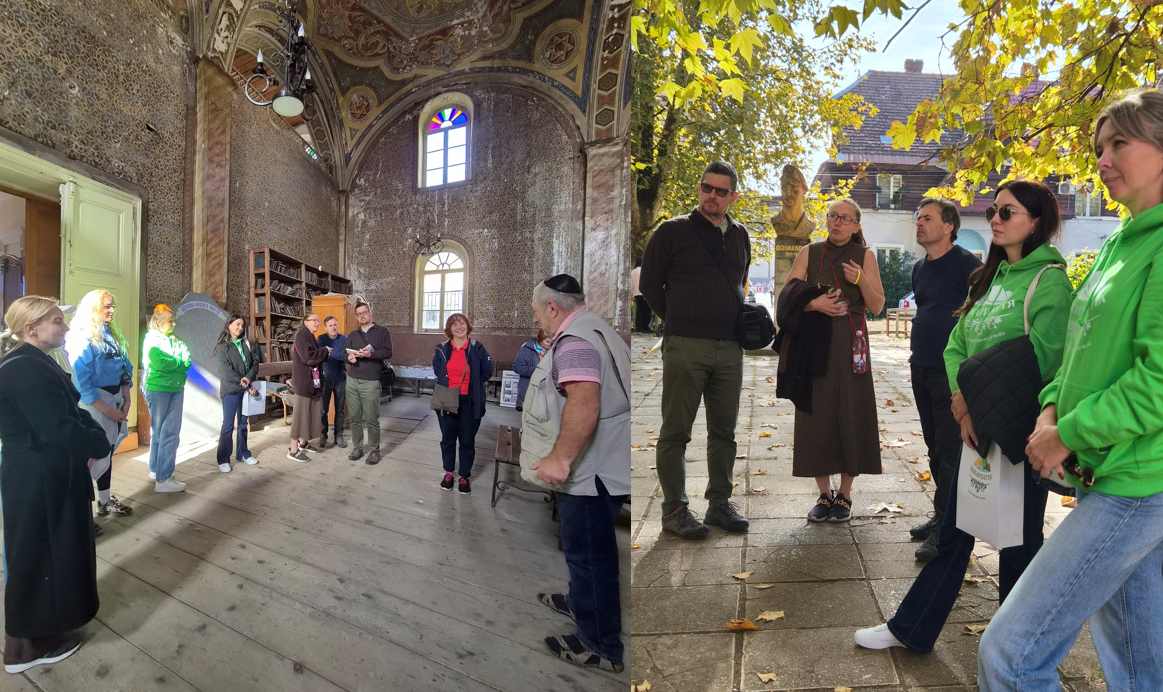
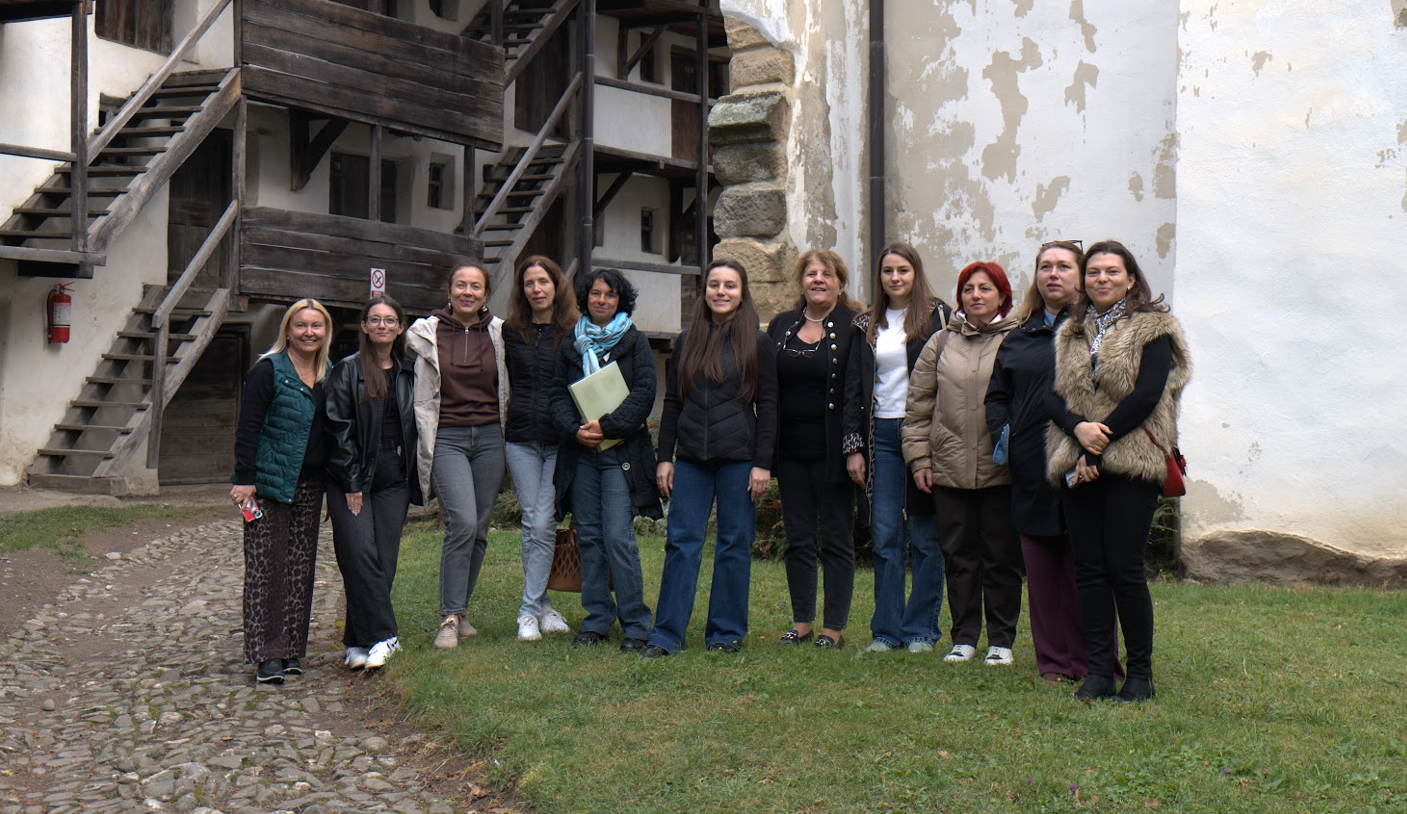
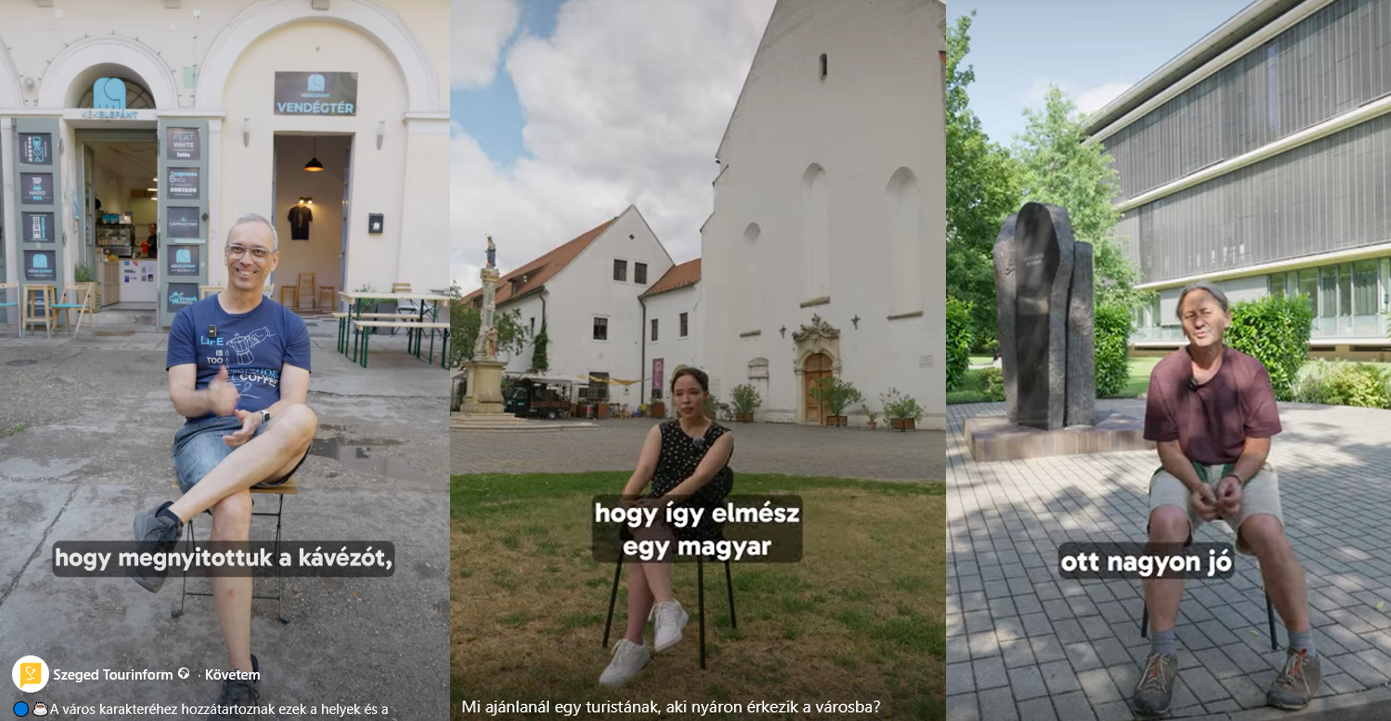
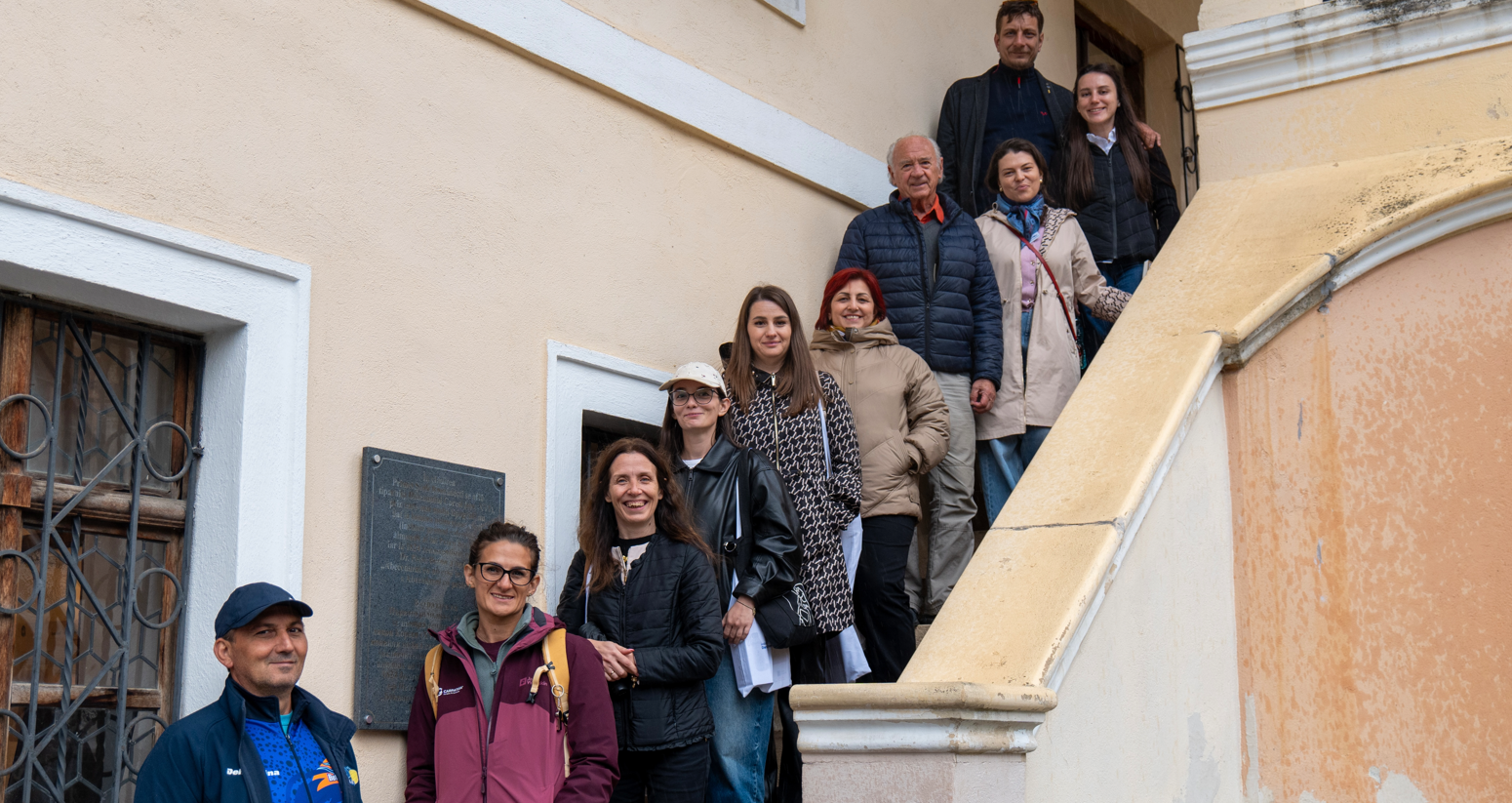
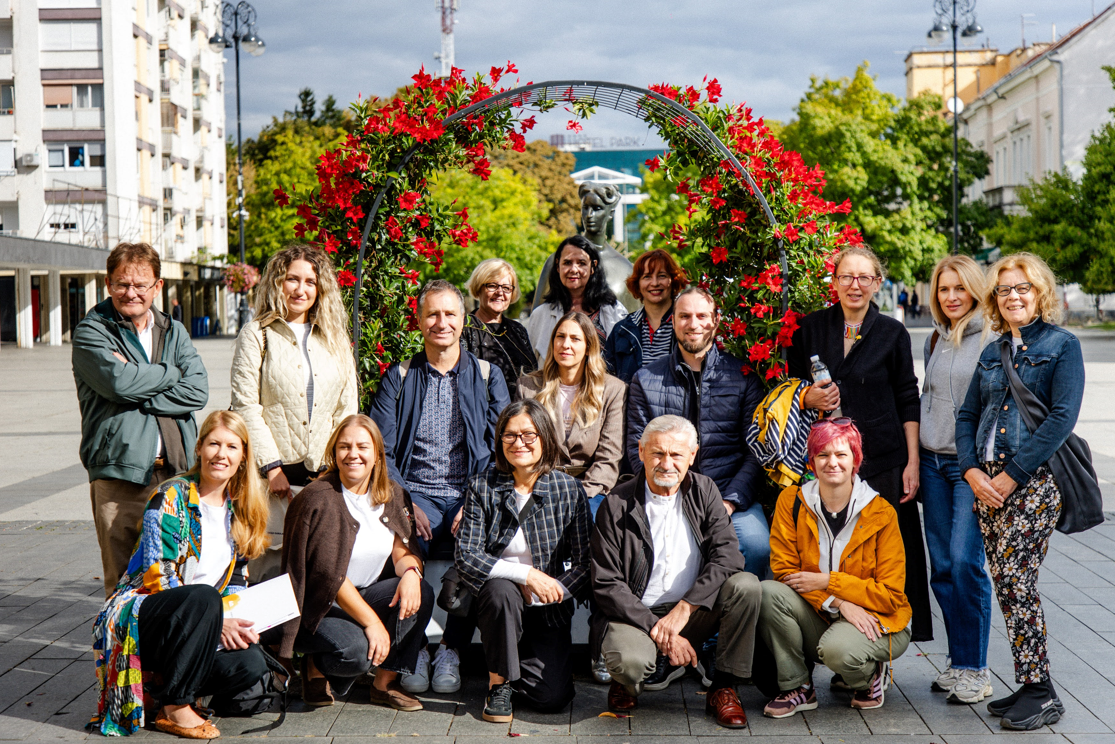
The programme also brought specialists and the public together for an informal dialogue on nature, urban ecosystems and community-based tourism. On Sunday, project partners from the Szeged Tourism Office and Sombor City Hall joined the English-language tour and the city and nature dialogue as peer reviewers. Their visit added an international perspective to the public testing and linked Fabric’s experience to the wider learning process of the People Powered Tourism partnership.
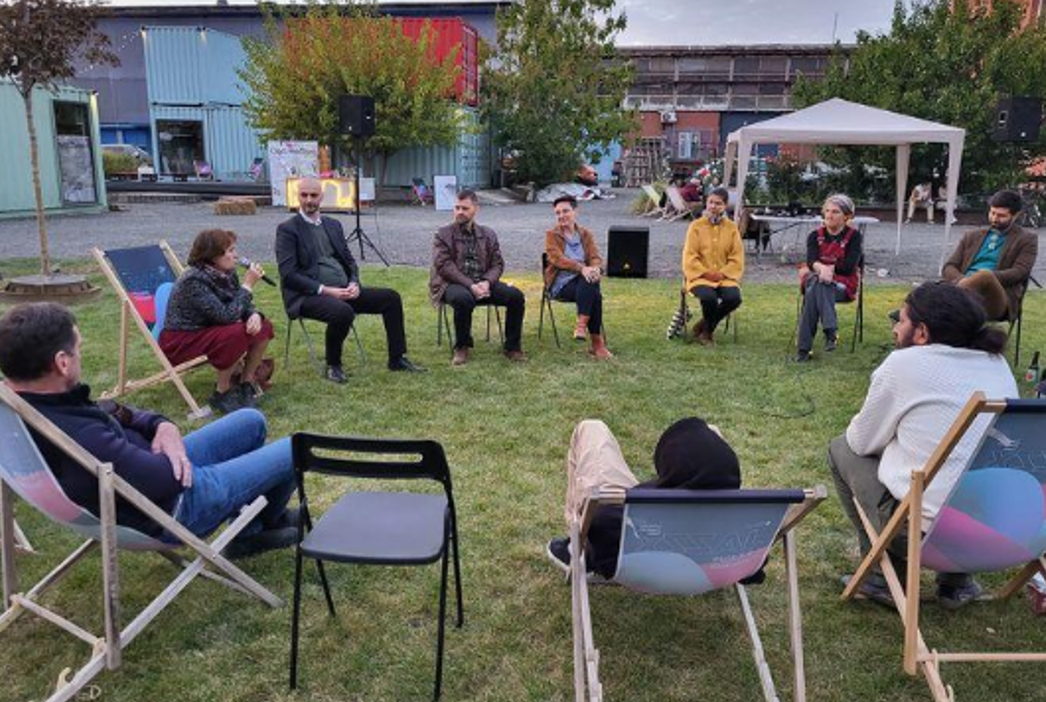
The peer-review visit brought local participants together with project partners from Szeged and Sombor.
Evidence of a Changing Visitor Map
The early evidence answered the pilot’s central question: people were willing to leave the familiar centre and discover Fabric through locally-led experiences. The six tours received 178 registrations for 140 available places, and five were oversubscribed. Of the feedback respondents, 78 percent came from other districts of Timișoara or the peri-urban area. This was particularly significant for a neighbourhood that has rarely formed part of the city’s visitor routes.
The pilot also showed what cooperation could deliver under difficult local conditions. Thirty-two stakeholders, including makers, community members, experts, public authorities and international partners, contributed to the programme. The locally led tours received the strongest rating at 4.94 out of 5, while the overall event was rated 4.74 out of 5. Seventeen of the 23 respondents said they would join guided tours again.
“I have been on other tours in the city and this one is in my top 3.” Participant in the English language tour |
Fabric as a Living Laboratory
If continued and scaled, the pilot could help reposition Fabric as a distinctive community-led destination where residents, seniors, makers, volunteers and local professionals create and host visitor experiences. For the neighbourhood, this could bring greater visibility, stronger collaboration and new opportunities for small-scale entrepreneurship and social enterprise, while encouraging people to spend more time beyond Timișoara’s historic centre.
“Looking back, I believe the greatest value of this process lies in bringing people together. The regular meetings, workshops and conversations created opportunities for residents and local stakeholders to get to know one another, build trust, discover shared interests and develop a stronger sense of community.
Our ambition is to strengthen this collaboration, nurture a sense of belonging and encourage shared responsibility for placekeeping — caring for the places, relationships and initiatives that give Fabric its character.
Ultimately, we hope to support a community that actively co-creates and takes ownership of an identity reflecting its heritage, diversity and aspirations, positioning Fabric as a distinctive, community-led destination within the wider destination of Timișoara.”, Dr. Florentina Popescu, thematic expert.
For the visitor economy, Fabric could become a living laboratory for neighbourhood-based tourism, showing how local heritage, creativity, urban nature and community knowledge can generate value while supporting regeneration and strengthening local identity. The method can be adapted by other Danube cities and neighbourhoods in transition.
From Pilot to Local Practice
The route beyond a single pilot weekend is already visible. The tours were co-created with local organisations, guides and experts who retain the knowledge and capacity to run or further develop them. Ecoóp Fabric’s recurring seasonal Eco-Shop Fair provides an existing platform for future community activity, and nine of the 11 partners consulted want to remain involved, including six that are ready to continue as organisers, hosts or guides.
Destination Management Organization Timisoara’s next step is to build the tested experiences into a Fabric visitor-economy portfolio and local roadmap, with selected routes proposed for integration into the city’s guided-tour offer. The People Powered Tourism methodology is also being embedded in the Timișoara Together Tourism Strategy, creating a pathway for the same approach to be applied in other city neighbourhoods.
The October weekend gave Fabric a public stage, but the work behind it began much earlier and can continue long after the fair has closed. Each route, workshop and conversation adds another entry point into the district. Together they form a visitor economy rooted in Fabric’s own people and able to grow with the neighbourhood.

17/11/2026
By Anna Szentgyörgyi
Share on social media:


News & Events
Read the most recent updates and explore the upcoming events.


Would you like to receive project updates?
You're already part of our community!
Welcome to our newsletter community!
Subscribe to our newsletter