
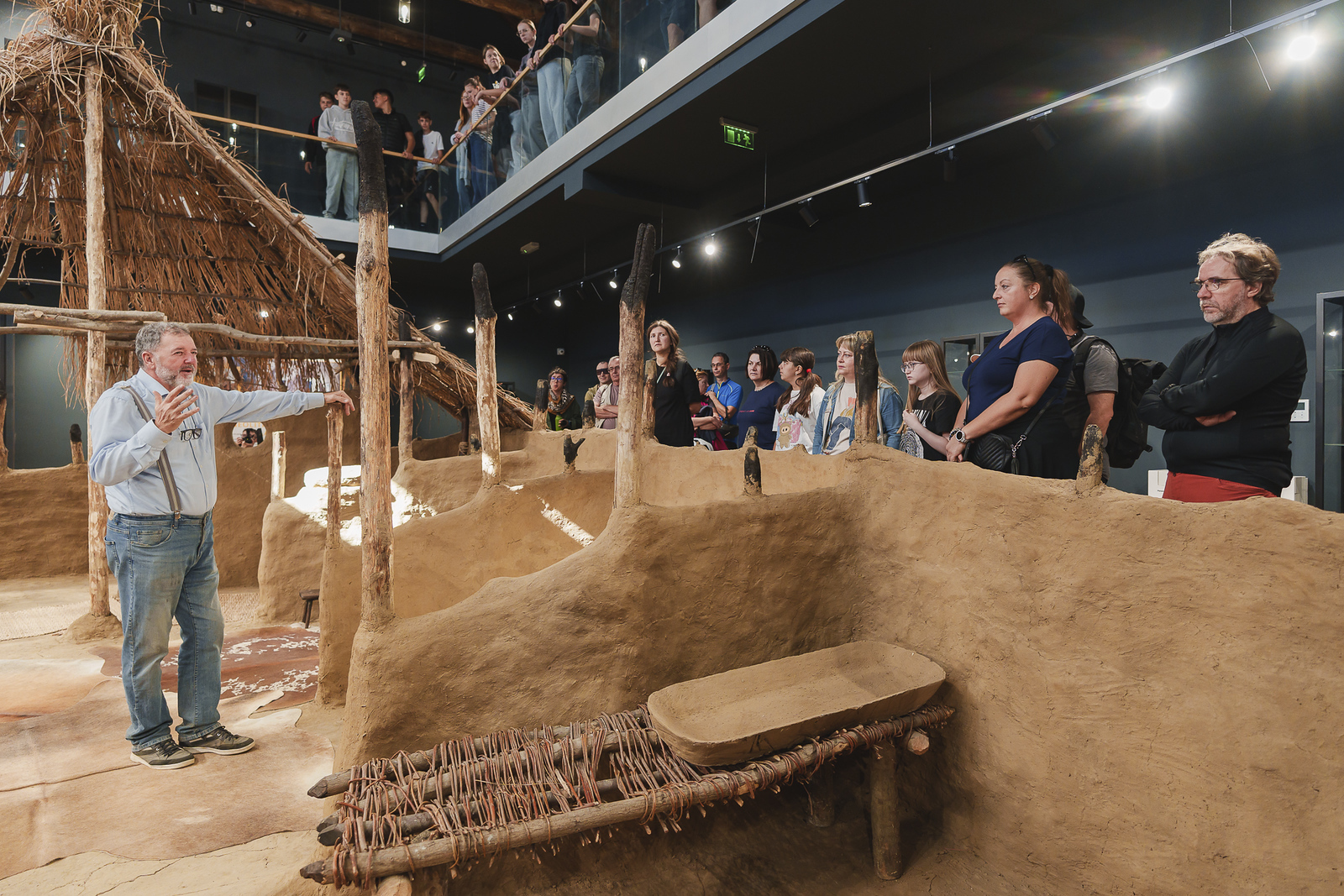

Encounters at Parța: The Banat Village of Neolithic Mystery
PARȚA RURAL PILOT │ TIMIȘ COUNTY ROMANIA
Encounters at Parța: The Banat Village of Neolithic Mystery
How active travel, living heritage and local hospitality came together in a visitor experience built with the village
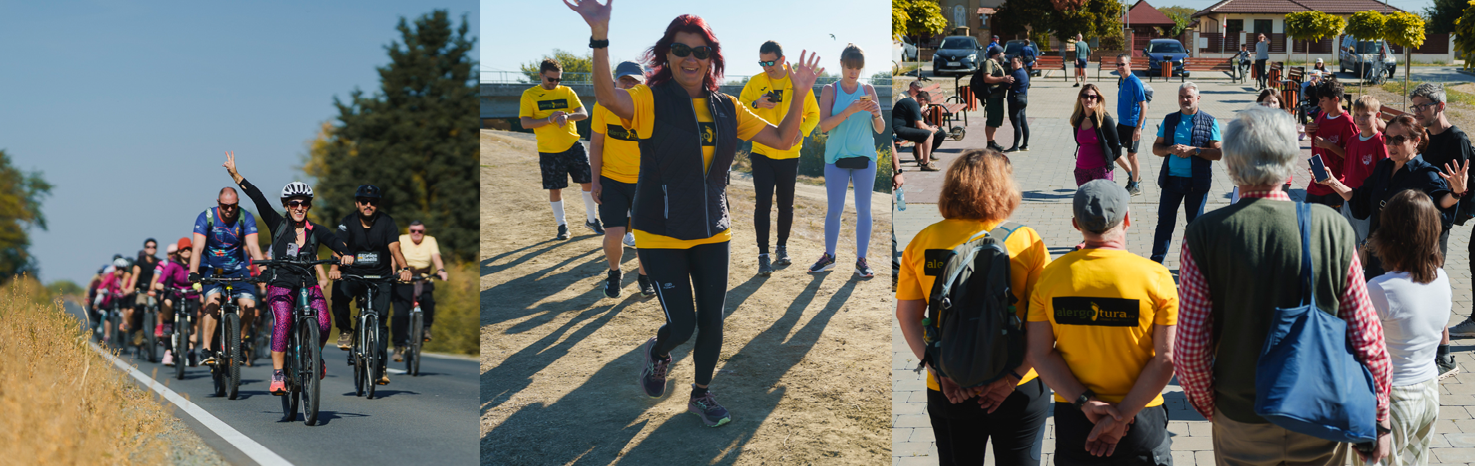
The road to Parța came in several gears — by bicycle, at a running pace and behind the wheel — but led to one shared destination.
Enthusiasm, cheerful meetings, interesting activities and new friendships. These were the hallmarks of Sunday, 4 October 2026, in Parța. This chapter of our People Powered Tourism pilot series reaches the Banat village in several gears: the road carried cyclists from Timișoara, runners and movement enthusiasts from Șag, and visitors arriving by car. Their routes ended in the same place — the courtyard of the Traditional Homestead, beside the village’s best-known treasures, the Neolithic Sanctuary and four churches standing at one crossroads.
More than 300 people crossed the threshold that day. They shaped clay, tasted Banat recipes, joined a village hora, met small producers and entered the story of a settlement more than 6,000 years old. Around 50 organisers and volunteers made those encounters possible. What had been prepared over the course of a year with the local community was finally placed before the public as one connected experience — and showed that the village can host its own story.
A Village at an Extraordinary Crossroads
Parța has an offer unlike any other village in the area. Its Neolithic Sanctuary is more than six millennia old and of international archaeological importance. Four churches — Romanian Orthodox, Greek Catholic, Roman Catholic and Serbian Orthodox — share the same crossroads. A secondary school with three buildings recalls a time when teaching took place in three languages, while the Traditional Homestead preserves another layer of everyday village life.
Yet these places were rarely experienced as parts of one destination. Parța was better known to many outsiders through the nearby landfill than through its sanctuary, crafts, food and community life. Visitors could reach individual sites, but there was no established route linking heritage, local producers, active travel and the people who could give each stop meaning. The question was not whether Parța had something to share. It was how to turn separate assets into a reason to make the journey and stay for the day.
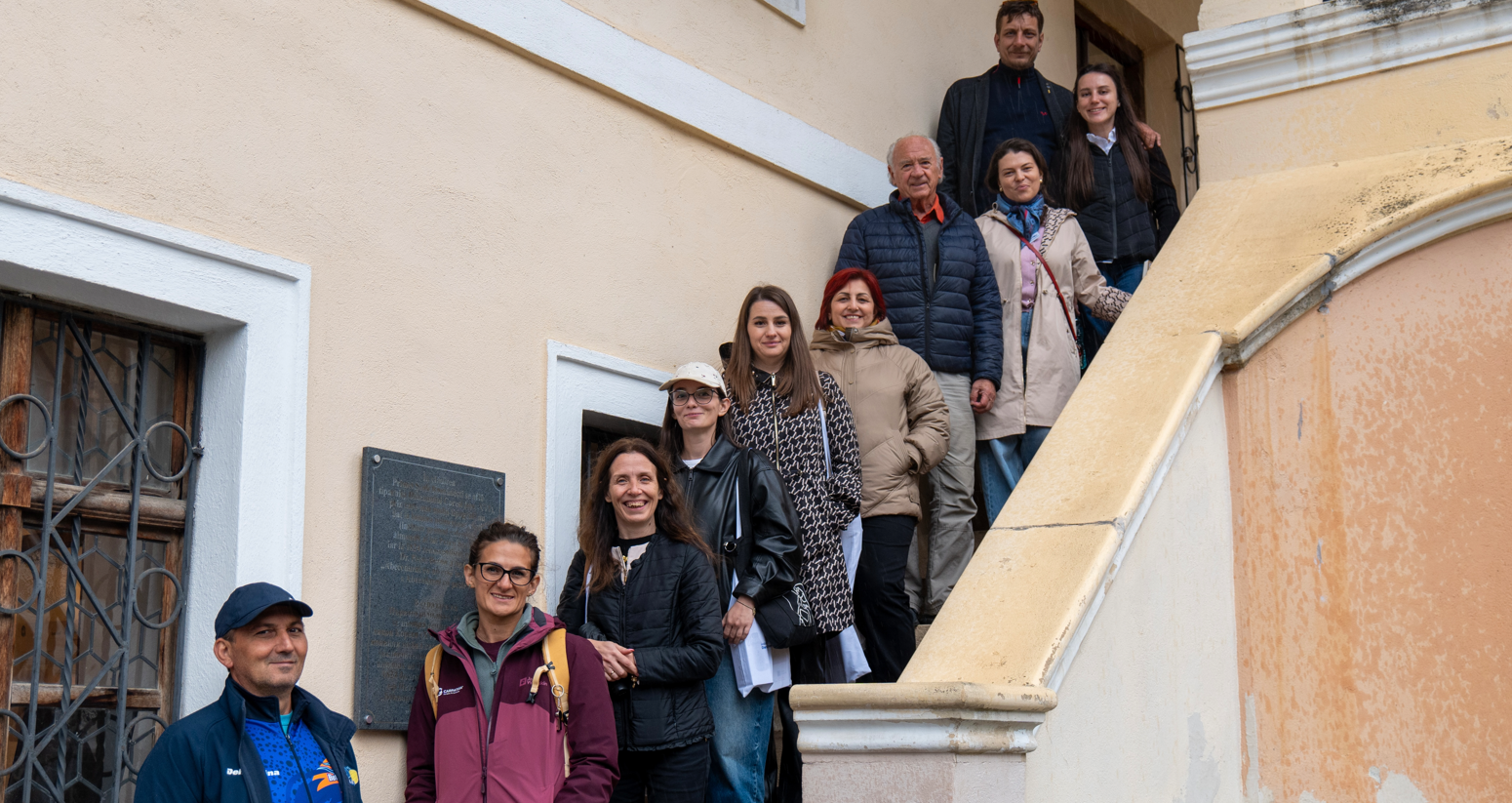
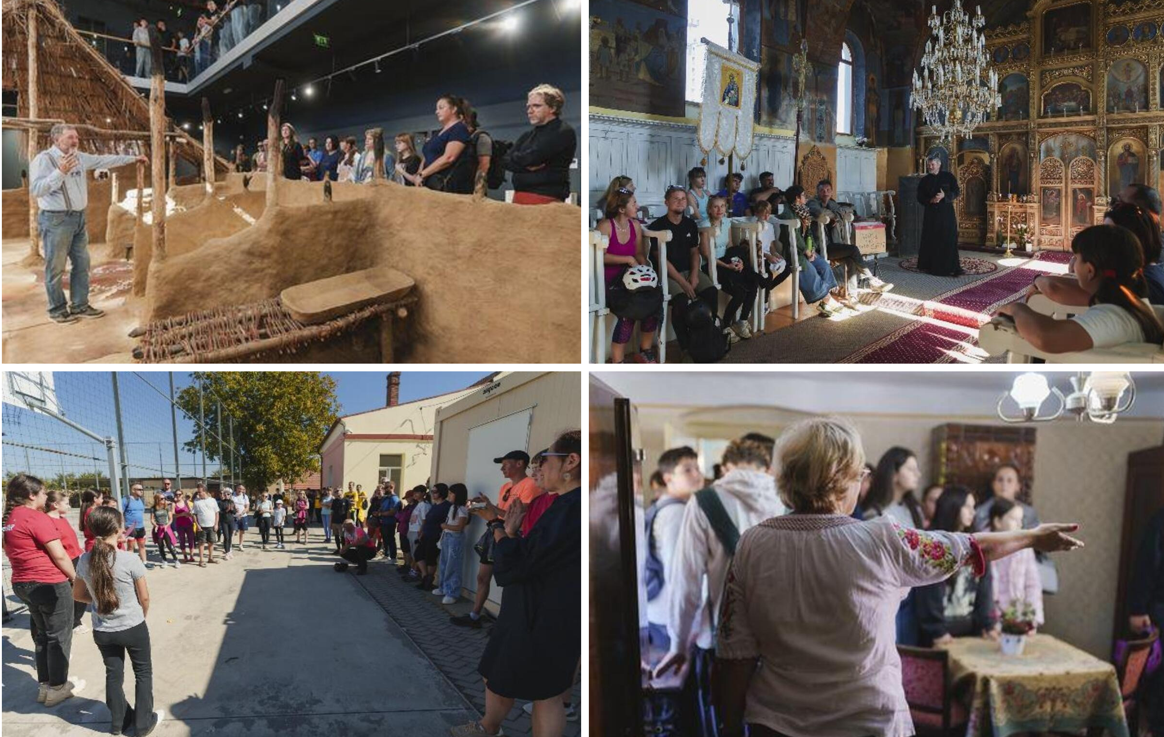 The pilot connected the Neolithic Sanctuary Museum, the church, the school and the Traditional Homestead in one village route.
A Year of Listening, Testing and Choosing Together
Destination Management Organization Timisoara began by mapping Parța’s natural, cultural and social resources with local stakeholders. The catalogue was validated in February 2026, and two test tours followed — one in Romanian and one in English. Branding workshops in spring and early autumn invited residents to decide how their village should present itself, and the community voted on the visual identity later used to promote the pilot.
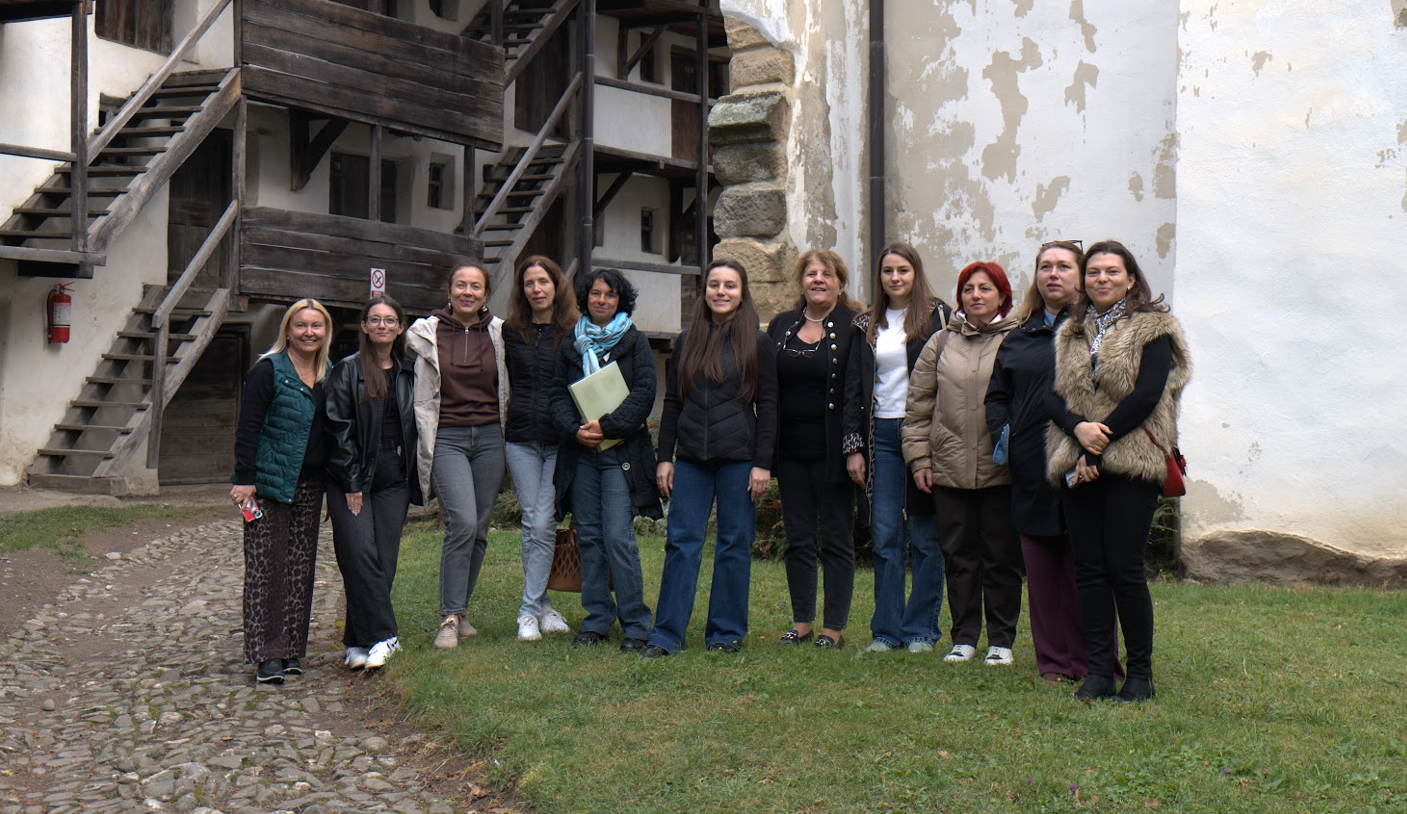
Parța City Hall, the local Secondary School, the National Museum of Banat and the associations My Banat, Bucate în Banat, Colț de Banat and Alergotura worked alongside producers, craftspeople, artists, teachers and pupils. The programme was built around the people of the village and, above all, together with them, so they could express themselves and convey the village’s emotion directly to visitors.
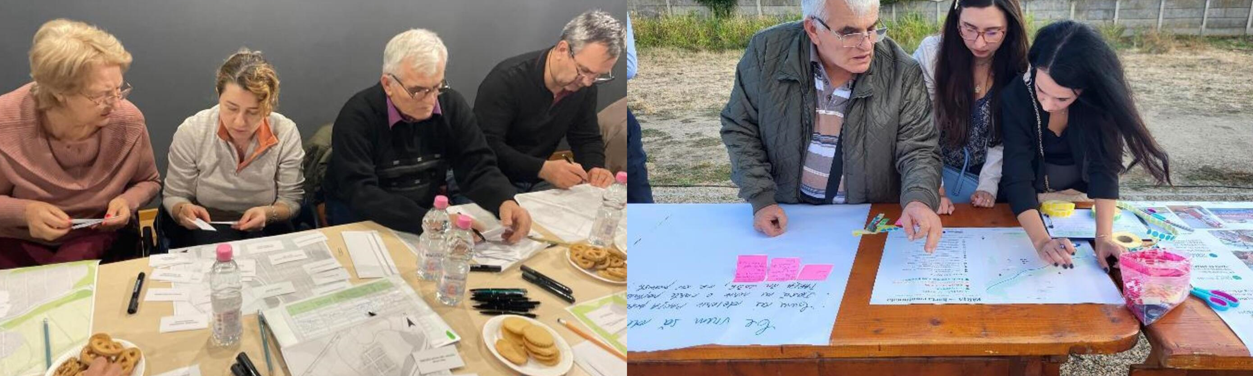
A year of resource mapping, test visits and branding workshops allowed the community to shape both the experience and the way Parța would present it.
A Day With Hands in Clay and Old Recipes
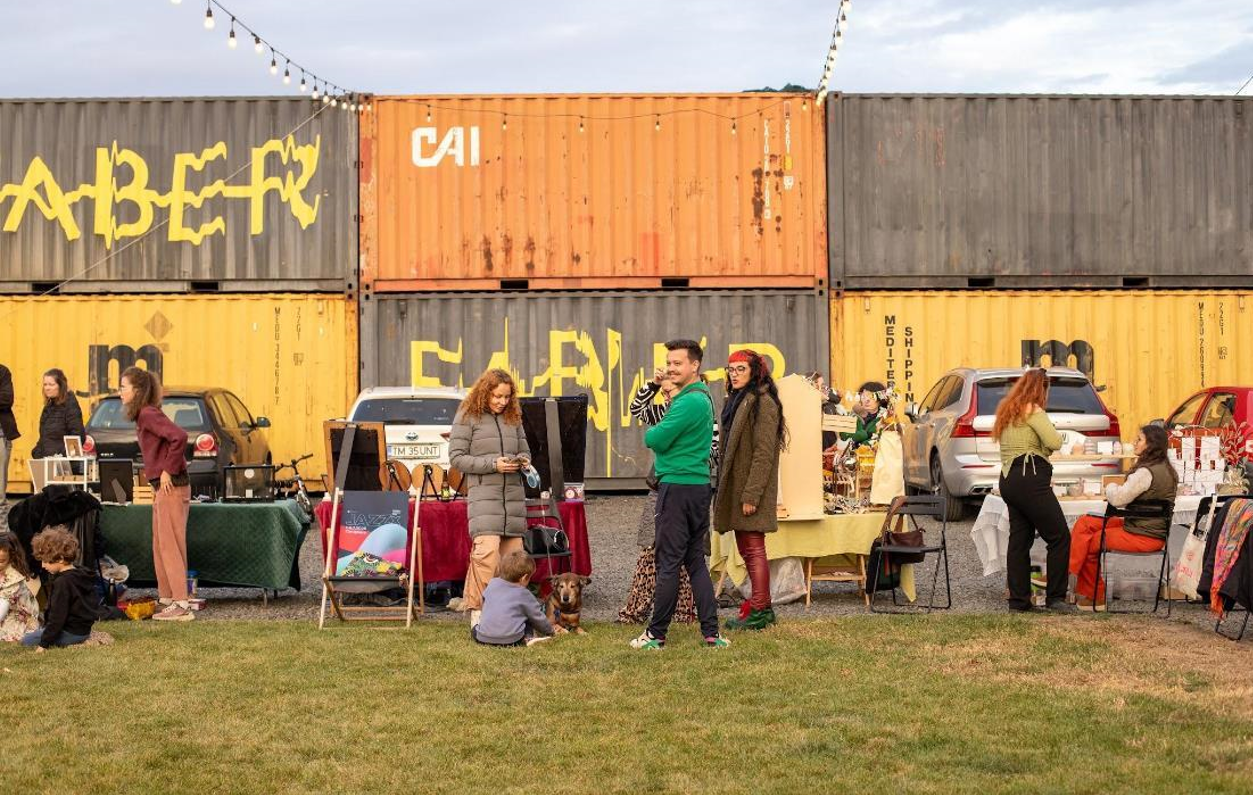
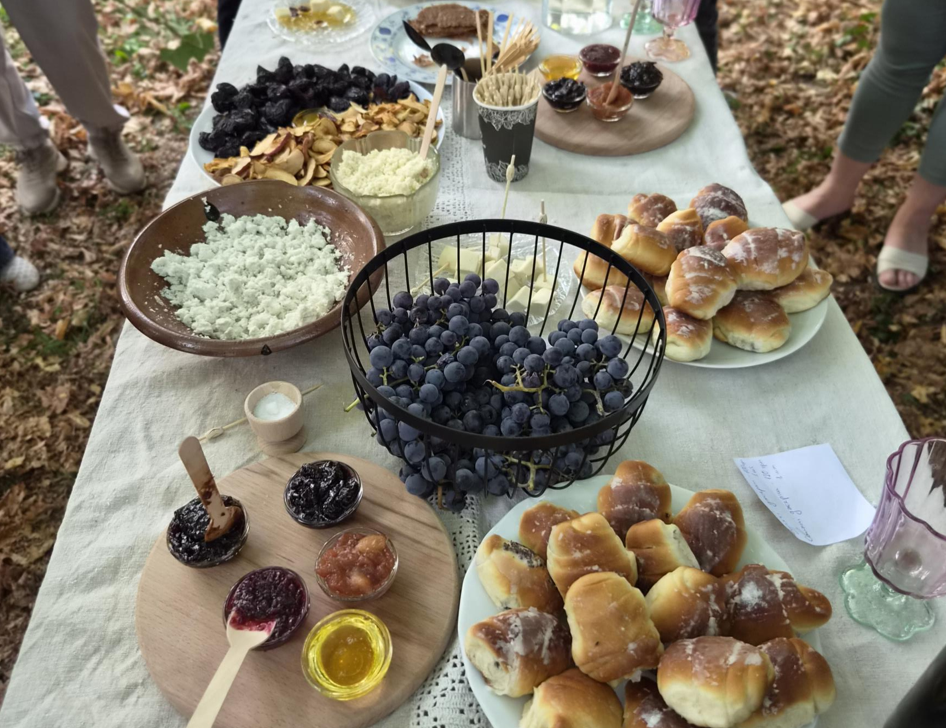
On the pilot day, heritage was not kept behind glass. Folk craftsman Gheorghe Bota shared his work, and visitors discovered Gina St“nea’s collection of folk costumes. At Constantin Sg“rcea’s pottery workshop, young and old tried their hands at clay. Gheorghe “Geo” Zbăgan prepared Banat recipes with student volunteers, while Denis Chira and the Tezaur Bănățean ensemble brought local dance into the courtyard. Soon the guests were no longer watching the hora from the edge, but learning its steps among the dancers.
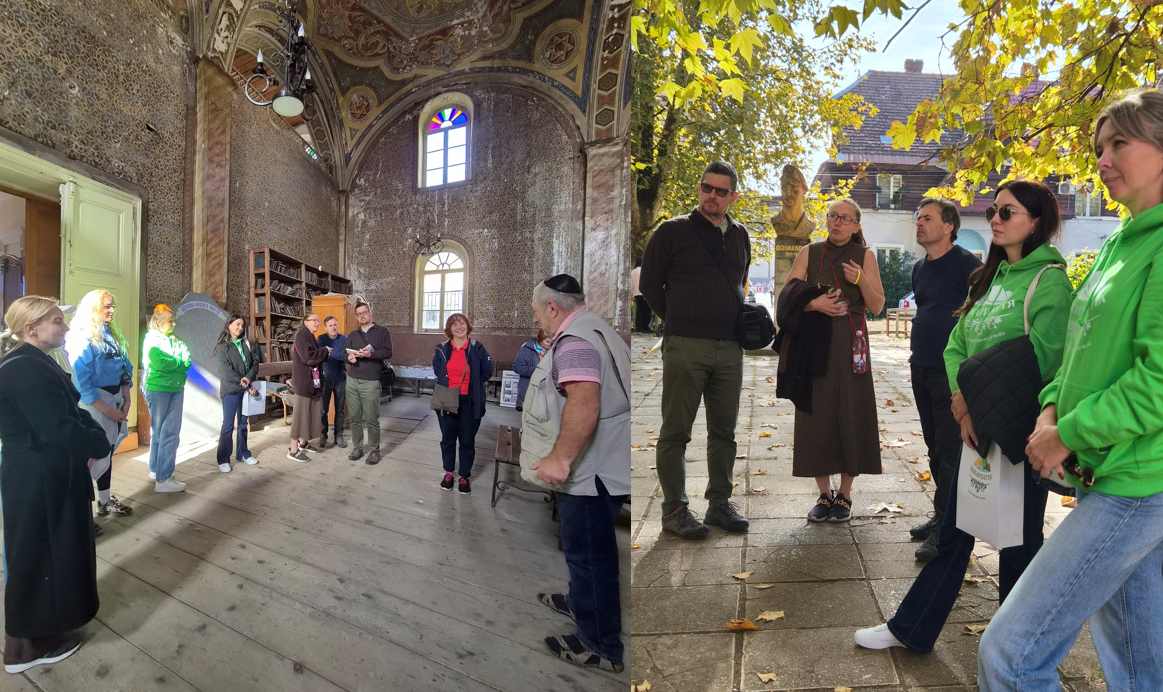
The fair organised with My Banat gave local producers a place to meet new customers. Guided groups entered the Neolithic Sanctuary Museum with archaeologist and curator Dr. Dan Ciobotaru, then continued to the church, the school and the Homestead. Father Simion Bistrian opened the story of the Romanian Orthodox Church, and Bogdan Văcărescu of Colț de Banat explored how local resources, heritage and production could become a lasting engine of rural development.
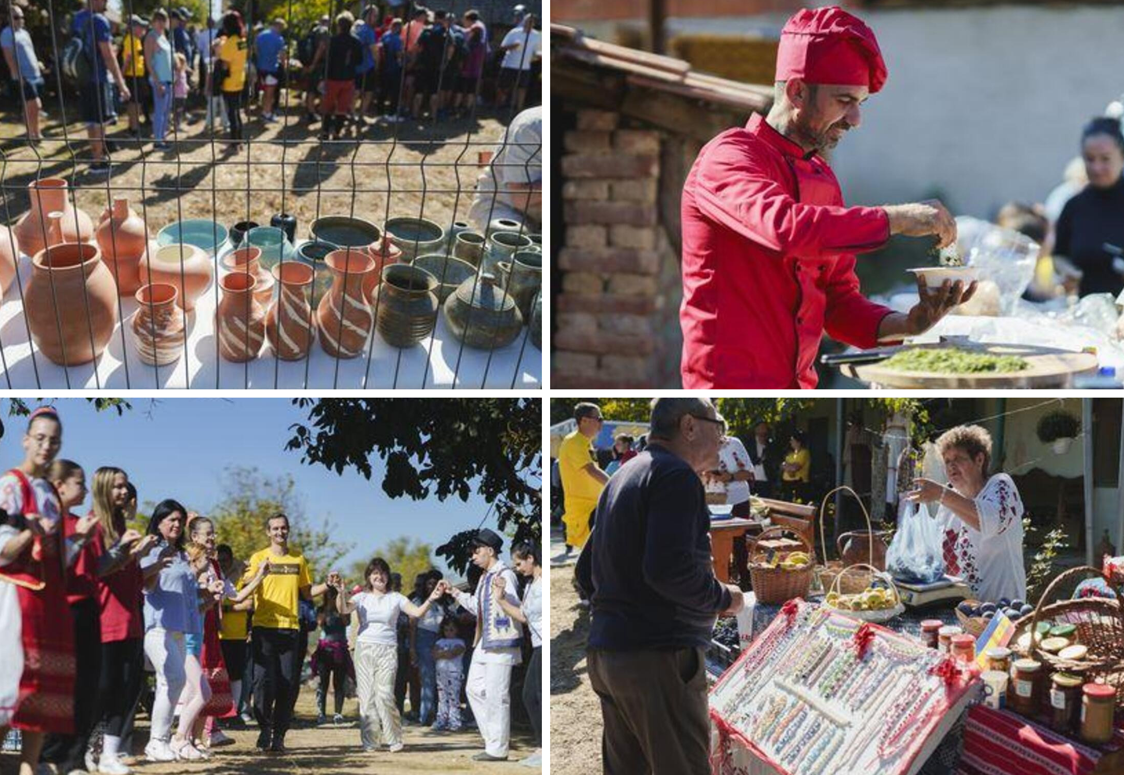
Clay, local recipes, dance and the producers’ fair turned heritage into something visitors could touch, taste and join.
Parța on the Move
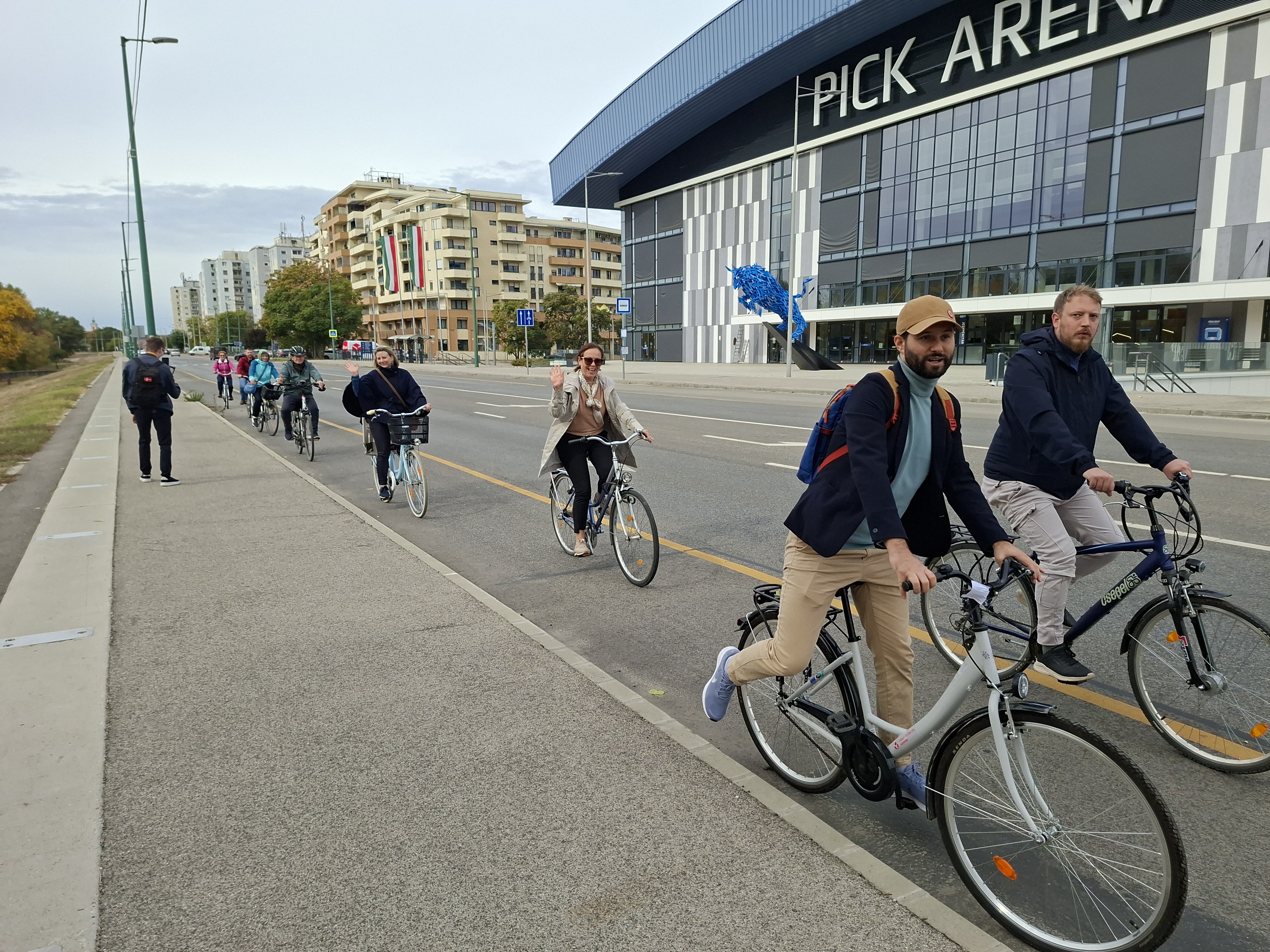
The journey itself became part of the visitor experience. Thirty-seven cyclists covered the approximately 50-kilometre Timișoara–Parța–Timișoara route with support from the Colț de Banat Association. Twenty runners, walkers and movement enthusiasts travelled six kilometres from Șag along the Timiș embankment in a culture run coordinated by Alergotura. Their packages combined guidance along the way, village visits and a meal cooked locally with volunteers.
For the active travellers, arrival was not the end of the route, but the point where movement became encounter. They joined the museum, church, school and Homestead visits, then stepped into the shared programme in the courtyard. Other visitors from Timișoara, neighbouring settlements and Parța itself arrived gradually throughout the day to visit, buy, taste, listen and take part.
The Youngest Village Ambassadors
Twenty-three students from Parța Secondary School became volunteers, guides and hosts, supported by teachers Cristine Guler, Alina Mariș, Radu Gruin and Adriana Blaj. They helped prepare local food, accompanied visitors at key points on the route and carried the village’s welcome in their own voices. The role was more than practical. It gave young people a visible place in how Parța tells its story, and a chance to look at familiar surroundings through the curiosity of a guest.
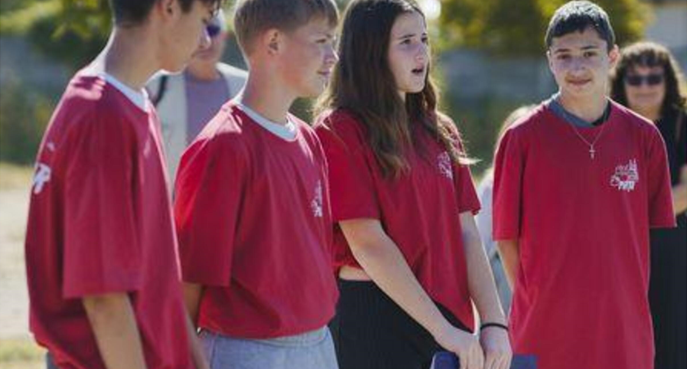
Students from Parța Secondary School helped guide visitors, prepare food and turn the pilot into a welcoming community experience.
“Being a volunteer is the coolest thing I have ever done.” Student volunteer from Parța Secondary School |
Their enthusiasm also carried a promise for the future. Teacher Cristine Guler saw the day as proof that ideas come to life through involvement, dedication and the wish to preserve what defines a community. She hopes Encounters at Parța will become a local tradition — a recurring occasion to enjoy people, crafts, food and village identity together.
A Visitor Economy Felt in the Village
The presence of local residents revealed what the visitor economy can mean in practice: not only guests, but also villagers, taste the experiences of the place, while the benefits stay in the community. The day was not designed only for people arriving from elsewhere. Villagers joined the tours, bought from producers, tasted the food and rediscovered what their community could offer. Value moved through Parța through purchases, shared knowledge, volunteer time, new relationships and renewed pride.
What the First Visitors Told Us
Feedback confirmed that the experience worked for those who tested it. None of the 37 respondents rated the day below expectations, 97 percent said they would return, and the overall experience received 4.79 out of 5. The museum tour and producers’ fair were among the most appreciated elements. Partners and hosts rated the pilot’s success in presenting Parța as a community tourism destination at 4.75 out of 5, and the students’ experience at 4.88.
From One Sunday to an Offer Parța Can Grow
The pilot also made the next steps clearer. Visitors asked for more local food choices, a dedicated rest area and card payment, while partners identified the need to connect the tested formats into a portfolio of bookable experiences. All eight partners and hosts who provided feedback wanted Encounters at Parța to become recurrent, and the local authority, school, producers and associations remain ready to carry the work forward.
For families, students and visitors already spending time in Timișoara, Parța can become a natural day trip — but one that offers much more than a museum visit. As thematic expert Dr. Cosmina Toader explained, visitors can come to taste local products, interact with residents and learn the stories of the place. This combination of archaeology, active travel, food, craft and direct human contact is also a model that other rural communities in Banat and across the Danube Region can adapt to their own resources.
The fair and workshops showed that Parța has products and skills people are looking for. The Neolithic Sanctuary already gives the village an attraction of world-class importance. The wider achievement of the pilot was to add the energy of the community and test how all these elements could become an offer that local people develop at their own pace.
On 4 October, Parța did more than host a successful day. It showed how an archaeological treasure, four churches, a school, a homestead and the energy of local people can become one shared invitation. The road may arrive in several gears, but what makes the journey worth repeating is the community waiting at the crossroads.
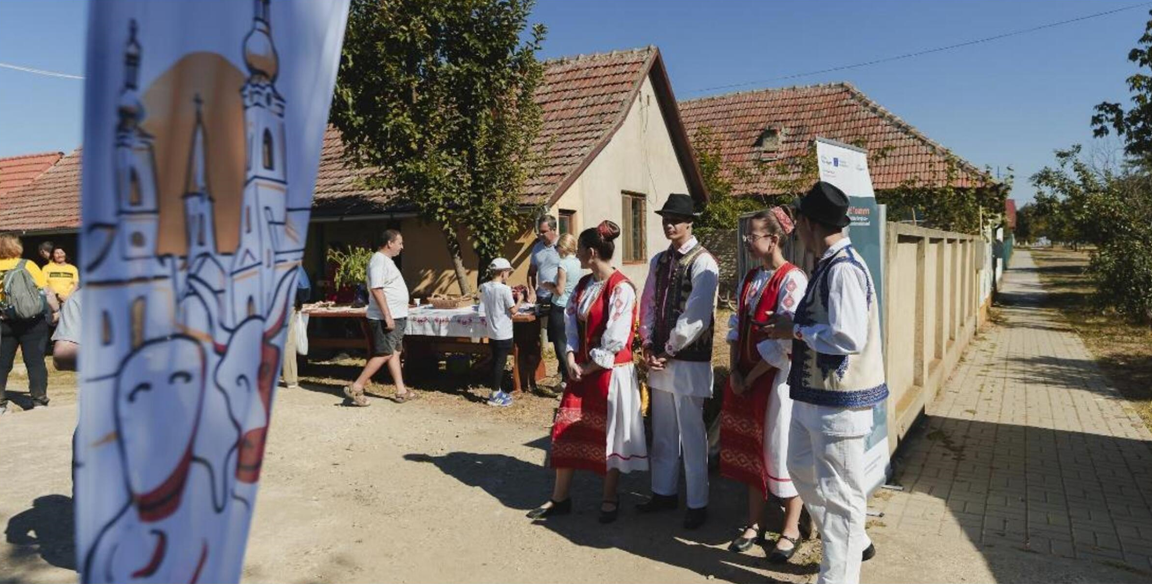
Encounters at Parța brought the village’s heritage and hospitality into one shared invitation that the community can continue to develop.

24/11/2026
By Anna Szentgyörgyi
Share on social media:


News & Events
Read the most recent updates and explore the upcoming events.


Would you like to receive project updates?
You're already part of our community!
Welcome to our newsletter community!
Subscribe to our newsletter