
Key Reflections from the Danube Delta Study Trip
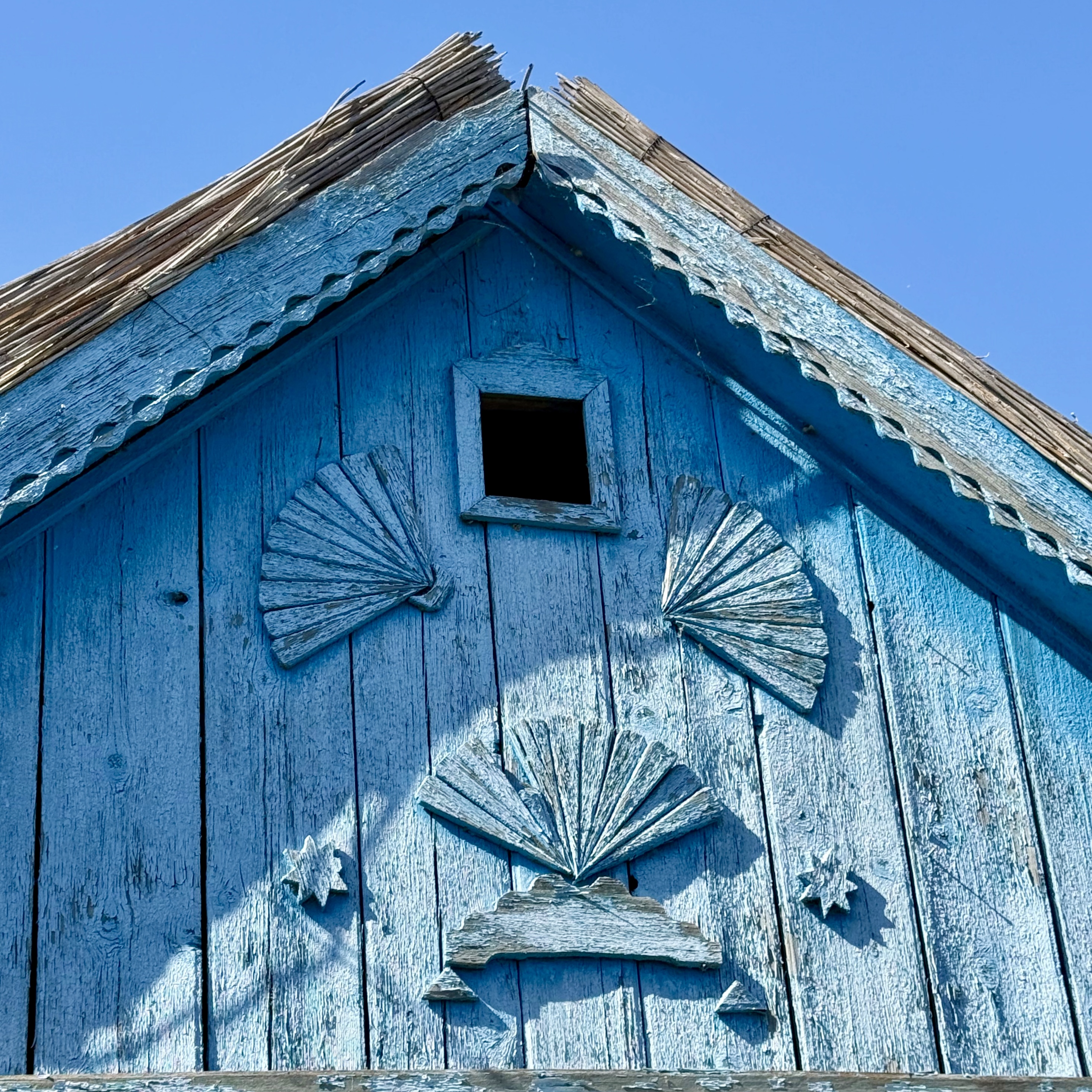
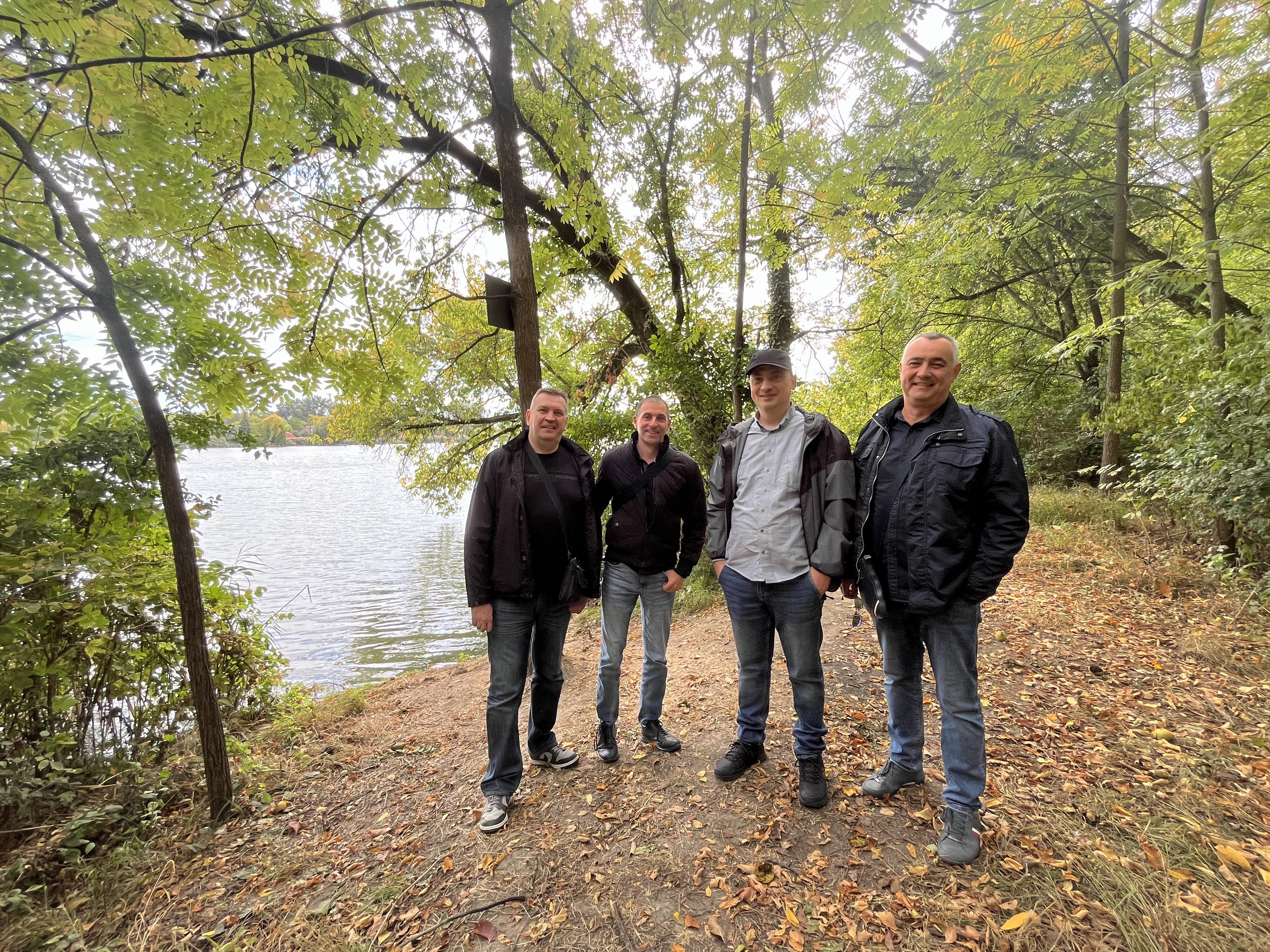
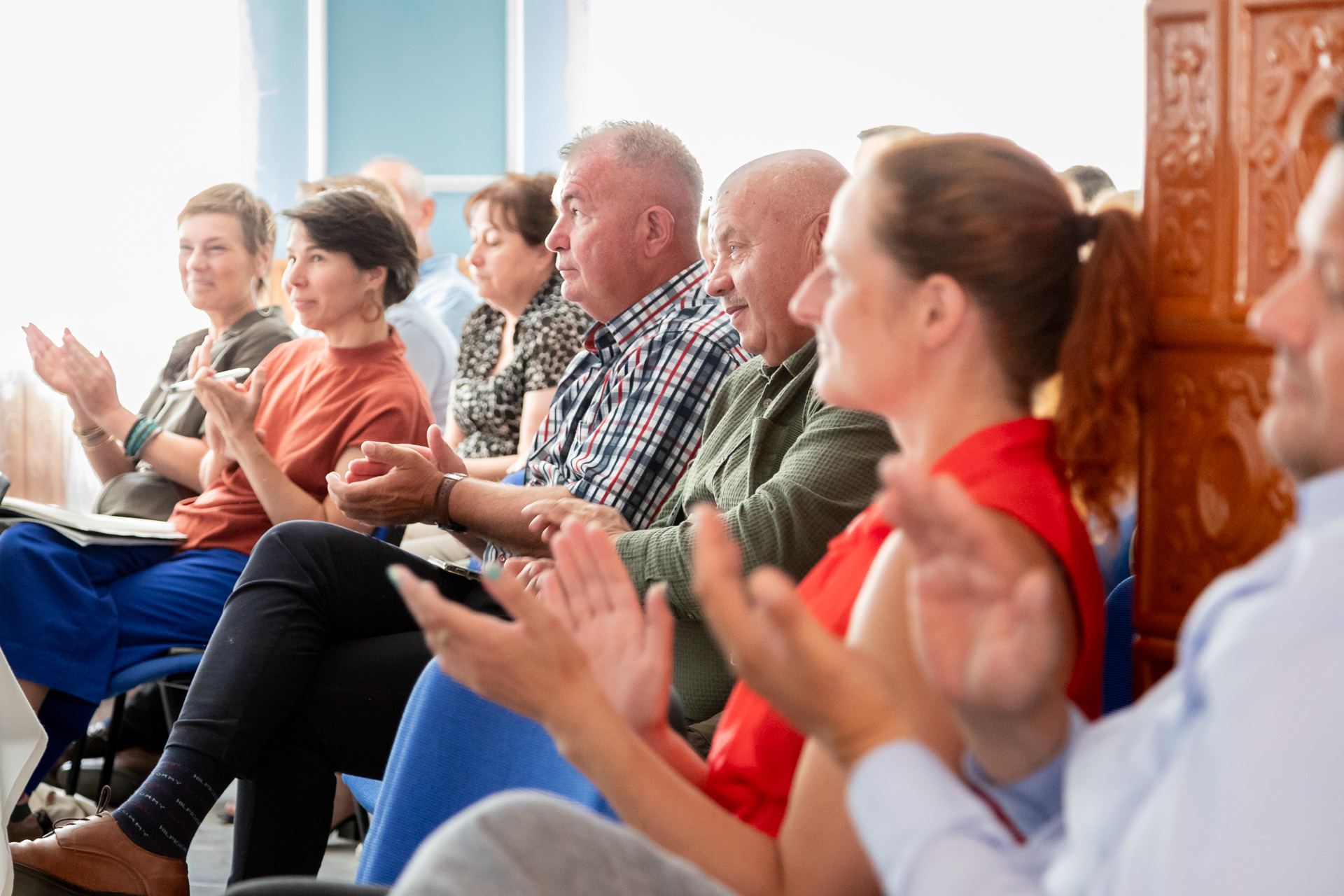
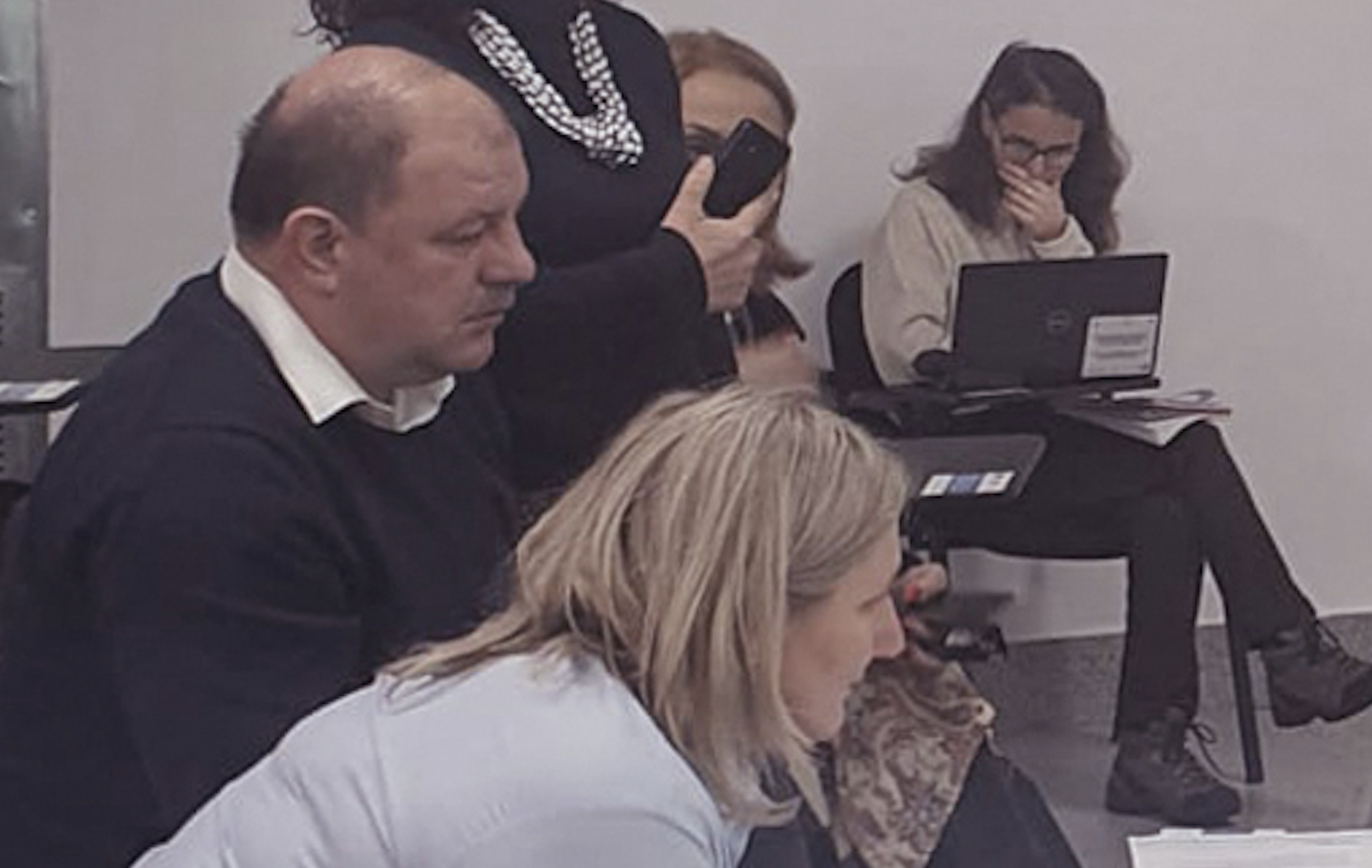
The PlaceCRAFT study trip to the Danube Delta brought together partners from five countries for several days of field visits, discussions, and shared learning experiences across Tulcea, Mila 23, and Sulina. Beyond the programme itself, the journey offered valuable observations that are relevant to ongoing pilot activities and placemaking approaches within the project.
1. Accessibility in waterbound communities
The Danube Delta highlighted how accessibility shapes everyday life in settlements such as Mila 23 and Sulina. With mobility largely dependent on waterways, connections between places influence how residents and visitors experience the region.
2. Community-based tourism initiatives
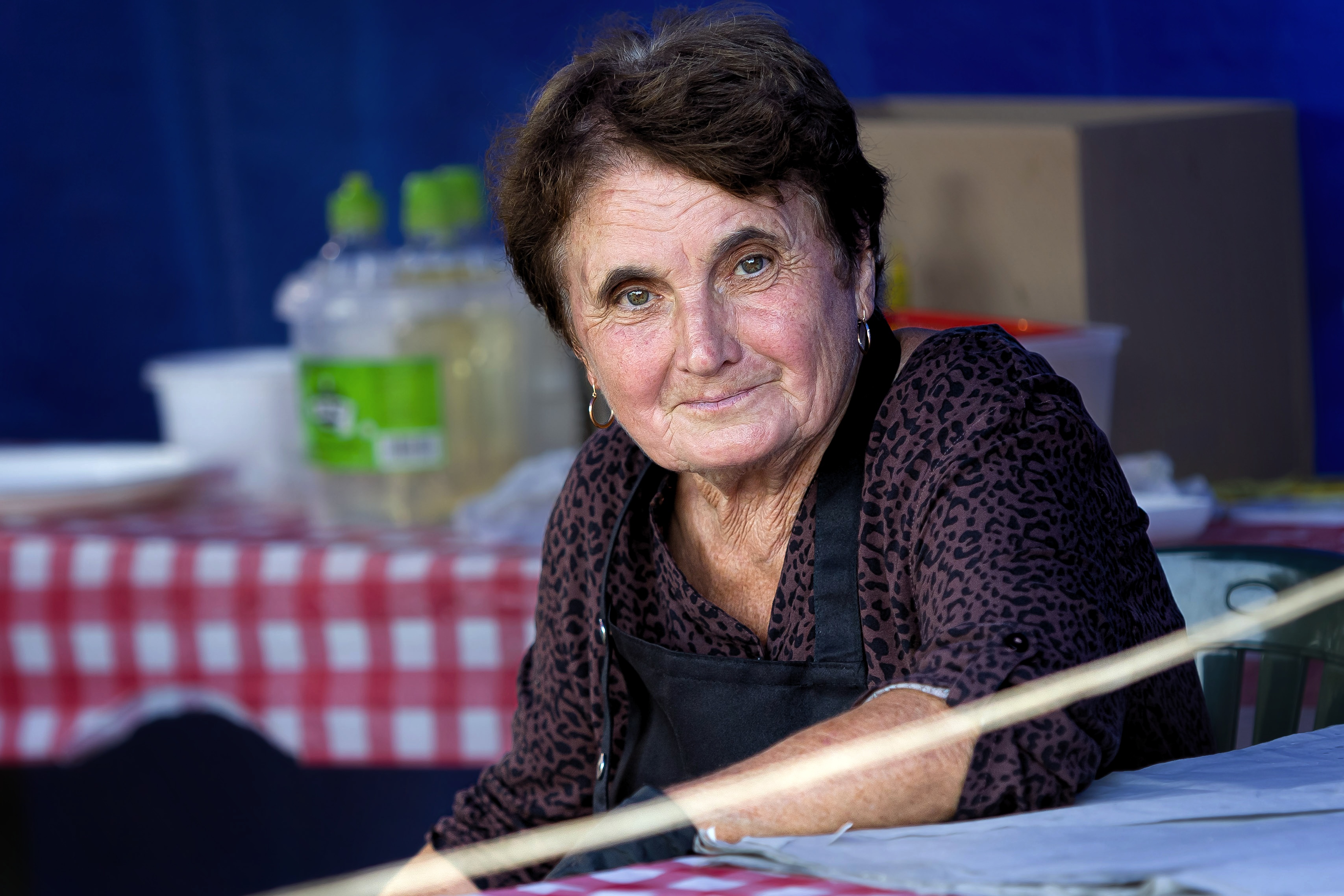
The visit to the Local Gastronomic Point (LGP) in Mila 23 demonstrated how local food traditions can contribute to community-based tourism while supporting local producers. Building on local recipes and ingredients, this model creates opportunities that are closely linked to the identity of the place.
3. The role of cultural and community spaces
Mila 23 demonstrated that even very small villages can host spaces that support cultural and community life. The Ivan Patzaichin Museum and Community Centre provided an example of how contemporary architecture and local traditions can come together to create a place for learning, gathering, and exchange.
4. Keeping heritage alive through practice
Meeting local stakeholders, such as boatbuilder Alex Onofrei, highlighted the role individuals play in keeping traditional knowledge and skills alive. Heritage in the Danube Delta is not only found in museums or historic sites, but also in the everyday work of people who continue to practice and share what they know.
These reflections may provide useful input for PlaceCRAFT's ongoing work in its pilot areas, particularly in relation to placemaking in rural contexts and the recognition of local knowledge and heritage.

09/06/2026
By Dorka Erdős
Share on social media:



News & Events
Read the most recent updates and explore the upcoming events.


Would you like to receive project updates?
You're already part of our community!
Welcome to our newsletter community!
Subscribe to our newsletter