
PlaceCRAFT and Danube Ruralscapes Joint Study Trip to the Danube Delta
Between 24–27 April 2026, partners of the PlaceCRAFT project from five countries travelled to Romania for a study trip to the Danube Delta, with Tulcea and Sulina as key locations. The programme combined internal project meetings, field explorations, and a joint learning journey with colleagues from the Danube Ruralscapes project, creating an opportunity to connect strategic discussions with hands-on field experiences in a unique riverine landscape.
PlaceCRAFT meetings and local exploration in Tulcea
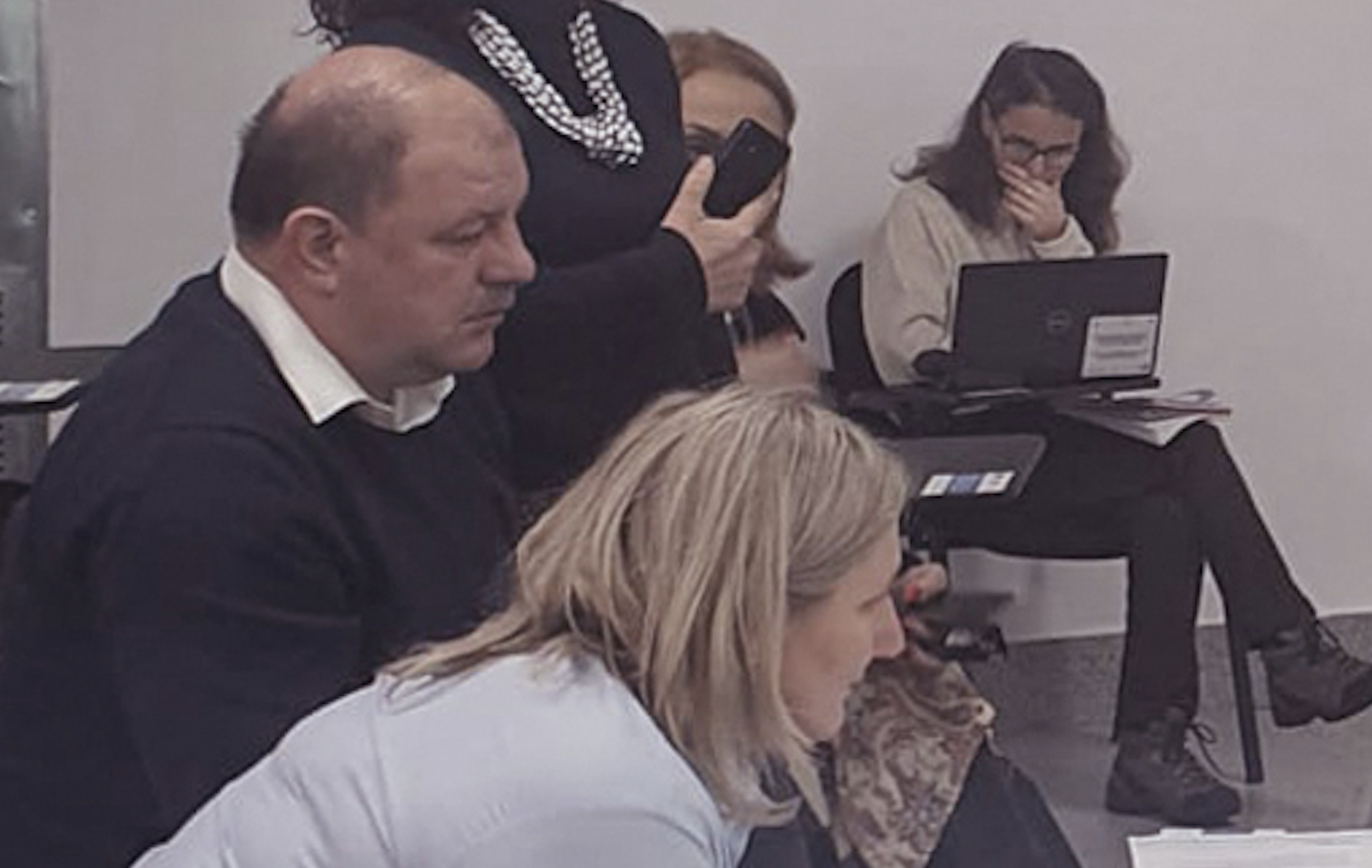
On 24 April, the consortium held a full-day programme in Tulcea. The afternoon Partner Meeting focused on pilot updates, preparation for the First Year Review, twinning discussions, and Knowledge Hub exchanges, alongside a Steering Committee session reviewing overall progress.
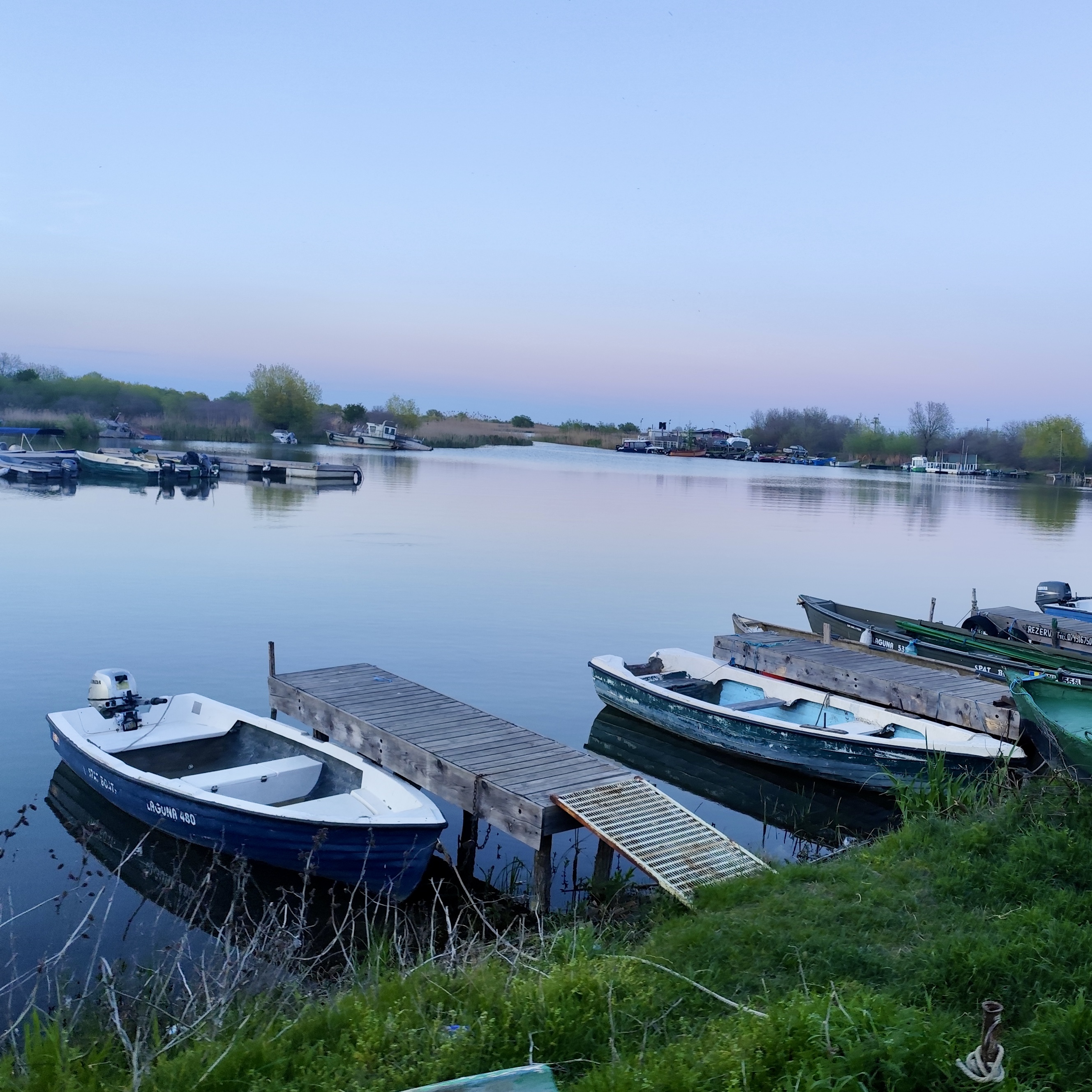
In the evening, participants visited the “Fisherman’s Village” (Satul Pescăresc), an open-air site presenting traditional river life and fishing heritage in the Danube Delta.
During the visit, partners met local boatbuilder Alex Onofrei, who works with traditional wooden boats, including the iconic “lotca” of the Danube Delta. He continues a disappearing craft tradition through his workshop, restoring old boats and building on knowledge learned from one of the last traditional marangoz masters. The encounter highlighted how place-based knowledge is kept alive through everyday practice and transmission, not only formal preservation.
Later that evening, partners from the Danube Ruralscapes project joined the programme, marking the start of joint activities.
A shared journey towards Mila 23 and Sulina
On 25 April, partners from both projects travelled together by boat from Tulcea towards Mila 23 and later Sulina. The journey itself became part of the learning process, with informal exchanges and presentations on board about rural tourism and placemaking approaches across the Danube region.
Mila 23: heritage and community initiatives
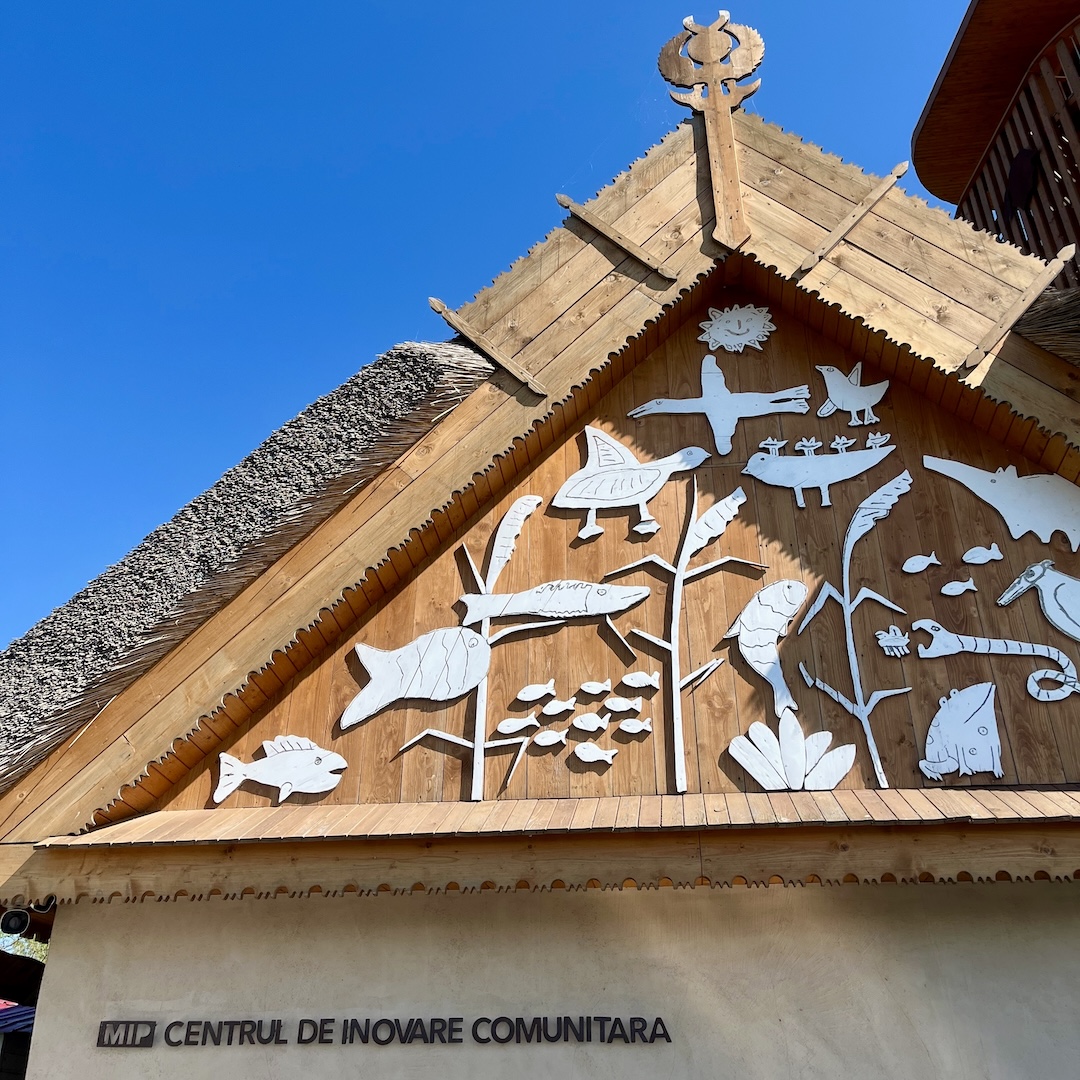
Mila 23, a small Lipovan village accessible only by water, is a strong example of community-led development in the Delta. Despite its size, it plays an active role in cultural and social life, rooted in local identity and heritage.
Participants visited the Ivan Patzaichin Museum and Community Centre, a contemporary cultural landmark showing how placemaking can emerge in very small settlements when built on local identity, materials, and community engagement.
Lunch was hosted at a Local Gastronomic Point (LGP), a community initiative where households prepare traditional meals for small groups of visitors. The experience showed how tourism, local production, and cultural heritage can be connected at a very small, everyday scale within village life.
Sulina: Europe’s eastern edge
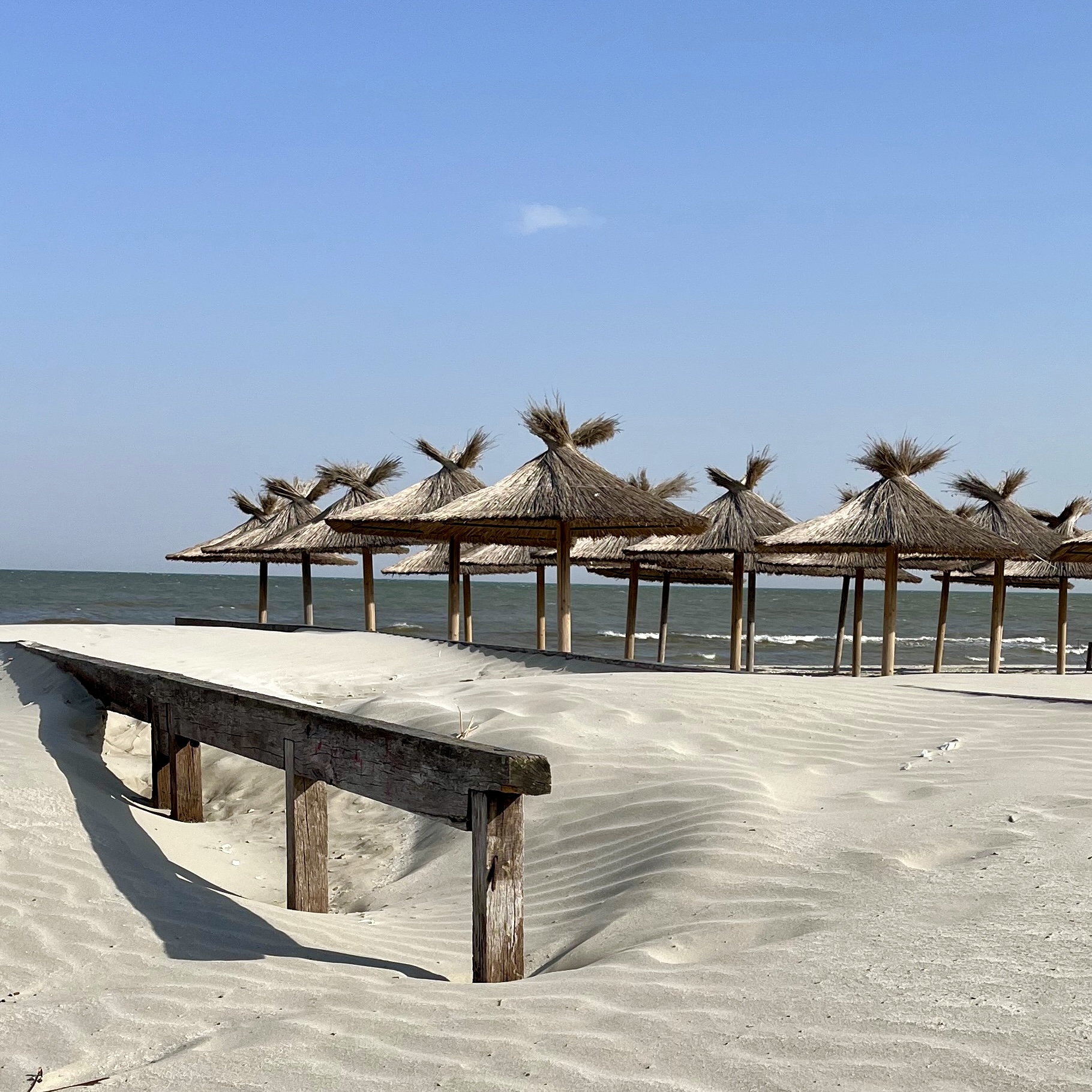
In the afternoon, the group continued by boat to Sulina, located where the Danube meets the Black Sea. Shaped by its history as a former international river administration hub and multicultural port town, Sulina reflects a layered heritage visible in its buildings and public spaces.
During the stay, partners visited several key sites including the maritime cemetery, the Old Sulina exhibition, the Palace of the European Commission of the Danube, and lighthouse locations in and around the town. These visits highlighted both the richness of Sulina’s heritage and the challenge of better connecting and interpreting existing cultural assets.
Closing the programme
The study trip concluded on 26 April with a final partner meeting and wrap-up discussions in Sulina, reflecting on key insights from the past days.
On 27 April, the group began the journey back home, travelling by boat from Sulina to Tulcea and onwards to Bucharest.
The study trip provided valuable input for PlaceCRAFT’s ongoing work, particularly on rural placemaking, river-based tourism, and the activation of cultural heritage in fragile landscapes.

09/06/2026
By Dorka Erdős
Share on social media:



News & Events
Read the most recent updates and explore the upcoming events.



Would you like to receive project updates?
You're already part of our community!
Welcome to our newsletter community!
Subscribe to our newsletter