
Confidence and Diversity at the Heart of Day 1 of the 13th Training Academy of the Cultural Routes of the Council of Europe
The 13th Training Academy of the Cultural Routes of the Council of Europe officially opened in Pécs, Hungary, bringing together Cultural Route managers, experts, policymakers, and heritage professionals from across Europe for three days of learning, dialogue, and cooperation.
This year's Academy is organised in a unique cross-border format by the Roman Emperors and Danube Wine Route in the framework of the #RomansWineDanube project, in Pécs, Hungary, and Osijek-Baranja County, Croatia. The innovative approach reflects the spirit of Cultural Routes themselves, demonstrating how heritage can serve as a bridge between countries, communities, and cultures.
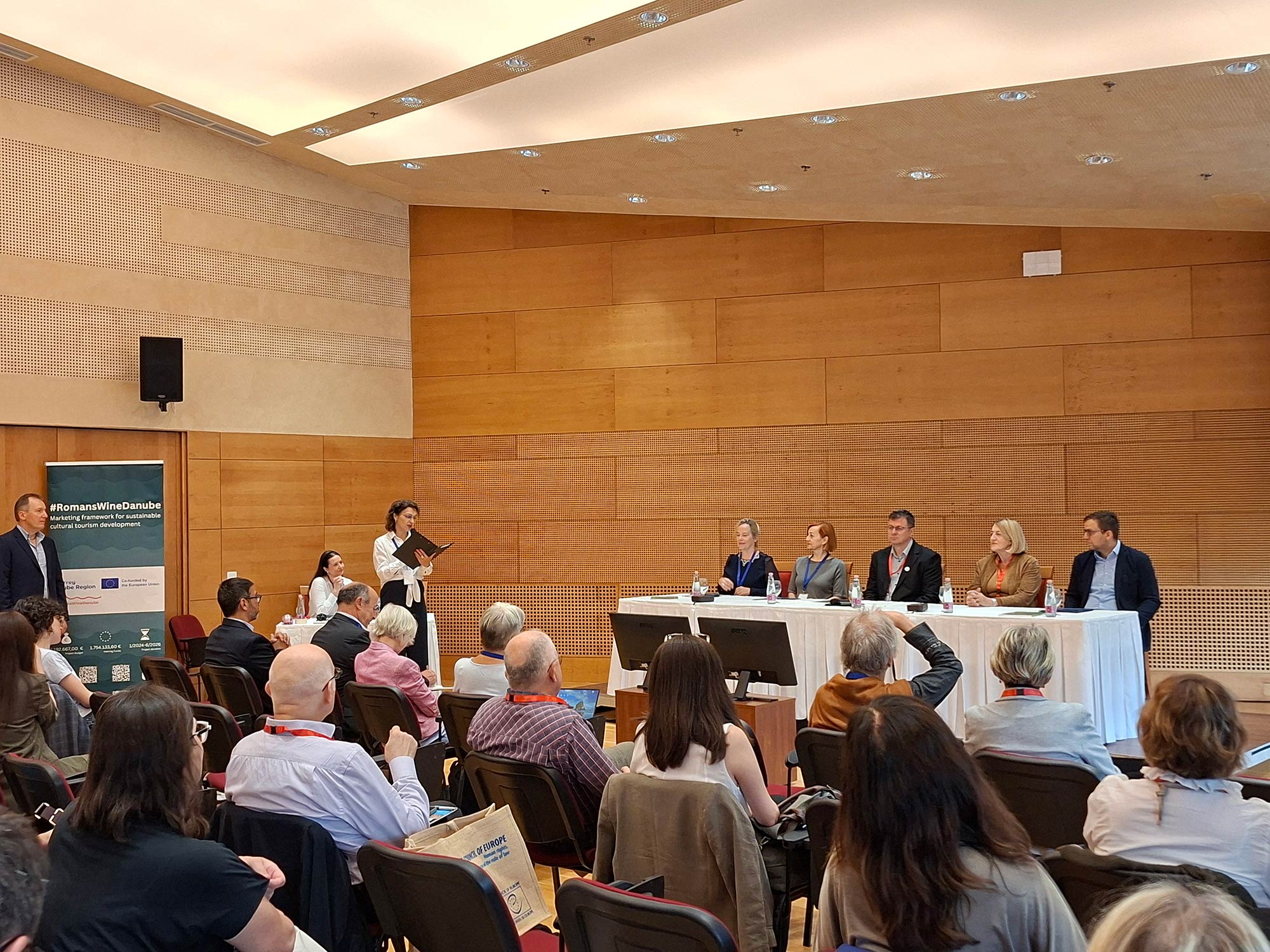
The opening ceremony featured welcome addresses from representatives of the host organisations, local and national authorities, the Council of Europe Cultural Routes Programme, and the Roman Emperors and Danube Wine Route. Throughout the morning, speakers highlighted the importance of cooperation, shared European heritage, and the role of Cultural Routes in strengthening cultural dialogue and sustainable development.
A recurring theme was the ability of Cultural Routes to connect people across modern borders. As highlighted during the opening session, the true value of a Cultural Route lies not only in its destinations but in the journey itself and the relationships created along the way.
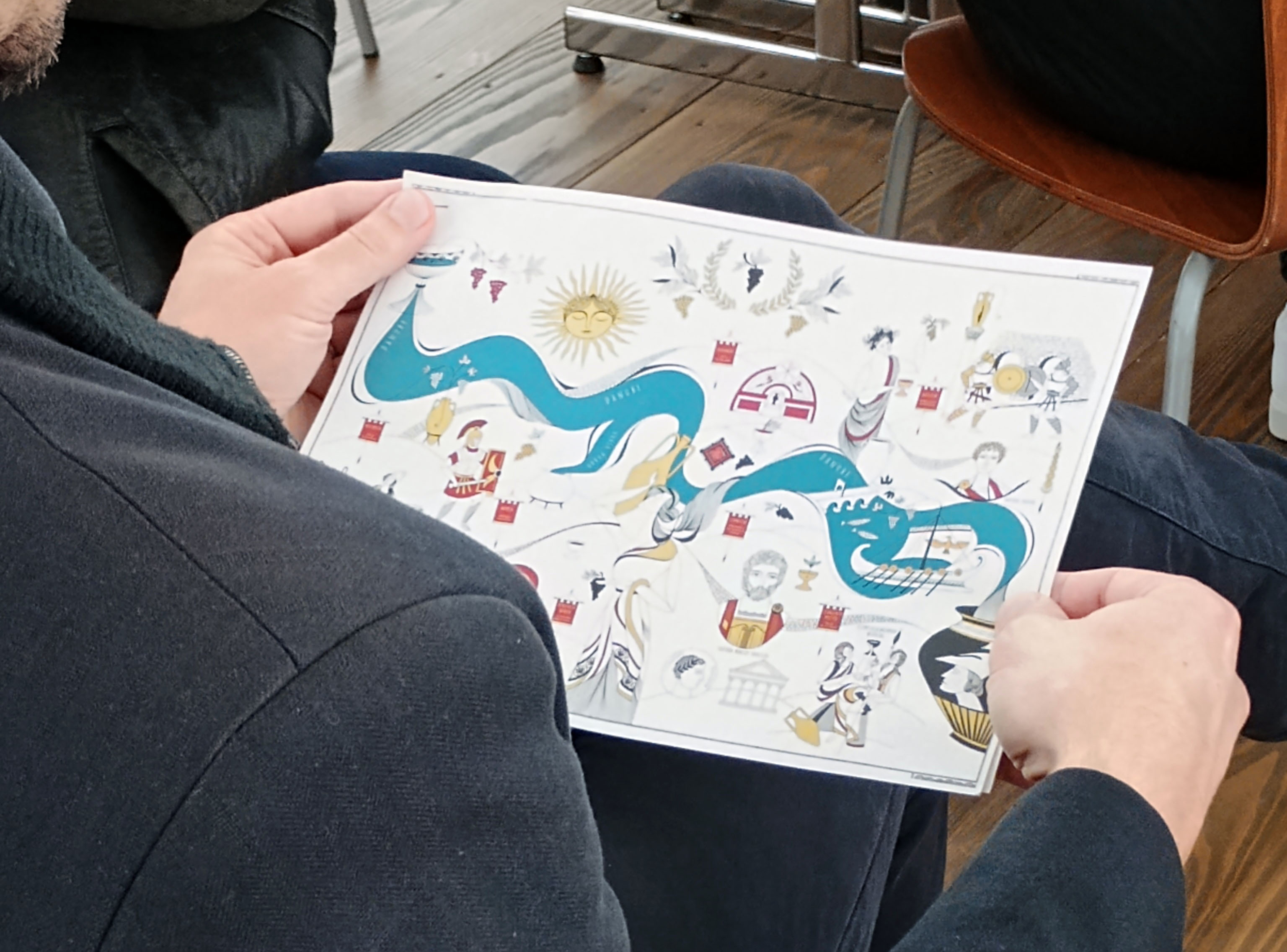
Participants were also introduced to the cross-border destination of Pécs and Osijek and to the Roman Emperors and Danube Wine Route, a network that connects archaeological heritage, wine traditions, local communities, and sustainable tourism experiences across the Danube region.
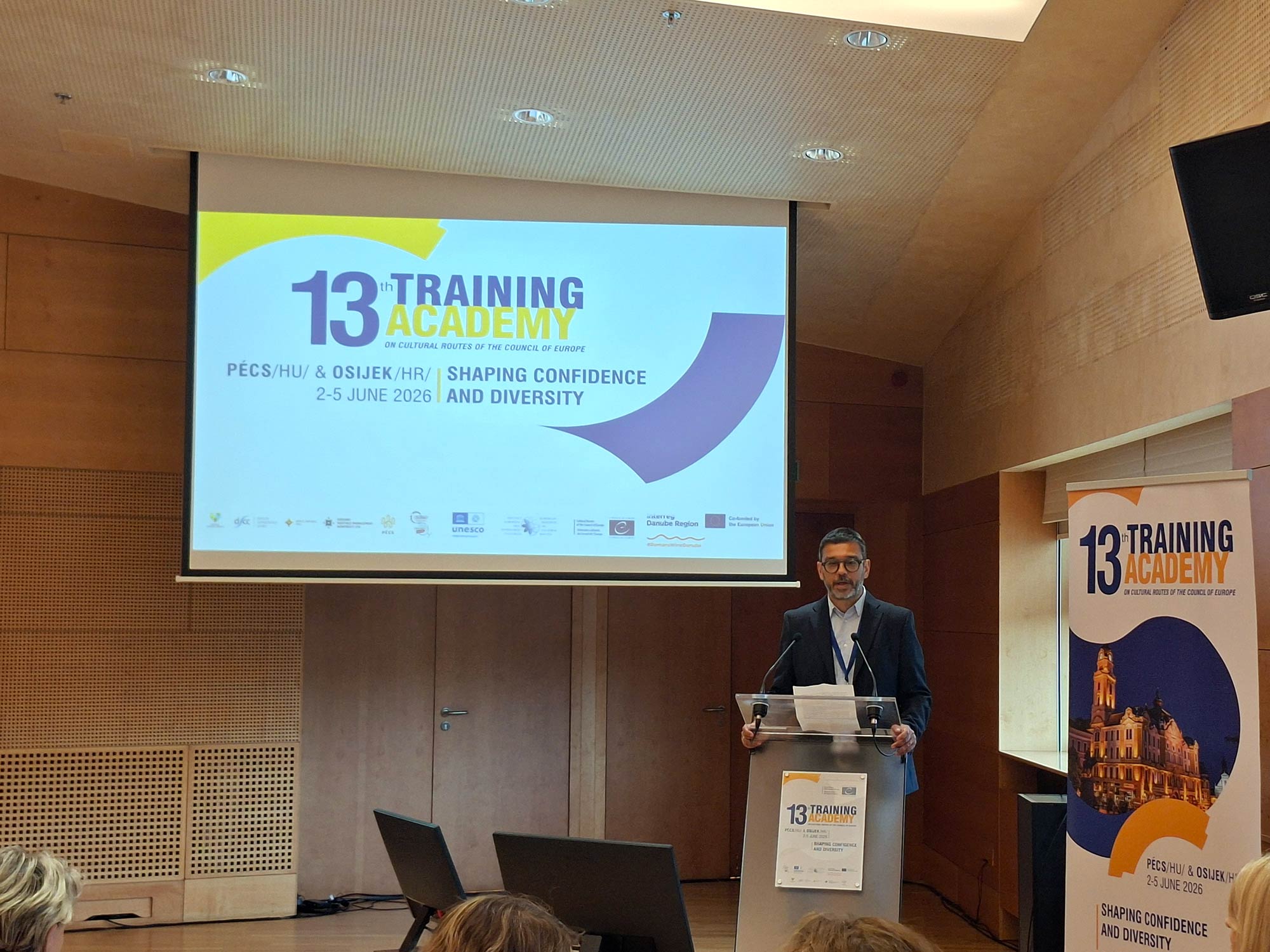
One of the highlights of the day was the keynote address delivered by Dr. Karin Drda-Kühn, who explored the current role and future challenges of Cultural Routes in a rapidly changing world. Her presentation addressed key issues facing the sector, including climate change, accessibility, technological transformation, changing tourism markets, and the need for skilled professionals. At the same time, she emphasised the opportunities available to Cultural Routes, including embracing diversity, engaging young people, strengthening local economies, and building partnerships beyond the cultural sector.
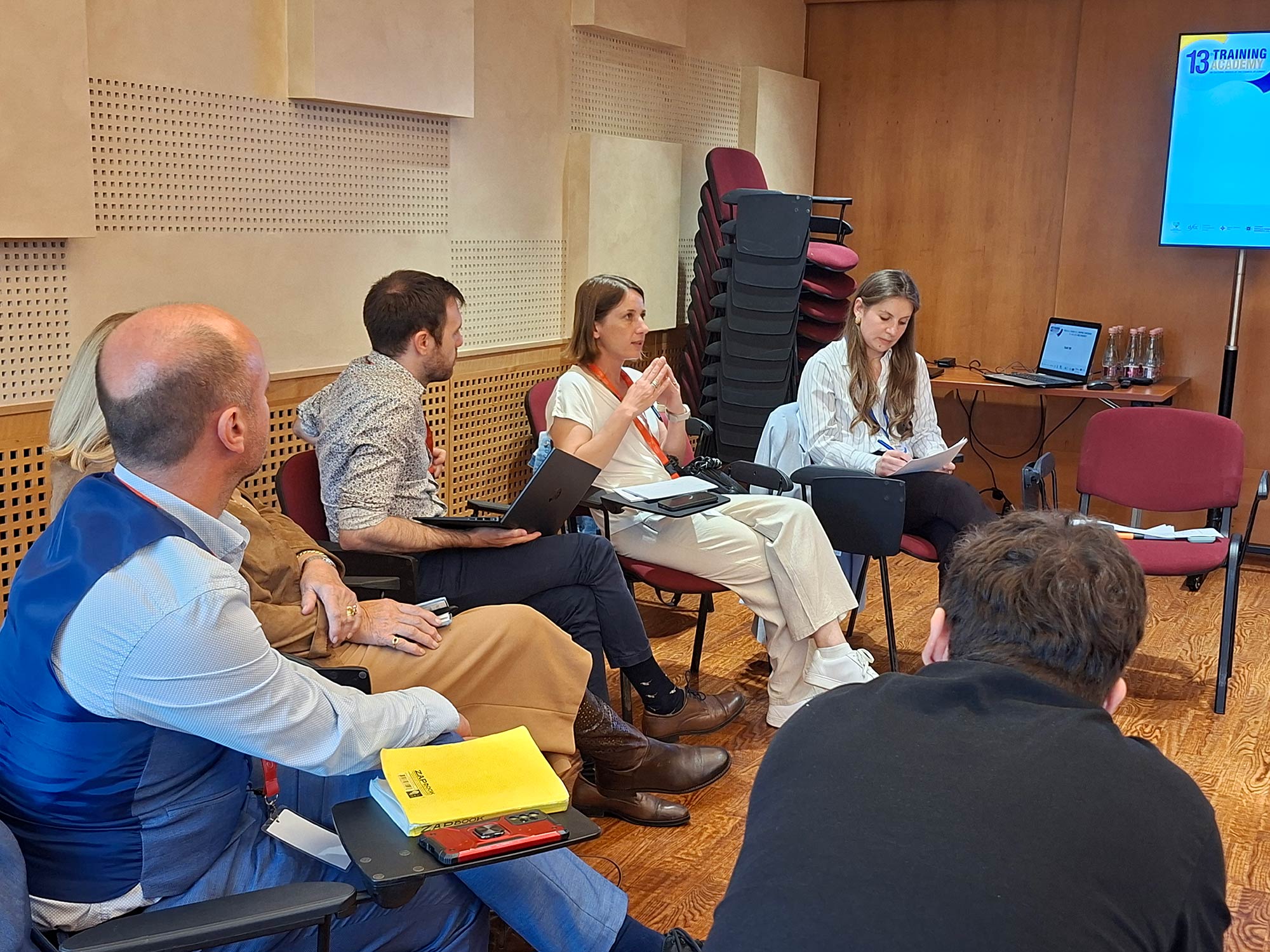
The afternoon programme focused on the future development of the Cultural Routes Programme through a series of thematic discussion groups. Participants exchanged experiences and ideas on topics including network management, youth participation, scientific cooperation, representativeness, and the future direction of the programme.
As the Academy continues, participants will further explore how confidence, diversity, and cooperation can strengthen Cultural Routes and contribute to a more connected, sustainable, and inclusive Europe.

04/06/2026
By Nikola Stanisavljević
Share on social media:



News & Events
Read the most recent updates and explore the upcoming events.



Would you like to receive project updates?
You're already part of our community!
Welcome to our newsletter community!
Subscribe to our newsletter