
From labour-market analysis to cooperation: Stara Pazova tests how local actors can prepare for change
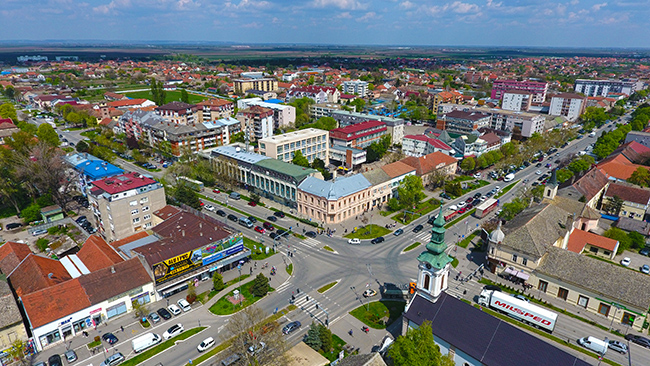
The SteelCityZen pilot in Stara Pazova is exploring a question that many industrial and post-industrial regions face: how can local education respond more closely to the skills needs of employers, and who needs to bring the different actors together?
The pilot was designed around two connected elements: a more detailed labour-market analysis and the development of a cooperation model between the municipality, technical schools and local employers. The aim is not only to identify missing workforce profiles, but also to create a stronger basis for future training offers and school-industry cooperation.
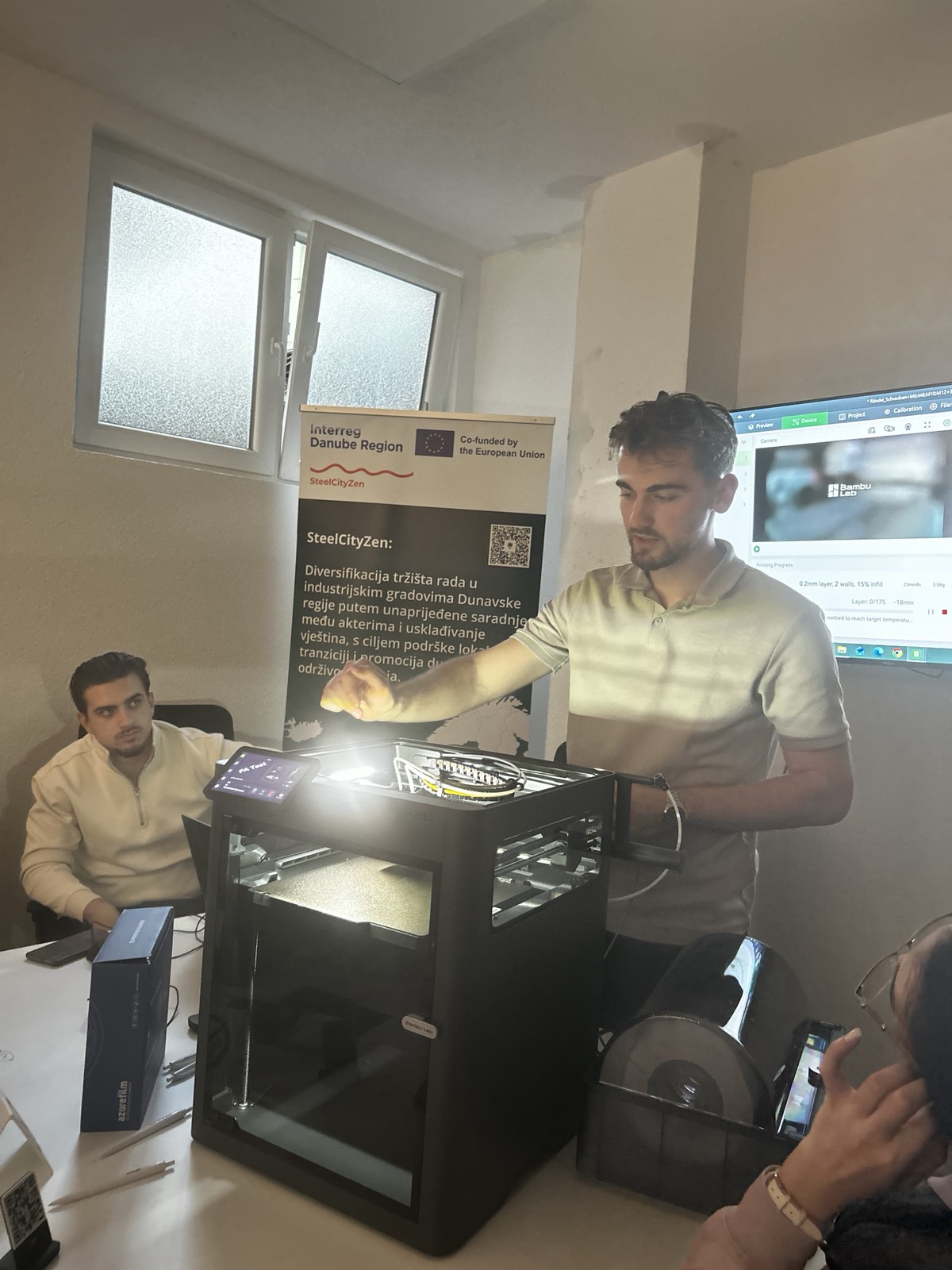
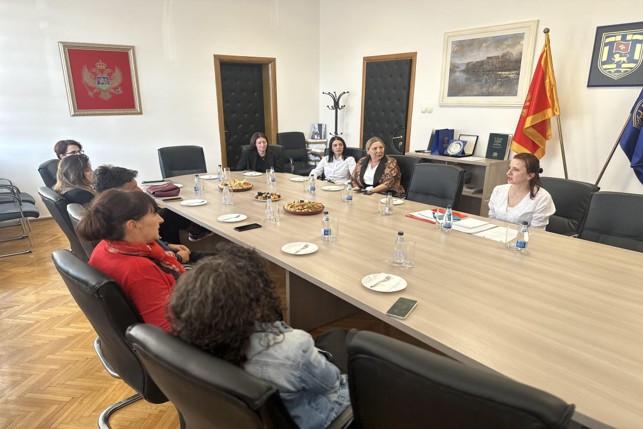
Implementation has already started to move in this direction. A focus group with companies explored current and anticipated workforce shortages, skills gaps and recruitment difficulties, while cooperation has expanded to include a second technical school. Ten stakeholders and companies have also signed memoranda of understanding, creating a more formal basis for cooperation and more intensive communication.
What makes the next phase particularly interesting is that the project now needs to move beyond analysis. SteelCityZen already produced a broad Status Quo Analysis before the pilots started. The current work in Stara Pazova therefore needs to add something different: more detailed knowledge from companies and schools, and practical experimentation with how cooperation could work in everyday life.
This connects closely with the OECD’s recent work on place transformation. The OECD argues that structural change is shaped not only by economic assets, skills or infrastructure, but also by what it calls “soft infrastructure”: local leadership, social capital and the relationships that allow institutions to act together.
For Stara Pazova, one emerging lesson is that a future training centre or new school building will not be enough on its own. The more immediate question is what should actually happen inside a dual-education system: which skills companies need, what students should learn before entering the workplace, what employers still need to teach, and how workplace-based learning can be organised.
One concrete topic that emerged during the bilateral discussion was the role of company mentors. Several employers already use experienced workers to support new staff during their first months in the company. Their experience could provide useful insights into what new workers are missing, how onboarding works in practice, and what kind of support mentors themselves may need.
Mentoring is only one example, however. As the labour-market analysis develops, other practical themes may emerge from companies, schools or the National Employment Service. The value of the pilot will lie in identifying these issues and turning some of them into small-scale tests - through workshops, new cooperation arrangements or shared working methods - rather than treating the labour-market study as an end product in itself.
Another important question concerns the role of the municipality. Companies have indicated an interest in stronger links with technical schools and in having a clearer channel through which their needs can feed into local development and training discussions. This creates a possible role for the municipality as a connector and convenor between employers, schools and other labour-market actors.
Here, leadership does not necessarily mean that one institution has to control the process. OECD work on local leadership stresses that place transformation often depends on the ability of individuals and institutions to mobilise and sustain collaboration over time, while leadership may be shared across government, business, education and civil society.
This is particularly relevant in periods when political attention is changing or when institutional responsibilities are shifting. In such situations, the strength of the cooperation structure itself becomes important: clear roles, working relationships and tangible results can help a project maintain momentum even when the wider context changes.
Stara Pazova is therefore gradually moving from understanding the labour market to testing how local actors can respond together. The coming months will show which practical cooperation themes emerge from the analysis, how the existing memoranda can evolve into a functioning cooperation model, and whether the municipality, schools and employers can build a structure that remains useful beyond the pilot itself.
Related OECD sources: Unpacking place transformation (2026) and Leading local change: The role of individuals and institutions in driving place transformation (2025).
-Written by ÖSB team

18/11/2026
By András Merza
Share on social media:


News & Events
Read the most recent updates and explore the upcoming events.







Would you like to receive project updates?
You're already part of our community!
Welcome to our newsletter community!
Subscribe to our newsletter