
Slezská Ostrava adapts its pilot as new labour-market needs emerge
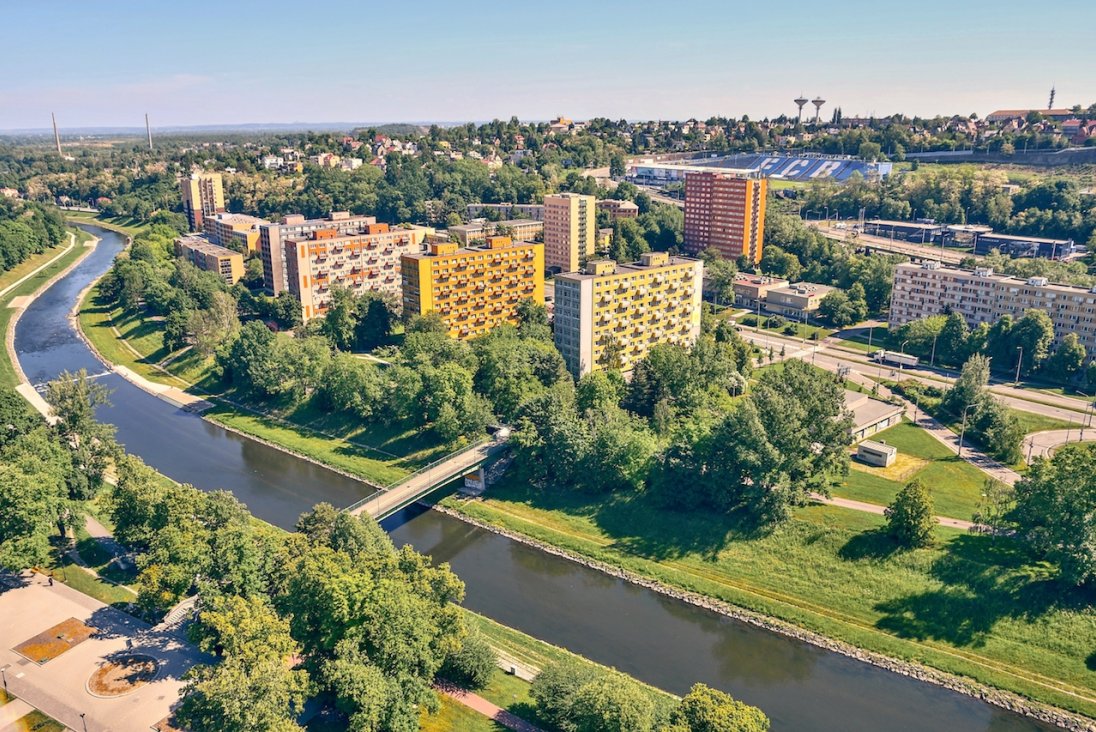
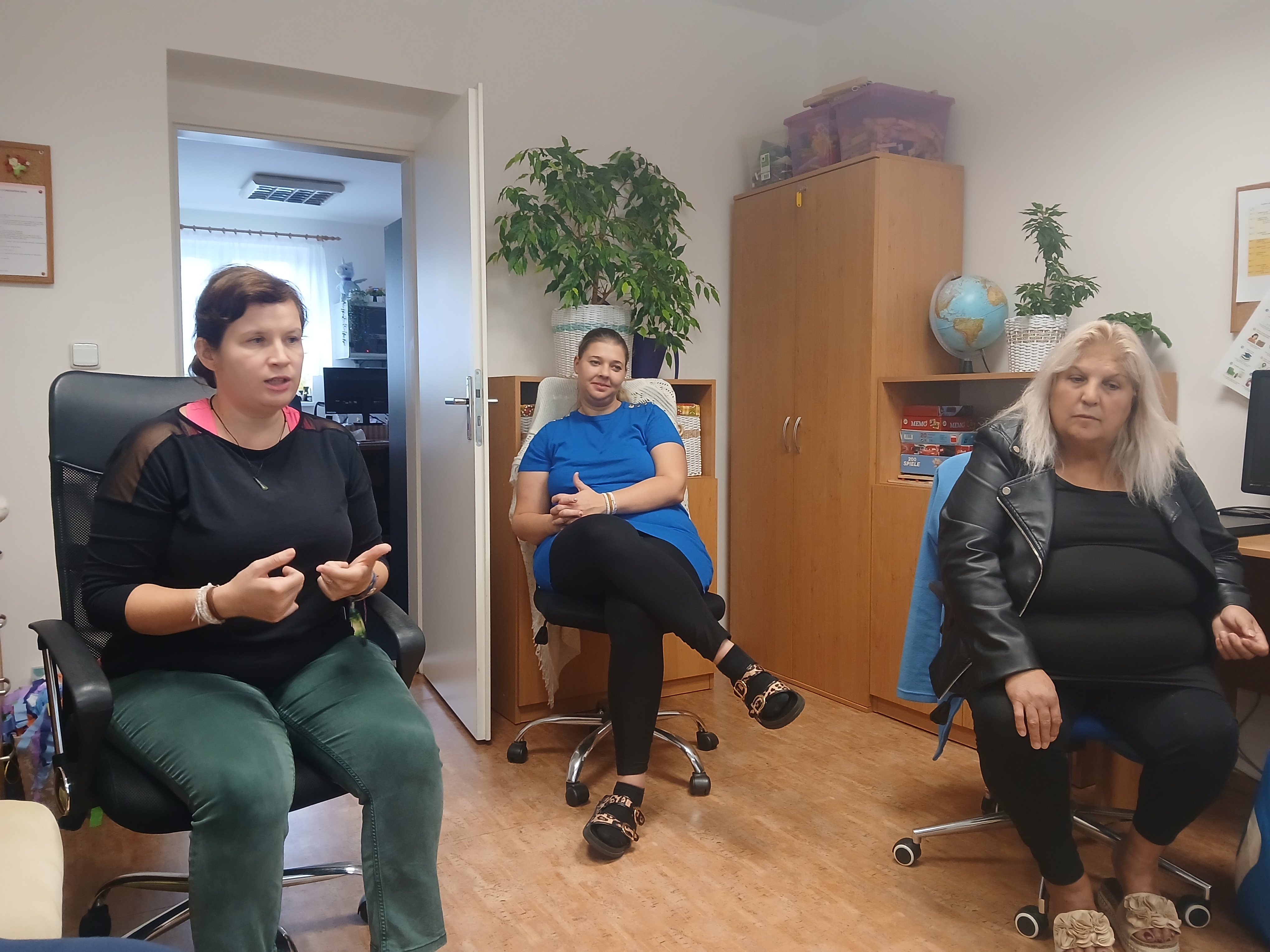
The SteelCityZen pilot in Slezská Ostrava started with a clear ambition: to create an accessible local service where residents could receive personalised career guidance, social support and help in navigating other services. The municipality wanted to establish a low-threshold counselling centre that did not previously exist in this form locally and that could help residents respond to labour-market change.
The original idea was closely linked to the expected employment consequences of industrial restructuring around Liberty Ostrava. However, by the time the pilot became operational, the anticipated large-scale inflow of newly unemployed workers had not materialised in the way originally expected. Rather than sticking rigidly to the initial target group, the team adapted. Today, the service increasingly supports women returning from parental leave, older workers, young people entering the labour market, foreigners and socially disadvantaged residents.
This ability to adapt is becoming one of the most interesting features of the pilot. Client numbers are increasing, and the team reports that social media — particularly Facebook — has been much more successful in reaching residents than general public events. Personal recommendations are also starting to bring new users to the centre. At the same time, most consultations are arranged flexibly by phone or email rather than through fixed drop-in hours.
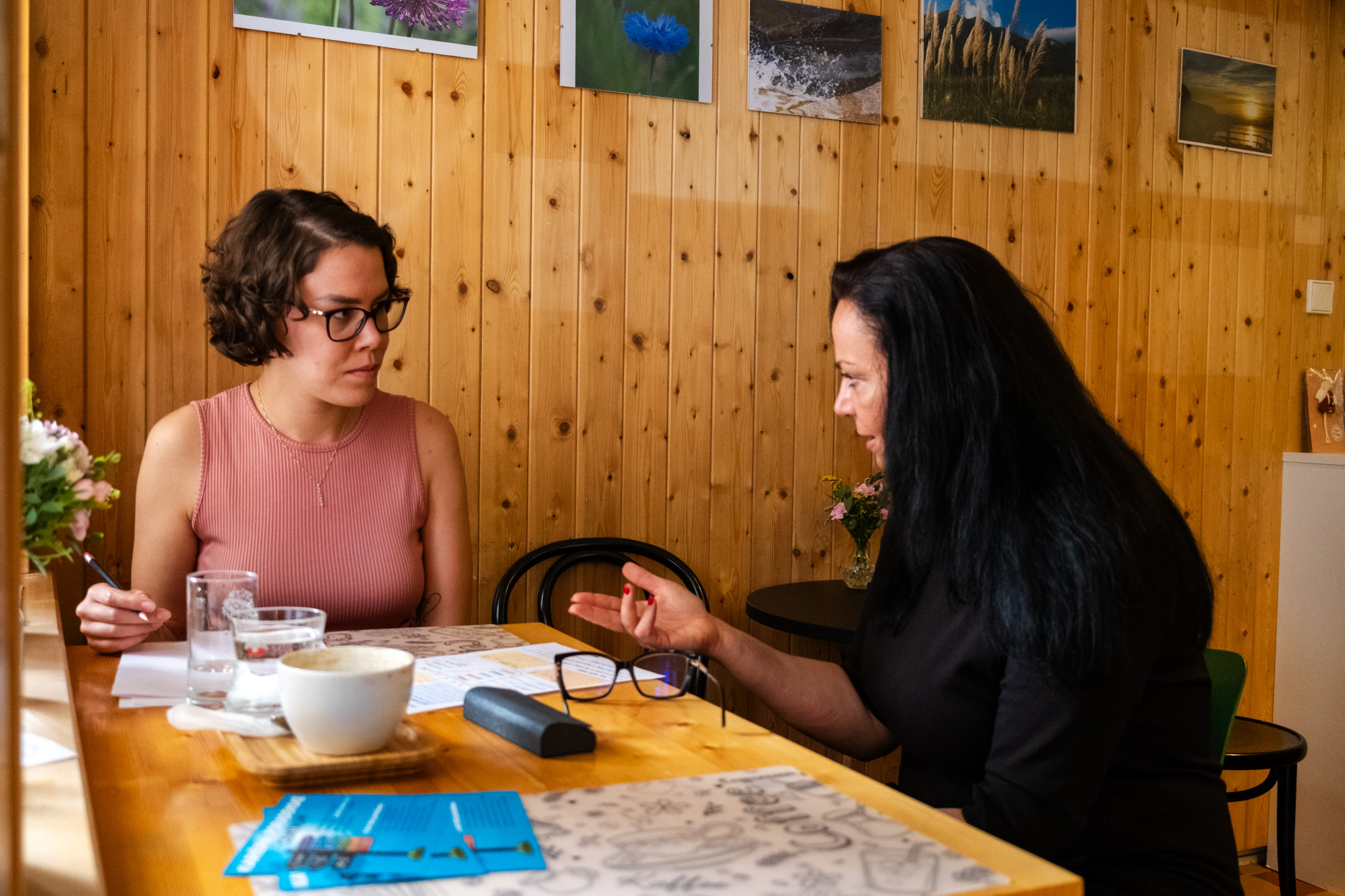
As the service develops, another learning is emerging: many clients need more than help with writing a CV or finding a vacancy. Counselling increasingly concerns broader questions about career direction, transferable skills, confidence, work-life balance and what kind of employment is realistic at a particular stage of life. The local team sees this personalised and reflective approach as an important difference from more standard employment services focused primarily on benefit administration or lists of available jobs.
This resonates strongly with the OECD’s recent work on place transformation. The OECD argues that economic transformation does not follow one single path. Places may renew existing industries, diversify into new activities, attract new investment or build entirely new economic pathways. For workers, this also means that transformation is not simply about moving into the next available job. It may require recognising existing capabilities, identifying new directions and supporting transitions across occupations and sectors.
A second important learning concerns stakeholder cooperation. The pilot initially envisaged a broad network of organisations meeting regularly around the centre. In practice, participation in formal stakeholder meetings has been lower than expected. The experience so far suggests that cooperation works better when there is a clear reason for it.
For the next implementation period, the focus will therefore shift towards expanding the stakeholder network and identifying concrete areas of mutual benefit. Bilateral contacts with social services, kindergartens, libraries, counsellors, employers or other support organisations can help clarify where referrals or shared activities make sense. Once the pilot has been running for longer and more results are visible, broader group meetings can be revisited on a stronger basis.
This is also where the pilot connects to another element highlighted by the OECD: the importance of the less visible “soft infrastructure” of transformation. Trust, working relationships, local leadership and the ability of institutions to cooperate can be just as important as formal strategies or new services. In Ostrava, the stakeholder network may therefore become an outcome of the pilot in its own right — provided that it is built around useful cooperation rather than participation for its own sake.
The pilot is also revealing issues that go beyond career counselling itself. Parents returning to work may face childcare constraints or a lack of flexible jobs. Vulnerable workers may need better information about contracts, employment conditions or where to seek specialist advice. These are not problems the centre can solve alone, but identifying them helps the municipality understand where individual support ends and where wider institutional or policy barriers begin.
Even though Slezská Ostrava is currently not experiencing the kind of large-scale industrial shock originally anticipated, the pilot is building something valuable: practical know-how, trained staff, referral relationships and experience in supporting people through employment transitions. The local team sees this as part of the municipality’s preparation for future labour-market change and as a contribution to longer-term diversification.
The Ostrava experience therefore shows that a pilot does not need to follow its original design unchanged to be successful. Its value can also lie in learning what people actually need, adapting the service accordingly, and building the local relationships that make future change easier to manage.
-Written by ÖSB team

18/11/2026
By András Merza
Share on social media:


News & Events
Read the most recent updates and explore the upcoming events.




Would you like to receive project updates?
You're already part of our community!
Welcome to our newsletter community!
Subscribe to our newsletter