
The third Steering Group Meeting of the TRANSDINARICA2 Project
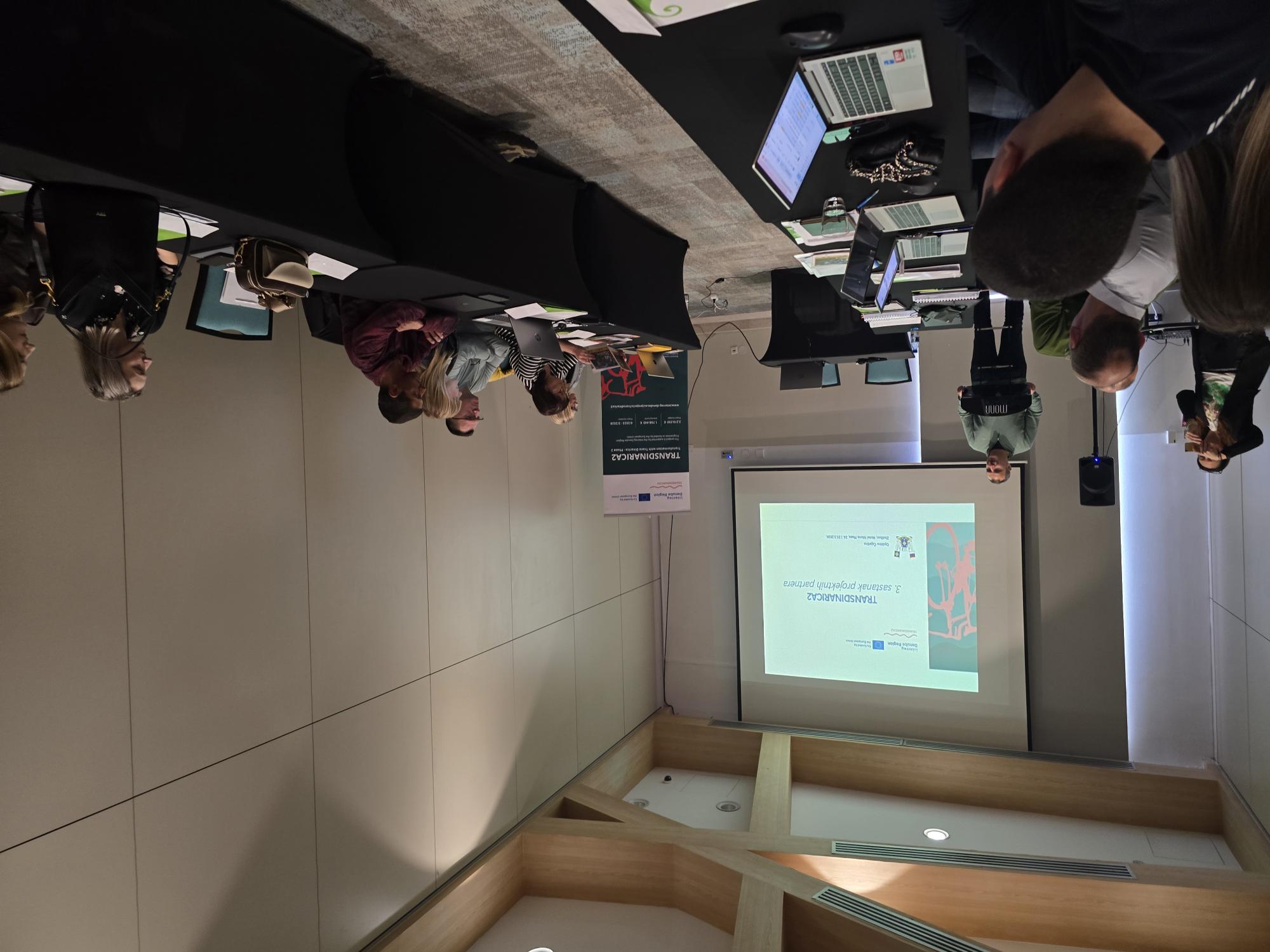
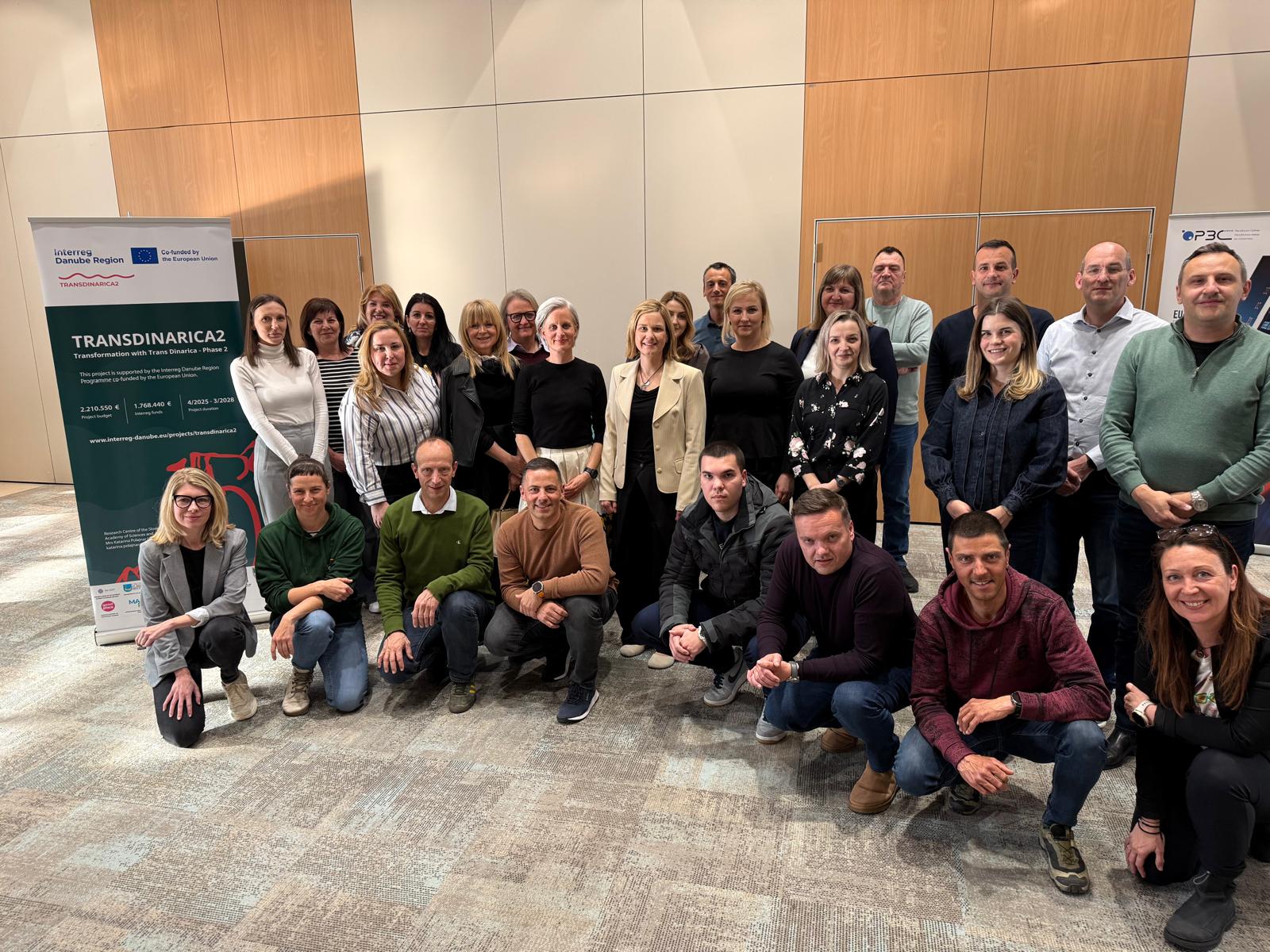
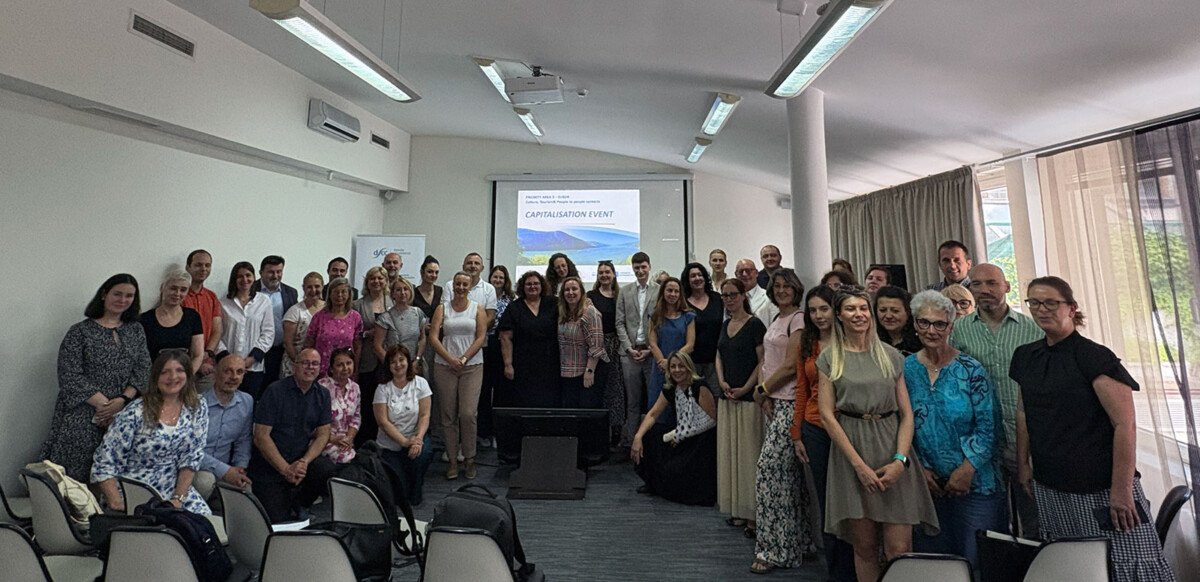
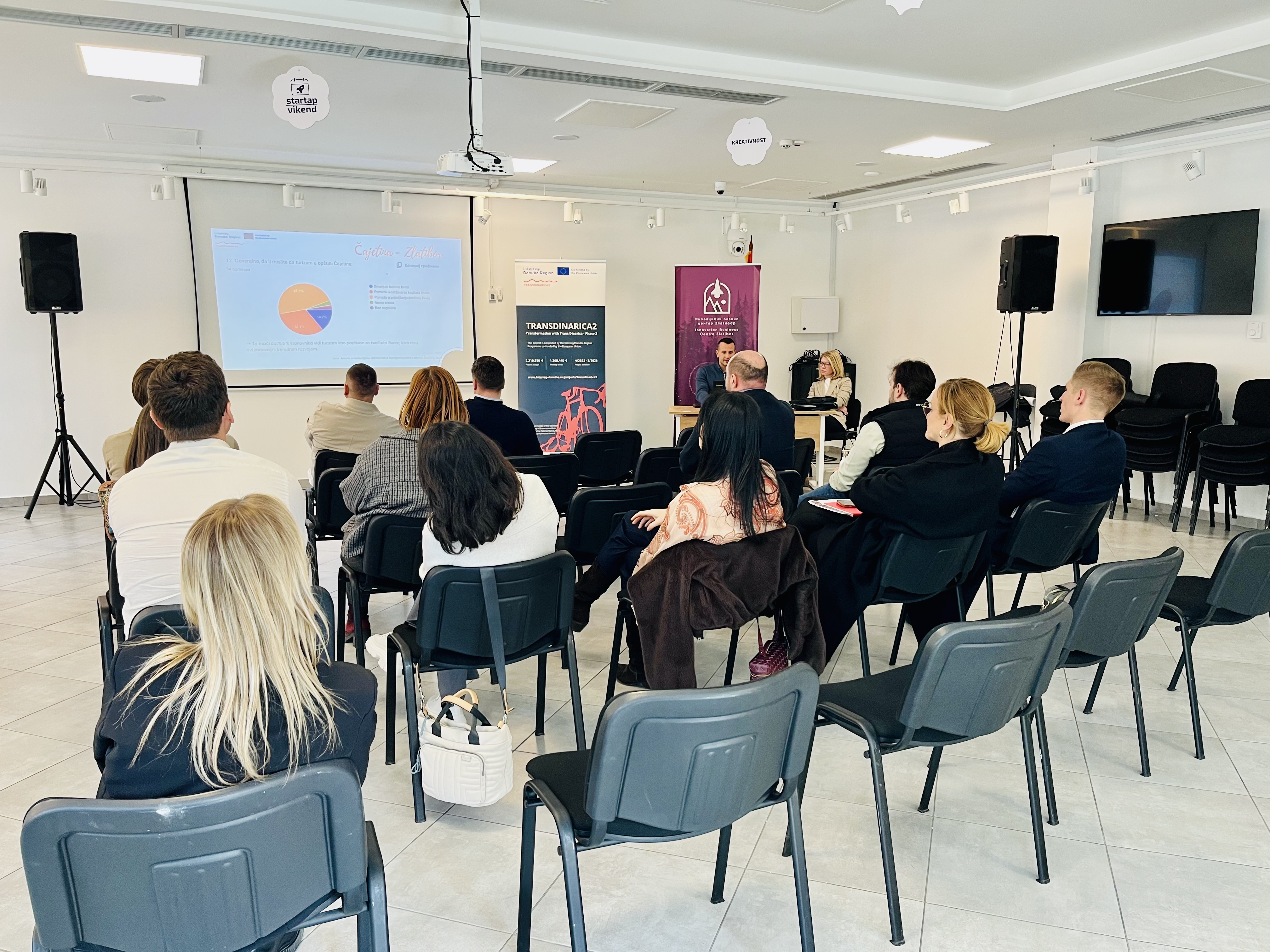
The International Steering Group (ISG) meeting of the TRANSDINARICA2 project was held in Zlatibor 24th March 2026 hosted by PP6 OPČA, bringing together 30 participants from 11 project partner organisations and two associated strategic partners. The meeting opened with welcome addresses by Dr. Katarina Polajnar Horvat, project leader from LP1 ZRC SAZU, Miroslav Ivanović representing the host organisation OPČA, and a representative of the Tourist Organisation of Zlatibor.
The first session focused on Activity 1.1, presented by Jelena (PP4 MARA), who introduced the results of the territorial situation analysis (Deliverable D.1.1.1) covering the five pilot destinations: Čajetina/Zlatibor, Konjic, Knin, Žabljak, and Ilirska Bistrica. Using a harmonised six-axis analytical framework, the analysis combined desk research, spatial analysis, and extensive stakeholder engagement. Key conclusions highlighted the high natural and cultural value of all destinations alongside shared challenges such as demographic decline, infrastructure pressure, seasonality, limited data availability, and weak inter-sectoral cooperation. Cycling infrastructure was found to be fragmented, and no carrying capacity assessments currently exist, prompting the proposal to apply GSTC standards. The established baseline values will serve as a foundation for further project outputs, pilot concepts, and the transnational strategy.
In the second session, Andrej (LP1 ZRC SAZU) presented results of the stakeholder questionnaire (D.1.1.2). Nearly one quarter of identified stakeholders responded, expressing strong interest in future cooperation. The responses confirmed encouraging engagement from accommodations, restaurants, bike shops, tour guides, and other tourism providers closely connected to cycling tourism. Many respondents already had some awareness of the Trans Dinarica route and showed willingness to participate in upcoming activities. Deliverable 3.3.1 contains the detailed results, and stakeholder workshops are planned for the next project phase.
Aleš (LP1 ZRC SAZU) then presented the pilot concepts (D.1.1.3), developed on the basis of territorial analysis and sustainable tourism strategies. Two types of pilot concepts were identified: economic (Konjic, Knin) and social (Ilirska Bistrica, Čajetina, Žabljak). These concepts aim to address challenges such as short visitor stays, low spending, and limited local involvement through concrete actions including development of cycling loops, additional experiences, improved provider networking, basic quality standards, and stronger digital and marketing positioning.
Jan (PP2 IFST) presented progress on connecting the Trans Dinarica route with the Alpe Adria Ciclovia (SO2). A functional application and draft route map have been developed and made publicly accessible, including points of interest and an embeddable map integrated into the project website. While cooperation with Italian partners was limited, successful collaboration was achieved with partners in Kärnten and Tirol. Remaining tasks include adding descriptive content and photos.
The session on TD HUBs, presented by Zdenka (PP5 KNIN) and Tadeja (PP3 OIB), addressed equipment and organisational needs, with partners invited to propose adjustments adapted to local contexts.
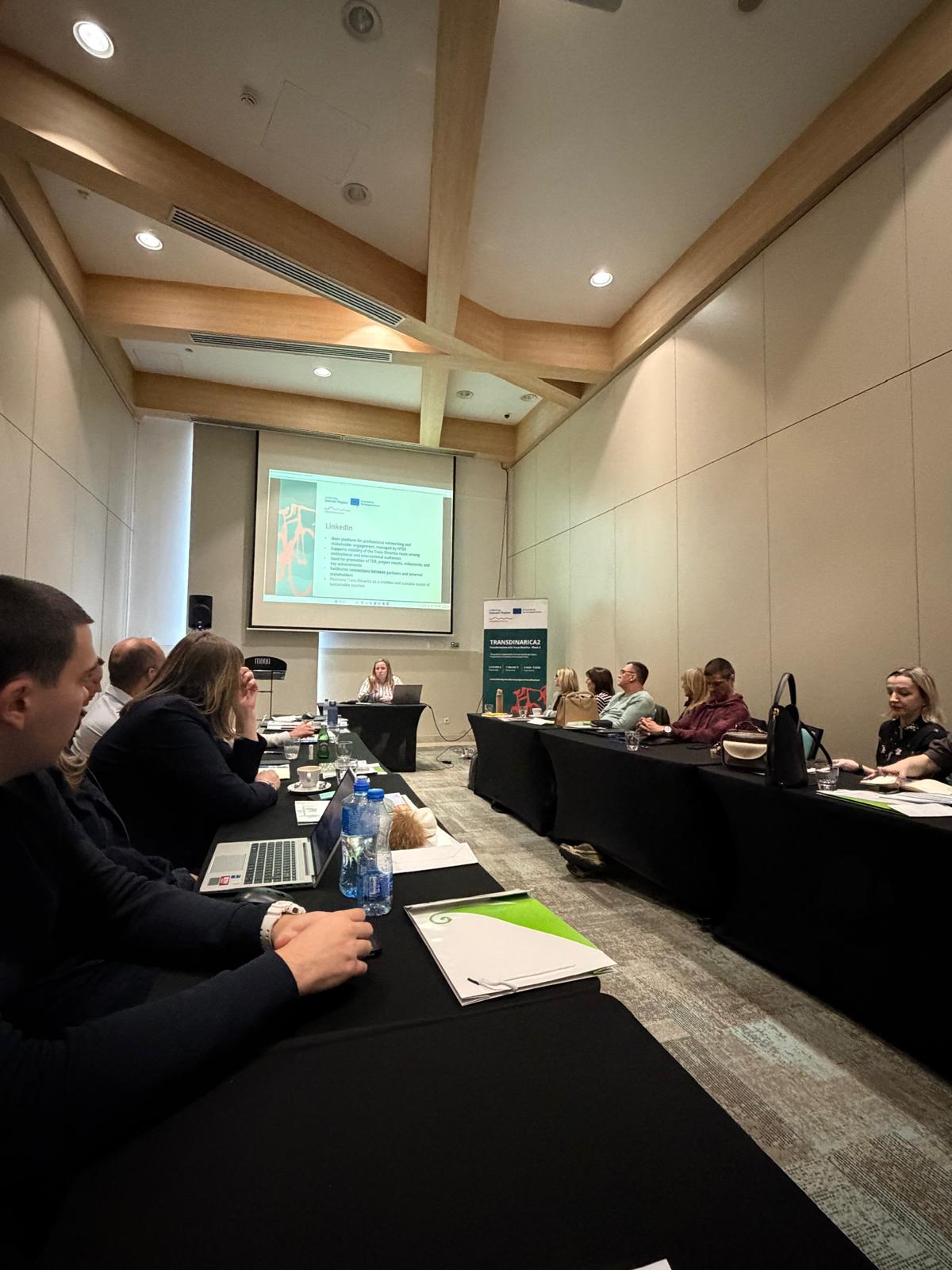
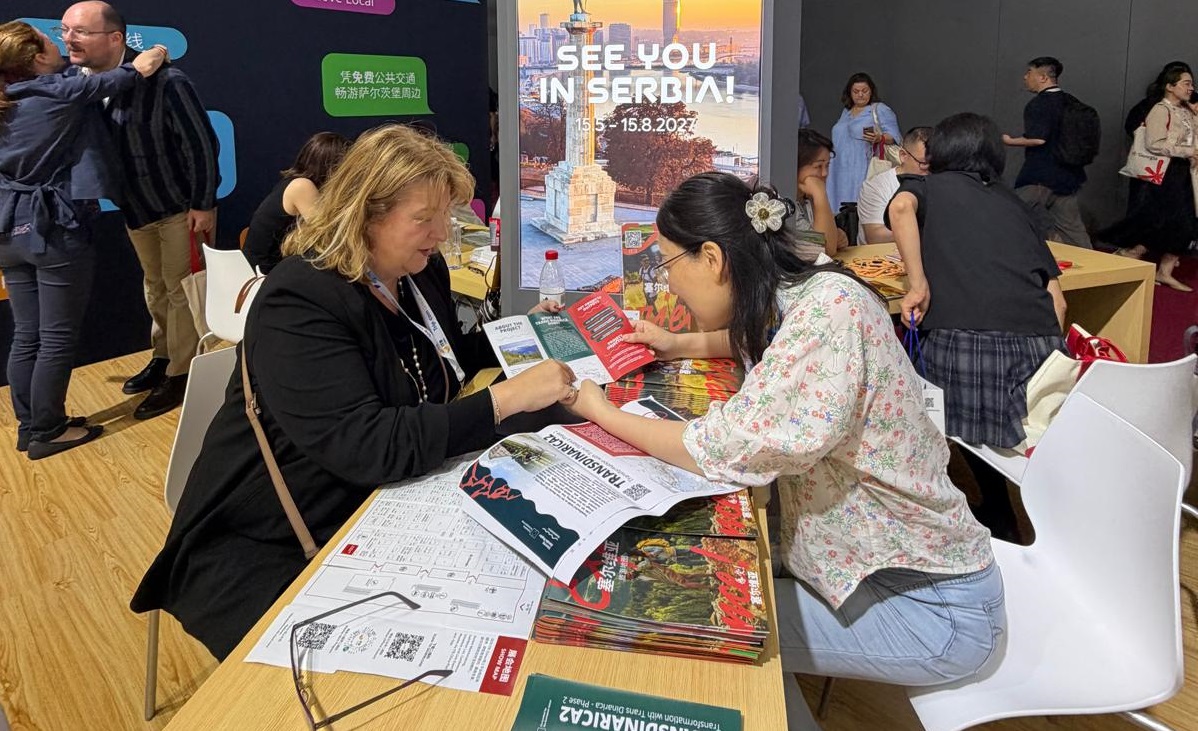
After lunch, Aleksandra (PP7 NTOS) reported on communication activities. Highlights included newsletters, the launch of the LinkedIn profile, promotional materials, participation in tourism fairs in Madrid and Berlin, and systematic monitoring of partner communications. Future plans include further newsletters, media articles, regular online updates, and development of a promotional video. The session concluded with insights from journalist Alex Cervar on effective media storytelling.
The final session, led by Petra (LP1 ZRC SAZU), covered administrative and financial management. Project Progress Report 1 was approved, while partners were advised to improve reporting clarity and timeliness. Key deadlines for the second reporting period were presented, and an online first‑year review meeting was announced for 19 May 2026.
The next physical meeting will take place in Žabljak in September 2026.

27/04/2026
By Aleksandra Dolapcev
Share on social media:


Social

News & Events
Read the most recent updates and explore the upcoming events.

Would you like to receive project updates?
You're already part of our community!
Welcome to our newsletter community!
Subscribe to our newsletter