
Danube Indeet national workshops – video recordings and summary
Danube Indeet national workshops – video recordings and summary
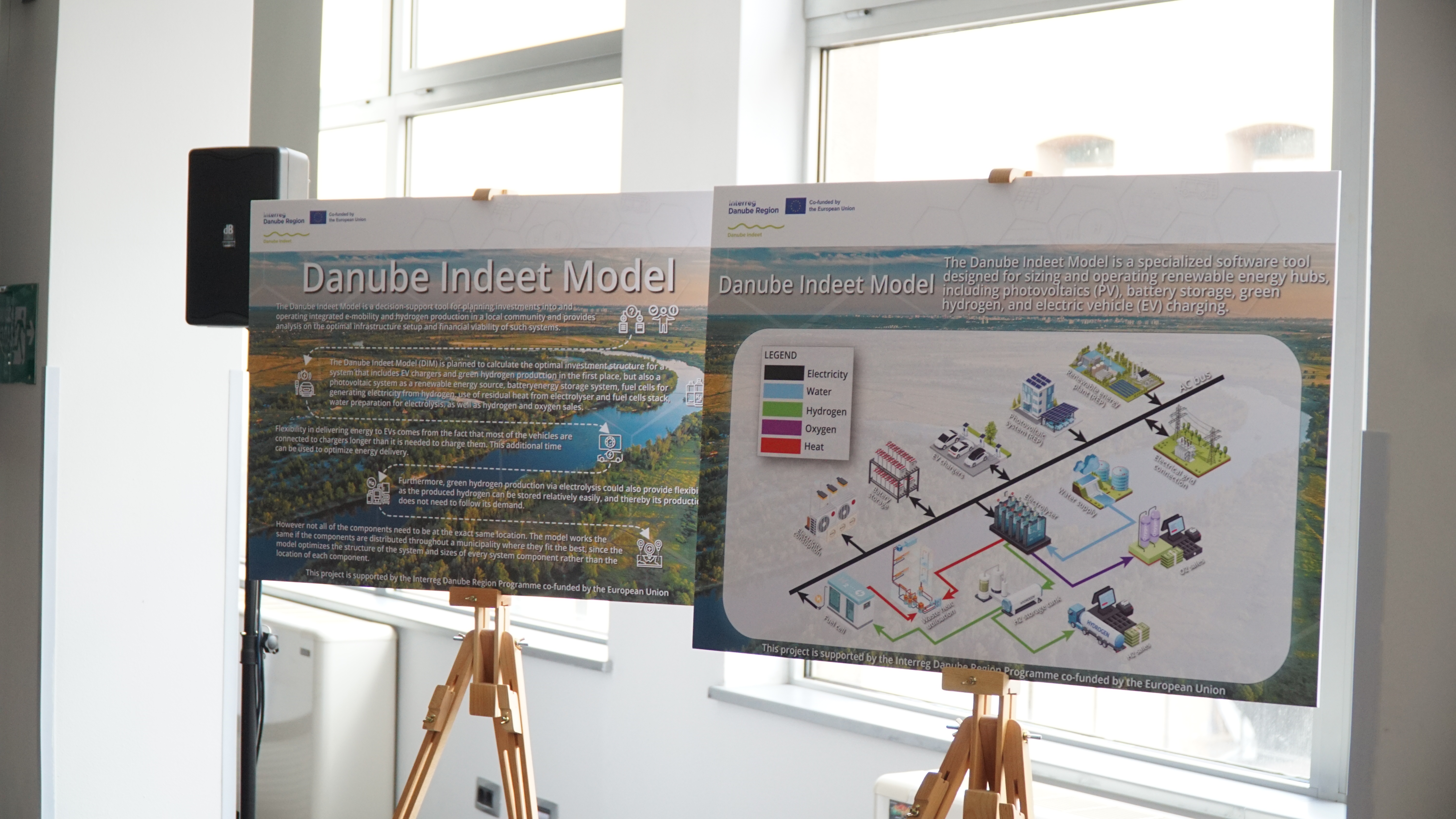
As a last step of the Danube Indeet project partners organized local workshops in their respective countries. The events not only hosted lectures about the various results of Danube Indeet but also created an opportunity to exchange ideas and experiences regarding the green transition and the role green energy, e-mobility and energy storage plays in this process. Furthermore, the workshops were recorded to provide an overview Danube Indeet for stakeholders in their languages, too! In the following section, we are going to give an overview of each event and attach the video recording for the benefit of any stakeholder who would like to learn more about the approach of Danube Indeet, and what it led to.Of course the Danube Indeet Model is going to be the center of the events. To learn more about the software, click the link here.
Austria
The national workshop, held on 24 March 2026 in Vienna, brought together policymakers and key stakeholders from the hydrogen sector, including ministry representatives, industry associations, and technology providers. During the event, key results of the Danube Indeet project were presented, providing an overview of the current status of hydrogen development across political, legal, technical, economic, environmental, and societal dimensions. The presentations were followed by stakeholder discussions to validate and complement the findings. The workshop highlighted several key barriers to hydrogen market development, particularly regulatory uncertainty, high production costs, limited demand, and the lack of viable business models. Stakeholders emphasized the need for faster implementation of the legal framework, clearer regulations for hydrogen infrastructure and grid injection, improved coordination of national and EU funding, and stronger demand-side measures. Overall, the workshop confirmed that Austria has a solid strategic and financial basis for hydrogen development, but coordinated policy measures are needed to address existing barriers and support the growth of a competitive hydrogen market.
Bosnia and Herzegovina
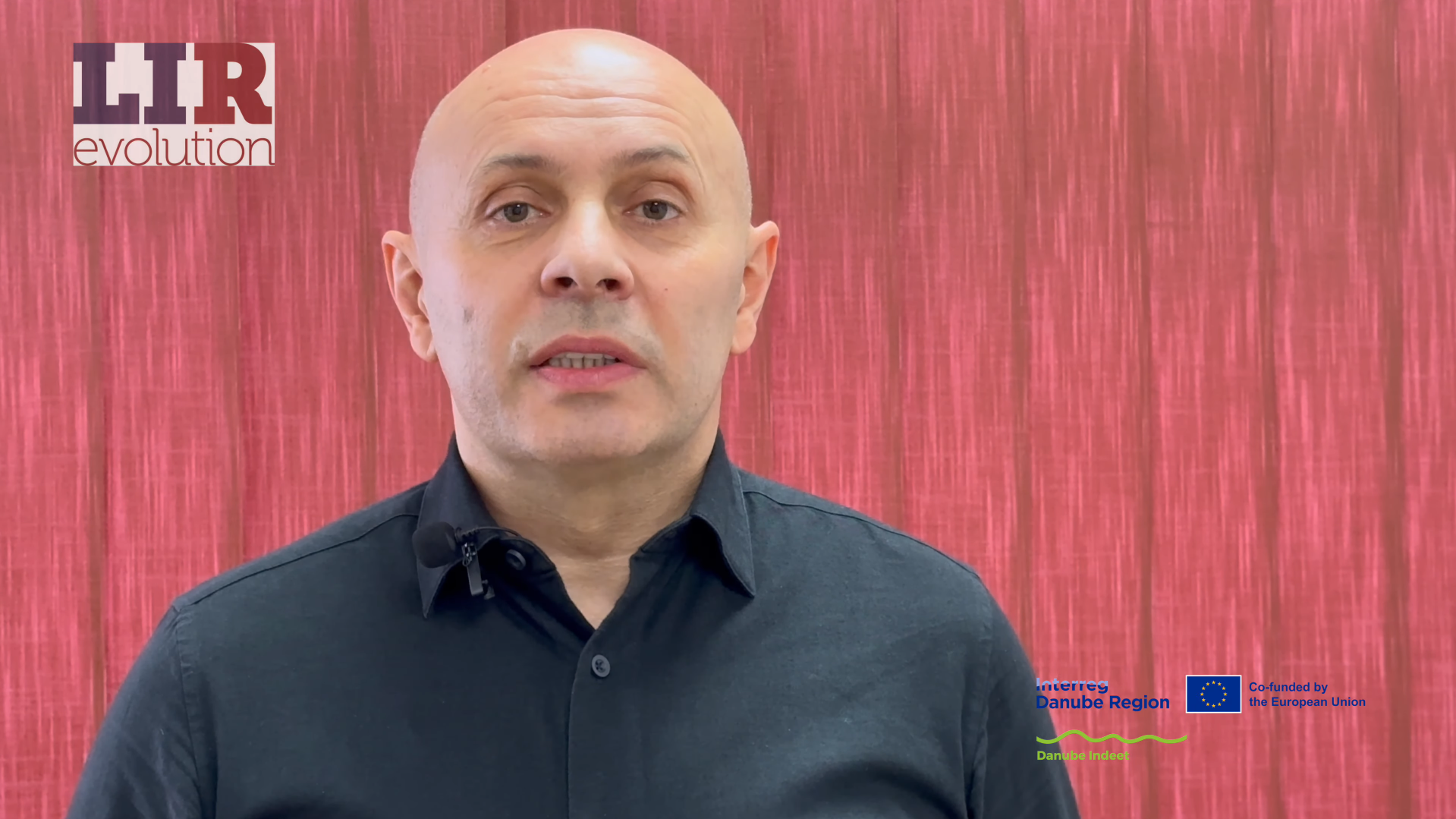
As part of the Danube Indeet project, LIR Evolution organized a workshop to present the most significant results achieved within the project. The workshop took place on May 14, 2026, in Banja Luka, with the possibility of online participation. The event promoted the expansion and efficiency of renewable energy in the Danube region through the research and analysis of opportunities for sector coupling, such as hydrogen production and sustainable transport. Participants had the opportunity to learn about:
• The system optimization application – Danube Indeet Model
• Developed business models for green infrastructure
• Research results on the level of acceptance of new technologies
During the workshop, participants engaged in an active discussion and provided recommendations and ideas for amendments to relevant policies in order to encourage the use of renewable energy sources and accelerate the development of green technologies.
Croatia
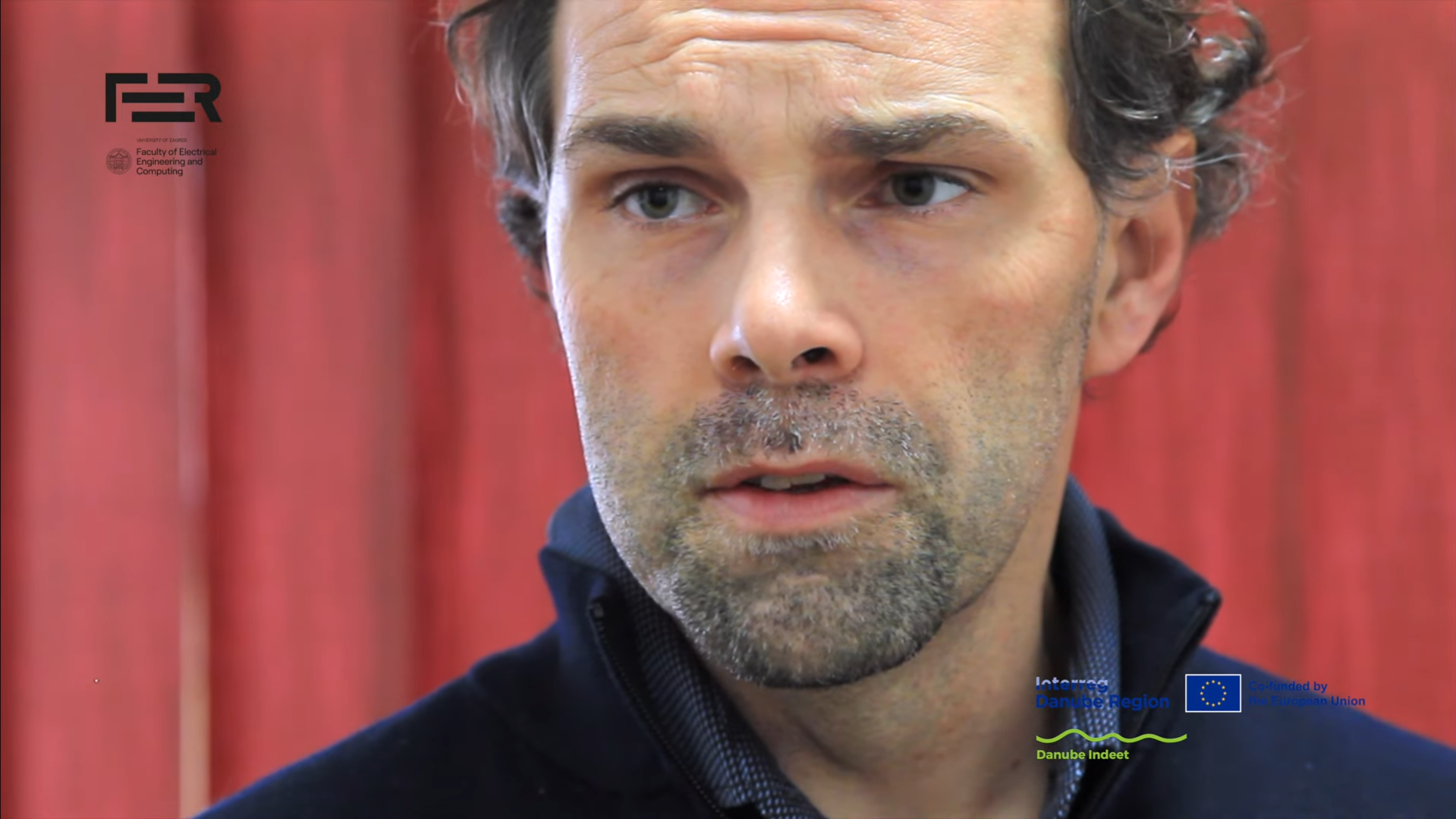
The national workshop in Croatia was used to showcase the entire sequence of Danube Indeet project results to interested stakeholders. The gathered stakeholders were from Croatia and Slovenia. The interactions were carried out with stakeholders through a stakeholder dialogue before the workshop. From the policy side, the strategy and action plan for Croatia regarding hydrogen is set, with specified targets, while still specific operational technical regulations are missing and they are being developed and brought into force and practice. There exist specific barriers in ground implementation when pursuing the energy communities concept that should further substantiate the local communities joint actions in producing, storing and using renewable energy. Sectoral agencies recognize the need for integrating smart solutions with energy storage technologies and sectors coupling to facilitate their use on a large scale, and Danube Indeet Model represents an important step in that direction. Further development of modelling tools such as DIM is highly relevant, particularly in terms of integrating real-world data and improving usability for a broader range of users. A key challenge lies in ensuring the availability, consistency, and quality of input data across different regions, which directly affects model reliability. Additionally, incorporating emerging technologies such as hydrogen and V2G requires continuous methodological updates and validation. It is recommended to adopt a modular development approach, enabling gradual integration of new technologies and functionalities.
Czechia
The Czech national workshop was organised by RERA and focused on policy cooperation in the fields of hydrogen, e-mobility, V2X/V2G, energy storage and decentralised energy systems. The workshop brought together representatives from national, regional and local levels, including public authorities, sectoral agencies, energy and innovation actors.
The discussion focused mainly on the practical conditions for introducing new energy and transport solutions in the Czech context. Participants discussed the relevance of hydrogen and e-mobility for the energy transition, the role of integrated local and regional energy planning, and the possible use of the Danube Indeet Model.
The main feedback was that these technologies are relevant, but their wider deployment is still limited by several barriers. These include high investment costs, the high price of green hydrogen, an underdeveloped market, and missing or unclear legislation for V2X/V2G and bidirectional energy flows. Participants stressed the need for stable funding, practical pilot projects, clearer guidance for public authorities and stronger technical support for municipalities and regions.
The discussion showed that stakeholders are interested in innovative solutions, but they need concrete examples, realistic financing options and clear regulatory conditions before these technologies can be implemented more widely.
Germany
The Danube Indeet National Workshop, held on 8 June 2026 at Technology Centre for Energy in Ruhstorf an der Rott, welcomed 19 participants from municipalities, energy planning, businesses, and research. The event showcased the main results of the Danube Indeet project, with a particular focus on the Danube INDEET Model (DIM), a free optimization tool that supports municipalities and other stakeholders in evaluating and planning future energy scenarios.
The mayor of the municipality Ruhstorf an der Rott stated “Energy policy doesn't start in Berlin. The future of energy starts in the communities and cities. It starts where people live, work, and take on responsibility—which is why I'm so pleased that so many companies are here today that can help shape this future.”
Following the project presentations, participants joined interactive discussions on key challenges and possible solutions related to policy & funding, infrastructure & system integration, and data & market development. The workshop created an open and constructive atmosphere, with lively exchanges between participants from different sectors. Feedback was very positive, with participants highlighting the possibilities with the tool and their interest in future local cooperation. The insights gathered during the workshop will also help further improve the model and better address regional needs.
Hungary
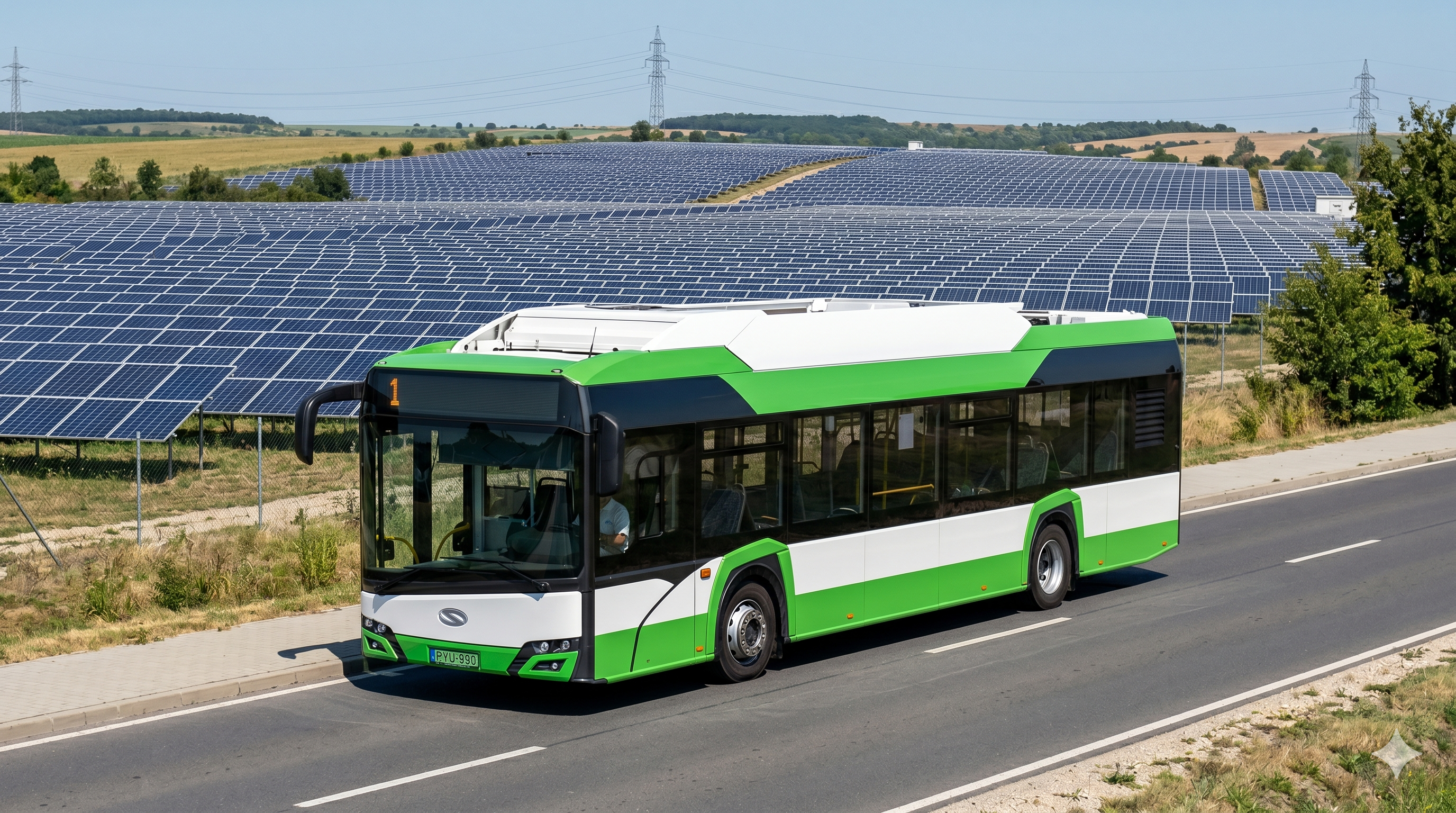
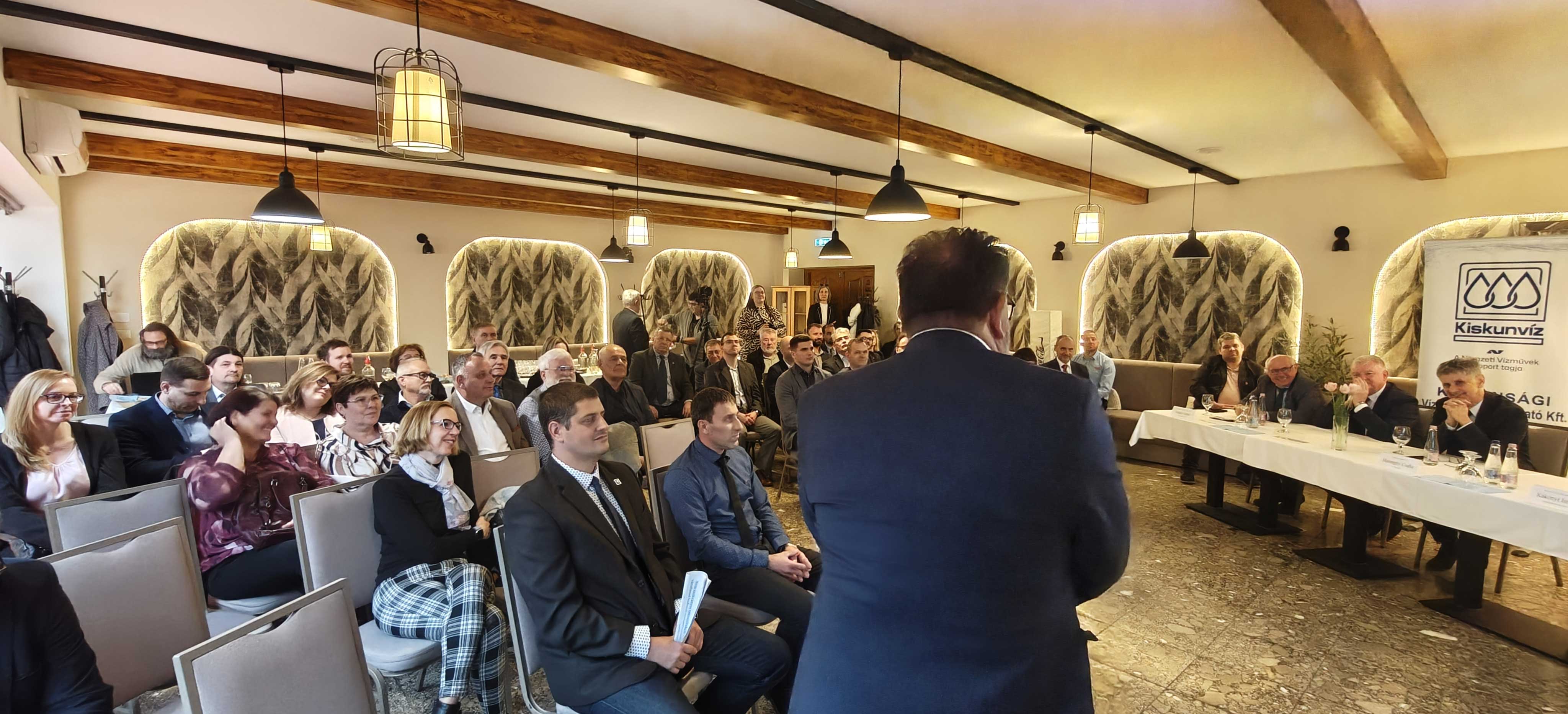
The Hungarian National Workshop took place ont he 25th of June, 2026. During the event, the Priority Area Coordinator of EUSDR PA2, Mrs. Annamaria Nádor gave a keynote speech for an audience consisting of energy experts, local transport companies and local development agencies. Not only the Danube Indeet project results focusing on the Danube Indeet Model were only presented, but the medium-to-long term development plans of Paks Transportation Ltd. were also introduced. The company plans to extend the coverage of the service within the Municipality and to take advantage of the exclusively electric bus fleet by building RES-capacities and a battery energy storage system. This, and other scenarios were also used to present the Danube Indeet Model. The stakeholders invited to present discussed energy communities as an way to move from centralized to local energy systems taking advantage of local resources and providing much needed grid stability without large expansion of the grid itself. Barriers and opportunities were discussed from a legal standpoint, and these were also illustrated by practical examples.
The overall discussed has shown that there is high interest towards sector coupling, but there are many regulatory and technical hurdles that pioneers have to overcome so that others can initiate investment into green energy and e-mobility in a more off-the-shelf manner that will support a larger scale expansion of green infrastructure. Other types of energy storage, such hydrogen, or geological storage unfortunately might be even more far behind large scale roll-out. In Hungary’s case, the lack of data, smart metering, or higher level data collection impedes the expansion of renewable, even though solar provides more than 20% of Hungary’s electricity needs. There is great potential for further use cases, but the drivers of local transitions are few and far between. With the use of modelling tools, such as the Danube Indeet Model, scenario analysis and planning becomes easy and risk-free, therefore we encourage all stakeholders to try the Model for themselves.
Montenegro
Romania
The National Workshop brought together 30 participants, including representatives of local public authorities, management authorities with responsibilities related to the workshop themes, and other relevant stakeholders. The event provided a platform for knowledge exchange and discussion on innovative solutions for integrating renewable energy, electromobility, and green hydrogen into regional energy and transport systems.
Participants gained practical insights into the Danube Indeet model, developed to support the integrated planning of infrastructure for electric mobility and green hydrogen, and explored its application through pilot scenario testing. The workshop also enhanced participants’ understanding of sustainable business models for green enterprises in Romania, particularly in the fields of electric mobility, renewable energy, and hydrogen integration.
A key learning outcome was the increased awareness of policy and regulatory frameworks supporting renewable energy technologies, electromobility, and Vehicle-to-Grid/Vehicle-to-X (V2G/V2X) solutions. Discussions highlighted the importance of coordinated public policies, stakeholder cooperation, and public acceptance in accelerating the deployment of innovative energy and mobility technologies.
The workshop concluded with an exchange of ideas and recommendations on practical measures and policy actions needed to support the adoption of renewable energy-based technologies and contribute to a more sustainable, resilient, and interconnected Danube Region.
Serbia
The workshop aimed to enhance knowledge and capacities related to integrated and decentralized energy and transport systems in the Danube Region. A key focus was on promoting practical tools such as the Danube Indeet Model (DIM), as well as advancing innovative solutions including renewable energy, green hydrogen, and smart energy concepts like vehicle-to-grid (V2G). The event also sought to strengthen cross-sector cooperation and support the development of future EUfunded projects.
Participants identified the Danube Indeet Model (DIM) and sessions on attitudes toward new technologies as the most useful. The workshop achieved a high level of satisfaction, with 80% of respondents being very satisfied and 20% satisfied. Content relevance was also rated positively, with 80% considering it very or highly relevant. Additionally, 90% of participants reported improved understanding of integrated energy and transport concepts
The workshop successfully met its objectives by delivering relevant content, enhancing participant knowledge, and fostering engagement across sectors. Strong satisfaction levels and positive feedback confirm the value of such capacity-building events. Future activities should build on this success by incorporating more practical formats and deepening focus on emerging topics such as hydrogen and applied energy solutions.
Slovakia
The Slovak National Workshop of the Danube Indeet project was held on 4 June 2026 at Hotel Slávia in Košice as part of the second day of the H2SK Forum 2026. Organising the workshop within a larger national professional event devoted to hydrogen, energy transition and the development of the hydrogen ecosystem made it possible to present the project results to relevant stakeholders from the energy sector, industry, public administration, regional development, research and professional practice.
The workshop was attended by 18 participants representing different organisations and institutions active in the fields of energy, hydrogen, public administration, regional development, research and professional practice.
During the discussion, participants asked about the specific technical and economic conditions for producing hydrogen from renewable energy and about which of the scenarios presented in the pilot modelling could be considered realistic.
Questions focused particularly on the required volume of renewable electricity, the size and utilisation of electrolysers, hydrogen storage and local use options, investment costs and payback periods, possibilities for public support, the application of DIM in projects prepared by municipalities, regions and industrial stakeholders, and the future role of hydrogen in transport and industry.
The discussion also confirmed interest in practical tools capable of comparing multiple technological and economic alternatives and providing evidence for decisions by public and private investors.
The Slovak National Workshop covered the main thematic areas of the Danube Indeet project. The introduction to the project and the DIM model was linked with pilot testing and the analysis of possible scenarios involving renewable energy sources, energy storage, electromobility and hydrogen, as well as public policies, the acceptance of new technologies and discussion with stakeholders.
The workshop created space for an exchange of views on the technical, economic, regulatory and social conditions of the energy transition and on realistic future options for the use of renewable energy sources and hydrogen technologies. The event also contributed to the dissemination of Danube Indeet project results, strengthened stakeholder capacity and created opportunities for further professional cooperation in Slovakia.
With these summaries, we hope that you will revisit the Danube Indeet Model and the various different results and outputs later. Most of the publications can be found here, whereas the Danube Indeet Model is available at the following link.
Thank you for following us through our journey towards supporting the energy transition!

16/07/2026
By Balázs Kiss
Share on social media:


Green

News & Events
Read the most recent updates and explore the upcoming events.




Would you like to receive project updates?
You're already part of our community!
Welcome to our newsletter community!
Subscribe to our newsletter