
First Transnational Expert and Networking Meeting
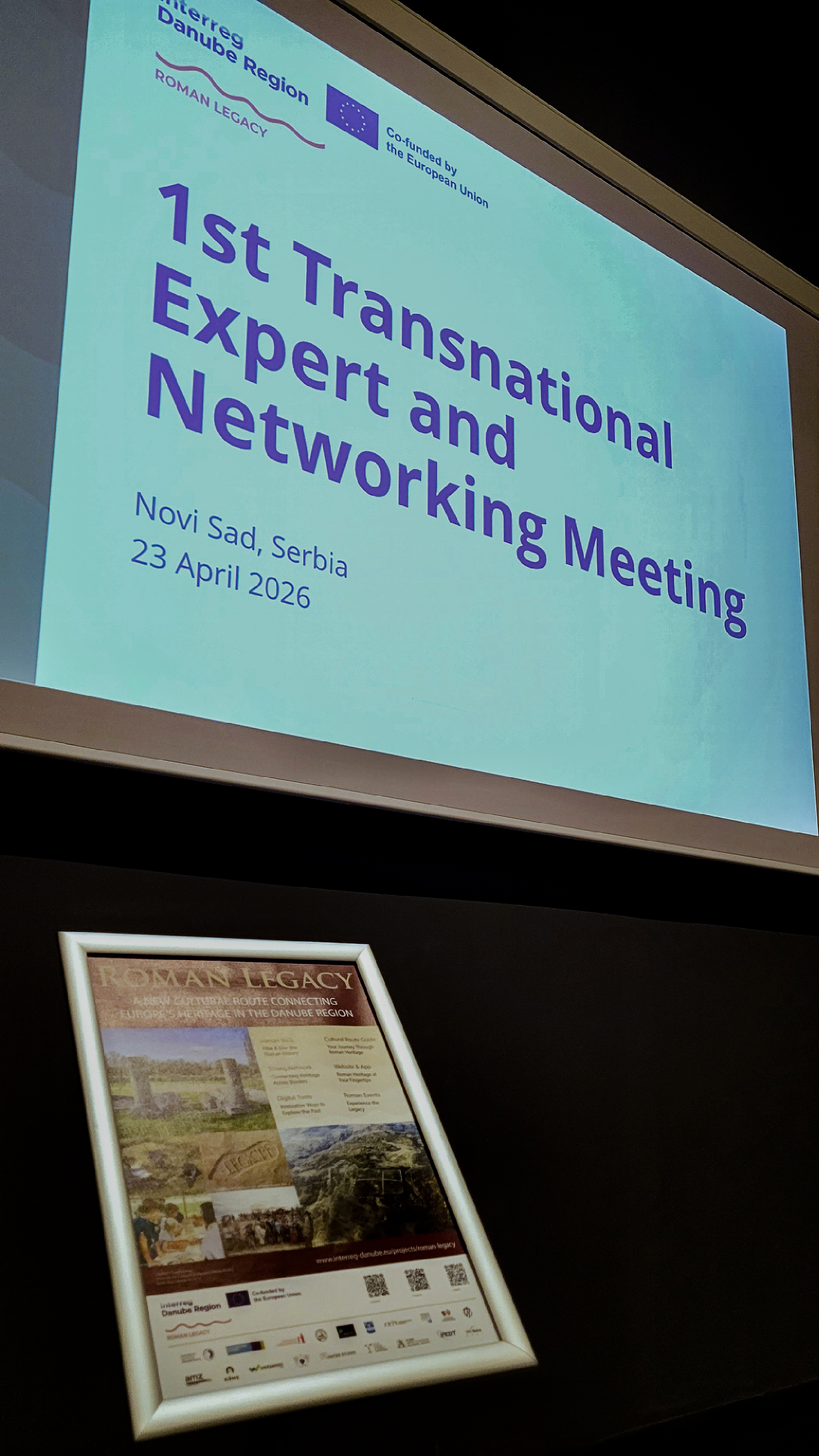
First Transnational Expert and Networking Meeting in Novi Sad strengthens Collaboration for a Roman Danube Cultural Route.
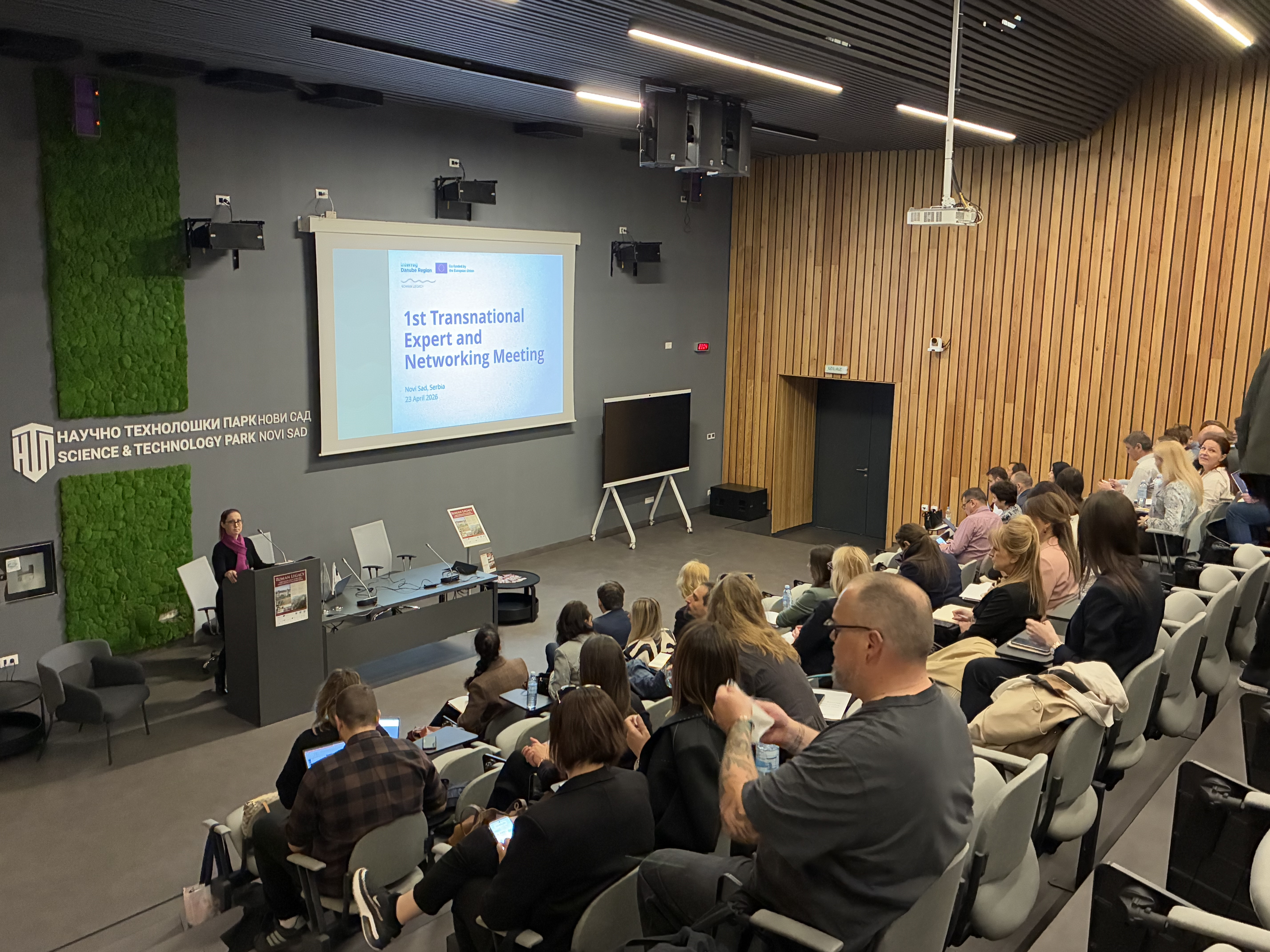
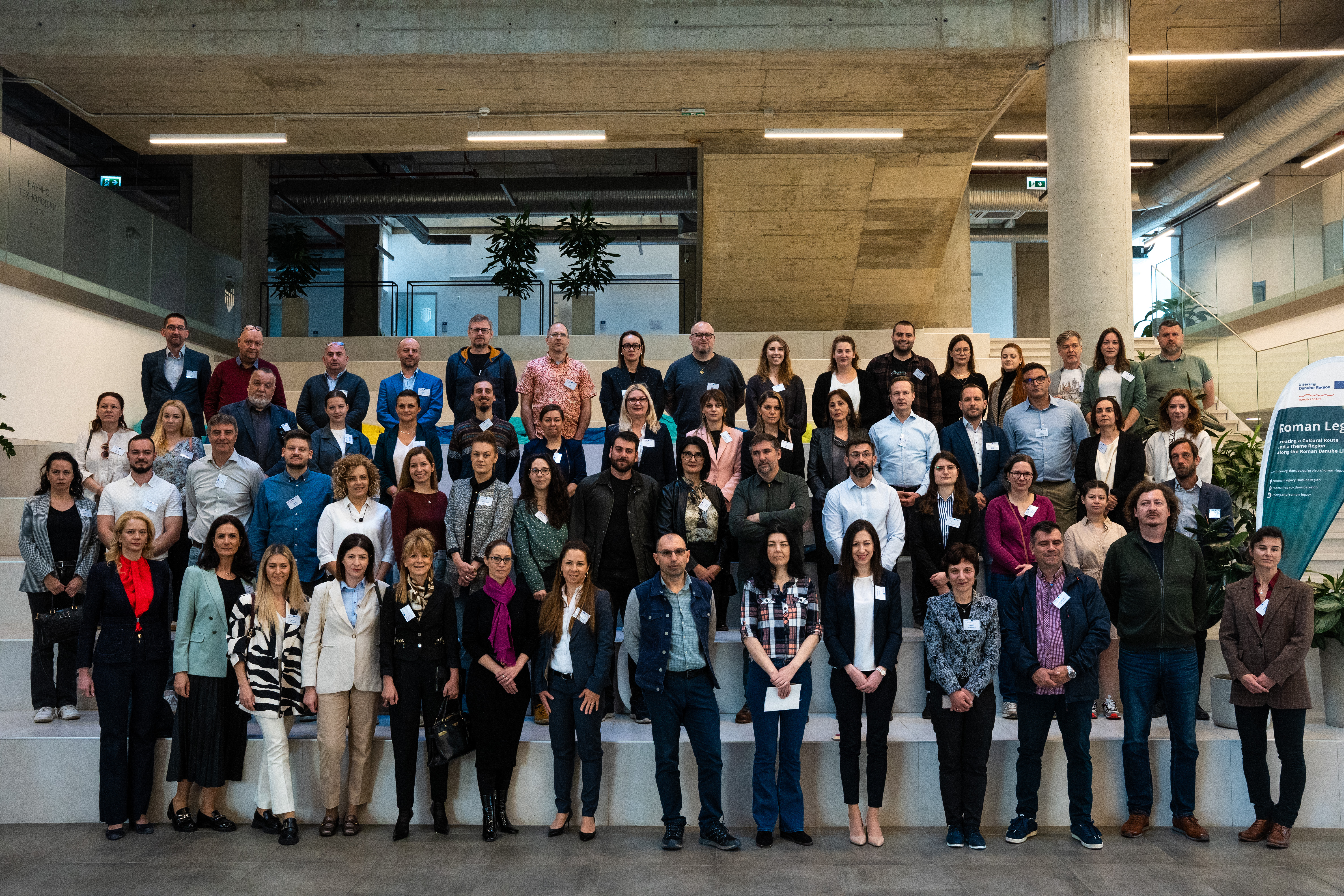
The ROMAN LEGACY project reached an important milestone with the successful organisation of its first Transnational Expert and Networking Meeting, held on April 23–24, 2026, in Novi Sad, Serbia. Bringing together around 70 participants from ten Danube countries, the event marked a key step towards the joint development of a future European Cultural Route dedicated to the Roman Danube Limes and the broader Roman heritage of the Danube region.
A Strong Start for Transnational Cooperation
The meeting welcomed project partners, associated strategic partners and external experts from Germany, Austria, the Czech Republic, Hungary, Slovenia, Croatia, Serbia, Montenegro, Bulgaria and Romania. Representing a wide range of fields – including archaeology, history, heritage management, tourism, technology and public administration – participants gathered with a shared ambition: to shape a common vision for preserving and promoting the Roman heritage of the Danube region.
The event was officially opened by the Provincial Secretariat for Regional Development, Interregional Cooperation and Local Self-Government and the Faculty of Technical Sciences, University of Novi Sad, who emphasised the importance of cross-border collaboration in safeguarding shared cultural heritage.
Following the welcome session, the project’s lead partner, the University for Continuing Education Krems (Austria), presented an overview of the ROMAN LEGACY project, outlining its core objective: the establishment of a transnational Cultural Route that connects the Roman Danube frontier as a unifying European narrative. Special attention was given to the need for a strong and interdisciplinary network, recognised as a crucial prerequisite for the successful development and long-term sustainability of the Cultural Route.
Inspiration from existing Cultural Routes
The programme combined expert input with interactive exchange. Representatives from the Archaeological Museum Zagreb (Croatia) introduced the framework of the Council of Europe Cultural Routes, explaining certification criteria, governance structures and key requirements such as promoting European values, fostering cooperation and supporting sustainable tourism.
A best-practice example was presented by the Universalmuseum Joanneum (Austria), showcasing the successful development of the Iron Age Danube Route. Their insights highlighted the importance of a clear thematic focus, strong partnerships and long-term commitment – key factors that will guide the ROMAN LEGACY project.
Digital Innovation meets Heritage
The meeting also addressed the digital dimension of cultural heritage. The Bavarian State Office for Monument Protection (Germany) introduced the further development of the LIMES Mobil App, which is planned to be expanded across the Danube region. The tool aims to enhance visitor experiences through innovative and accessible digital interpretation, complementing on-site heritage presentation.
Co-Creating the Cultural Route Narrative
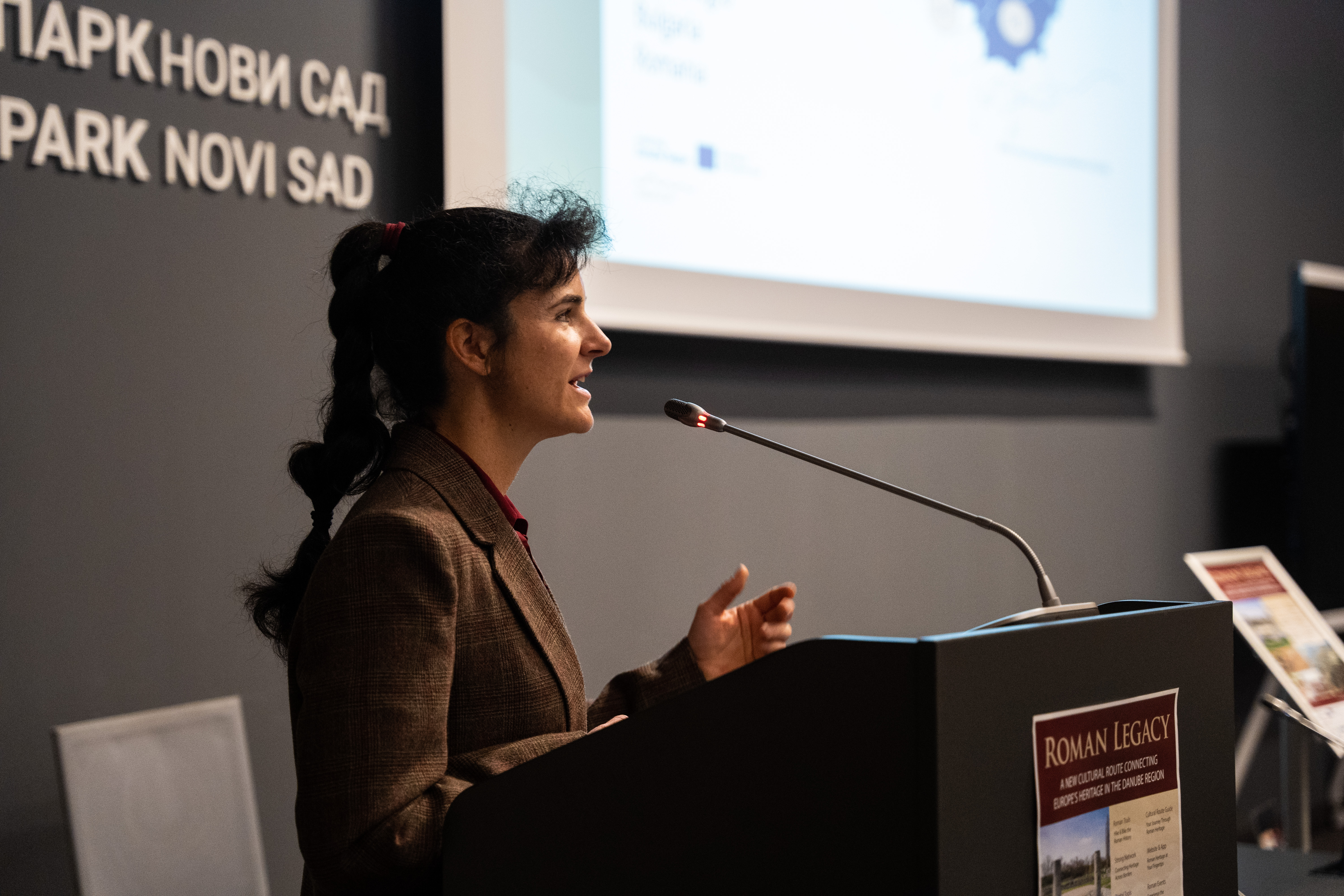
A central highlight of the meeting was the interactive exchange session, designed to actively involve participants in shaping the future Cultural Route. After an initial icebreaker activity fostering networking across disciplines and countries, participants worked in groups to develop a shared narrative for the Roman Danube region.
Discussions focused on defining a unifying theme that aligns with the standards of the Council of Europe. The theme must reflect shared European values, be transnational in scope, contribute to historical understanding, and serve as a basis for innovative cultural tourism initiatives.
The results of the working groups showed a strong consensus: the Roman Danube Limes should be presented as a symbol of connectivity, exchange and shared European history. At the same time, participants underlined its relevance for contemporary Europe, particularly in fostering cultural identity, cooperation and sustainable regional development.
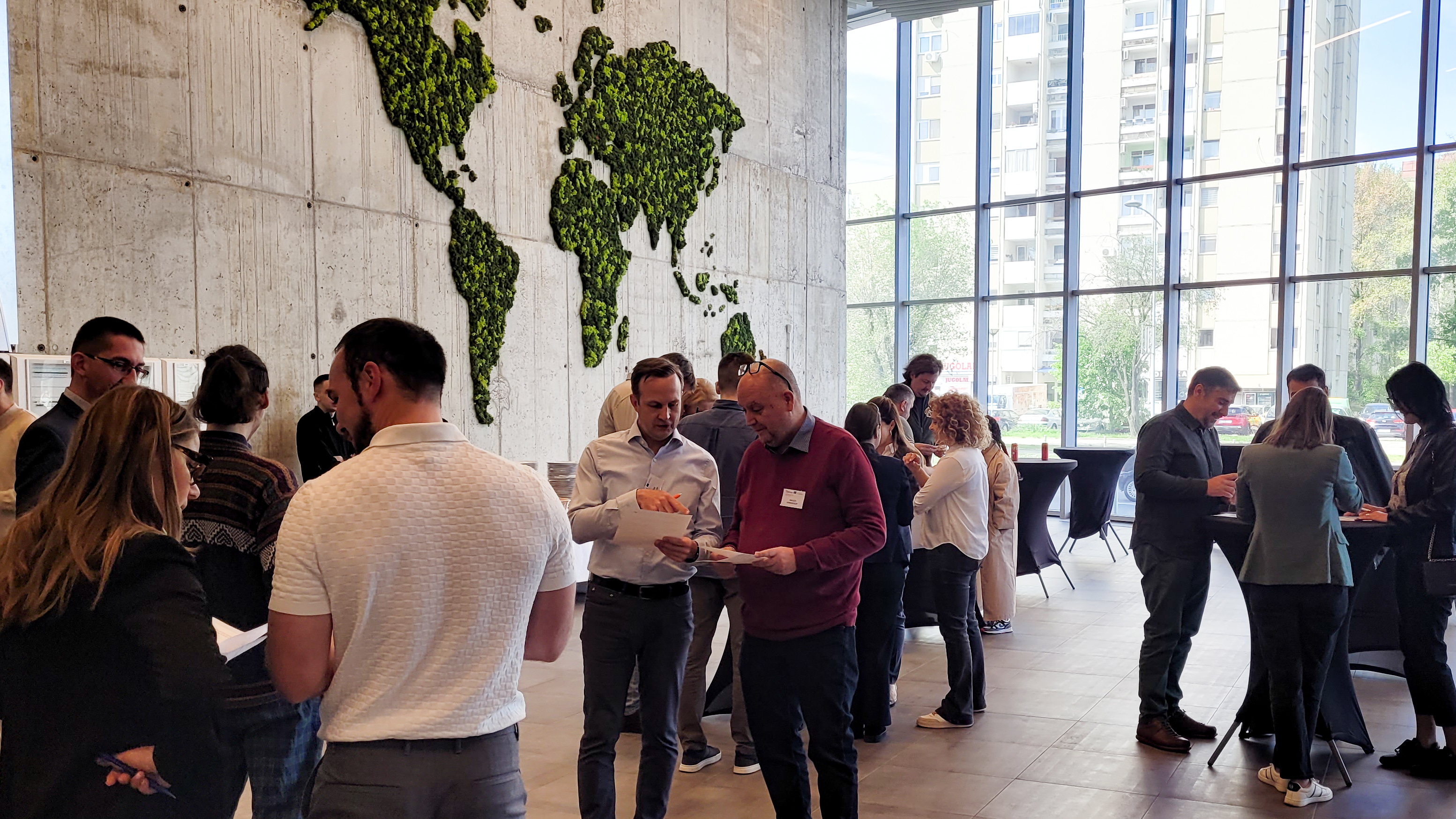
From Discussion to Experience: Exploring Roman Sirmium
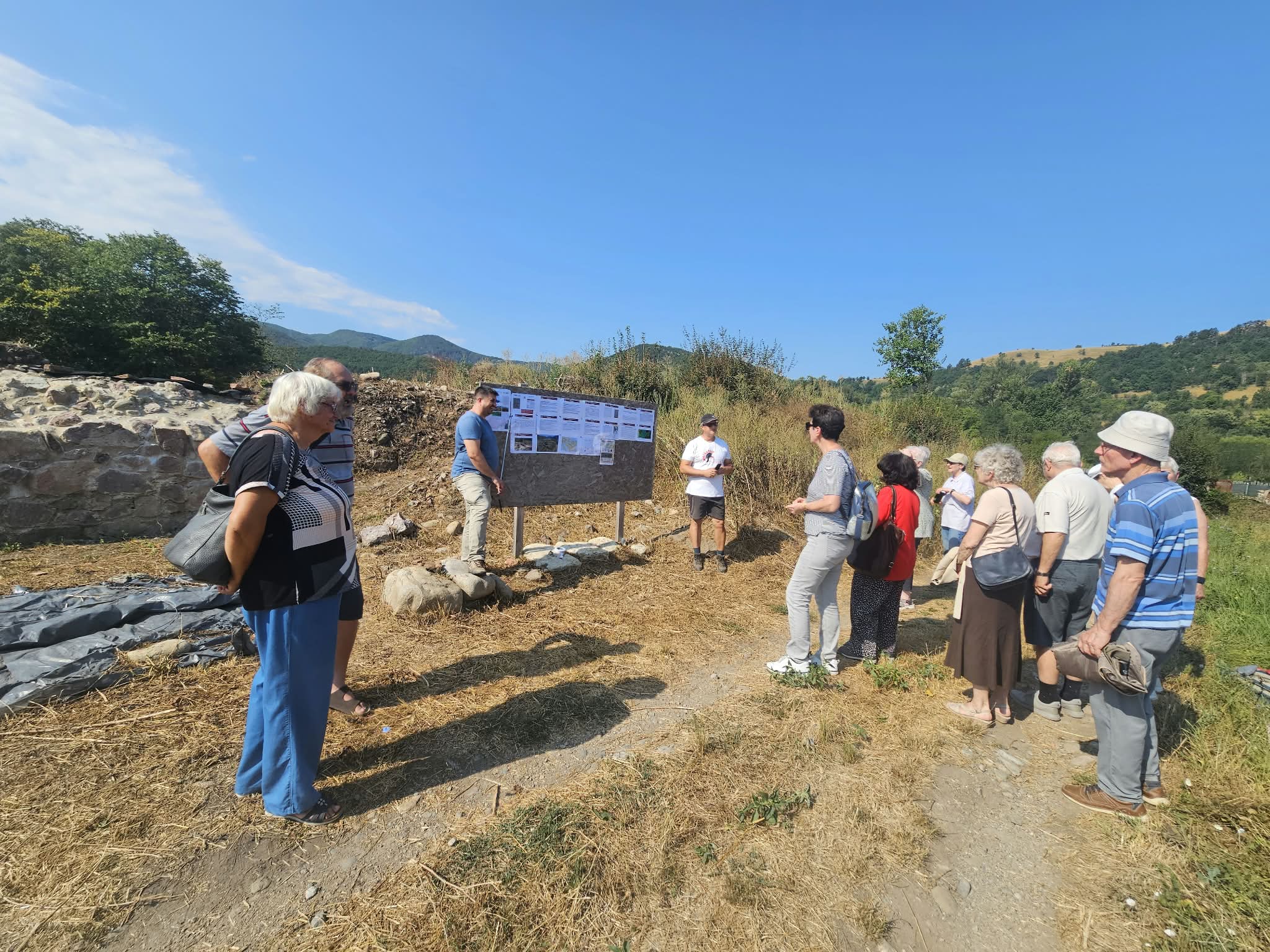
The second day of the meeting provided participants with a direct connection to the project’s themes through a joint site visit to Sremska Mitrovica (ancient Sirmium) – once one of the most important cities of the late Roman Empire.
Guided tours of the Imperial Palace remains and the Lapidarium offered valuable insights into the archaeological significance of the site and its role within the Roman frontier system. The excursion not only deepened the professional exchange but also strengthened informal networking among participants.
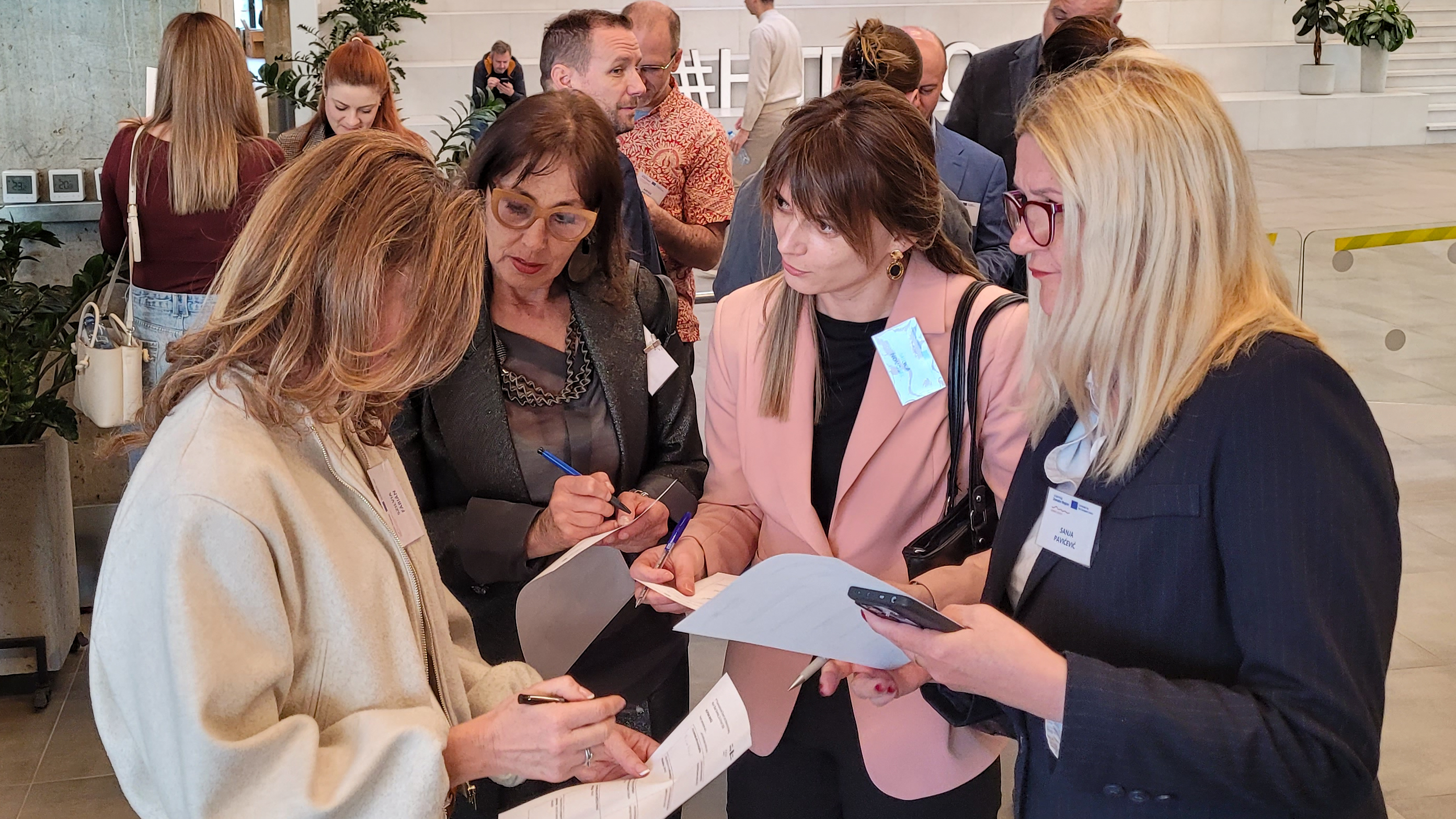
Laying the Groundwork for the Future
The Transnational Expert and Networking Meeting in Novi Sad represents a significant step forward in the ROMAN LEGACY project. By combining expert knowledge, practical experience and participatory methods, the event laid a solid foundation for the creation of a new European Cultural Route.
The outcomes of the meeting reaffirm the shared commitment to advancing cooperation across the Danube region and to developing innovative approaches for preserving and promoting its rich Roman heritage.

28/05/2026
By Michaela Kukula
Share on social media:



News & Events
Read the most recent updates and explore the upcoming events.

Would you like to receive project updates?
You're already part of our community!
Welcome to our newsletter community!
Subscribe to our newsletter