
A School Built for the Future: How Stara Pazova Technical School Is Adapting to New Industry Demands
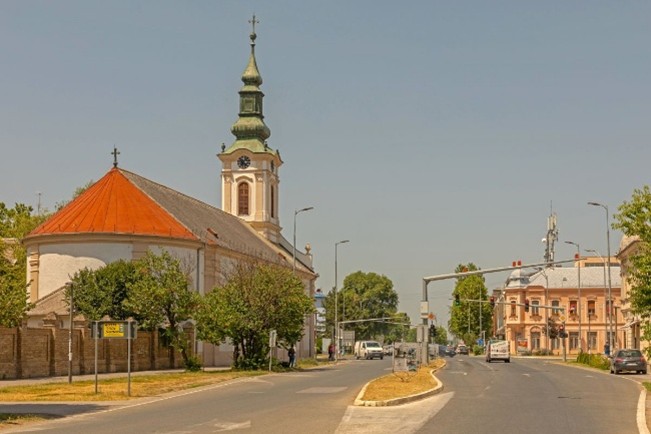
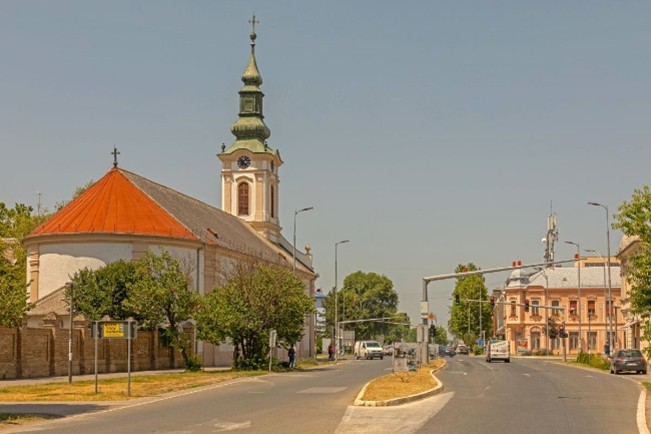
As one of the 11 partners from 9 countries implementing the Steel City Zen project, Municipality of Stara Pazova, Serbia, will pilot its local activities in cooperation with business and education sector in Stara Pazova. Through its close collaboration and indirect participation in the Steel City Zen project, the Technical School in Stara Pazova participates as a key model for adapting vocational education to contemporary industrial shifts, through modernising its curriculum and connecting students with the real demands of the labour market respectively.
The green and digital transitions are reshaping labour markets worldwide and classrooms must keep pace. The Steel City Zen project was created precisely to address this challenge, aiming to better align vocational education with the real requirements of modern manufacturing and emerging technologies.
To equip its students for the future, Stara Pazova Technical School is participating in the project as an example of how secondary vocational education can respond to the accelerating changes in industry. We spoke with the school’s principal, Zorica Kešelj, about shifting skill profiles, the competencies that will matter most in the years ahead, and whether technical schools can truly drive change in the labour market.
How are the green and digital transitions shaping the skills your students need?
The green and digital transitions are reshaping nearly every industrial sector today, and with them, the educational needs of our students. As an institution dedicated to training future technical experts, it is clear that young professionals now are expected to be proficient in automated systems, digital tools, and sustainable technological solutions.
The industry in Stara Pazova and the surrounding region is increasingly adopting smart machinery, energy-efficient processes, and digital production management. Consequently, our curriculum is evolving to meet these demands. While we are working hard to keep pace, we recognize that our implementation of green technologies is still in the developmental stages—a challenge we are actively committed to addressing.
Beyond advanced digital literacy and a deep understanding of modern manufacturing, our students must also learn to think sustainably and responsibly. To achieve this, we are prioritizing key areas in our classrooms, such as renewable energy sources, energy efficiency, internet of things (IoT) systems, robotics and CAD/CAM technologies.
Our goal is to ensure our graduates are fully prepared to thrive in a rapidly changing global workforce.
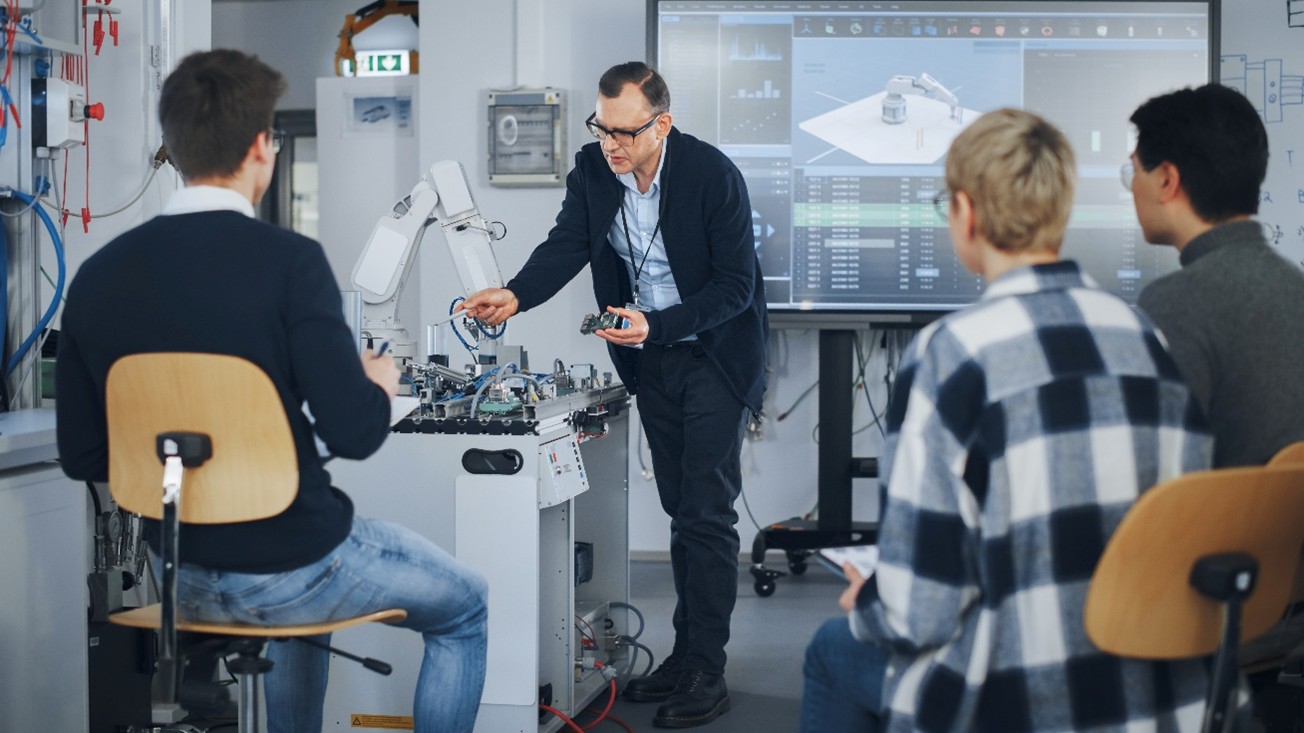
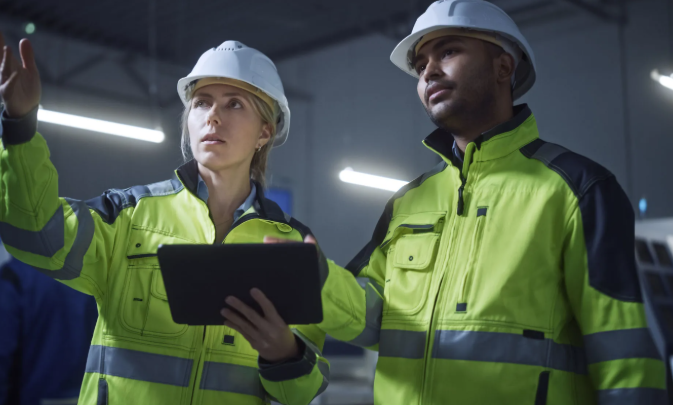
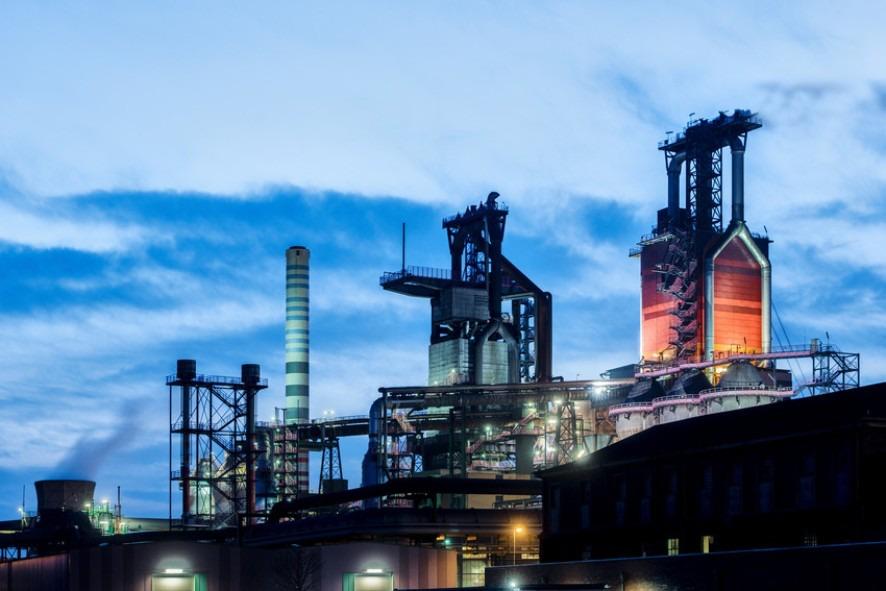
Photo: Shutterstock
How is the school adapting its curriculum to prepare students for emerging careers?
The Stara Pazova Technical School is committed to the continuous modernization of its educational programs. Recognizing that new career paths are emerging faster than formal curricula can be updated, we bridge this gap by integrating cutting edge content through flexible learning modules, project-based learning, and hands on assignments tailored to current industry needs.
We invest in state of the art equipment that allows students to train in environments mirroring real world production, ranging from CNC machinery and robotic systems to precision measurement devices and renewable energy hardware. Furthermore, our teaching staff undergoes regular professional development to stay ahead of technological trends, ensuring these advancements are effectively passed on to our students. By fostering this agile approach, we are not just preparing students for the jobs of today but equipping them with the adaptability required for the industries of tomorrow.
How vital is collaboration with the local industry to this process?
Partnership with the private sector is a fundamental pillar of our mission. Without a direct link to industry leaders, it would be impossible to provide an education that aligns with the actual demands of the labour market. Through dual education models, professional internships, and collaborative projects, we provide our students with the hands on experience and practical knowledge essential for a successful career launch.
Our corporate partners provide invaluable feedback regarding the competencies we need to cultivate, the emerging technologies they are adopting, and the professional profiles they anticipate for the future. This exchange of information allows us to update our teaching methods and equipment in real time while providing students with authentic learning environments. Ultimately, these robust partnerships result in higher employability for our graduates and a deeper integration of our school within the local and regional economy.
How do you perceive the role of technical schools today, and can they serve as catalysts for labour market transformation?
Technical schools currently play a vital role in regional development. They have evolved beyond traditional educational institutions into hubs of knowledge, innovation, and specialized support for local industry. The Stara Pazova Technical School strives to be a proactive partner in this ecosystem, actively shaping change rather than merely reacting to it. By modernizing curricula, fostering industry partnerships, and developing innovative programs, technical schools contribute significantly to technological advancement and the competitiveness of the local economy. In many regions, including our own, these institutions are the primary drivers for securing a skilled workforce and accelerating the processes of digitalization and sustainable development.
Which skills do you consider most critical for students over the next decade?
In the coming decade, the most essential requirement will be a synergy of technical, digital, and transversal skills. Technical schools must cultivate experts proficient in automation, robotics, IoT systems, energy efficient solutions, and digital manufacturing. Digital literacy is no longer an optional advantage; it has become a core competency. Furthermore, there is increasing value placed on analytical thinking, problem solving, communication, teamwork, and a commitment to lifelong learning. Students who master this diverse skill set will be equipped to meet the challenges of modern industry and successfully navigate an ever-evolving global labour market.

21/04/2026
By András Merza
Share on social media:



News & Events
Read the most recent updates and explore the upcoming events.


Would you like to receive project updates?
You're already part of our community!
Welcome to our newsletter community!
Subscribe to our newsletter