

From Industry to Innovation: Stara Pazova’s Green Evolution
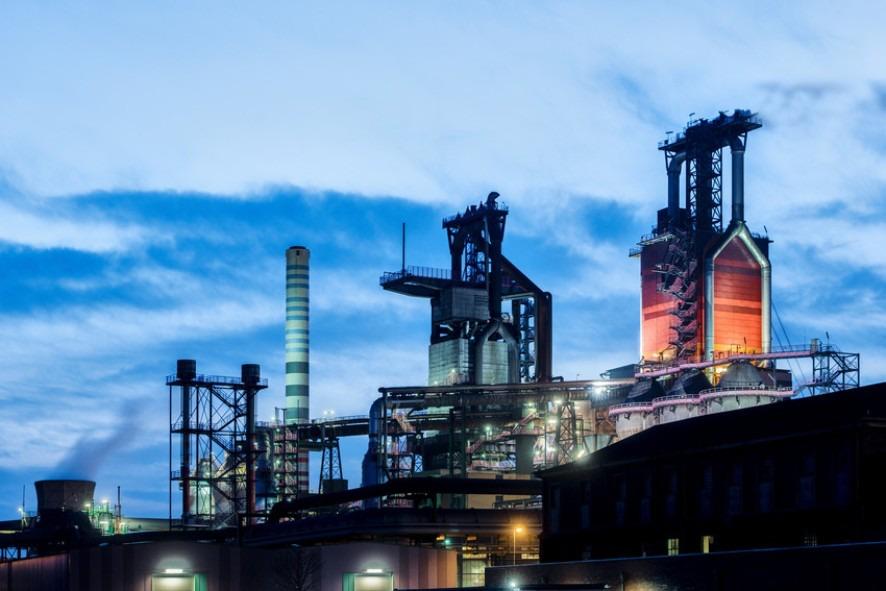
In the heart of the Srem region, the municipality of Stara Pazova has long been known as a powerhouse of Serbian industry. Strategically located between major hubs, it has built a reputation on the strength of its manufacturing, the hum of its logistics centers, and the grit of its workforce. However, as the global economy shifts toward a digital and carbon-neutral future, this industrial cornerstone is proving that even the most traditional sectors can evolve with a human touch.
A Collaborative Vision for the Danube Region
Driving this transformation is the SteelCityZen project, a cross-border initiative funded by the EU’s Interreg Danube Region Programme that unites 11 partners across nine countries to build resilient, diverse local economies. Rather than looking at growth through the lens of pure profit, the project’s recent "Status Quo" analysis examines the real-life intersection of labor, education, and the environment. It asks a vital question: How do we ensure that a town built on metal, plastic, and wood remains a home for the next generation of digital-savvy, eco-conscious workers?
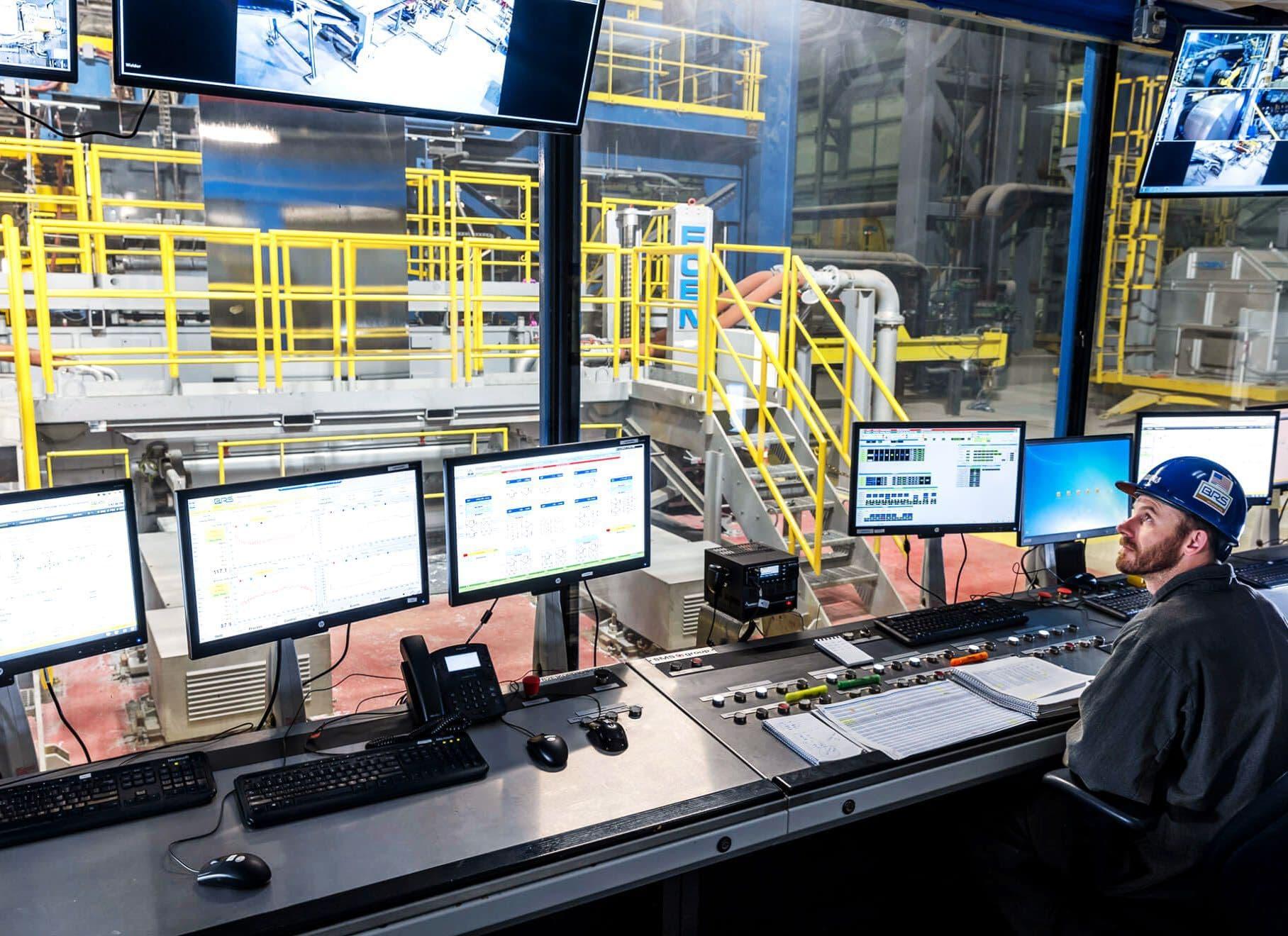
Currently, the manufacturing sector remains the lifeblood of the community, employing over a third of the local workforce. From family-run workshops specializing in plastics to massive international automotive plants, the economic engine is running at full speed. Yet, there is a quiet realization among local employers that the tools of the past aren't enough for the future. There is a growing hunger for technicians who are as comfortable with code as they are with heavy machinery, and for operators who understand the nuances of a circular economy.
Empowering the Workforce Through Education
Education is where this human transformation begins. Interestingly, the data reveals a compelling social dynamic: while the majority of the population holds technical vocational degrees, women in Stara Pazova are increasingly leading the charge in higher education, holding university degrees at higher rates than their male counterparts. This highlights a powerful opportunity for the region to tap into a highly educated female workforce to lead the digital transition. At the same time, the community is working to ensure that no one is left behind, focusing on retraining programs for those who may feel sidelined by the rapid pace of technological change.
The most exciting chapter of this evolution is the "Green Agenda." In Stara Pazova, sustainability isn't just a buzzword; it is becoming a practical framework for everyday life. The municipality is reimagining waste not as a burden, but as a resource. This includes ambitious plans to transform non-sanitary landfills into "Green Incubators" where recycling and mechanical treatment create local value chains. Investments are flowing into energy-efficient industrial zones and modern water management systems, proving that environmental protection and economic strength can go hand in hand.
New Horizons: The Careers of Tomorrow
This shift is giving birth to an entirely new category of careers. Soon, the pride of the local workforce won't just be in what they produce, but in how they protect the environment. We are seeing the rise of recycling plant specialists, energy efficiency technicians, and solar installers—roles that offer meaningful, future-proof employment for the local community.

Ultimately, the story of Stara Pazova is one of balance. Its success won't be measured solely by the number of new factories, but by how well it bridges the gap between industrial growth and social well-being. By fostering a closer bond between schools, businesses, and citizens, Stara Pazova is showing the Danube region that a sustainable future is not just a list of goals, but a collective journey toward a better quality of life.

23/04/2026
By András Merza
Share on social media:



News & Events
Read the most recent updates and explore the upcoming events.



Would you like to receive project updates?
You're already part of our community!
Welcome to our newsletter community!
Subscribe to our newsletter