

Cooling Cities: Small Ideas That Make a Big Difference
Cities face growing pressure to respond to extreme heat, but choosing the right solutions is not always straightforward. Urban environments are complex, and measures that work well in one location may not perform the same way in another. This makes testing and validation a crucial first step before investing in long-term interventions.
That is why the Be Ready project focused not on quick fixes, but on testing and validating solutions before scaling them up.
A Test-First Approach to Urban Cooling
Rather than making large, expensive changes right away, Be Ready followed a simple idea: test small interventions, measure their impact, and learn from real results. This approach allowed cities to understand what works best in their own local conditions.
The project tested urban acupuncture measures—small, targeted actions placed in the hottest areas of the city. These included:
· Green solutions, such as trees and plants, to provide shade and natural cooling
· Blue solutions, using water to cool the surrounding air
· White solutions, including light or reflective surfaces that reduce heat absorption
Each measure was tested alone or in combination, depending on the characteristics and needs of the site.
Why Validation Is Essential
The pilot was carried out in ten partner cities, each with different climates, urban forms, and user needs. Testing on a small scale made it possible to:
Verify whether the solutions actually reduced temperatures
Compare different types of measures and combinations
Improve designs based on real performance, not assumptions
Identify limitations or risks before making larger investments
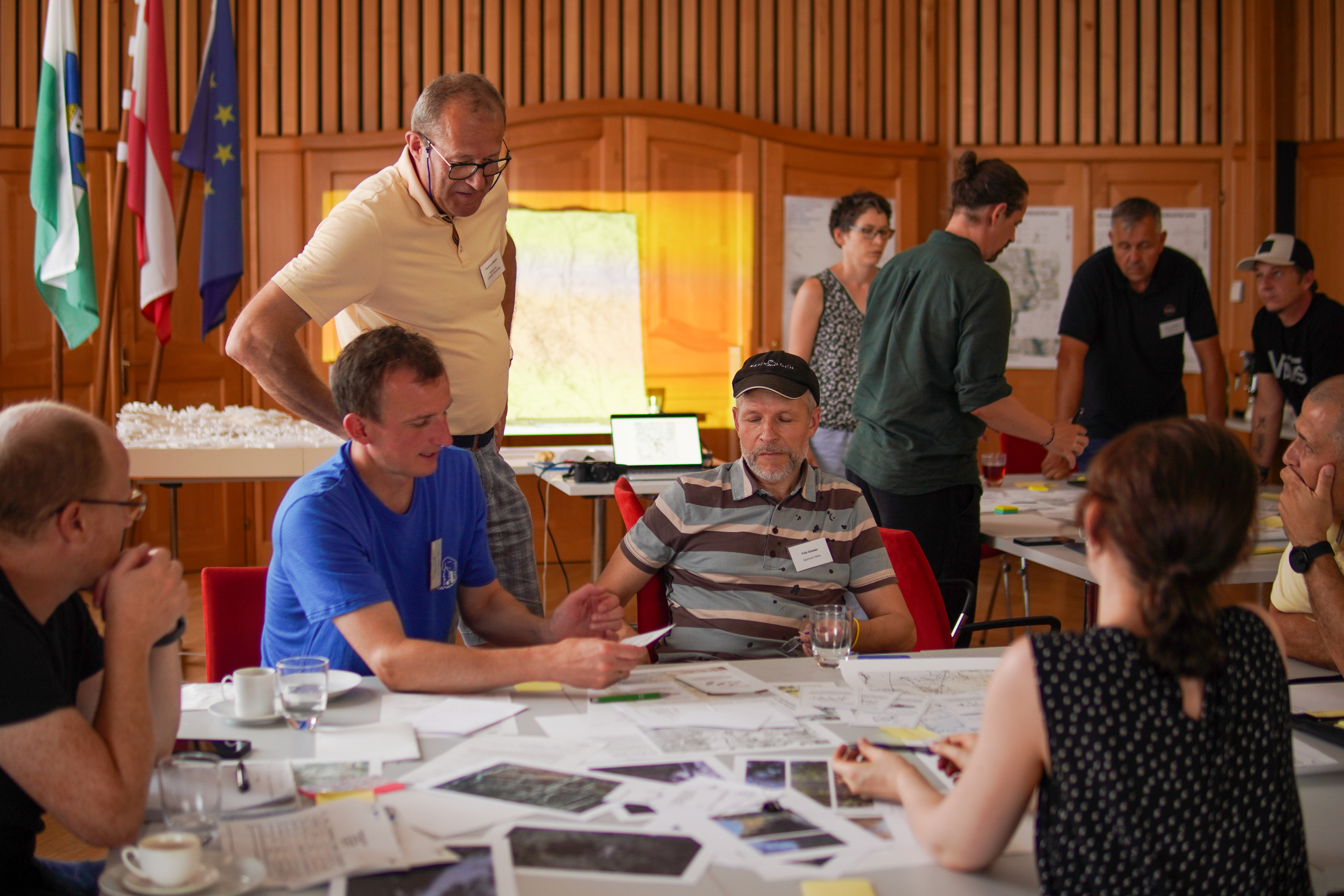
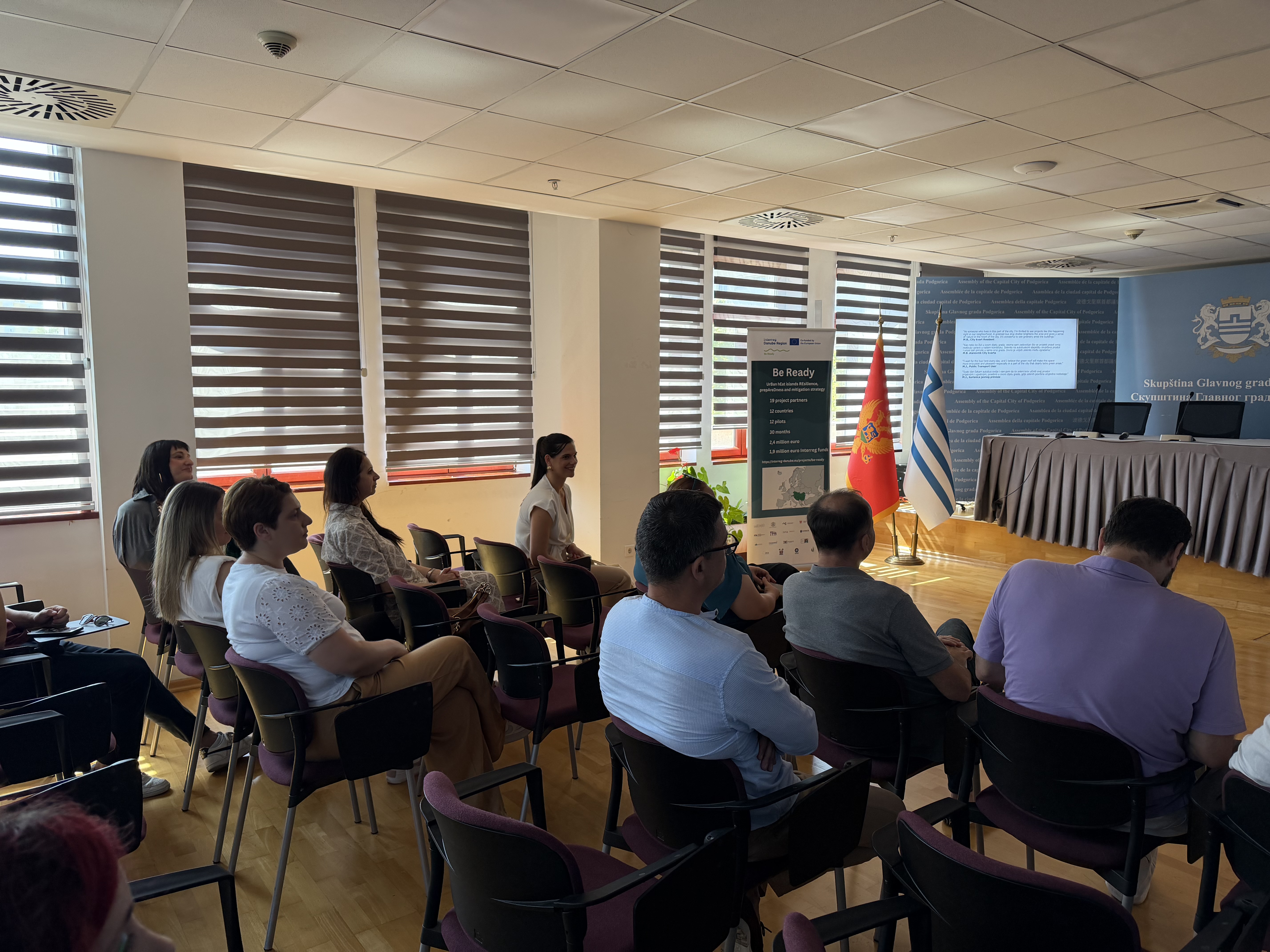
Collect feedback from residents and city stakeholders who used the spaces
This validation process helped cities avoid costly mistakes and ensured that decisions were based on evidence.
What Did We Learn?
The pilot showed that small, well-placed actions can make a real difference. Using temperature data, observations, and feedback from users and city stakeholders, the project gathered clear evidence about what works and what can be improved.
Key Recommendations
Building on the results of the pilot phase, the Be Ready project highlights several key recommendations for future action.
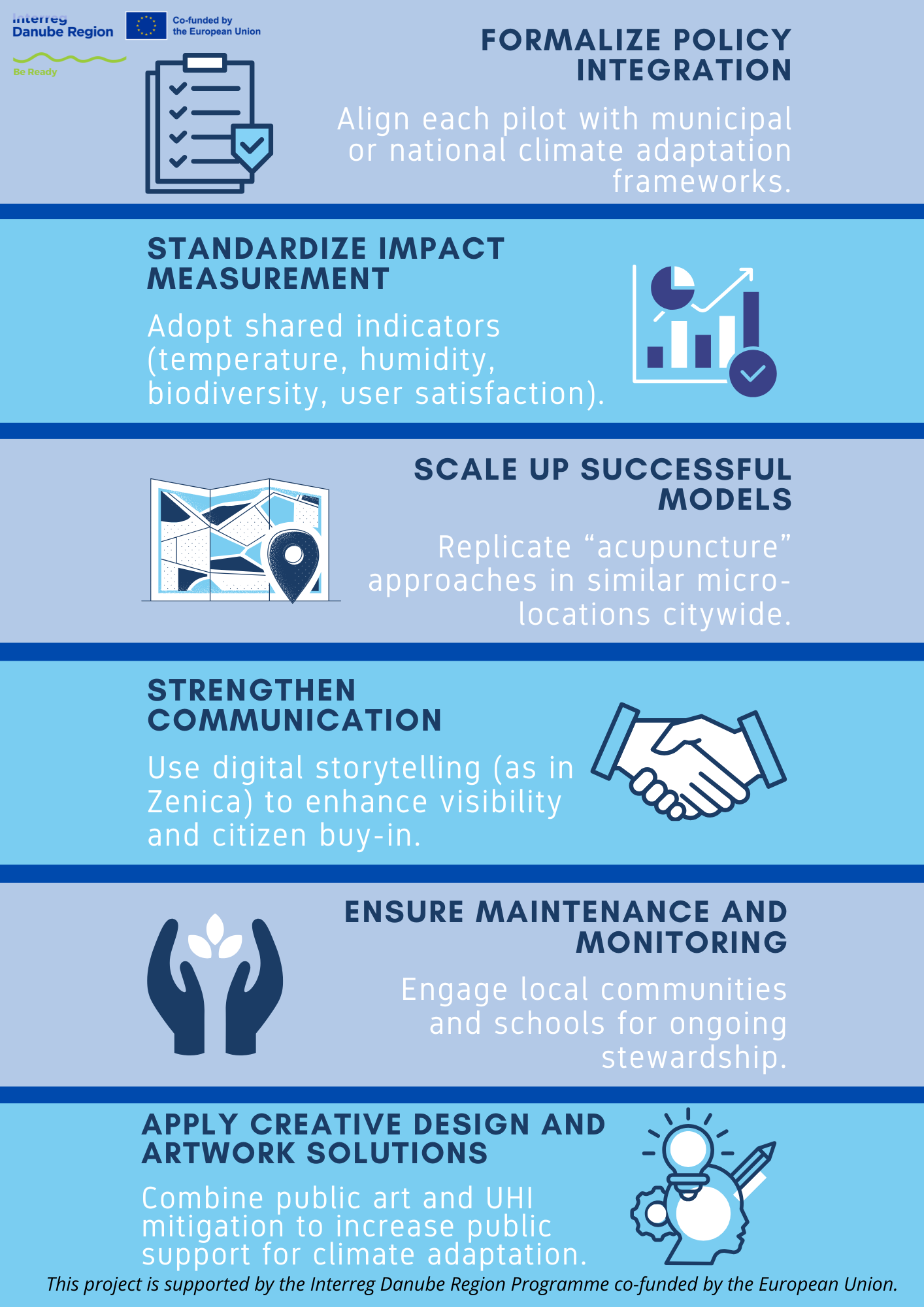
· Align cooling pilots with local and national climate strategies.
· Use shared indicators (temperature, humidity, biodiversity, user satisfaction).
· Replicate validated urban acupuncture measures in similar hot spots.
· Increase visibility through clear communication and digital storytelling.
· Engage communities and schools for long-term care.
· Combine cooling measures with public art to boost public support.
Looking Ahead
By testing first and scaling up later, cities can make smarter choices. The Be Ready pilot helps cities move forward with confidence—creating cooler, healthier, and more comfortable urban spaces for everyone.
Read the full document "Pilot Actions for UHI Mitigation Acupuncture Measures. Tested and Validated" in our Library section.

03/02/2026
By S Voynova
Share on social media:


Green

News & Events
Read the most recent updates and explore the upcoming events.


Would you like to receive project updates?
You're already part of our community!
Welcome to our newsletter community!
Subscribe to our newsletter