
Looking Beyond the Map
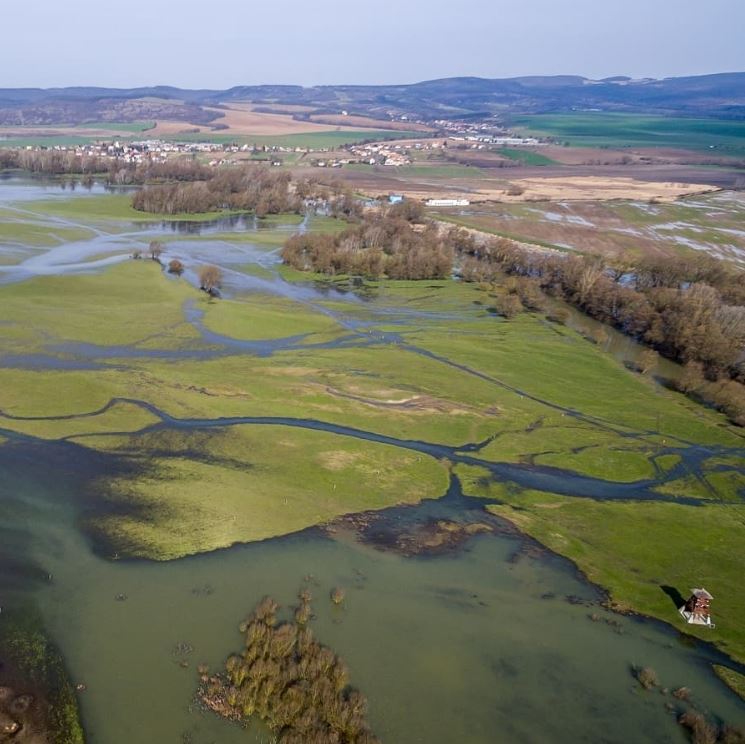
A river does not stop at a municipal boundary.
Neither does a forest.
Traditional building techniques, historic routes and cultural landscapes rarely belong to a single village. They are shaped by generations of people moving, working and living across a much wider territory.
Yet rural development is often planned one municipality at a time.
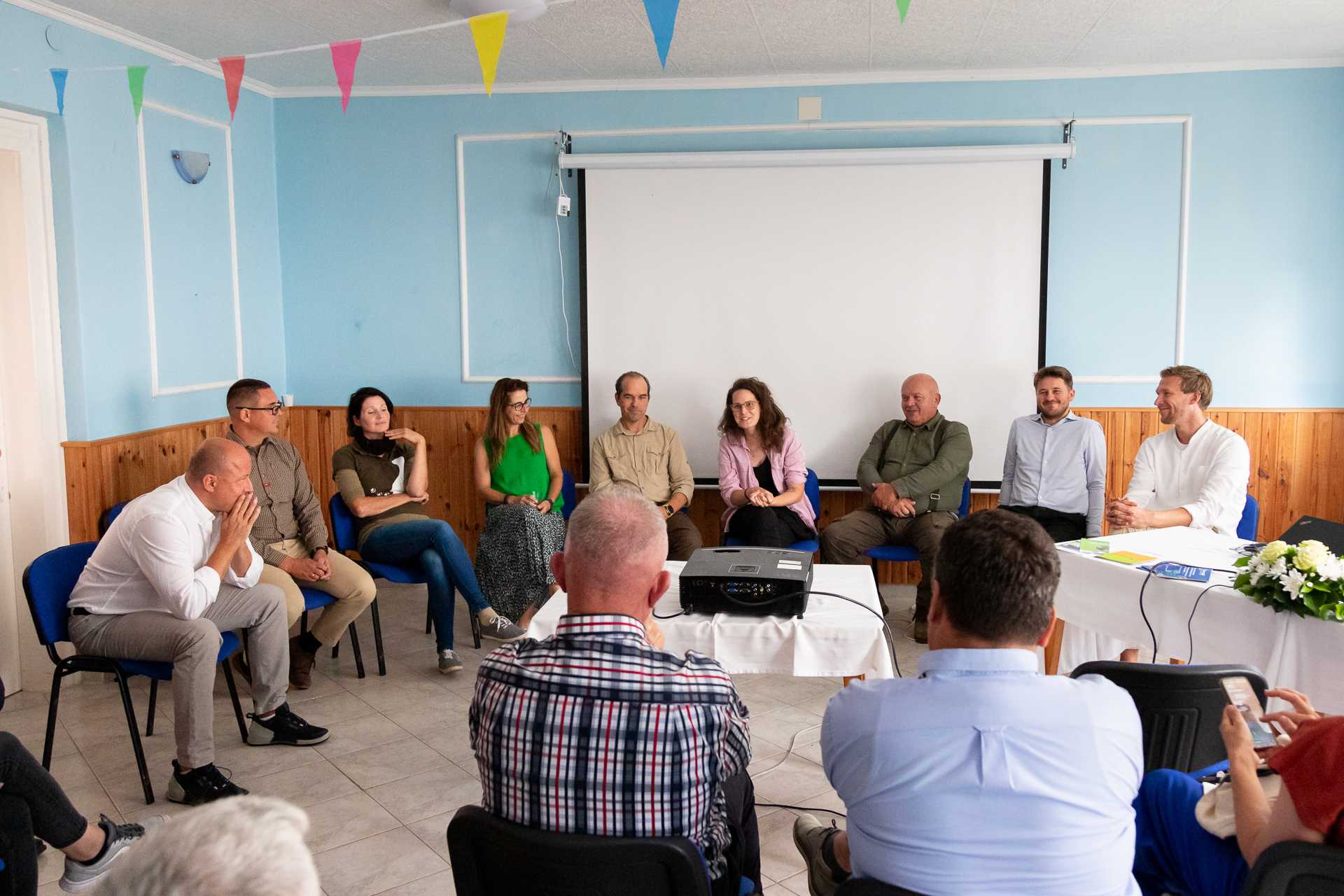
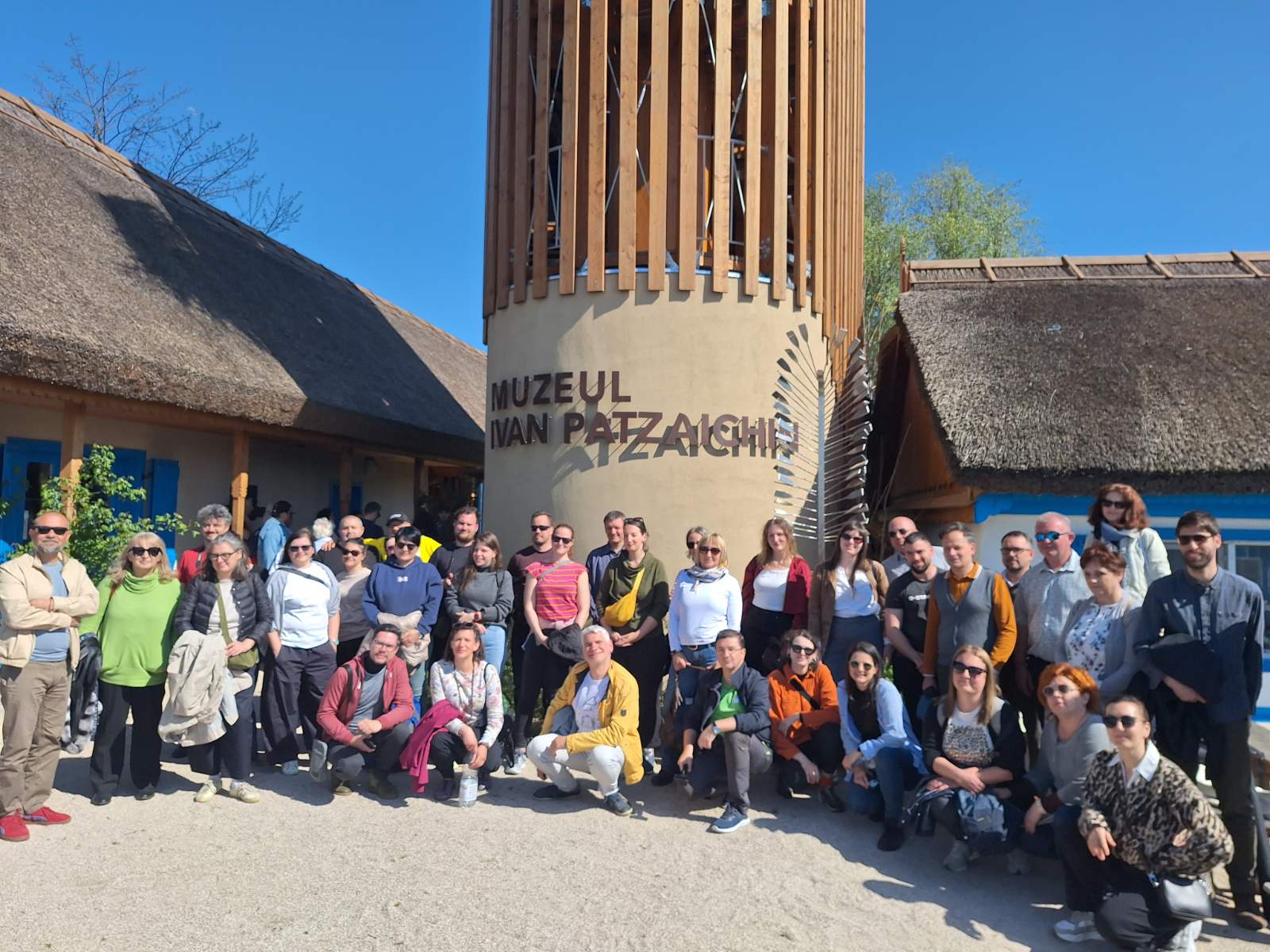
The question - how can neighbouring communities work together to care for the landscapes they already share? - was at the heart of the Danube Ruralscapes Regional Workshop held in Hungary's Ipoly Valley. Bringing together more than 35 participants - local authorities, planners, researchers, architects and landscape professionals, the workshop explored a different perspective on rural development: one that begins with the landscape itself, rather than with administrative borders.
Credit: Agnes Bertyak / BME
Looking at the landscape as one living system
The discussions revealed a common challenge across the Danube Region.
Climate adaptation, biodiversity, tourism, cultural heritage and traditional building practices do not stop where one municipality ends and another begins. Addressing these challenges therefore requires cooperation between communities that share the same landscape.
Throughout the workshop, participants explored practical examples of landscape-scale thinking.
Presentations highlighted nature-based water retention measures that strengthen climate resilience while supporting biodiversity and local communities. Others demonstrated how regenerative tourism can create value not only for visitors, but also for the landscapes and communities that host them. The role of vernacular architecture and regional identity was equally central, reminding participants that rural heritage is often shared across neighbouring settlements rather than confined to individual villages.
Although the topics varied, they all pointed towards one conclusion:
Landscapes function as connected systems. Planning should recognise them as such.
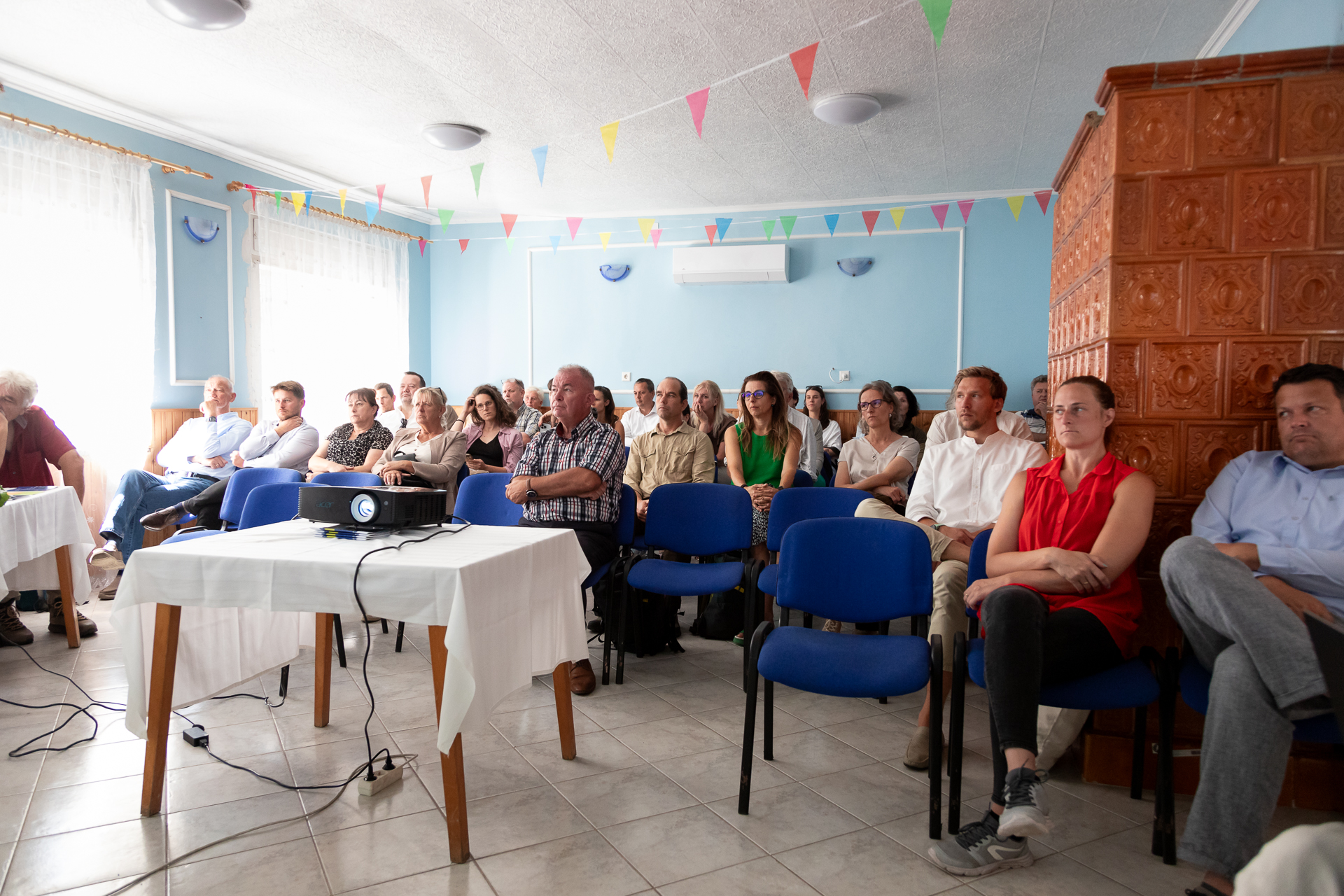
Credit: KépKocka / BME
Learning from one another
The workshop was not designed to produce a single solution.
Instead, it created an opportunity for dialogue.
Mayors exchanged experiences with neighbouring municipalities. Researchers shared examples from across Europe. Landscape professionals introduced practical planning approaches, while local organisations contributed knowledge rooted in everyday experience. Together, these perspectives demonstrated that successful rural development grows through collaboration rather than isolated decision-making.
The conversations reflected one of the central ideas of Danube Ruralscapes.
Every pilot region is unique.
But many of the questions they face are shared.
By learning across borders and disciplines, local communities can develop solutions that are rooted in their own landscapes while benefiting from the experiences of others.
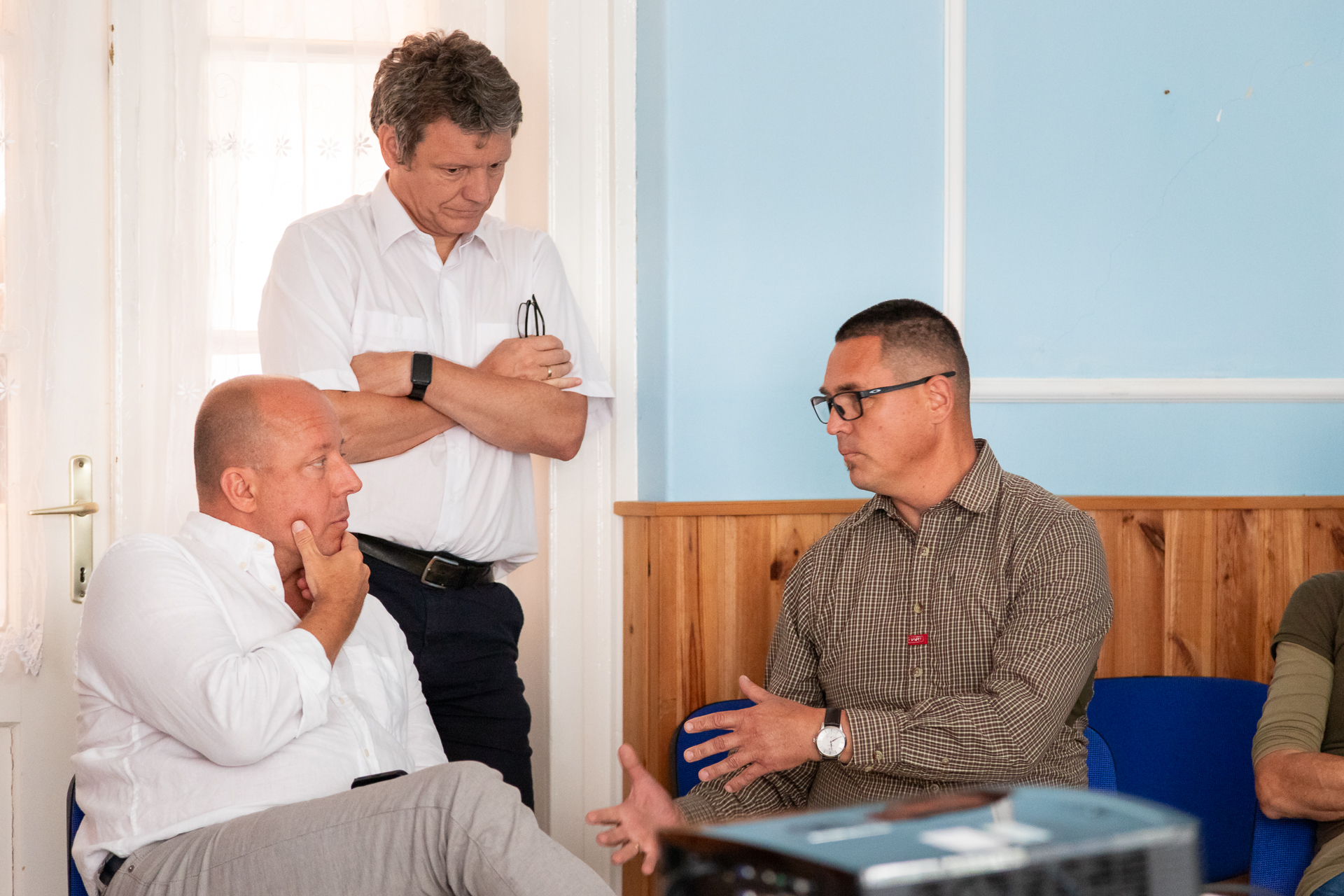
Credit: KépKocka / BME
The workshop marked an important step in the Hungarian pilot activities of Danube Ruralscapes.
Rather than ending with presentations, it established a shared understanding that was tested in practice during the project's Building Camp.
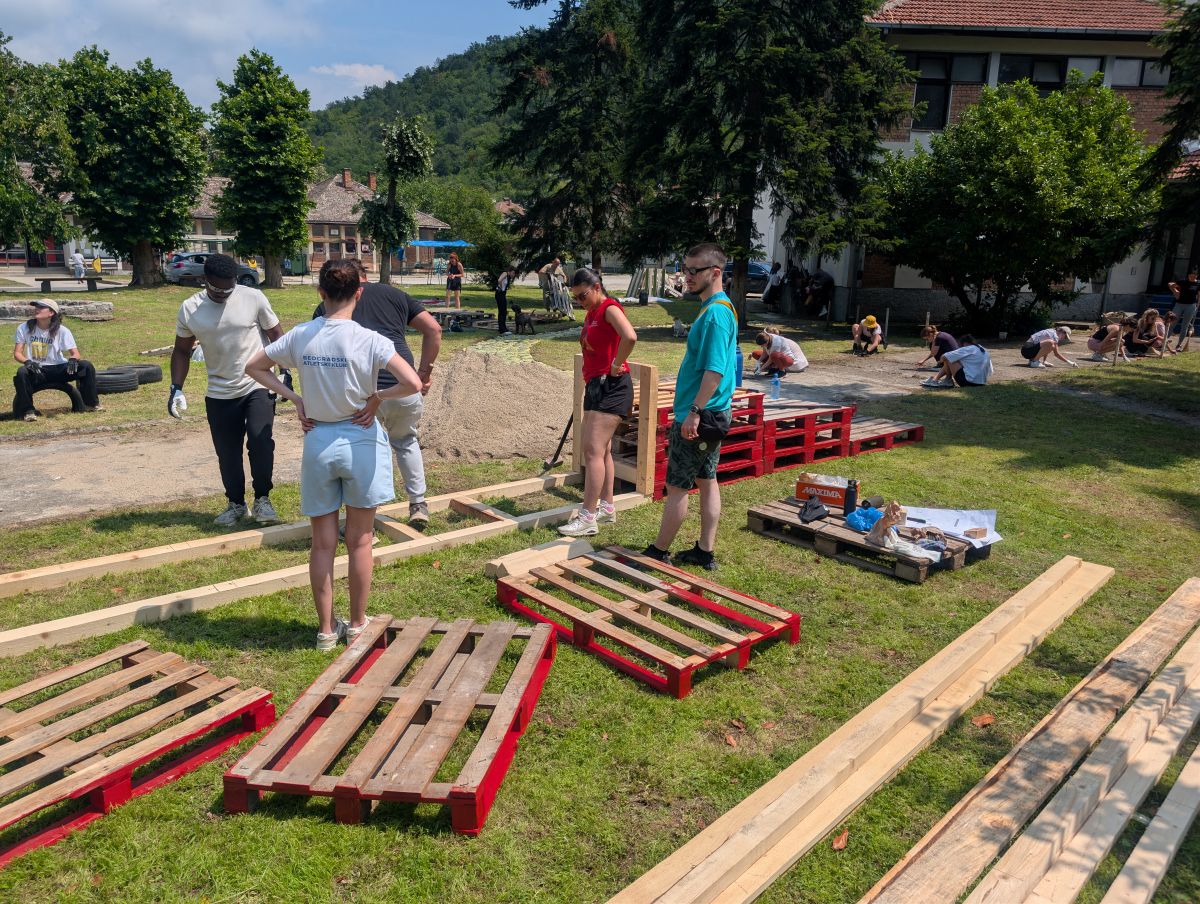
Ideas discussed around the table would move into villages, public spaces and landscapes, where students, professionals and local communities worked together to explore how regional thinking can inform local interventions.
Because every meaningful intervention begins long before construction starts.
It begins by understanding the landscape it belongs to.
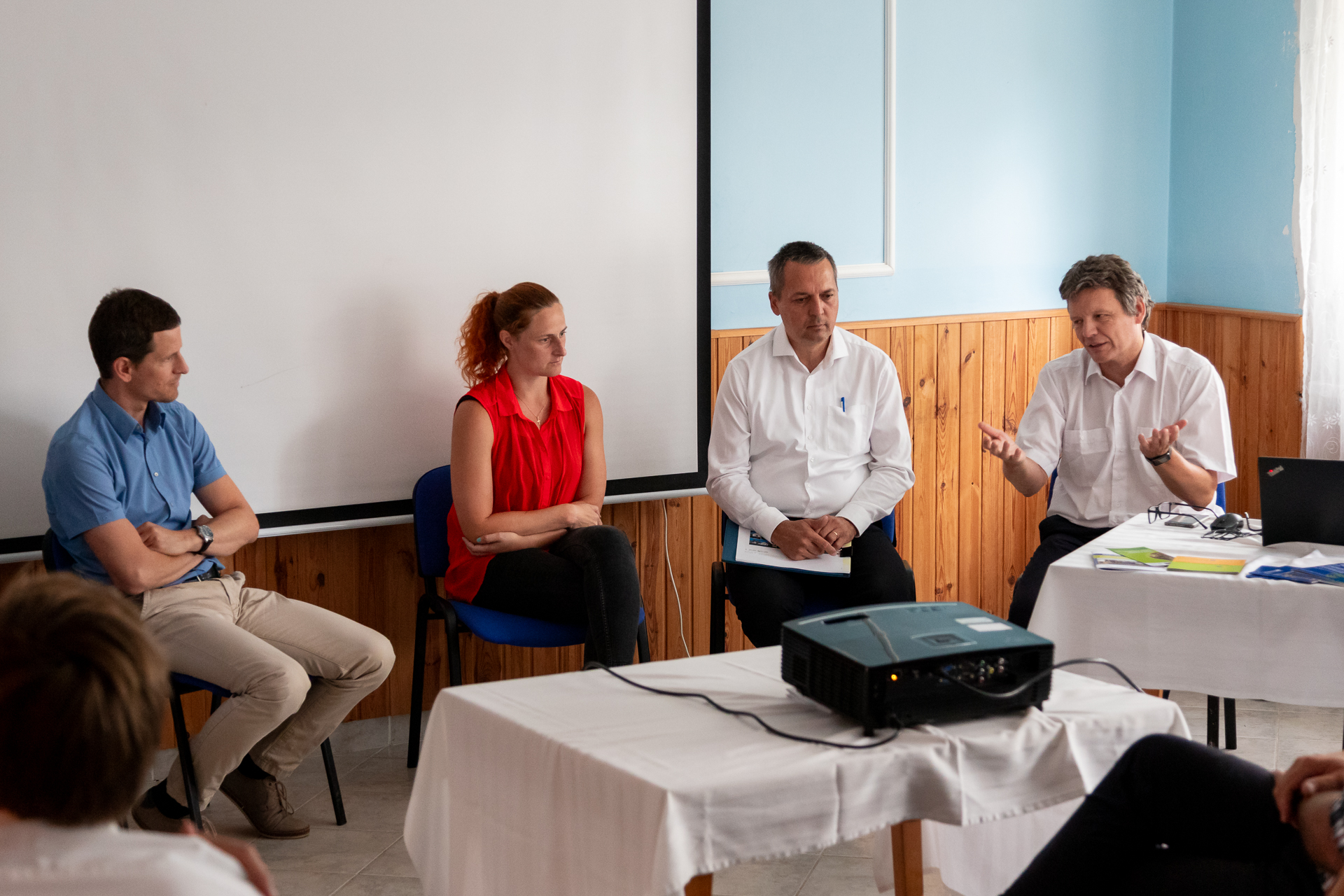
Credit: KépKocka / BME
Why this matters beyond the Ipoly Valley
The conversations held in the Ipoly Valley reflect a challenge shared across the Danube Region.
How do we protect heritage that extends beyond municipal boundaries?
How do we strengthen climate resilience across connected landscapes?
How do neighbouring communities build a common future while preserving their individual identities?
Danube Ruralscapes does not offer a single answer.
Instead, it creates the conditions for those answers to emerge - through dialogue, shared learning and collaboration between the people who know these landscapes best.
Because rural landscapes are never experienced one village at a time.
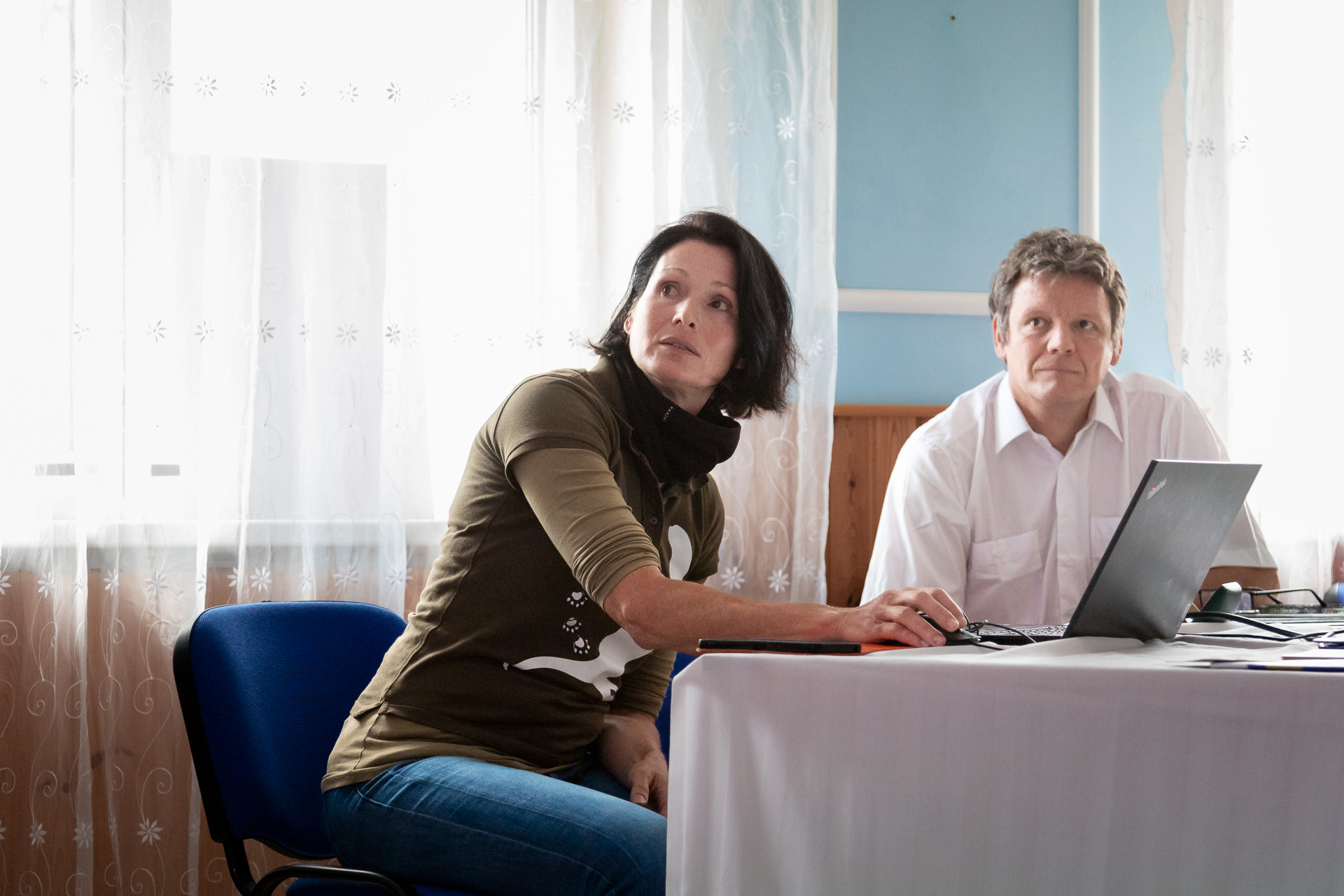
Credit: KépKocka / BME
Acknowledgments
The Danube Ruralscapes Regional Workshop in the Ipoly Valley was organised by Budapest University of Technology and Economics (BME), Hungarian Contemporary Architecture Centre (KÉK) and Pest County Municipality (PCM) as part of the Danube Ruralscapes project.
The workshop brought together local authorities, researchers, planners, landscape experts, architects and regional stakeholders to exchange knowledge and explore collaborative approaches to heritage-based and landscape-sensitive rural development.
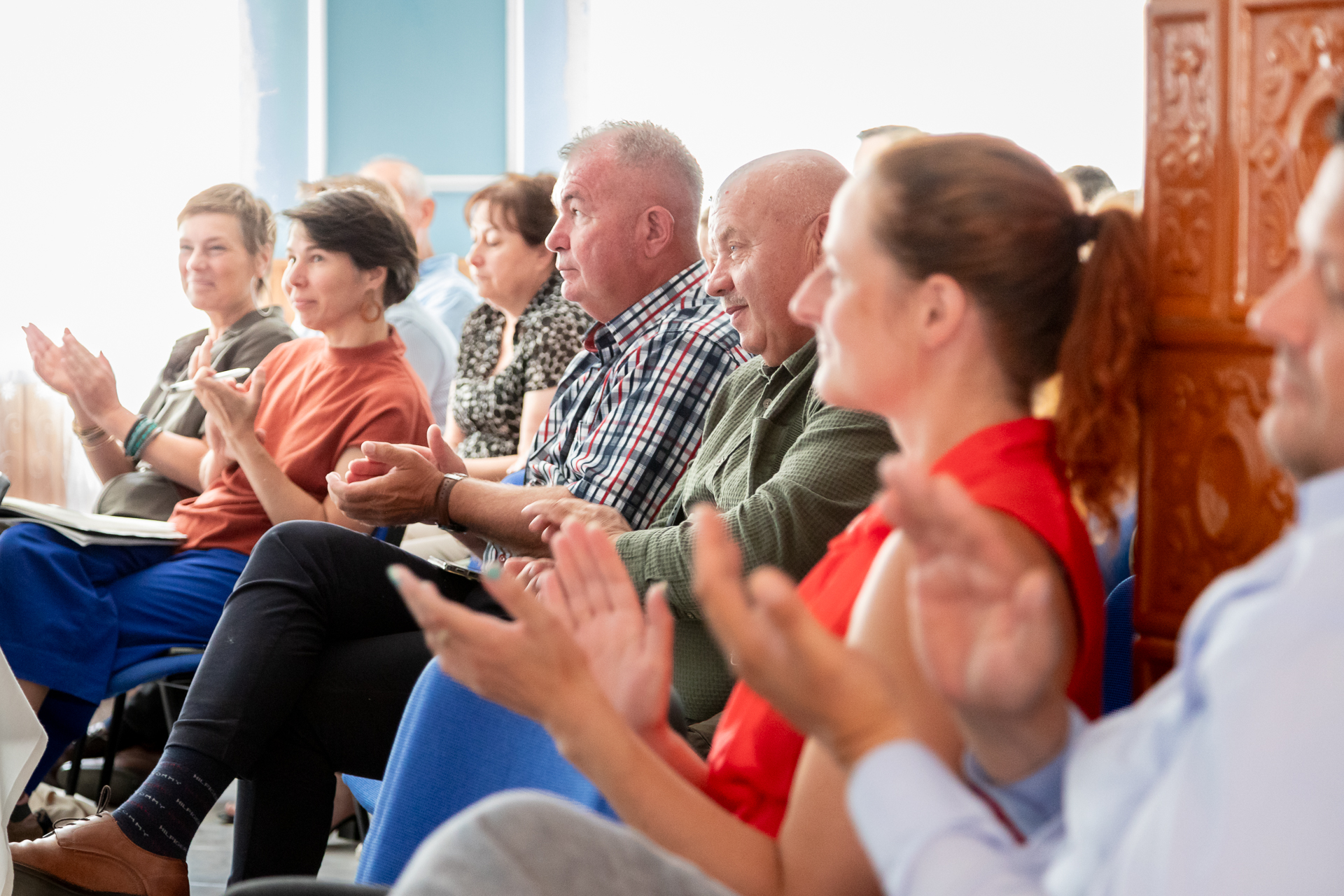
Credit: KépKocka / BME

05/08/2026
By Desislava Mincheva-Yordanova
Share on social media:


Cooperation

News & Events
Read the most recent updates and explore the upcoming events.


Would you like to receive project updates?
You're already part of our community!
Welcome to our newsletter community!
Subscribe to our newsletter