
Before the First Hammer
"Every village has a story. The question is whether someone takes the time to listen."
On the warm 22th June 2026 morning, the square in front of the House of Culture in Dobra, a village overlooking the Danube in eastern Serbia, slowly began to change.
Not because construction had started.
Because people had gathered.
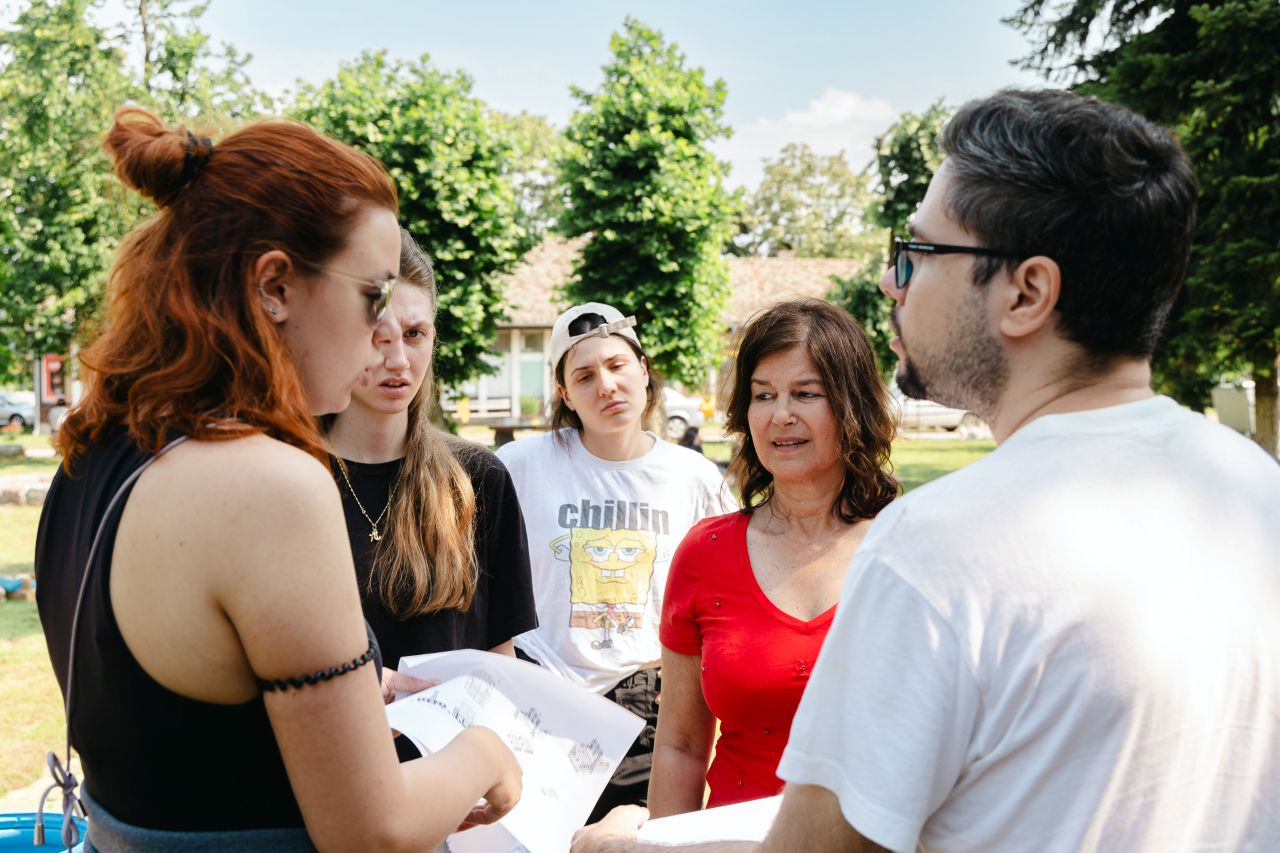
Students unfolded drawings across wooden tables. Local residents stopped to ask questions. Children watched curiously from nearby. Someone pointed towards the river. Someone else shared a memory of how the space had once been used.
The conversation had already begun.
Long before the first piece of timber was cut, the most important work of the first Danube Ruralscapes Building Camp had already taken place.
People had started imagining their village together.
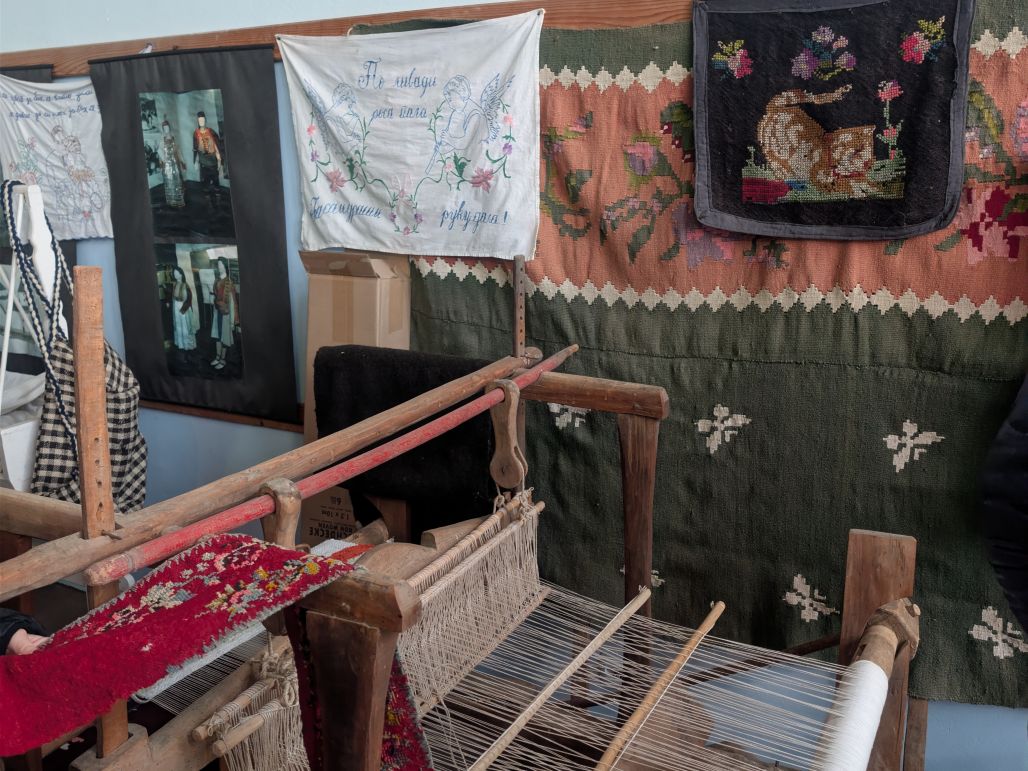
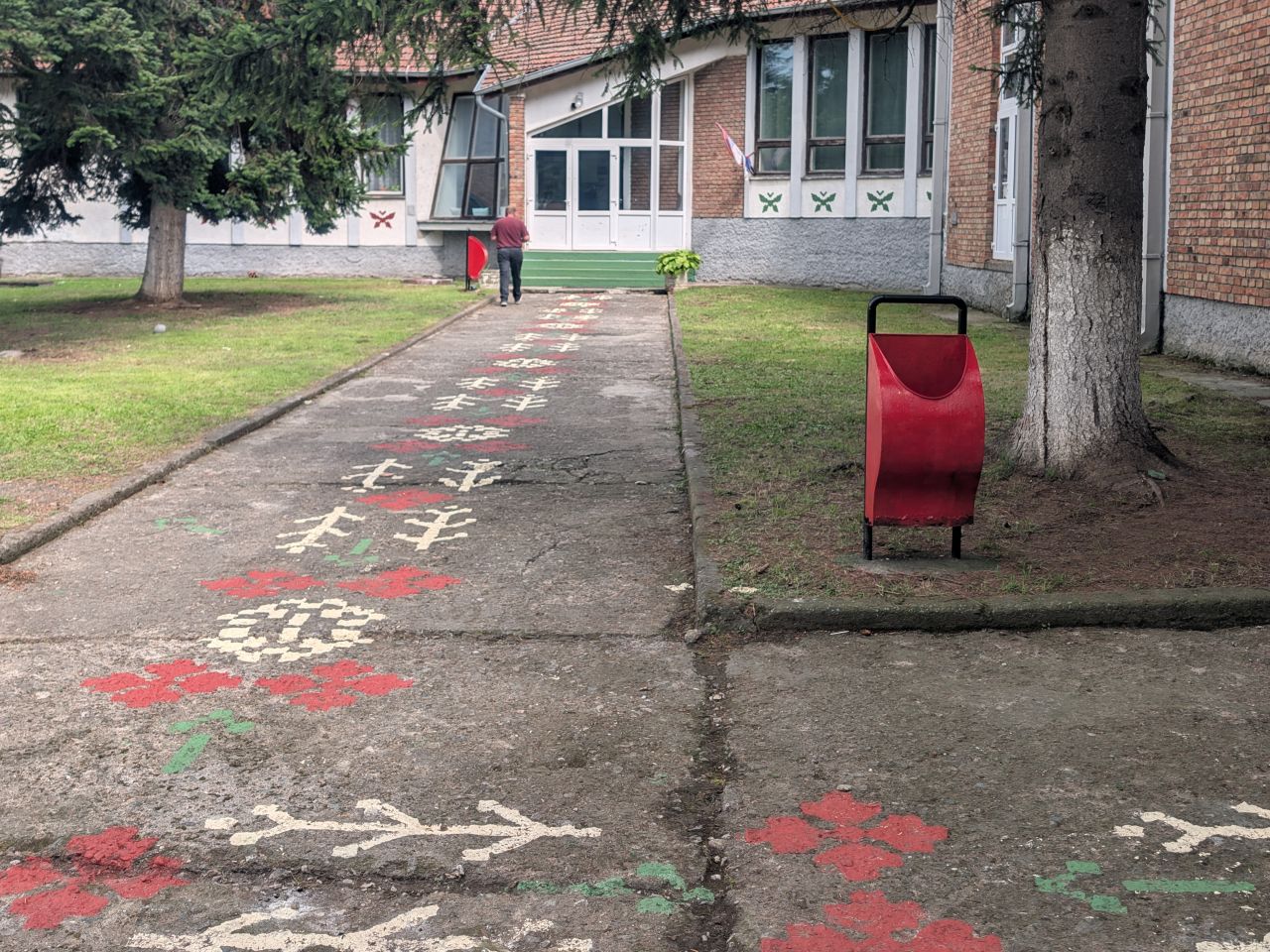
Traditional motifs in House of Culture in Dobra. Credits: Nikola Mitrovic (UBGD-FA)
Every good intervention begins long before construction
It is easy to think that a Building Camp starts when tools arrive on site.
In reality, it begins much earlier.
Months before the intervention in Dobra, students and mentors from the University of Belgrade – Faculty of Architecture travelled through the Golubac micro-region, visiting villages, walking local streets, observing landscapes and meeting the people who know them best.
There was no blueprint waiting to be implemented.
Instead, there were conversations.
Residents spoke about places where neighbours still gather, about forgotten public spaces, about the Danube that has shaped everyday life for generations, and about the quiet challenges many rural communities now face.
Rather than searching for problems to solve, the team searched for something far more valuable:
What already makes this place unique?
That question became the foundation of everything that followed.
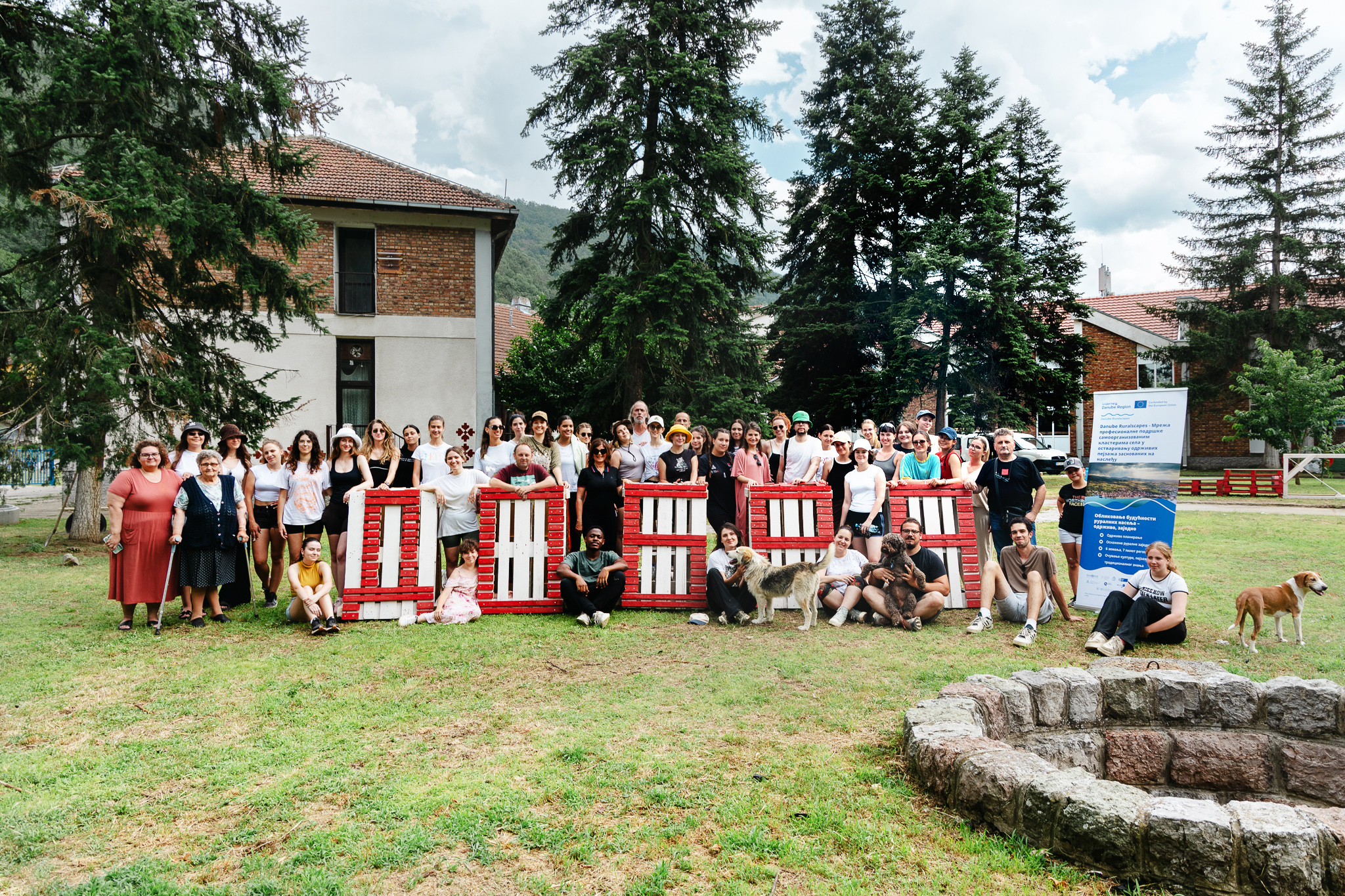
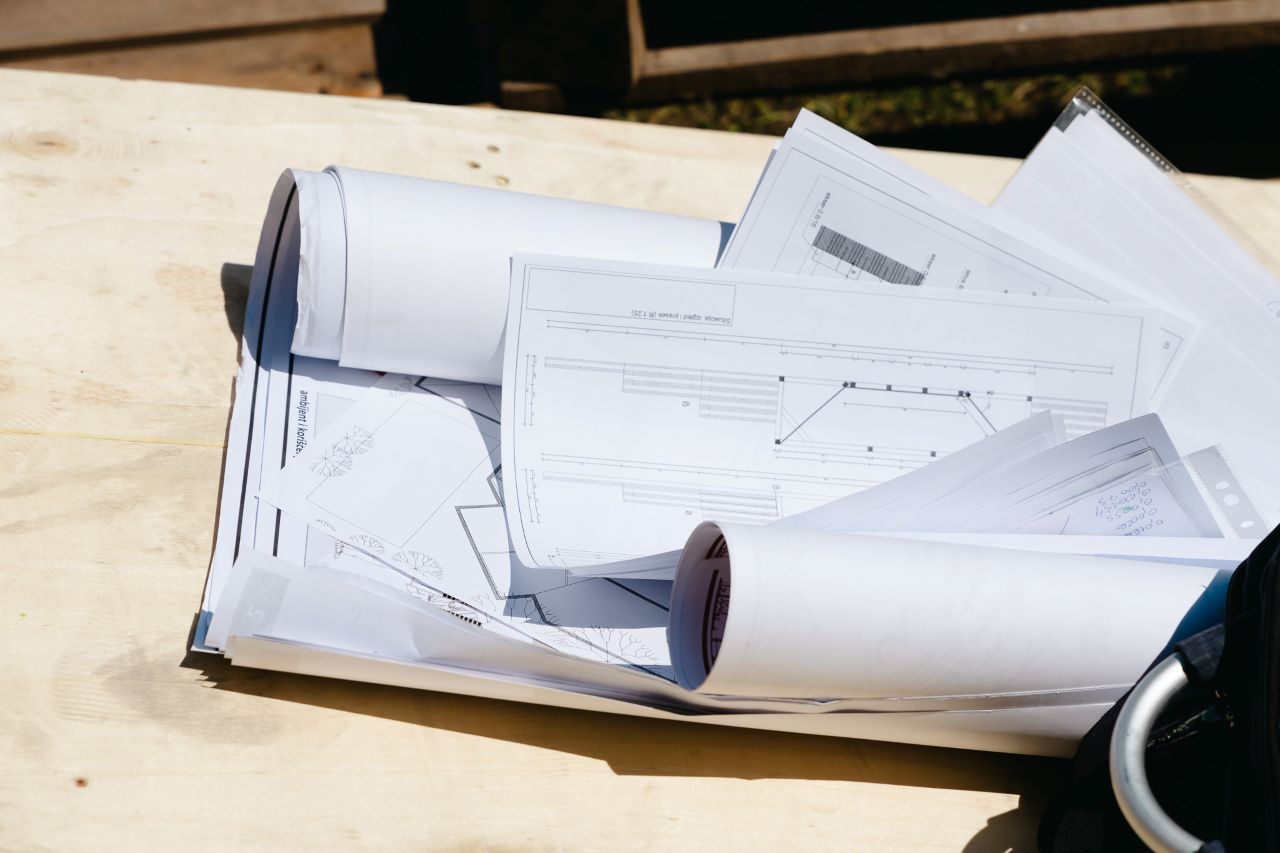
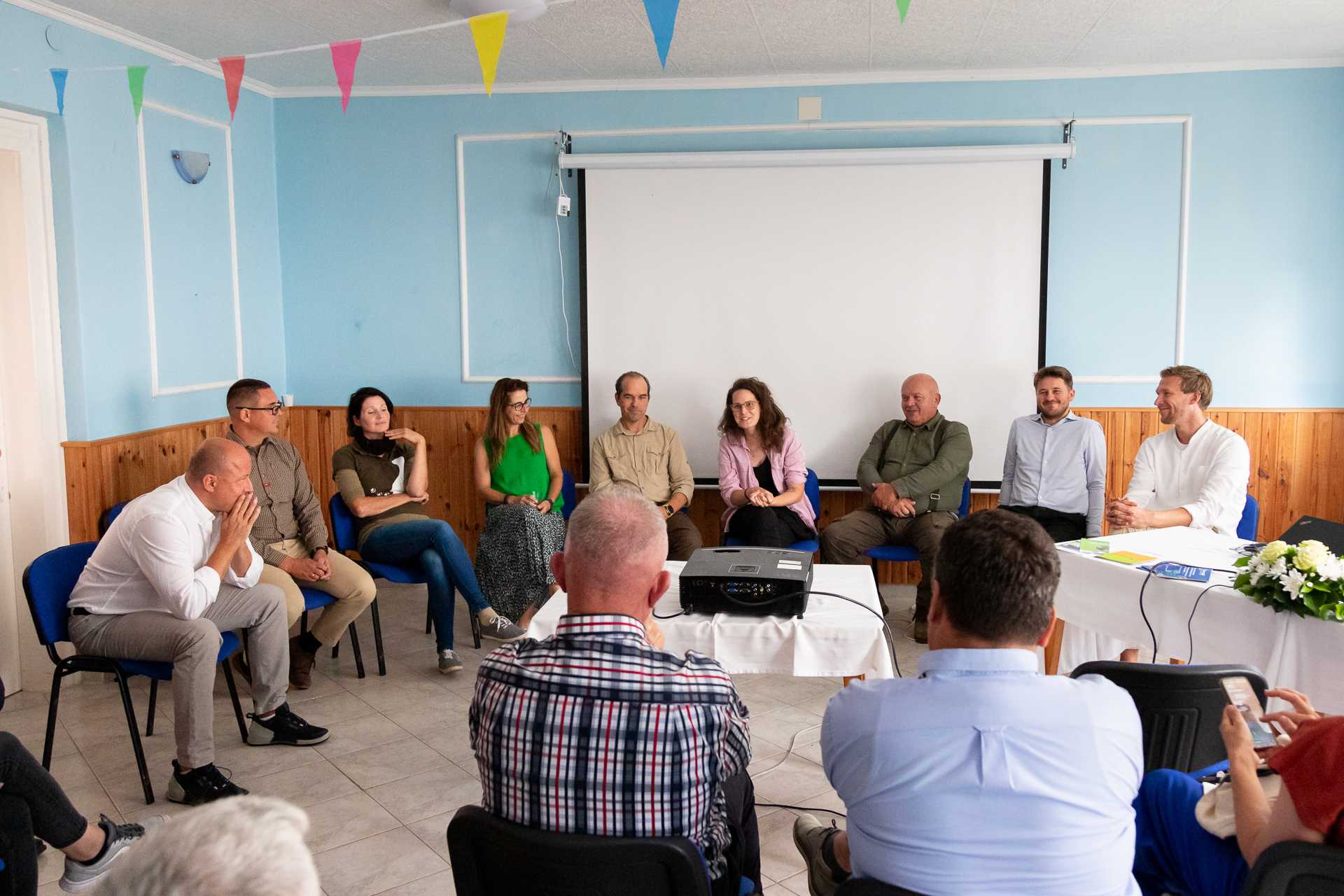
To ensure this foundation was solid, the drawing boards had to be brought directly back to the village. The students and teaching staff of the "S06U Studio Project Design" course didn’t just stay in their studio to finalize the designs - they returned to Dobra. They unrolled their plans in front of local residents and village representatives. It wasn’t about handing over a finished product, it was about checking the pulse of the community. As the locals leaned over the proposed projects for the building camp, pointing out details and sharing their feedback, the designs shifted from an academic exercise into a shared vision. Before a single piece of timber was ever cut, the community had already begun building the space together.
A teacher from a local village school shared his thoughts during the presentation:
"Seeing excitement of my pupils today, made it so clear how much we need this kind of urban furniture here in the village."
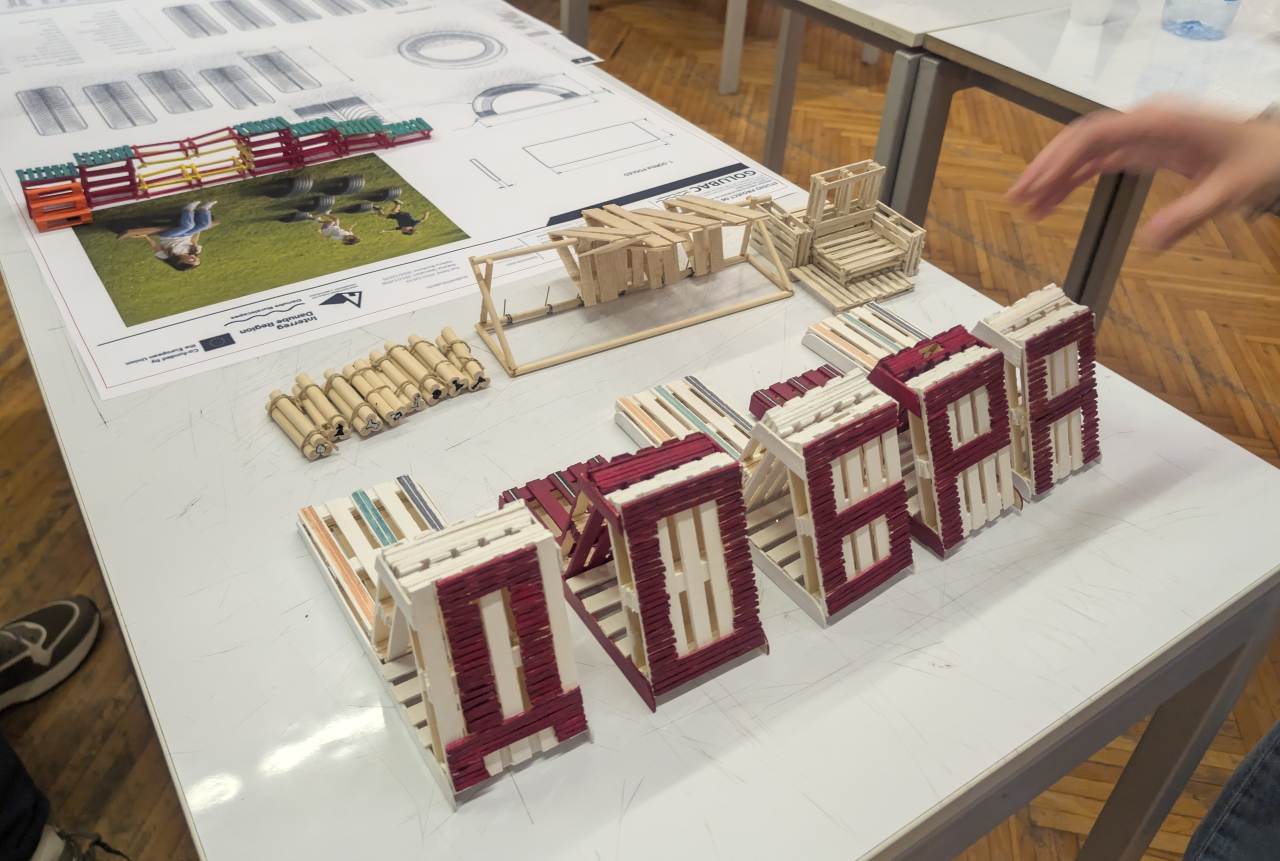
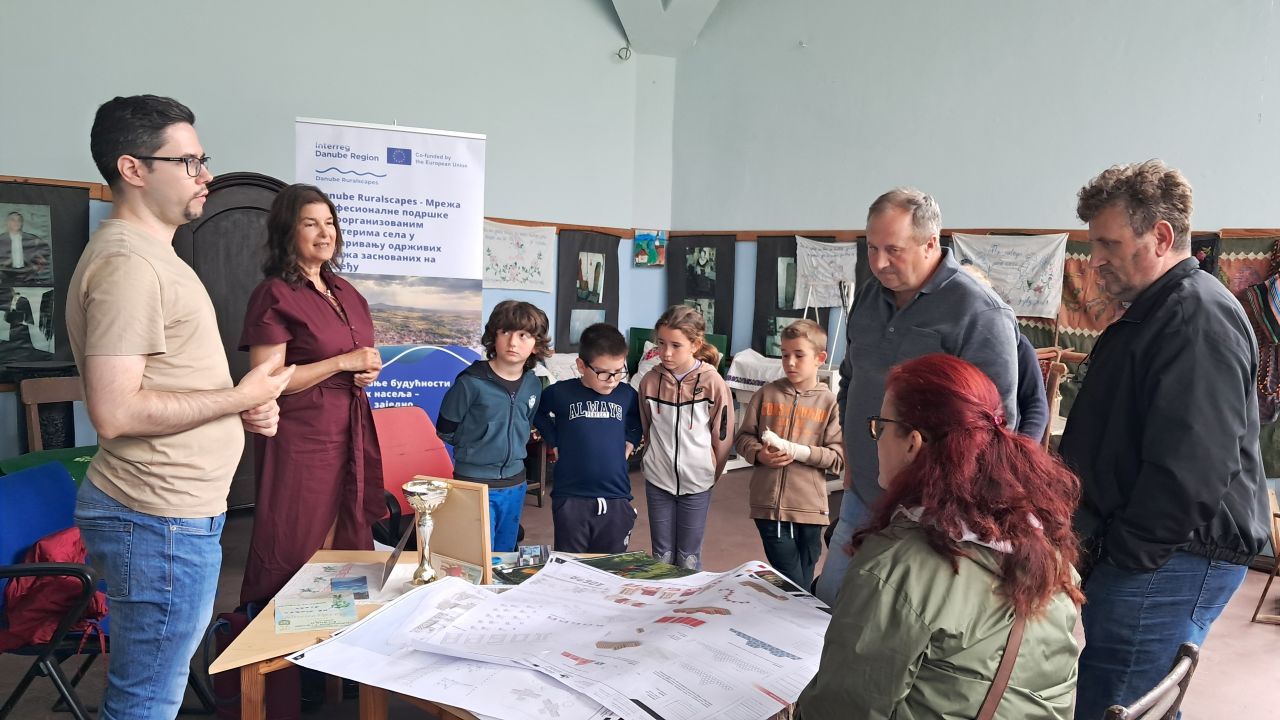
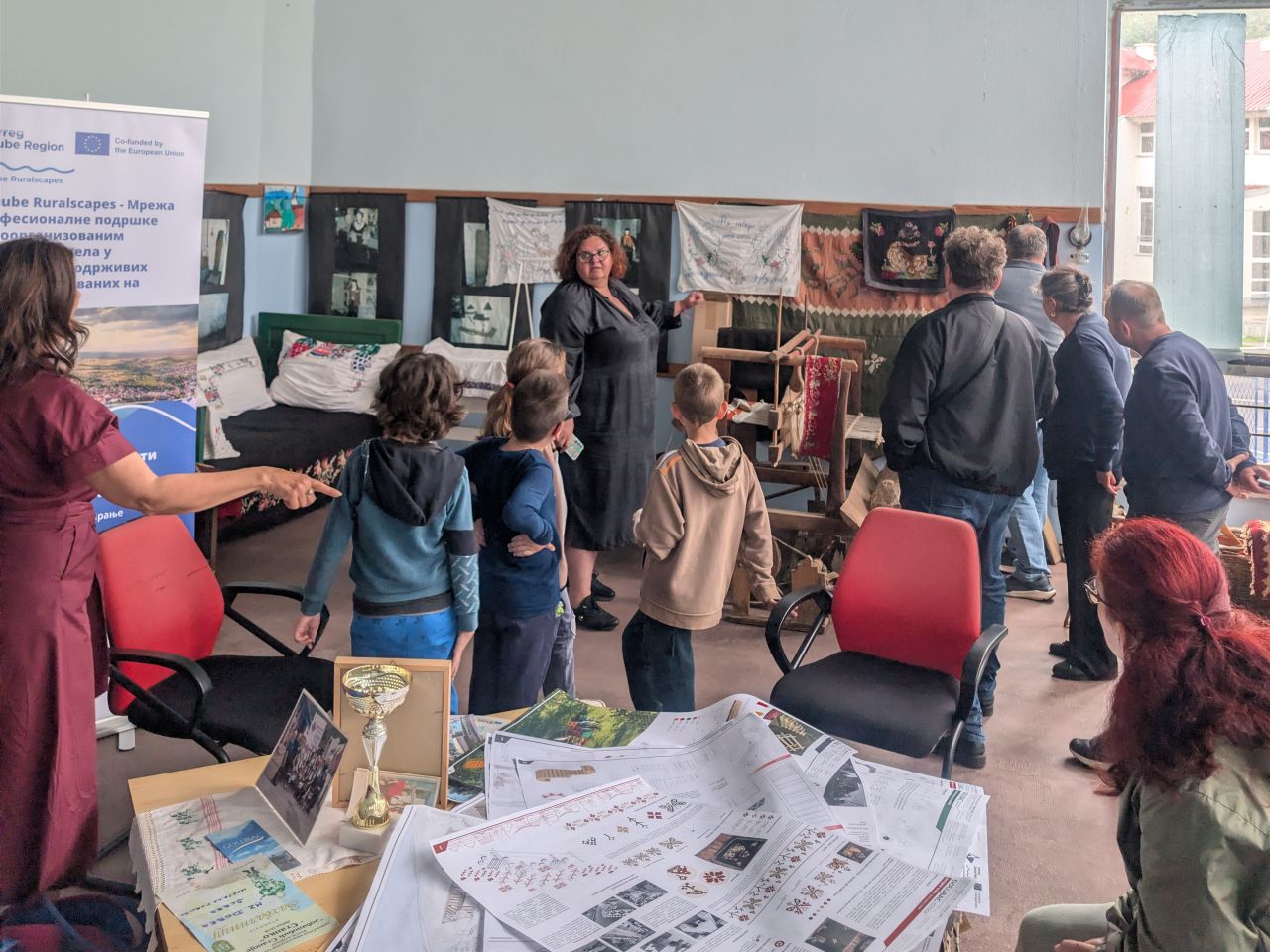
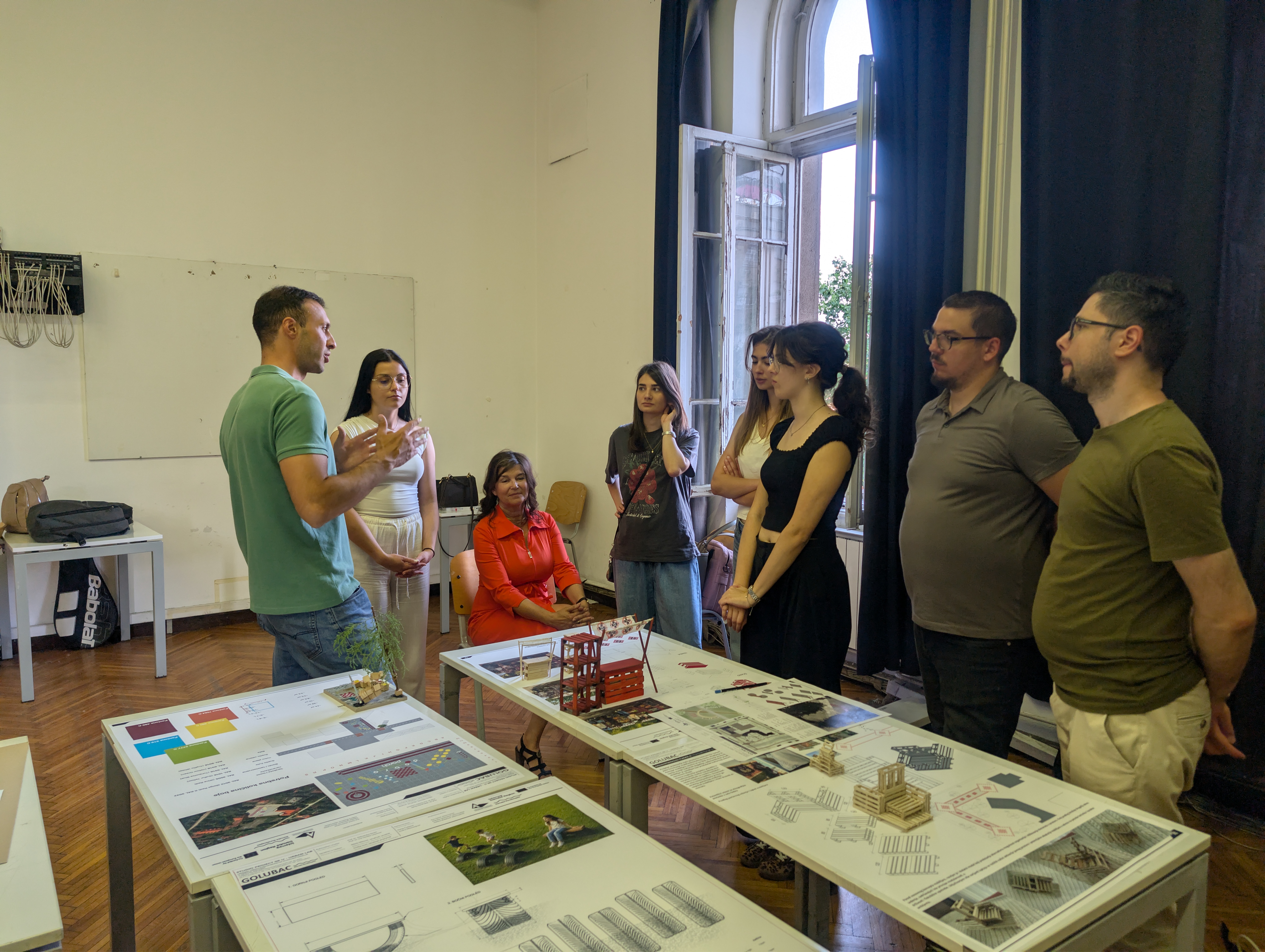
Student group with mentors at "S06U Studio Project Design" course. Credits: Jovana Milosavljevic (student, UBGD-FA)
When architecture becomes a conversation
The Building Camp transformed Dobra into something few villages ever become - a shared workspace where ideas moved freely between students, professionals and the local community.
Architecture was no longer confined to drawings.
It became discussion. Experiment. Collaboration.
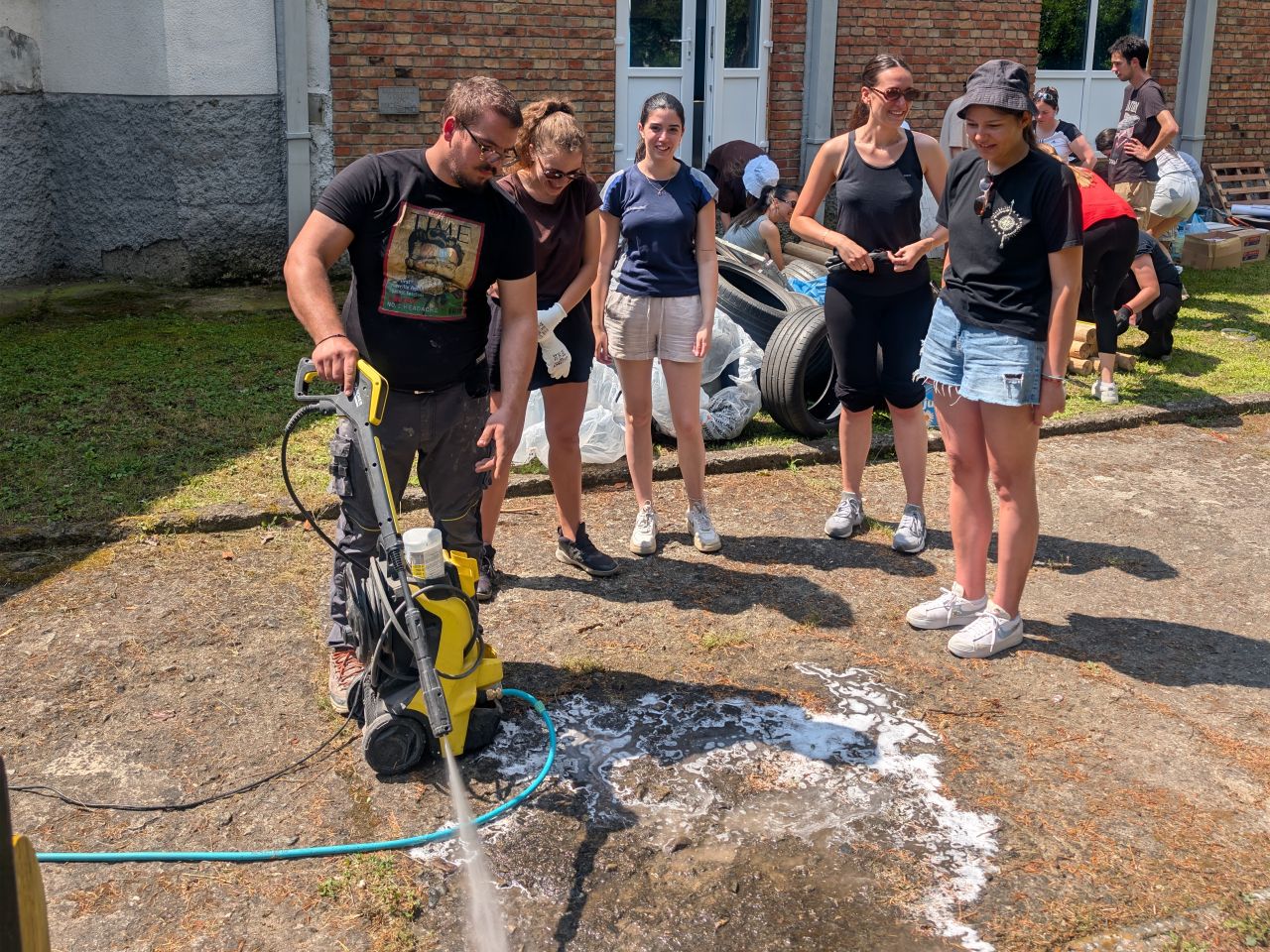
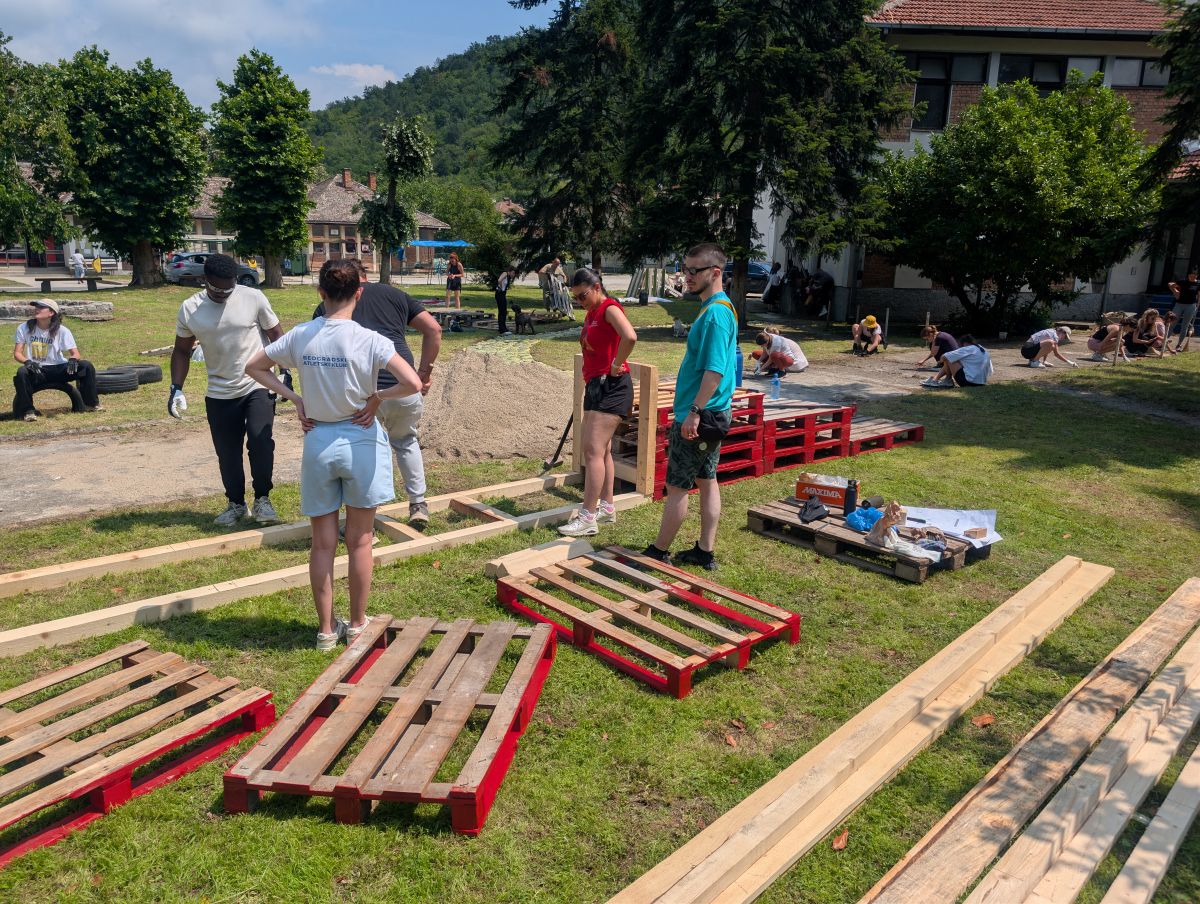
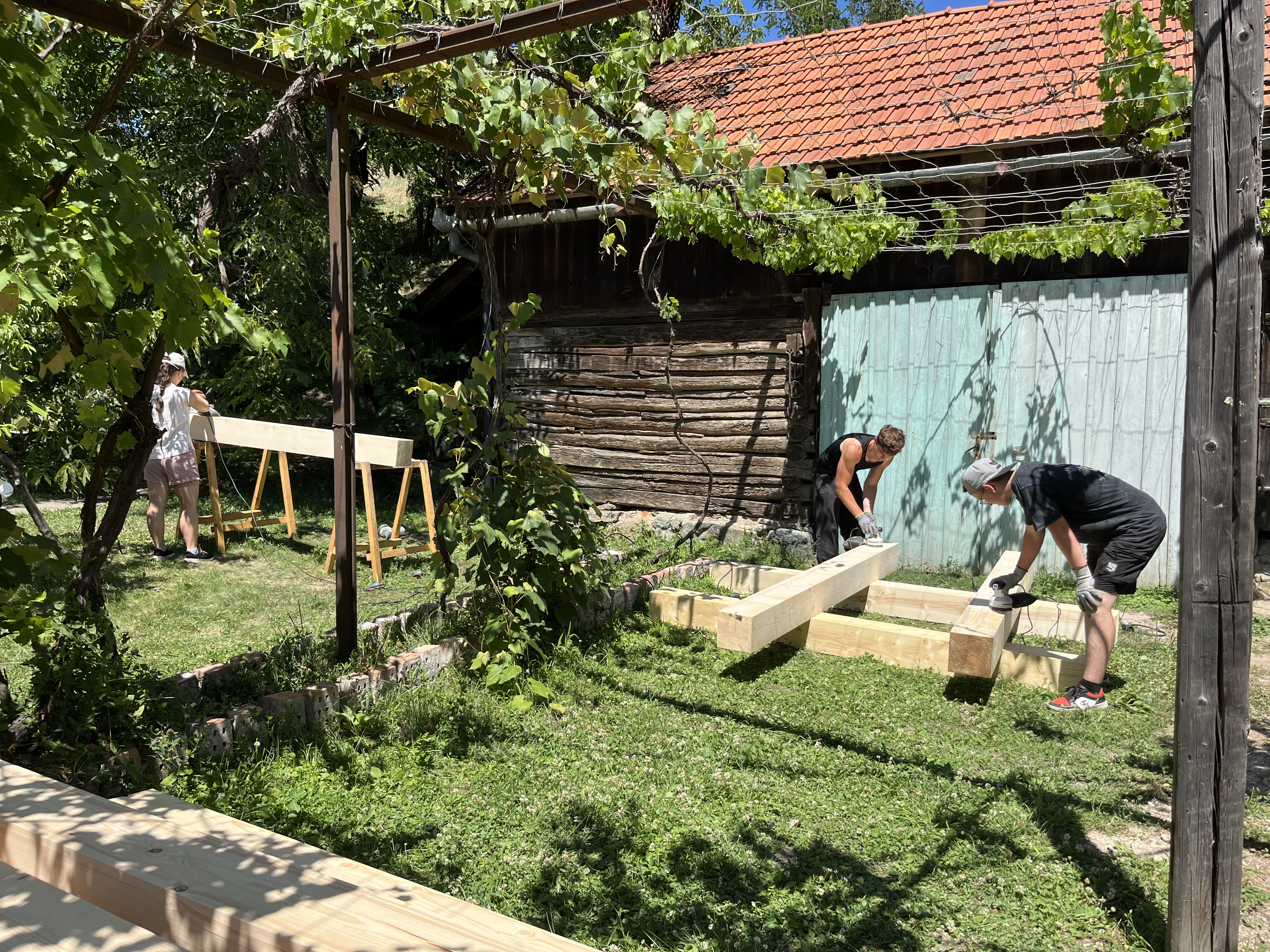
Over several days, more than 35 students worked side by side with mentors, local residents, volunteers and partners to create a renewed public space in front of the House of Culture.
The intervention itself is deliberately modest. There are no monumental structures. No iconic buildings.
What remains is something quieter: a place where people might choose to stop, meet and stay a little longer.
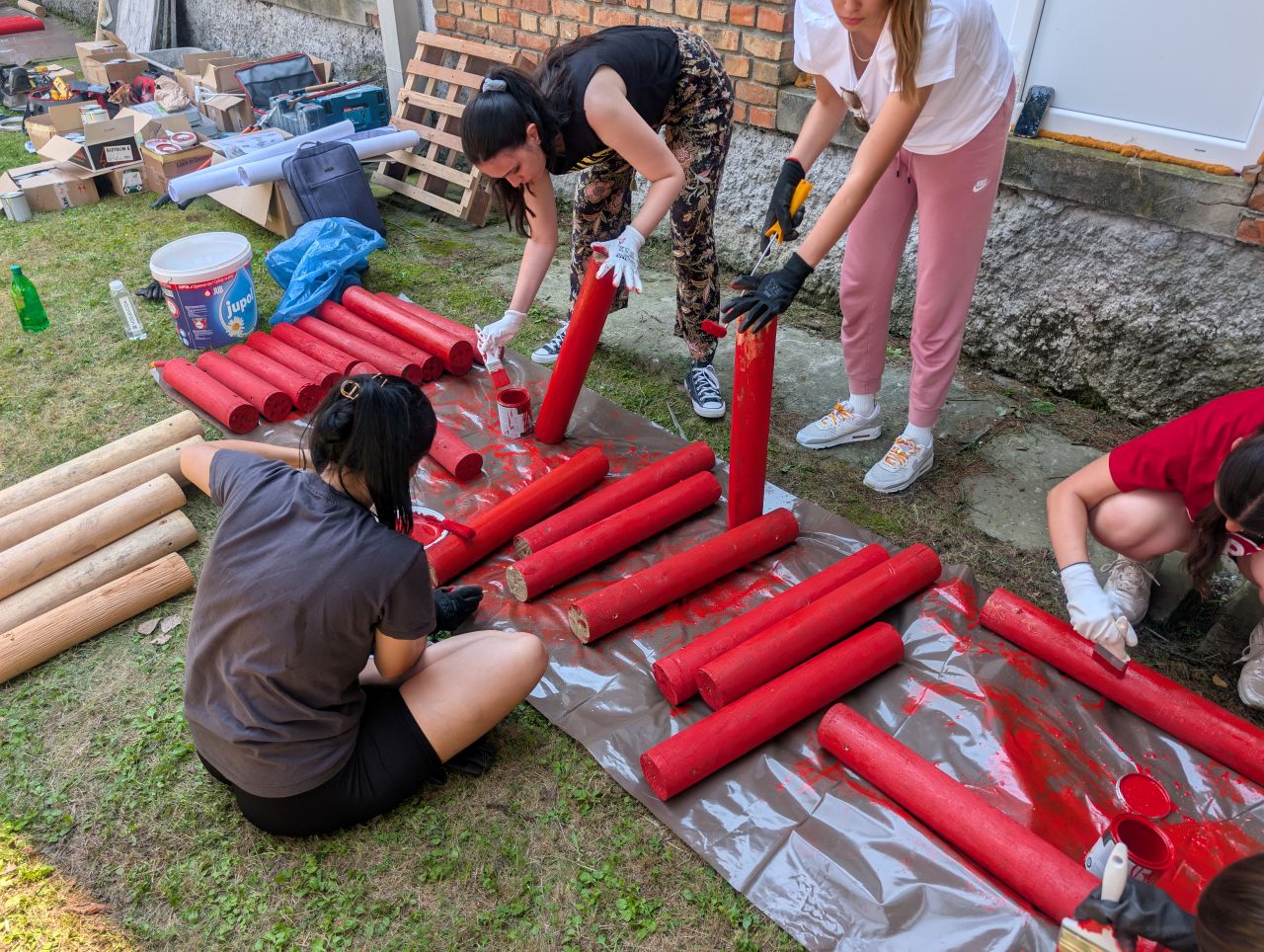
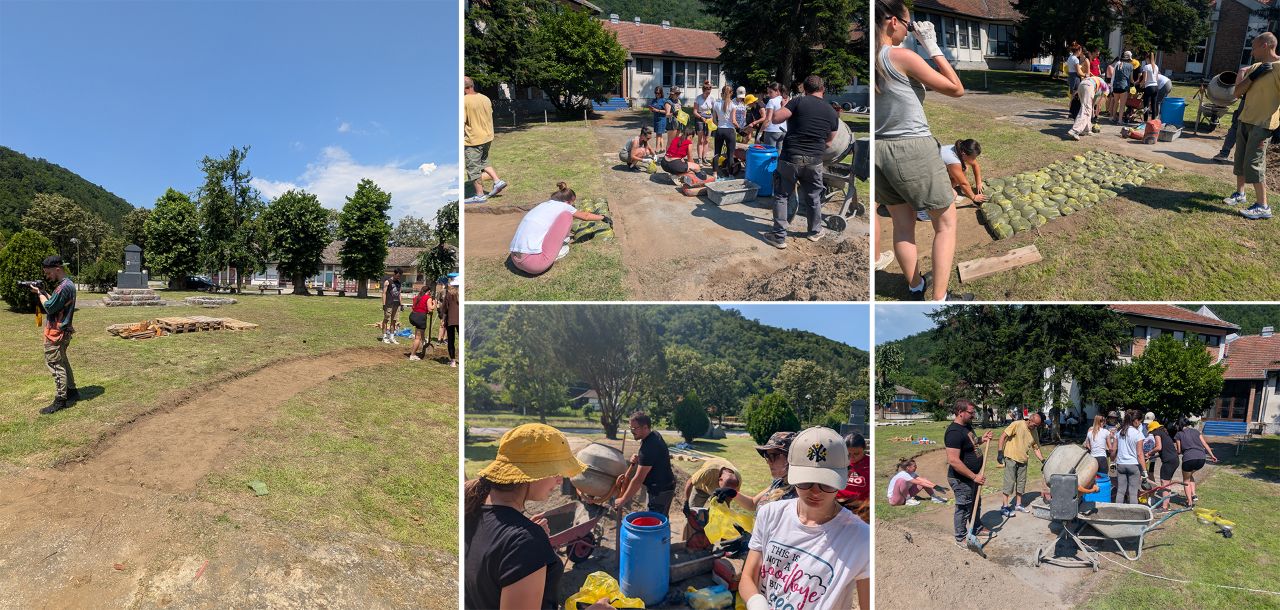
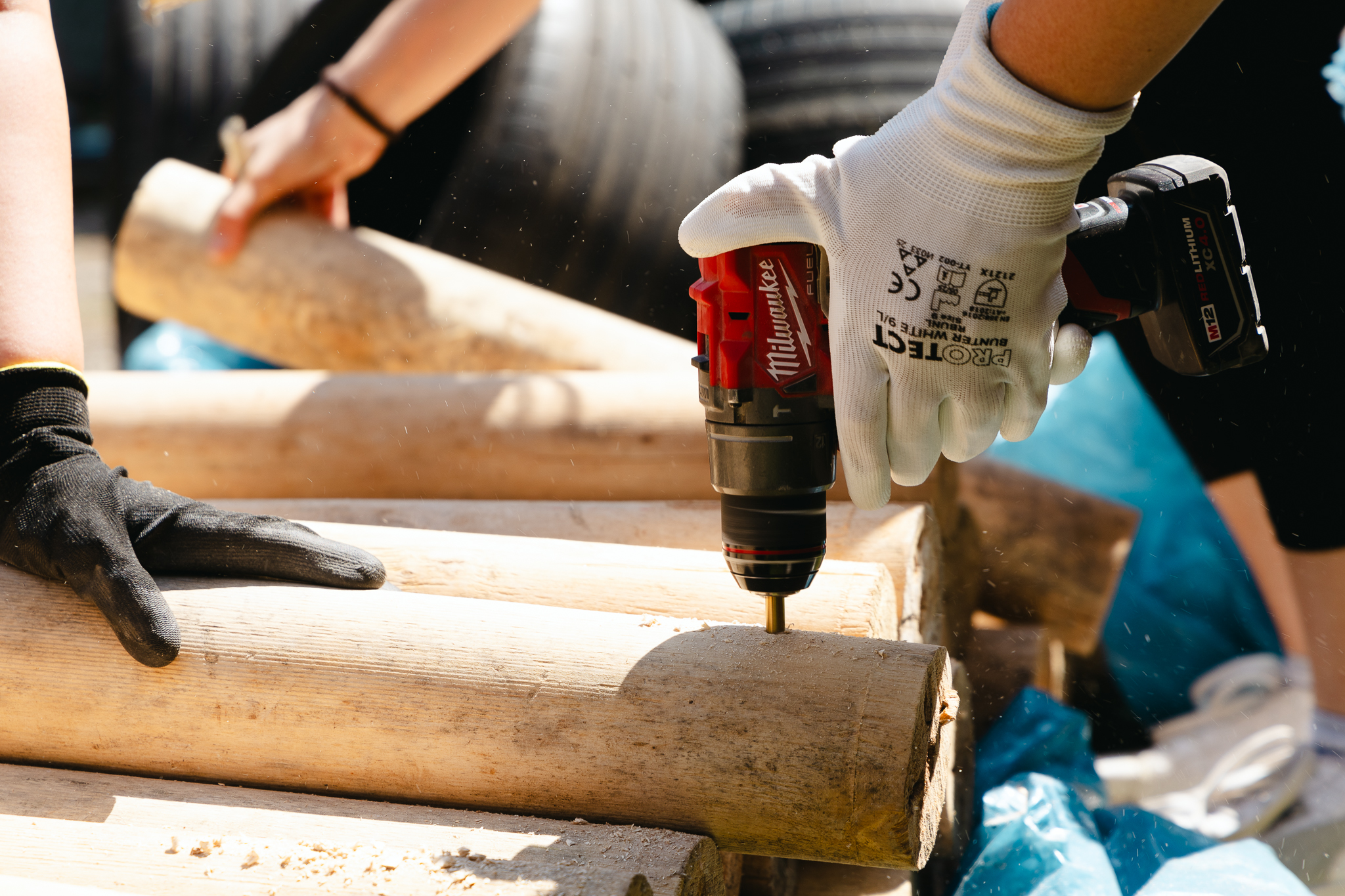
Credits: Marko Miladinovic (student, UBGD-FA)
Building Trust
Behind every visible intervention lies something far less visible. Trust.
The Building Camp brought together the University of Belgrade – Faculty of Architecture, the Regional Development Agency Braničevo–Podunavlje, the Municipality of Golubac, the Local Community of Dobra, Re:Construction, Urban Factory, students, volunteers and residents.
Each contributed something different. Professional expertise. Local knowledge.
Craftsmanship. Time. Curiosity. Material, Flowers and Homemade croissants and galettes.
No single contribution was more important than another.
That balance reflects one of the central ideas behind Danube Ruralscapes: rural development should never be something delivered to communities.
It should always be created with them.
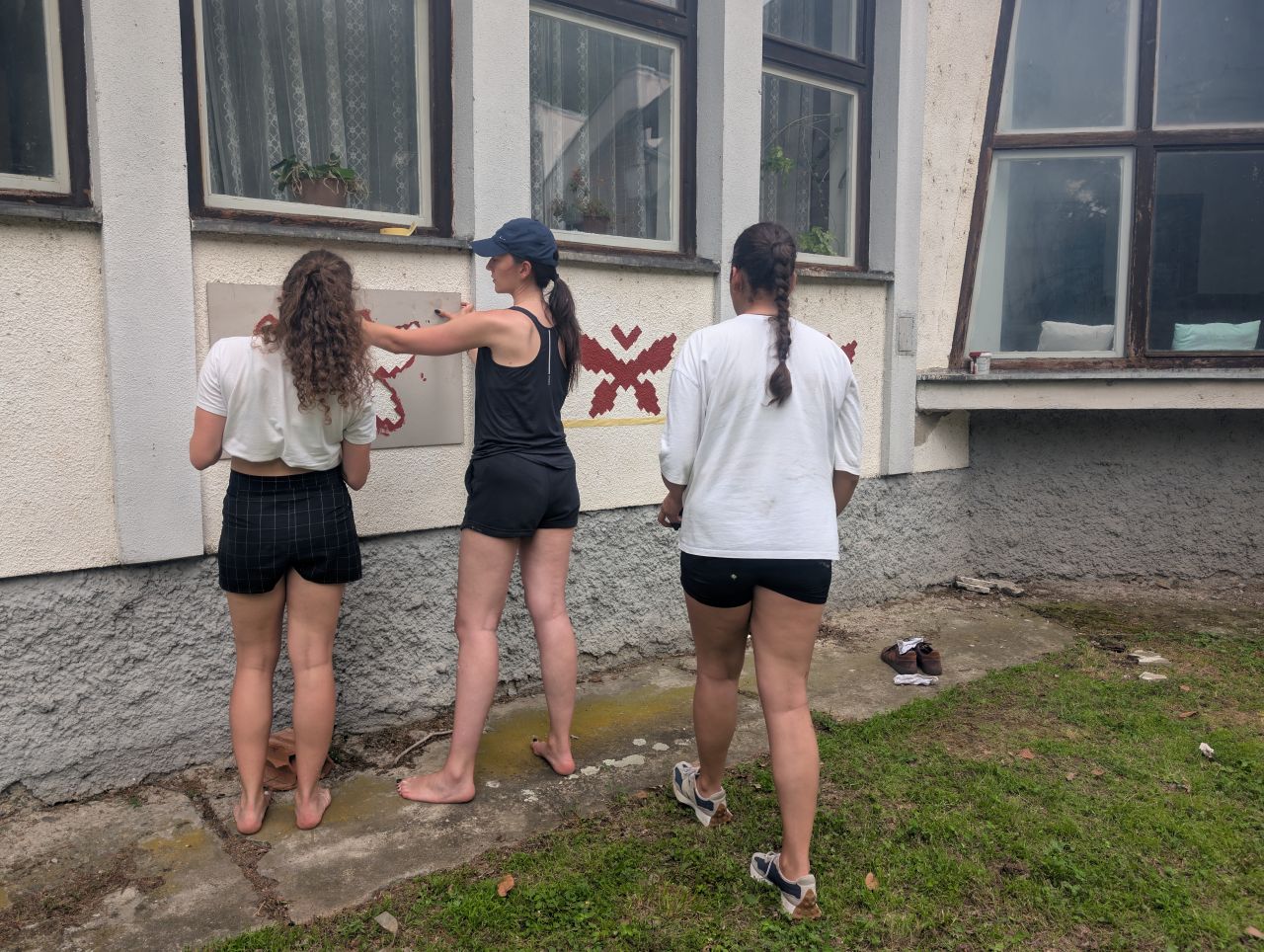
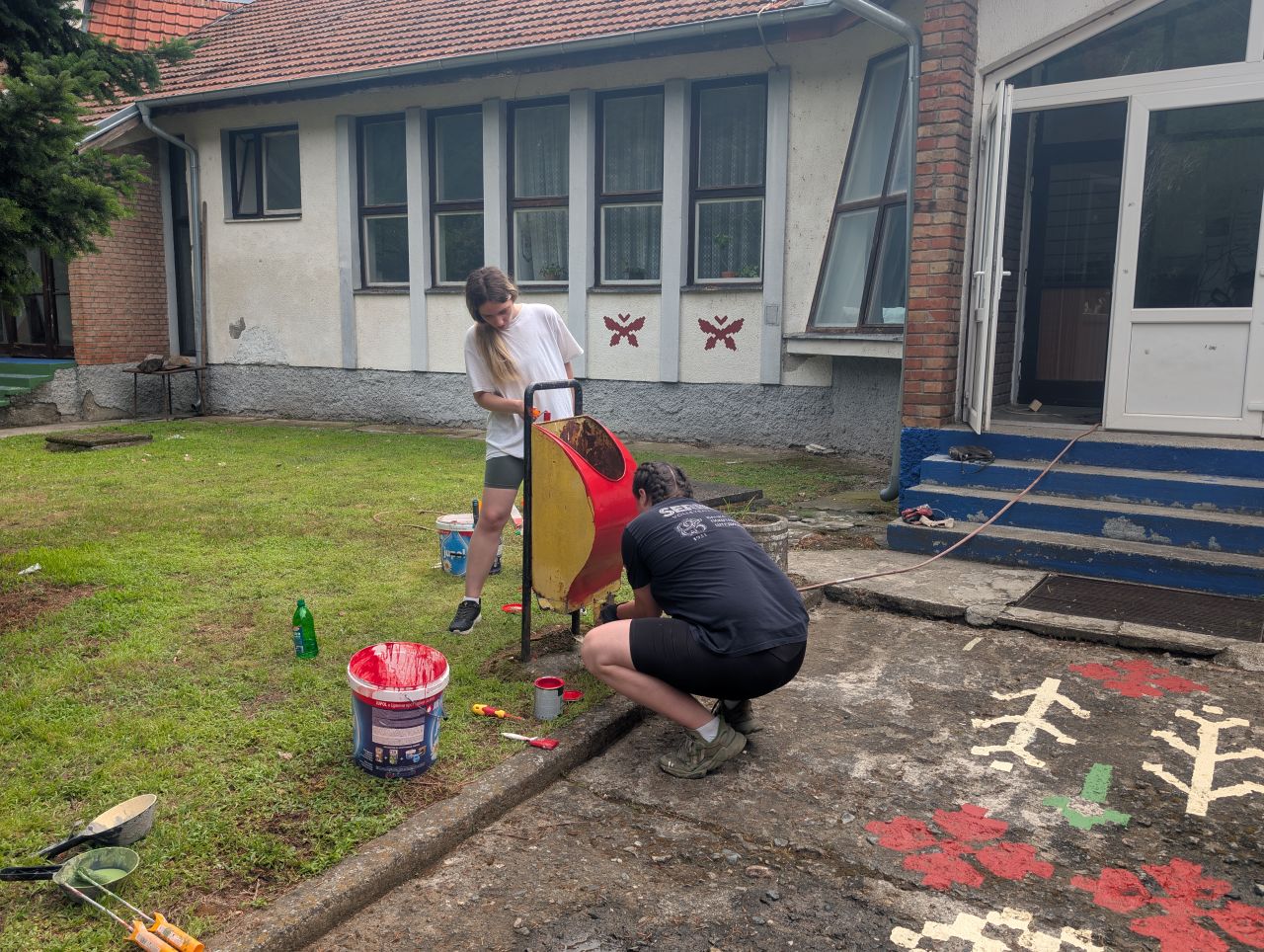
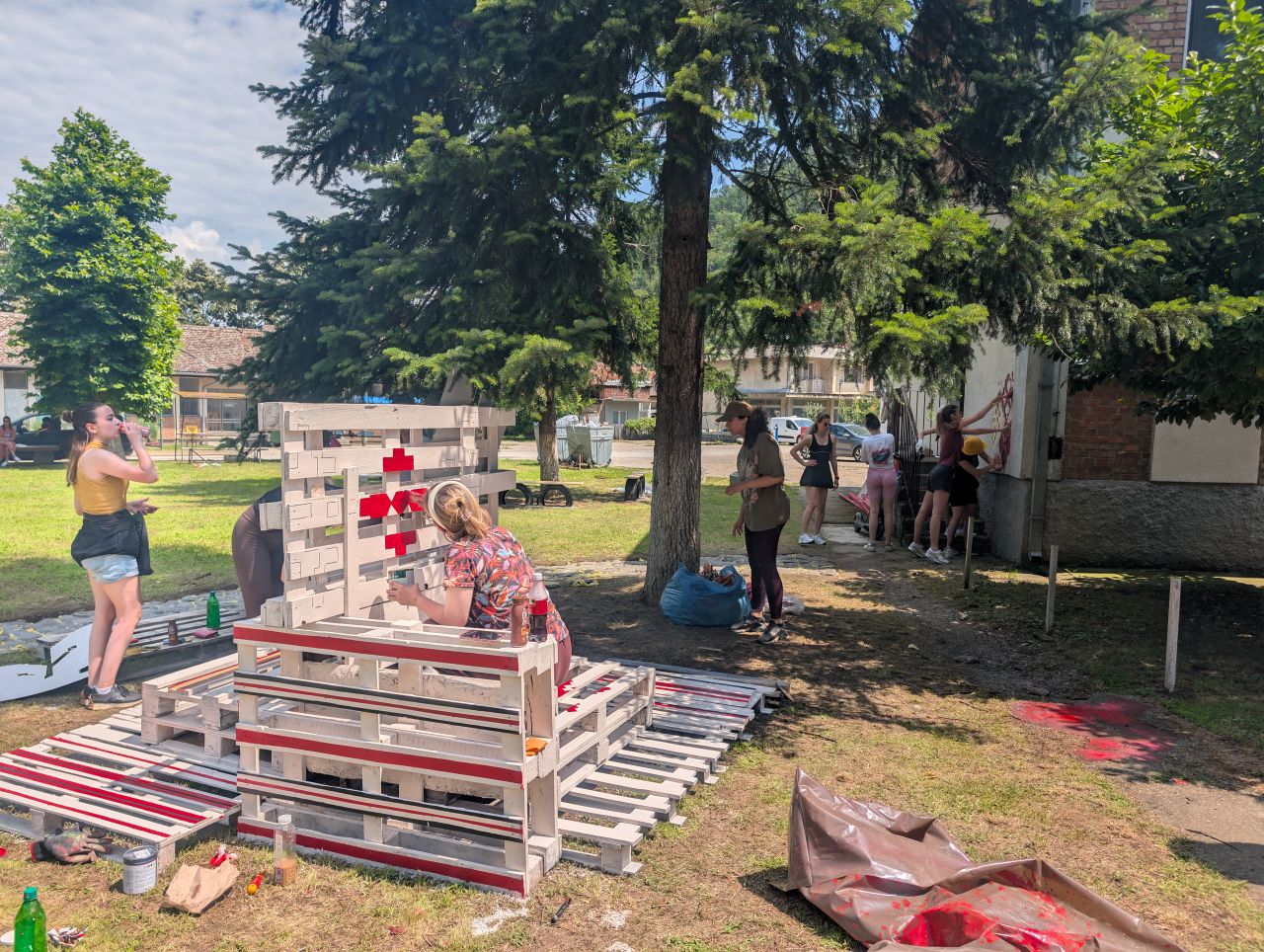
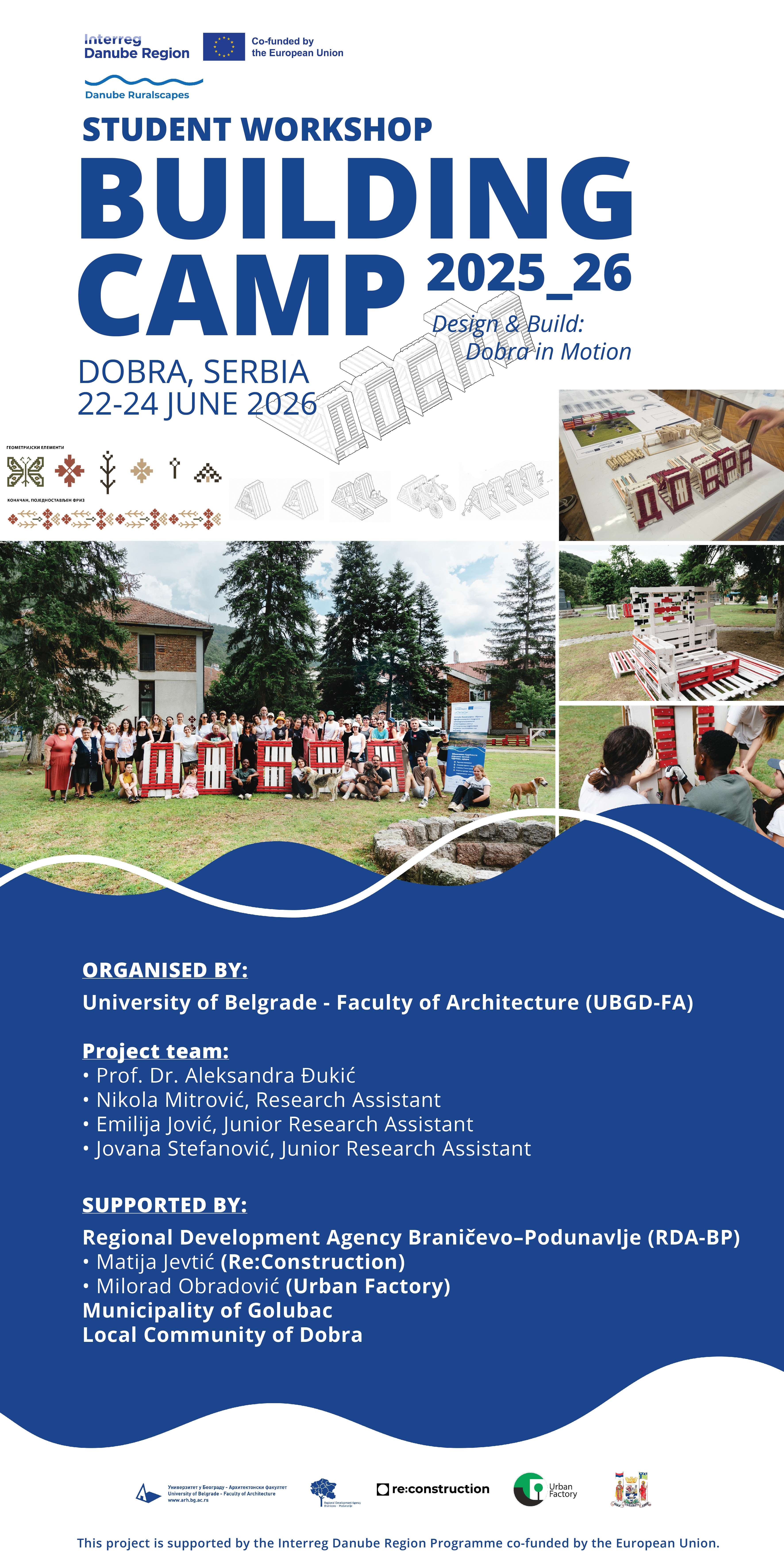
A village becomes a classroom
For the students, Dobra offered something that no university studio can replicate.
Reality.
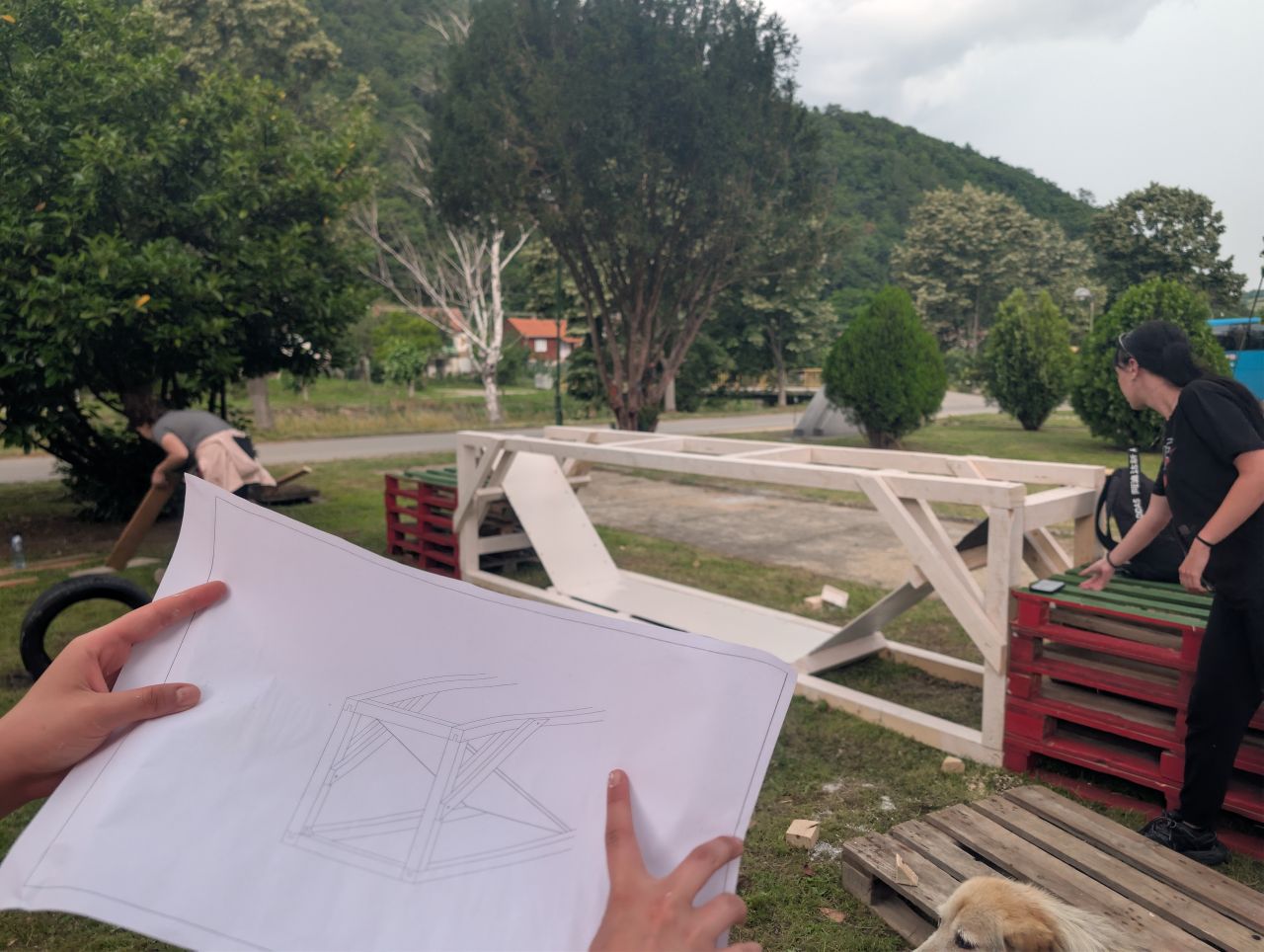
Ideas had to respond to weather, available materials, local expectations and everyday village life.
Design decisions were no longer theoretical.
Every conversation influenced the outcome.
Every adjustment mattered.
Every solution had to earn its place.
The result was not simply an intervention.
It was an education in participation.
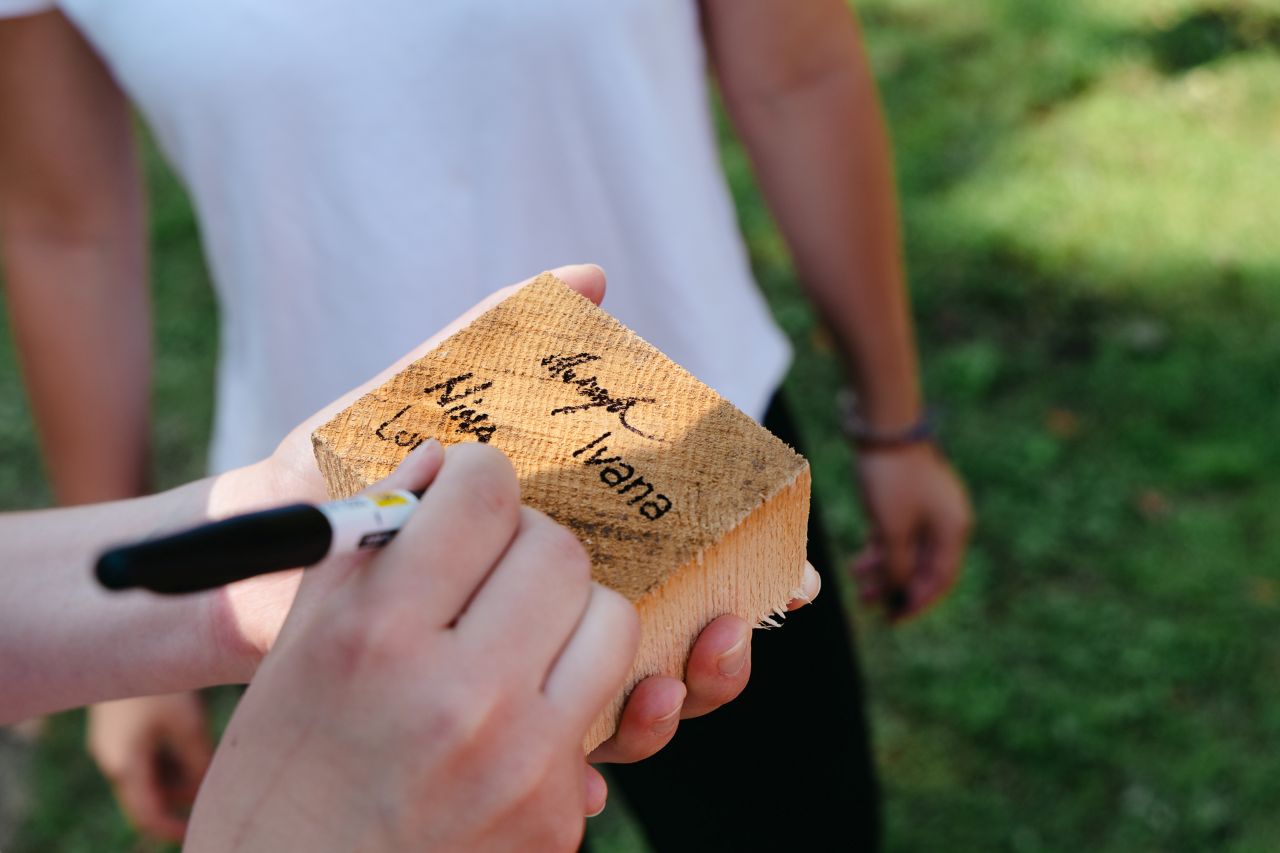
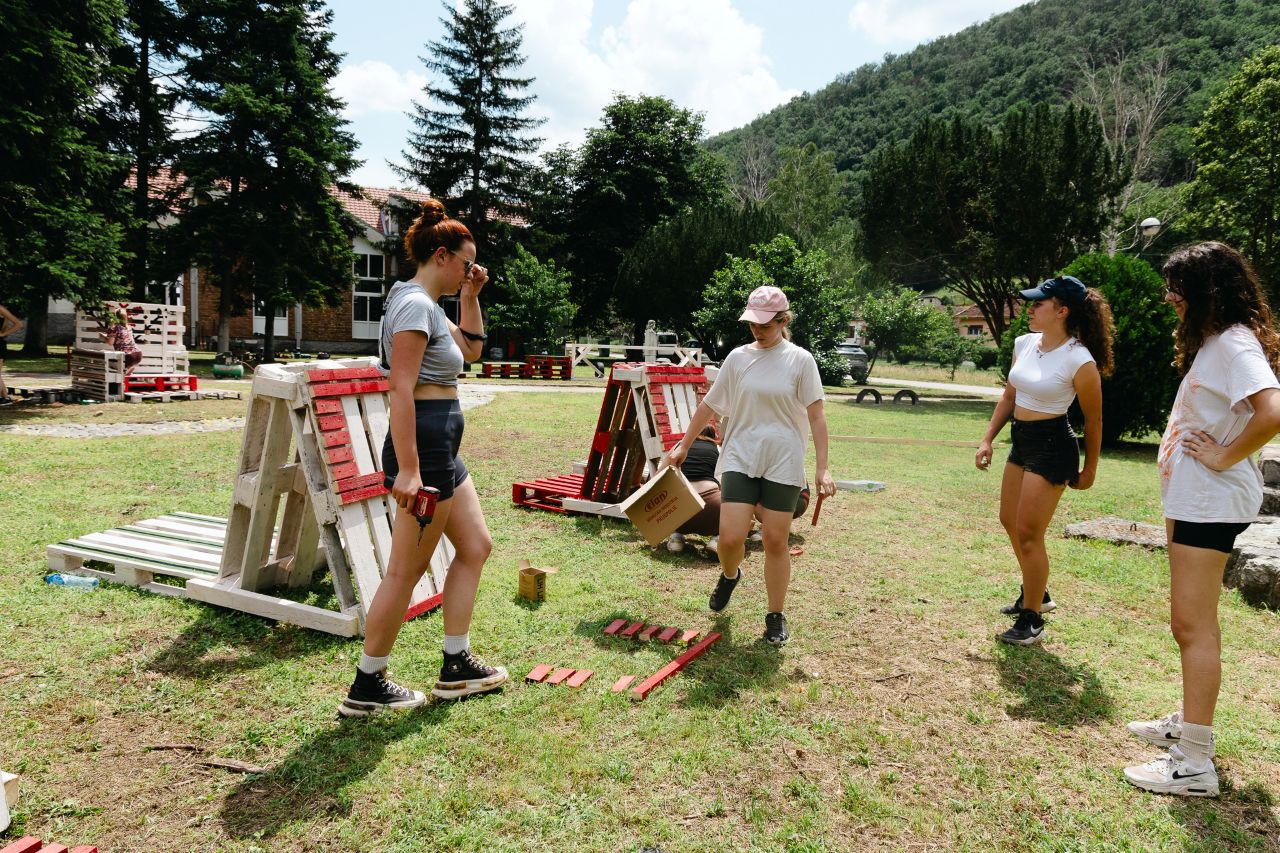
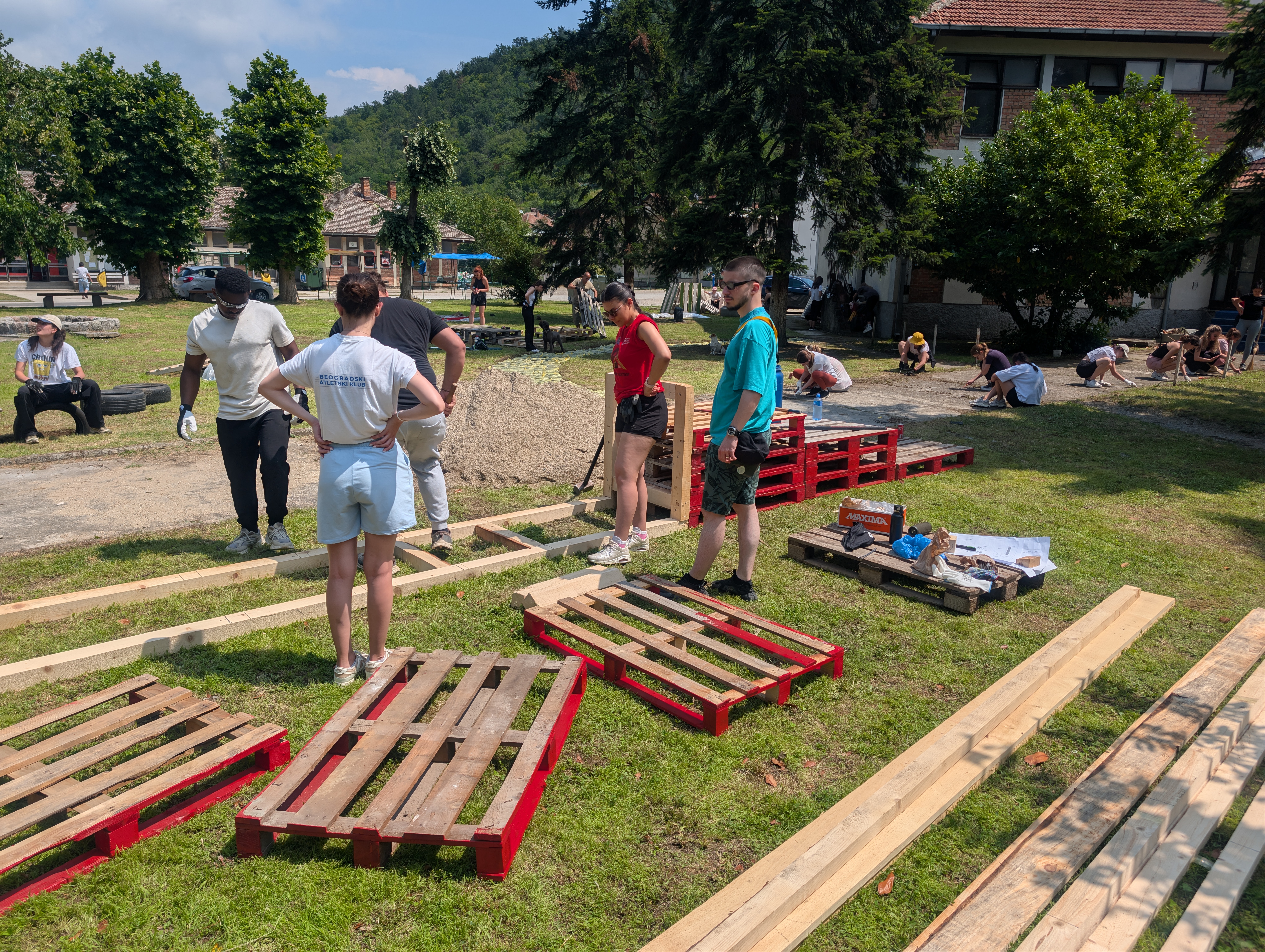
Credits: Nikola Mitrovic (UBGD-FA)
Why Dobra Matters
Across the Danube Region, many rural communities share similar challenges.
They possess remarkable landscapes, rich architectural heritage and strong local identities, yet often lack access to professional planning support and opportunities to transform ideas into action.
Danube Ruralscapes was created to change exactly that.
The project is developing new ways for universities, municipalities, regional organisations and local communities to work together on architecture, landscape and identity - not through top-down planning, but through collaboration, experimentation and shared learning.
The Building Camp in Dobra is the first practical expression of that vision.
Not because it is the largest intervention.
But because it demonstrates a different way of thinking.
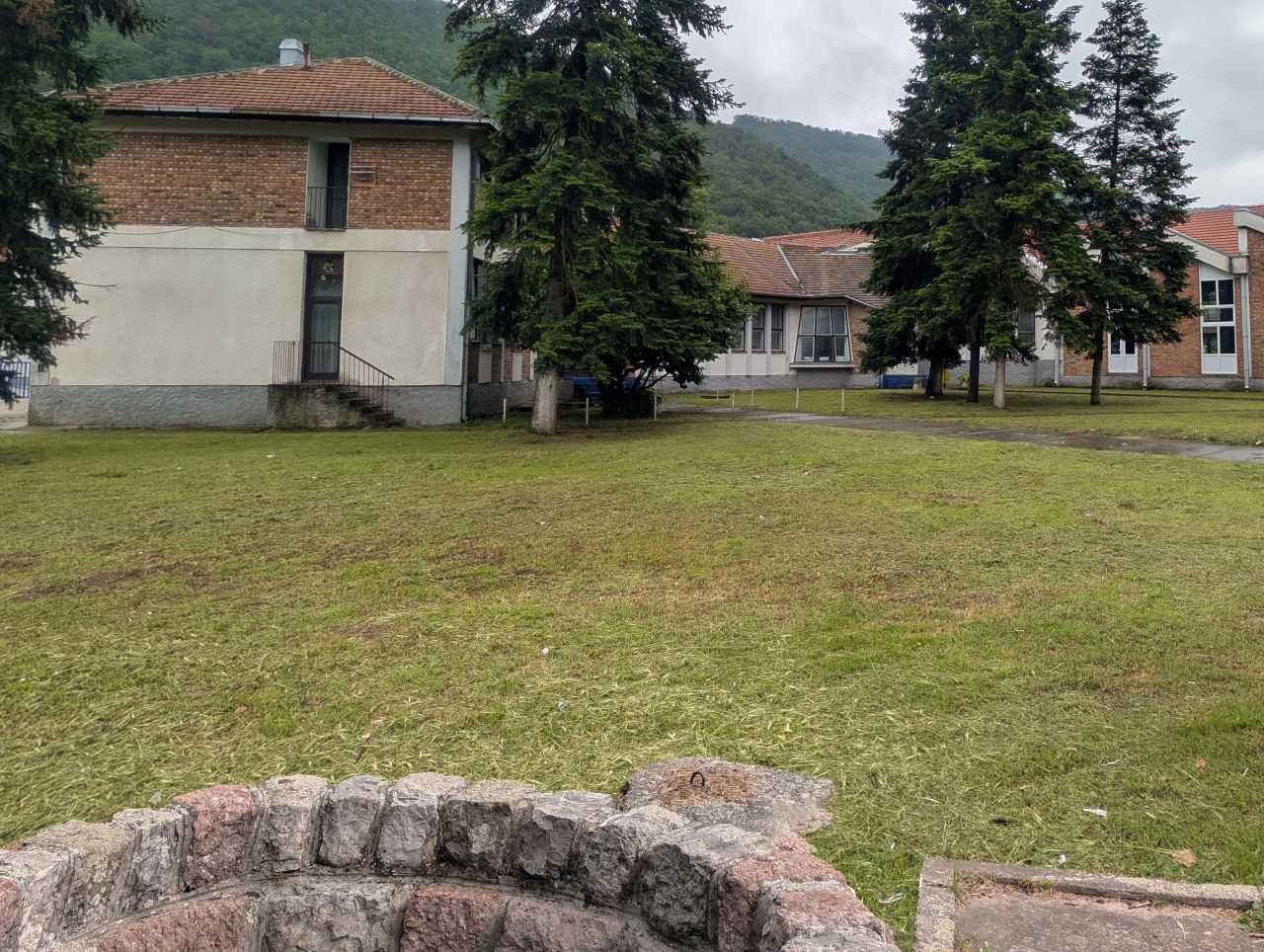
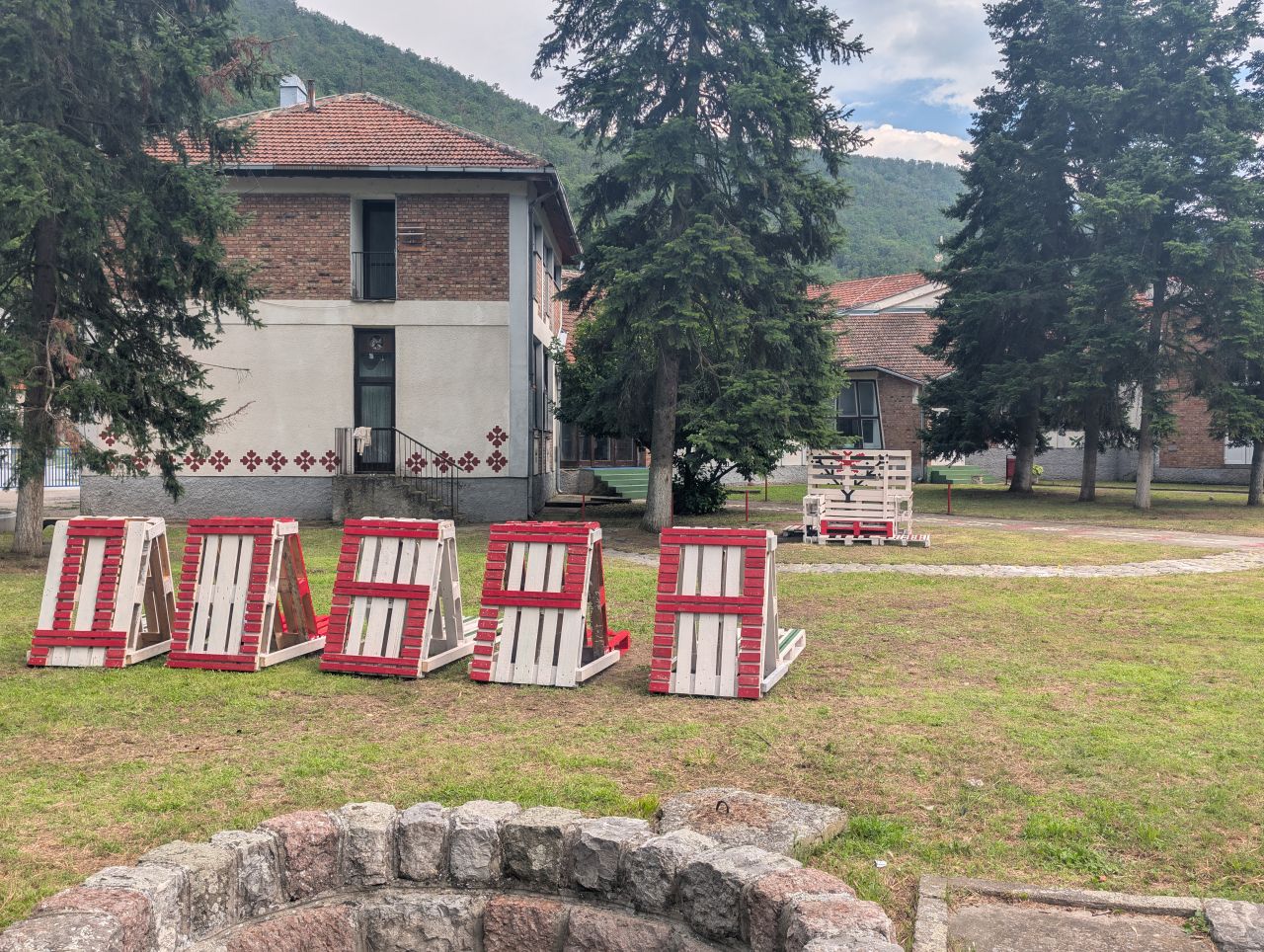
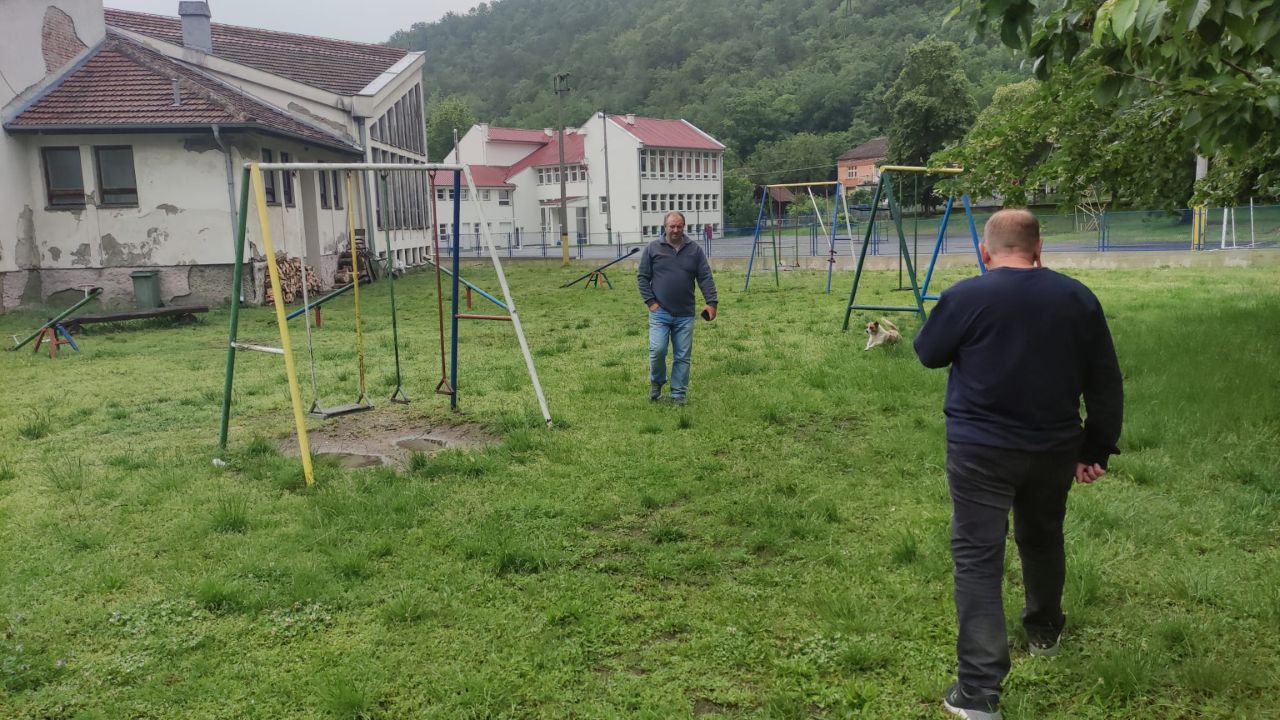
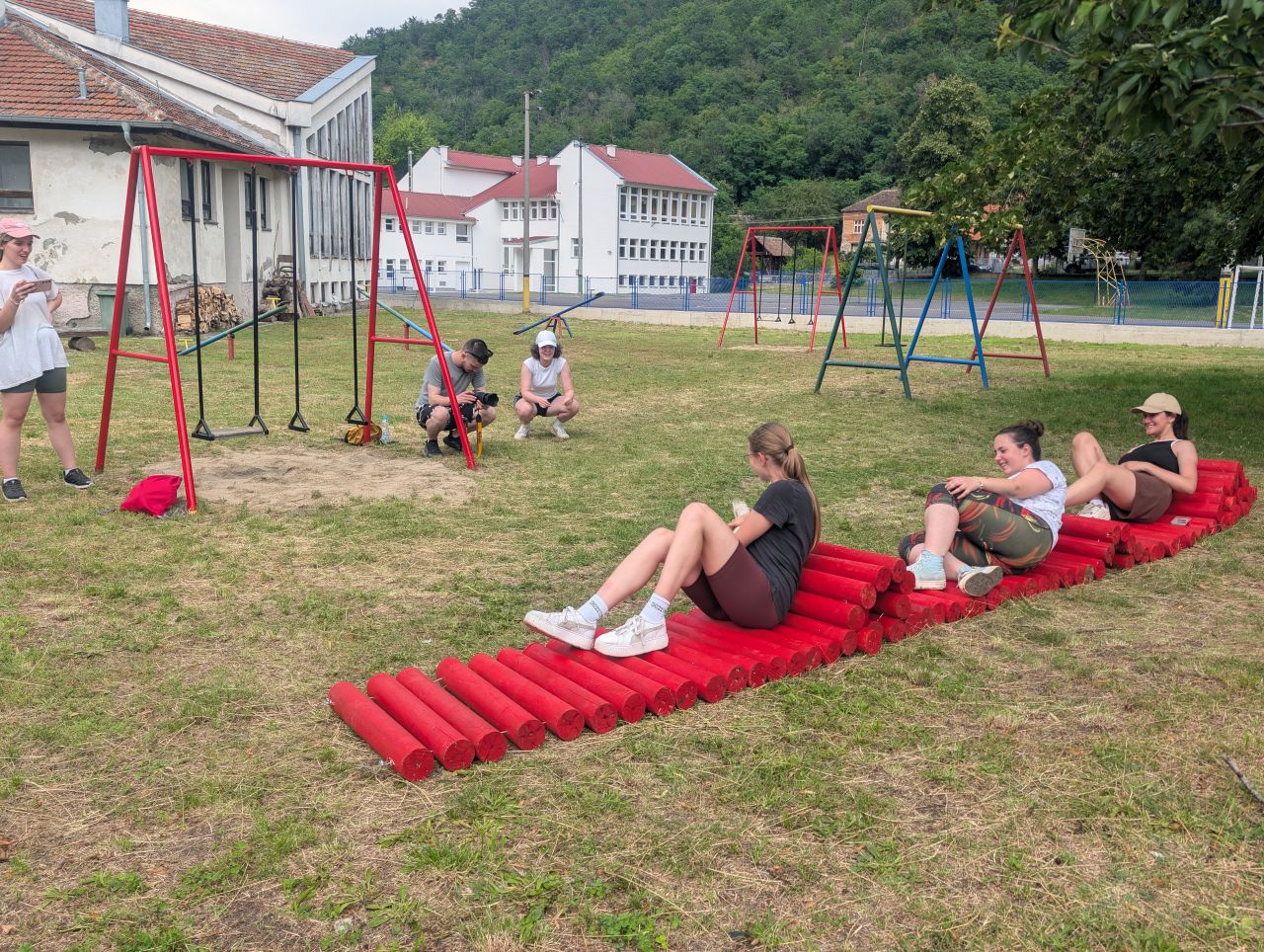
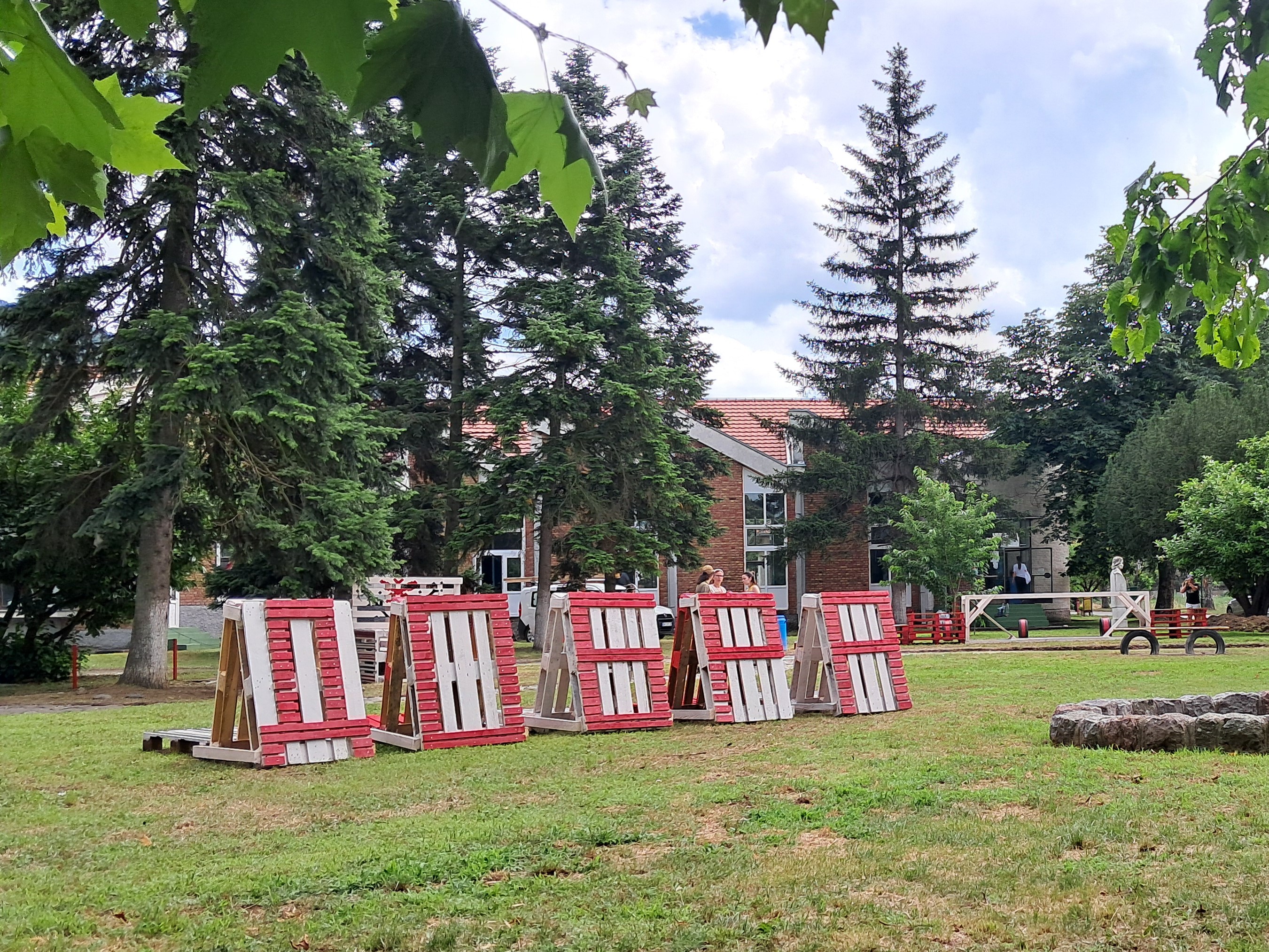
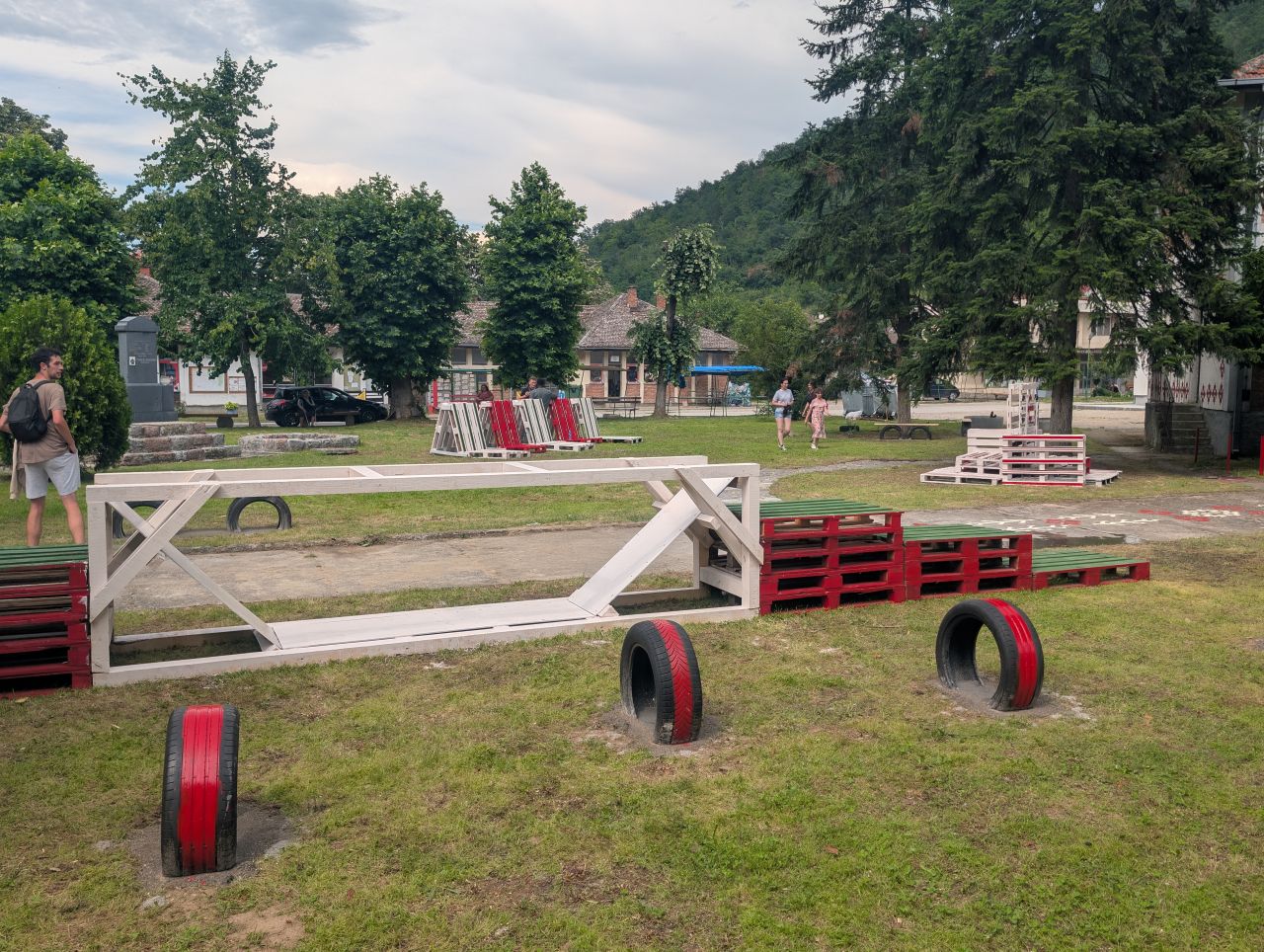
Space in front of House of Culture in Dobra after the Building Camp. Credits: Nikola Mitrovic (UBGD-FA), Jelena Petrovic (RDA-BP), Sasa Stokic (Municipality of Golubac)
The beginning of something larger
As the final tools were packed away, the new public space remained.
So did something less tangible. New relationships. New confidence. New smiles??? Children happiness??
A shared understanding that meaningful change does not always require large investments.
Sometimes it begins with a conversation. Sometimes with a sketch. Sometimes with neighbours standing together, imagining what their village could become.
In the coming weeks, the Danube Ruralscapes Building Camps will continue in Hungary and Romania, carrying the experience gained in Dobra to new communities across the Danube Region.
Each village will write its own story.
Each intervention will respond to its own landscape, heritage and people.
Yet they will all share one common belief:
The future of rural places should be shaped with the people who call them home.
For Dobra, this is not the end of the story. It is the first chapter.
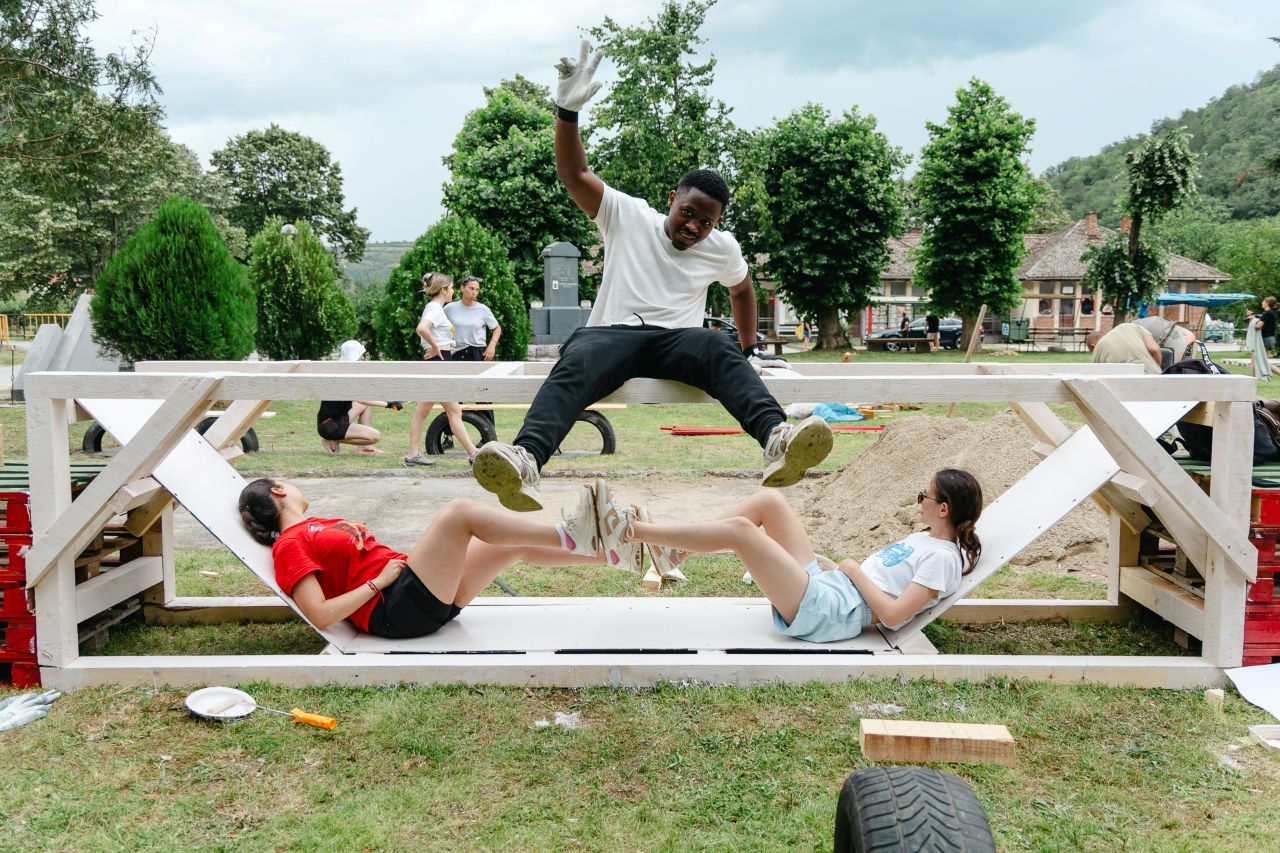
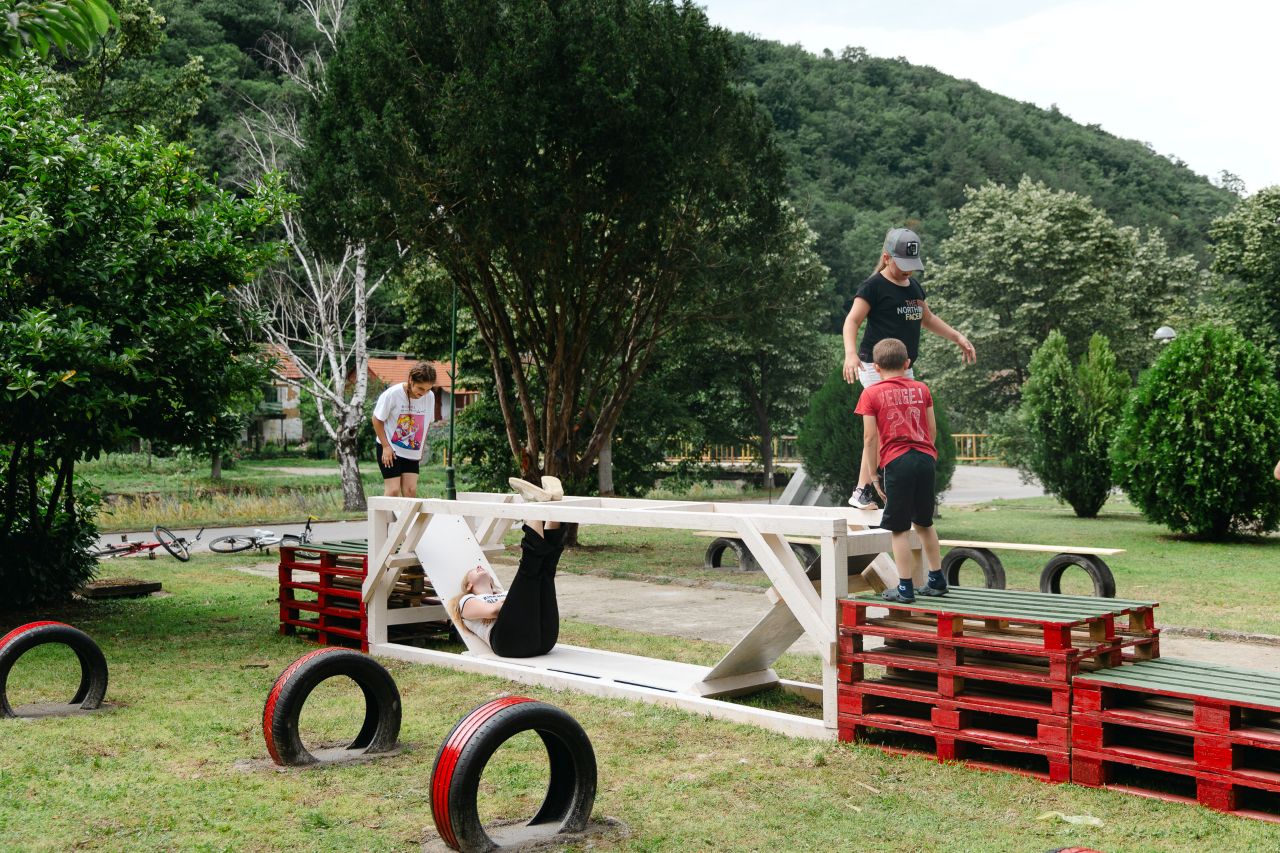
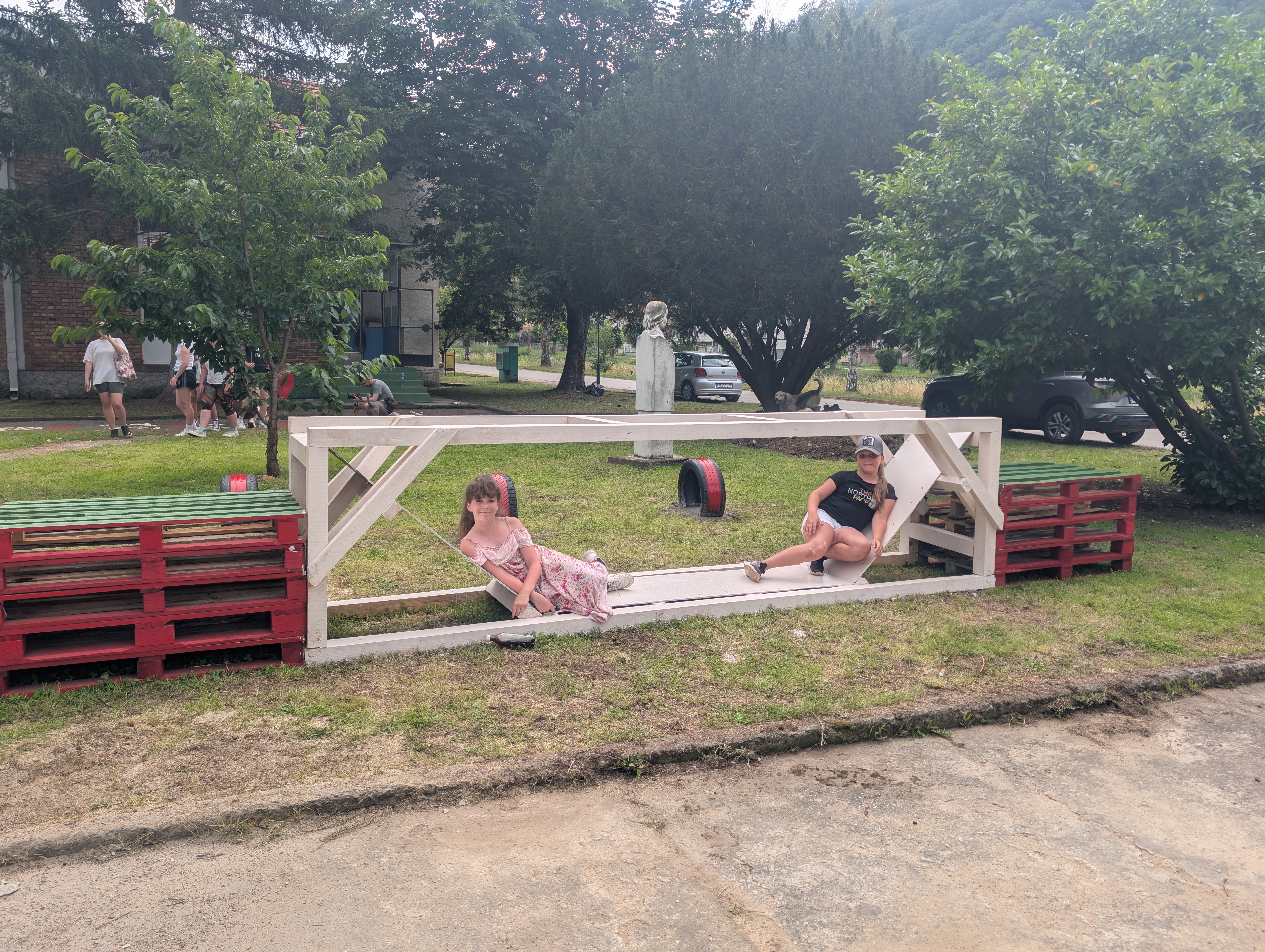
Children play in the new public space. Credits: Nikola Mitrovic (UBGD-FA)
Acknowledgements
The Danube Ruralscapes Building Camp in Dobra was organised by the University of Belgrade - Faculty of Architecture, in cooperation with the Regional Development Agency Braničevo-Podunavlje, as part of the Danube Ruralscapes project.
The intervention was made possible through the dedication of students, mentors, local residents, volunteers and partners, with the support of the Municipality of Golubac, the Local Community of Dobra, Re:Construction and Urban Factory.
Photo credits: UBGD-FA
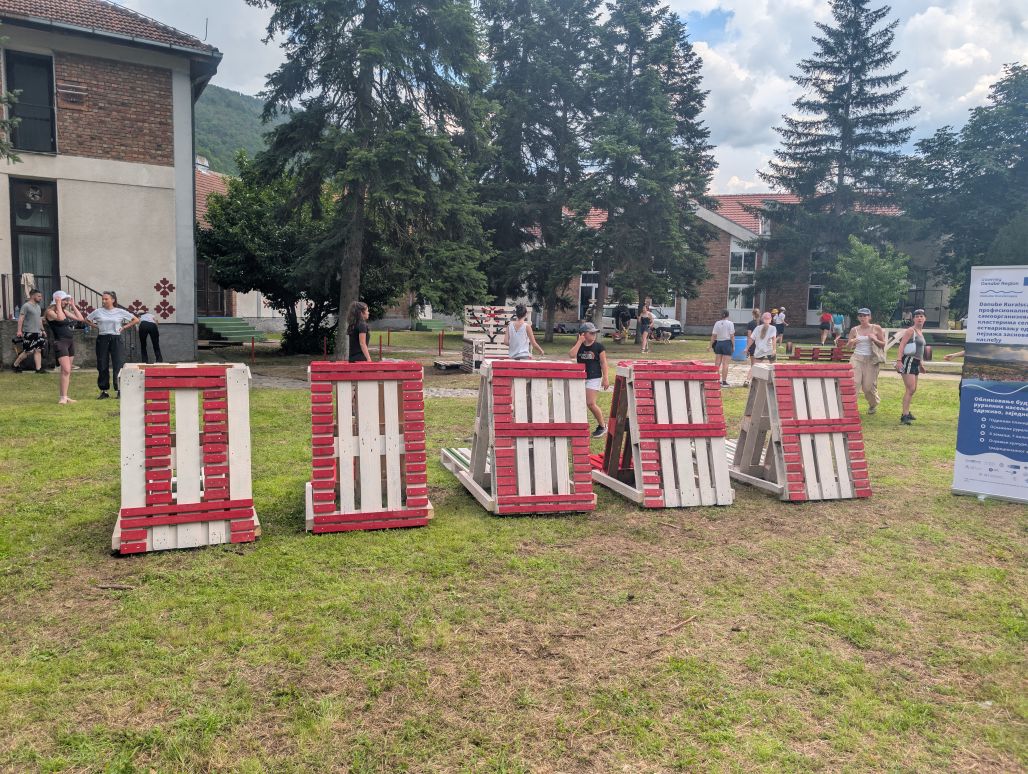
Credits: Nikola Mitrovic (UBGD-FA)

15/07/2026
By Desislava Mincheva-Yordanova
Share on social media:


Cooperation

News & Events
Read the most recent updates and explore the upcoming events.


Would you like to receive project updates?
You're already part of our community!
Welcome to our newsletter community!
Subscribe to our newsletter