
How Do Projects Create Lasting Impact? We Went to the Danube Delta
When Places Tell the Story
Some projects become the foundation for what comes next.
The joint study visit to the Danube Delta in April 2026 demonstrated exactly that. Bringing together partners from Danube Ruralscapes and its twin project PlaceCRAFT, the visit was more than an opportunity to exchange experience. It showed how the knowledge, partnerships and networks established through DANUrB and DANUrB+ continue to evolve into new forms of cooperation, connecting heritage, placemaking and rural development across the Danube Region.
One lasting legacy of DANUrB+ was the establishment of the DANUrB International Association in October 2021. Created to ensure that cooperation would continue beyond the lifetime of the project, the Association has become a lasting platform for transnational collaboration. Today, it contributes as a project partner in PlaceCRAFT and as an Associated Strategic Partner in Danube Ruralscapes, demonstrating that successful European cooperation is measured not only by completed activities, but by the networks and partnerships that continue to grow afterwards.
The Danube Delta offered the perfect setting to reflect on this "journey, connecting communities".
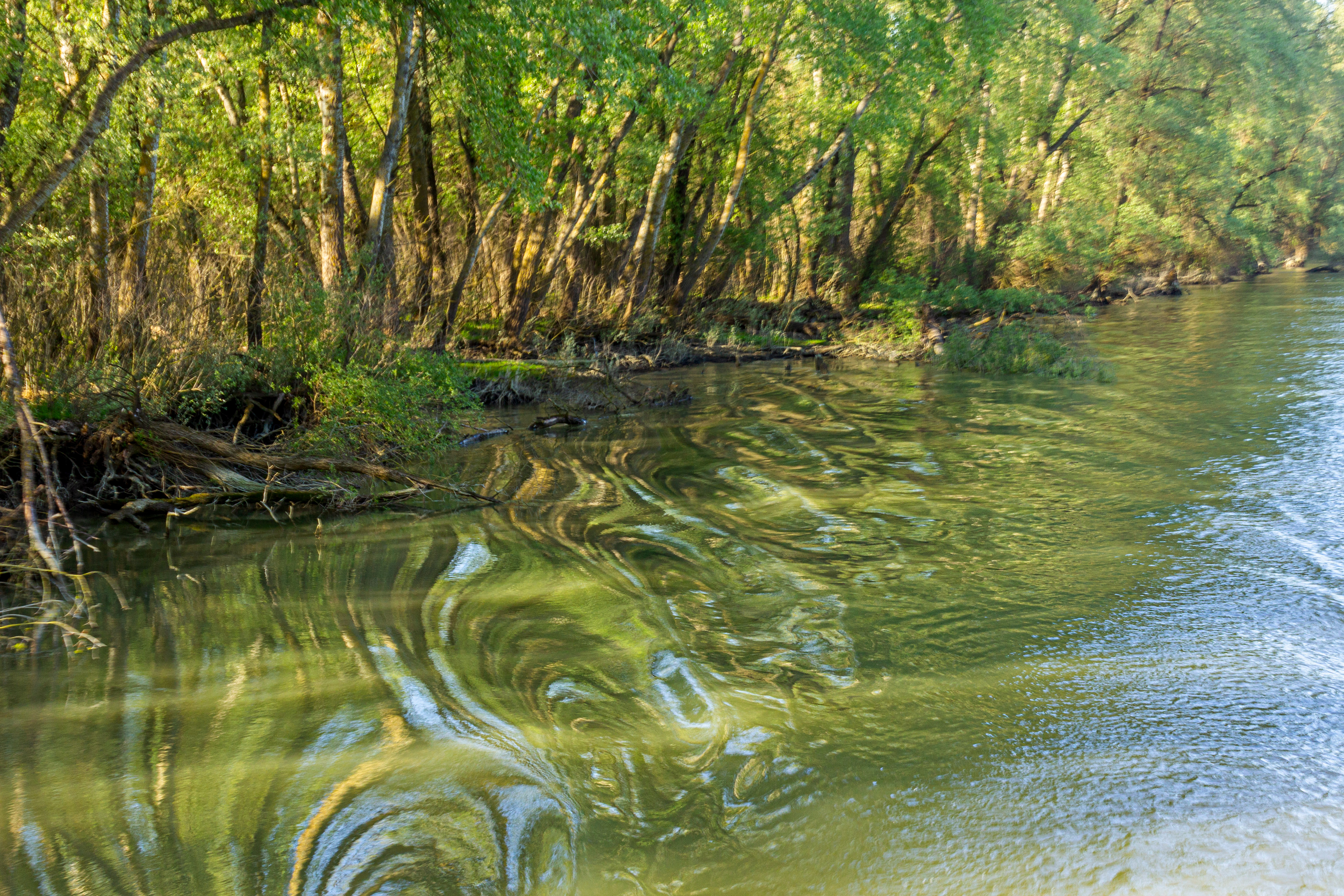
Danube Delta. Alexandru Tone, OAR
A Boat That Carries More Than People
The first lesson came in Tulcea.
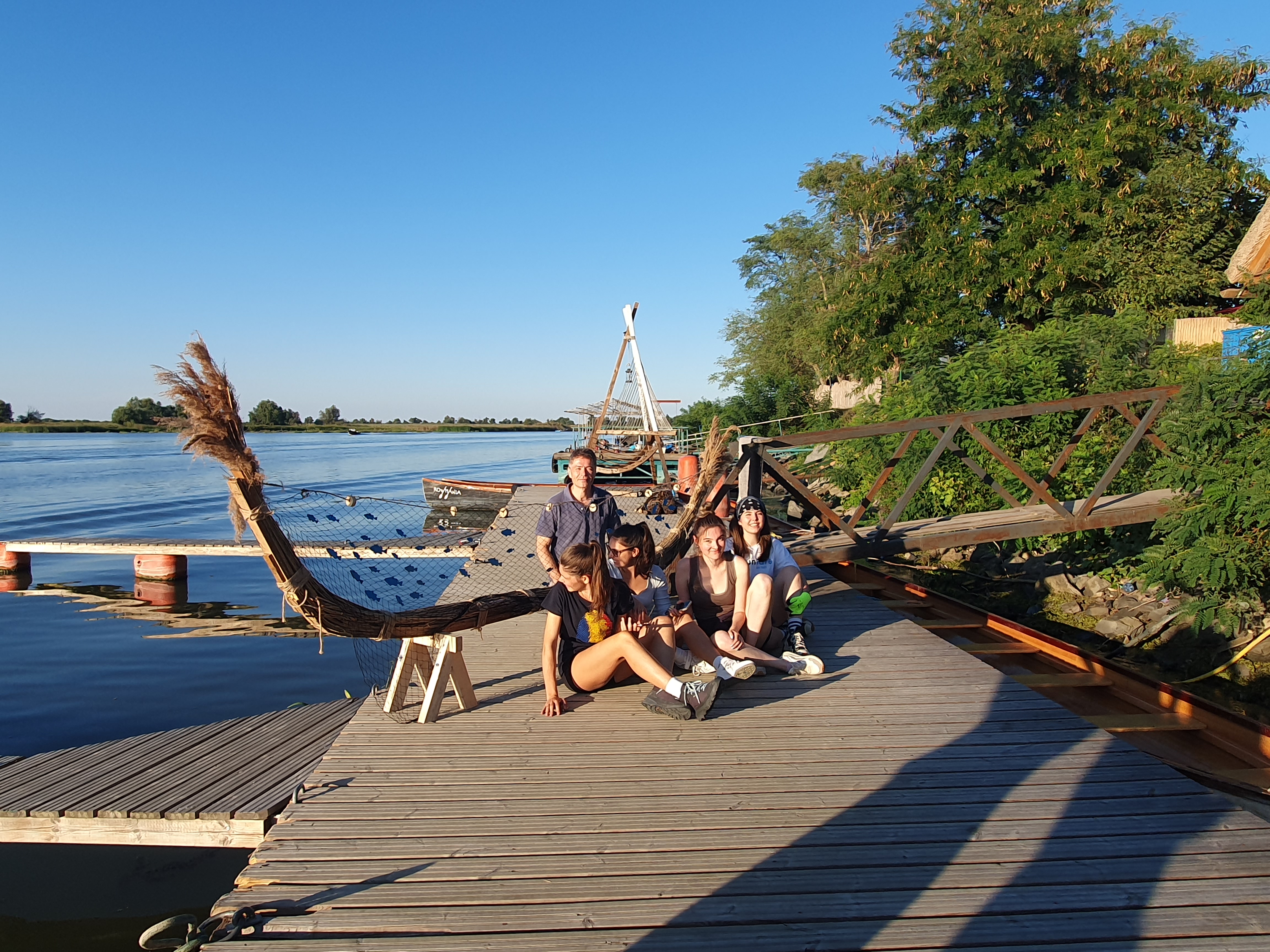
At the Traditional Fishing Village, participants met boatbuilder Alex Onofrei, whose craftsmanship keeps alive one of the Delta's most recognisable traditions: the lotca, the wooden fishing boat designed for navigating its shallow waterways.
The lotca is often described as a cultural symbol. Yet it represents something more valuable - generations of practical knowledge shaped by the landscape itself. Every curve of the boat reflects an understanding of water, nature and local life accumulated over centuries.
For Danube Ruralscapes and PlaceCRAFT, this was an important reminder that heritage is not limited to historic buildings or monuments. It also exists in skills, craftsmanship and traditions that continue to serve communities today.
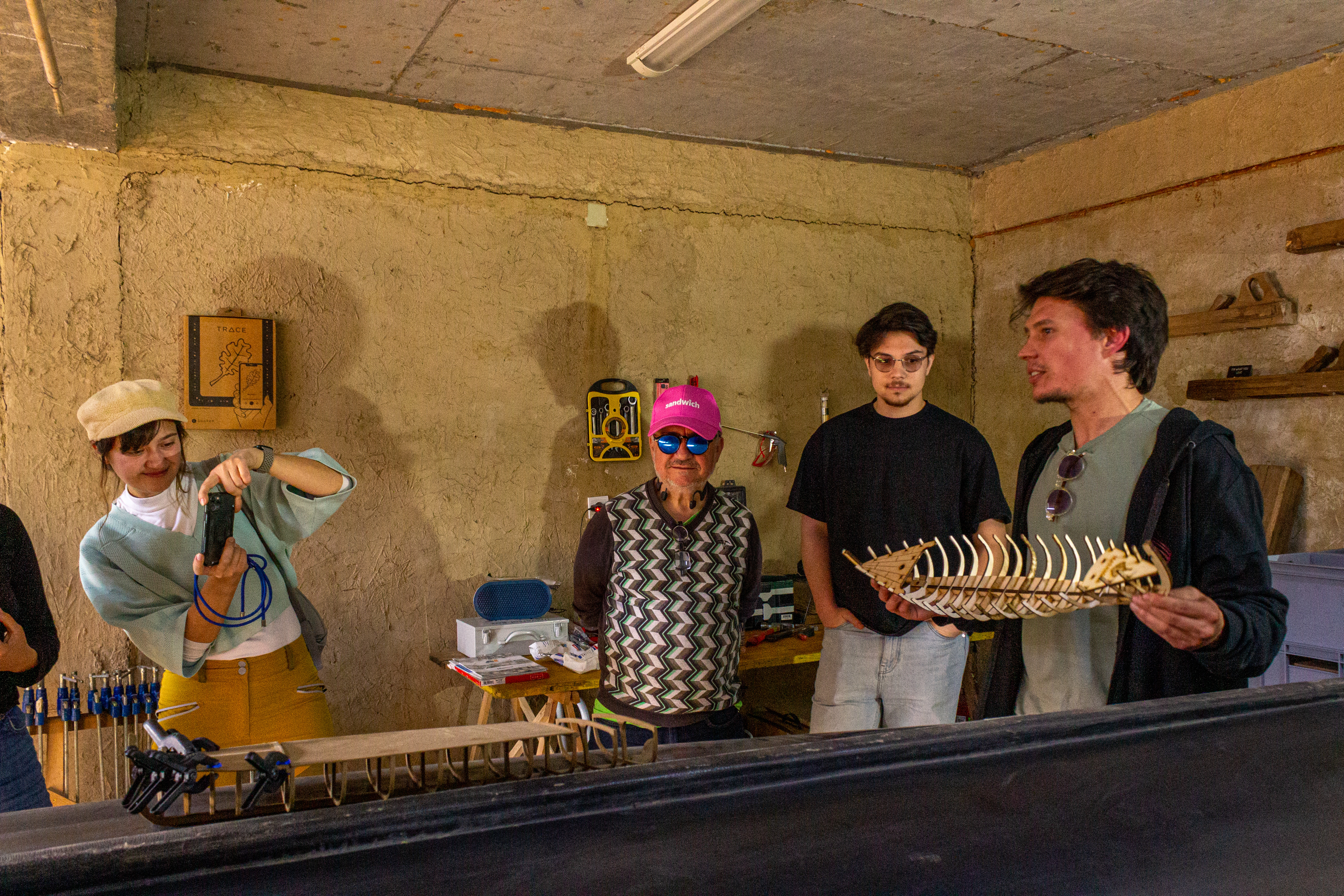
Tulcea Fishing Village. Axandru Tone, OAR
Mila 23: Seeing the Landscape as One Story
The next lesson unfolded in Mila 23.
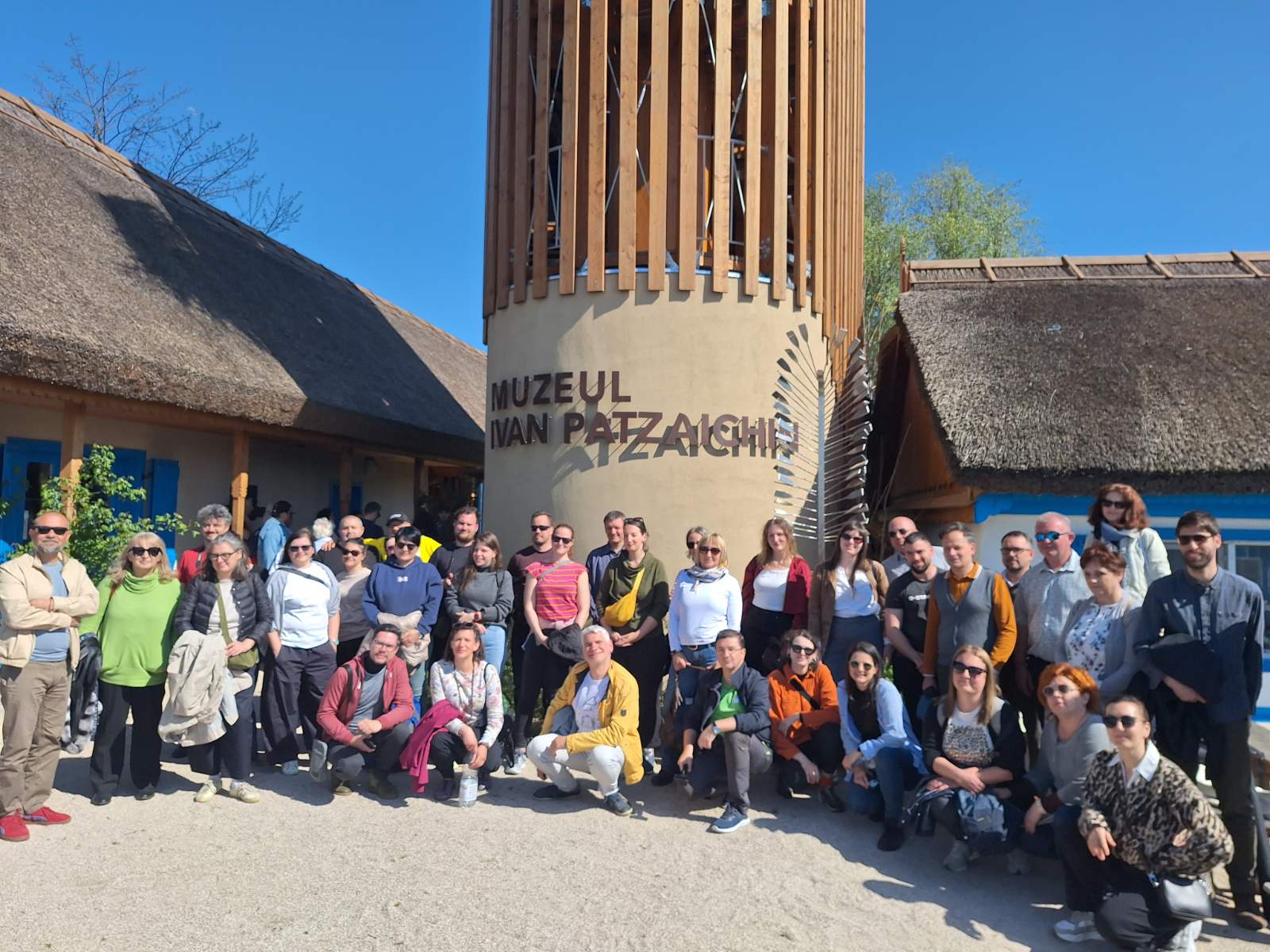
Hosted by the Ivan Patzaichin - Mila 23 Association, a partner in Danube Ruralscapes, participants visited the Ivan Patzaichin Museum - Community Innovation Centre, an outstanding example of contemporary architecture inspired by local building traditions.
Constructed using local materials and traditional techniques, the complex demonstrates that innovation does not require abandoning identity. Instead, it shows how contemporary design can emerge from local knowledge while responding to today's social and environmental challenges.
Its most recognisable feature - the 18-metre observation tower - offers more than spectacular views.
From above, canals, reed beds, villages and waterways reveal themselves as one interconnected landscape. What appears as separate elements at ground level becomes a single living system.
For Danube Ruralscapes, the tower illustrated how architecture can help people understand and value rural landscapes. For PlaceCRAFT, it showed how local stories can evolve into places for learning, community life and cultural exchange.
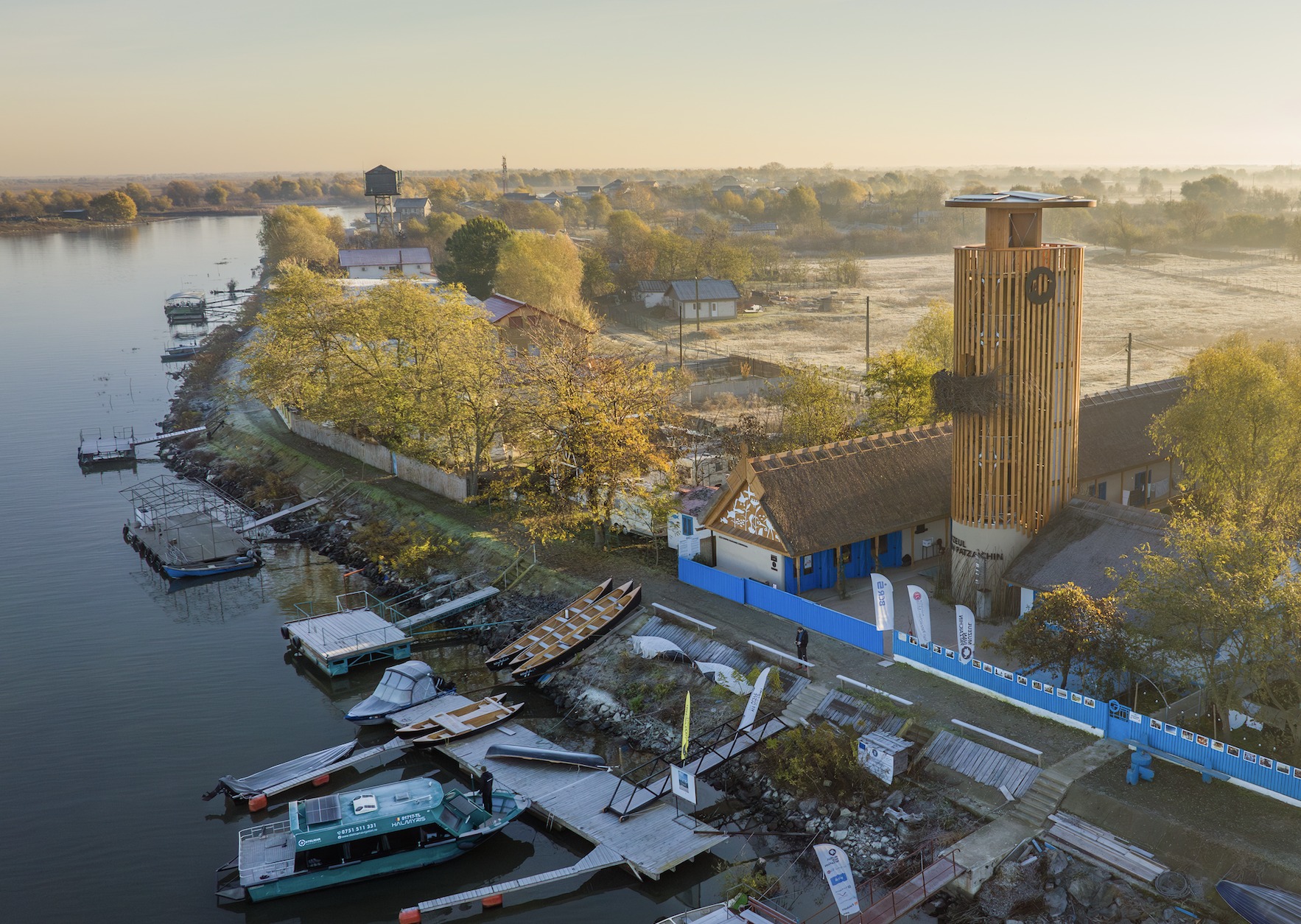
Mila 23. Mani Gutău, Ivan Patzaichin Mila 23 Association
Sulina: Understanding Places Through Their Layers
The final stage of the study visit brought participants of both projects to Sulina.
Known for its historic lighthouse and its role within the former European Commission of the Danube, the town reflects centuries of navigation, trade and international cooperation.
Yet Sulina's identity extends well beyond its landmarks.
Its streets, harbour, multicultural heritage and historic buildings reveal successive layers of history that continue to shape the town today. Rather than viewing heritage as isolated monuments, Sulina encourages visitors to understand places as living cultural landscapes where architecture, infrastructure, memory and everyday life remain closely connected.
For both projects, this reinforced an essential principle: successful placemaking begins by understanding the multiple stories that have shaped a place over time.
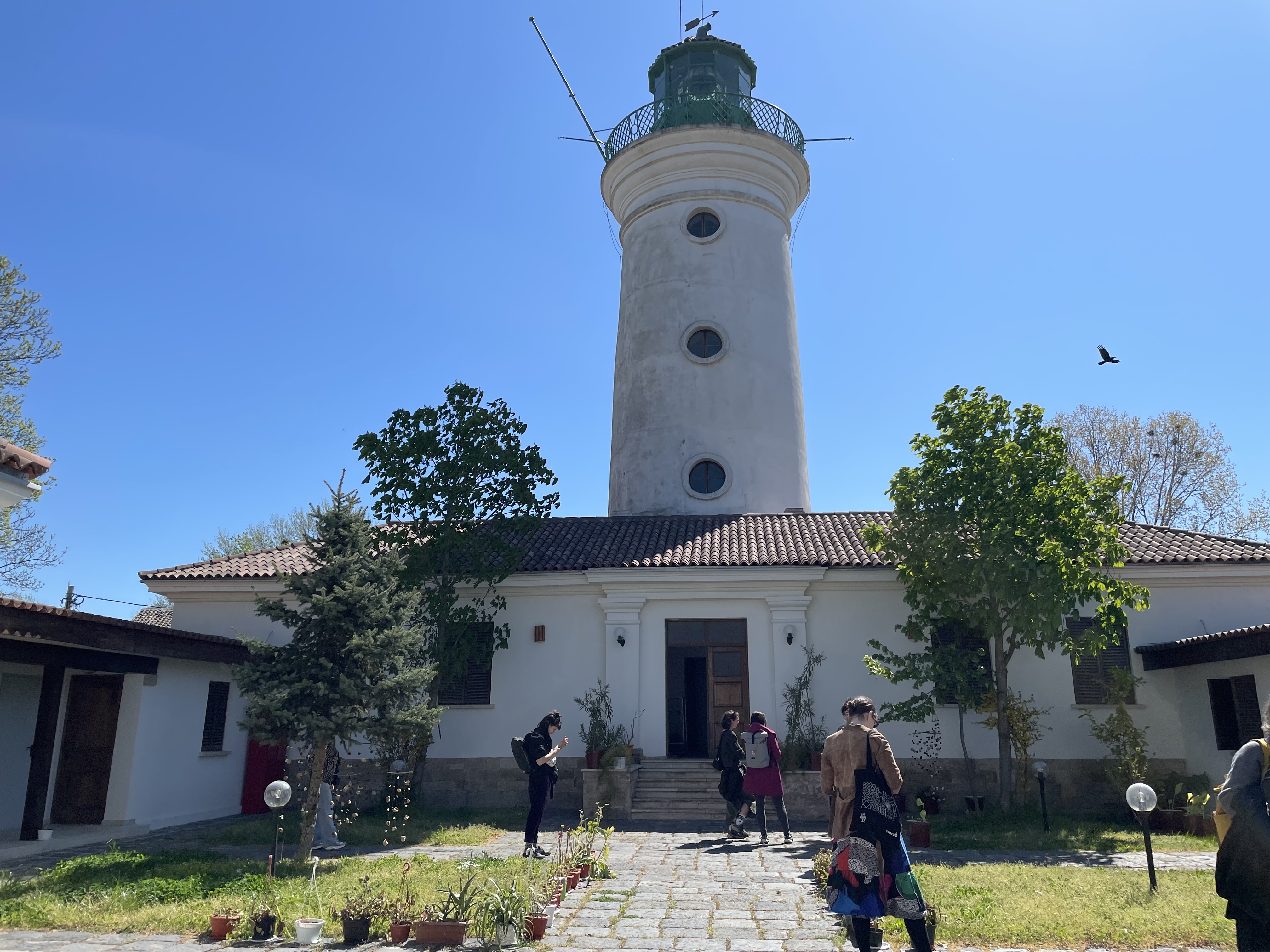
Sulina. Andrei Szabo, Euroland Banat
From Knowledge to Action
The Danube Delta was not simply another study visit.
It became a living example of how ideas developed through previous cooperation continue to inspire new approaches.
DANUrB introduced a shared vision for recognising the cultural heritage and identity of settlements along the Danube by setting the foudnations of the Danube Cultural Promenade.
DANUrB+ transformed that vision into local action by strengthening and reactivating communities, building stakeholder networks and encouraging heritage-based development.
Today, Danube Ruralscapes builds on this foundation by developing practical tools for rural architecture, landscape planning and governance, while PlaceCRAFT explores how placemaking and community participation can activate these places for future generations.
Together, the two projects demonstrate that heritage is not only something to preserve. It is also a resource for innovation, cooperation and sustainable rural development.
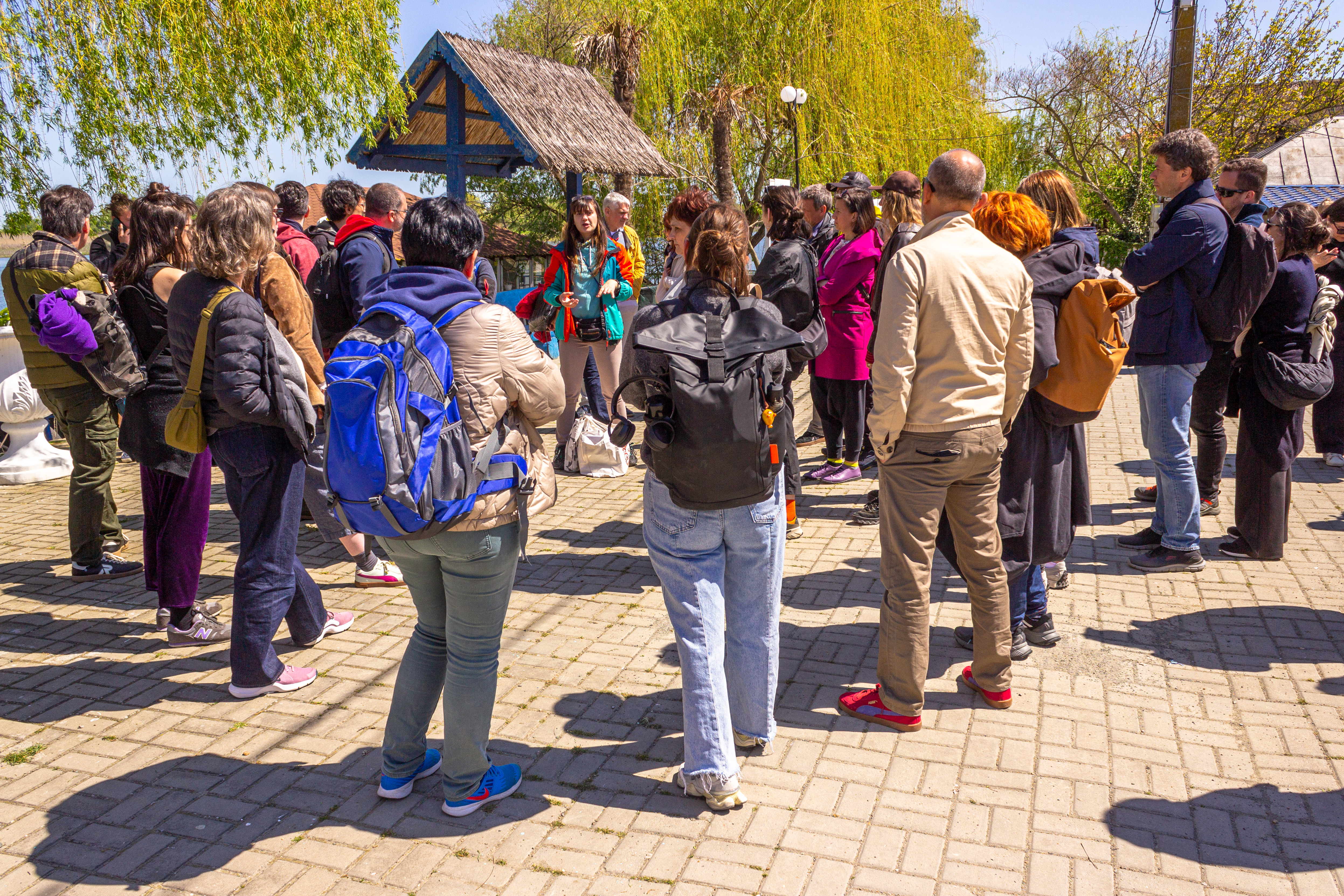
Mila 23. Alexandru Tone, OAR
The Next Chapter Along the Danube
The Danube has always connected places.
Increasingly, it also connects knowledge.
From the cultural routes of DANUrB and the community networks established through DANUrB+, to today's cooperation between Danube Ruralscapes and PlaceCRAFT, each initiative contributes another chapter to a shared story of the Danube Region.
The shared experience in Tulcea, Mila 23 and Sulina demonstrated that successful European cooperation is not defined by where one project ends and another begins. It is defined by the ability to carry knowledge forward, strengthen partnerships and transform previous achievements into new opportunities for local communities.
Along the Danube, the strongest legacy is not a completed project. It is the knowledge, partnerships and trust that continue to shape new cooperation long after a project ends.
#DanubeRuralscapes #PlaceCRAFT
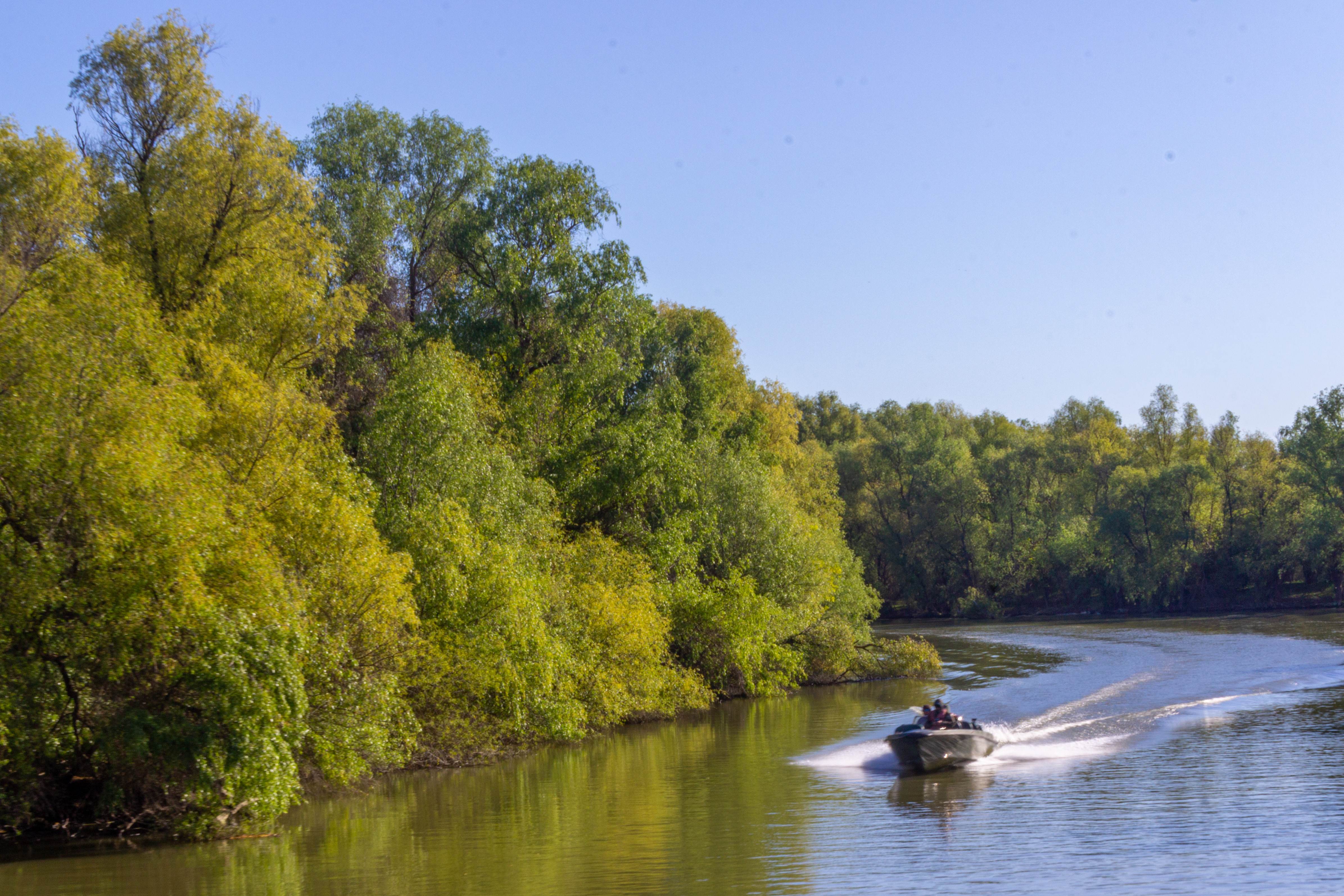
Danube Delta. Alexandru Tone, OAR

24/06/2026
By Desislava Mincheva-Yordanova
Share on social media:


Cooperation

News & Events
Read the most recent updates and explore the upcoming events.


Would you like to receive project updates?
You're already part of our community!
Welcome to our newsletter community!
Subscribe to our newsletter