
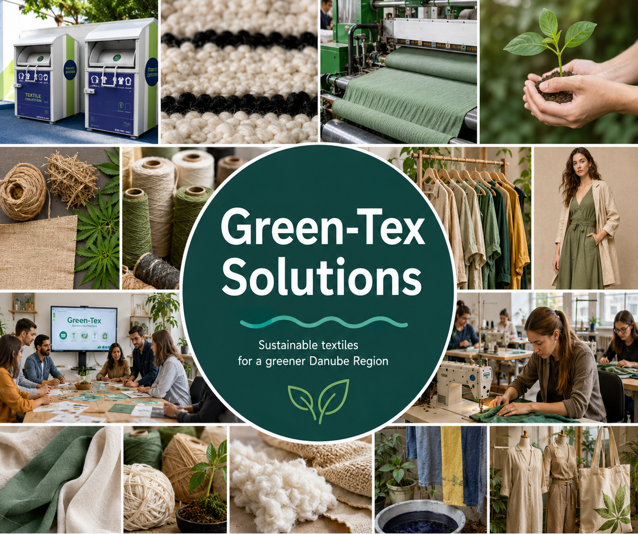

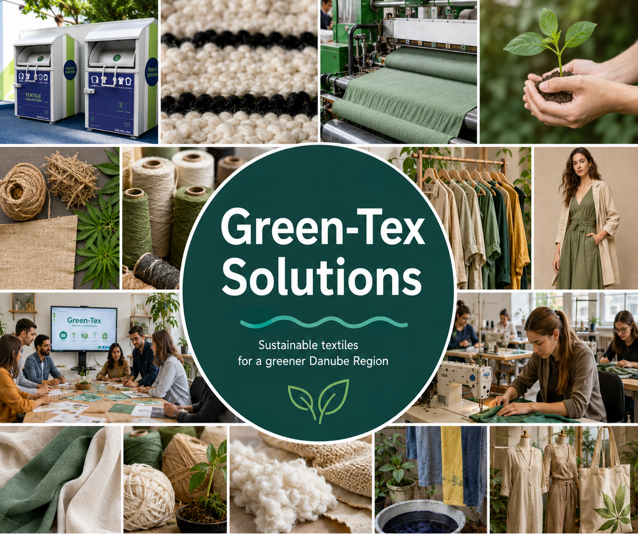
Three Years of Green-Tex: Turning Textile Waste into Circular Opportunities
Green-Tex Leaves a Lasting Legacy for Sustainable Textile Management
After three years of successful cooperation, the Green-Tex project has come to an end. Throughout its implementation, partners from across the Danube Region worked together to develop innovative solutions aimed at reducing textile waste, strengthening the circular economy and promoting sustainable practices within the textile sector.
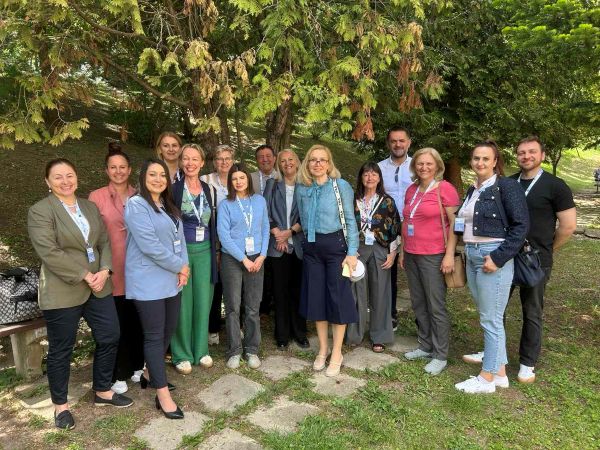
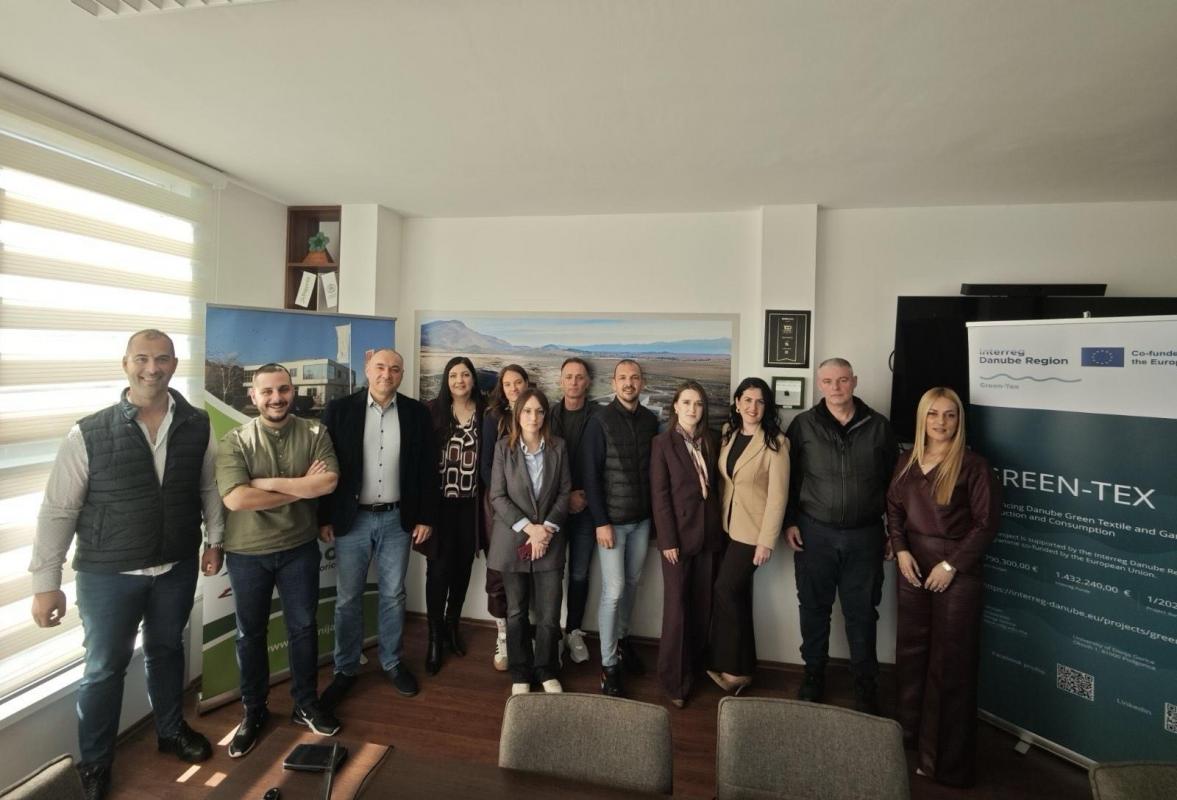
Green-Tex brought together public authorities, development agencies, universities, civil society organisations and other relevant stakeholders with a shared objective: addressing one of today's most pressing environmental challenges-the growing amount of textile waste. Through close transnational cooperation, the partnership developed practical tools, pilot solutions and recommendations that will support cities and regions across the Danube Region in improving systems for separate textile collection, reuse and recycling.
During the project, comprehensive research and analyses were carried out, common methodologies and documents were developed, and innovative solutions were tested through pilot actions implemented in the partner countries. These pilot activities demonstrated that effective textile waste management can be achieved through strong cooperation between the public, private and civil sectors, the application of digital solutions and the active involvement of citizens.
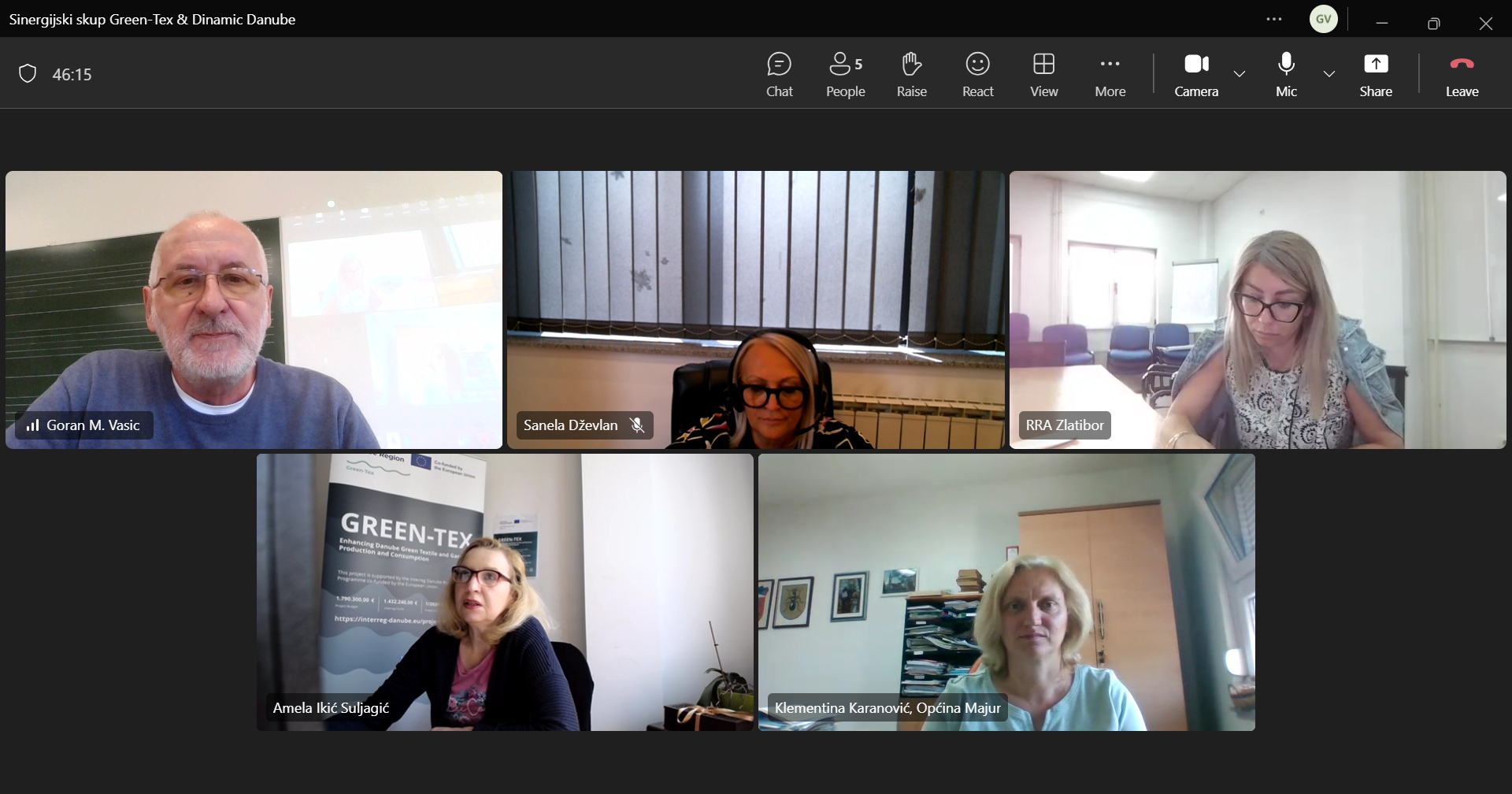
One of the greatest strengths of Green-Tex was the opportunity to collaborate closely with the Tex-Dan project. The cooperation between the two initiatives created valuable synergies through the exchange of knowledge, good practices and experiences, demonstrating that projects addressing similar challenges can achieve far greater impact when working together. Joint activities confirmed that transnational cooperation, mutual learning and coordinated actions are key to accelerating the transition towards a more circular and sustainable textile sector across the Danube Region.
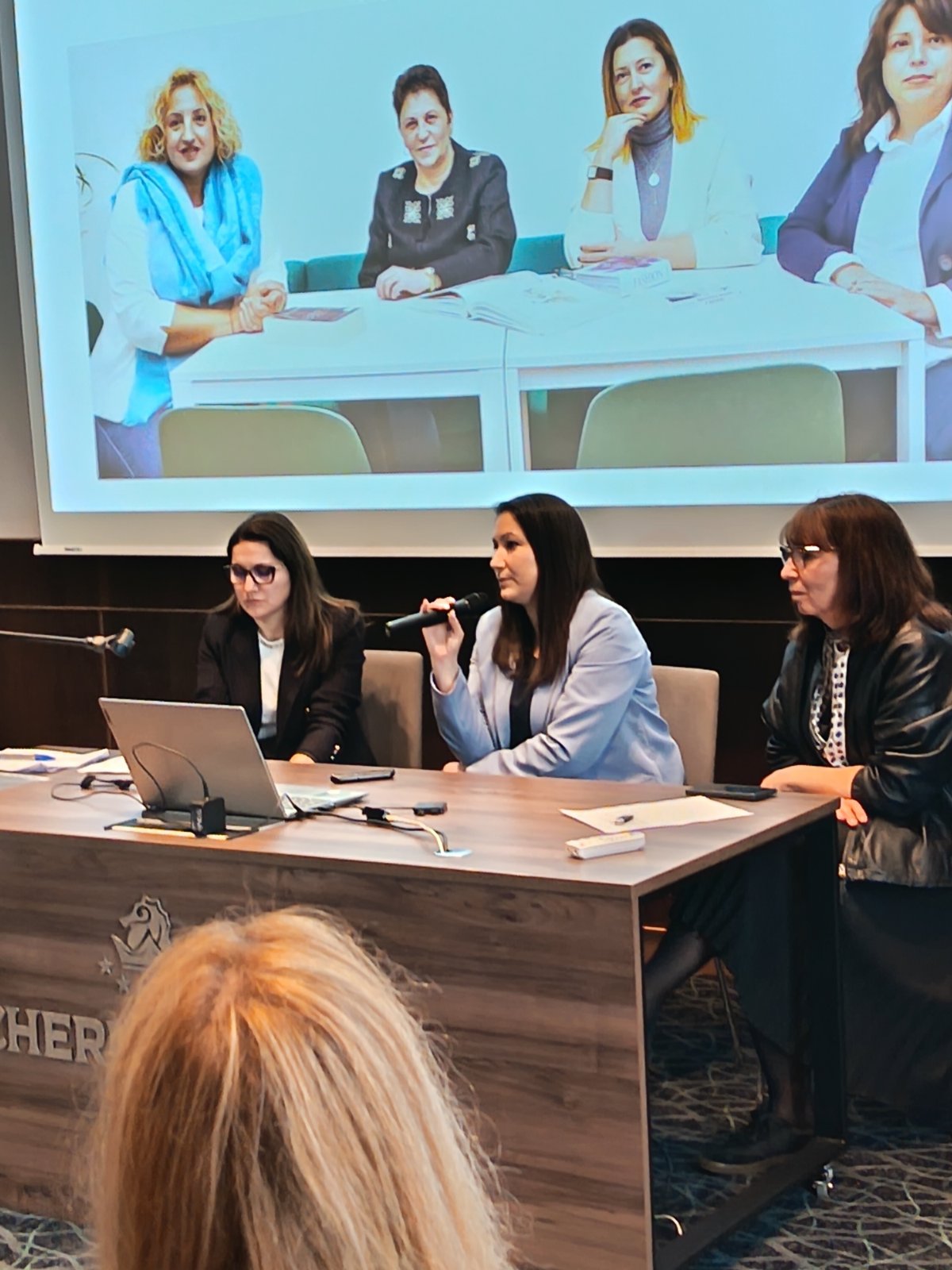
The project also played an important role in raising awareness of responsible consumption and extending the life cycle of textile products. Through workshops, training sessions, awareness-raising campaigns and communication activities, thousands of citizens, representatives of public institutions, companies and organisations gained a better understanding of circular economy principles and sustainable textile management practices.
Although the project officially concludes on 30 June 2026, its results will continue to create value. The developed tools, methodologies, pilot solutions and partnerships represent a strong foundation for future initiatives and will contribute to further improving policies and practices supporting sustainable textile waste management throughout the Danube Region.
We would like to express our sincere gratitude to all project partners, experts, institutions, companies and citizens whose dedication and commitment made the successful implementation of Green-Tex possible. We also extend our appreciation to the Interreg Danube Region Programme and the European Union for supporting this important initiative.
Green-Tex has demonstrated that meaningful change is achieved through cooperation, knowledge sharing and innovation. The project has not only delivered practical solutions but has also built lasting partnerships that will continue to drive the transition towards a circular textile economy. While the project itself is coming to an end, the relationships, experience and commitment developed throughout these three years will continue to inspire new collaborations and future initiatives for a greener and more sustainable Danube Region.

30/06/2026
By
Share on social media:



News & Events
Read the most recent updates and explore the upcoming events.


Would you like to receive project updates?
You're already part of our community!
Welcome to our newsletter community!
Subscribe to our newsletter