
First National Workshop in Serbia: Discussing challenges and opportunities for sturgeon conservation
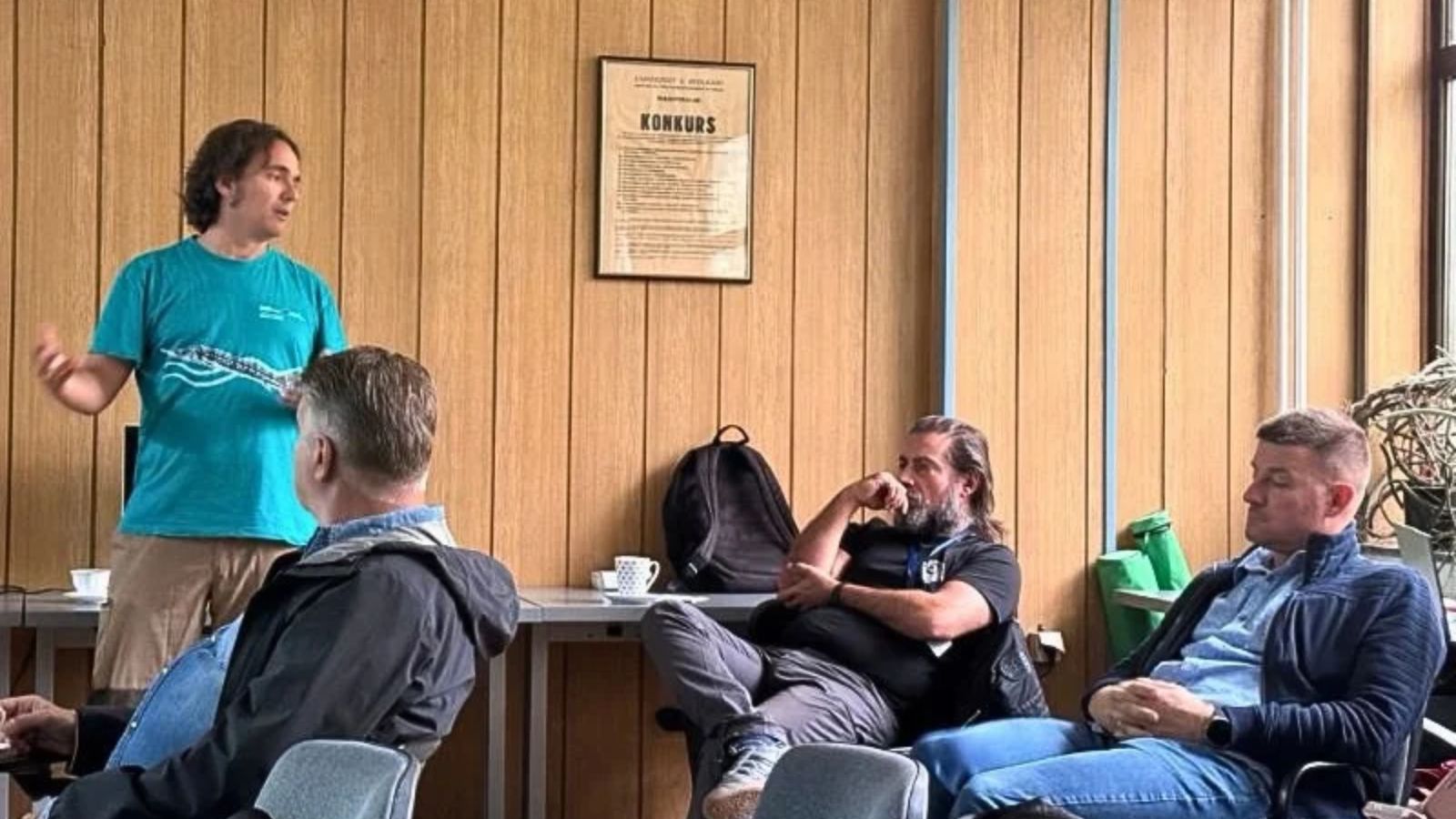
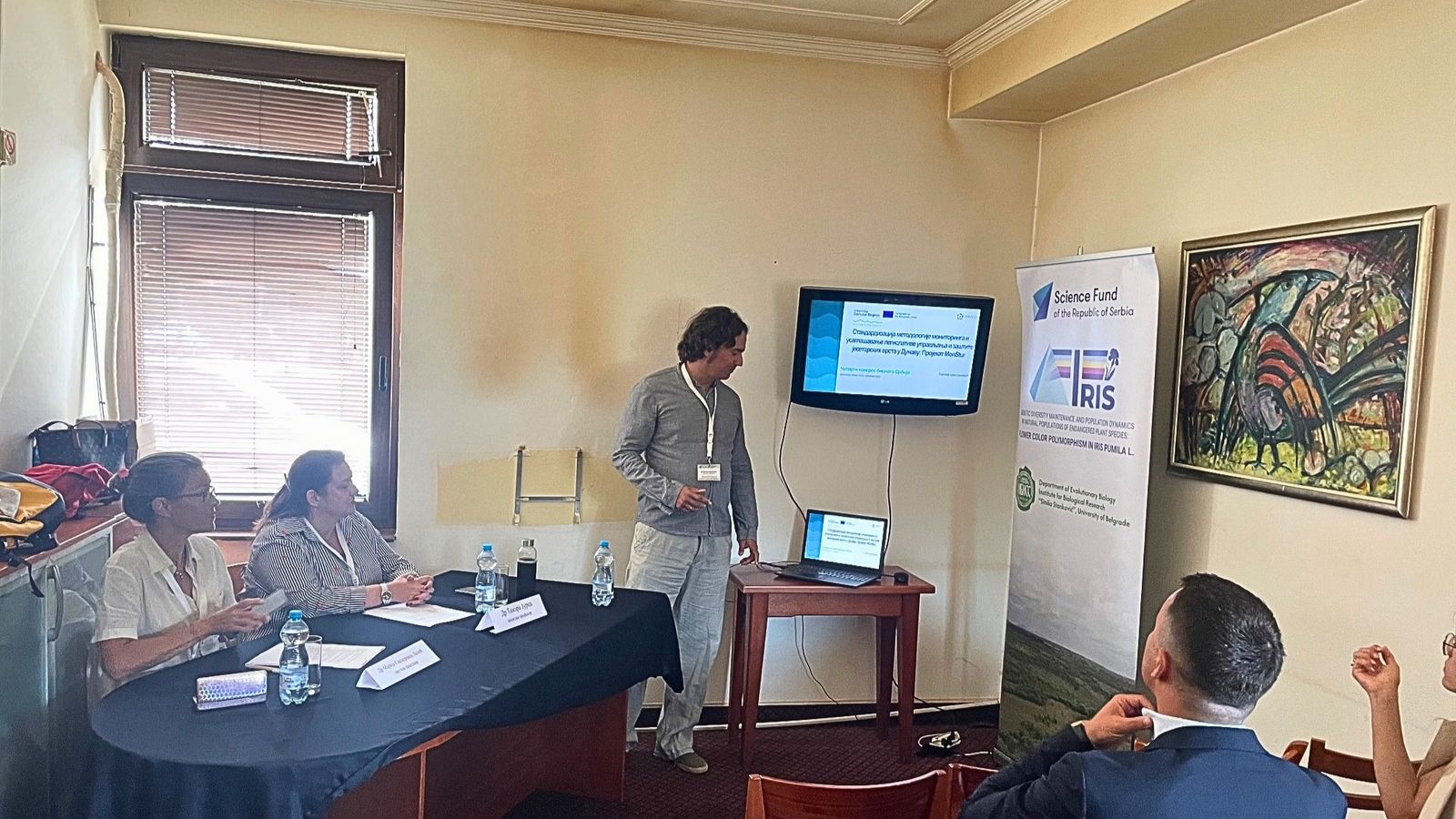
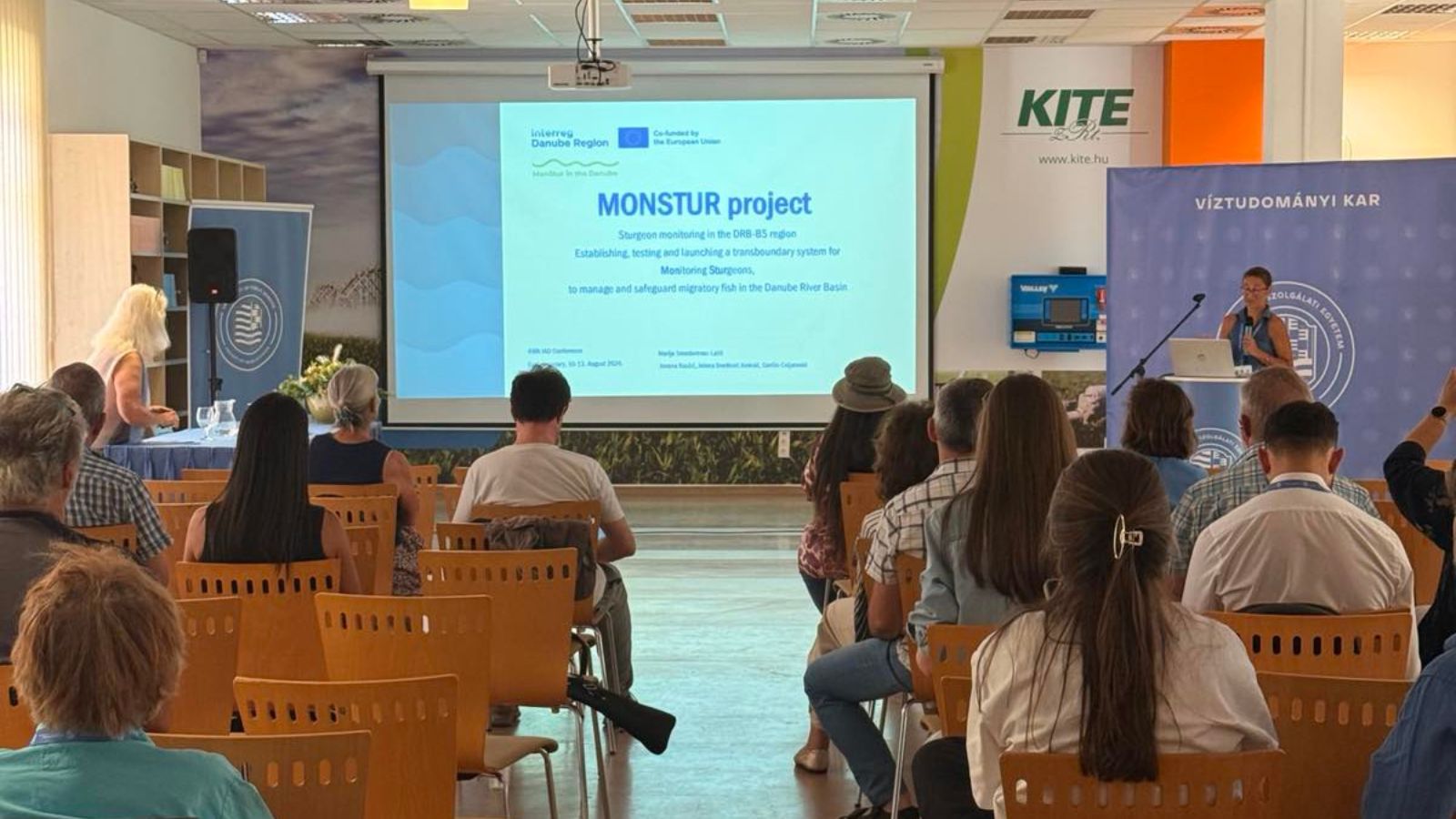
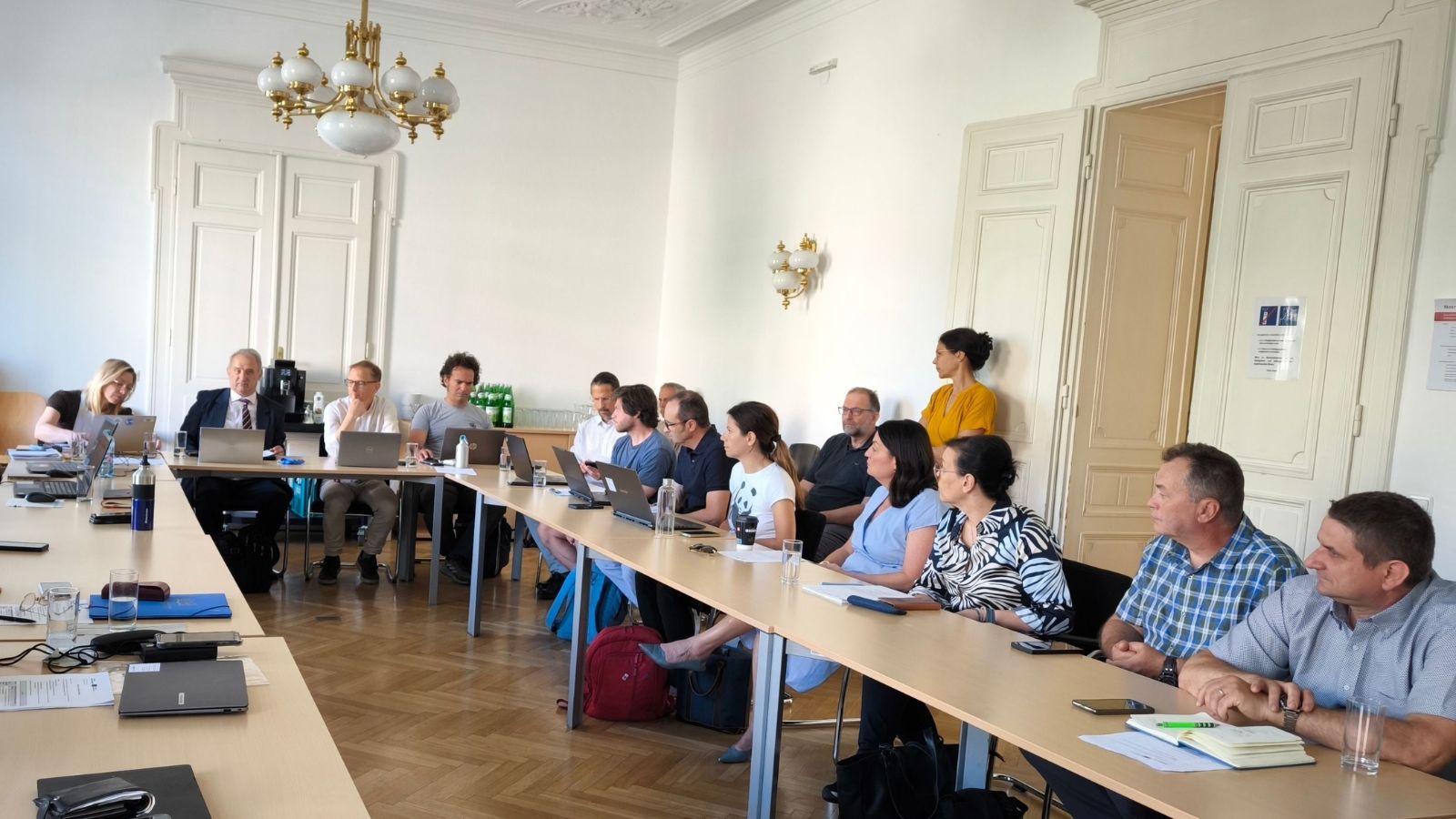
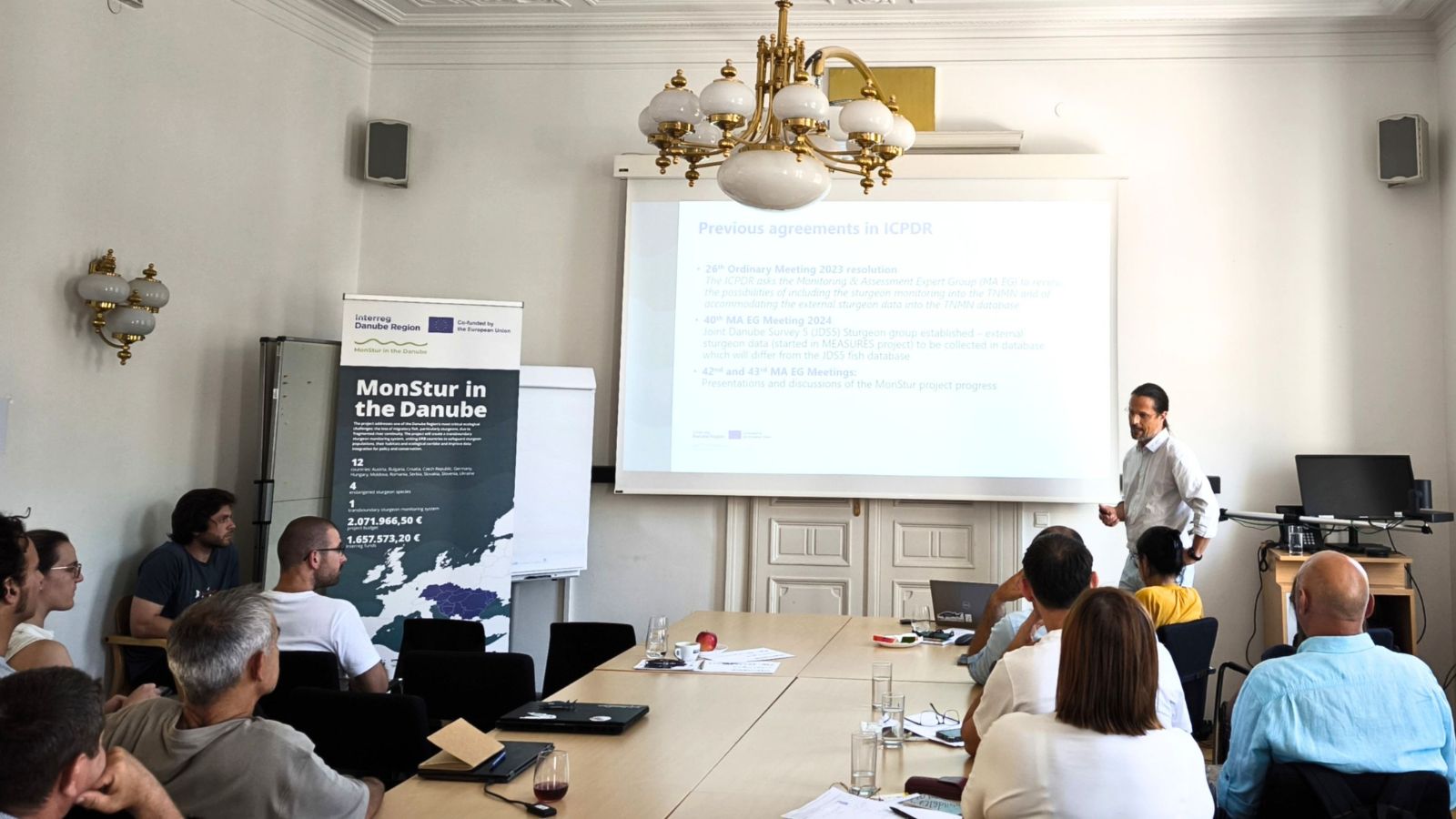
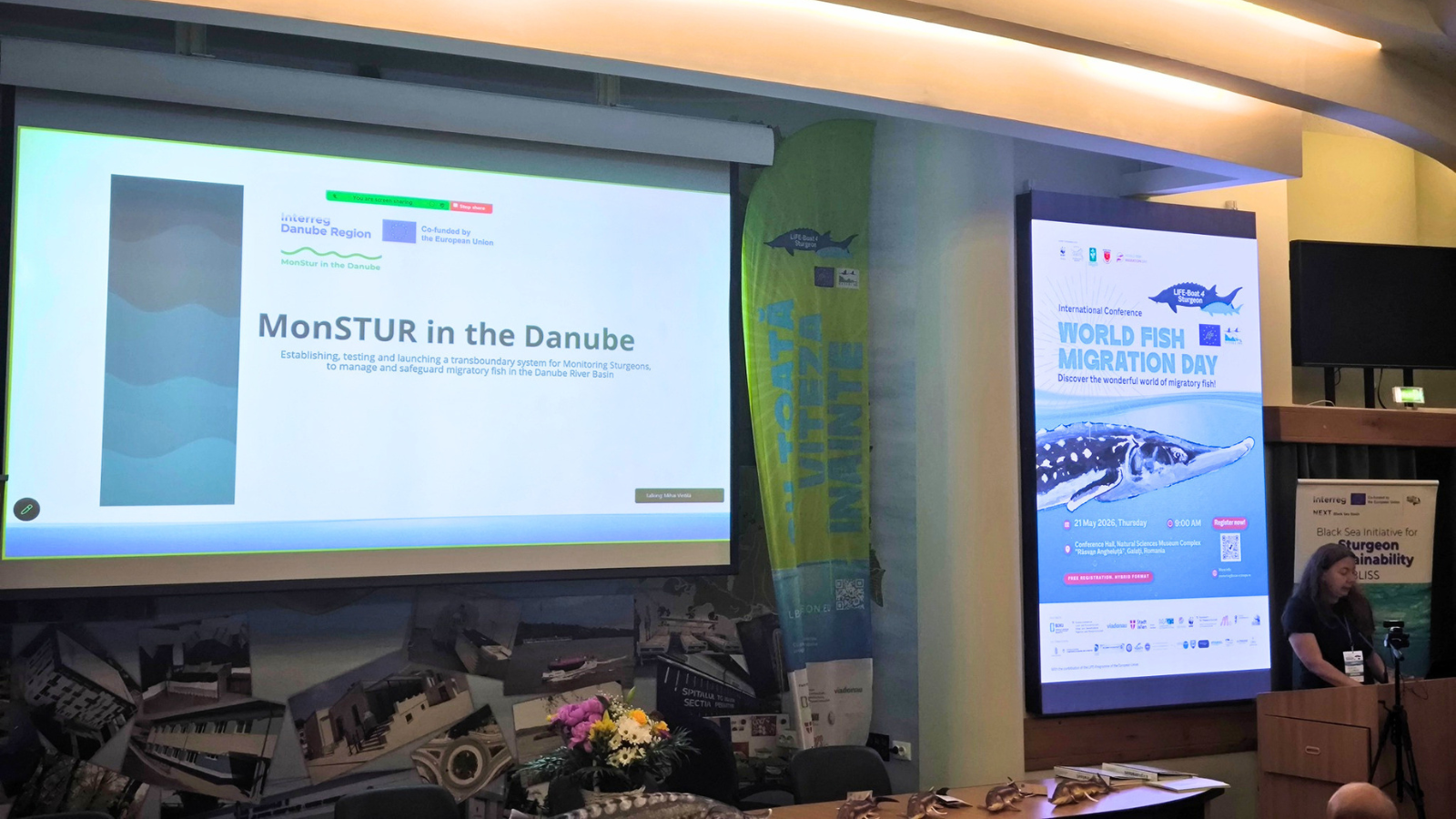
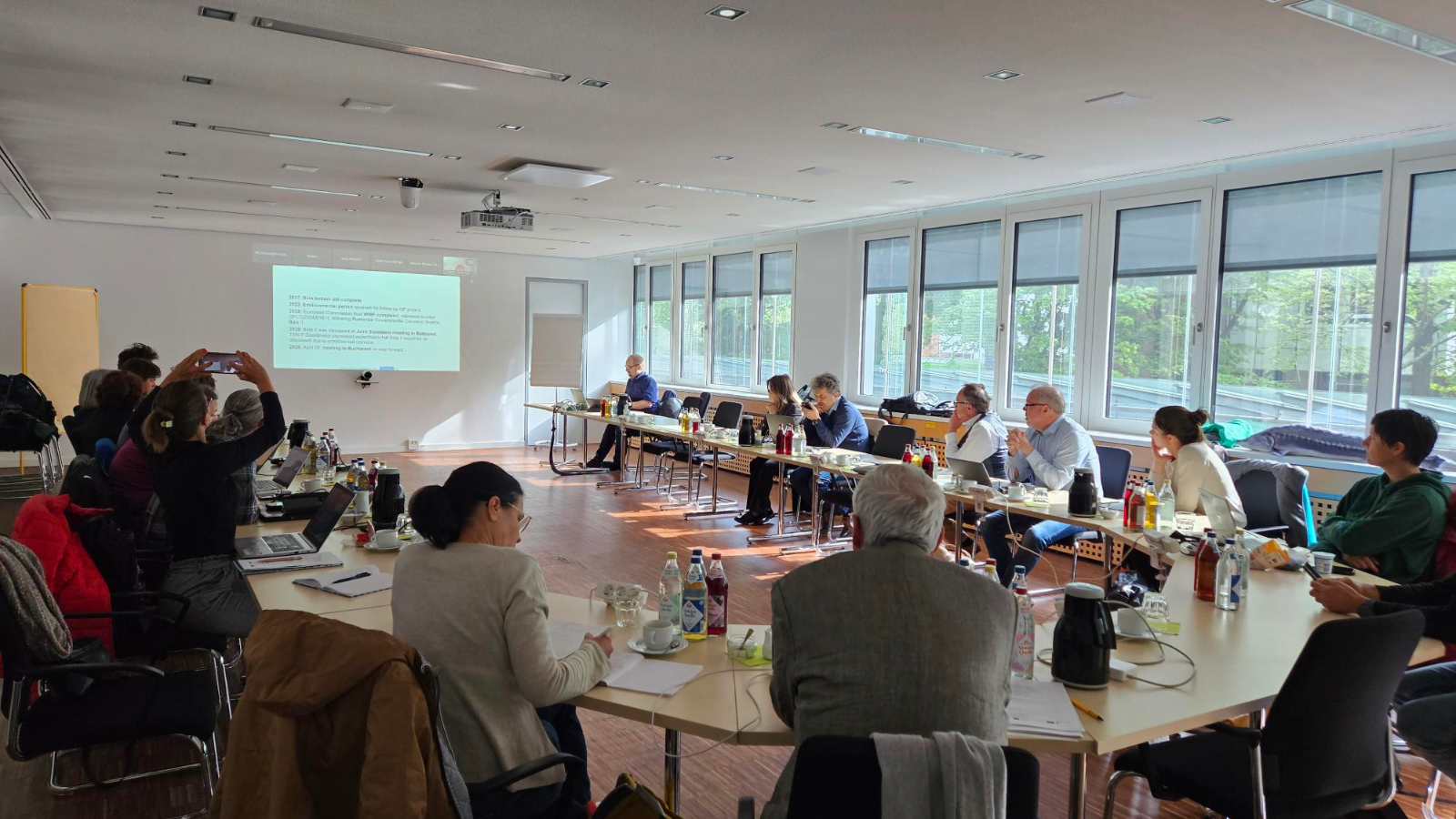
The first National Workshop organized in Serbia within the MonStur in the Danube project brought together representatives of public institutions, NGOs and other relevant stakeholders at the Institute for Multidisciplinary Research, University of Belgrade. The workshop provided an opportunity to introduce the project's objectives and discuss the importance of establishing a coordinated, transboundary sturgeon monitoring system across the Danube River Basin.
A key part of the meeting focused on the findings of an analysis of Serbia's legislative framework and relevant policies for sturgeon protection. This s also provided a starting point for an open discussion among participants on possible next steps to strengthen sturgeon conservation efforts in Serbia.
The text below provides a short analysis of legislative framework and macro-regional policies for sturgeon protection:
With the construction of the Iron Gate hydropower dams (IG I and IG II), access to sturgeons' historical upstream spawning grounds has been cut off, so the only remaining wild sturgeon population upstream of the Iron Gate dams is that of the sterlet (Acipenser ruthenus). According to the current legal threat status in Serbia (based on the 2024 Red Book), the Atlantic sturgeon (Acipenser sturio) is Regionally Extinct (RE), while the Russian sturgeon (Acipenser gueldenstaedtii), Ship sturgeon (Acipenser nudiventris), Stellate sturgeon (Acipenser stellatus) and Beluga (Huso huso) are classified as Critically Endangered (CR). The sterlet is considered Endangered (EN). Based on the Rulebook on the Proclamation and Protection of Strictly Protected and Protected Wild Species of Plants, Animals and Fungi, five sturgeon species are classified as strictly protected wild species (Annex 1), while the sterlet is classified as a protected wild species (Annex 2), although it has been subject to a permanent fishing ban since 2018 through amendments to the Regulation on Measures for the Conservation and Protection of Fish Stocks.
However, although the draft of the National Action Plan for Sturgeon Management was prepared in 2005, it was never officially adopted or funded by the state budget. Also, since the introduction of permanent fishing ban in 2018, the sterlet has not been moved to Annex I (strictly protected) under the Law on Nature Protection, and no monitoring has been conducted.
One could consider sterlet as the “invisible” species, since the strict permanent fishing ban has led to a lack of accidental bycatch reports from commercial and recreational fishermen. With no official species-specific monitoring, scientists are left without critical field information on the wild population. Additionally, there are no designated protected areas specifically aimed at sturgeon conservation, and there are no habitat impact mitigation measures integrated into local fisheries management plans. Sectoral overlaps and conflicts can be observed in the highly fragmented responsibilities between water management (focused on flood defense, infrastructure and energy) and nature protection. Water management projects frequently underestimate the destructive impact of riverbed sediment extraction (sand and gravel) on sturgeon benthic feeding and spawning habitats. Market control weakness and irregularities can be observed in the heavily compromised restaurant trade. The regulatory system relies too much on paperwork and self-reporting, creating a loophole through which certificates of origin from aquaculture facilities are misused to launder illegally caught wild sturgeons into the food market.
This document outlines recommendations and reforms to move sturgeon conservation beyond purely formal legal compliance towards more concrete, well-funded and structurally integrated actions. Designated critical habitats (spawning, wintering, feeding and migration routes) include permanently banning all disruptive human activities in these zones, as well as mitigating pollution and protecting benthic environments. Establishing a gene bank and implementing controlled restocking are among the measures proposed to improve in situ and ex situ conservation. One of the most obvious recommendations is the need for policy integration and legal harmonization, through updating and adopting the National Action Plan, as well as securing a stable budget to formalize a systematic national monitoring program. Additionally, the need for cross-sectoral coordination is pivotal for habitat protection, while market trade control should be improved through judicial accountability (such as training police, prosecutors and judges).

21/10/2026
By Cristina Curelea
Share on social media:


News & Events
Read the most recent updates and explore the upcoming events.

Would you like to receive project updates?
You're already part of our community!
Welcome to our newsletter community!
Subscribe to our newsletter