

Citizens Show Strong Support for Nature-Based Solutions in Zagreb’s Maksimir Park
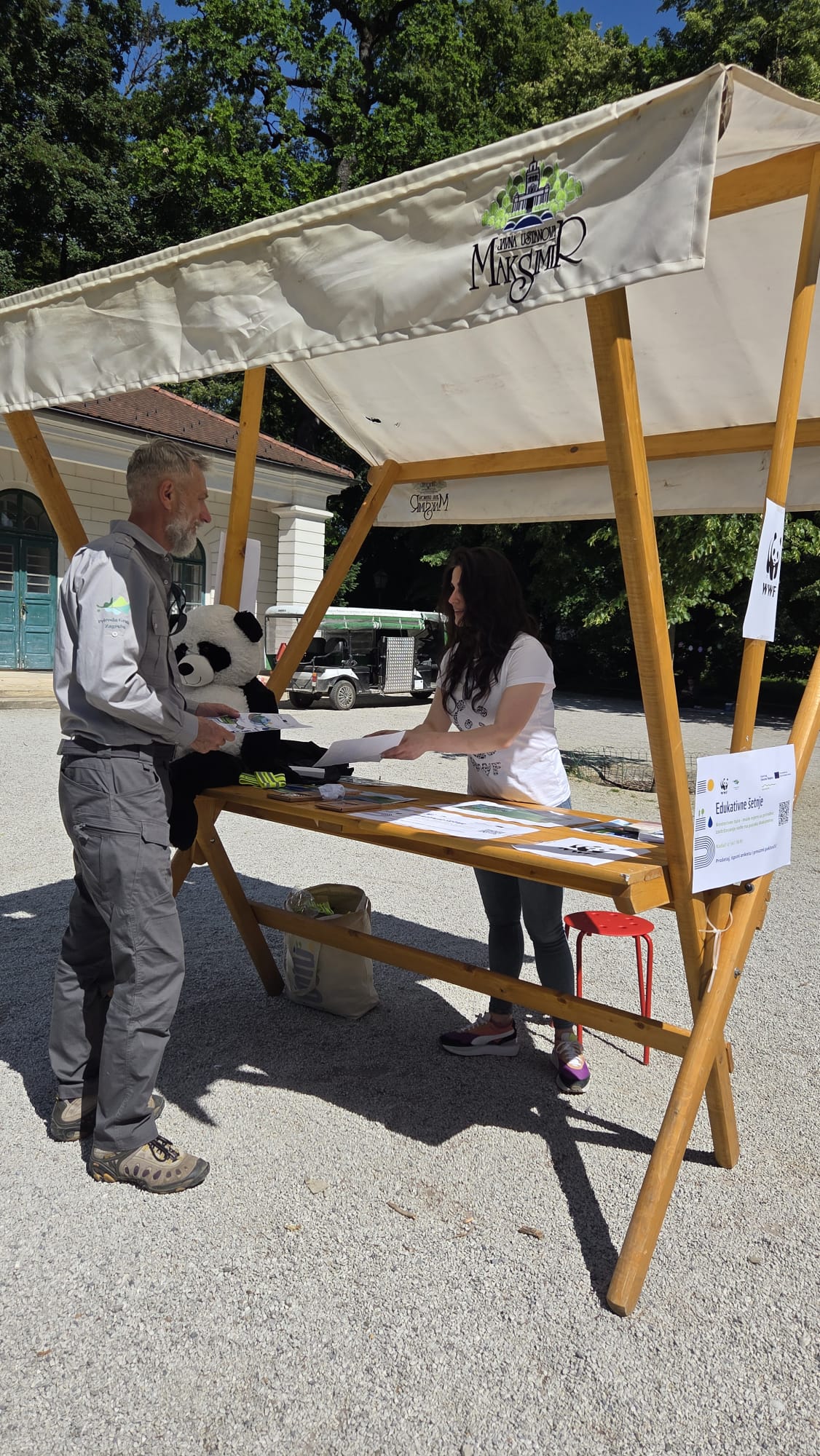
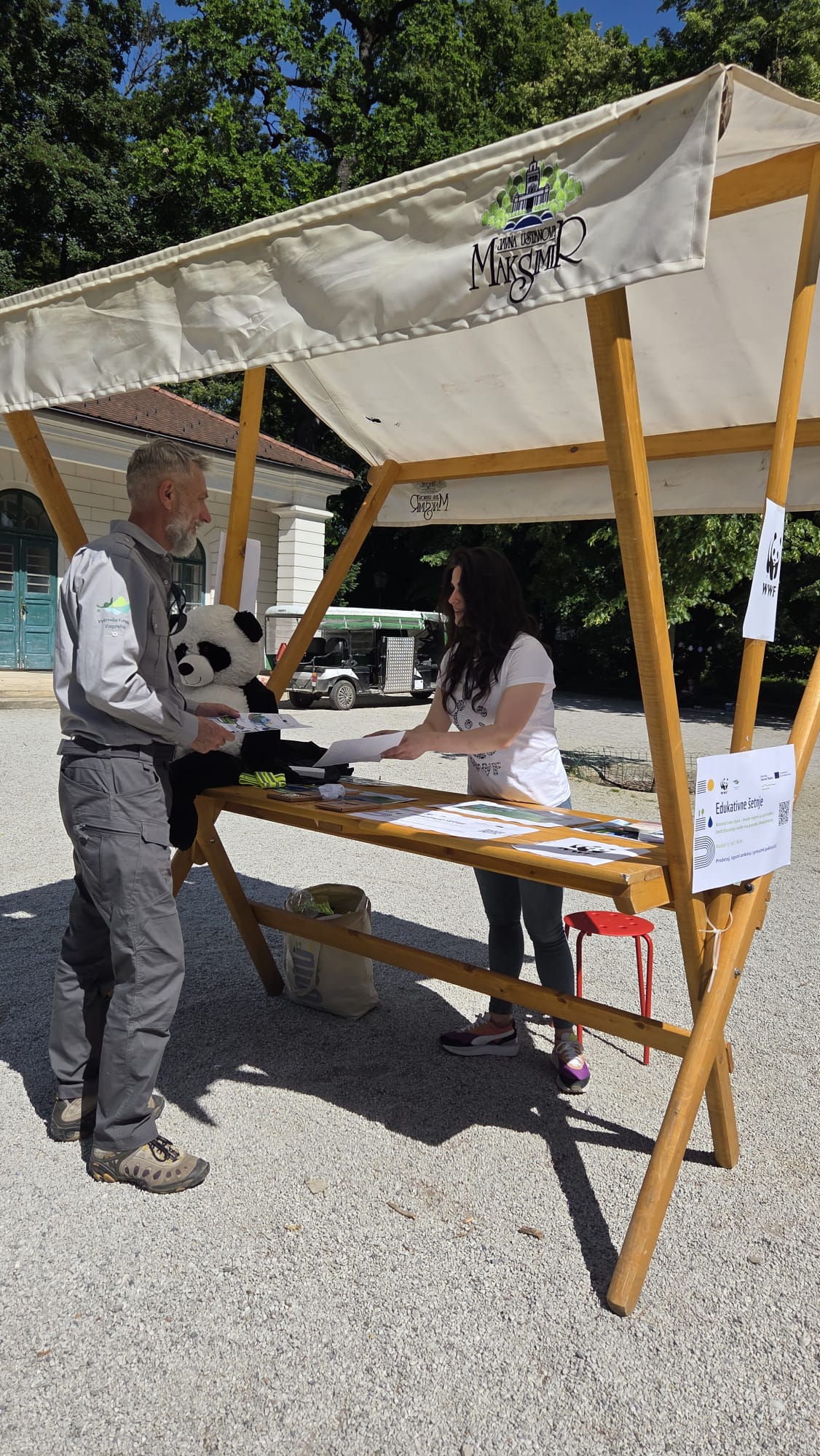
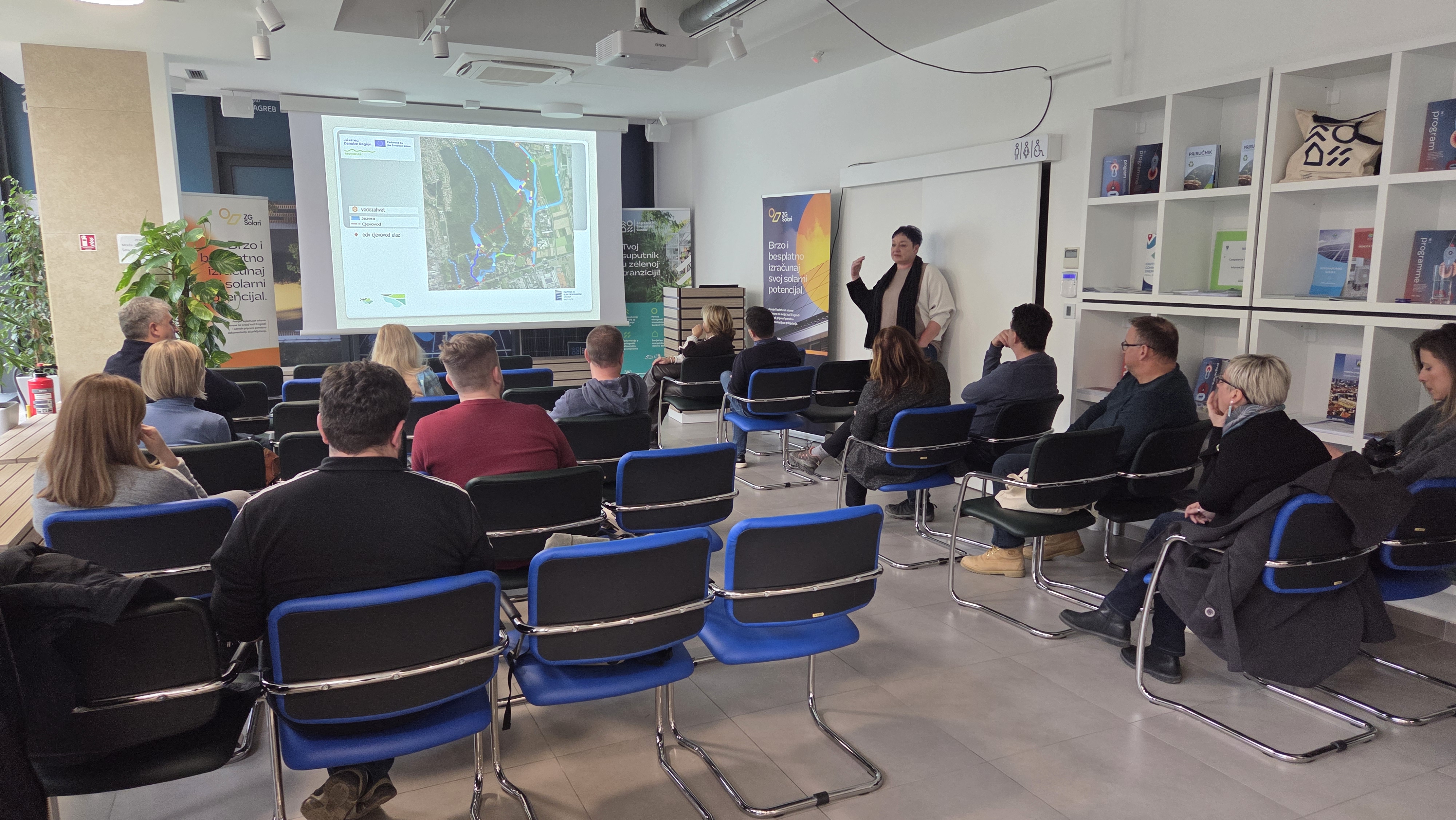
Last Friday, citizens gathered in Zagreb’s Maksimir Park to celebrate the 20th Nature Protection Day and the International Day for Biological Diversity through a rich programme of educational, interactive, and community activities dedicated to nature, biodiversity, and sustainable urban living.
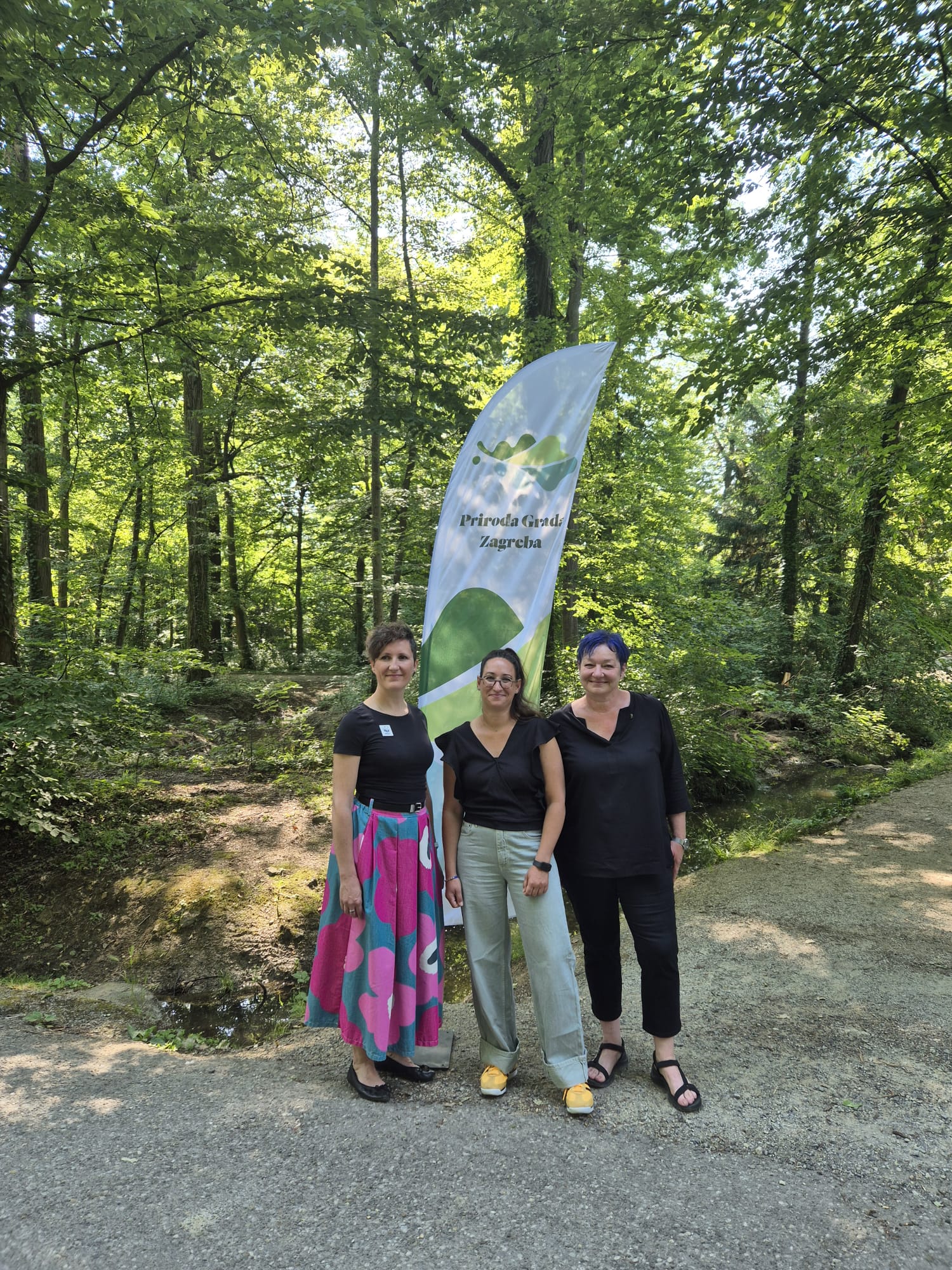
The event was organized by Priroda Grada Zagreba, a partner in the RESTORIVER project. Together with numerous organizations, institutions, and associations active in the field of environmental protection, the event transformed the oldest public park in Southeast Europe into a vibrant space for learning, discussion, and celebrating nature.
Among the participants was also WWF Adria, another RESTORIVER project partner, which contributed to the programme through educational and awareness-raising activities focused on biodiversity and sustainable water management.
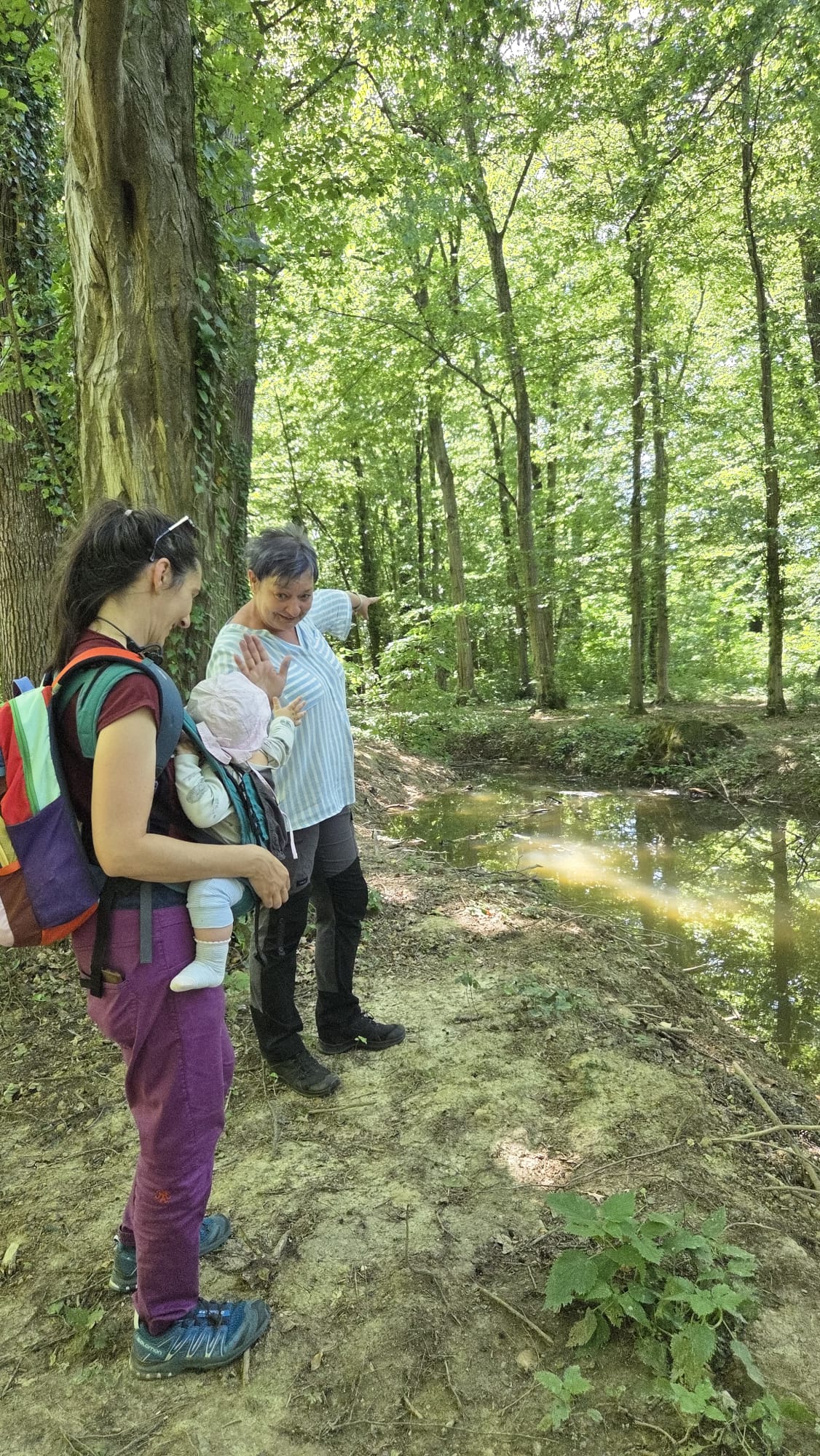
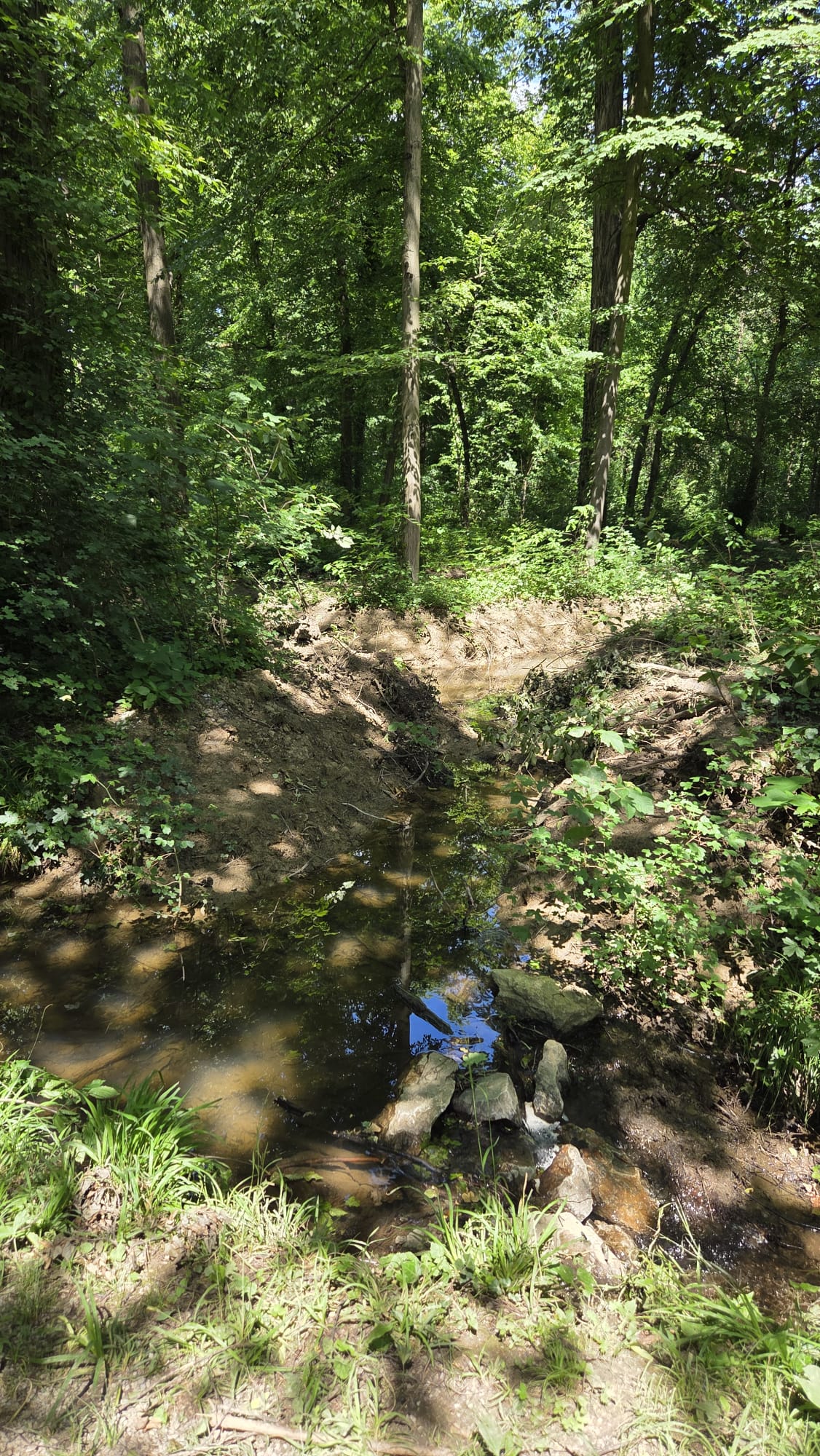
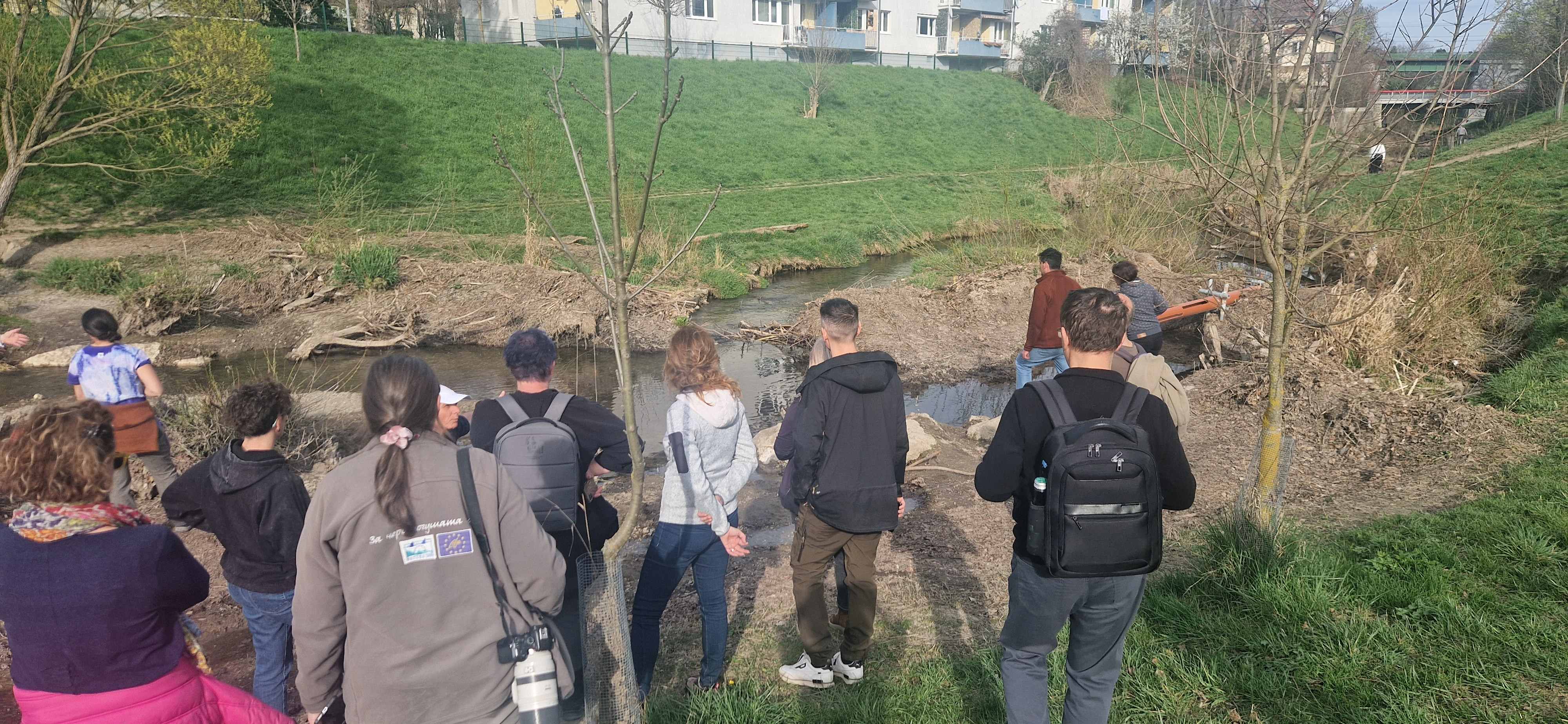
Visitors of all ages enjoyed workshops, information stands, and interactive activities, while one of the highlights of the programme were two educational RESTORIVER walks through Maksimir Park. During the walks, participants visited locations along the stream where water retention measures had recently been implemented within the RESTORIVER project.
The implemented pilot measures included:
restoration of stream meandering,
construction of a small water retention pond,
and enhancement of natural water retention processes in the landscape.
These interventions are based on Nature-based Solutions (NbS), an approach that restores natural processes in order to improve biodiversity, climate resilience, and sustainable water management in urban environments.
Survey Shows Strong Public Support
Following the guided walks, visitors were invited to participate in a survey evaluating public perception, awareness, and acceptance of the implemented measures. The survey included 179 respondents surveyed during several field visits (on 26 April and 22 May 2026.)
The results revealed an interesting contrast between relatively low public awareness and exceptionally high public support for the project.
Key findings include:
80.4% of respondents were not familiar with the project before visiting the site,
only 7.8% stated they were already informed about the implemented measures,
44% said they did not understand the purpose of the measures,
while 32% stated they did understand them.
Participants assessed the current appearance of the restored areas with an average score of 2.80/5, while expectations for the future condition of the locations were significantly more positive, reaching an average score of 4.45/5. The survey also showed that perceptions improved over time as vegetation began to recover naturally.
Citizens strongly recognized the ecological value of the implemented measures:
biodiversity contribution was rated 4.54/5,
while the importance for water management received a score of 4.69/5.
Perhaps the most encouraging result is the extremely high level of public support for the project and similar nature-based interventions, reaching between 97% and 98% of respondents.
Communication as the Next Important Step
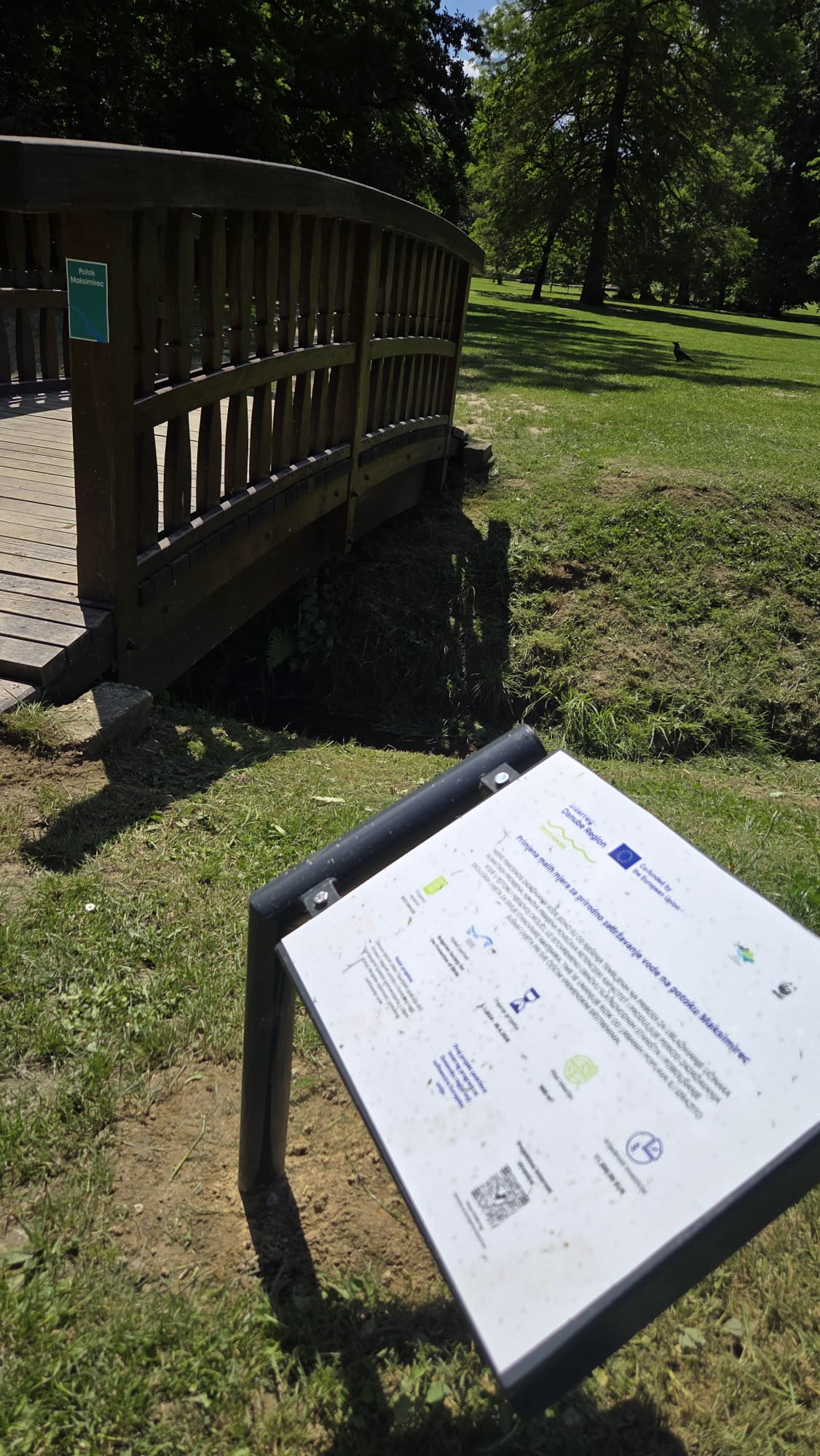
The evaluation highlighted that the main challenge is not public resistance, but communication. Many visitors encounter restoration sites without sufficient context or explanation, which can make transitional phases of ecological restoration appear unfinished or visually unusual.
The survey therefore emphasized the importance of:
installing permanent informational signage,
continuing educational and communication activities after project completion,
using simple and clear messages,
and focusing on explaining the long-term ecological benefits of nature-based solutions.
The Maksimir pilot area therefore represents not only an important ecological intervention, but also an example of how citizens strongly support projects that contribute to biodiversity, climate adaptation, and healthier urban environments. With improved communication and continued public engagement, RESTORIVER has the potential to become a reference example of good practice for implementing Nature-based Solutions across Europe.

27/05/2026
By Pinija Poljaković
Share on social media:



News & Events
Read the most recent updates and explore the upcoming events.

Would you like to receive project updates?
You're already part of our community!
Welcome to our newsletter community!
Subscribe to our newsletter