

Zagreb Strengthens Its Climate Resilience by Increasing the Water Retention Capacity of Maksimir
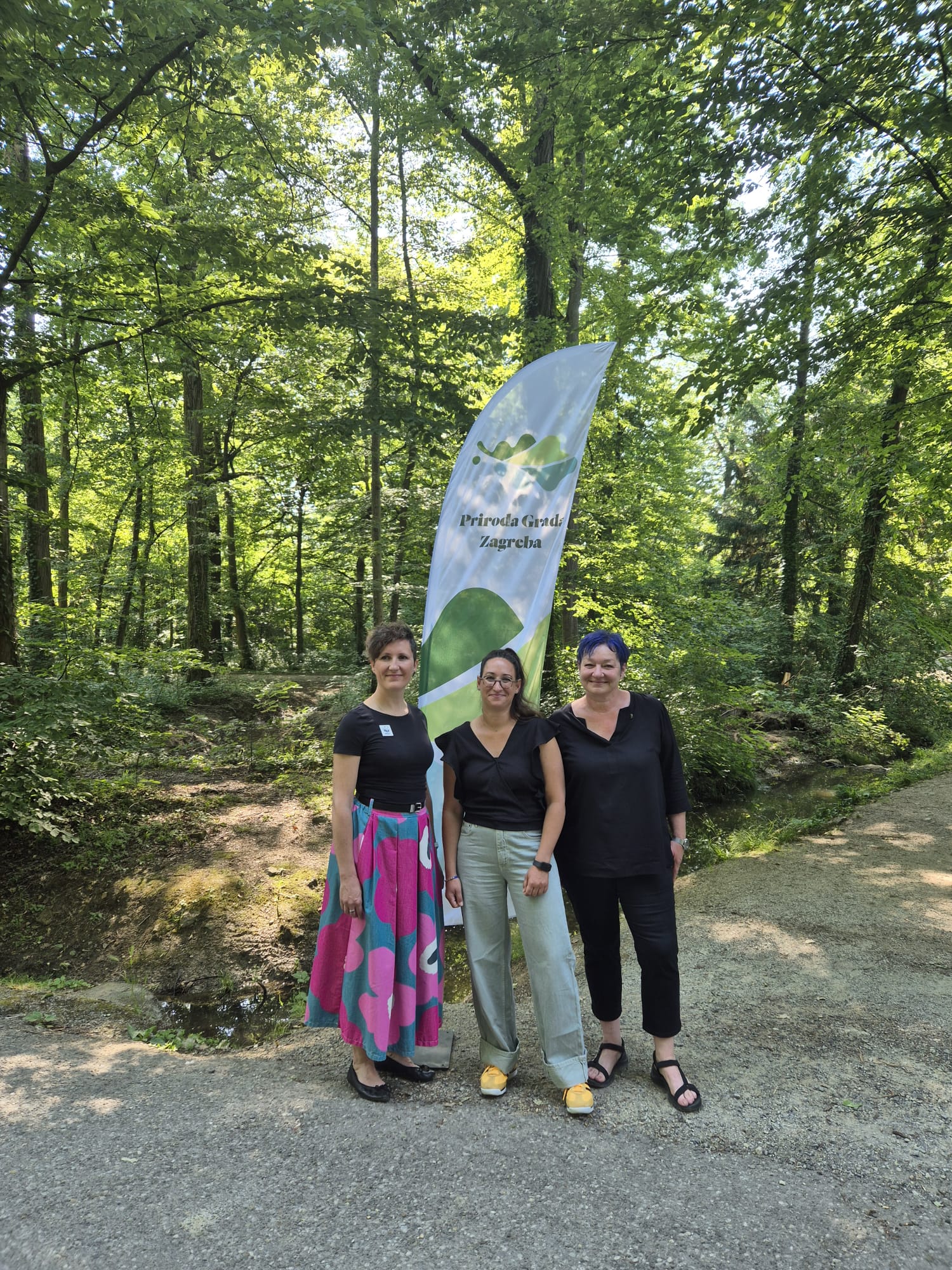
In an effort to strengthen its resilience to climate change, the City of Zagreb is embracing Nature-based Solutions. As part of the pilot activities of the RESTORIVER project, the water retention capacity of Maksimir Park has been increased through the implementation of Nature-based Solutions. Small-scale interventions have enabled the natural retention of water within the park area.
“Due to climate change, cities have become particularly vulnerable because they have lost many of the natural mechanisms that once regulated water, temperature, and microclimate. The RESTORIVER project gave us the opportunity to test Nature-based Solutions in real-life conditions. Maksimir Park, the largest green area in the centre of Zagreb and a key reservoir of urban biodiversity, clearly demonstrates the challenges we face – from streams drying out during summer to local flooding during heavy rainfall events. What we tested here was not ‘large-scale construction’, but smart, small-scale interventions that restore the landscape’s ability to retain water where it falls. In doing so, we simultaneously reduce pressure on the drainage system, increase water availability during dry periods, and create better habitats for numerous species. Such solutions bring multiple benefits: for nature, for the city, and for the quality of life of citizens,” said Nika Dolenc, Director of Priroda Grada Zagreba.

The RESTORIVER pilot activities began with a comprehensive assessment of the hydrotechnical system of Maksimir Park. Priroda Grada Zagreba analysed historical plans of the water supply system feeding the Maksimir lakes and implemented simple maintenance interventions on pipelines and valves. These interventions restored a satisfactory inflow of water into the Third Maksimir Lake and the Maksimirec stream. As a result, the stream no longer dries out during summer months. At the same time, an advisory stakeholder working group was established to collaborate with project partners on planning and implementing the pilot activities. A study was also prepared to assess the condition of the hydrotechnical system and define priorities for maintenance and modernization. In addition, the study identified a range of opportunities for implementing Natural Water Retention Measures (NWRM) within the park area.
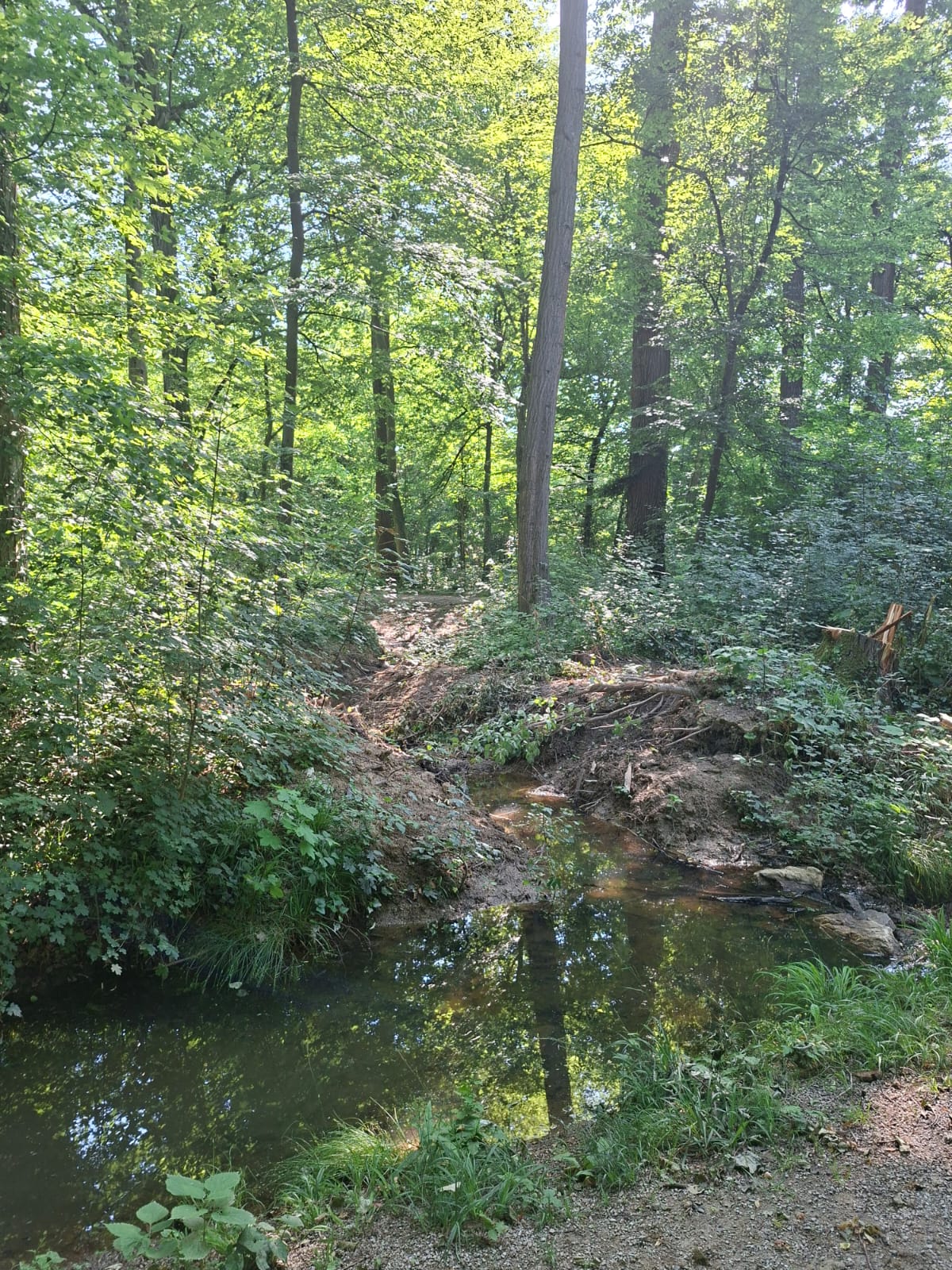
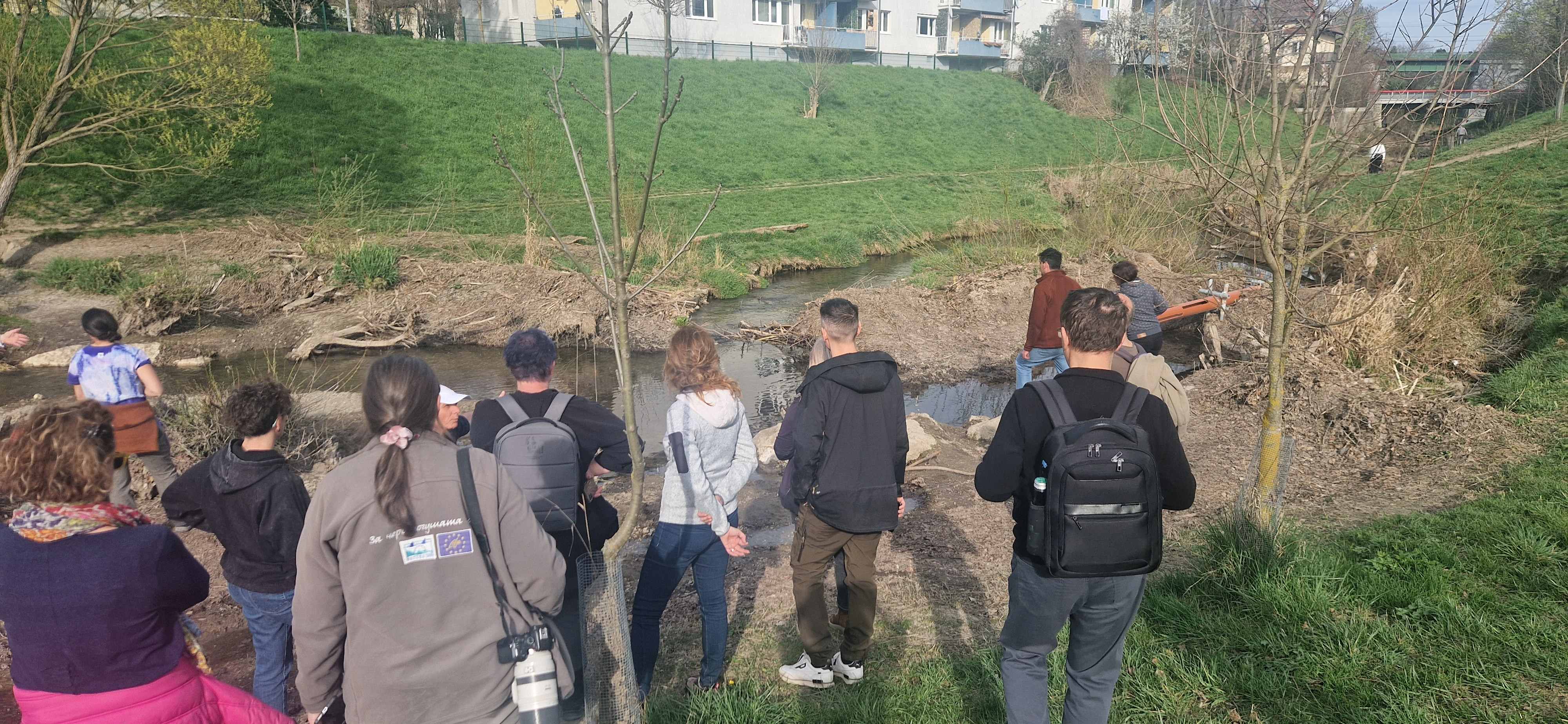
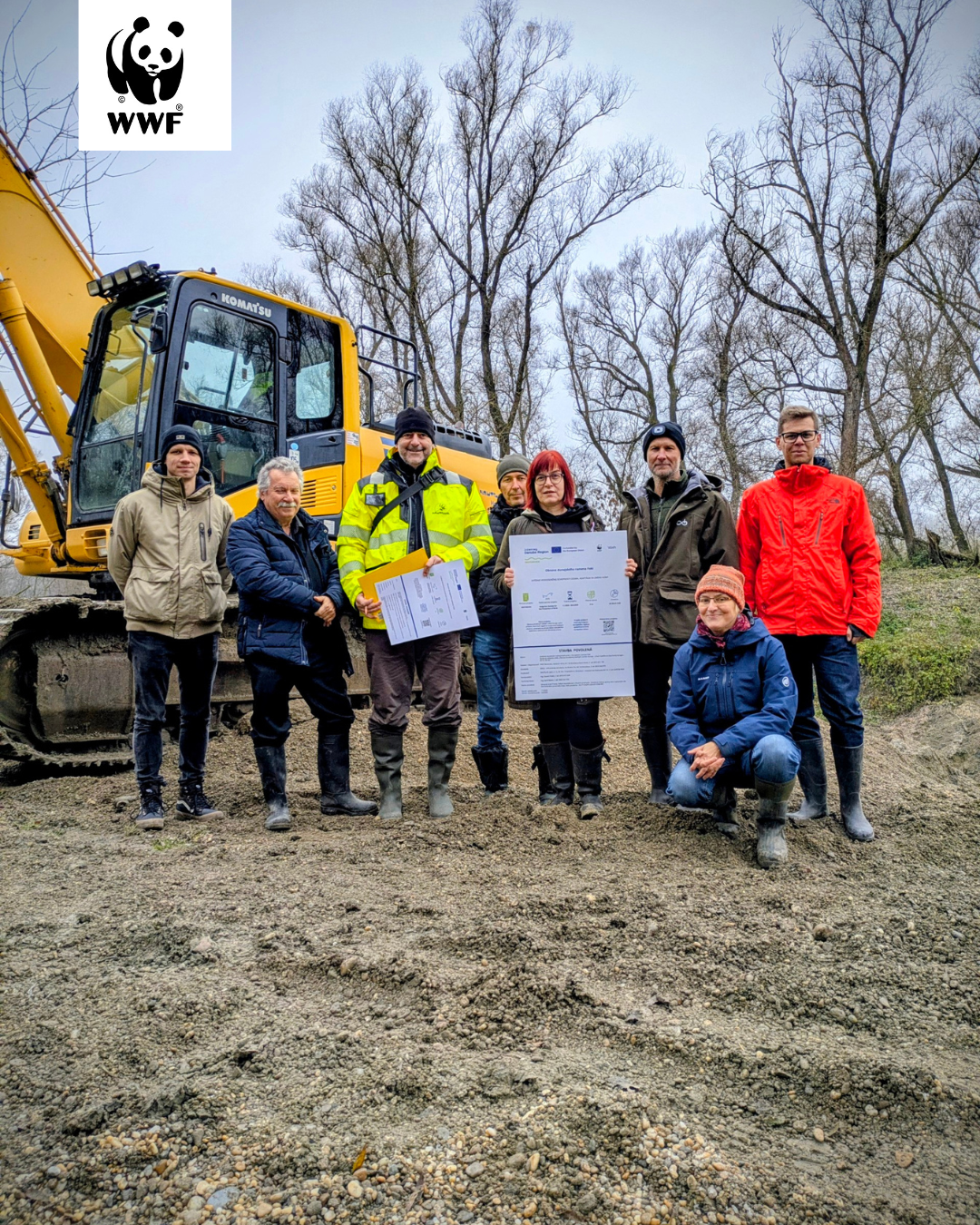
“The aim of these measures is to slow down water flow through Maksimir – the so-called ‘slow the flow’ principle. In this way, we reduce the risk of urban flooding south of the park while increasing water availability during dry periods, as water is retained within the habitat. This also creates better ecological conditions for Maksimir’s wildlife. From the measures identified in the study, we selected three for implementation within the project. Following the preparation of technical documentation and obtaining the necessary permits, we began implementing small, carefully selected interventions at three locations along the Maksimirec stream. These consisted of simple earthworks carried out before the start of the vegetation season. Specifically, we restored the stream meander at the Kišobran meadow, created a small pond immediately downstream of the meadow, and deepened an existing depression in the forest while connecting it to the stream. The interventions were adapted on-site to existing field conditions in order to preserve trees and forest habitats. Maksimir is a protected area and a protected cultural heritage site, so we selected discreet interventions compatible with preserving the park’s cultural and historical values,” said Irina Zupan, Head of the Nature Conservation Department at Priroda Grada Zagreba.
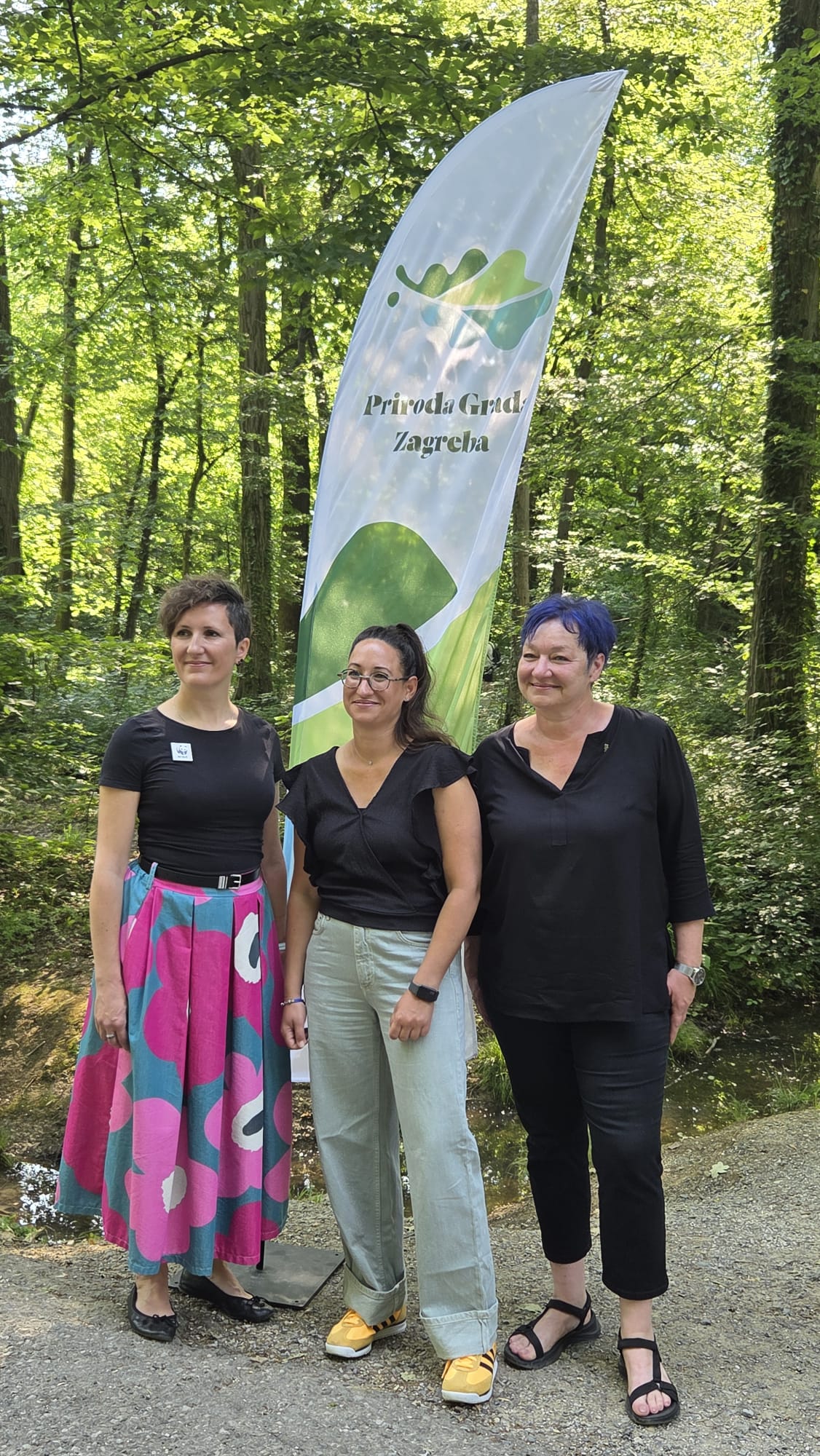
Research confirms that park visitors understand the purpose of these measures and support their implementation. Public education activities also contributed significantly to this outcome.
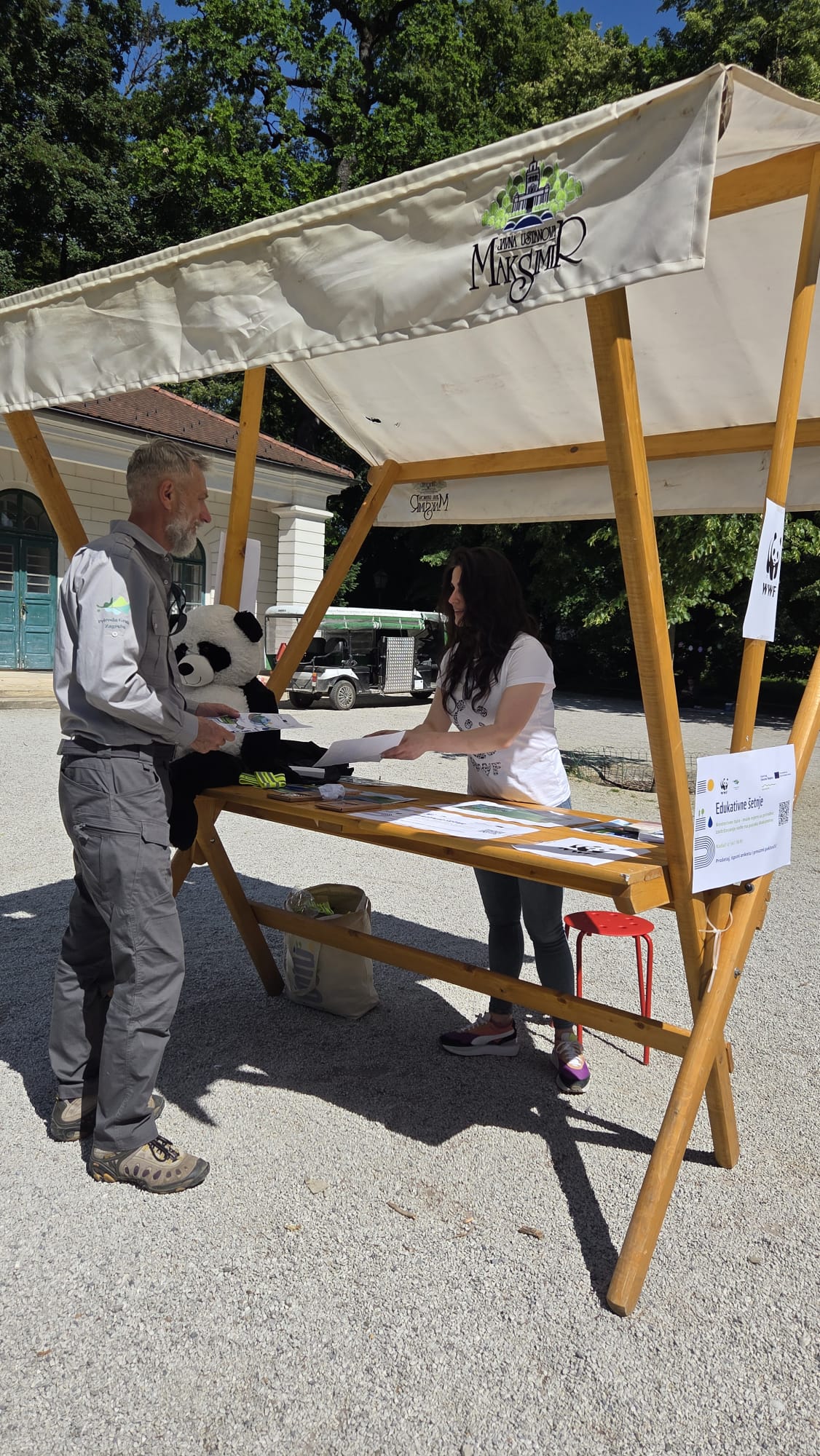
“One of the project’s goals is to educate citizens about entirely new concepts for many of them, such as ‘Nature-based Solutions’, ‘Natural Water Retention Measures’, and ‘ecosystem services’, as well as the benefits these concepts provide not only for nature but also for people. The goal of the educational campaign was to draw attention to the importance of restoring freshwater ecosystems because restored and strengthened ecosystems can help us adapt to the impacts of climate change – floods and droughts. In addition, they provide many other benefits: they help reduce flood risks and prolong moisture retention during dry periods, create more comfortable microclimatic conditions for people and reduce urban heat island effects, provide opportunities for recreation and leisure, improve water quality, replenish groundwater reserves, contribute to biodiversity conservation and ecosystem resilience, increase soil stability and reduce erosion, and positively affect human health,” said Ida Čarnohorski, Urban Climate Adaptation Project Coordinator at WWF Adria.
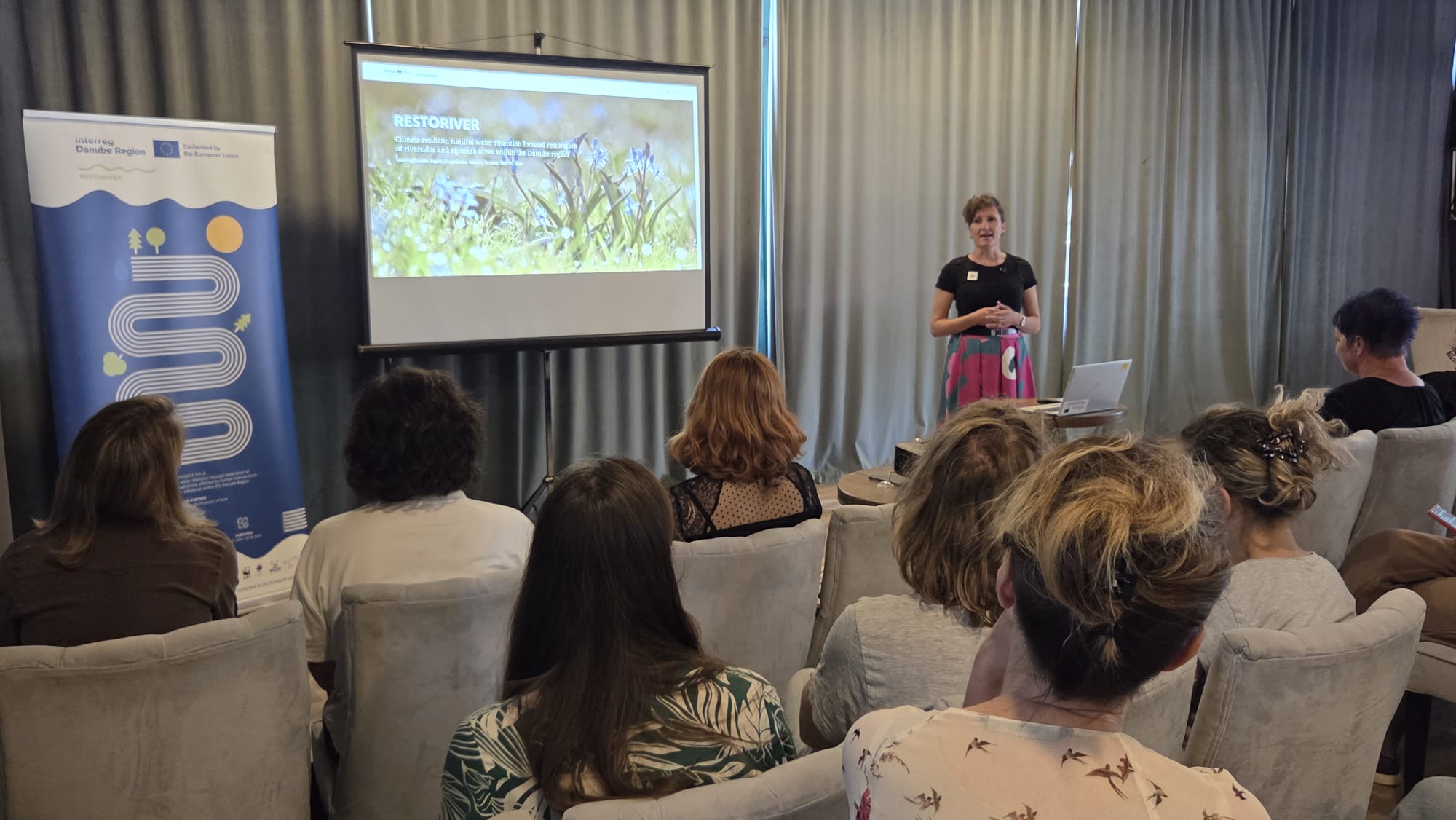
To further support public awareness activities, an educational animated film titled “A Slightly Different Story About the Princess and the Frog” was created as part of the project. The film explains the importance of healthy freshwater ecosystems and Nature-based Solutions in a simple and engaging way for children and adults alike. Watch the film here or below: A Slightly Different Story About the Princess and the Frog (YouTube)
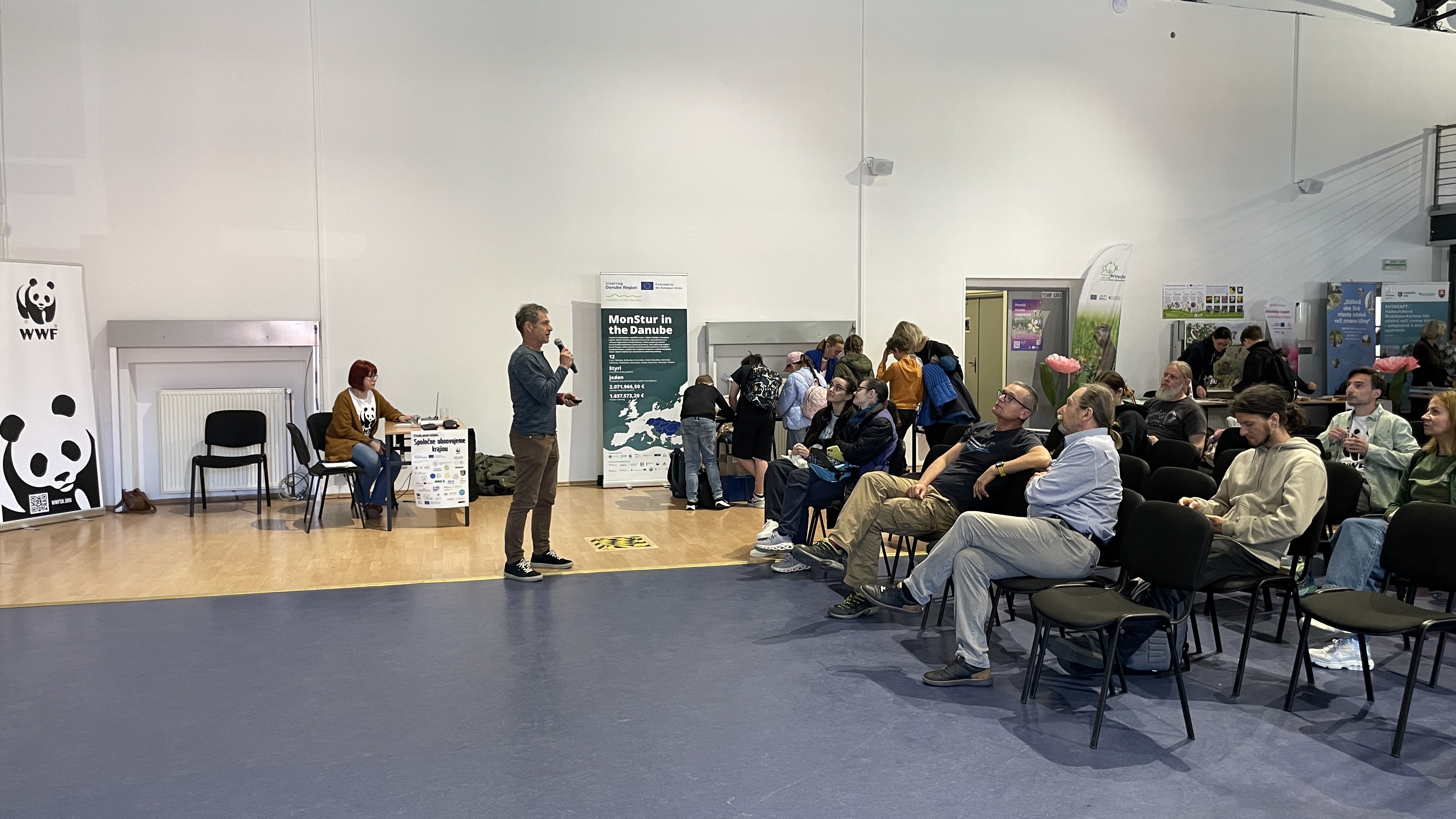
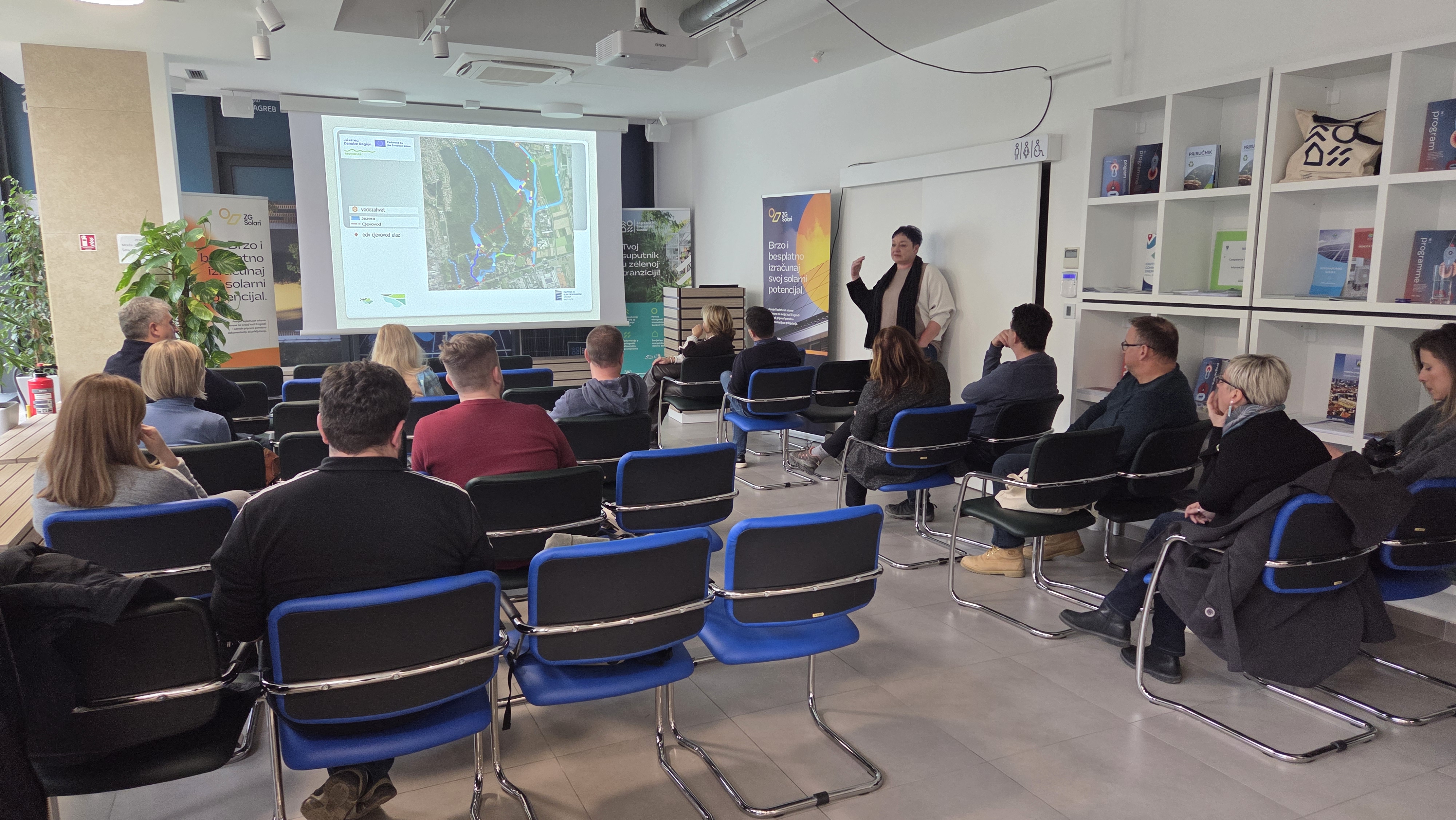
At the presentation of the pilot activity results for increasing the water retention capacity of Maksimir Park, participants emphasized the importance of continuing to implement similar Nature-based Solutions in Zagreb, other Croatian cities, and beyond.
Priroda Grada Zagreba is one of 15 partners participating in the RESTORIVER project, financed through the Interreg Danube Region Programme – Restoration of River Corridors and Riparian Areas of the Danube Basin Modified by Human Intervention for Increased Climate Resilience and Natural Water Retention. The project is dedicated to strengthening climate resilience through the implementation of Natural Water Retention Measures and Nature-based Solutions in the restoration and revitalization of freshwater and wetland ecosystems. The project started on 1 January 2024 and runs until 30 June 2026.
Within the project, Priroda Grada Zagreba is responsible for implementing the pilot aimed at increasing the water retention capacity of Maksimir Park through Natural Water Retention Measures (NWRM). WWF Adria is the national project partner, while the Institute for Environment and Nature of the Ministry of Environmental Protection and Green Transition is the associated strategic partner.

27/05/2026
By Pinija Poljaković
Share on social media:



News & Events
Read the most recent updates and explore the upcoming events.

Would you like to receive project updates?
You're already part of our community!
Welcome to our newsletter community!
Subscribe to our newsletter