
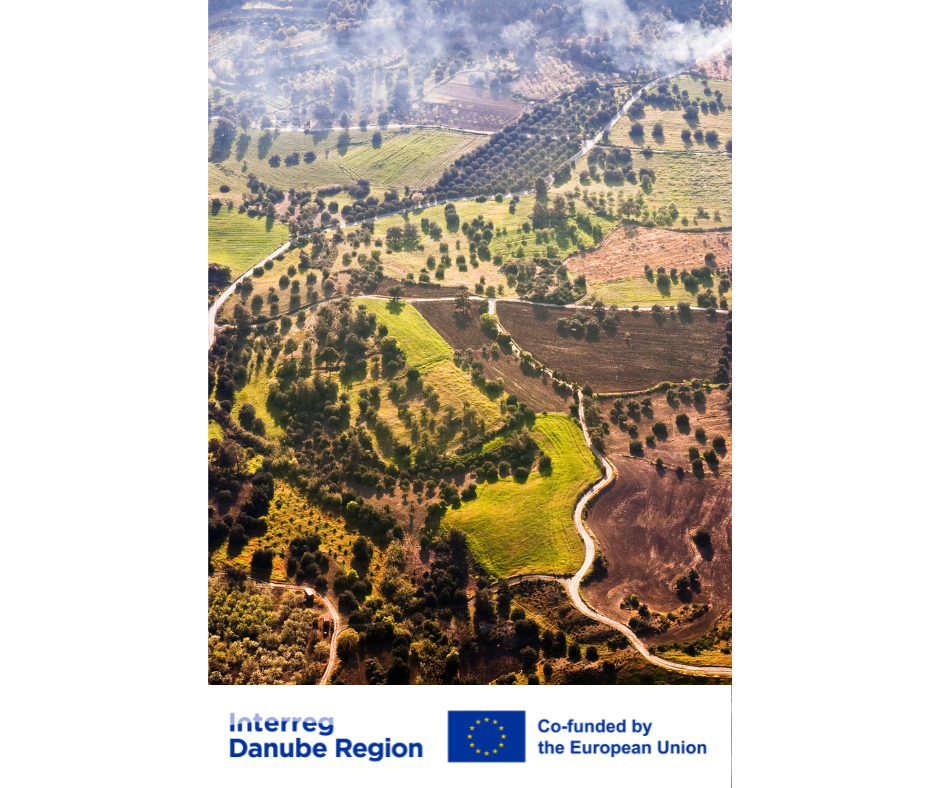

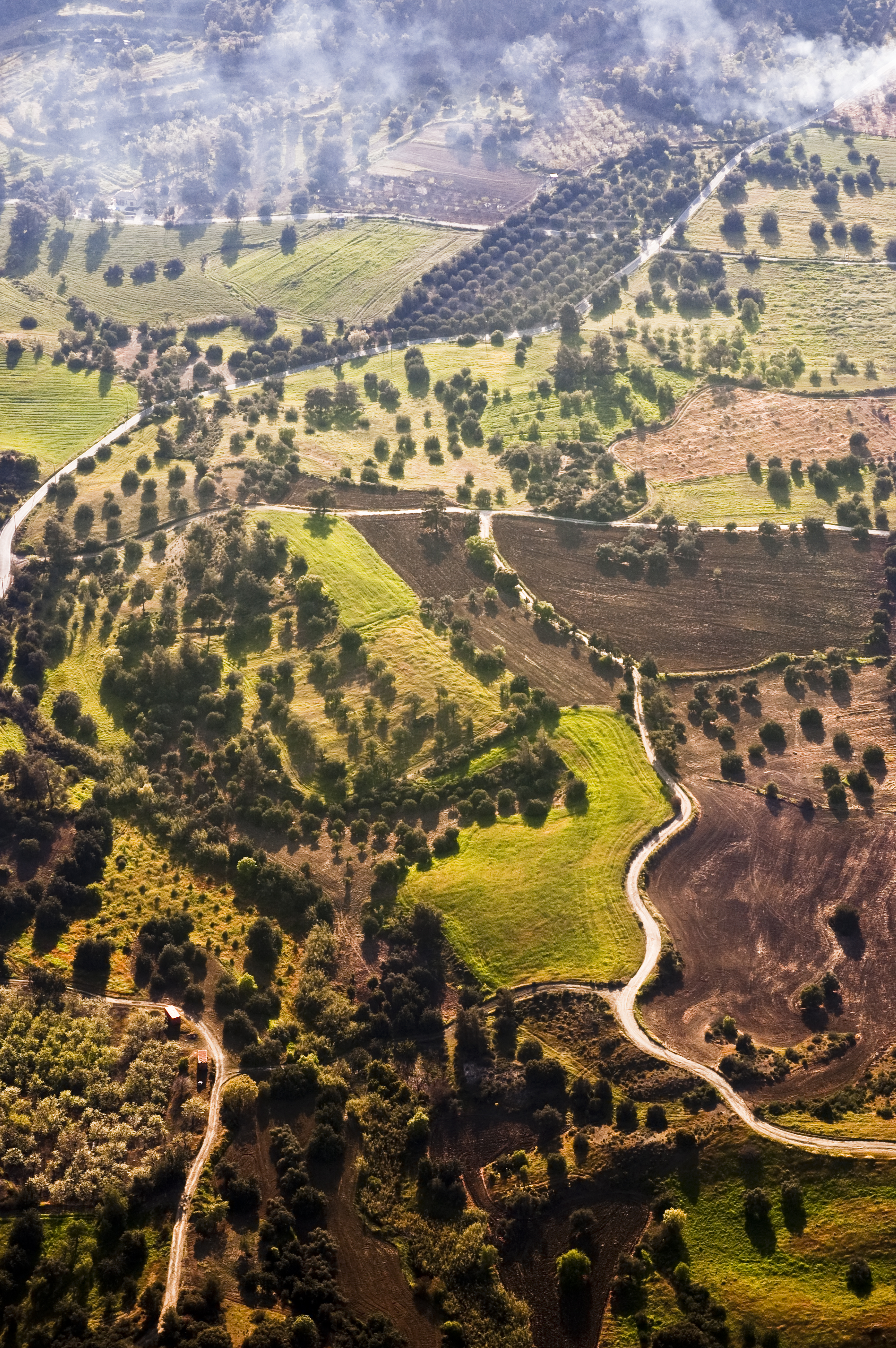
Region-Wide Efforts Driving Early Detection of Ground Movement Risks and Sustainable Land Use Management
The Danube Region faces considerable vulnerability to geo-hazards such as earthquakes, landslides, and soil subsidence, which threaten critical infrastructure including dams, levees, and bridges. These risks have far-reaching implications for land use and regional development. In this context, real-time monitoring of unstable terrain and artificial structures plays a pivotal role in promoting sustainable land use management by providing the data needed to anticipate and mitigate potential disasters.
Despite ongoing progress, uneven national capacities, along with differences in funding and data-sharing frameworks, remain key challenges to achieving basin-wide, real-time operational monitoring. Nevertheless, transnational initiatives, like the GeoNetSee project funded under the Danube Region Programme (DRP), are driving a shift from isolated national pilots toward an integrated regional monitoring system. By continuously collecting data on ground stability, structural integrity, and environmental changes, GeoNetSee enhances early hazard detection and helps safeguard people, infrastructure, and ecosystems. This data-driven approach supports evidence-based land-use planning, directing development toward geologically stable and environmentally sustainable areas while protecting vulnerable landscapes.
At the same time, achieving long-term sustainability in land management requires investment in greener, more resilient infrastructure. Reassessing the potential of degraded or underused areas and investing in their revitalisation can help prevent new land take, reduce environmental pressure, and foster more responsible territorial development. In this direction, the NONA project, also funded by the DRP, seeks to establish an innovative governance model that brings together the public sector, civil society, and private and financial actors such as investors, banks, and insurers, committed to green investment in revitalised areas.
The designation of NONA in 2024 as a flagship project of the New European Bauhaus on the Danube (NEB Lab) opened up the possibility for the project to be featured at important European events such as NEB Festival in Brussels, KÉK Urban Talks in Budapest, the Danube Culture Conference in Krems, the Social Impact Investors Conference in Budapest and the EU Strategy for the Danube Region (EUSDR) Priority Area 3 event in Bucharest. In April 2025, NONA was selected by the European Commission as one of only 15 projects to be promoted at the EXPO 2025 Osaka NEB pavilion underscoring once again its contribution to practical, innovative solutions supporting the green transition in line with NEB values.
Likewise, the recognition of GeoNetSee as a Flagship 2025 project by the EUSDR Priority Area 7 highlights its role in enhancing safety, resilience, and quality of life through innovation, collaboration, and advanced geospatial technologies. Together, these initiatives exemplify the transformative change taking place across the Danube Region where science, technology, and sustainability converge to build a safer and more resilient future.

05/12/2025
By admin 2
Share on social media:



News & Events
Explore our upcoming events and read news regarding our programme and project activities.





Would you like to receive programme updates?
You're already part of our community!
Welcome to our newsletter community!
Subscribe to our newsletter