


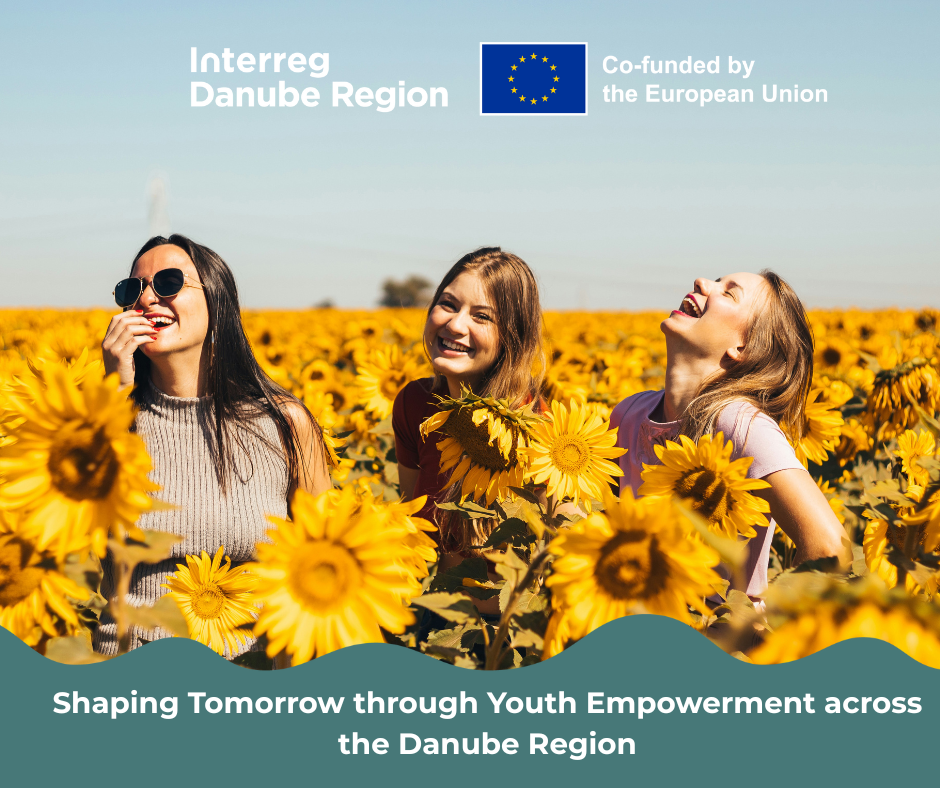
Shaping Tomorrow through Youth Empowerment across the Danube Region
Youth play a vital role in shaping the future of any society. They embody energy, creativity, and hope, making them one of the most valuable assets of a nation. Besides being powerful agents of change thanks to their enthusiasm and courage, they also contribute significantly to economic growth. A skilled and hardworking young population strengthens the workforce, increases productivity, and drives innovation and entrepreneurship. In today’s fast-changing world, youth are particularly important in advancing science and technology, as they adapt quickly to new tools, ideas and ways of thinking. The long-term progress and development of society therefore depend largely on how well the younger generation is guided, supported and empowered. The values and skills young people gain today will determine the direction society takes tomorrow.
Recognizing the importance of youth in safeguarding a prosperous future, the Danube Region Programme (DRP) is granting millions of euro to support initiatives that place young people at their core.
The MEET project focuses on building capacities to support youth mental health in formal and non-formal education and training. By developing inclusive and innovative tools, the project aims to prevent negative outcomes such as early school leaving or the growing number of NEETs (young people Not in Education, Employment or Training). In doing so, the project contributes positively to the resilience and sustainability of the current and future workforce.
The obstacles faced by young people leaving the special child protection system in terms of education, employment or social inclusion are tackled by the Skills4Life project, a EUSDR flagship-labelled initiative. Through tailored mentoring and counselling, internships and targeted training programs, Skills4Life helps young people develop essential personal and professional skills, increasing their chances of employability, independent living, and an improved quality of life.
The COOPOWER project tackles the persistent issue of youth unemployment and social exclusion, focusing on vulnerable young people aged 15 to 30 who face major barriers to entering the labour market. These barriers include limited access to education, economic hardship, and residence in disadvantaged areas. By fostering collaboration across sectors - bringing together youth, local authorities, civil society, researchers, and employers - the project co-develops practical, region-specific solutions that respond to real local needs.
High rates of NEETs continue to threaten social and economic sustainability, particularly in rural areas of the Danube region. The Back on Track project addresses this challenge by developing sustainable mentoring programmes and digital training models to support the integration of rural NEETs into education, training, society, and the labour market. The project directly supports the EU’s objective of reducing the NEET rate to below 9% by 2030 while contributing to the revitalization of rural regions.
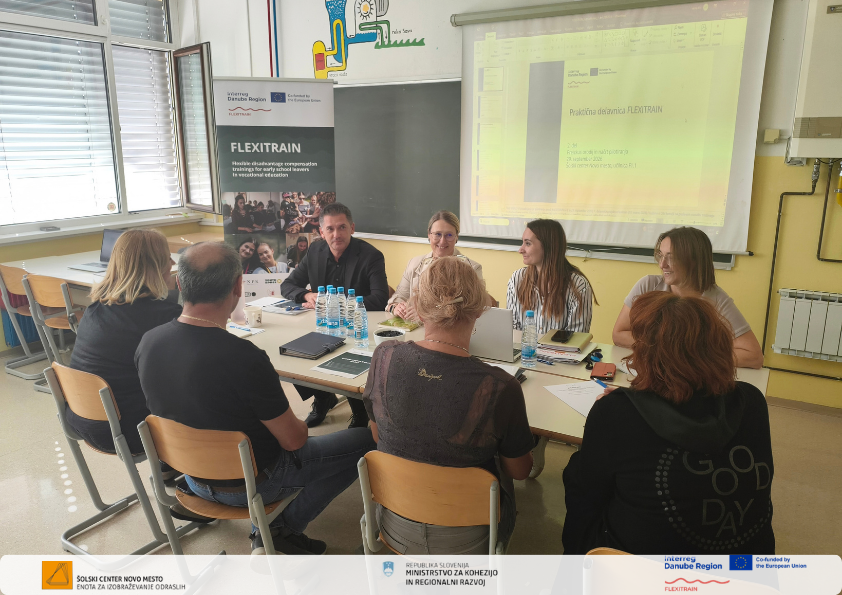
Many young people fall out of the education system, or never enter it at all, due to personal difficulties, financial constraints, or a lack of adequate support. To reduce early school leaving and improve access to the labour market, the FLEXITRAIN project develops and tests innovative tools that make vocational education more flexible, inclusive, and adaptable to the diverse realities of learners’ lives.
The PATHS project introduces a personalized approach to life and career support by upgrading the existing career guidance tools to comprehensive life-path support services available at municipal level. Responding to rising dropout rates, limited professional prospects, and increasing pressure on young people to leave their home regions, PATHS addresses depopulation and inequality while contributing to the long-term social and economic sustainability of local communities.
The SMILE INCUBATOR project aims to develop a transnational Social Media Leadership Incubator for rural youth that will serve as a mechanism to strengthen leadership skills and empowerment, thus contributing to the development of sustainable democracies in the DR. While its primary focus is on young people from underdeveloped rural communities, the project also engages academics, small and medium-sized enterprises, NGOs, and media organizations, fostering a broad and inclusive impact.
Together, these initiatives demonstrate the Danube Region Programme’s strong commitment to empowering youth as drivers of social cohesion, innovation, and sustainable development, ensuring a stronger, more inclusive future for the region as a whole.

16/01/2026
By admin 2
Share on social media:



News & Events
Explore our upcoming events and read news regarding our programme and project activities.


Would you like to receive programme updates?
You're already part of our community!
Welcome to our newsletter community!
Subscribe to our newsletter