
YoungLink Pilot Shows How Cities Can Support Healthier Classroom Relationships at Scale
Elementary school classrooms are among the most important places where the future is shaped. They are not only spaces for learning, but also environments where children build confidence, form relationships, discover their strengths and develop a sense of belonging. For municipalities, school leaders and prevention specialists, understanding what happens within these classroom communities is essential for supporting pupils’ well-being and preventing harmful social dynamics.
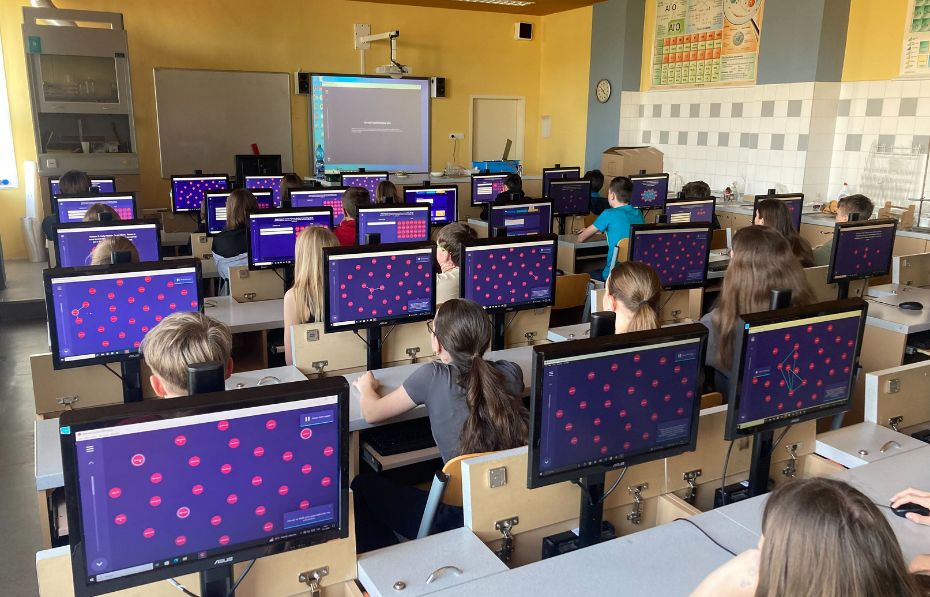
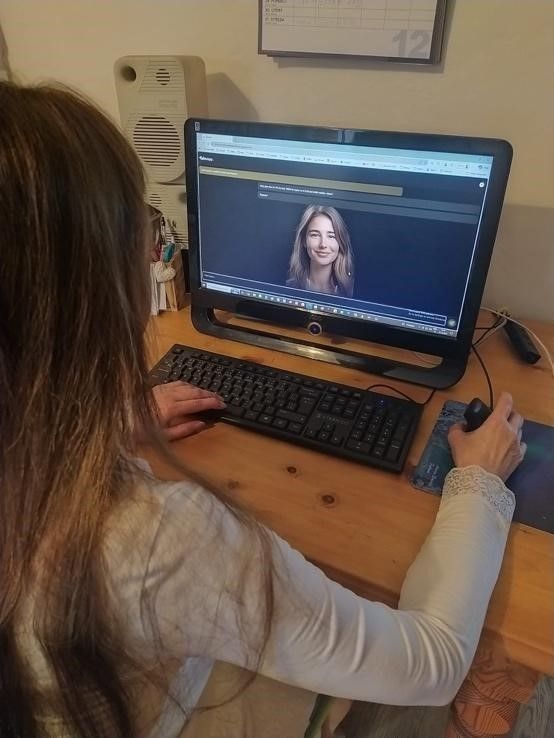
This was the focus of an agile pilot of YoungLink.cz, led by Dušan Brabec, implemented in cooperation with 18 schools in Olomouc, Prague 10 and Prague 12. The pilot introduced a playful, yet sophisticated digital tool that helps schools analyse classroom dynamics through anonymised pupil surveys. The application can identify early signs of potentially harmful trends within the group, including social exclusion, unhealthy relationship patterns or risks connected to bullying.
Turning classroom insights into timely action
The value of YoungLink lies not only in collecting data, but in transforming it into practical insights for the adults responsible for pupils’ safety and well-being. The results help teachers, prevention specialists, school psychologists and other professionals better understand the social structure of a class and respond before problems escalate.
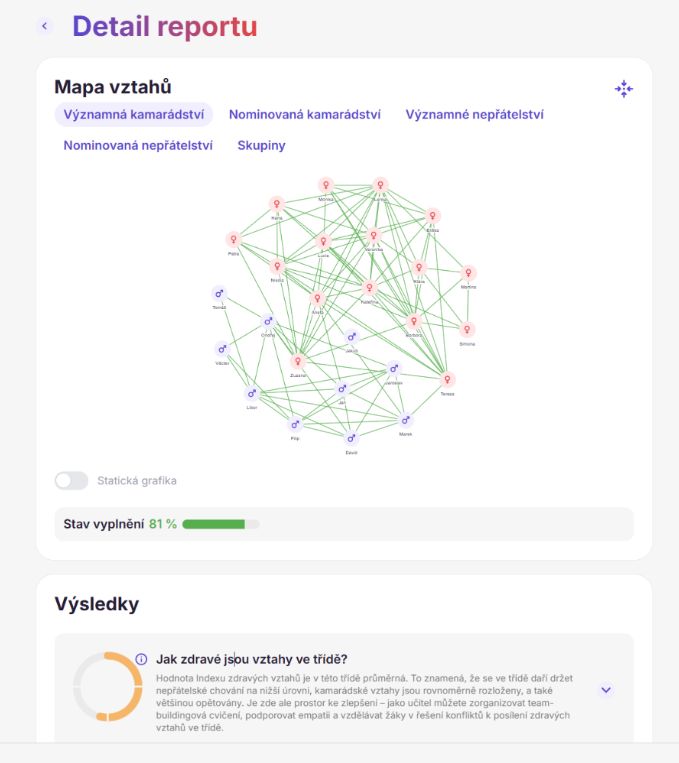
By visualising relationships and identifying risks early, the tool supports targeted work with pupils and enables schools to address sensitive issues in a more informed and timely way. This makes prevention more proactive, rather than reactive.
Feedback from participating schools confirmed the practical relevance of the solution. 94% of teachers found the tool valuable for understanding relationships among pupils, while 70% stated that it affected their work. Pupils also responded positively: the digital format proved attractive and achieved high acceptance rates among children. The most appreciated feature was the sociogram, a relationship map that helps visualise the social dynamics within a classroom.
From individual schools to city-wide impact
One of the most important outcomes of the pilot was the shift in the startup’s business and deployment model.
Before the pilot, YoungLink primarily focused on selling its solution to individual schools. While this approach can work, its scalability depends heavily on the capacity, priorities and resources of each school’s management. As a result, broader implementation may be slow and fragmented.
The pilot revealed a stronger opportunity: working with municipalities as school administrators. By deploying the solution across a wider portfolio of schools, cities can gain a more comprehensive overview of the social environment in their education system. This creates value beyond the individual classroom or school.
A city-wide approach enables municipalities to compare anonymised trends, identify areas where support is needed, plan prevention activities more efficiently and allocate expert resources in a targeted way. In this model, YoungLink becomes not only a school-level prevention tool, but also a strategic instrument for public administration.
A smart city solution for education and well-being
The pilot demonstrated how digital innovation can help municipalities improve the quality of life of their youngest citizens. In the context of smart cities, education and well-being are just as important as mobility, energy or infrastructure. Tools such as YoungLink show how data-driven approaches can support healthier school environments while respecting anonymity and working with sensitive information responsibly.
For cities, this type of solution offers a new way to support schools systematically. For teachers and prevention specialists, it provides practical evidence for their everyday work. And for pupils, it can contribute to safer, more inclusive and more supportive classroom communities.
Following the successful pilot, YoungLink is now entering a new phase focused on scaling and internationalisation. The experience from Olomouc, Prague 10 and Prague 12 shows that when startups, schools, municipalities and innovation partners work together, pilot projects can become a powerful bridge between promising technology and real public-sector impact.
The implementation video report is available here: https://lnkd.in/dd6FbEgT
Project context: PilotInnCities, Agile Piloting, Interreg Danube Region, Smart City Innovation.

05/05/2026
By Viktor Holy
Share on social media:


Smart

News & Events
Read the most recent updates and explore the upcoming events.

Would you like to receive project updates?
You're already part of our community!
Welcome to our newsletter community!
Subscribe to our newsletter