
When Assumptions Fail: How a Status Quo Analysis Saved a Career Center in a Post-Industrial Region
When preparing international labor market projects, there is one golden rule: what holds true at the time of writing the application may no longer matter on the launch day of the pilot. In post-industrial regions—where the economy changes dynamically and responds to external shocks within months—this is doubly true.
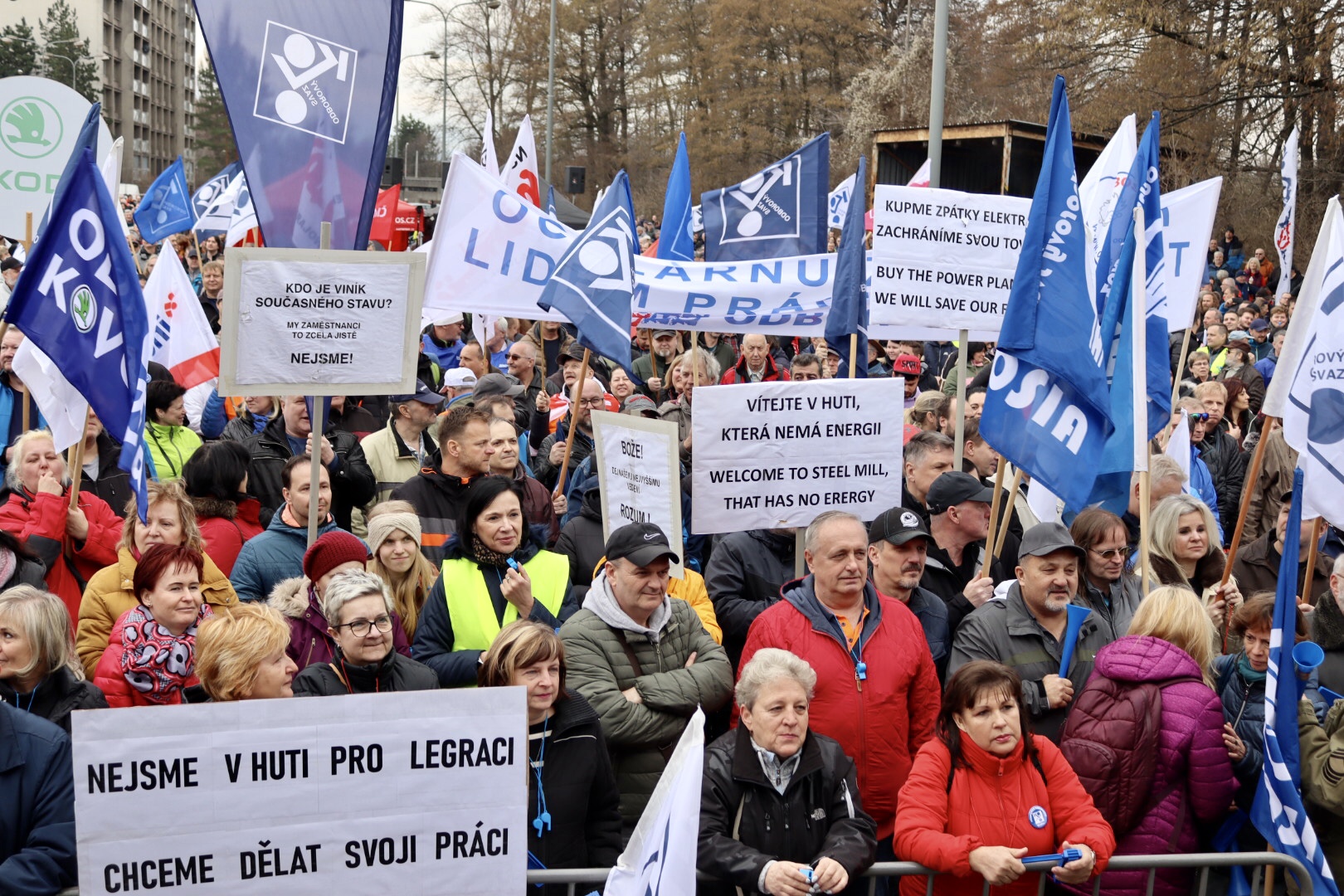
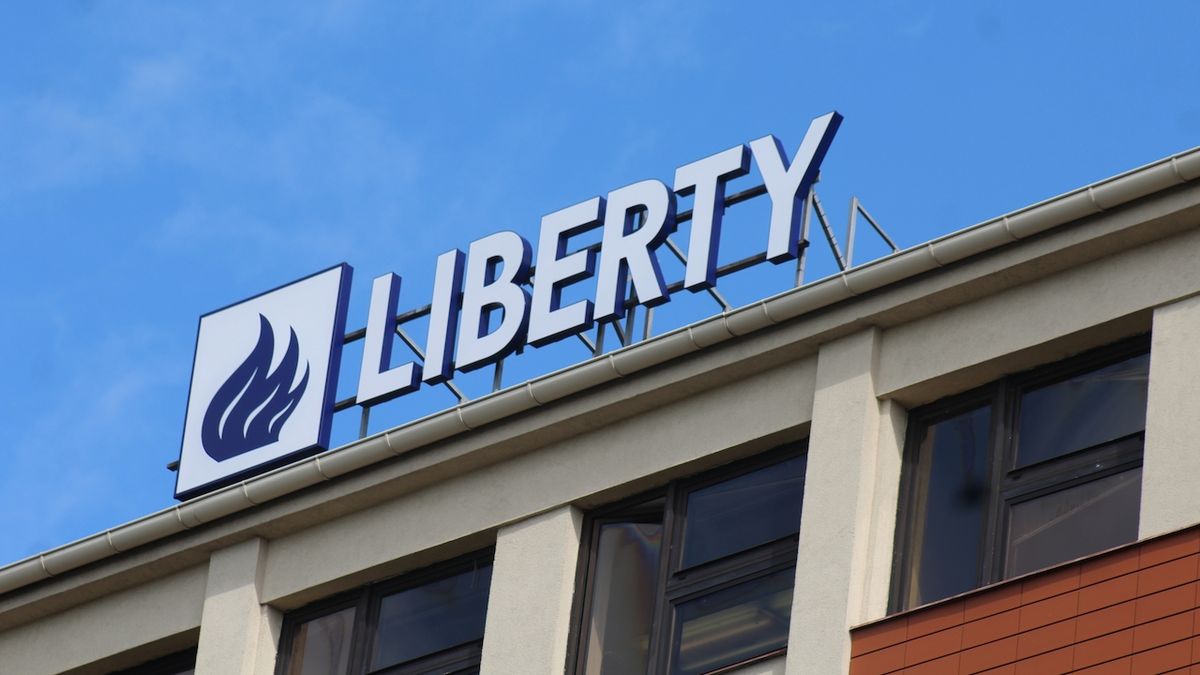
A clear proof of this is the SteelCityZen project under the Interreg Danube Region program. When the project was conceived, Slezská Ostrava was facing an immediate crisis: the impending massive layoffs at the Liberty Ostrava steel plant and the subsequent collapse of dozens of subcontracting companies. The original plan for the new Career and Guidance Center calculated on a crisis mode designed to handle dozens to hundreds of laid-off heavy industrial workers and tradespeople monthly. However, the approval phase, time shifts, and the reality of the labor market arrived. The wave of unemployment was gradually absorbed by the local market even before the launch of the pilot itself.
The Key Step Nobody Expected
It was at this precise moment that the invaluable worth of the status quo analysis, conducted right before the center's opening, became clear. Although originally viewed as a mandatory administrative item, the analysis revealed a fundamental shift: the target group of laid-off steelworkers had nearly vanished, while completely different vulnerable population groups surfaced.
Had the project team not conducted the status quo analysis or ignored its findings, the Career Guidance Center in Slezská Ostrava would have opened its doors offering services no one needed. The offer would have missed the real demand entirely.
Who Actually Uses the Center Today?
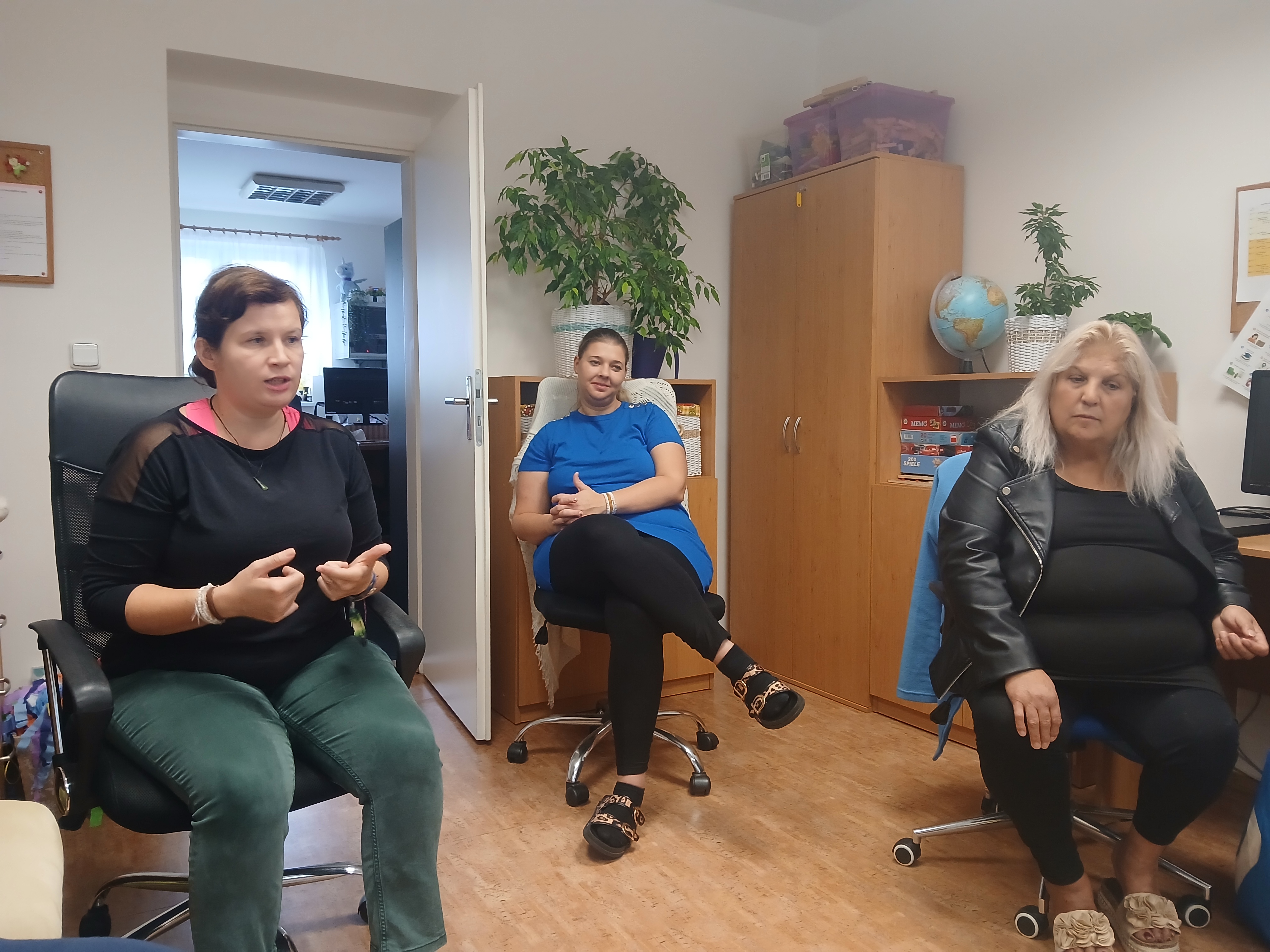
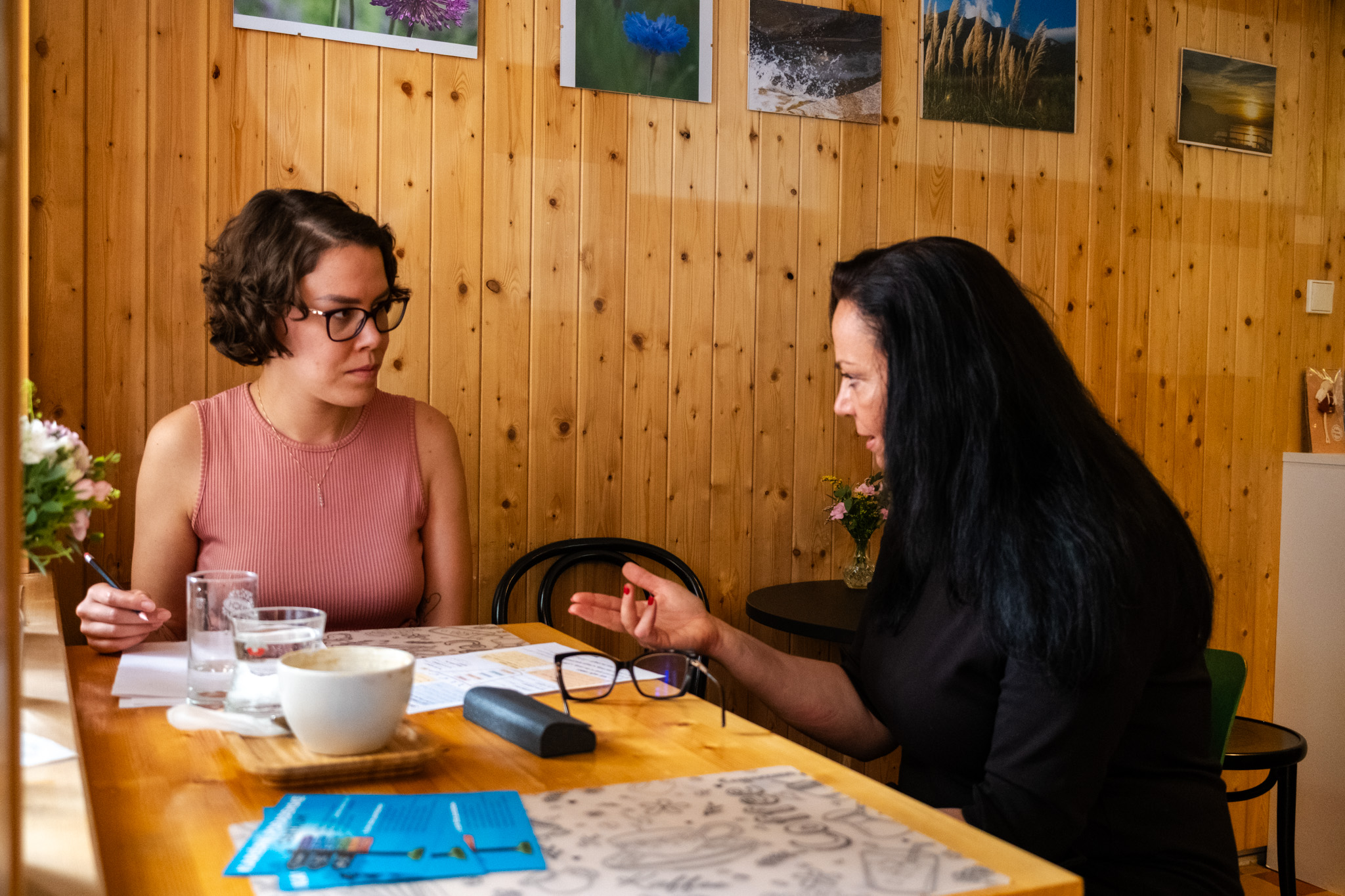
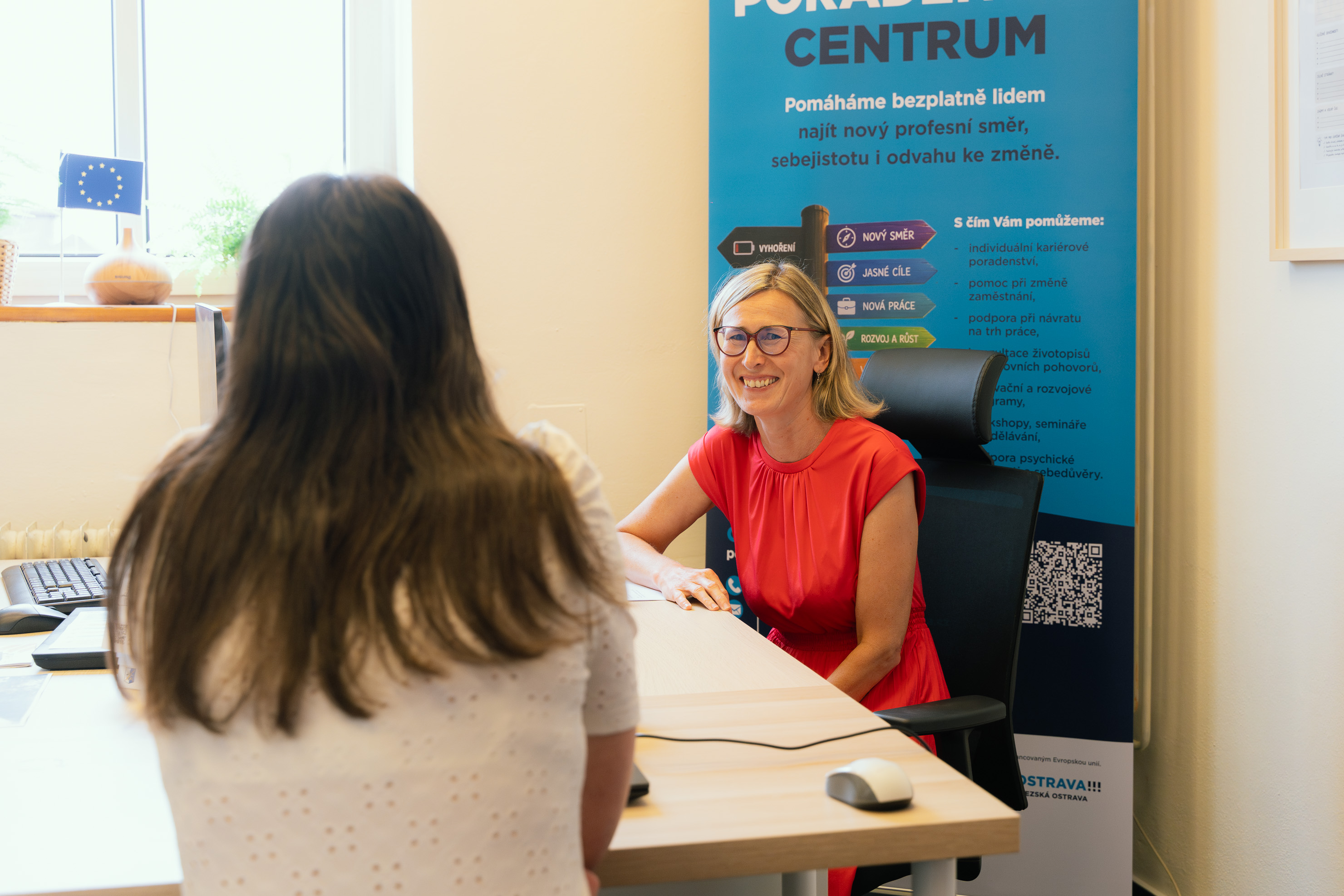
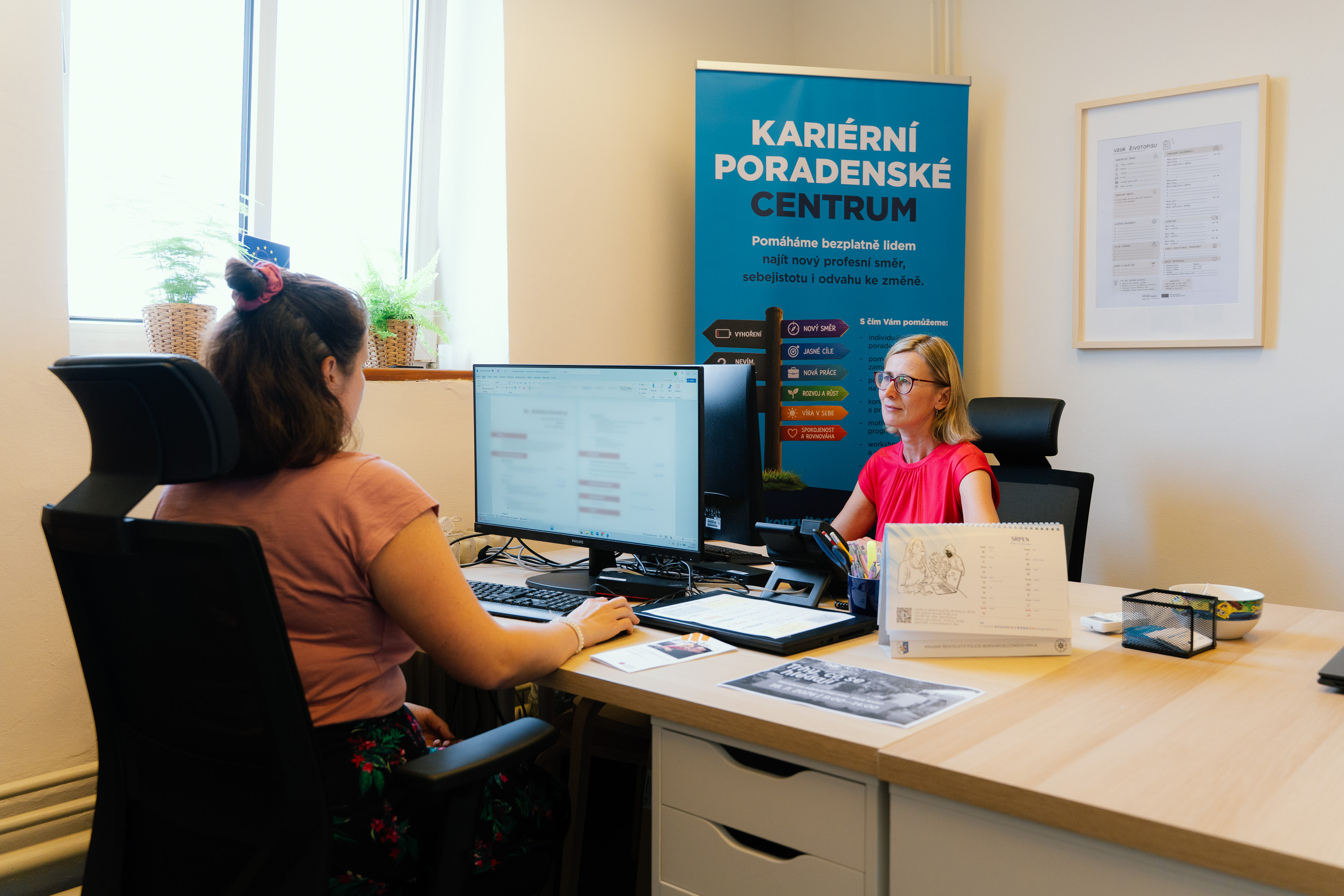
Thanks to timely adjustments based on current data, the center successfully launched its operations, and its consultants now provide individualized care to clients who genuinely need support:
Parents returning from parental leave, seeking career reorientation in the job market.
Pre-retirement individuals, for whom reskilling/up-skilling is key to maintaining employment.
Students and young adults entering the labor market.
Individuals with other forms of disadvantage and vulnerable groups, requiring a tailored approach and integration with follow-up social services.
The Paradox of Pilot Testing: What If the Crisis Returns?
The story of the center's successful startup under the SteelCityZen project presents the authors with an unexpected methodological question and food for thought.
In the current pilot phase, the center operates in a standard "mild" mode, serving a typical spectrum of citizens like any other city. However, what happens if a future crisis tied to heavy industry dependency hits post-industrial Ostrava again?
The project's intention was to build and test a resilient crisis-proof center scaled to handle sudden structural shocks. During the designated one-year pilot operation, such a massive crisis will most likely not occur, meaning the project team will not be able to test the center's full capacity under heavy stress in practice. While the status quo analysis saved the current relevance of services for the residents of Slezská Ostrava, it has simultaneously opened up a broader debate on how to evaluate the readiness and capacity of local authorities for crisis scenarios during times of relative economic stability.
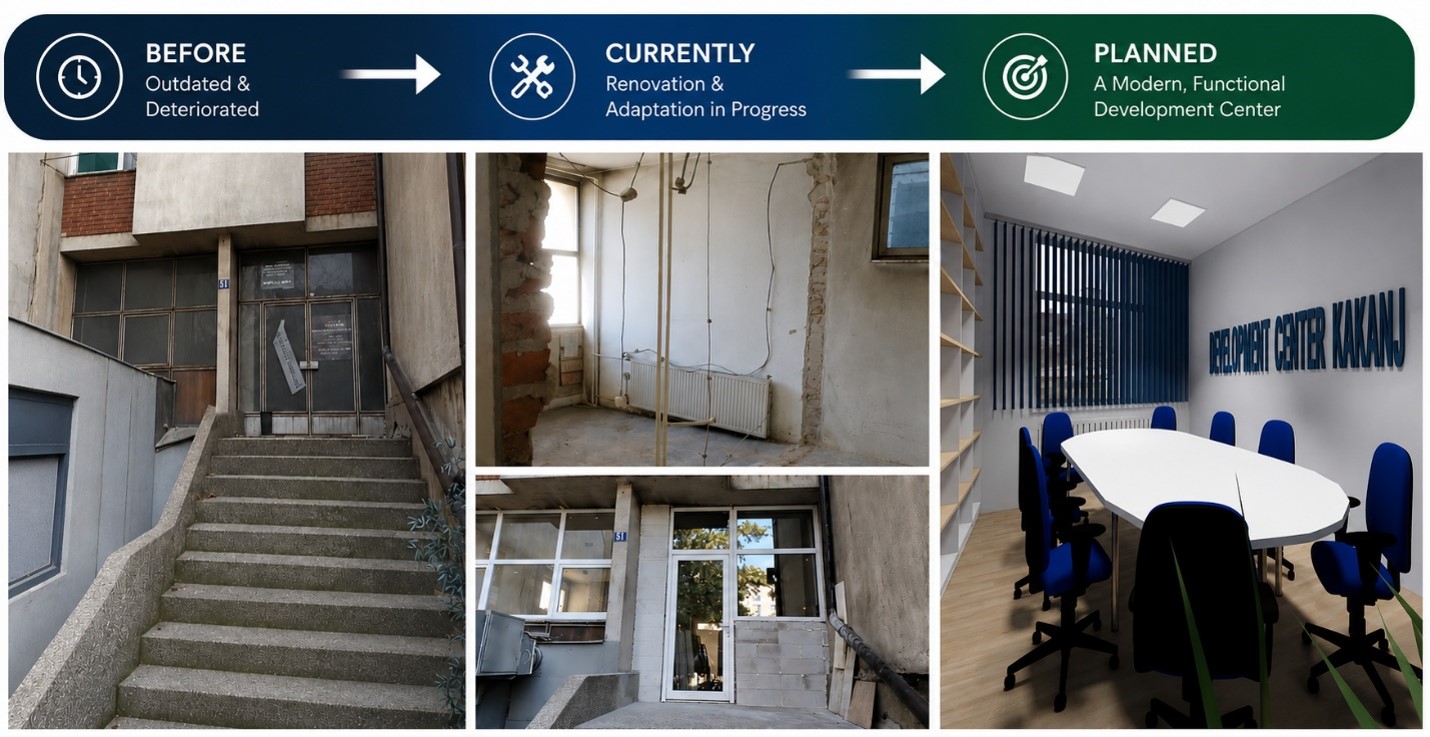
We hope that the answer to this question—or rather a simulation of a crisis scenario—could be provided by the experience of our project partners. While they are currently still preparing their physical facilities and infrastructure to offer career guidance, we hope that once their services are launched, their practical insights will bring the missing piece of the puzzle and valuable lessons for the future of Slezská Ostrava as well.

02/09/2026
By András Merza
Share on social media:



News & Events
Read the most recent updates and explore the upcoming events.




Would you like to receive project updates?
You're already part of our community!
Welcome to our newsletter community!
Subscribe to our newsletter