

More Than a Purchase: How One Municipality Turned Procurement into Social Impact
What if every euro from a public budget could do more than buy a product? What if it could also create jobs, strengthen communities, and open doors for people the labour market usually overlooks?
In the Municipality of Mala Subotica, that question stopped being theoretical. Through the Danube4SEecosystem project https://interreg-danube.eu/projects/danube4seecosystem, the municipality piloted an approach that shows public procurement can be a tool for real social change and not just a purchasing procedure.
A simple purchase, a different question
The pilot itself was modest: promotional materials and working clothes like hoodies, T-shirts, caps, flags. What made it different was the question behind it. Instead of asking only "what's the lowest price?", the municipality asked "what value does this purchase create for society?"
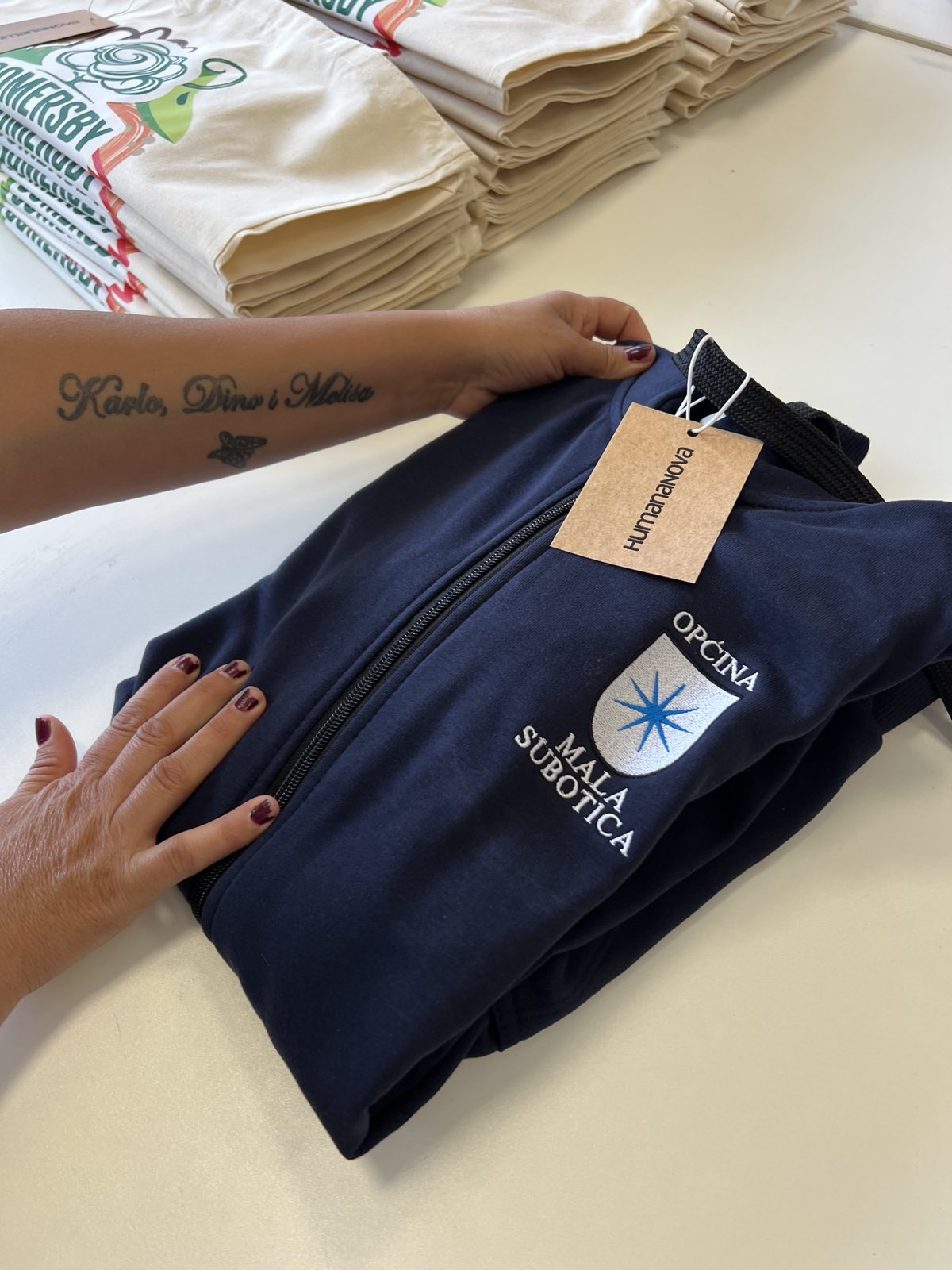
To answer that, they built social criteria into the tender. Bidders employing people with disabilities and other hard-to-employ groups earned extra points. The contract went to Social Cooperative Humana Nova, a Croatian social enterprise proving that quality textile production and meaningful employment can go hand in hand. Humana Nova champions circular economy principles and inclusive employment The cooperative transforms discarded textiles into innovative, eco-friendly products while empowering marginalized groups and individuals with disabilities through meaningful, long-term jobs.
"The value isn't only in the price"
Mirjana Sečan, Senior Associate for Property and Legal Affairs at the Municipality and the person who ran the process, says the real shift wasn't procedural but it was a change in perspective.
"We learned that the value of procurement doesn't depend only on the price of what you buy. It depends on the value that procurement creates for society as a whole."
With guidance from Public Institution REDEA and ACT Group, municipal staff discovered that socially responsible procurement doesn't require new procedures because the tools already exist within current legislation.
"People often think this is complicated," Sečan explains. "But once you understand your community and know what challenges you want to address, the process itself isn't much different. The key is taking the time to think differently."
From pilot to practice
Market research shifted too, not just chasing the lowest bid, but asking who makes the product, how, and what it means beyond the contract. Humana Nova became proof that social value and product quality aren't a trade-off.
Mala Subotica isn't treating this as a one-off. "We don't want this to be something we did once, photographed, and forgot about," Sečan says. "We want it to become part of how we work." Staff are already scoping how to apply social criteria to larger procurements and sharing what they've learned with other municipalities.
Her advice to others starting out is simple: "Every community has different challenges. What works in one place may not work somewhere else. The important thing is to know your community, understand its needs, and ask what you can do to improve people's lives."
It's an extension of something Mala Subotica already practices - local associations use municipal facilities free of charge, and community initiatives are actively encouraged. Now that same spirit runs through public spending too.
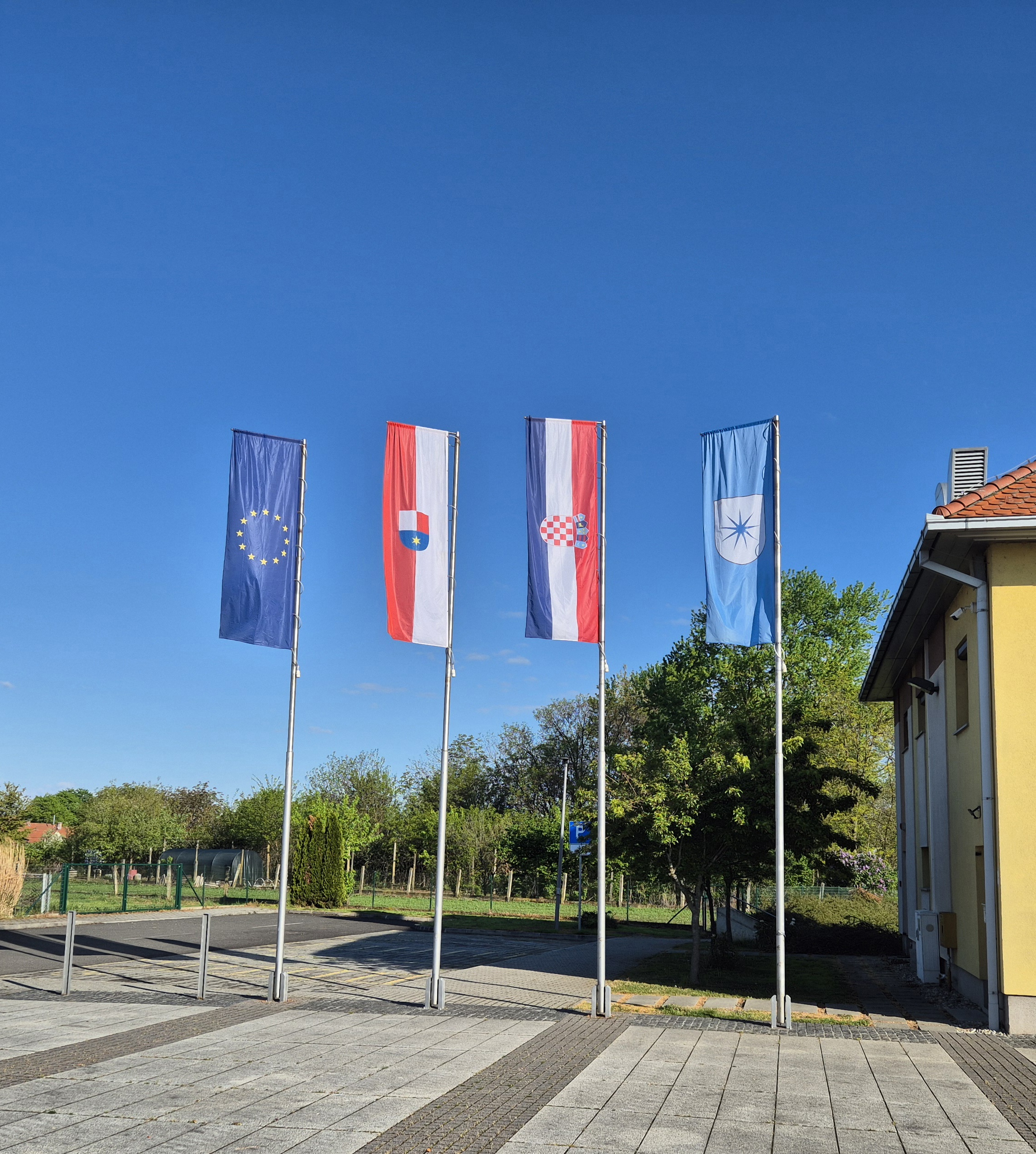
Today, flags made by Humana Nova fly beside the Municipality building, and staff wear hoodies from the same order - a small, visible reminder of a bigger idea: public money can do more than buy things.
Sometimes change starts with a different question. Not how much can we save? But how much richer can our community become because of how we spend?

08/07/2026
By admin 2
Share on social media:



News & Events
Explore our upcoming events and read news regarding our programme and project activities.

Would you like to receive programme updates?
You're already part of our community!
Welcome to our newsletter community!
Subscribe to our newsletter