

What Five Villages Asked of Architecture
A semester behind one week
Five settlements. More than 40 architecture students. One week to turn a semester of ideas into something people could actually use.
In Hungary’s Ipoly Valley, the Danube Ruralscapes Building Camp did not begin with construction.
It began months earlier during a semester-long design course in which architecture students worked with local communities in Perőcsény, Bernecebaráti, Kemence, Tésa and Vámosmikola.
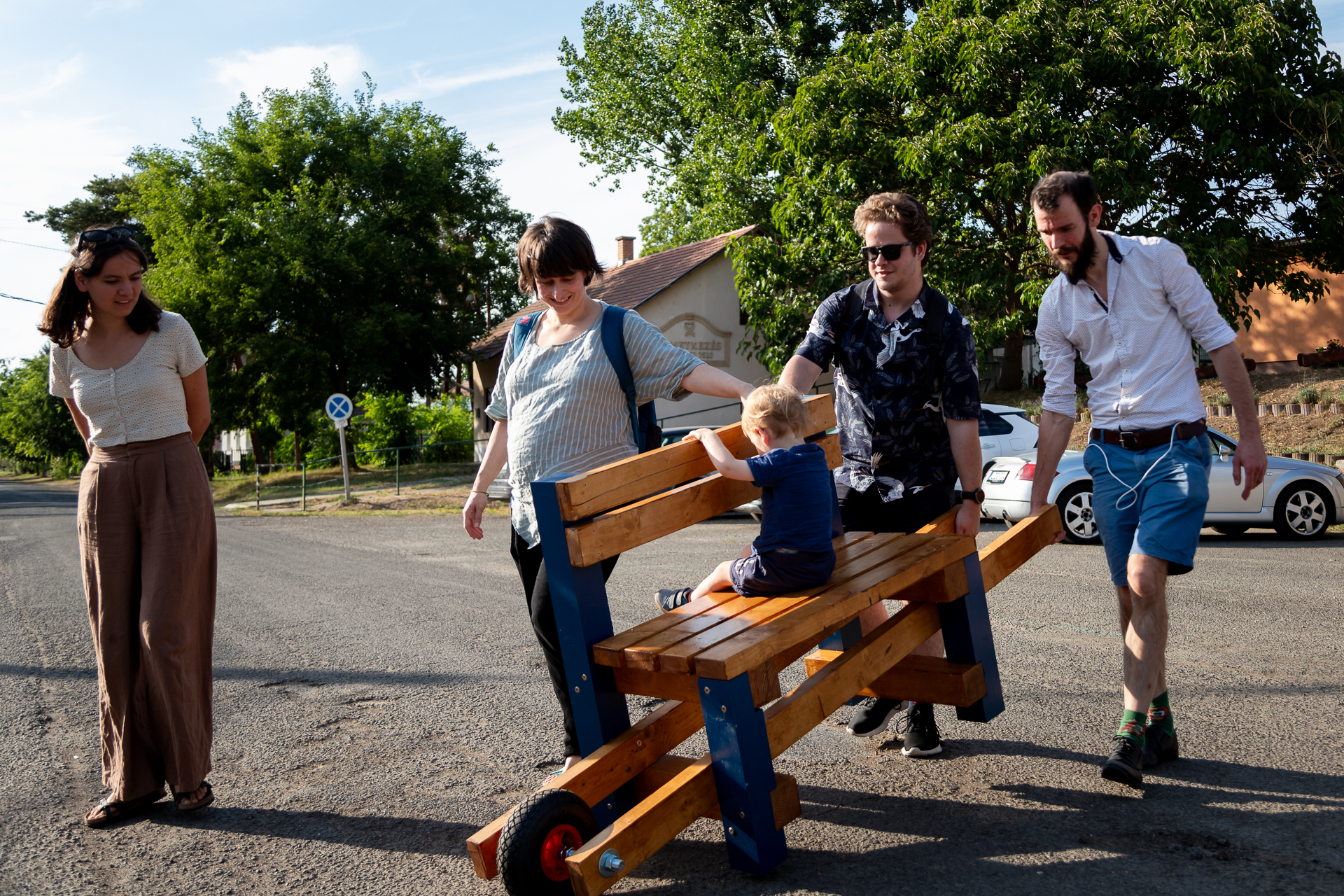
Across the five settlements, they explored local needs alongside the way public spaces are used, the surrounding landscape and local heritage. Those encounters became the starting point for outdoor furniture and installations developed in response to each village.
Then, from 6 to 12 July, their drawings left the page.
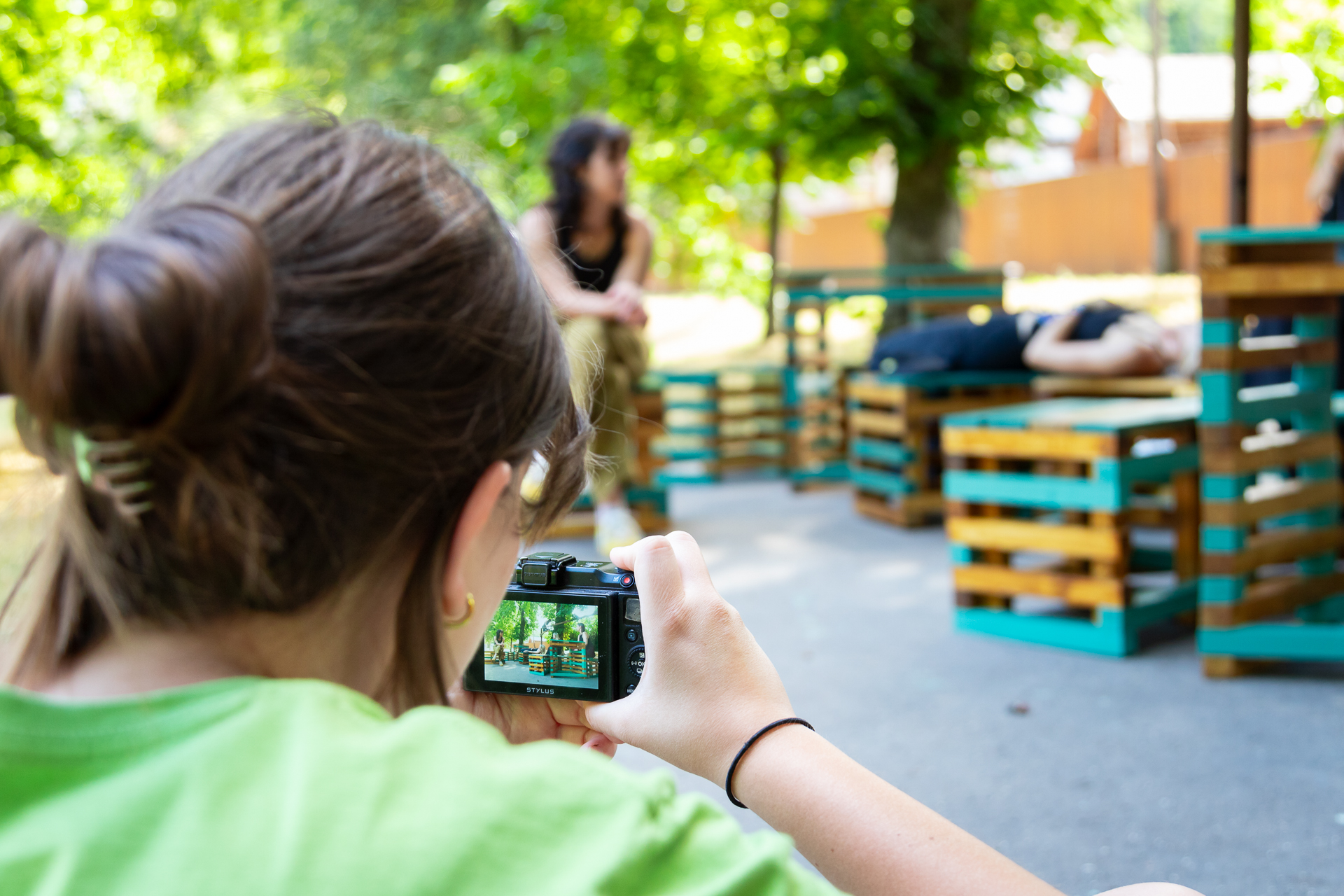
Photo credit: Bence Tóth (KépKocka)
Five places, five solutions
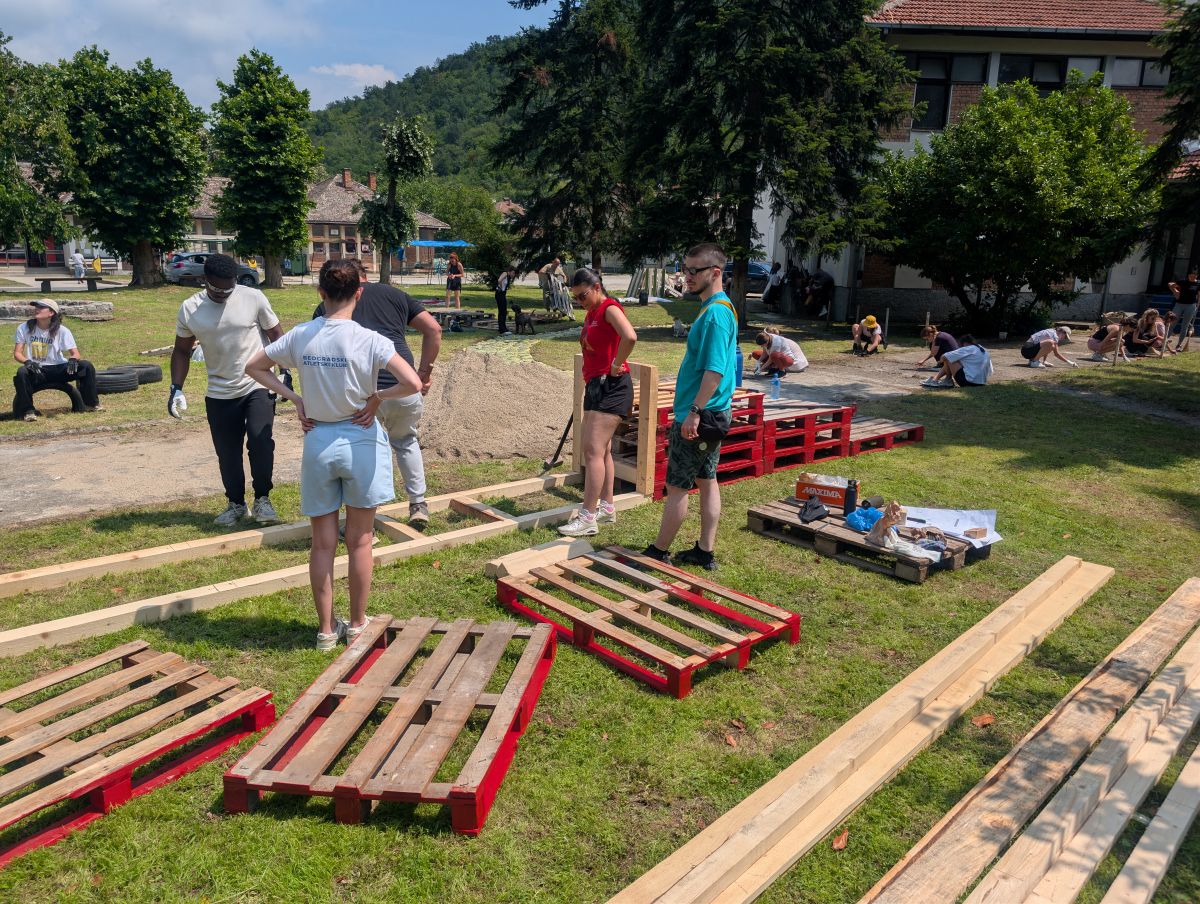
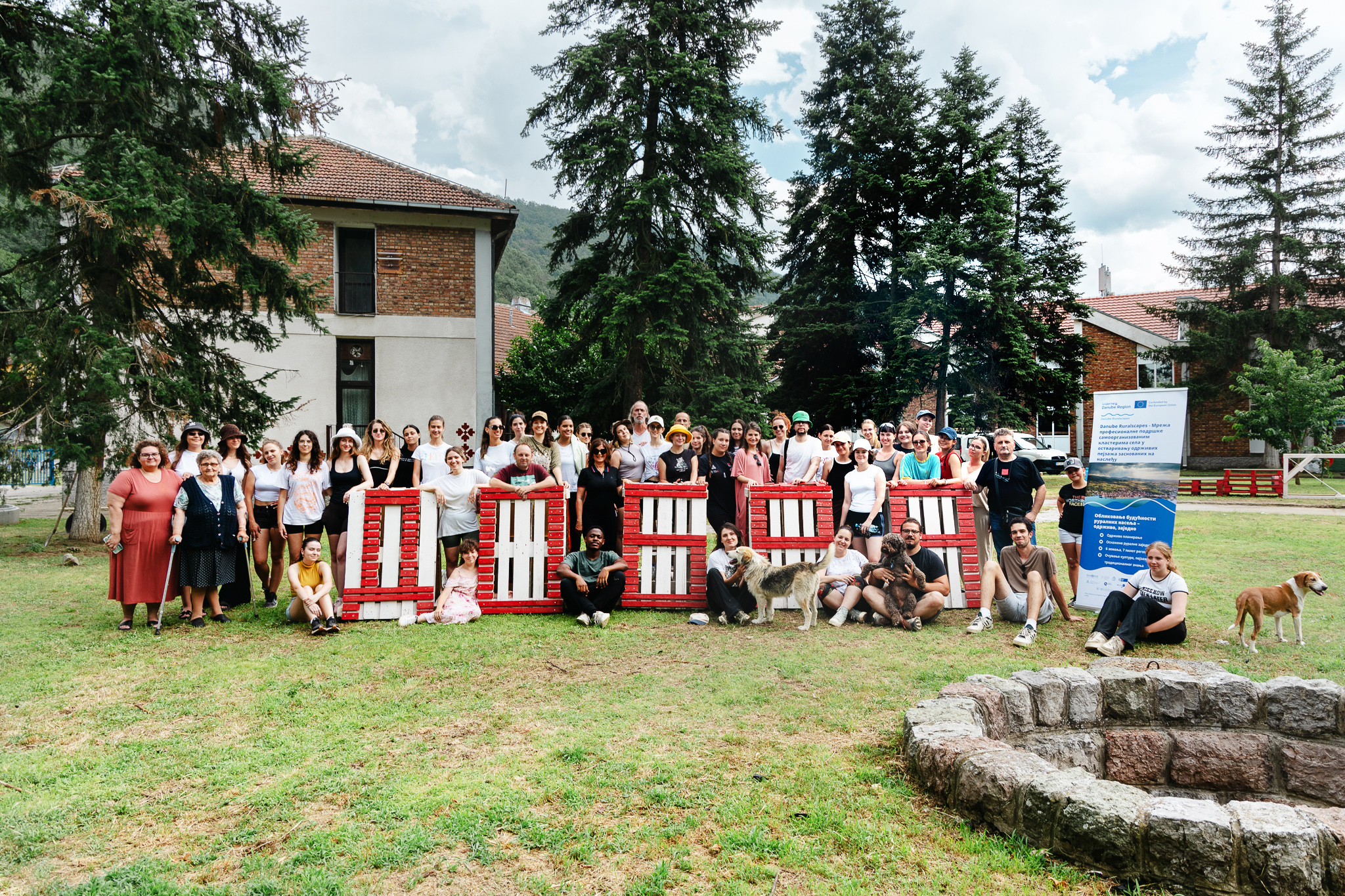
Around 40 students came this summer to the Hungarian Pilot Region to turn their designs into physical interventions.
There was no single solution to repeat from place to place. The outdoor furniture and installations translated local knowledge and community needs into place-specific architectural responses, shaped by the context and character of each settlement.
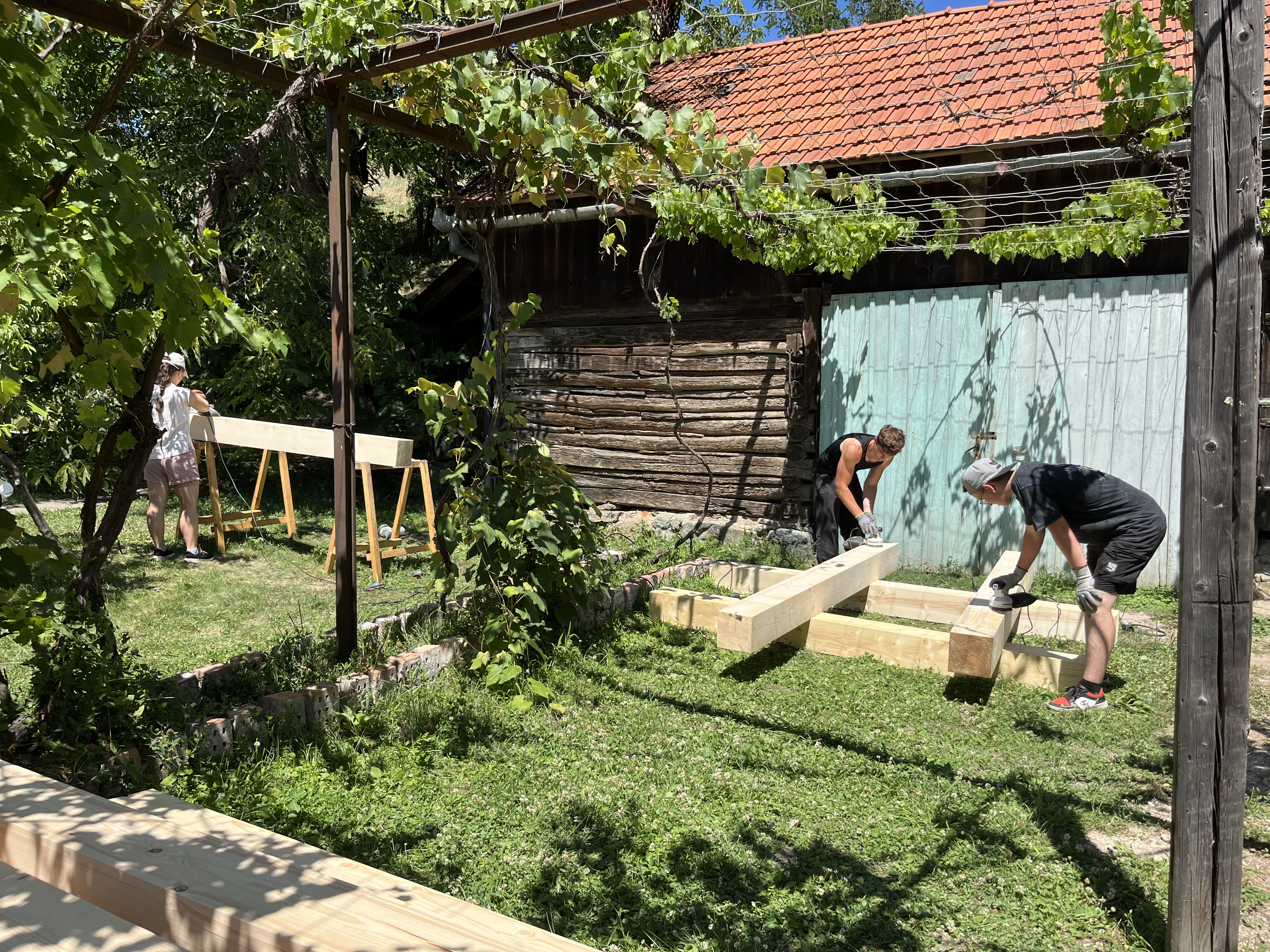
Over the course of the Building Camp, the students constructed the interventions on site, taking their work from planning to making.
The completed projects created new places for meeting, resting and community activities.
Small in scale, they translated a semester of work into tangible changes in shared public space.
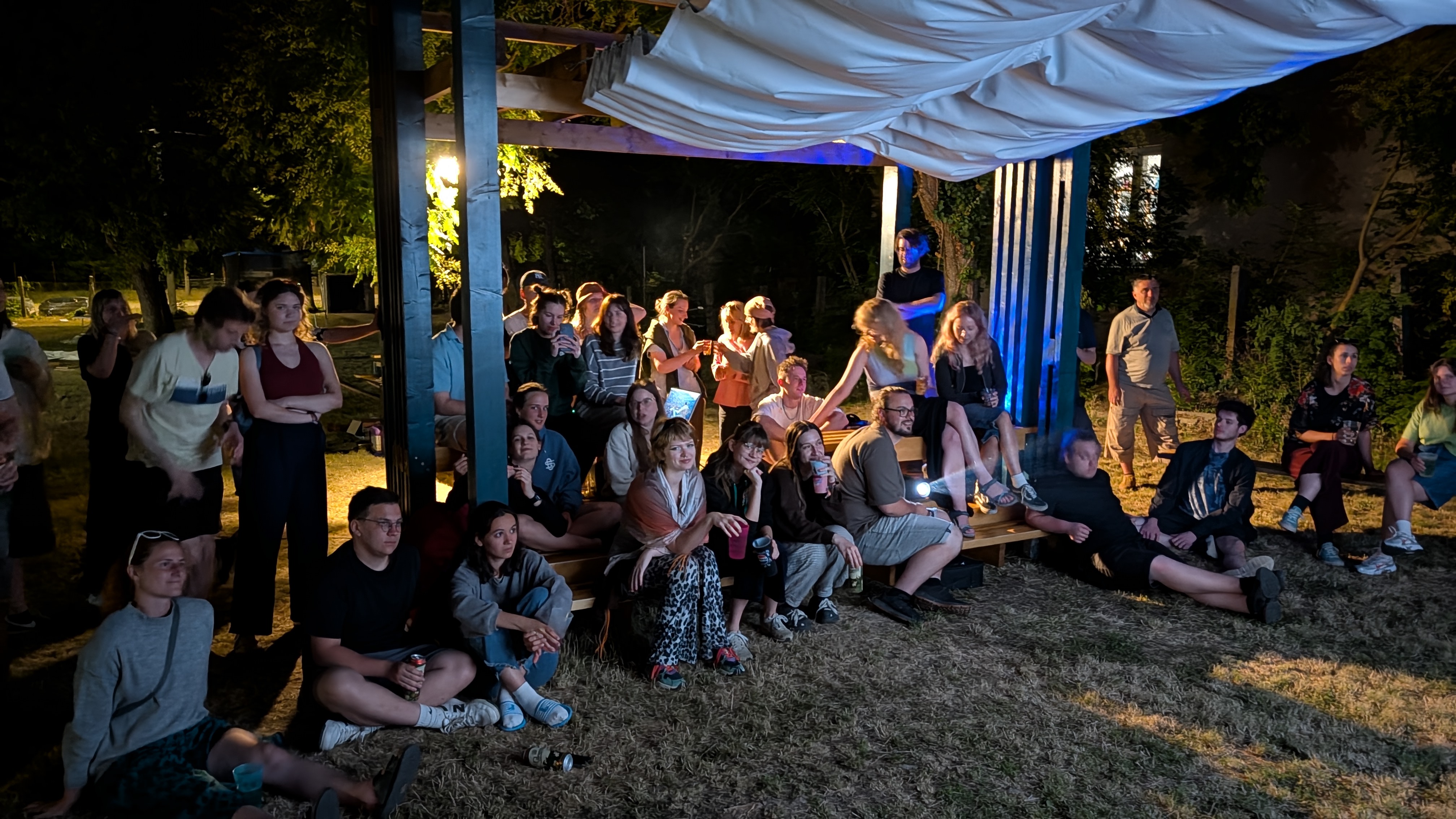
Photo credit: Bálint Kádár, BME
From building to everyday life
The week did not finish simply with completed installations.
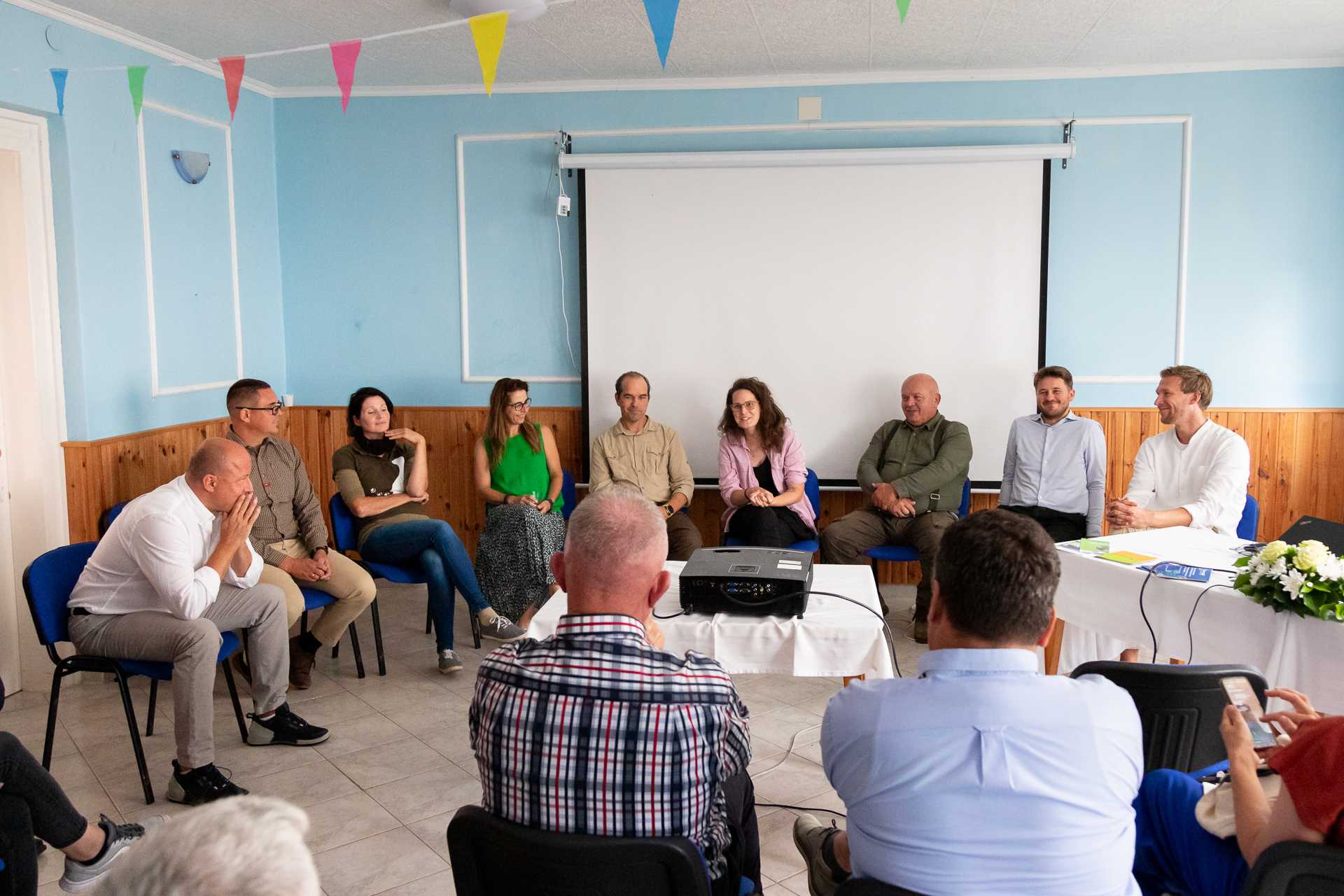
Handover events around the new spaces created further opportunities for local exchange and engagement, bringing the interventions into the everyday life of the communities.
What students had designed and built could now begin its next life: being used by the communities it was created with.
The building took one week.
The process took a semester.
What happens next belongs to the communities.
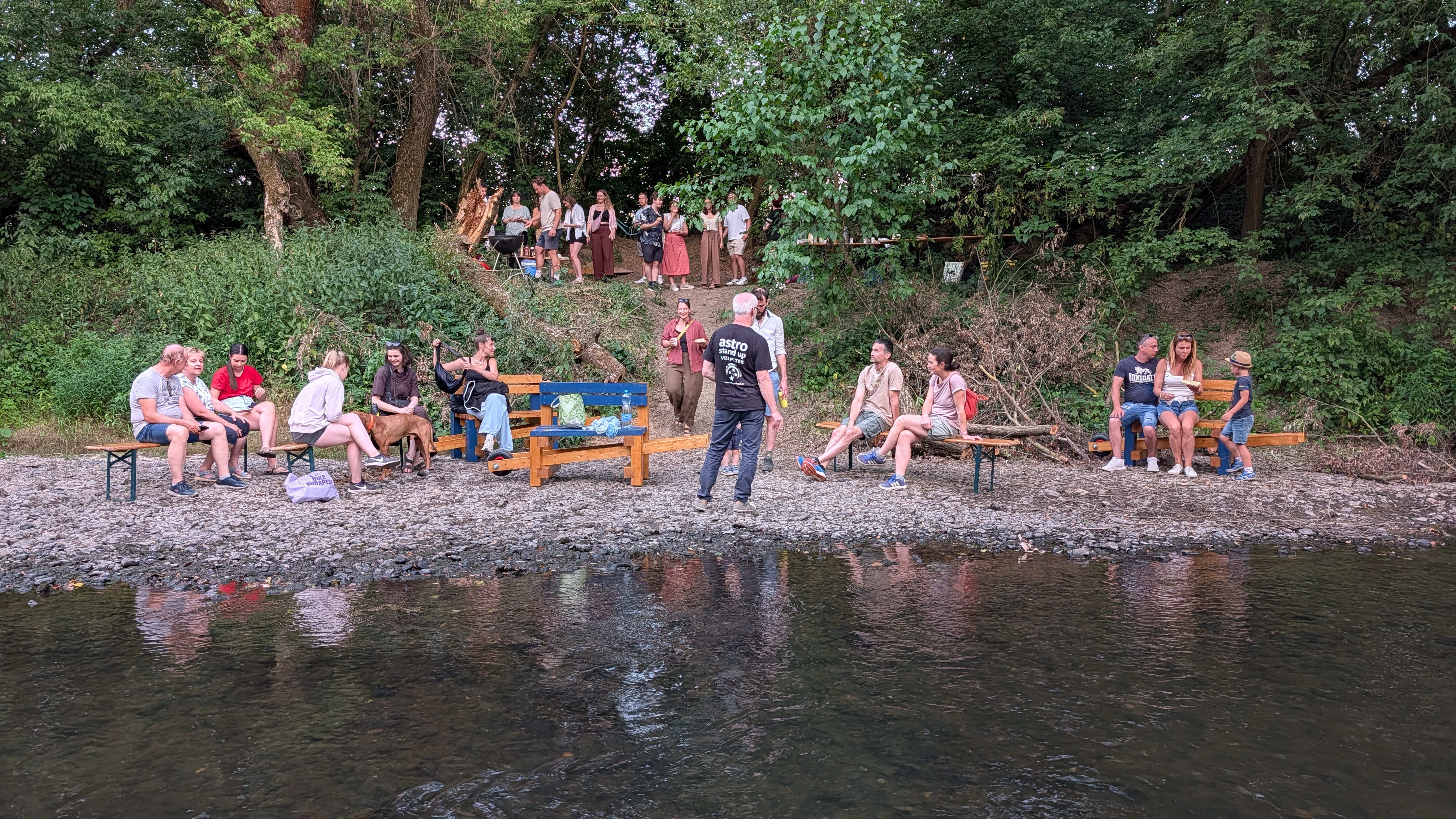
Photo credit: Bálint Kádár, BME
Acknowledgements
The Danube Ruralscapes Building Camp in the Hungarian Pilot Region was organised by the Budapest University of Technology and Economics, Faculty of Architecture (BME), Hungarian Contemporary Architecture Centre (KÉK) and Pest County Municipality (PCM) as part of the Danube Ruralscapes project.
The interventions were realised through the dedication of more than 40 students, teachers, mentors and local communities across the Hungarian Pilot Region.
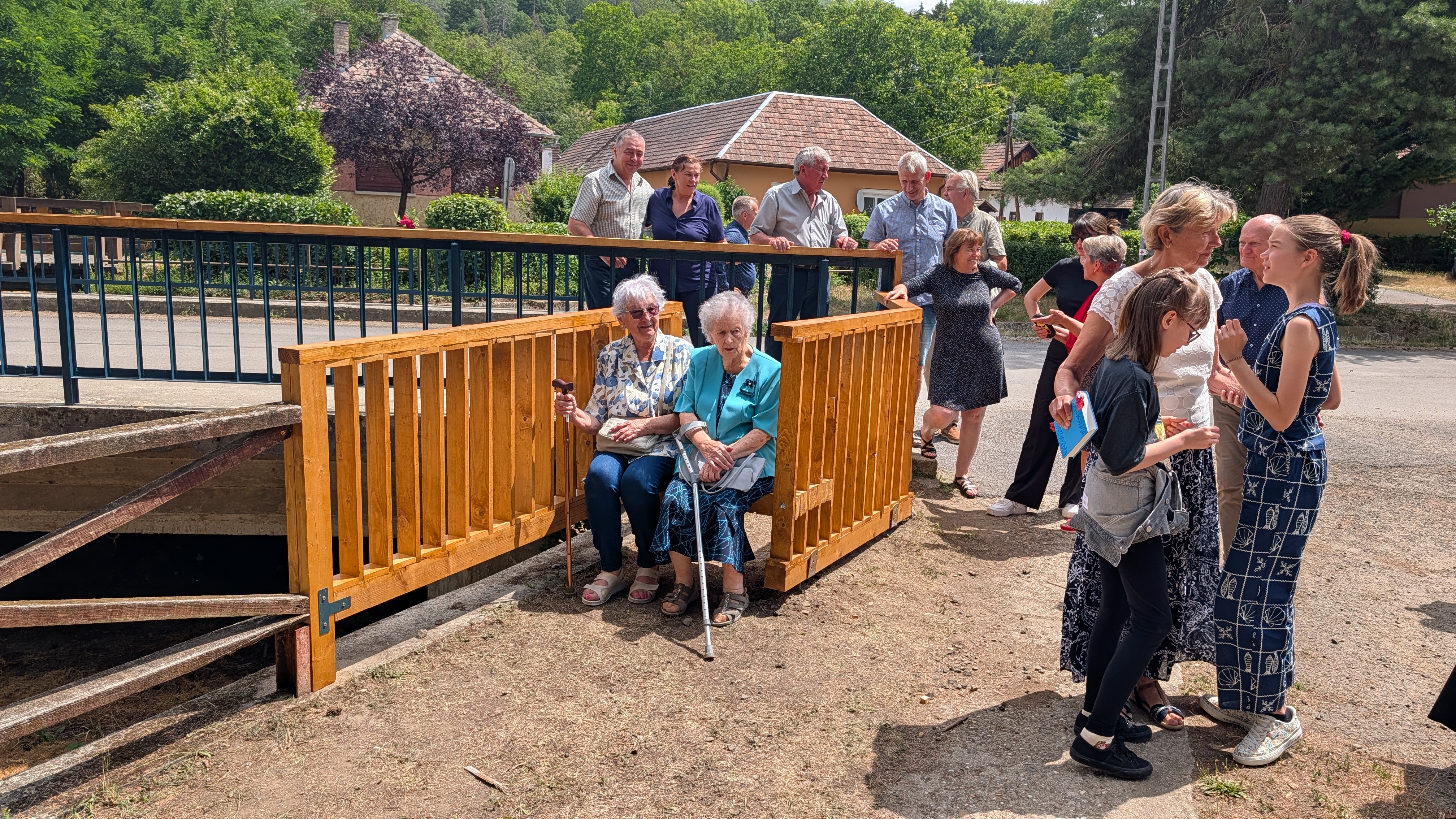
Photo credit: Bálint Kádár, BME

13/08/2026
By Desislava Mincheva-Yordanova
Share on social media:


Cooperation

News & Events
Read the most recent updates and explore the upcoming events.


Would you like to receive project updates?
You're already part of our community!
Welcome to our newsletter community!
Subscribe to our newsletter