

Danube Ruralscapes: From Rural Heritage to Regional Priorities
From Village Landscapes to the Regional Agenda
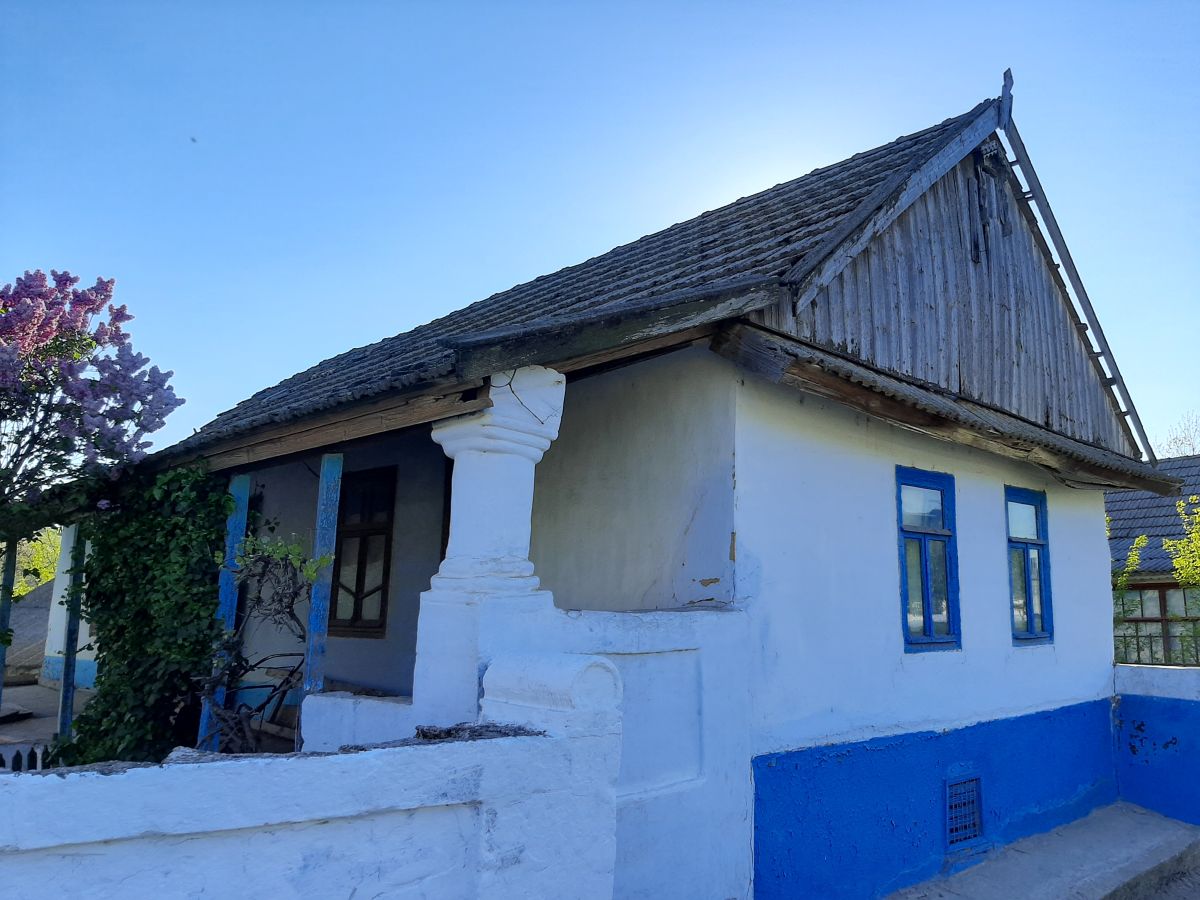
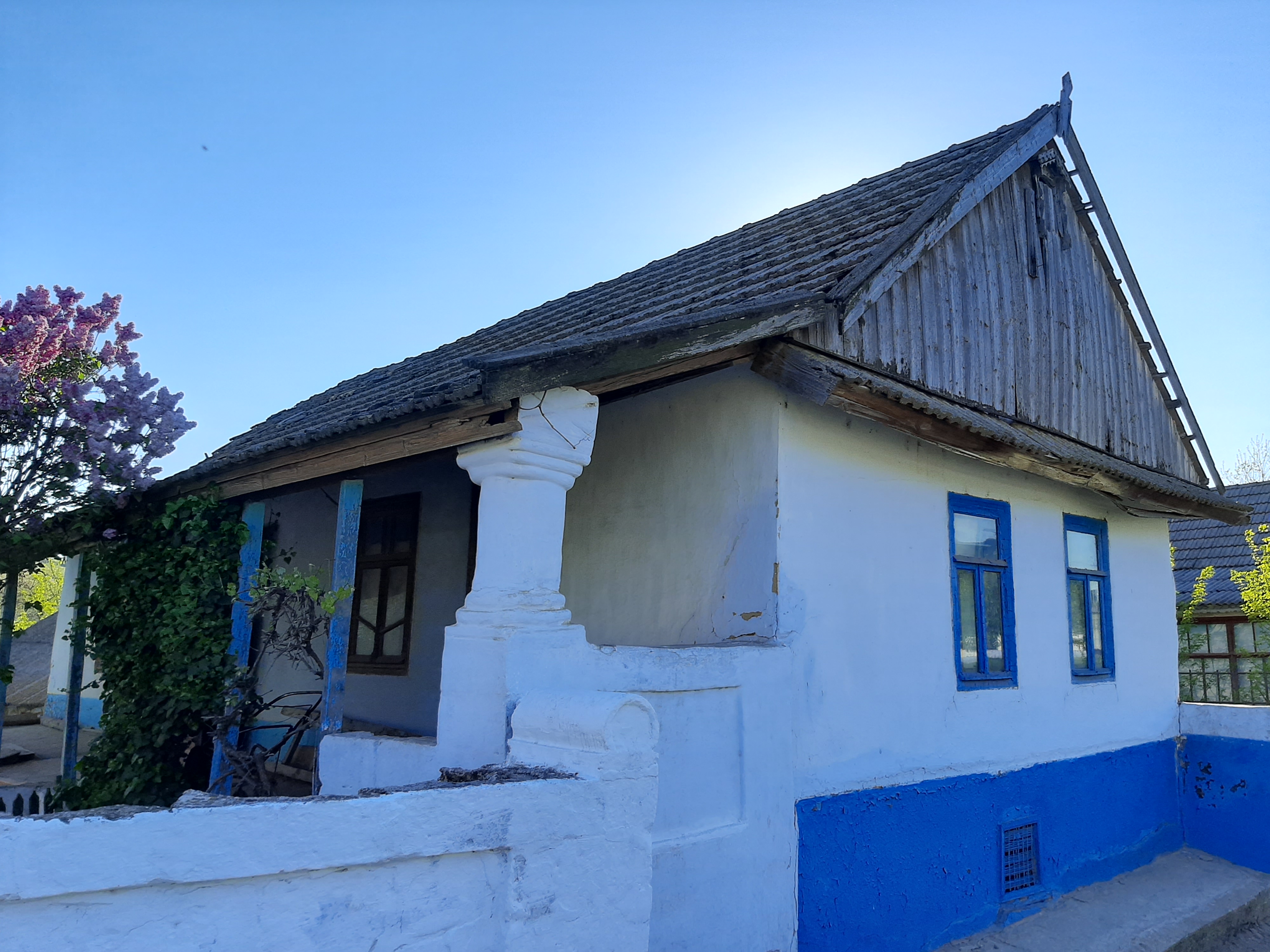
A village house built with materials gathered nearby. A landscape shaped by generations of farming. A construction technique passed from one craftsperson to another.
These are not usually the first things that come to mind when discussing regional strategies. Yet they tell us a great deal about the places those strategies are intended to serve.
How can rural communities respond to change without losing the knowledge and character that make their places distinctive?
This question was at the heart of Danube Ruralscapes' presence in Sofia, where events connected with the EU Strategy for the Danube Region (EUSDR) brought together policymakers, civil society organisations, researchers and project representatives from 2 to 4 November 2026.
The project was represented through the distinct contributions of our two Bulgarian partners. National Tourism Cluster "Bulgarian Guide" (NTC BG), the project's Communication Lead, participated in Danube Participation Day and AGORA, the EUSDR Priority Area 3 "Culture and Tourism" Steering Group meeting, and the International conference on tourism innovation.
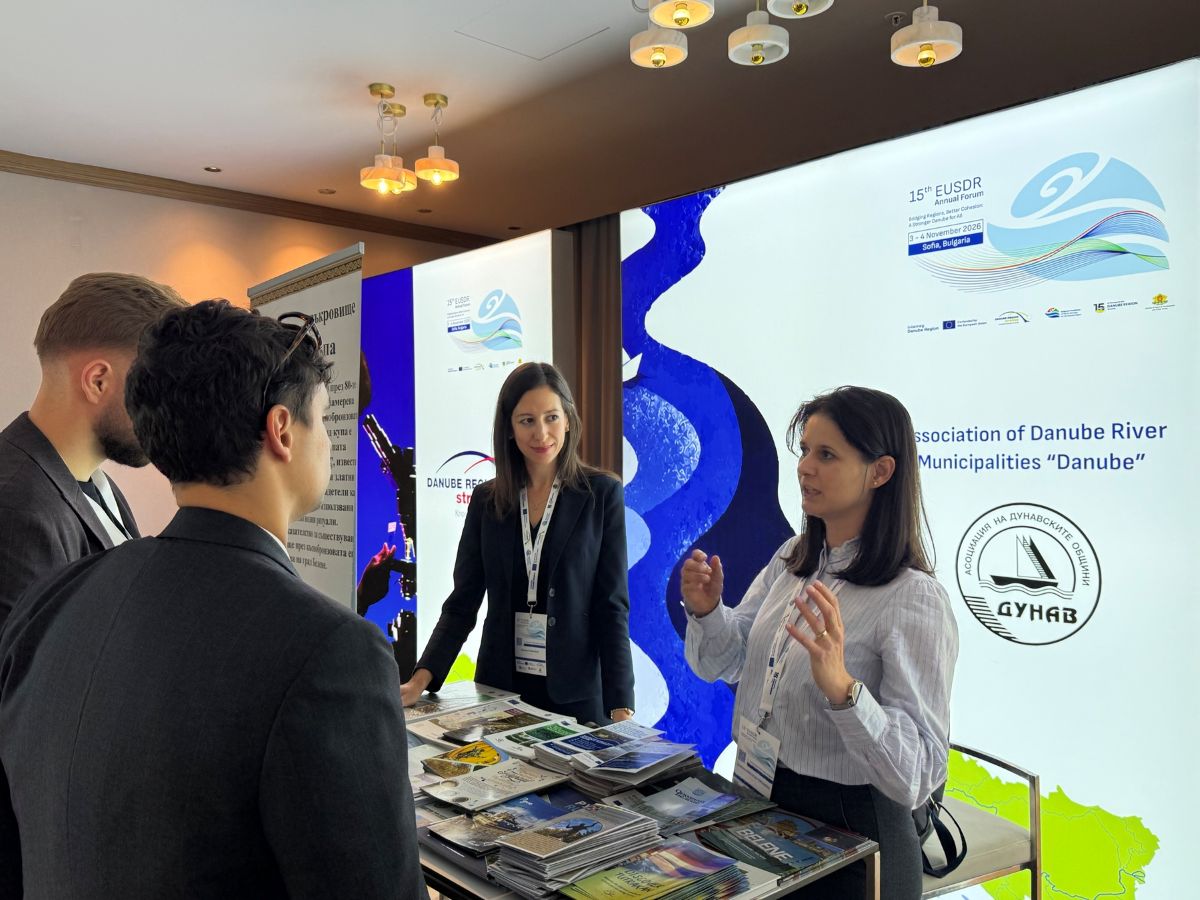
Meanwhile, the Association of Danube River Municipalities “Danube” (ADRM) showcased Danube Ruralscapes at its stand in the Danube Village exhibition during the 15th EUSDR Annual Forum.
Together, these activities connected the project's work on rural architectural and landscape identity with broader discussions about the future of the Danube Region.
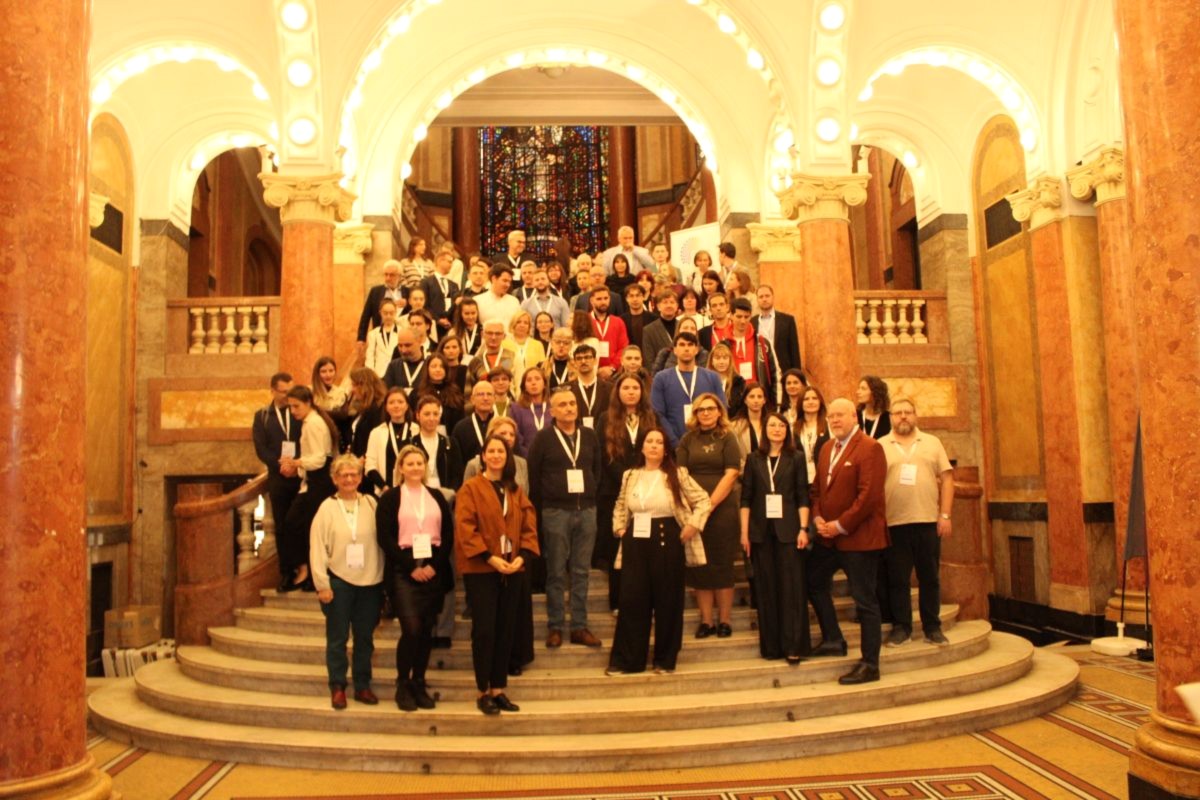
2 November | Danube Participation Day and AGORA: Bringing Rural Places into the Participation Debate
The 13th Danube Participation Day opened the programme on 2 November, bringing civil society organisations and regional stakeholders together to explore participation in the Danube Region's development.
NTC BG represented Danube Ruralscapes at the event, where the project was featured in both the physical exhibition and Online AGORA.
A dedicated roll-up introduced its work in seven pilot microregions across six countries, while the digital participation space offered another way for visitors to discover the project's objectives and activities.
The setting was particularly relevant to Danube Ruralscapes. Rural architecture is not only a matter of construction techniques or building materials. It also reflects local practices, resources and decisions made over generations.
Understanding this relationship between people and places is an important starting point for supporting communities as they consider future changes to their built environment.
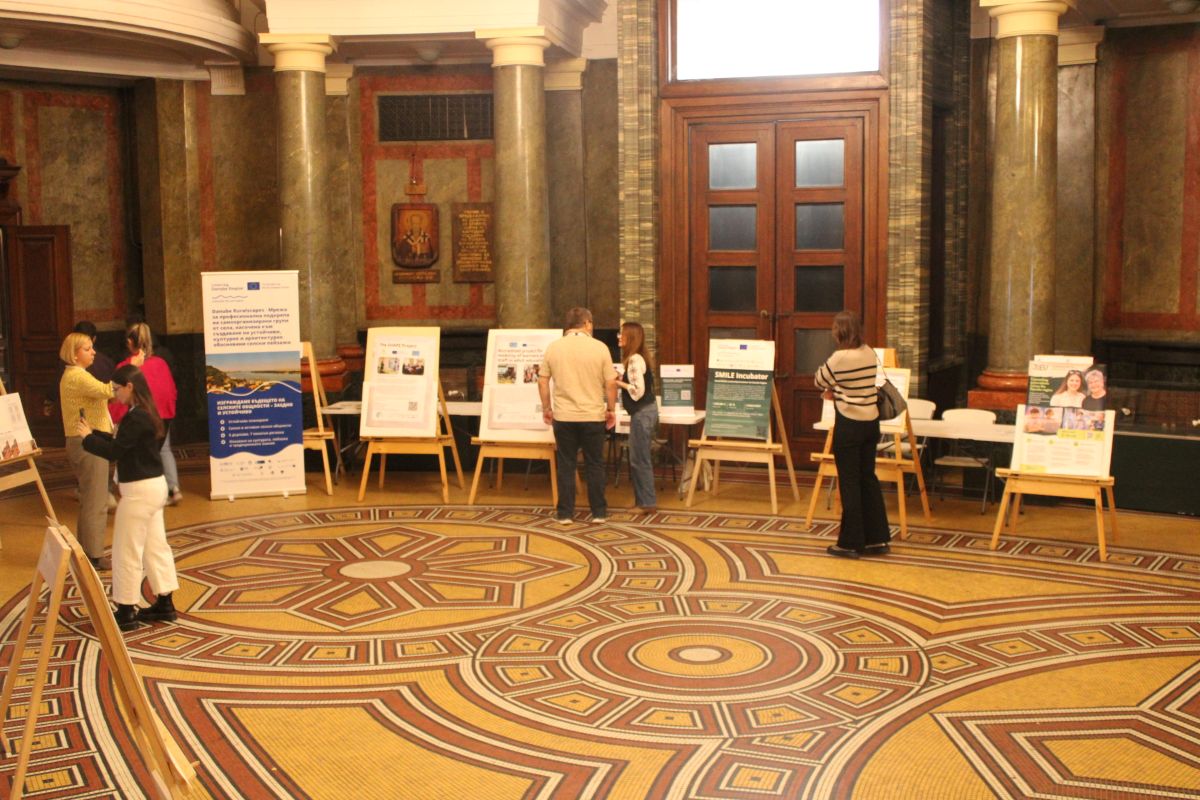
2 November | At the PA3 Steering Group: What a Decade of Cooperation Has Taught Us
Later that day, NTC BG took part in the Steering Group meeting of EUSDR Priority Area 3 "Culture and Tourism", bringing experience from nearly a decade of cooperation across the Danube Region.
Mrs. Mincheva's presentation, "Connecting Rural Heritage, Local Communities and Sustainable Tourism in the Danube Region: What a Decade of Danube Cooperation Has Taught Us," traced the connections between DANUrB (2017-2019), DANUrB+ (2020-2022) and two ongoing projects, Danube Ruralscapes and PlaceCRAFT (2025-2027).
Rather than presenting these initiatives as isolated activities, Mrs. Mincheva examined what successive projects have learned about working with heritage and local communities.
One question stood out:
What can communities take forward when a project ends?
The presentation introduced Danube Ruralscapes and PlaceCRAFT as two projects capitalising on the achievements of the DANUrB cooperation network, but pursuing different, yet connected, approaches.
Danube Ruralscapes focuses on rural architectural and landscape identity, traditional building knowledge, practical guidance and local capacity-building. PlaceCRAFT explores cultural placemaking, community-led experiences and connections with sustainable tourism.
The distinction matters. Not every heritage project needs to become a tourism initiative, and not every community faces the same challenges.
What connects the two projects is the recognition that local knowledge and community involvement are essential if cooperation is to produce results that remain useful beyond the project period.
For NTC BG, the Steering Group meeting offered an opportunity to share these lessons within the EUSDR's wider discussions on culture, tourism and regional development.
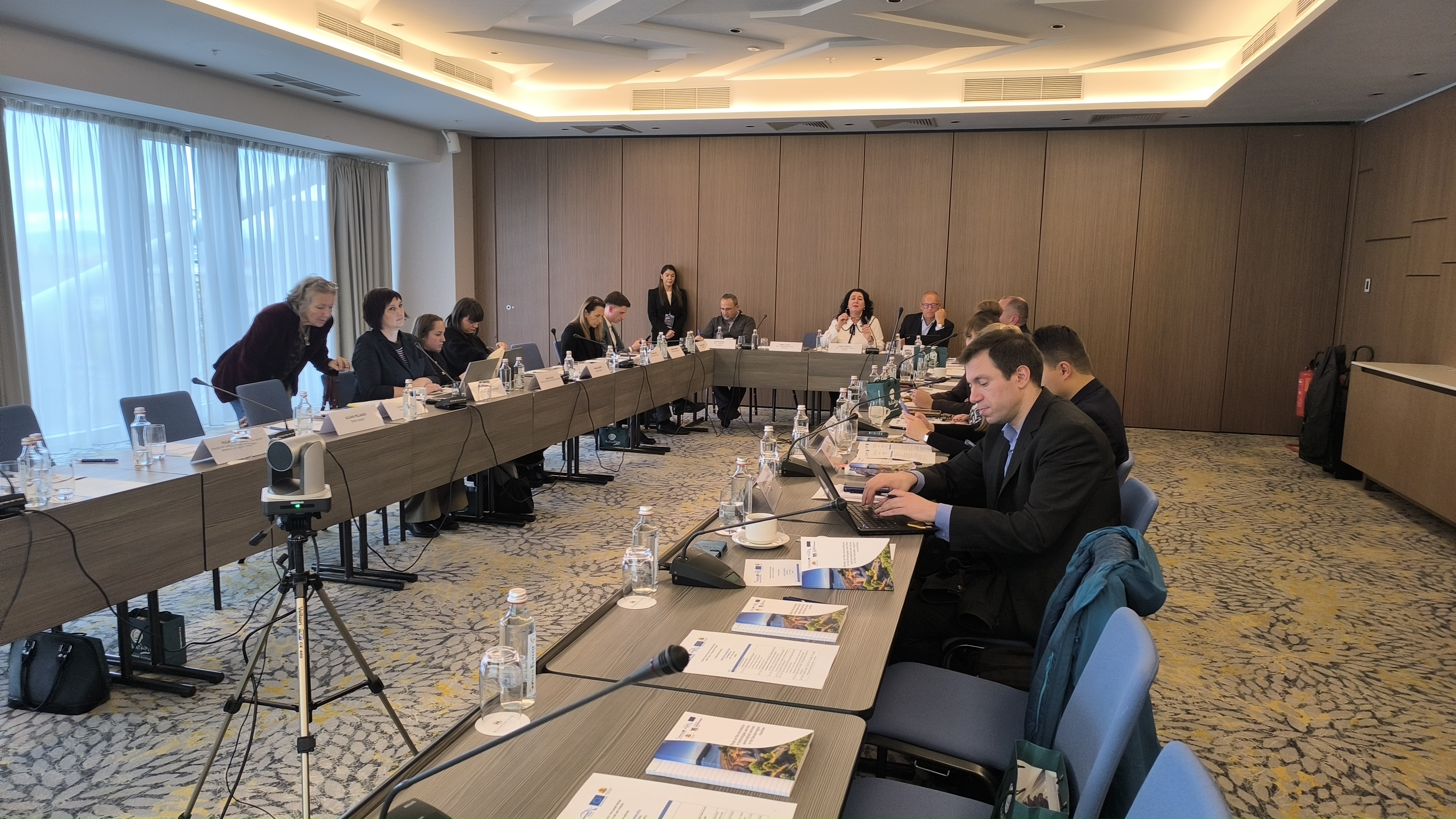
3-4 November | At the Annual Forum's Danube Village
The 15th EUSDR Annual Forum, held under the theme "Bridging Regions, Better Cohesion: A Stronger Danube for All," brought regional cooperation into focus on 3-4 November.
Alongside the Forum's discussions, the Danube Village provided an exhibition space for EUSDR Priority Areas and projects working across the region.
Here, ADRM showcased Danube Ruralscapes at its information stand, introducing visitors to the project's objectives and activities.
A representative of NTC BG also joined colleagues at the stand, introducing Danube Ruralscapes to Interreg volunteers and exchanging views with other participants.
The conversations brought broad questions of development closer to the realities of rural places: the value of traditional construction knowledge, the character of village landscapes and the choices communities face when adapting existing buildings to new needs.
The Forum also provided an opportunity to reconnect with colleagues and partners, including a representative of the DANUrB International Association (DIA), an associated partner of Danube Ruralscapes.
Such encounters are valuable because they allow people working in different fields to connect the project's ideas with places and challenges they recognise from their own experience.
4 November | Beyond Sightseeing: The Value of Living Heritage
On 4 November, the international conference "Tourism, Innovations and Personalized Services in the Danube Region," held within EUSDR Priority Area 3 "Culture and Tourism," explored how technology, personalisation and authentic cultural experiences are reshaping tourism.
Opening the conference, Prof. Mariela Modeva, Bulgaria's Deputy Minister of Tourism, highlighted the importance of authentic experience, while Prof. Preslav Dimitrov presented research on technological innovation and personalised tourism services, developed in cooperation with the Bulgarian Ministry of Tourism.
But beyond technology lay another question: what makes a place worth discovering?
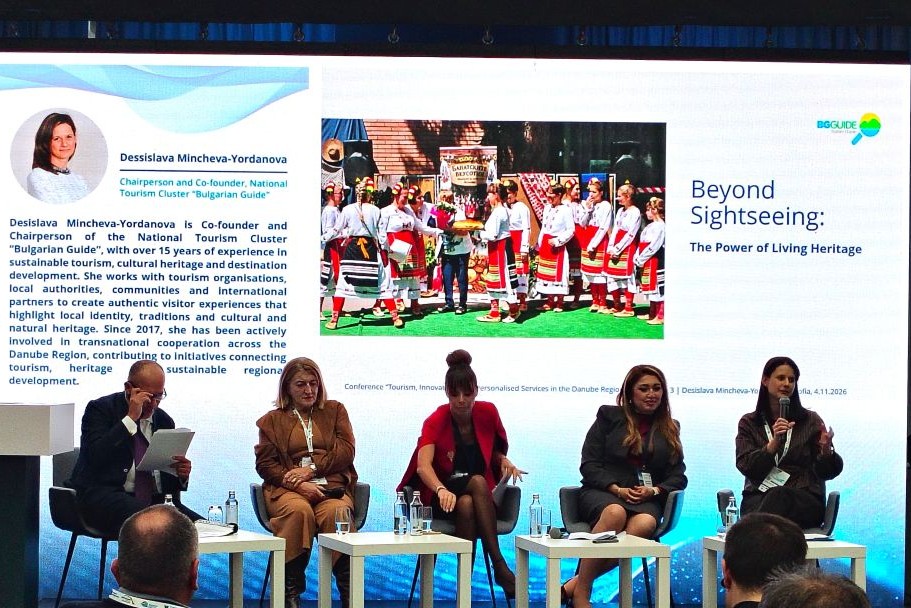
Mrs. Desislava Mincheva from NTC BG, addressed this question in the panel "Cultural Experiences: Bringing the Danube Region's Heritage to Life" with her presentation "Beyond Sightseeing: The Power of Living Heritage."
Drawing on experience from DANUrB, DANUrB+, Danube Ruralscapes and PlaceCRAFT, she presented NTC BG Guide's concept of the "seeking tourist" - a traveller searching for authentic experiences through local people, stories, traditions and everyday life.
She also showcased Danube Ruralscapes and its thematic booklets under development, which draw on research into rural architectural identity, traditional building materials and construction techniques to make local heritage knowledge more accessible. Excerpts from the DANUrB+ documentary Eyes of the Danube brought the region's landscapes and local voices into the discussion.
While this knowledge can enrich cultural tourism, Danube Ruralscapes is not primarily a tourism project. Its focus is on understanding rural heritage and developing practical guidance and local capacities to support decisions about its future.
Authenticity cannot simply be created for visitors. It begins with the character of a place and the people who sustain it.
The Danube's Future Is Also Written in Its Villages
The Sofia events brought Danube Ruralscapes into discussions on participation, regional cooperation, heritage and tourism. But the questions raised there are far from abstract.
They concern villages where an old house needs a new purpose, traditional building skills are becoming harder to find, or development brings choices that cannot easily be reversed.
Consider a village building in need of renovation. Should its original materials be retained? Which traditional techniques remain suitable, and how can they be combined with contemporary requirements? These are the kinds of practical questions that give the project's work on rural architecture and local building knowledge its relevance.
Across seven pilot microregions in six countries, Danube Ruralscapes is studying architectural and landscape identity, traditional materials and construction techniques, with the aim of developing guidance and strengthening local capacities.
Regional strategies can establish priorities and encourage cooperation. Their relevance is ultimately tested in places where decisions about buildings, landscapes and local heritage are made.
The future of the Danube Region will also be shaped by what happens in its villages.
Danube Ruralscapes is co-funded by the European Union through the Interreg Danube Region Programme.
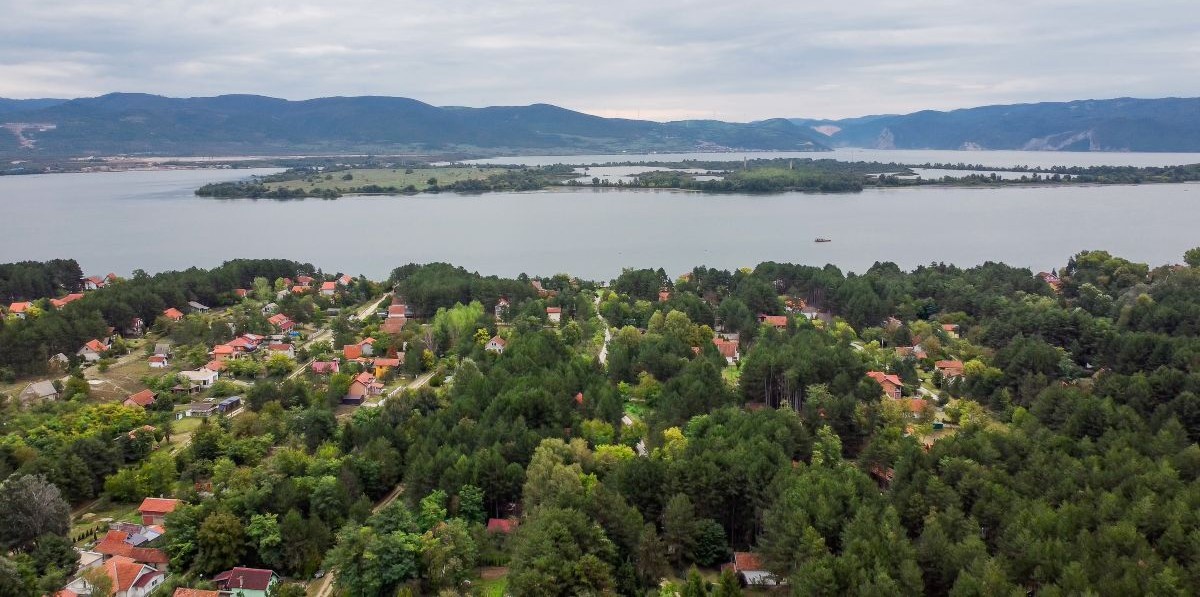
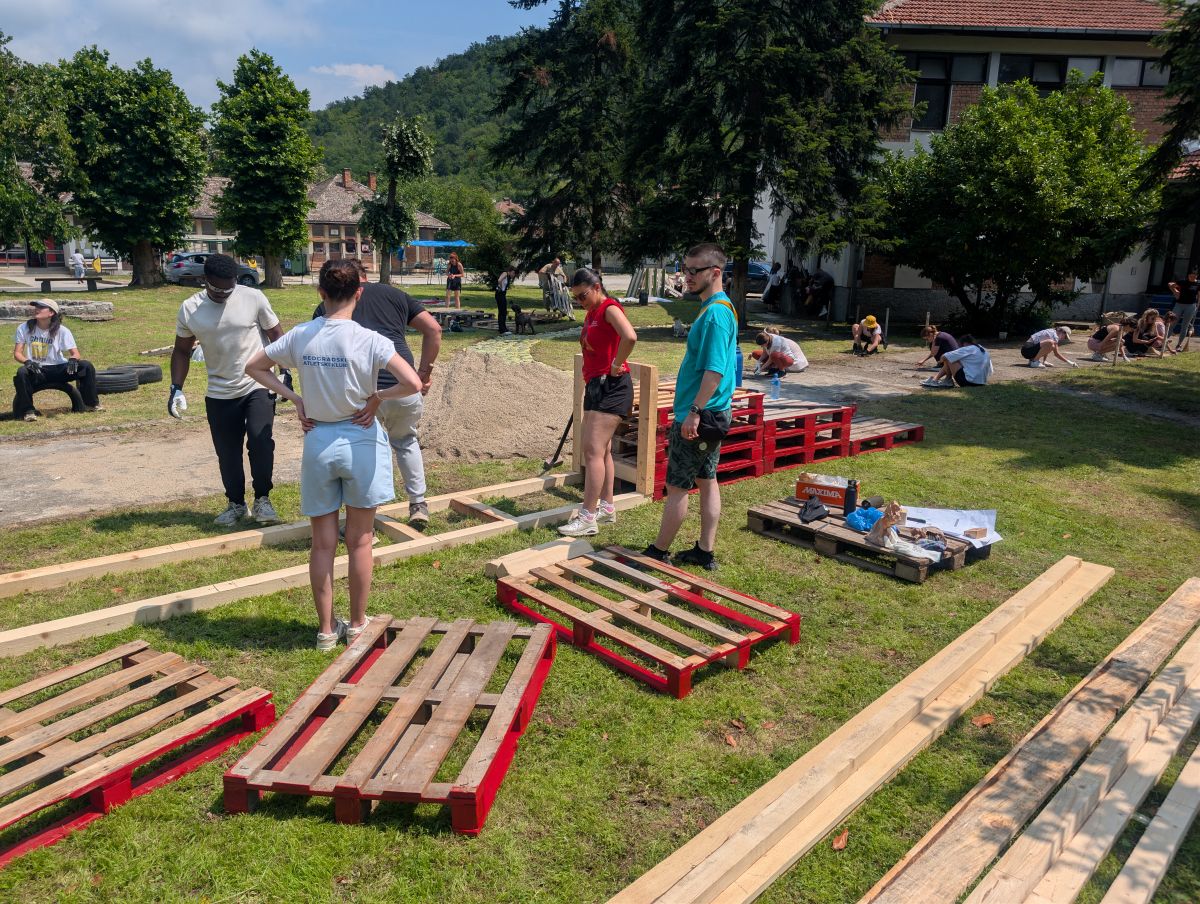
Vinci, Serbia. Photo: Jelena Petrović

23/11/2026
By Desislava Mincheva-Yordanova
Share on social media:


Cooperation

News & Events
Read the most recent updates and explore the upcoming events.


Would you like to receive project updates?
You're already part of our community!
Welcome to our newsletter community!
Subscribe to our newsletter