
What the Drawing Couldn't Know
When the Plan Meets Reality
A design can make sense on paper.
Then it meets the place.
The terrain. The resources available on site. And the knowledge of people who know the village from living there.
In Eibenthal, this was not the point where the design process ended. It was where another part of it began.
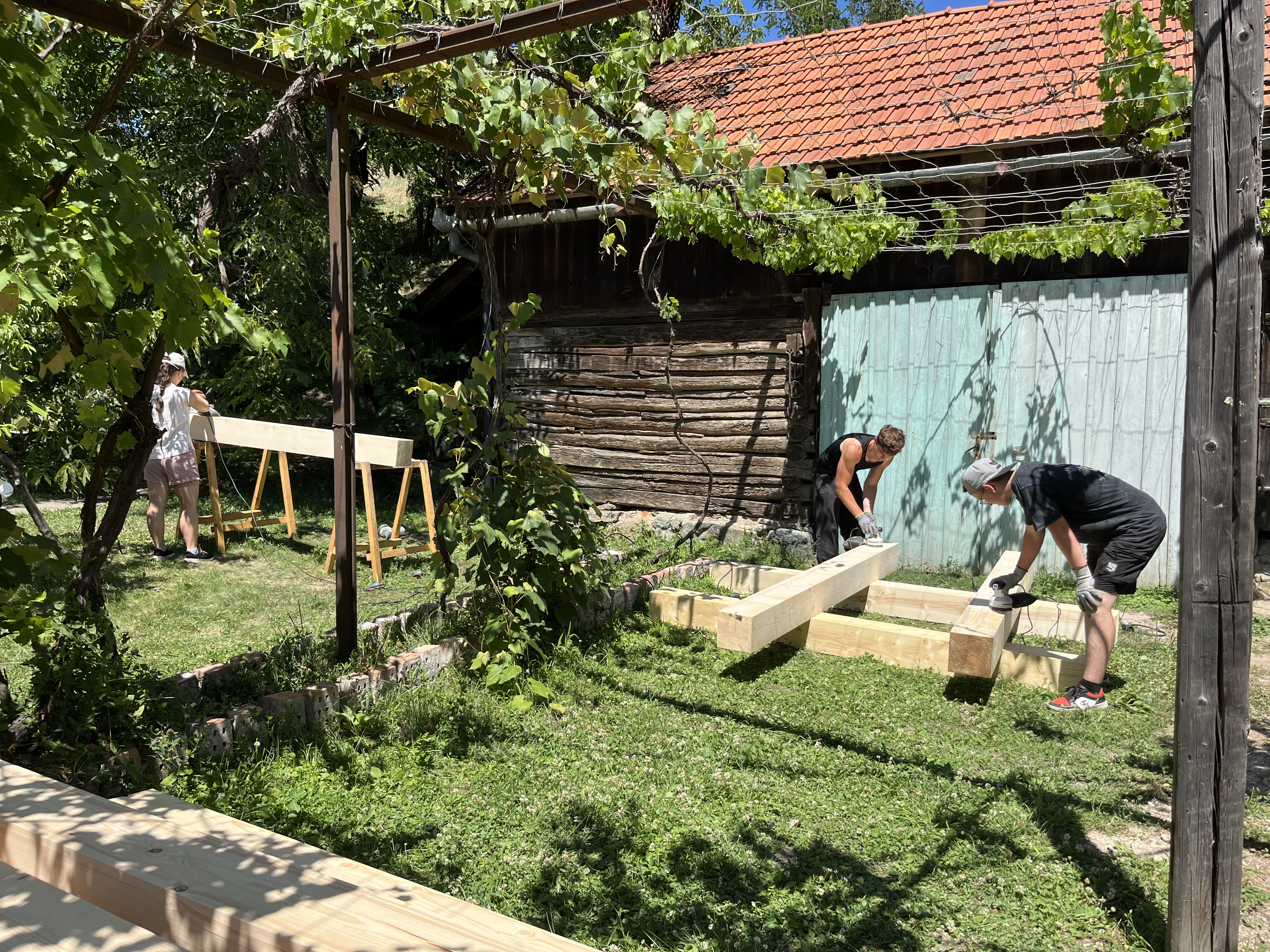
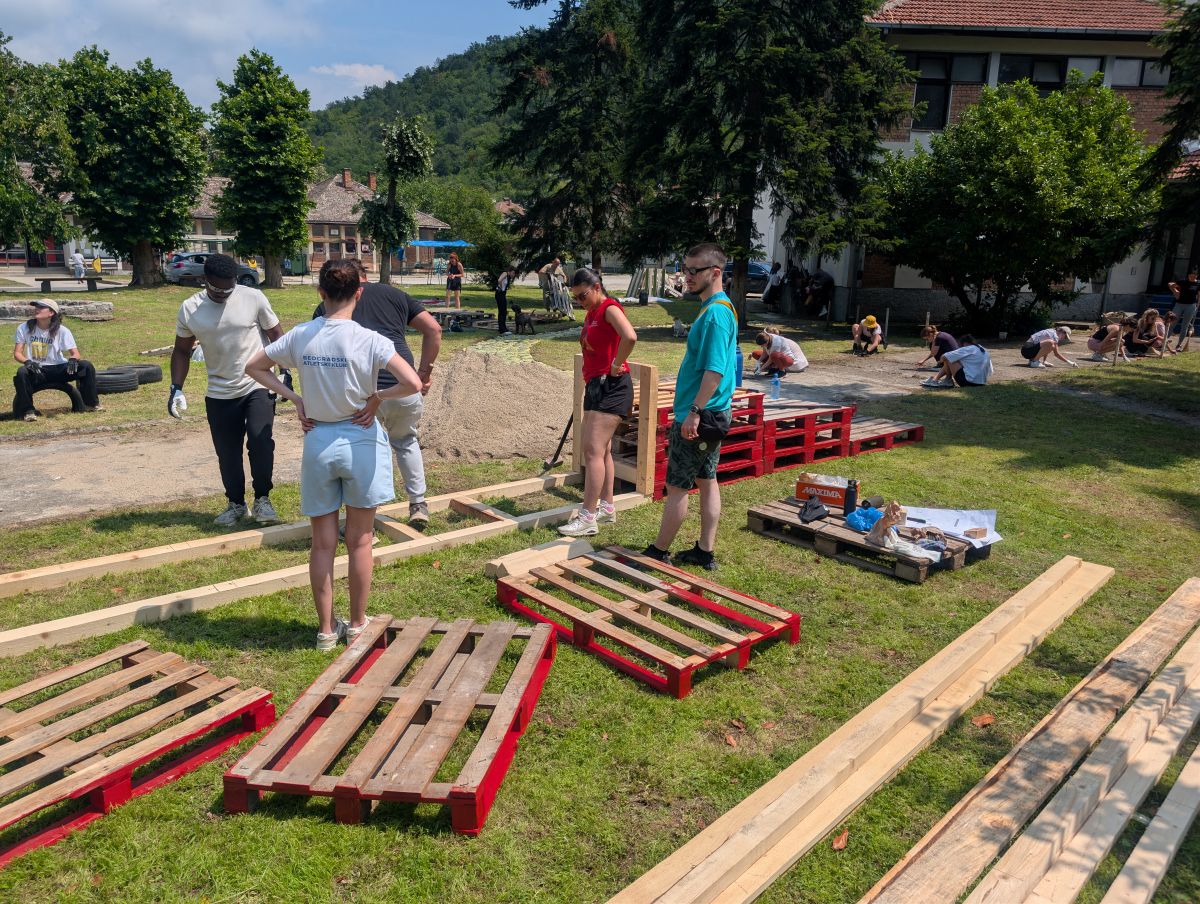
During the Danube Ruralscapes Building Camp, architecture students and local residents tested, built and adapted a series of small interventions directly in the village - learning along the way what the drawing could not know.
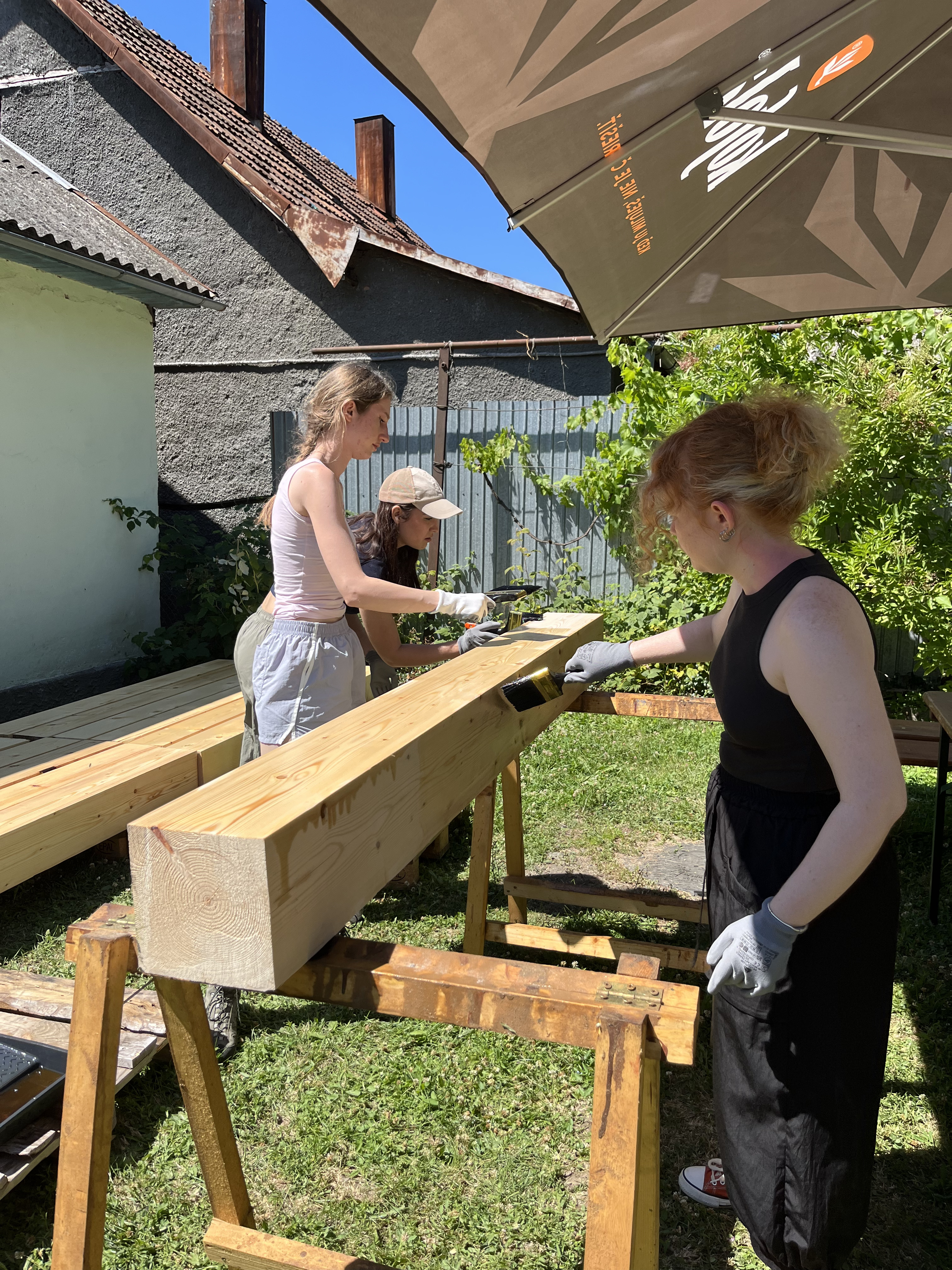
Photo credit: Ștefana Bădescu, UPT
Following the Village Routes
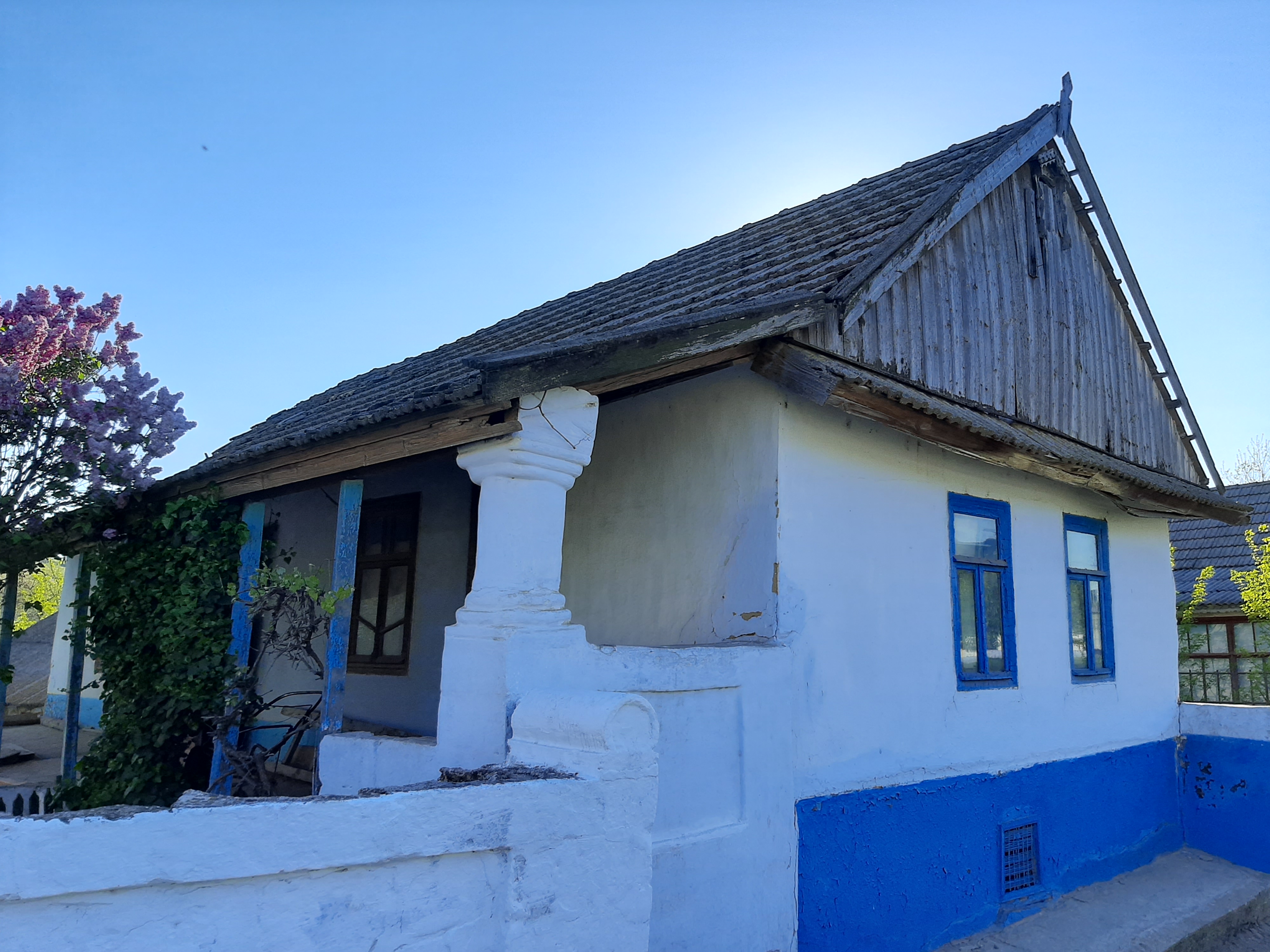
Eibenthal, a Czech village in Romania’s Iron Gates Natural Park, already has pedestrian routes that lead visitors through different layers of the village and its surroundings: the Craftsmen Trail, Historical Trail and Mining Trail.
The purpose of the Building Camp was practical: to improve the tourism experience along these existing routes through small-scale architectural interventions.
The work began by mapping important sites. Proposed concepts were then taken out into the village and translated into physical elements along the routes.
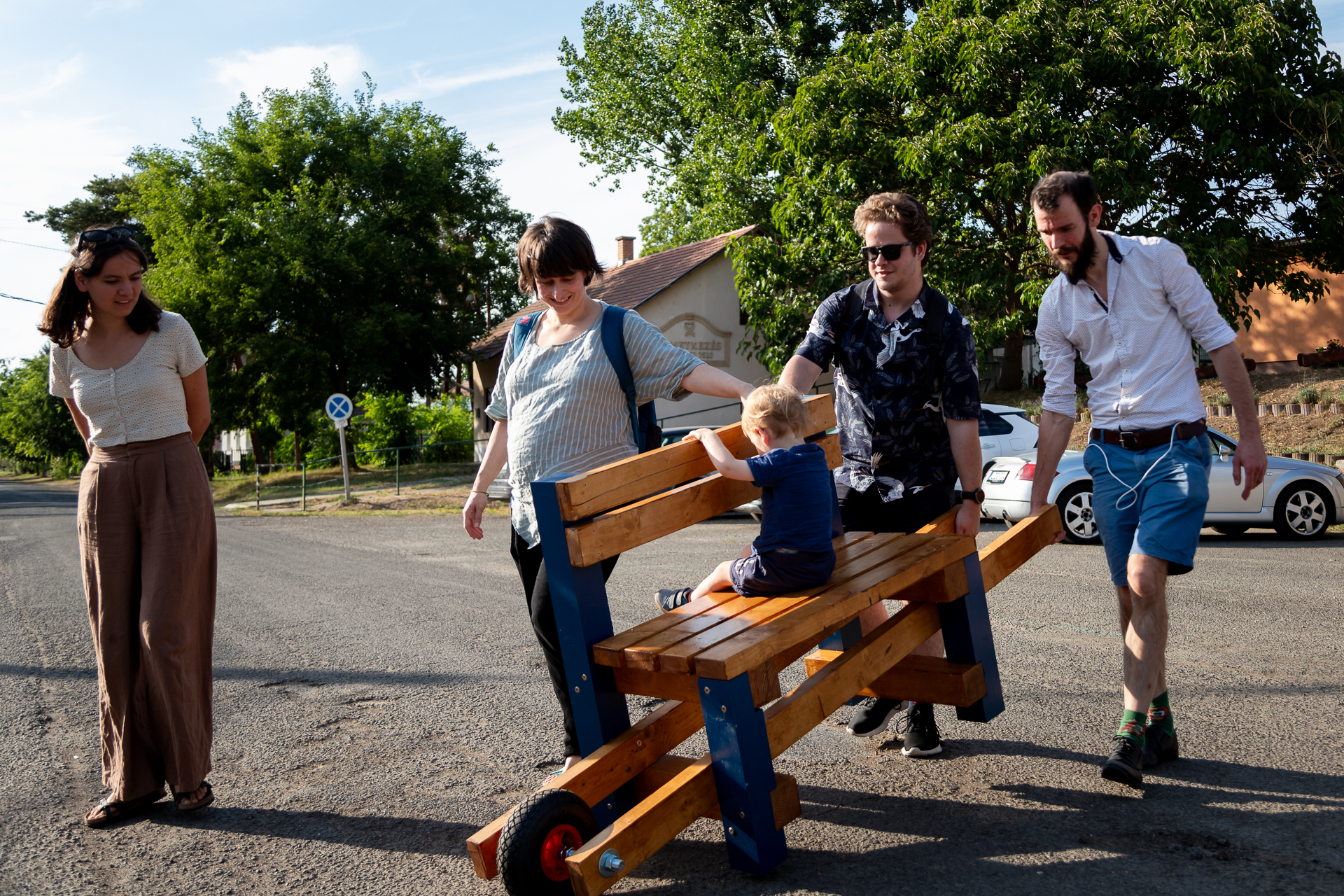
Wayfinding markers helped visitors navigate. Route totems marked particular places. Resting places created opportunities to stop.
Each intervention responded to its location and to the history, landscape and mining heritage encountered along the way.
Several of the elements were installed during the summer workshop and are already ready for visitors.
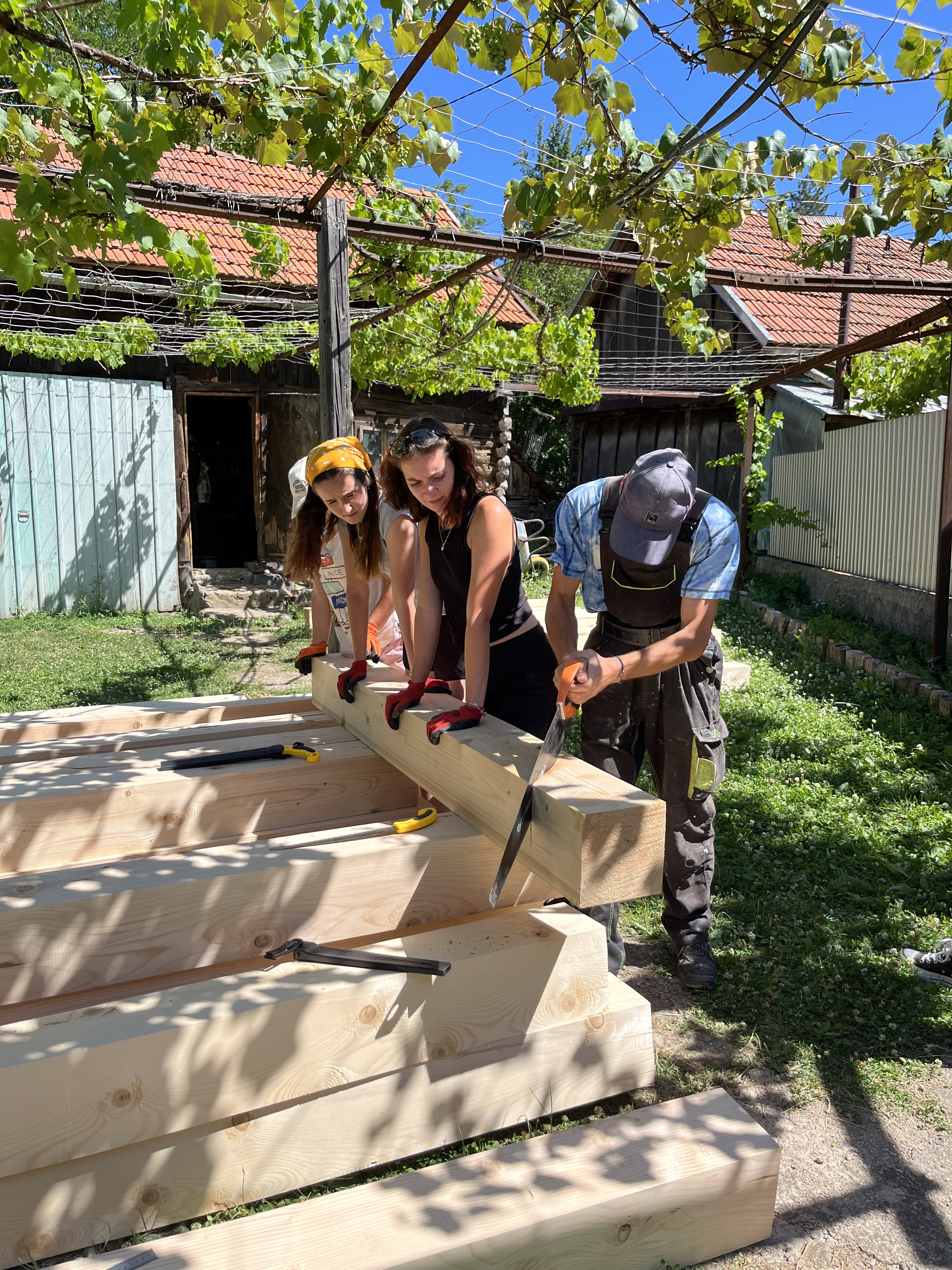
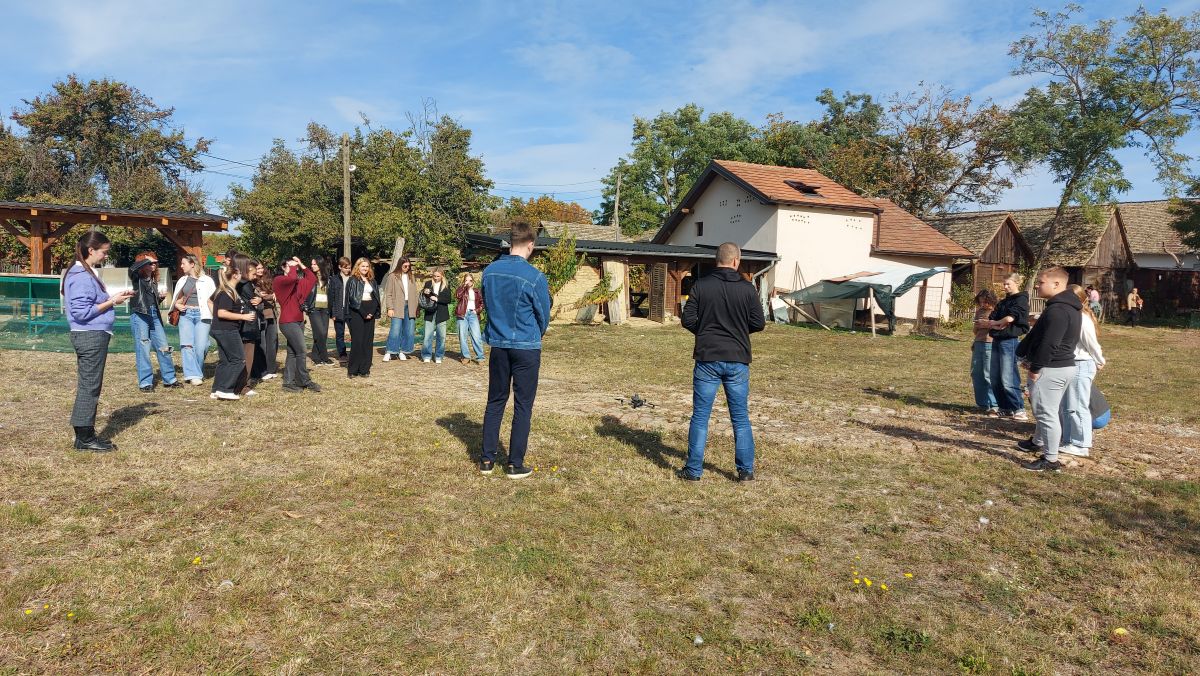
Photo credit: Ștefana Bădescu, UPT
When the Site Has Something to Say
The interventions may have been small but building them brought decisions that could only be made on site.
Designs were tested and adapted according to the terrain, available resources and knowledge shared by the local community.
That became one of the key lessons of the workshop.
Instead of treating the proposed concepts as finished objects waiting to be constructed, the students could adjust them as they worked. What had been designed beforehand had to respond to what they encountered in Eibenthal.
The aim was not to transform the character of the village, but to make its existing routes easier and more comfortable to experience while respecting the rural landscape around them.
Contemporary design therefore had a deliberately modest role: helping visitors find their way, pause and experience more of what is already there.
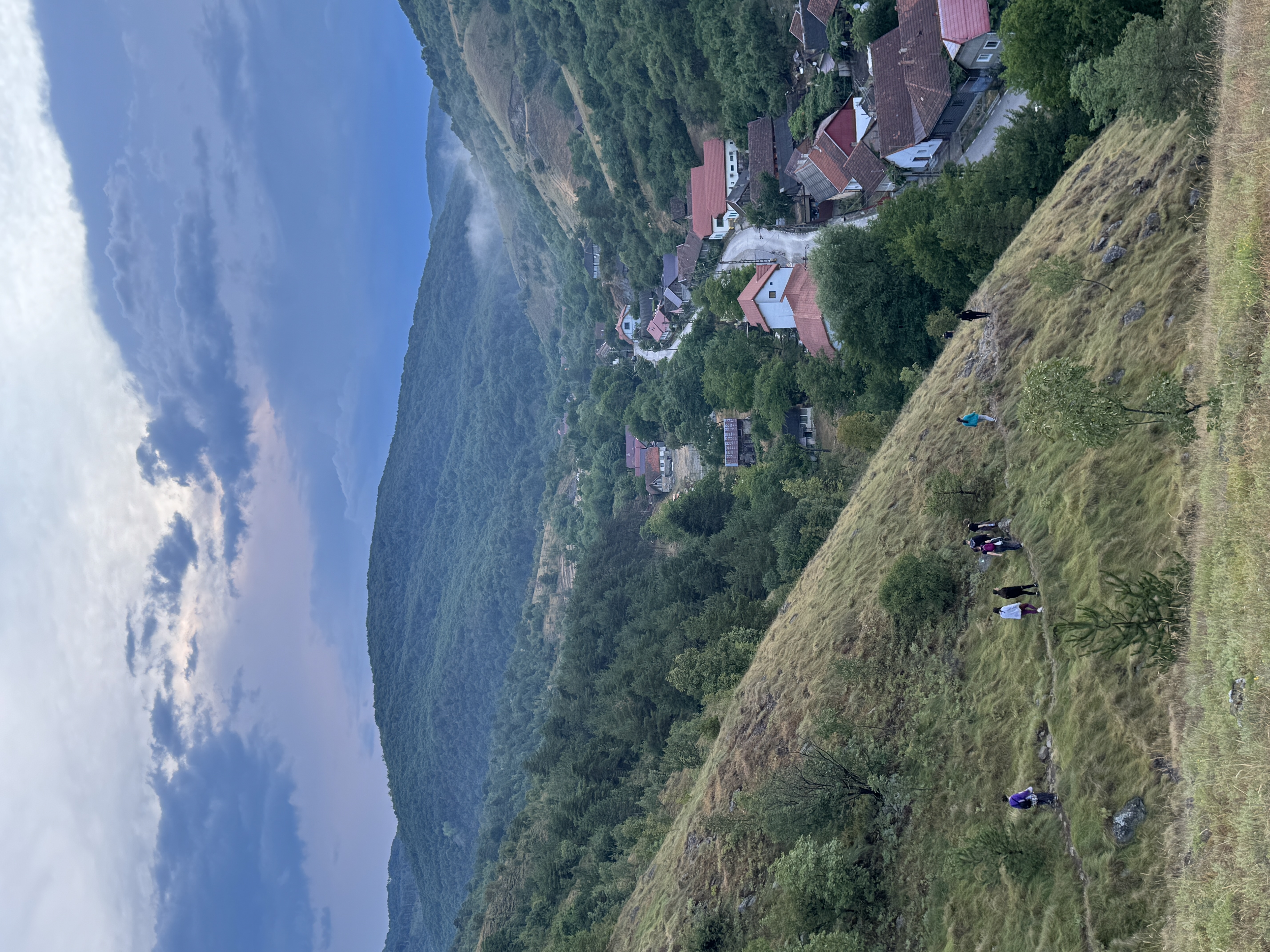
Photo credit: Vlad Rada
Thirty-five People Building Together
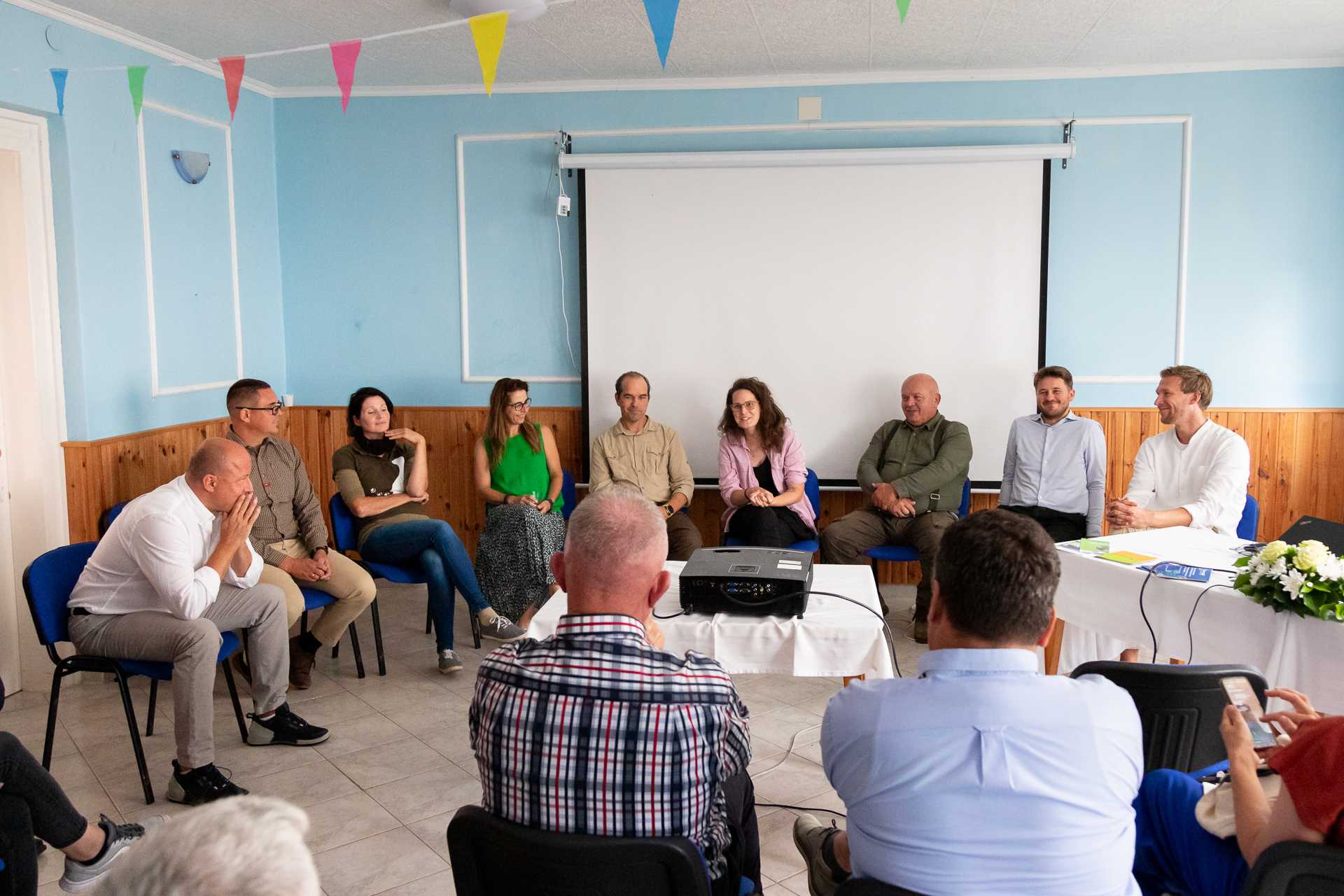
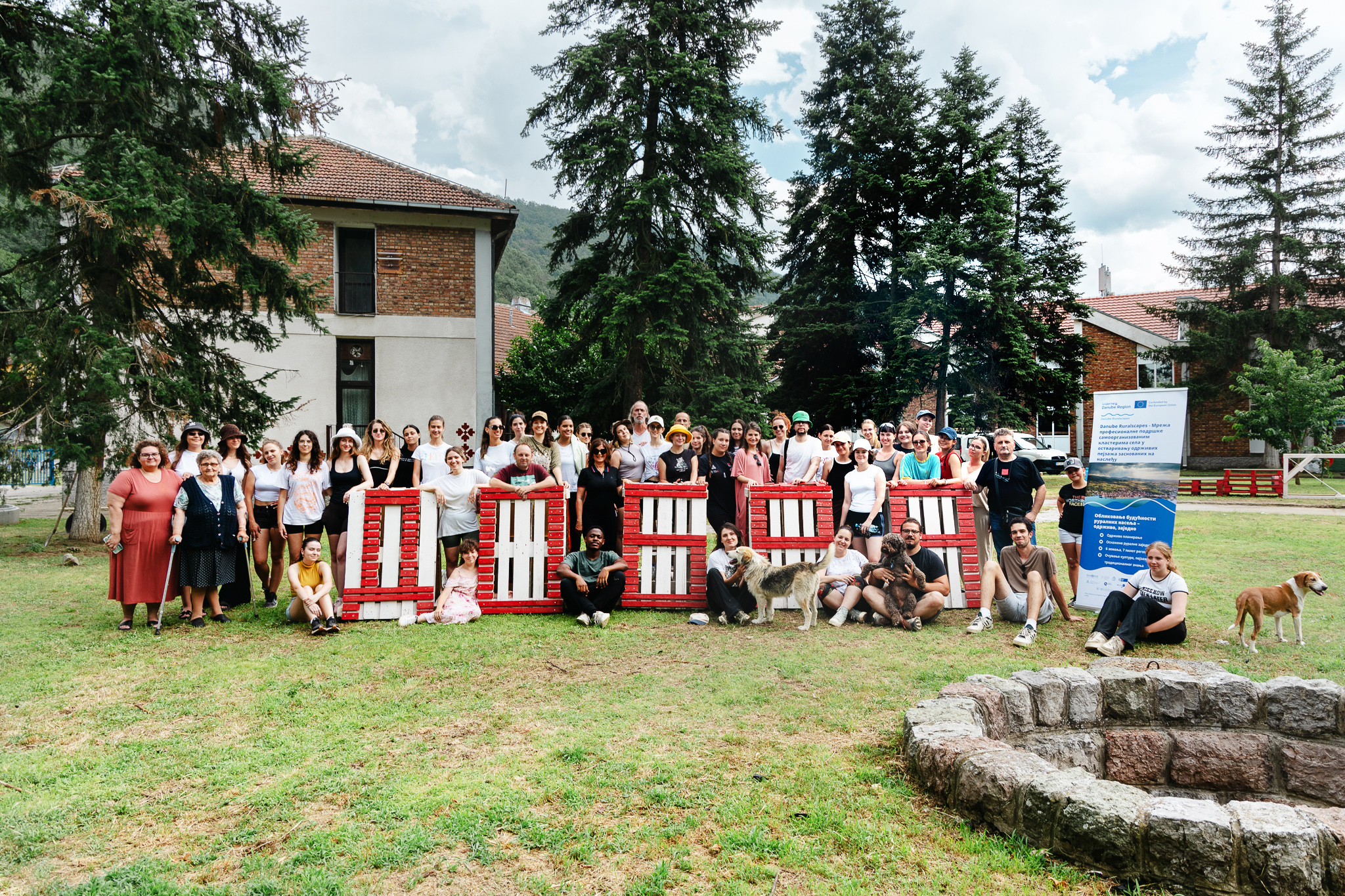
Behind the interventions was a group of 35 participants: 20 students, five teachers and ten local residents.
Working together mattered because local knowledge was not something added to the project after the design was finished. It became part of the process of adapting the interventions on site.
For the students, that brought rural architecture out of the classroom and into a very different learning environment.
As one student from the Politehnica University of Timișoara (UPT) reflected:
Such experiences open our eyes to the realities of the rural environment - and make us realize the importance of working with the community.
The village was therefore more than the setting for a summer workshop.
It became part of how the students learned to design.
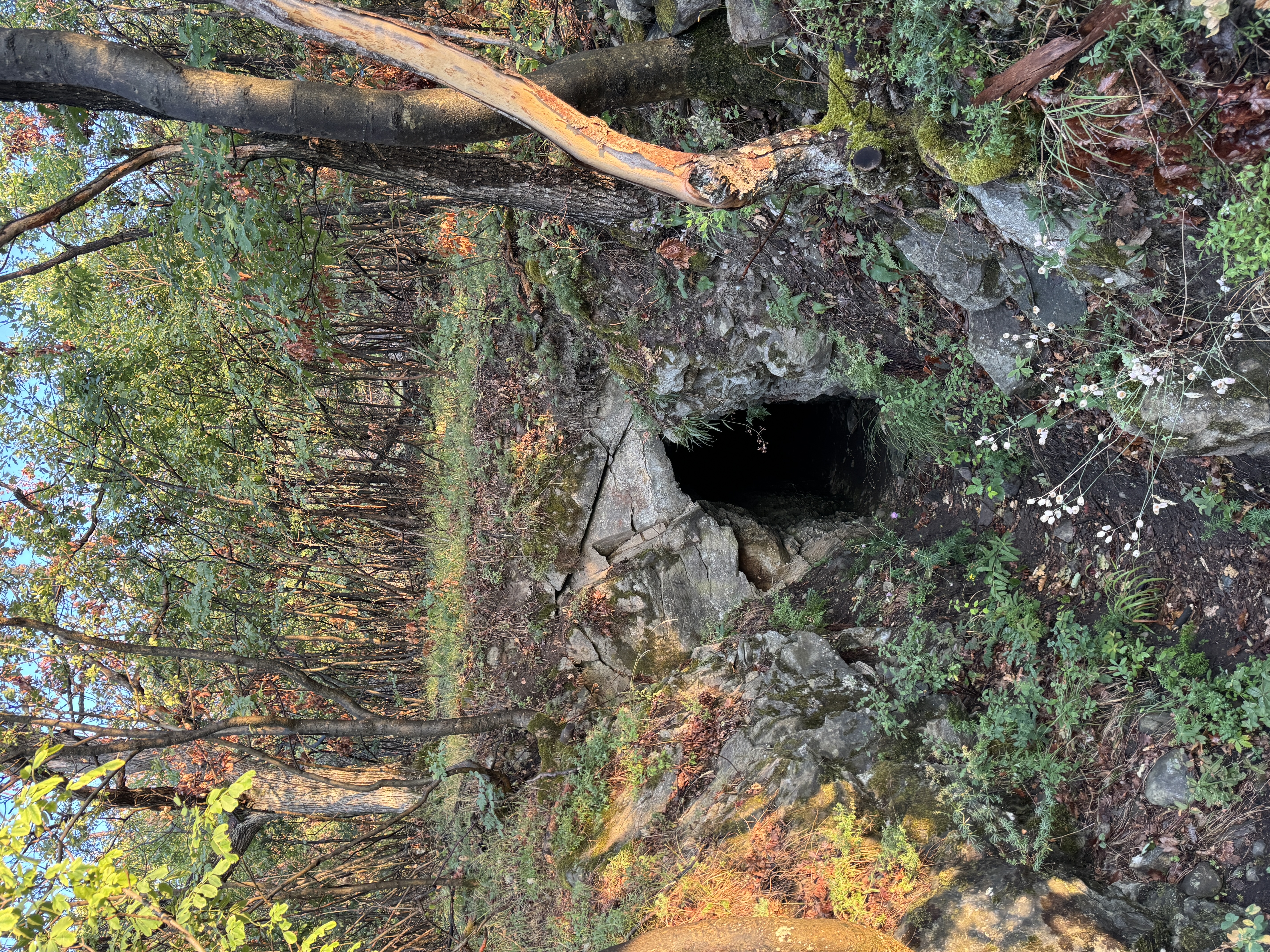
The Mining Trail. Photo credit: Vlad Rada
Continuing a Relationship
The Building Camp continued an existing relationship between the university and local stakeholders, building on the work developed through the PEMeleaguri, împreună and DANUrB+ initiatives.
By the end of the Building Camp, the results could be seen along Eibenthal’s routes: markers, totems and places to rest, with several elements already installed for visitors.
But there was another result that is harder to record.
Students had seen their ideas tested against a real rural landscape. Local knowledge had entered the building process. Designs had changed in response to what was actually there.
A drawing could propose where the work might begin.
Eibenthal helped decide what it would become.
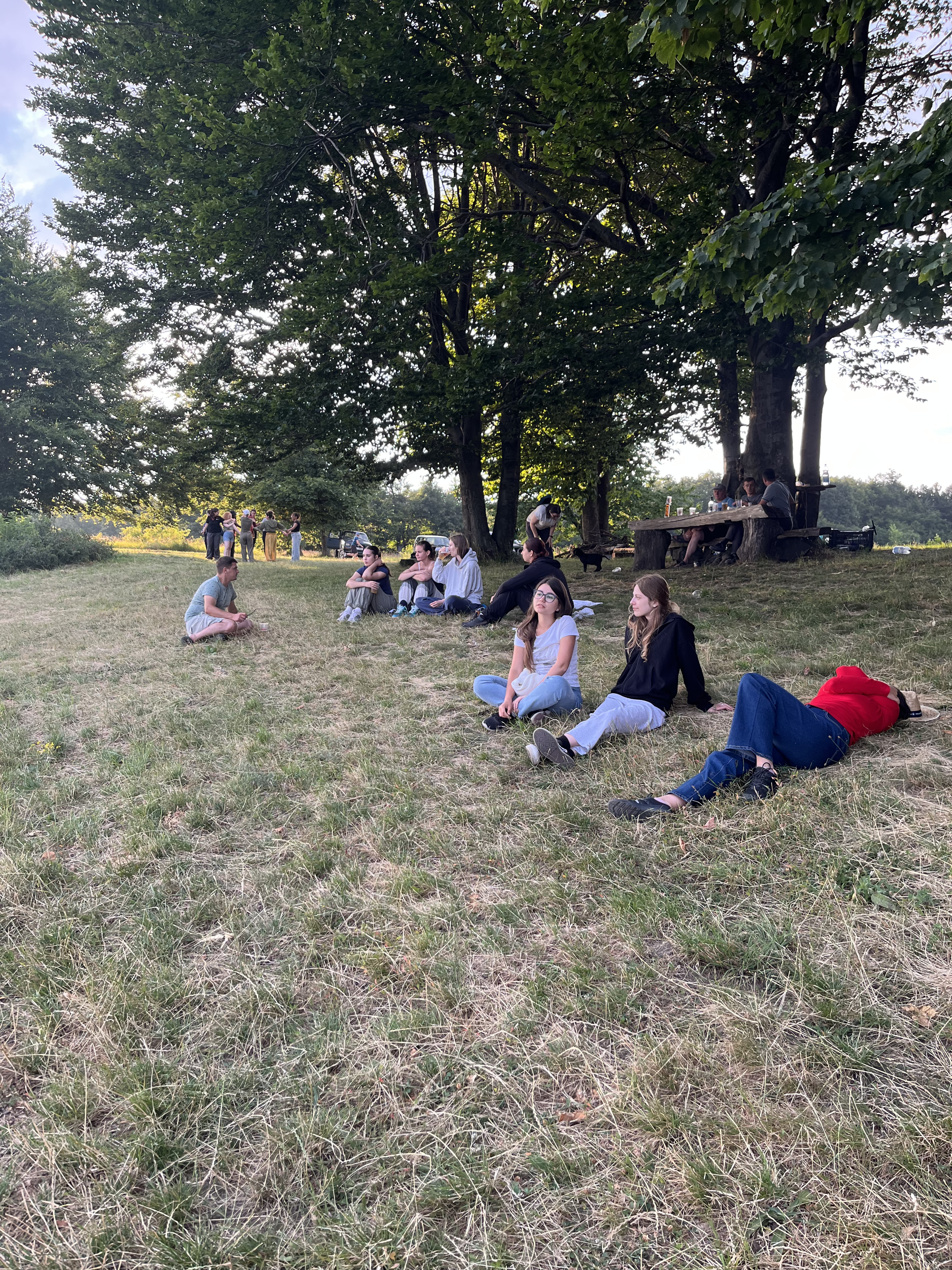
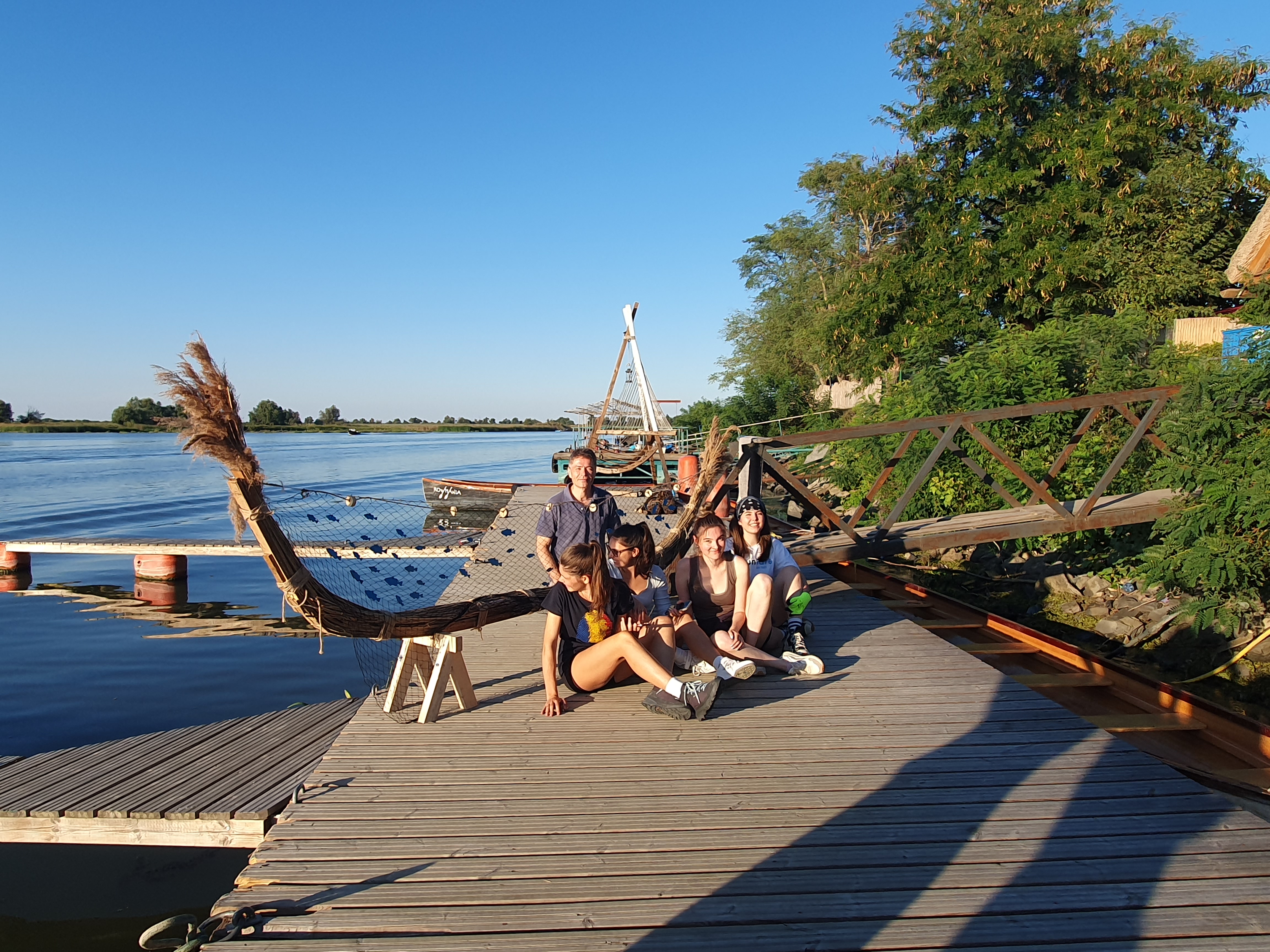
Photo credit: Ștefana Bădescu, UPT
Acknowledgements
The "Building (Places) at Eibenthal" Summer Workshop and Building Camp was organised by the Faculty of Architecture and Urbanism (FAUT) team at Politehnica University of Timișoara (UPT), together with the Association of Czech People in Banat and local residents, with the involvement of Euroland Banat Association (ASP) and the Non-Formal Studio for Spatial Planning Timișoara, as part of the Danube Ruralscapes project.
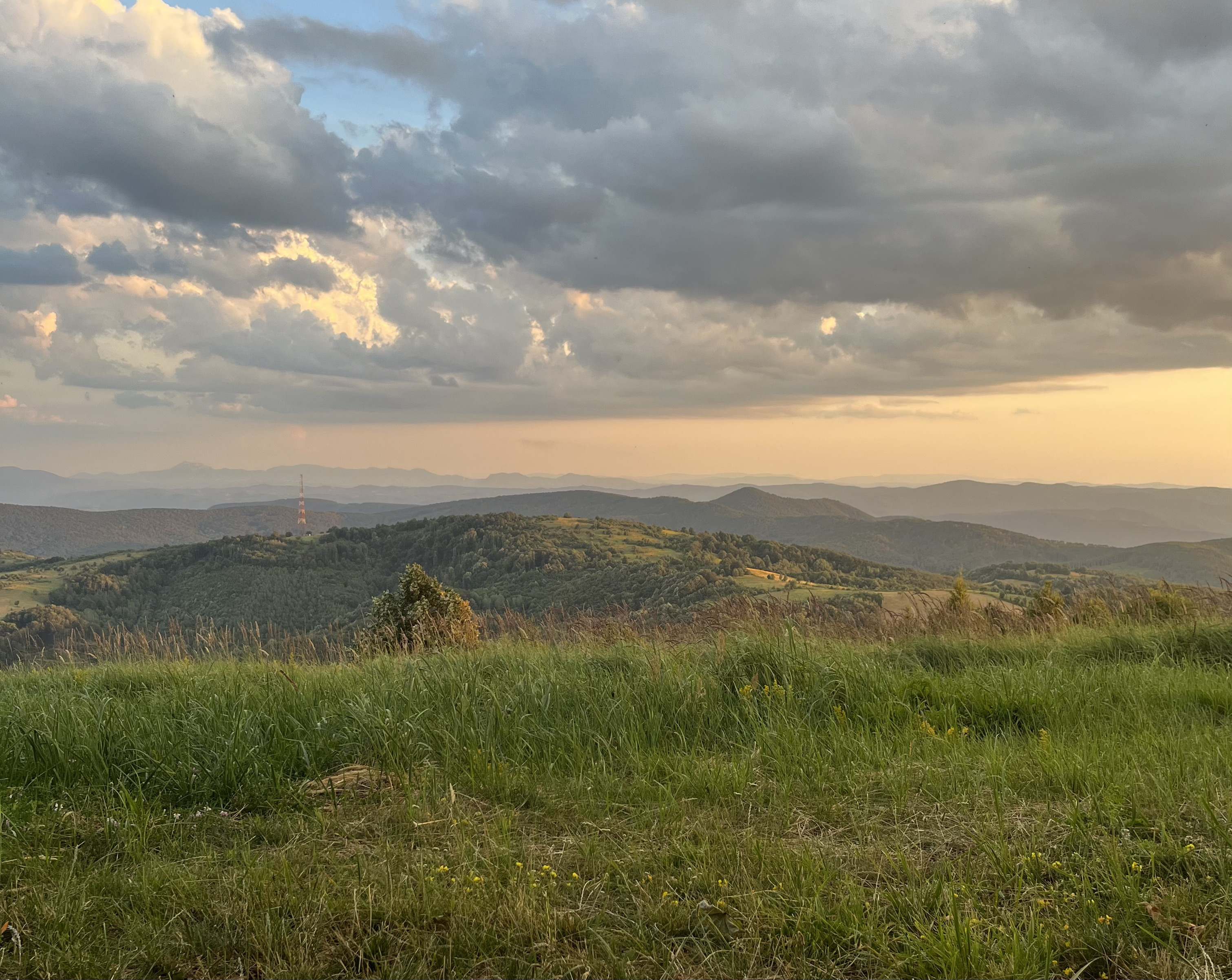
Photo credit: Ștefana Bădescu, UPT

26/08/2026
By Desislava Mincheva-Yordanova
Share on social media:


Cooperation

News & Events
Read the most recent updates and explore the upcoming events.


Would you like to receive project updates?
You're already part of our community!
Welcome to our newsletter community!
Subscribe to our newsletter