
What Old Buildings Know About New Ways of Building
Can the Past Help Us Decide How to Build Today?
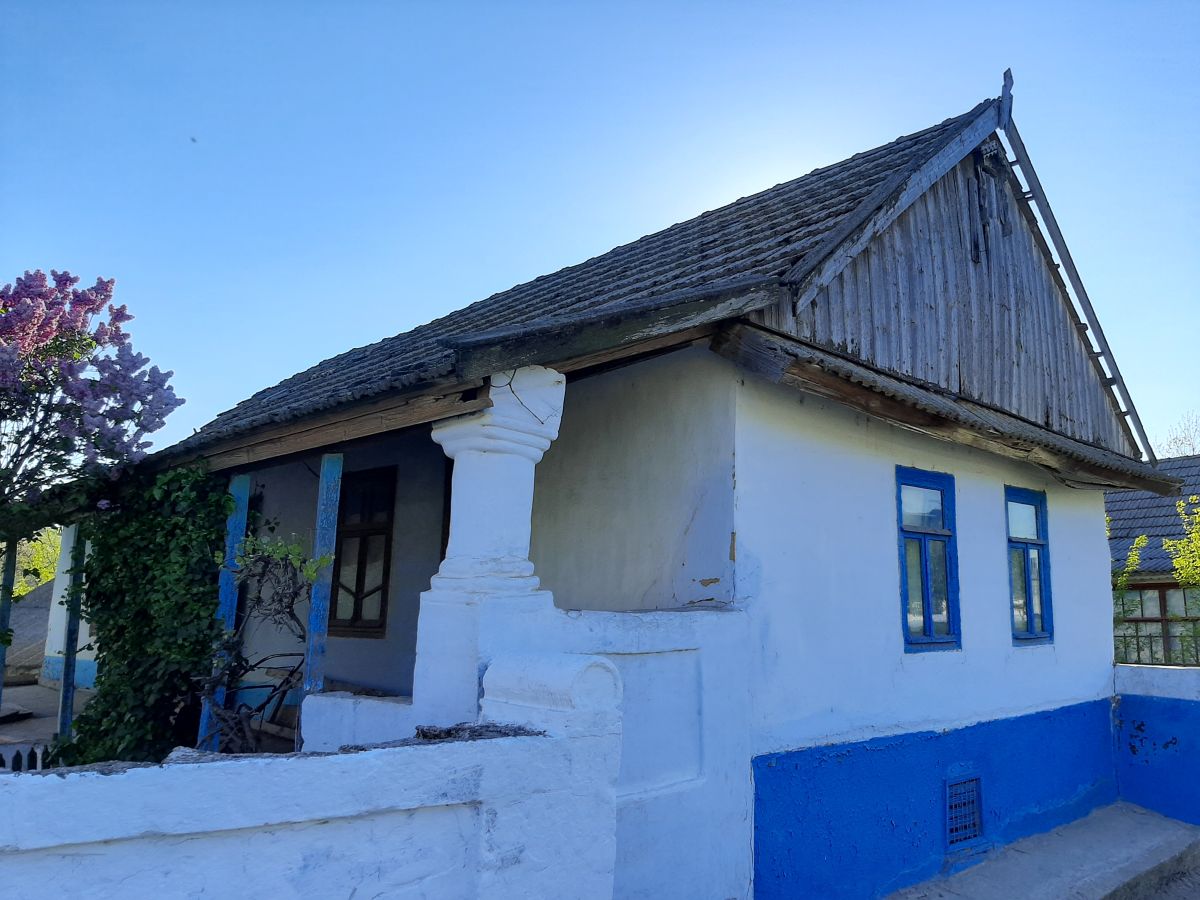
A hundred-year-old wattle-and-adobe house in Novo Selo. A new museum built with traditional materials in the Danube Delta. Traditional rural buildings in Croatia being adapted for cultural and educational use.
Three places, three different approaches to construction.
They were among the cases explored during "Innovative Construction Methods for Rural Areas", an online webinar organised by National Tourism Cluster “Bulgarian Guide” (NTC BG) within the Danube Ruralscapes project on 26 October 2026.
Eight expert presentations from six countries examined how traditional building knowledge, local materials and existing structures can inform contemporary rural architecture.
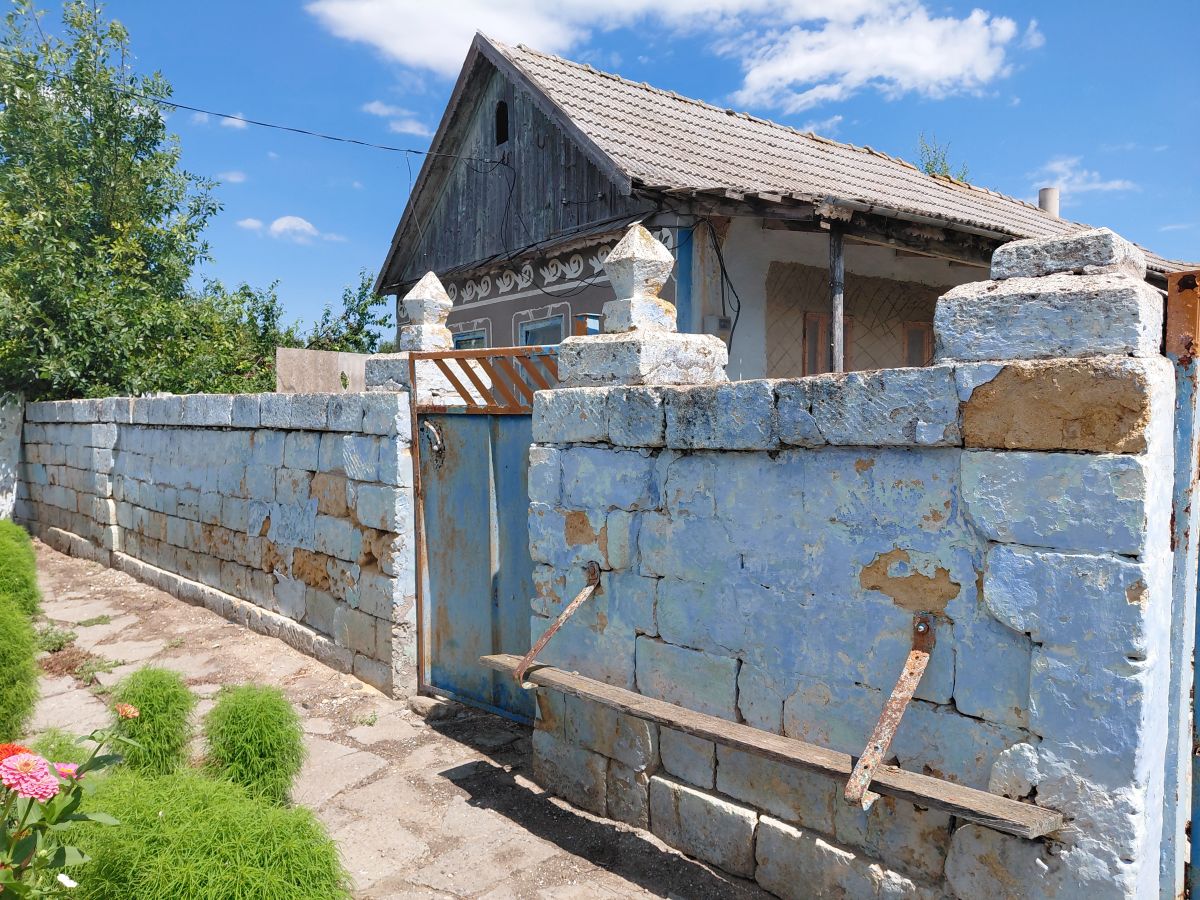
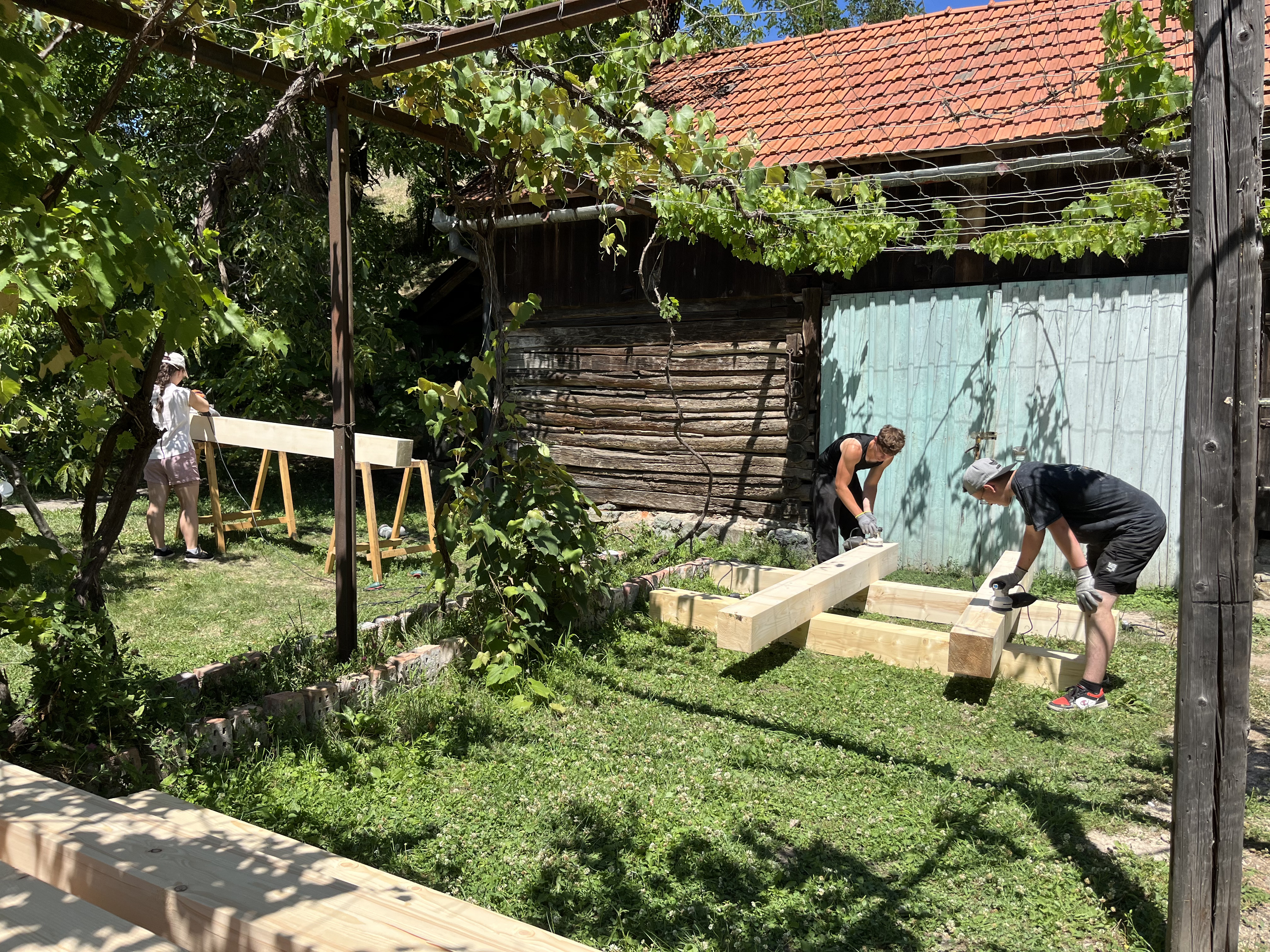
Spasʹke Bilhorod-Dnistrovskyi district, Ukraine. Photo credit: Ivan Tatarinov, ISUH
From Prymorske to the Danube Delta: Adapting Tradition
In Prymorske, Ukraine, Ivan Tatarinov explored the adaptation of traditional building elements in the Ukrainian Danube Region.
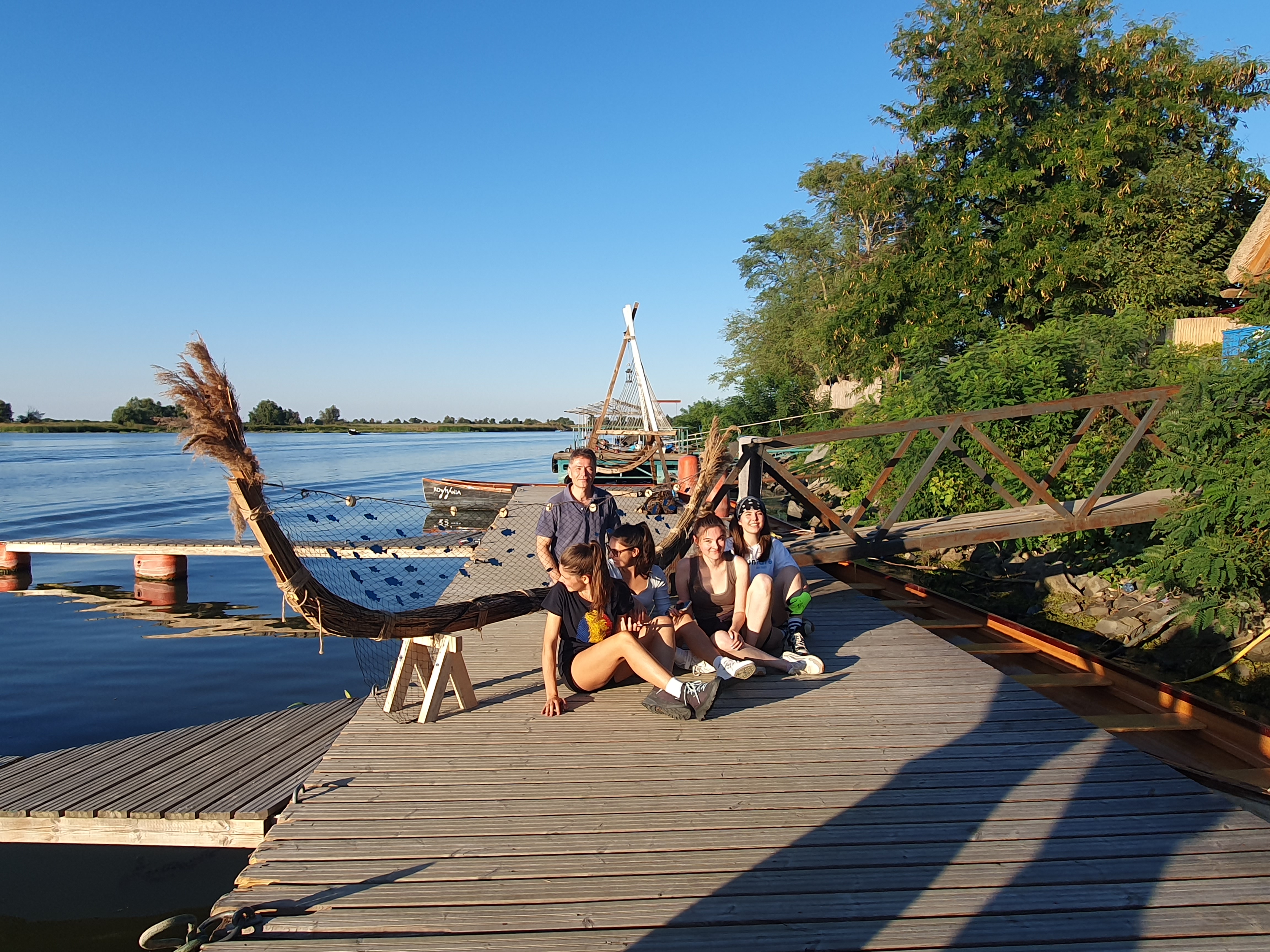
In Romania's Danube Delta, Teodor Frolu and Sorin Istudor introduced the Ivan Patzaichin Museum - a contemporary building that draws on traditional materials.
The two cases approached the relationship between past and present from different directions: one through existing architectural traditions, the other through a new building rooted in its local setting.
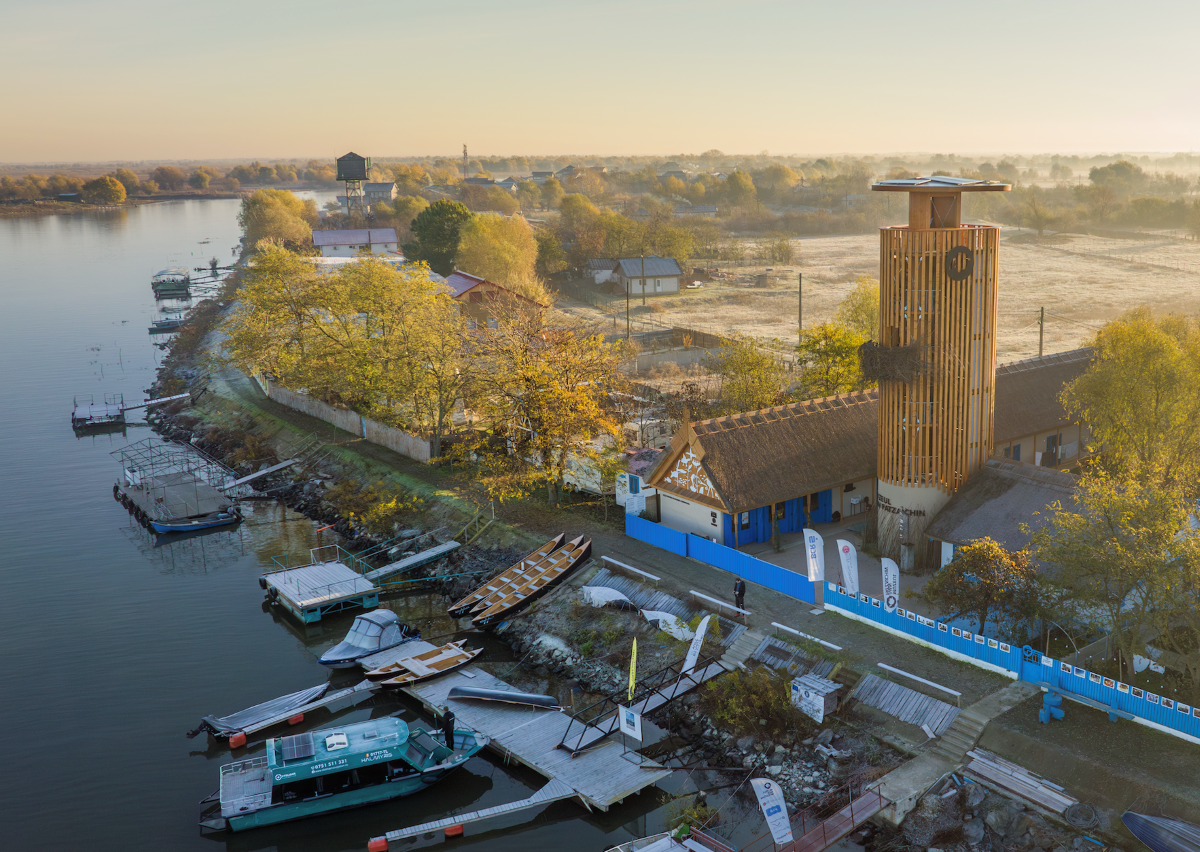
Mila 23, Danube Delta, Romania. Photo credit: Mani Gutau
Novo Selo: A Hundred-Year-Old House and a Personal Commitment
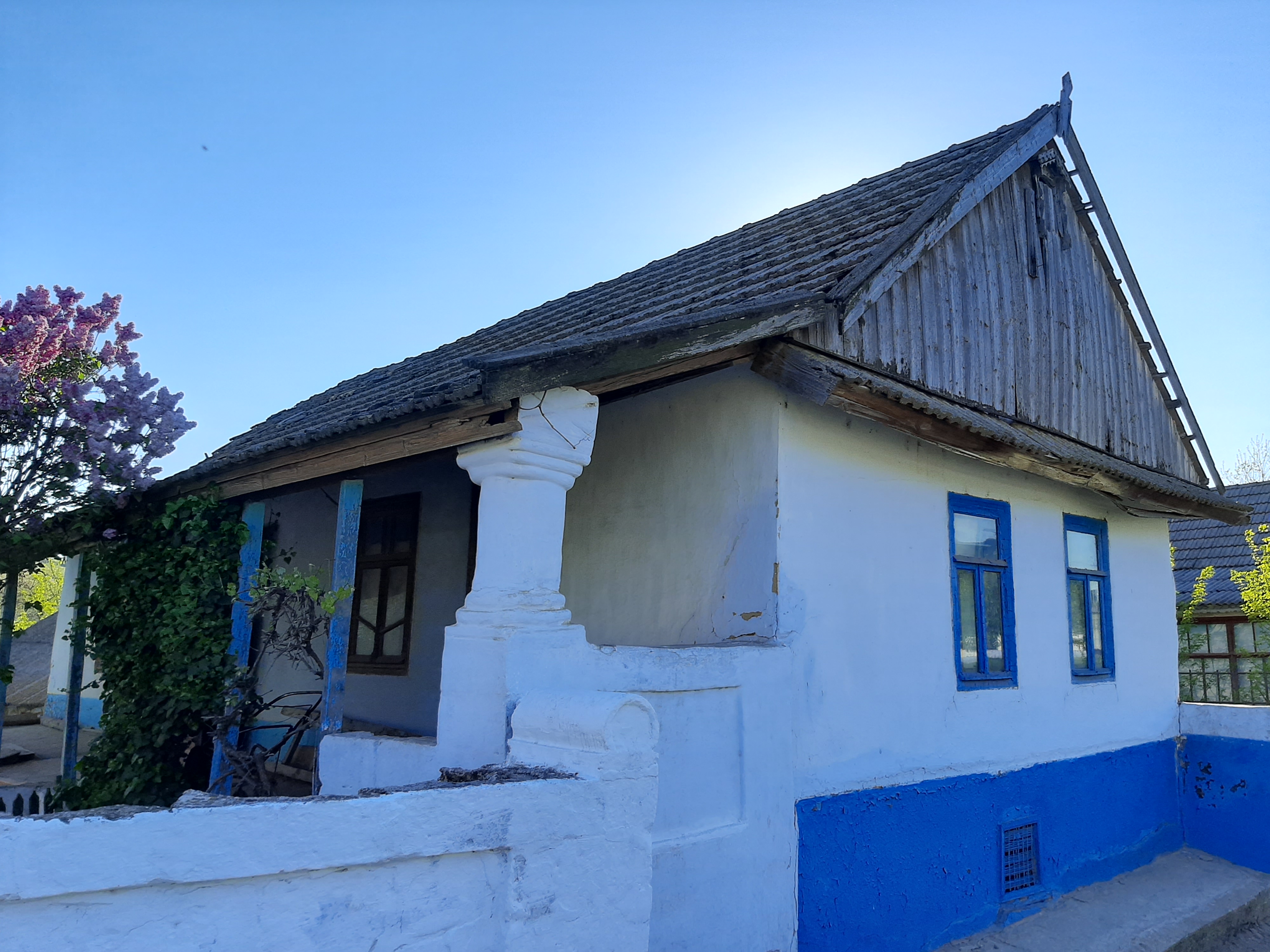
In Bulgaria, architect Rumen Dzhagarov shared his work in Novo Selo, where he moved in 2021 and began restoring a century-old traditional wattle-and-adobe house.
His presentation, “Reviving Building Traditions in Novo Selo,” brought the discussion to the practical experience of restoring an existing building while studying the village's architectural and cultural history.
From the Iron Gates to Croatia: Conservation, Construction and Reuse
In Serbia, Dragan Drndarević and Nikola Mitrović connected traditional architectural elements with sustainable rural construction, bringing together perspectives from heritage conservation and contemporary building practice.
Dr. Gabriela Domokos-Pașcu widened the discussion to the cultural landscapes of Banat, while in Croatia, Gabriela Lozano introduced the Mokoš Cultural and Educational Centre as an example of adapting traditional rural buildings for new uses.
From Slovakia, Krisztián Szabó contributed an architectural perspective emphasising the spirit of place, functionality and environmentally responsible materials.
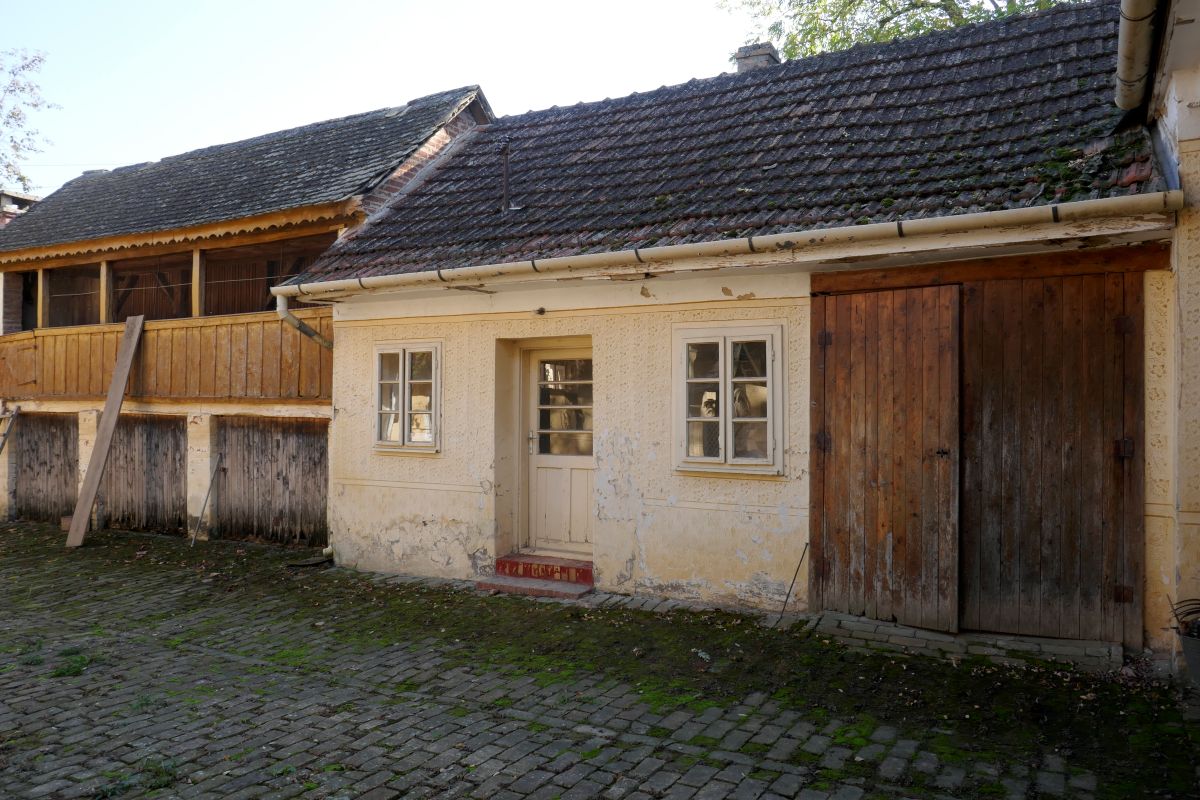
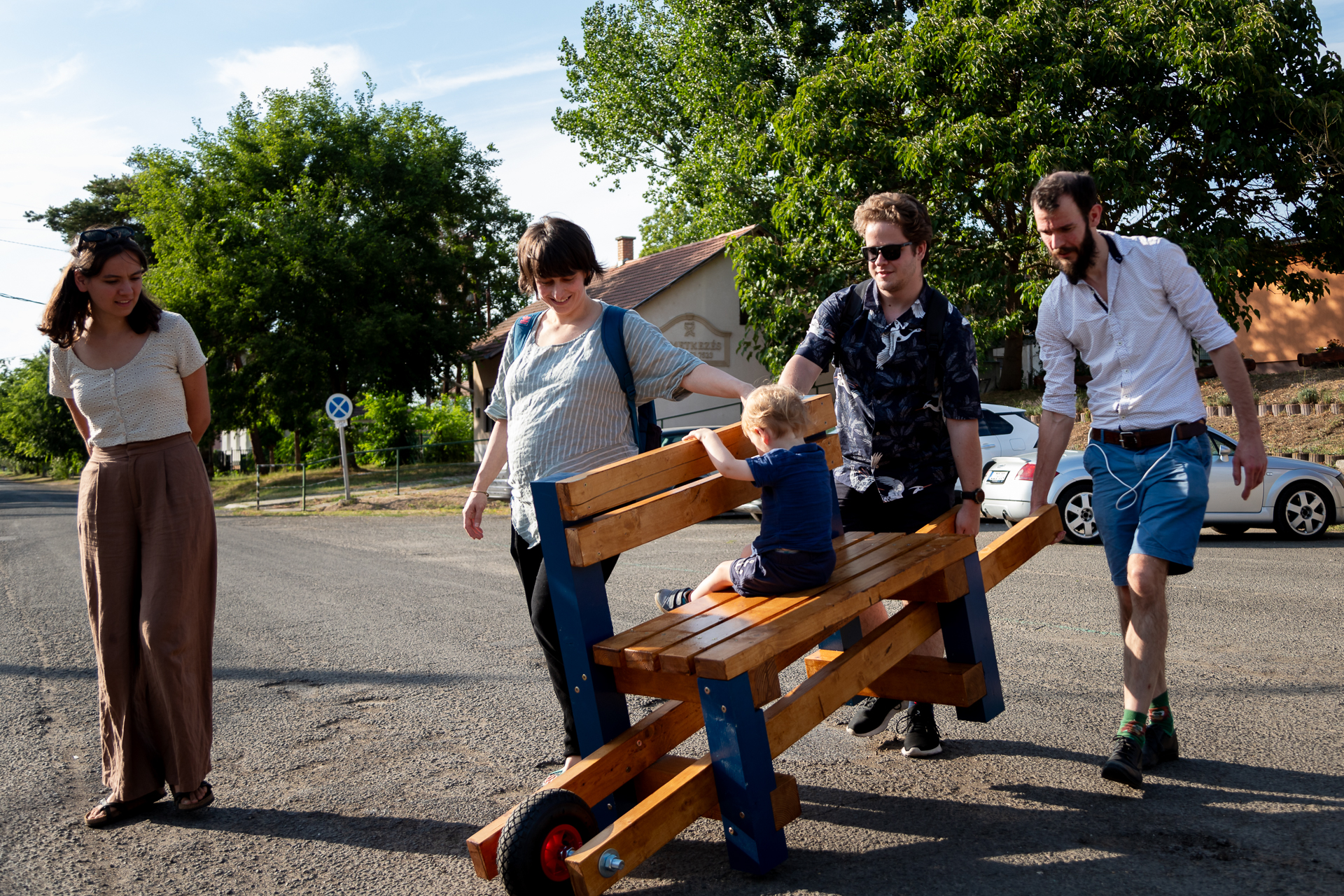
Croatia. Photo credit: Gabriela Lozano
Acknowledgements
A sincere thank you to all our speakers - Ivan Tatarinov, Teodor Frolu, Rumen Dzhagarov, Dragan Drndarević, Nikola Mitrović, Dr. Gabriela Domokos-Pașcu, Gabriela Lozano and Krisztián Szabó - for sharing their projects, experience and perspectives from across the Danube Region.
Special thanks to Dr. Bálint Kádár of the Budapest University of Technology and Economics for moderating the discussion, and to everyone who joined us, contributed questions and took part in the exchange.
Danube Ruralscapes is co-funded by the European Union through the Interreg Danube Region Programme.
Watch the Webinar and Explore the Cases
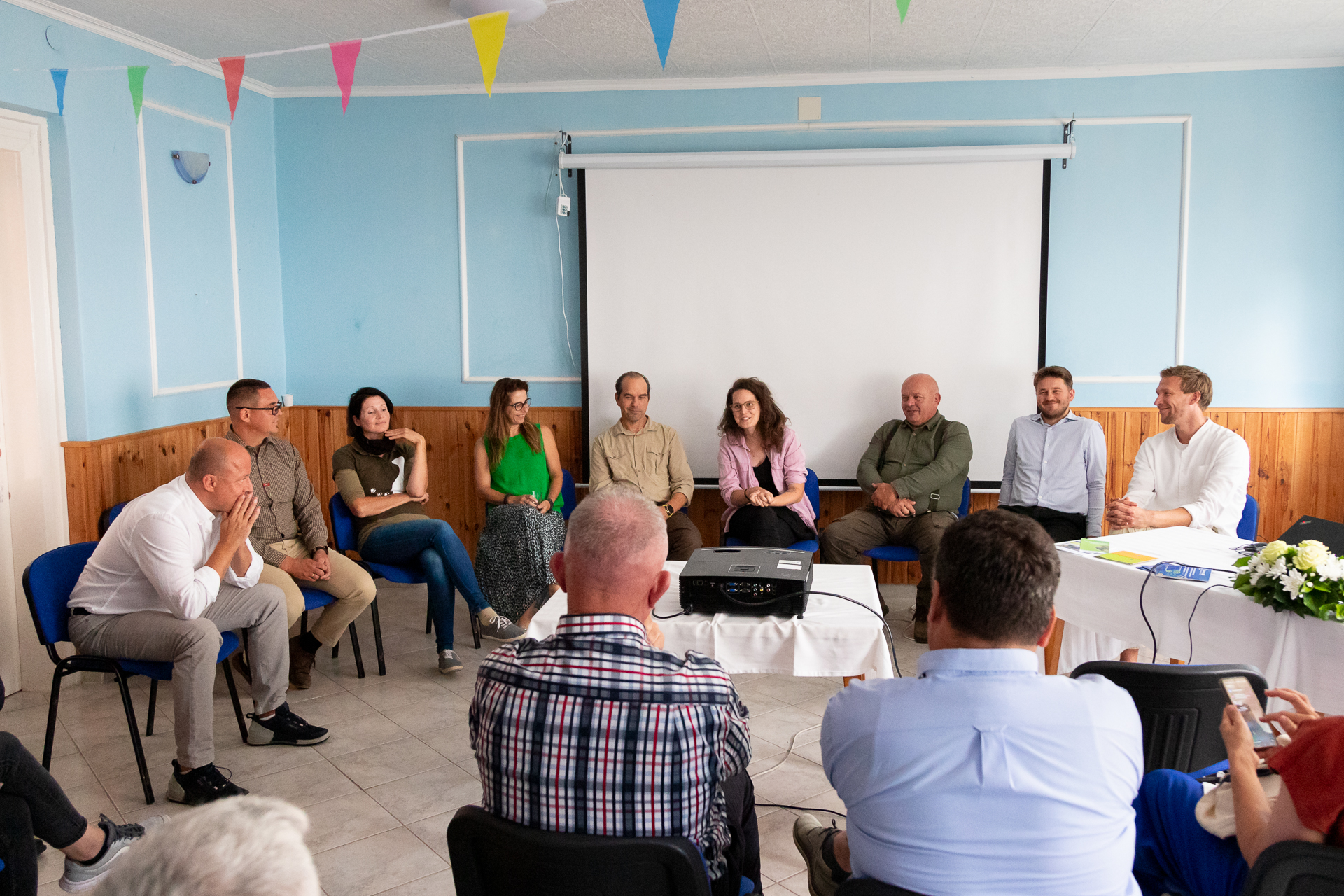
Moderated by Dr. Bálint Kádár from the Budapest University of Technology and Economics, the webinar brought these different approaches into a shared expert discussion, followed by audience questions.
For Danube Ruralscapes, the examples connect directly with the project's work on architectural and rural landscape identity, sustainable construction and place-specific approaches across its seven pilot microregions.
Watch the full recording to explore the presentations and discussion.
Danube Ruralscapes Webinar | Innovative Construction Methods for Rural Areas

11/11/2026
By Desislava Mincheva-Yordanova
Share on social media:


Cooperation

News & Events
Read the most recent updates and explore the upcoming events.


Would you like to receive project updates?
You're already part of our community!
Welcome to our newsletter community!
Subscribe to our newsletter