
Six Interventions. Zero Concrete
What Do You Build When You Cannot Build Permanently?
A discarded cable drum. A canoe rib. Textile scraps. Reeds. Timber.
In five days, they became part of six new interventions in the public spaces of Mila 23, in the Danube Delta.
Not one required a concrete foundation.
From 14 to 19 September 2026, nine students in architecture, urban planning, landscape design and furniture design worked alongside university experts and local crafts people during the latest Danube Ruralscapes Building Camp.
Their task was to take conceptual designs into the field and test them directly on site – through dry-joint assembly, reclaimed and locally available materials, and low-impact interventions designed to be reversible.
In the Danube Delta Biosphere Reserve, that reversibility was not an afterthought.
It was part of the design from the beginning.
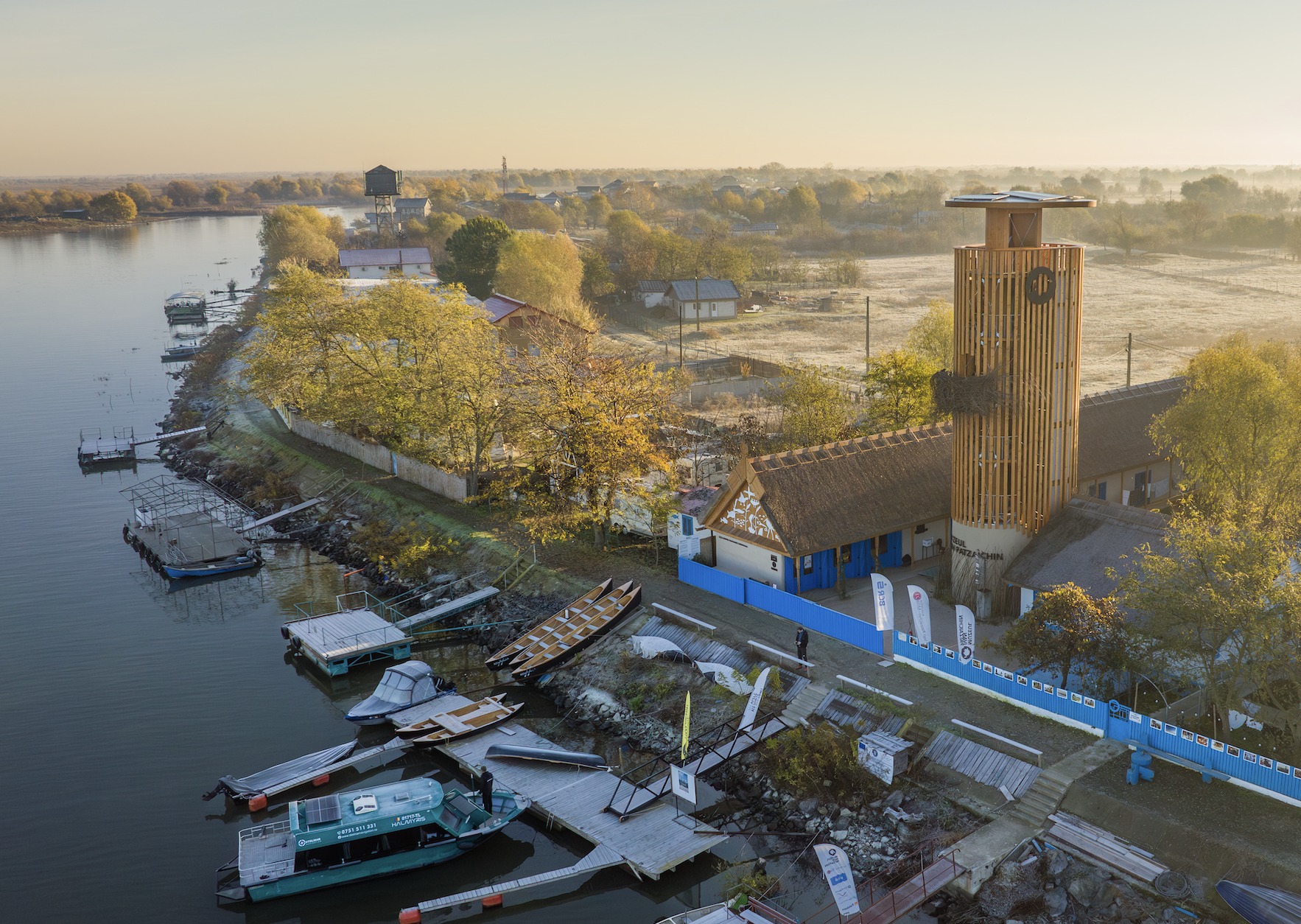
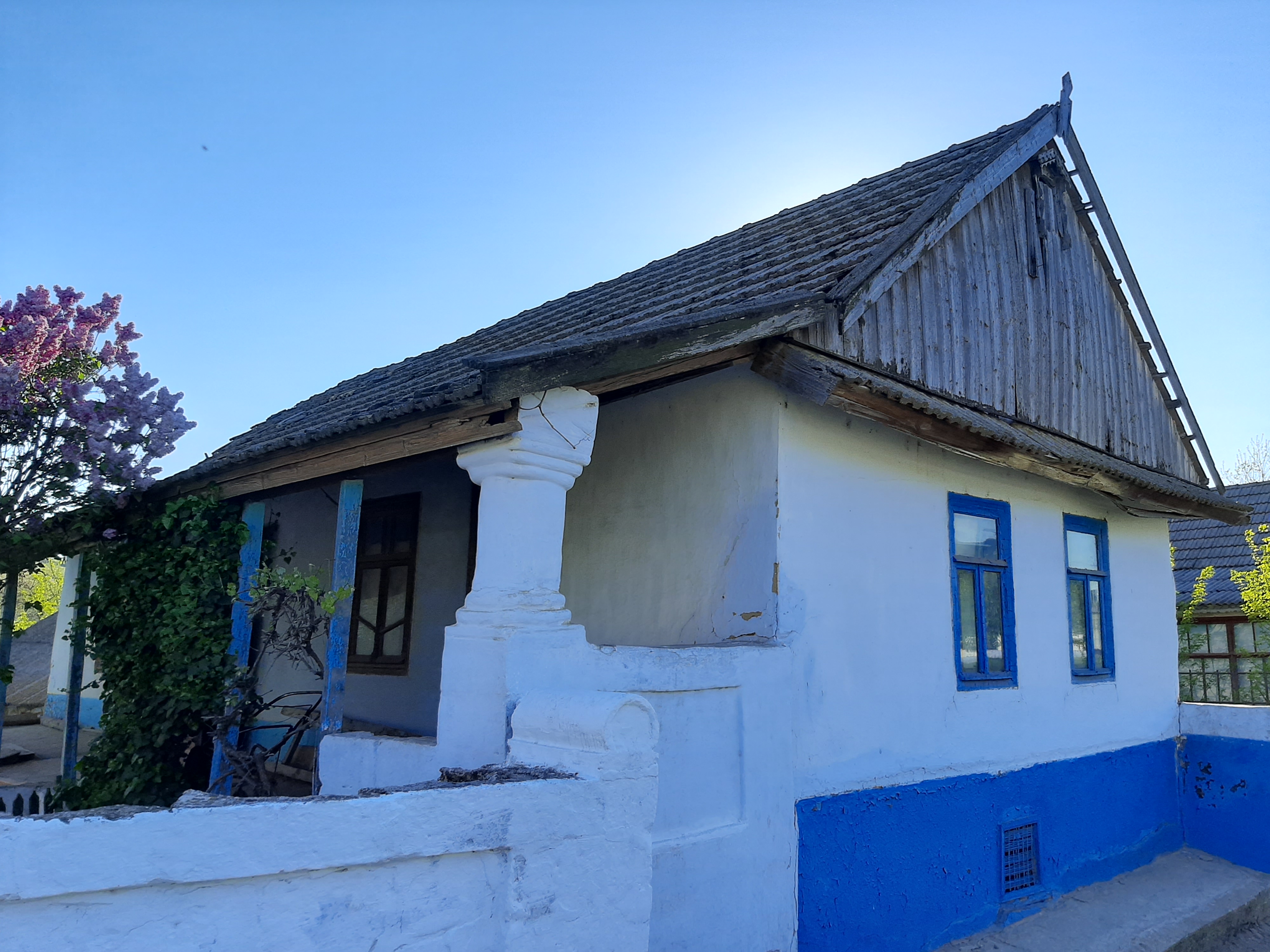
Mila 23. Photo: Mani Gutău
From Boat Parts to Public Space
The Building Camp followed a simple principle: learning by doing.
Instead of stopping at drawings, the students tested their ideas in place, working with the materials, skills and technical knowledge available around them.
Local collaboration with boatbuilder (marangoz) Alex-Iulian Onofrei brought structural boat components, tools and technical support from his traditional boatyard (atelier de marangozerie) in Tulcea into the process.
Materials that had already served one purpose began to acquire another.
A discarded industrial cable drum became The Memory of the Mill (Memoria morii), a landmark totem on the Danube riverbank facing the Community Cultural Centre.
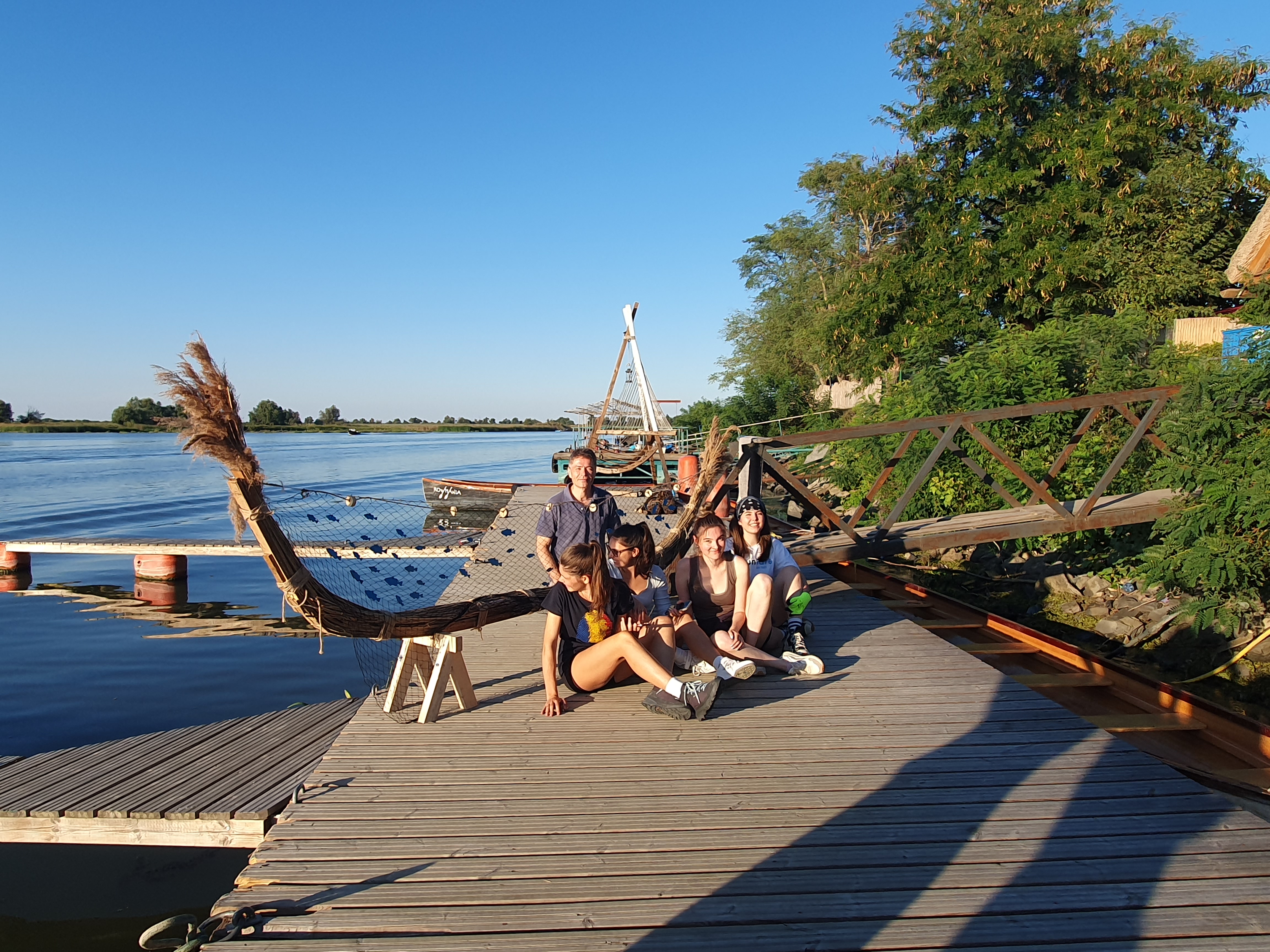
A structural rib from a canotcă canoe became Ivan’s Ark (Arca lui Ivan), installed on the floating pontoon in front of the Ivan Patzaichin Museum. The canoe rib was covered with netting woven using the traditional vintir technique, taught on site by local resident Ms. Liliana.
And reclaimed textile scraps from the Tulcea boatyard were woven along the pedestrian canal footbridge to create The Fringed Bridge (Podul cu franjuri) – an intervention that also draws attention to the community’s need for the bridge to be restored.
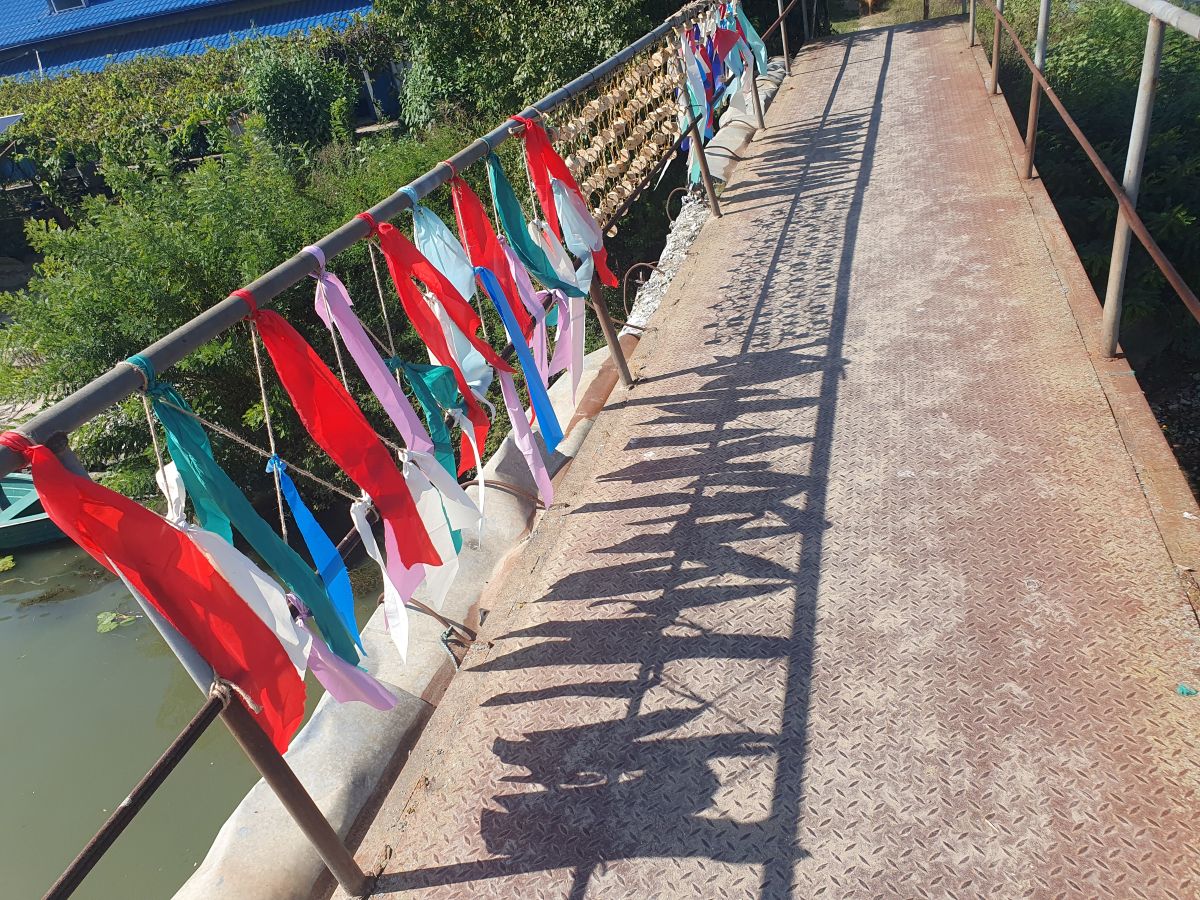
The Fringed Bridge. Photo: UAUIM
Six Interventions. One Principle
The six interventions followed two complementary approaches. Some began with the reuse of local materials gathered or donated by residents, giving existing elements a new purpose. Others explored object-design solutions reinterpreted and adapted to the specific context of Mila 23.
Three further interventions created places to stop, look and orientate within the village.
An Information Board & Photo Spot combined industrial-finished oak framing with hand-woven acacia and oak twigs, designed to be adaptable for the museum promenade or public squares.
A Chaise-longue Bench paired processed structural timber with local reed backing.
And The Bridge to the Water (Puntea către apă), positioned in front of the Community Cultural Centre beside the Mill totem, created a viewing point towards the Sulina branch and landing pontoon.
Different starting points. Different materials. Different uses. Different places in the village.
But all six interventions followed the same construction principle: they were designed to touch the place lightly.
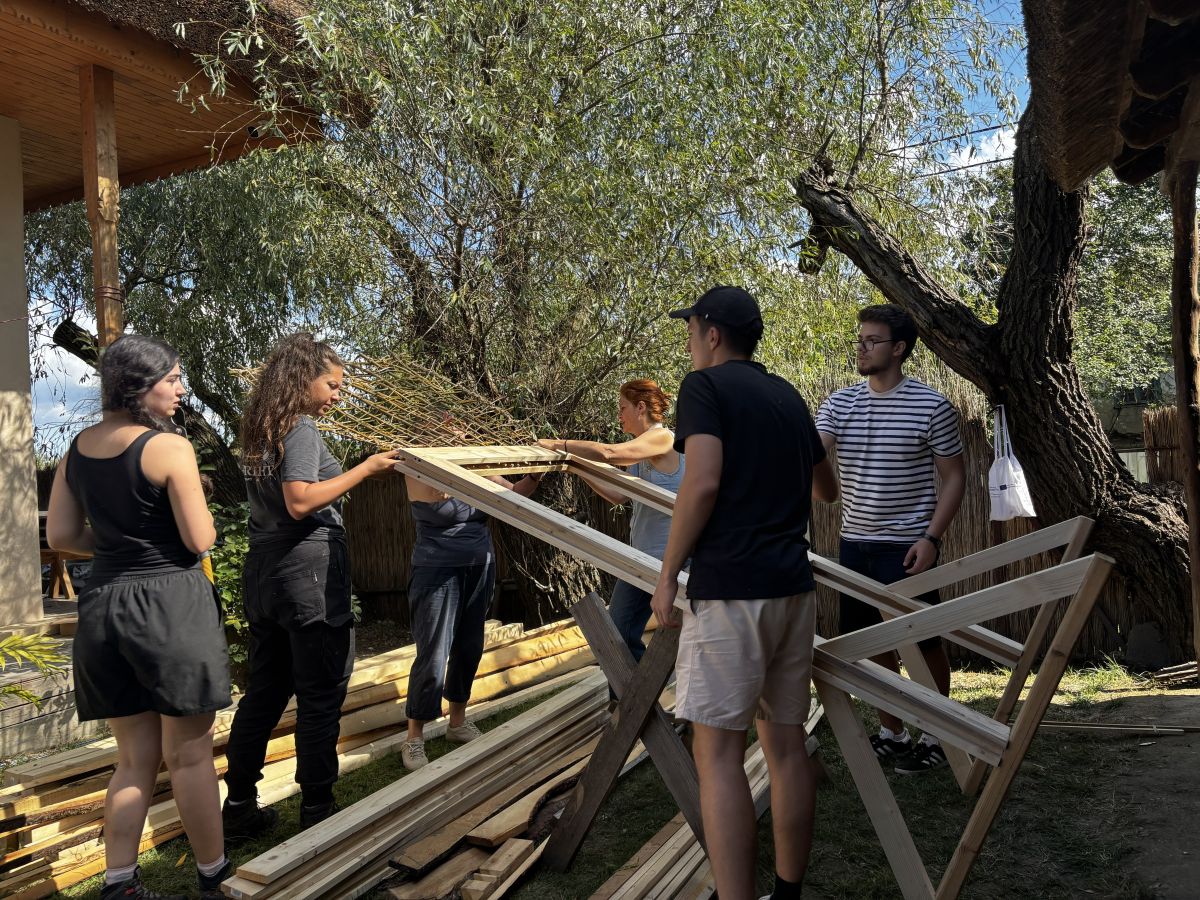
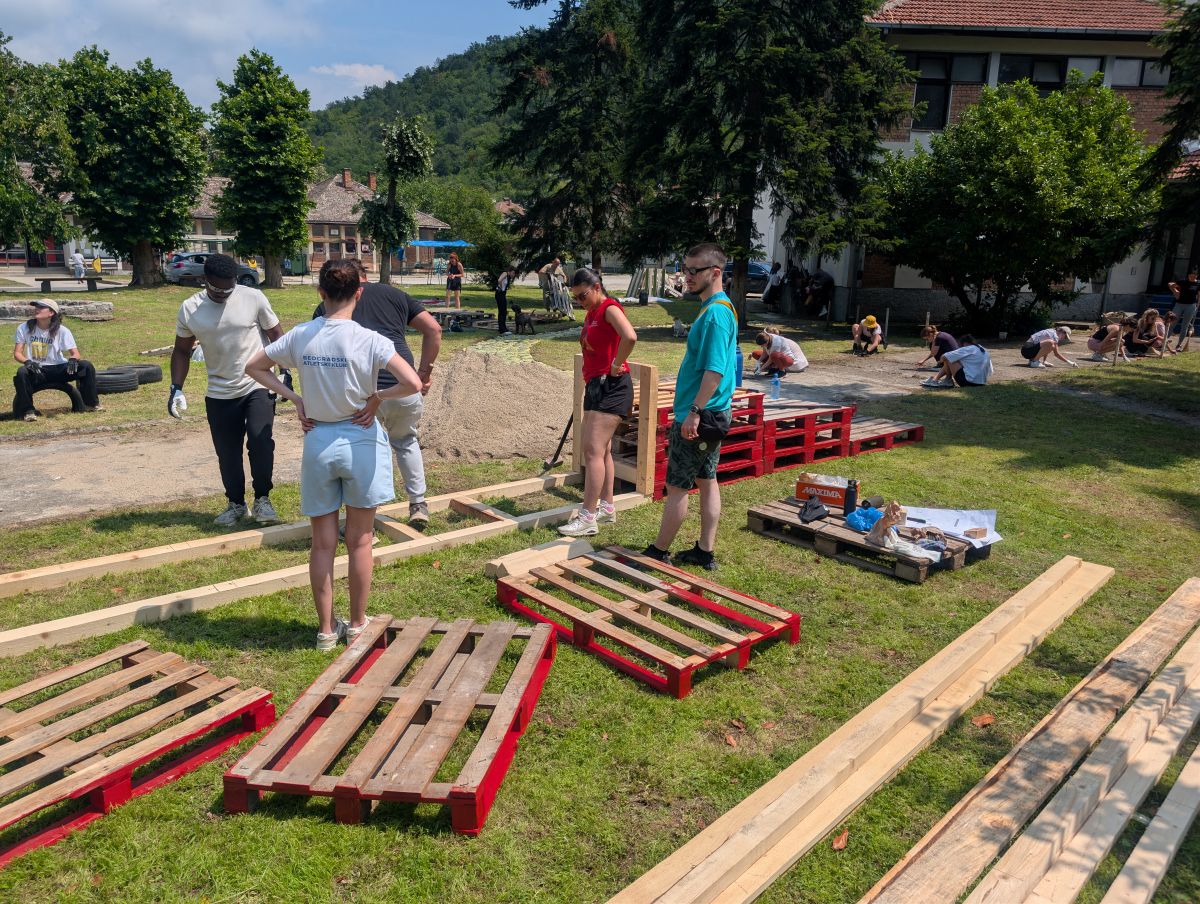
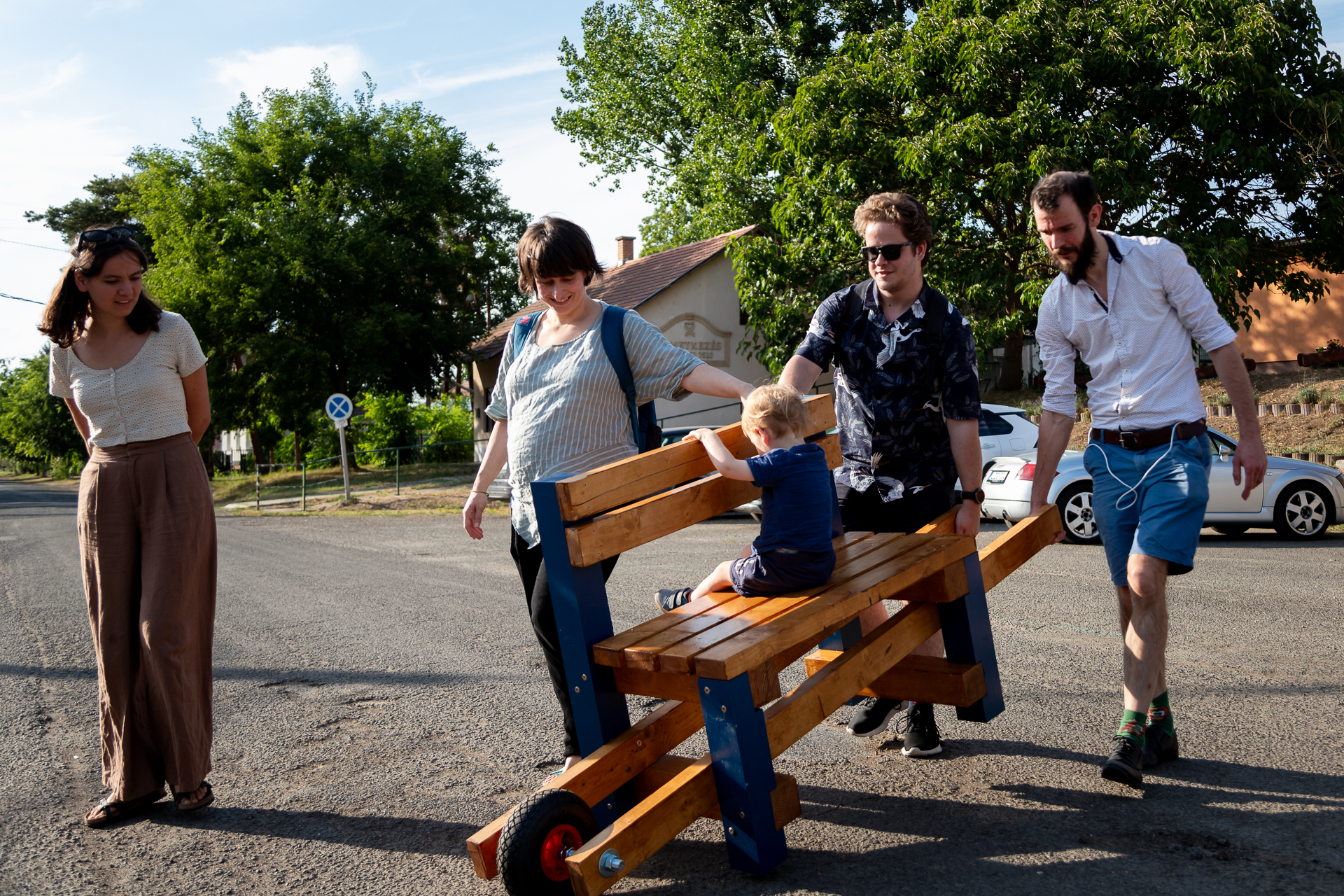
From design to making: assembling one of the reversible interventions in Mila 23. Photo: UAUIM
When Local Knowledge Enters the Design
The Building Camp brought together nine students across architecture, urban planning, landscape design and furniture design, coordinated by Prof. Dr. Arch. Urb. Angelica Stan, alongside "Ion Mincu" University of Architecture and Urban Design (UAUIM) faculty members Asst. Urb. Dr. Sorin Manea, Assoc. Prof. Dr. Arch. Marius Voica and Assoc. Prof. Dr. Arch. Maria Enache, and local project partners Arch. Teodor Frolu and Eng. Alina Jantea from Ivan Patzaichin - Mila 23 Association.
But not all the knowledge needed to make the interventions came from the university.
Local boatbuilder (marangoz) Alex-Iulian Onofrei contributed structural boat components, tools and technical support from his traditional boatyard in Tulcea. Local master craftsman Viorel Gheorghe assisted the team with tools, practical work and a boat, while local resident Ms. Liliana shared the traditional vintir net-weaving technique used for Ivan’s Ark.
Locally harvested reeds became part of public furniture. Reclaimed boatyard materials found new uses. Traditional techniques entered contemporary design.
The Building Camp therefore brought together different kinds of knowledge: academic research and design expertise, local ecological knowledge, craftsmanship and traditional skills.
The site was not simply somewhere to execute a finished design. The people, materials and knowledge encountered there became part of the design process itself.
Working in Mila 23 changed not only how the interventions were made, but what could become part of them.
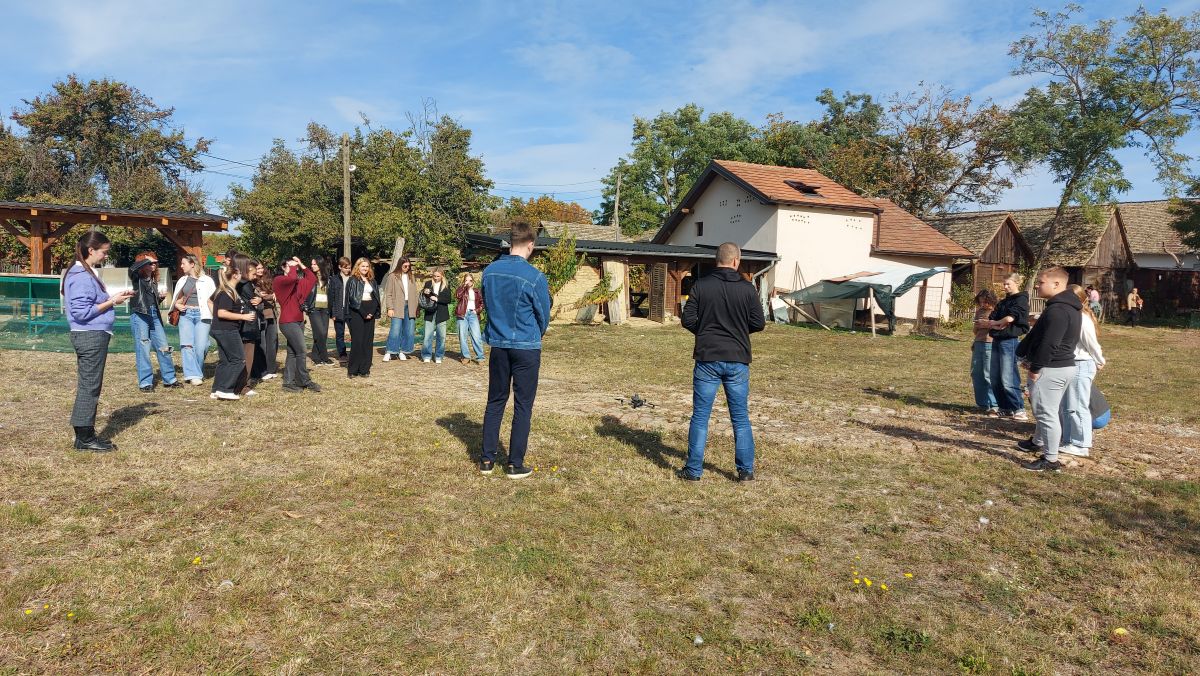
The Building Camp also provided an opportunity for exchange with TOURAL, another EU-funded project active in the Danube Delta. During a visit to Mila 23, TOURAL partners encountered the Danube Ruralscapes activities and the interventions developed through the Building Camp.
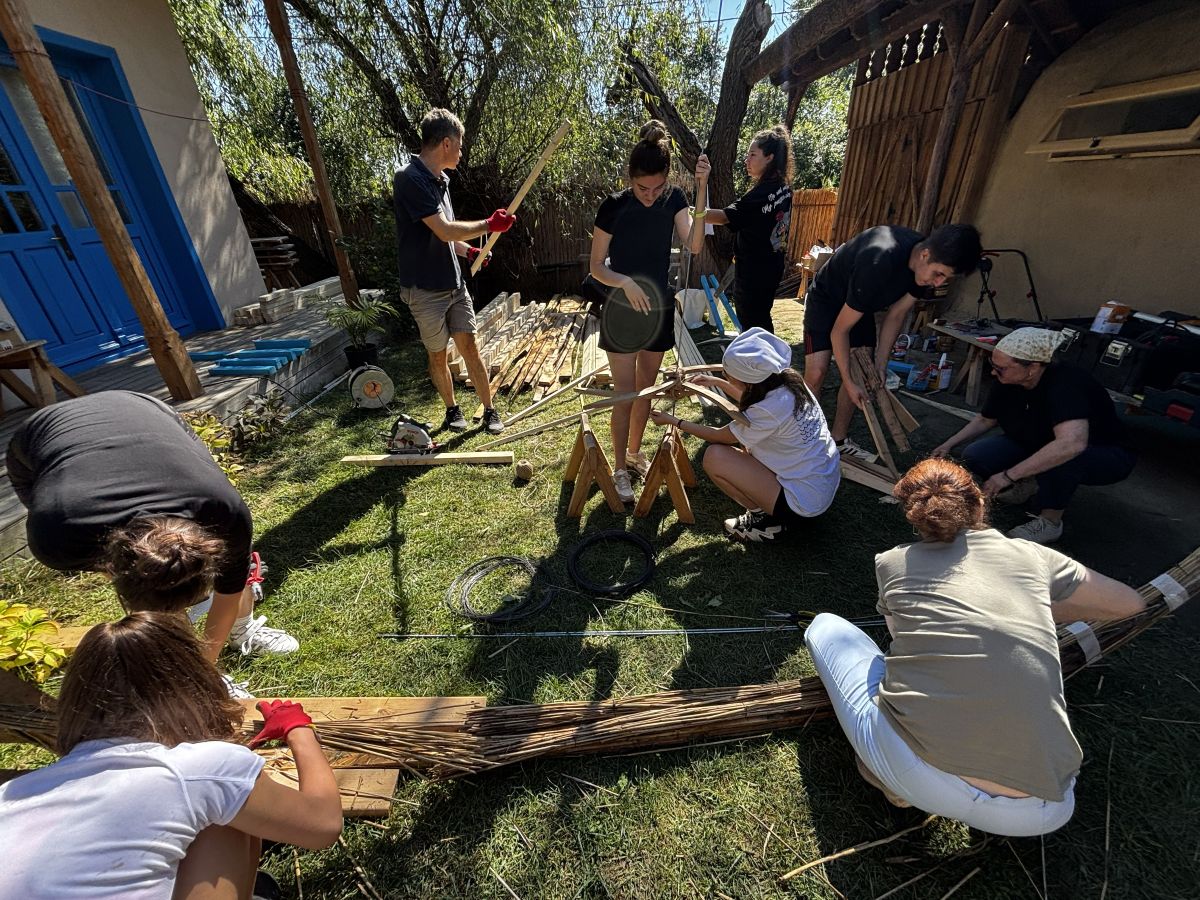
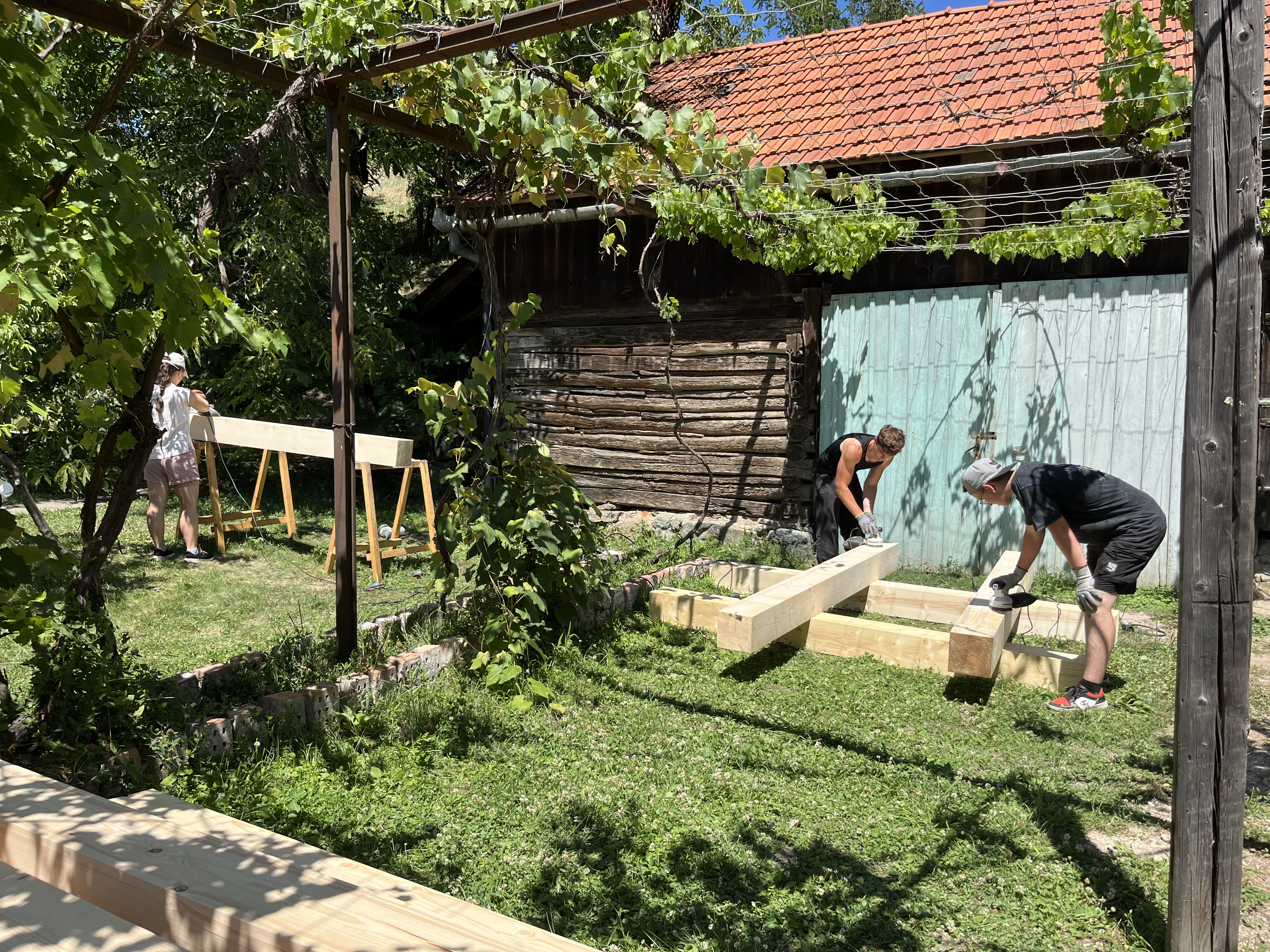
Working with timber and locally harvested reeds during the Building Camp. Photo: UAUIM
Leaving No Concrete Behind
That exchange of knowledge also shaped how the interventions touched the ground.
All six were assembled according to 100% dry-mounting principles, with zero concrete foundations and zero pollutant discharges. Each was designed to be completely environmentally reversible within the Danube Delta Biosphere Reserve.
Reversibility, then, was not something added to the project at the end.
It was one of the conditions that shaped the work from the beginning.
The partners describe this approach as sustainable micro-urbanism: bringing academic research together with local ecological knowledge, reclaimed resources and traditional skills through small-scale interventions in public space.
In Mila 23, that meant working with what was already available - from boat components and textile scraps to reeds and timber - while using construction methods that did not require permanent foundations.
By the end of five days, six new elements had been introduced into the village waterfront and public spaces.
But the result of the Building Camp was not only six new objects in public space.
A discarded material could take on another purpose. A traditional skill could become part of contemporary design. And an intervention in public space did not have to begin by permanently changing the ground beneath it.
Six interventions. Zero concrete.
And a different way of thinking about what it means to build in the Danube Delta.
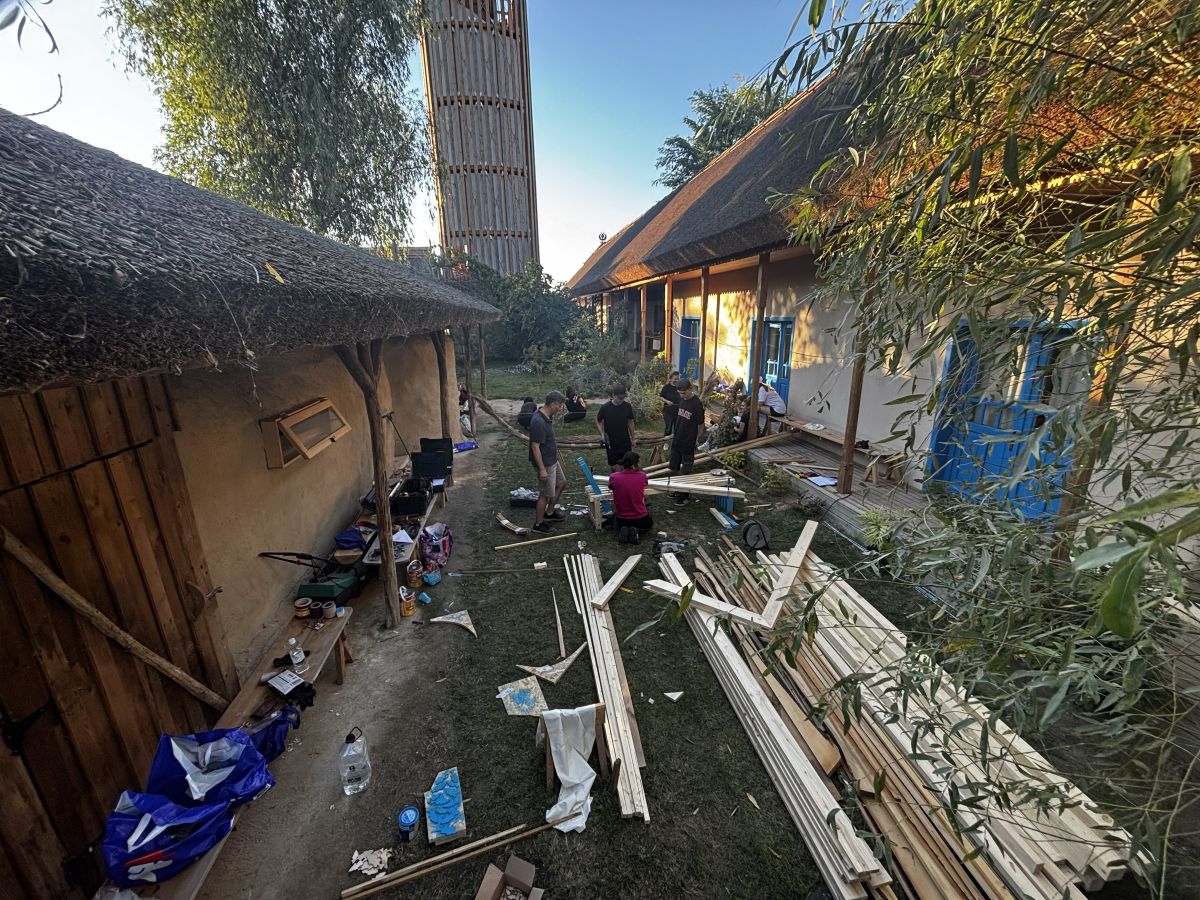
Five days of learning by doing in Mila 23. Photo: UAUIM
Acknowledgements
The Mila 23 Building Camp was organised by the "Ion Mincu" University of Architecture and Urbanism (UAUIM) in close partnership with the Ivan Patzaichin - Mila 23 Association, within the Danube Ruralscapes project, co-funded by the Interreg Danube Region Programme.
Special contributions to the building process came from boatbuilder Alex-Iulian Onofrei, local master craftsman Viorel Gheorghe, who assisted with tools, practical work and a boat, and local resident Ms. Liliana, who shared the traditional vintir net-weaving technique.
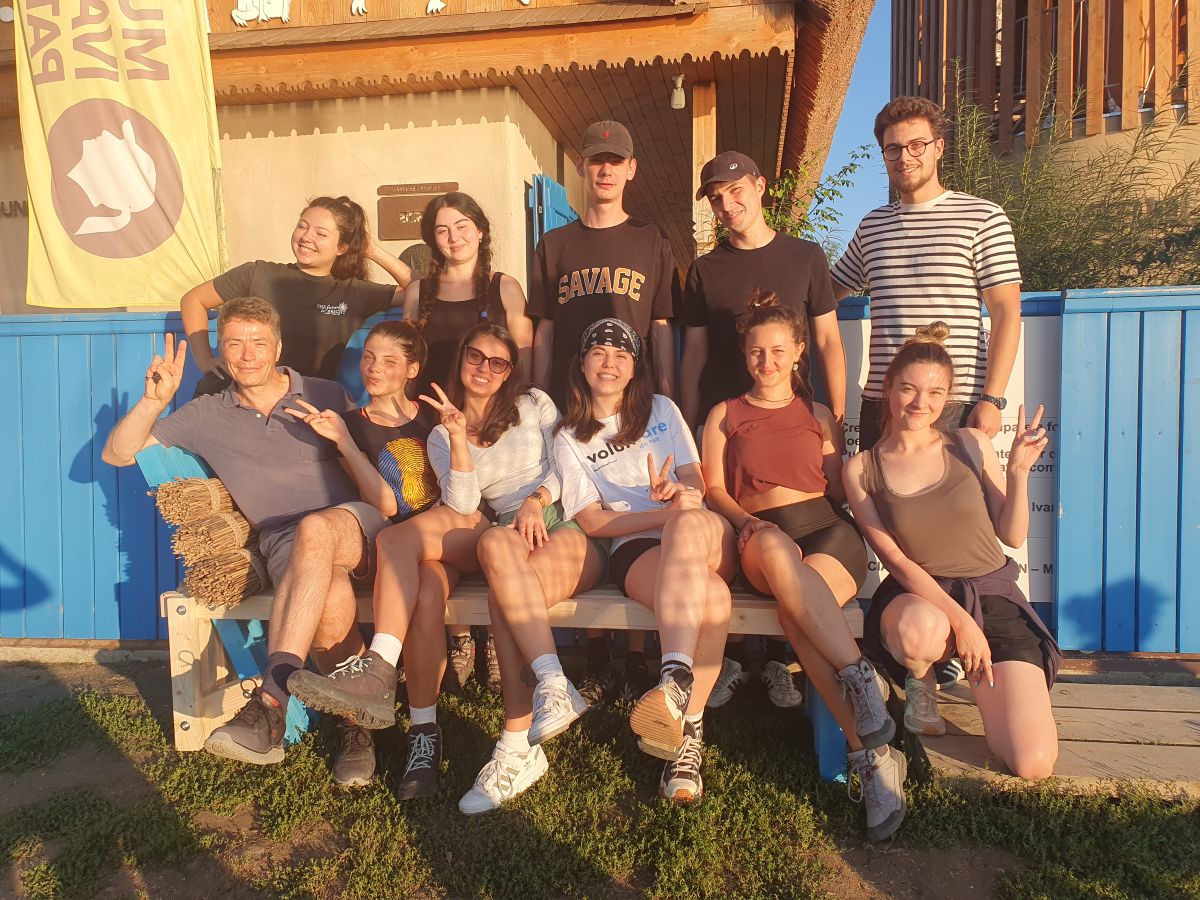
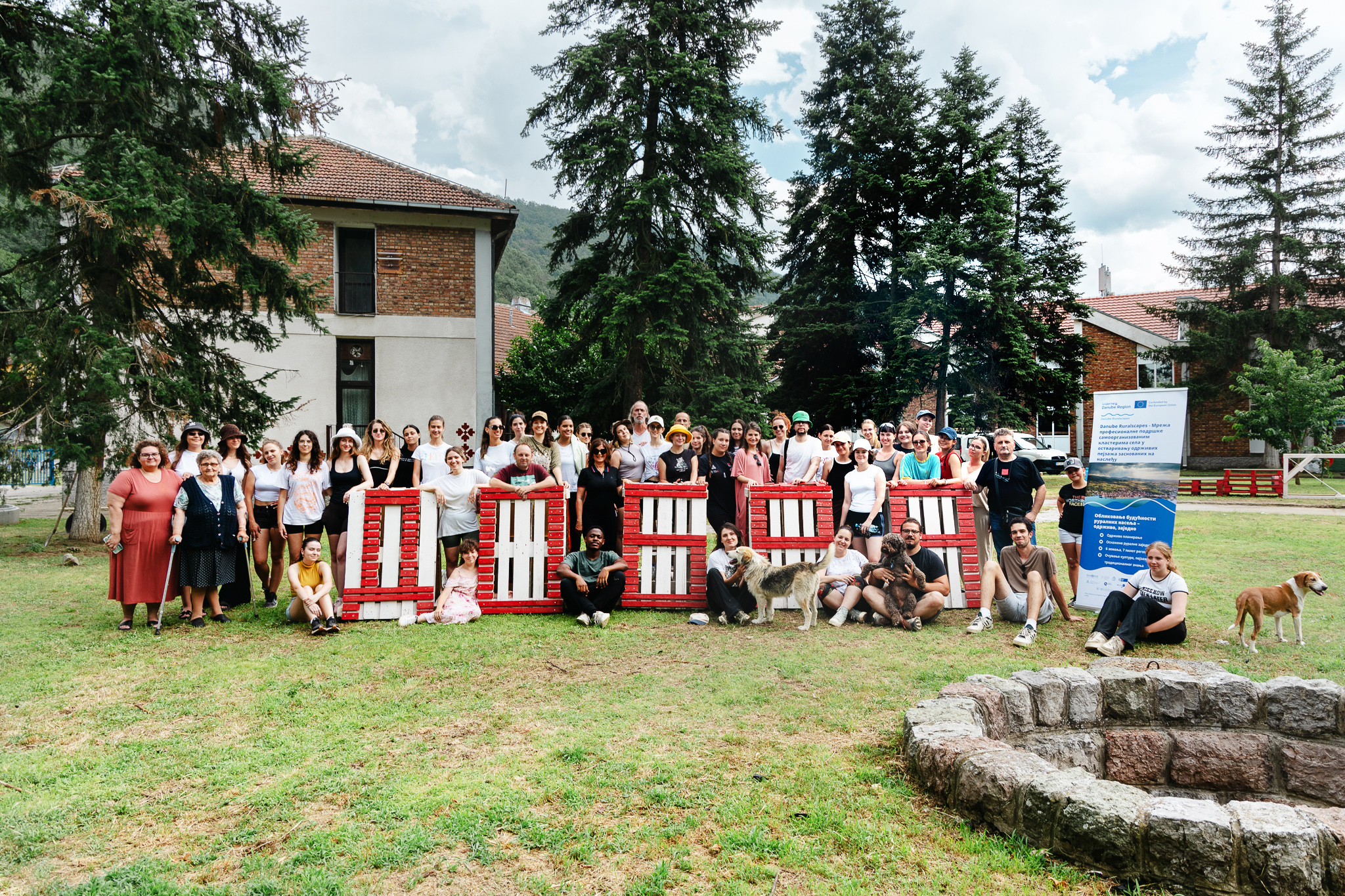
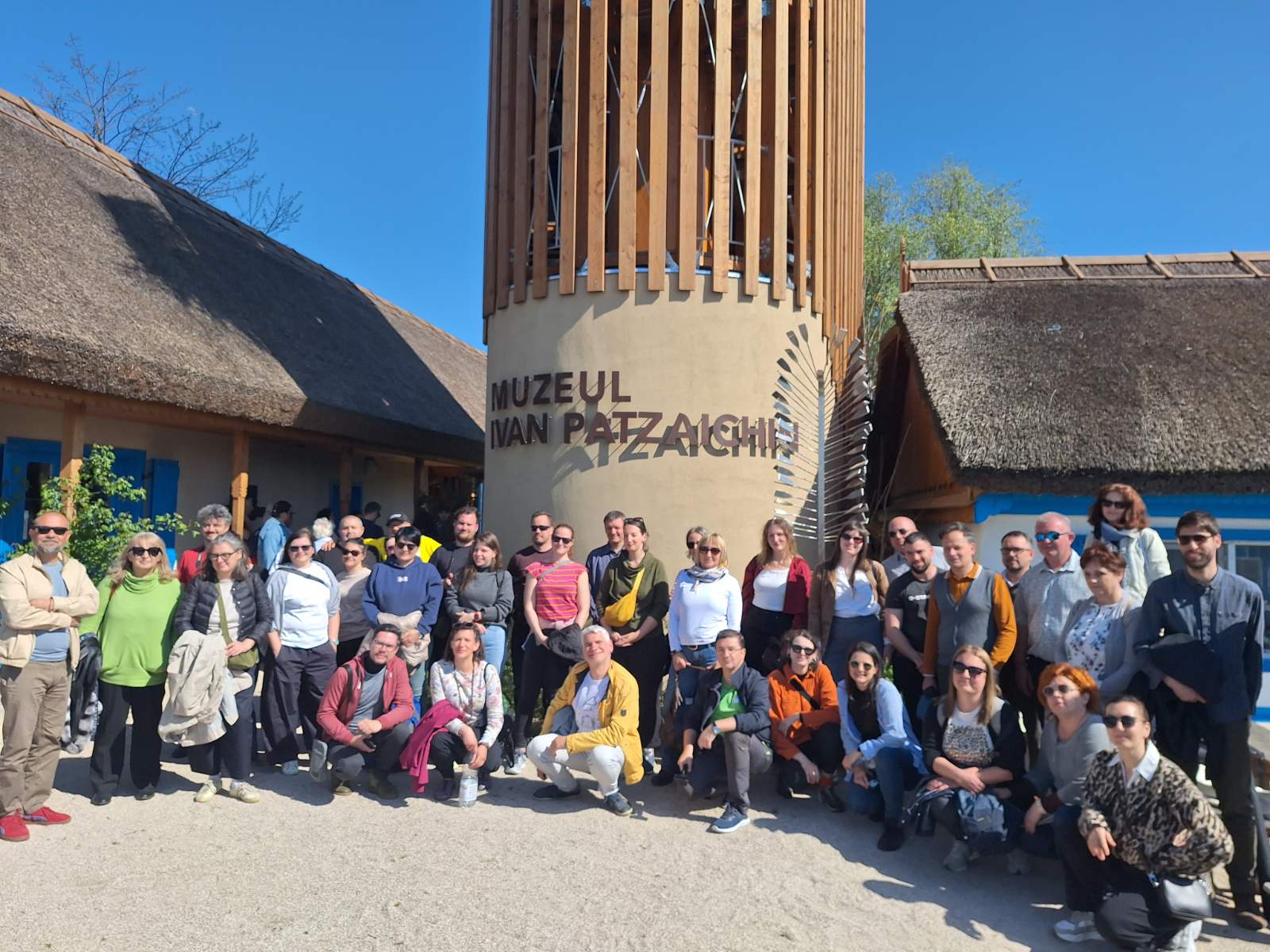
The Mila 23 Building Camp team. Photo: UAUIM

24/09/2026
By Desislava Mincheva-Yordanova
Share on social media:


Cooperation

News & Events
Read the most recent updates and explore the upcoming events.


Would you like to receive project updates?
You're already part of our community!
Welcome to our newsletter community!
Subscribe to our newsletter