

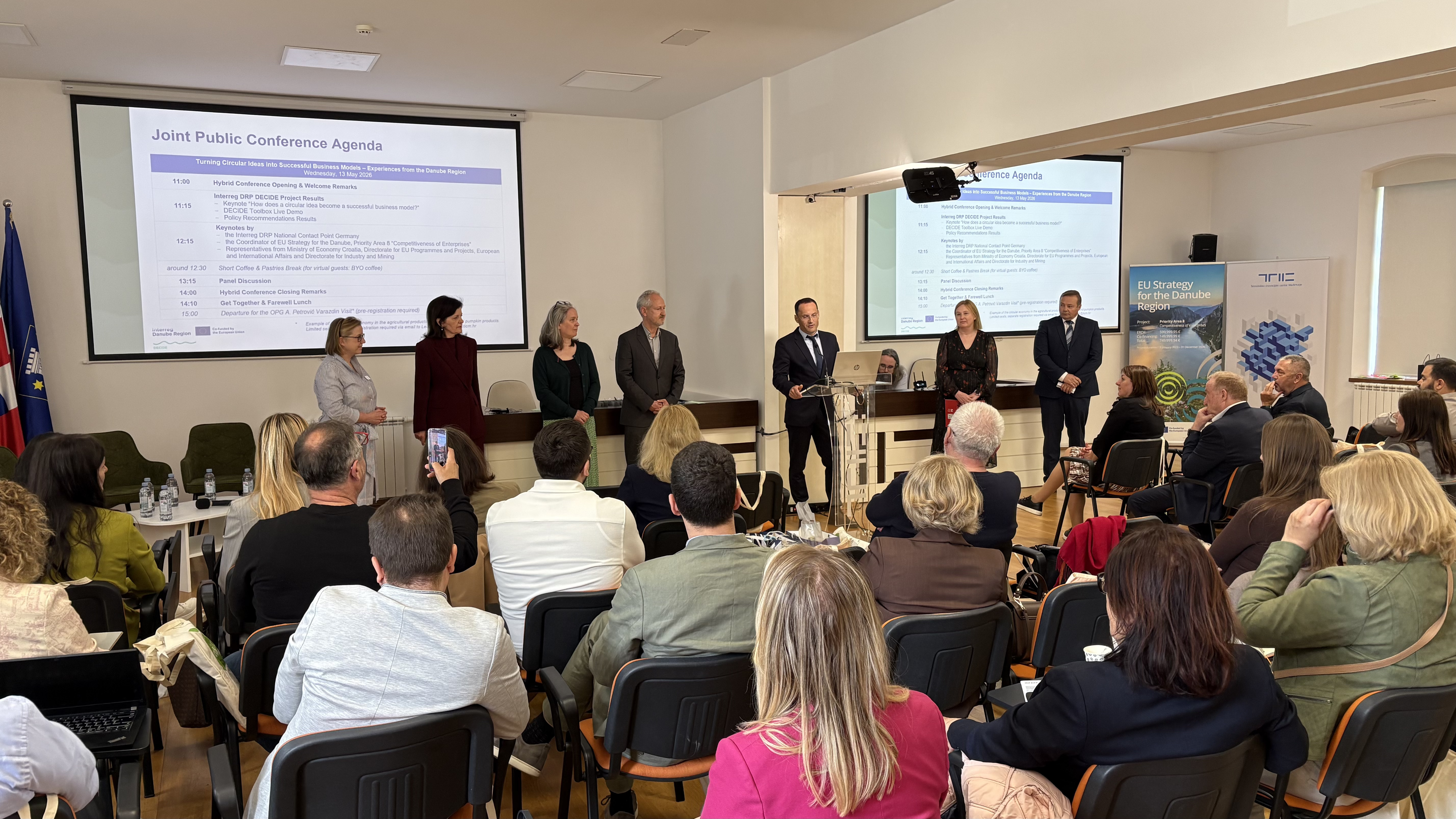
DECIDE Toolbox strengthened with the Digital Service Implementation Recommender
The DECIDE project has completed Deliverable D1.2.3 – Digital Service Implementation Recommender (DSIR). The DSIR is an important part of the DECIDE Toolbox and helps users analyse, plan and implement Circular Economy Business Models (CEBMs) in the Danube Region.
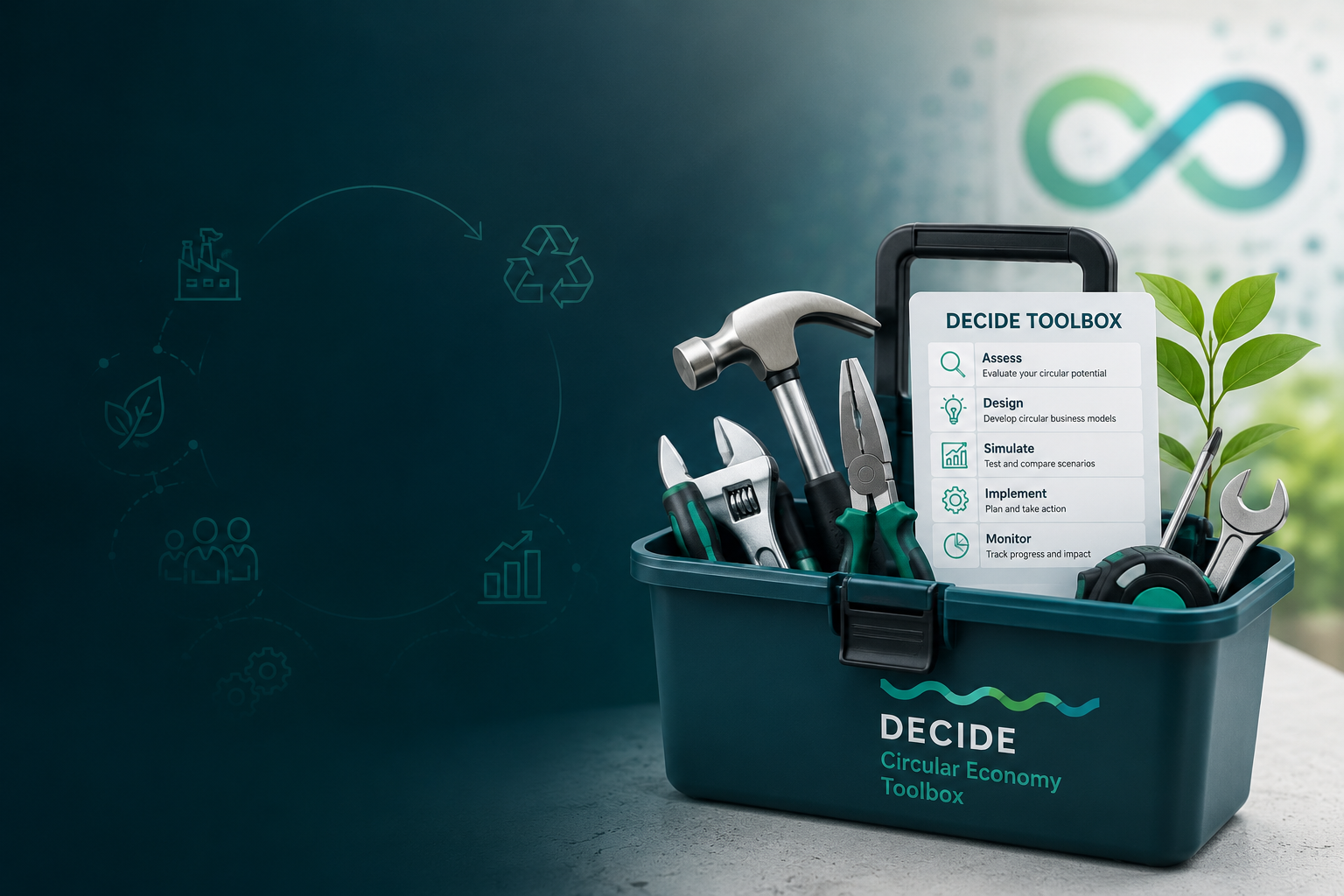
The DECIDE Toolbox is one of the main results of the project. It supports SMEs, start-ups, business support organisations, cluster managers, local and regional public authorities, and other circular economy stakeholders in developing and transferring circular business models. The toolbox focuses on five sectors: food, packaging, textiles, batteries and smart cities.
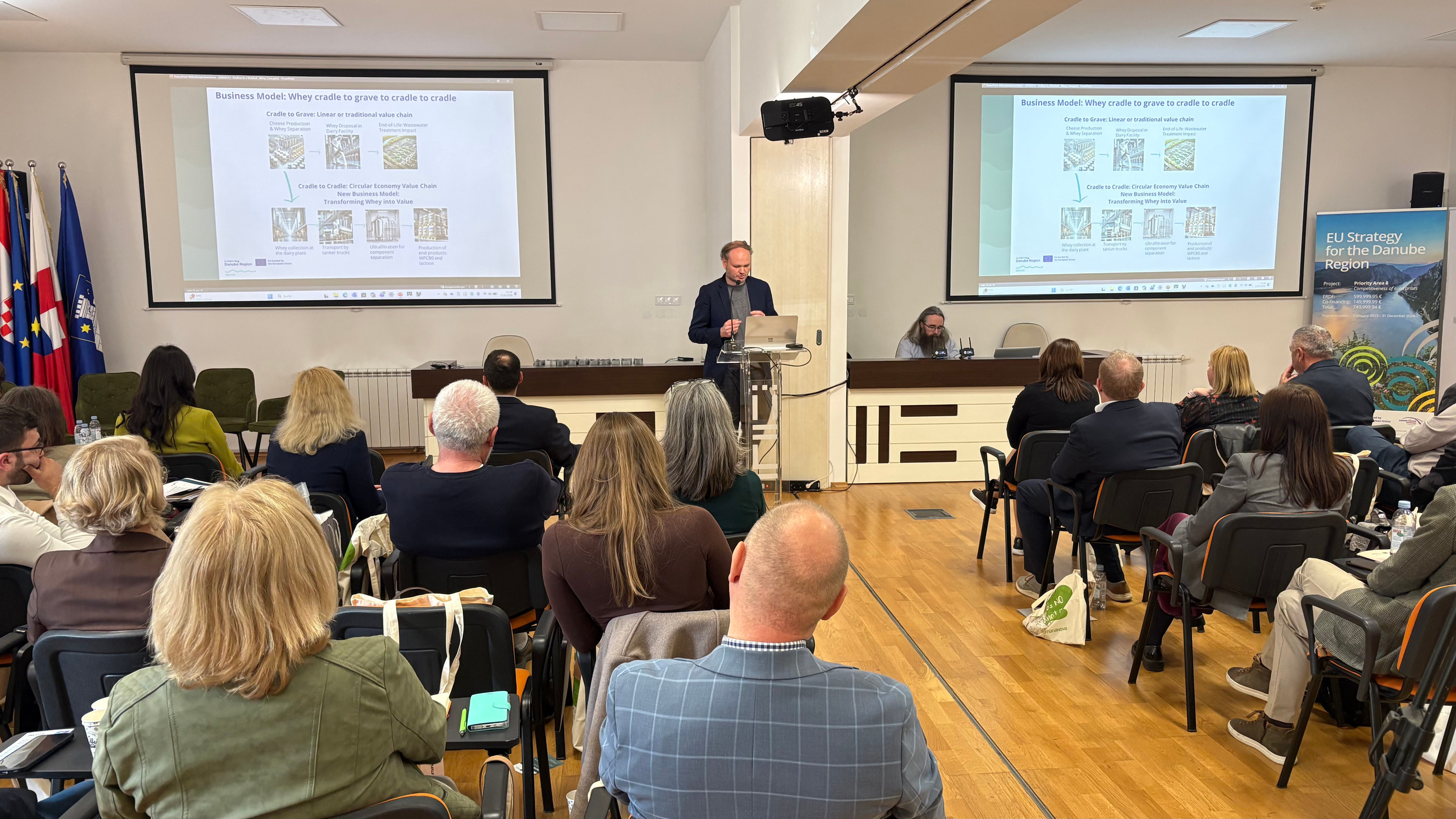
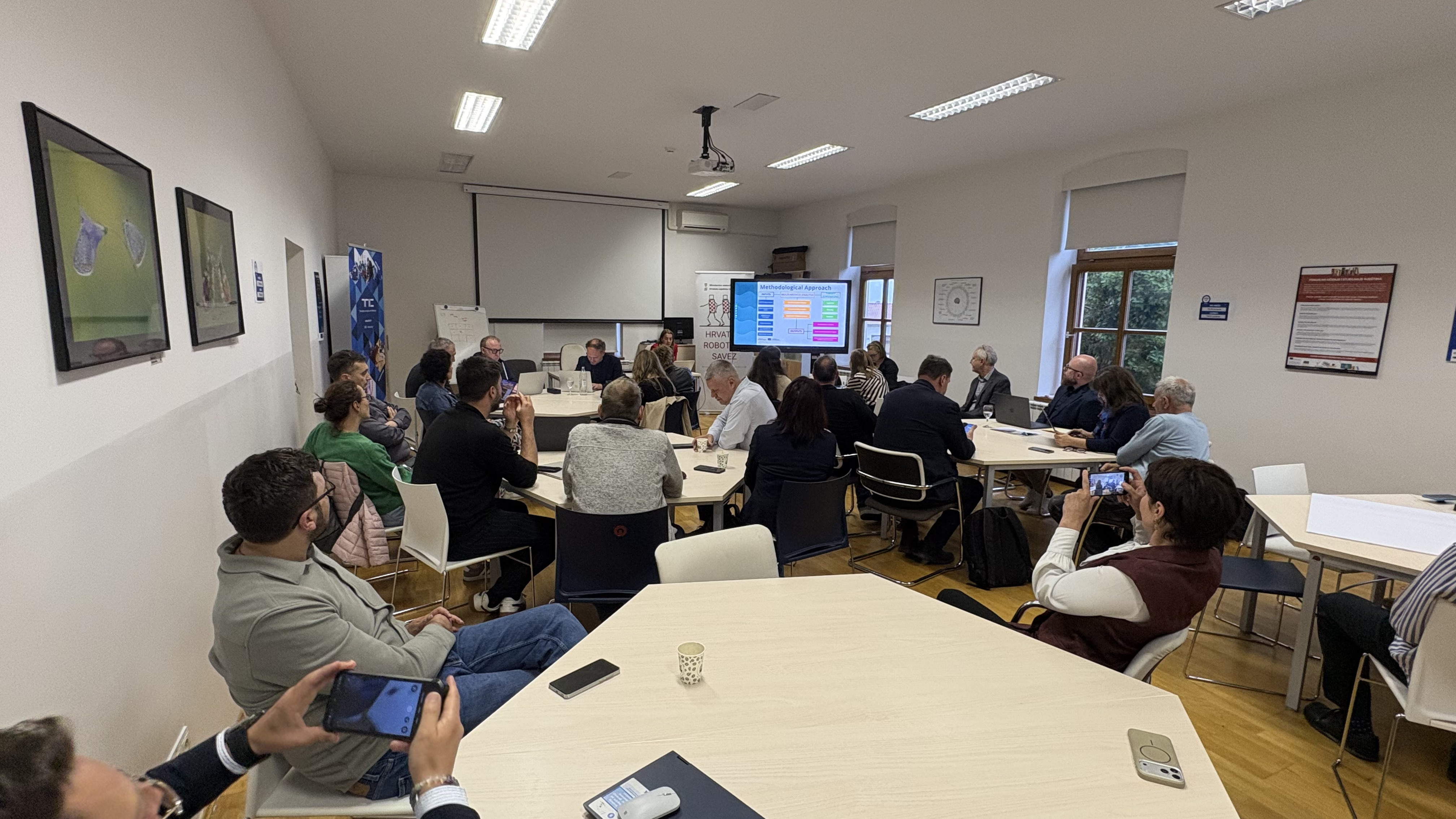
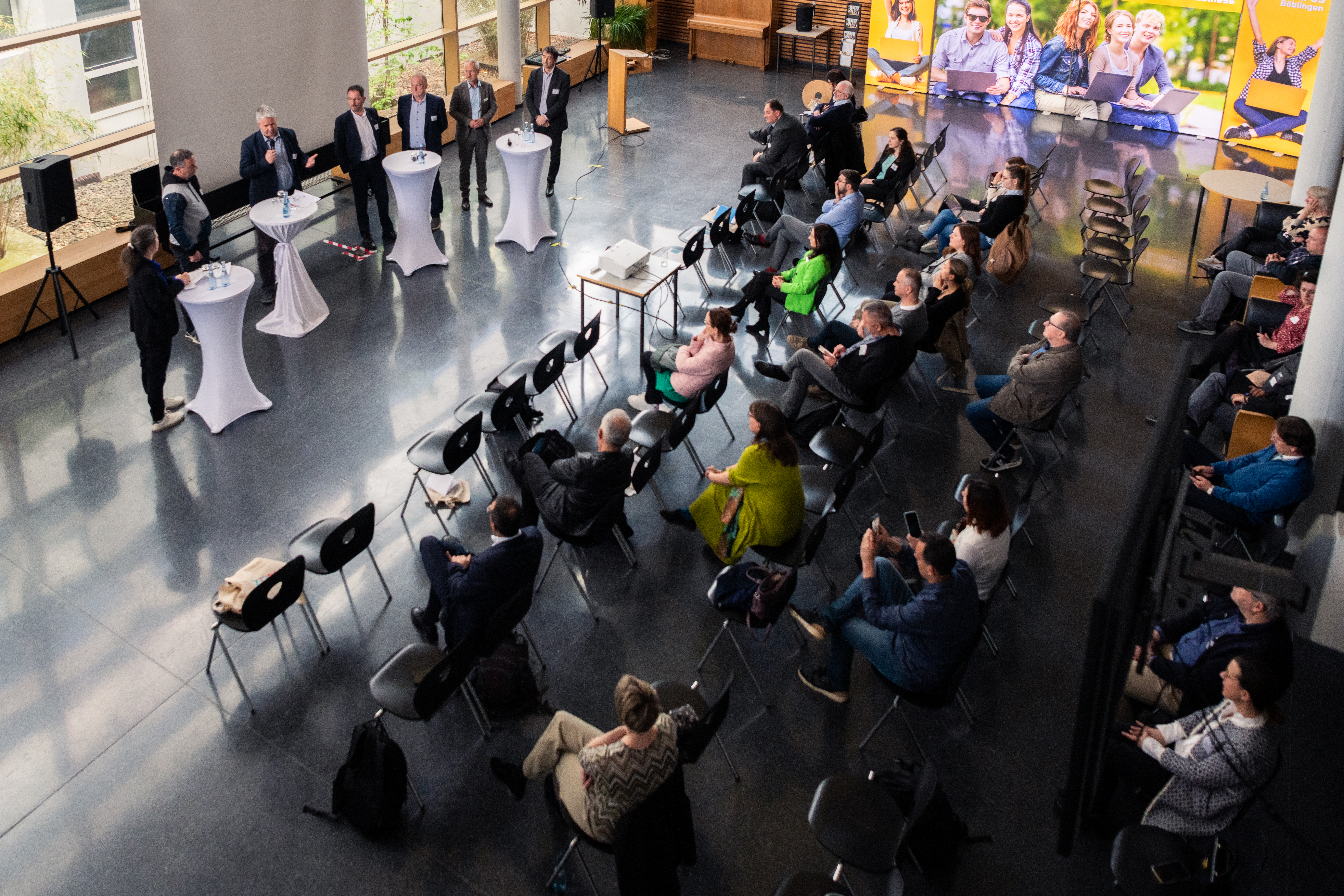
Live demo of the DECIDE Toolbox. Copyright: TICM
Many circular economy ideas have a common problem. Even if the business model is promising, organisations often do not know what they need to implement in practice. They may need new skills, digital tools, better coordination, data structures or quality control processes. The DSIR helps to overcome these challenges.
The DSIR connects business model analysis with implementation planning. It helps users understand what an organisation needs to do to introduce, adapt and operate a circular business model successfully.
The tool links common circular economy business models to a structured list of capabilities. It distinguishes between business capabilities, such as sourcing, logistics, quality management, compliance and performance monitoring, and enabling technology and IT capabilities, such as traceability, data collection, dashboards, audit trails or system integration.
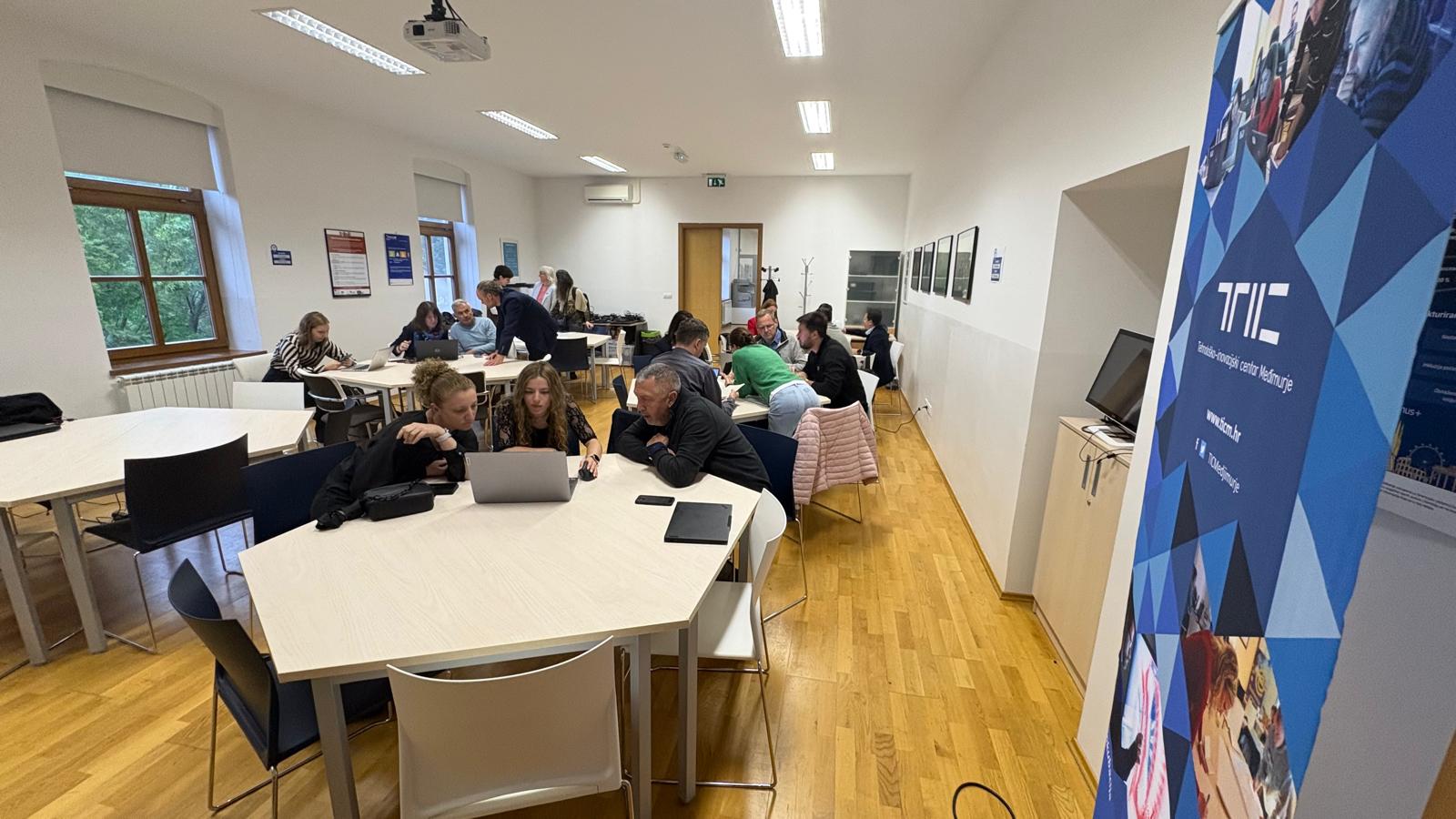
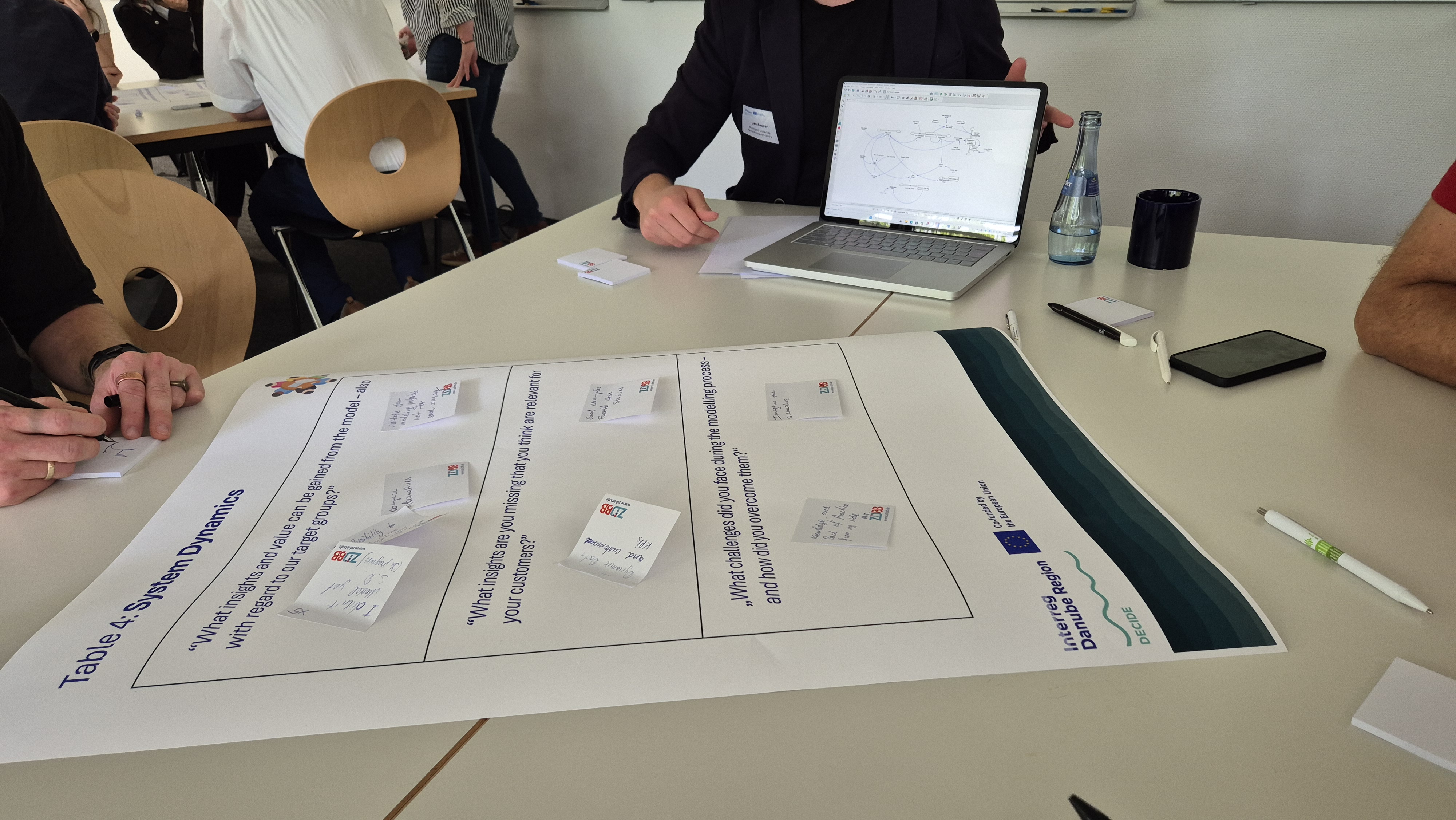
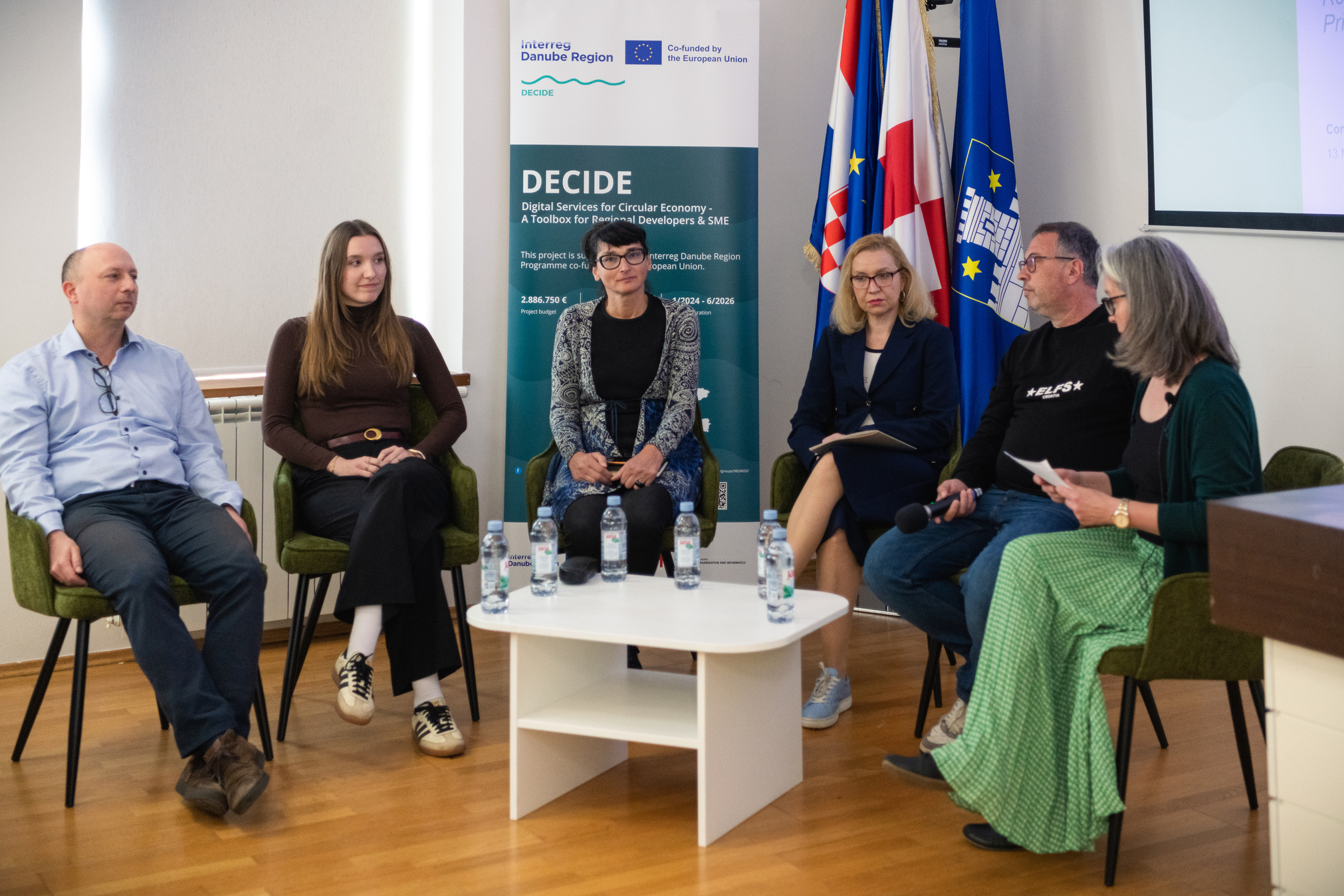
Digital Service Implementation Recommender Validation Workshop. Copyright: TICM
Using capability maps, the DSIR shows implementation requirements at an early stage. This helps users compare existing capabilities with those that are needed, identify gaps, set priorities and plan investments in skills, equipment, digital tools and cooperation.
The DSIR can support different users in different ways. For example, an SME in the food sector can use it to understand what is needed to turn a by-product into a new source of value. Business support organisations and cluster managers can use it to guide companies through the implementation process. Regional developers can use it to identify where additional support, infrastructure or partnerships are needed to enable circular value chains in their region.
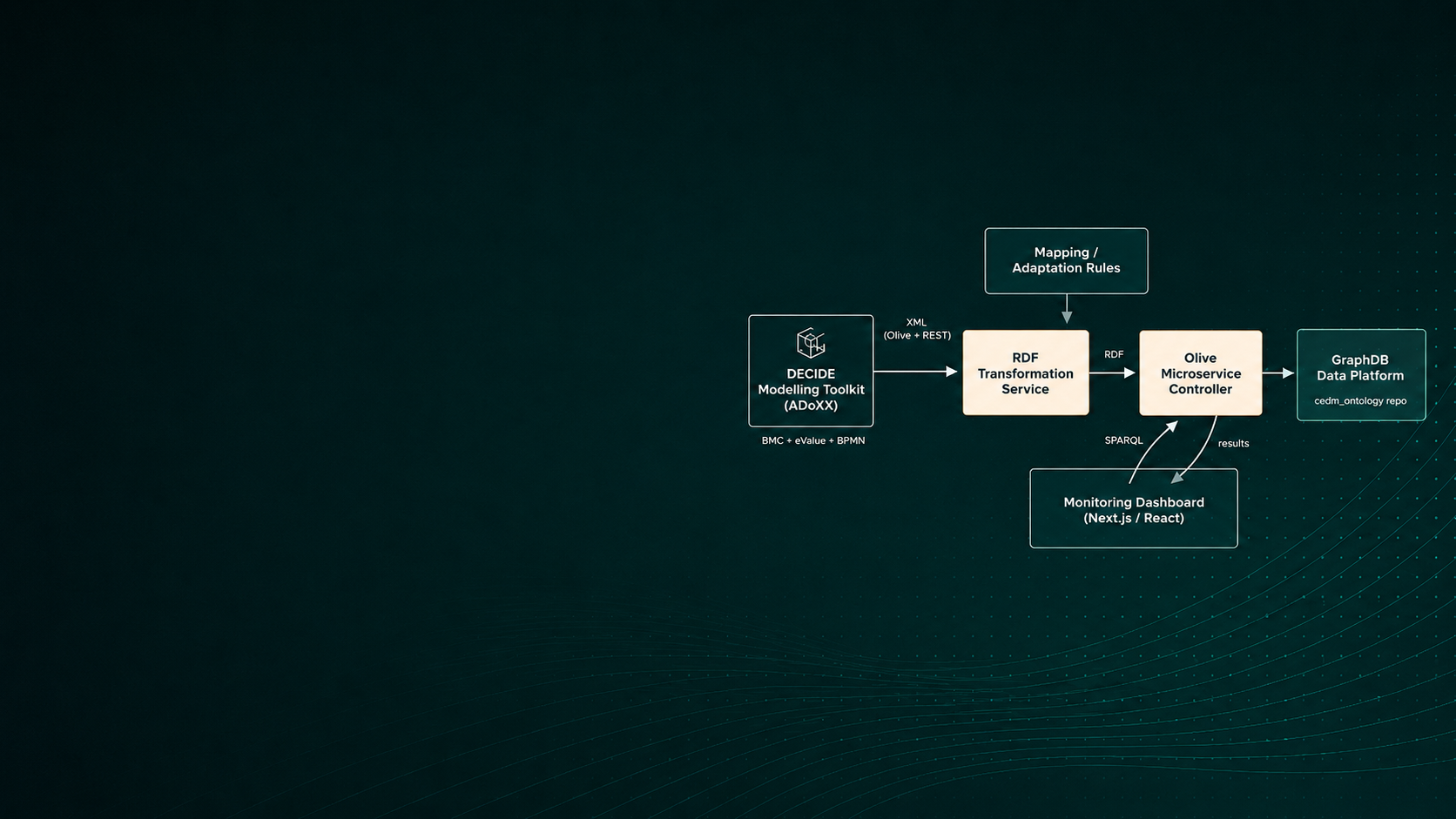
The DSIR has been integrated into the DECIDE modelling environment and connected with other DECIDE tools, including Business Model Canvas, BPMN, e3Value and System Dynamics. This allows users to consider implementation needs together with strategic, operational, value-network and dynamic perspectives.
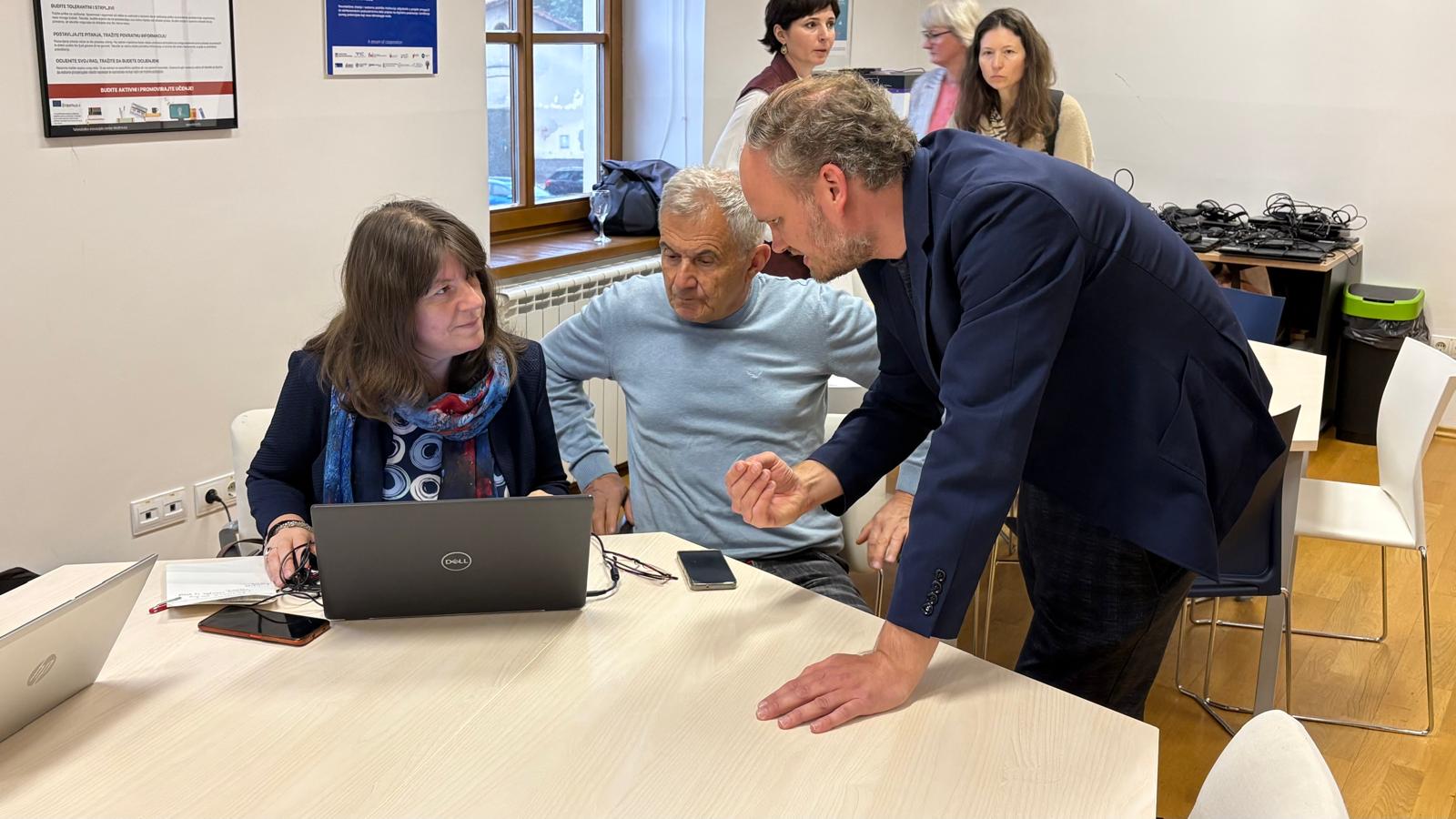
The deliverable was demonstrated in a DECIDE training case on transforming whey into value. The example showed how a circular economy business model can be converted into a capability map to identify gaps and support implementation.
One of the main strengths of the DSIR is its flexibility. Because it is based on a structured and expandable capability catalogue, the approach can be adapted to different sectors and regions. This means that it can support not only the current DECIDE pilot and training activities, but also future circular economy initiatives beyond the project.
By adding an implementation-oriented perspective to the DECIDE Toolbox, the DSIR helps users move from the question “What is the circular business model?” to “What do we need to make it work?”. In this way, it supports the overall goal of DECIDE: promoting the uptake of circular economy solutions across the Danube Region through practical tools, shared knowledge and transnational cooperation.
This article has been developed within the framework of the project Digital Services for Circular Economy - A Toolbox for Regional Developers & SMEs (DECIDE), co-financed by the Interreg Danube Region Programme under the 2021-2027 financial period. The content reflects the views of the authors and does not necessarily represent the official position of the DECIDE project, its partners, or the programme authorities.

17/06/2026
By Lea Trojnar Mustak
Share on social media:


Smart

News & Events
Read the most recent updates and explore the upcoming events.


Would you like to receive project updates?
You're already part of our community!
Welcome to our newsletter community!
Subscribe to our newsletter