
System Dynamics Modelling Supporting Circular Economy Transitions
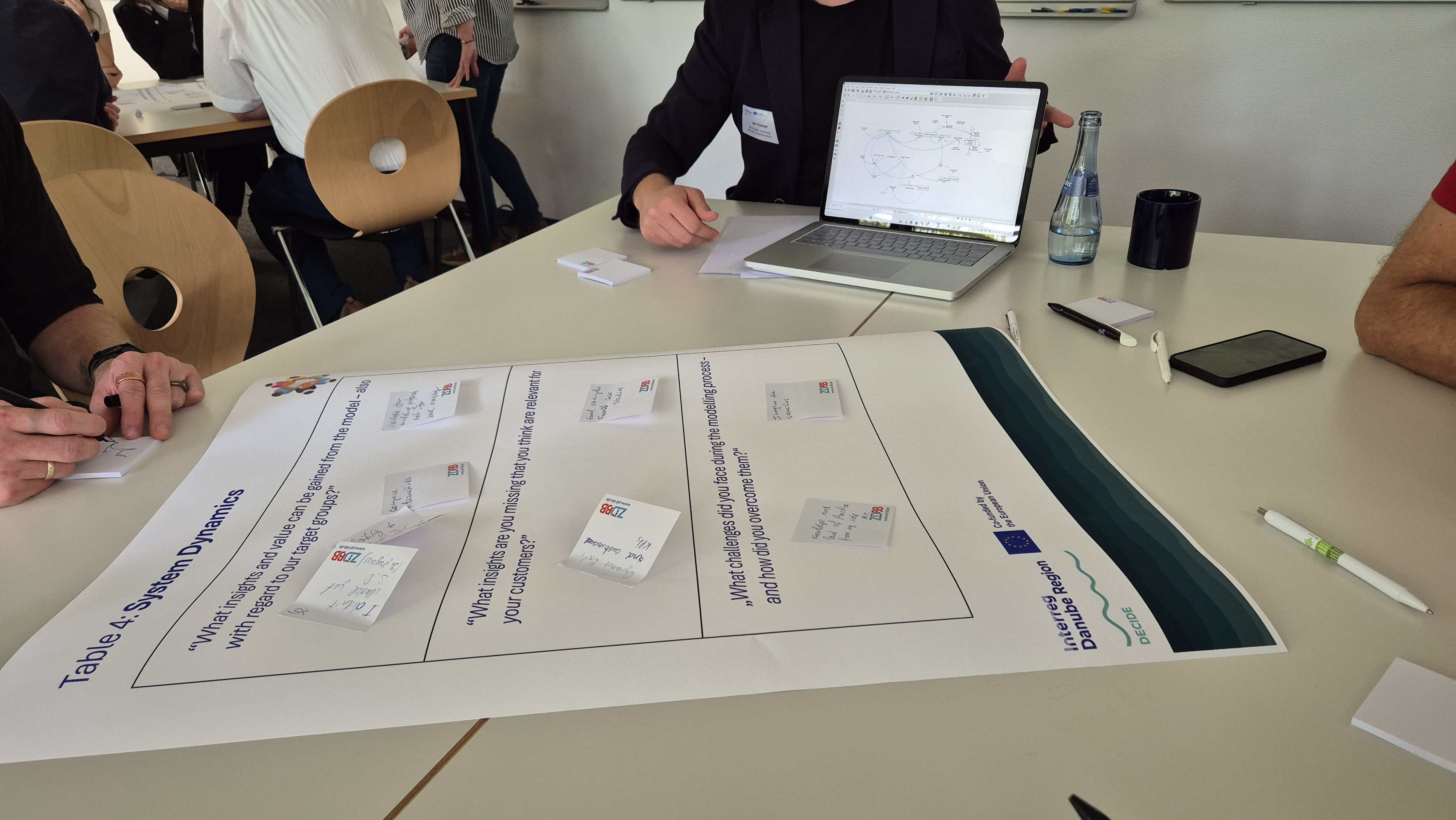
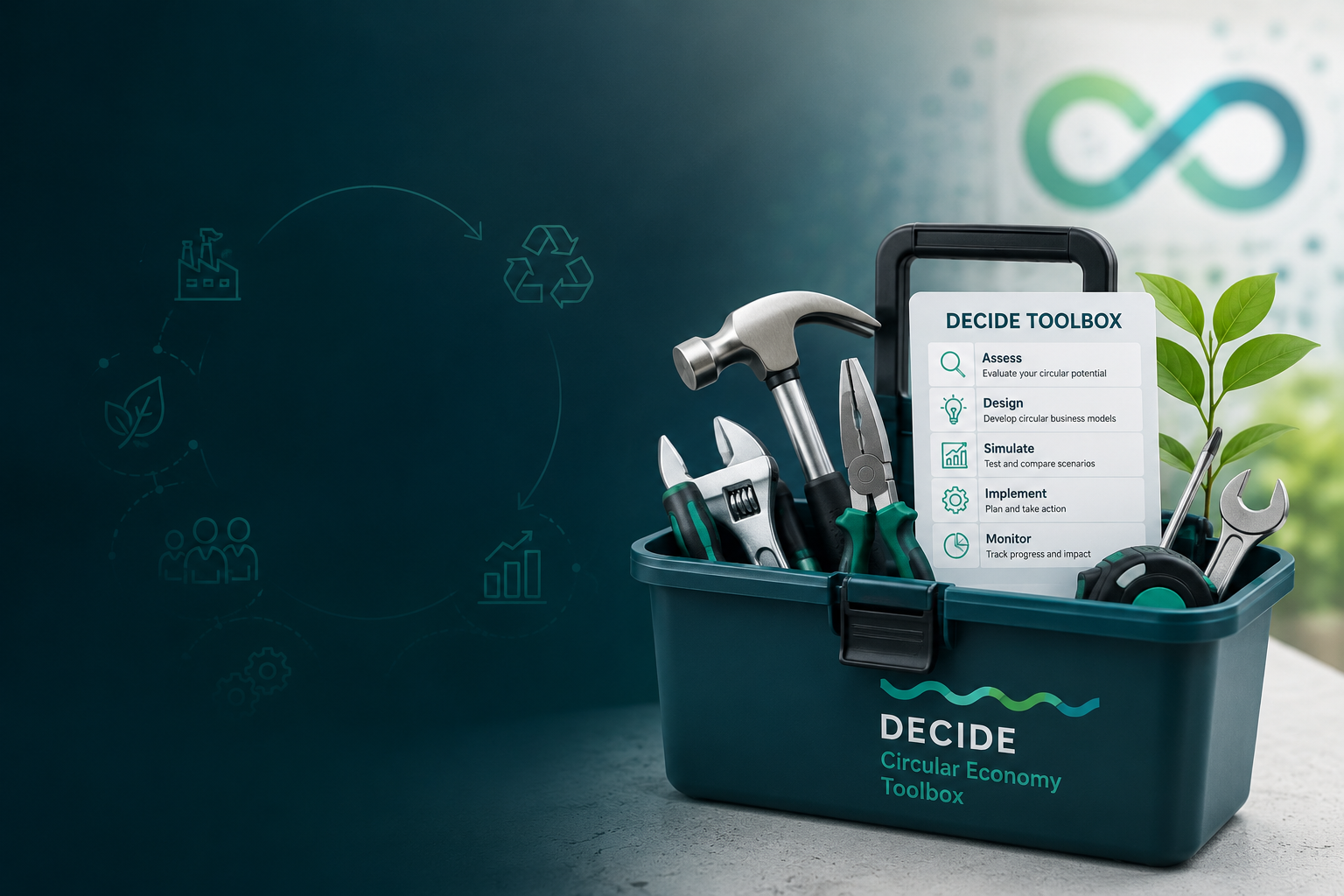
The DECIDE partnership is pleased to present Deliverable D1.4.3. System Dynamics Models of Piloted Circular Economy Business Models. This significant achievement further strengthens the DECIDE Toolbox and expands its capacity to support organisations across the Danube Region in their transition to circular-economy business models. It provides users with a practical, simulation-based tool to analyse, test and improve circular business models by understanding their long-term economic, environmental and social impacts.
Copyright: TICM
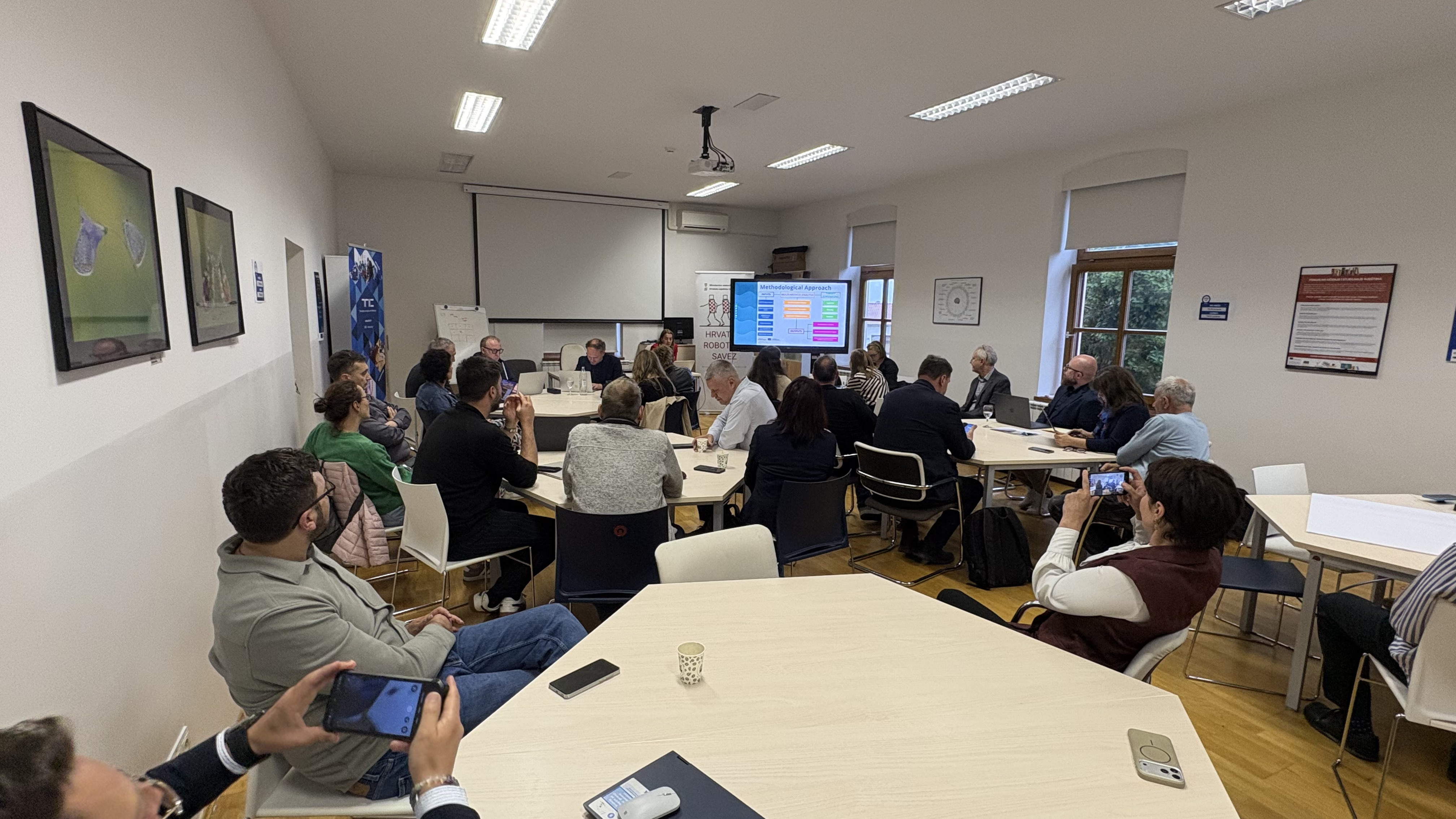
The deliverable was developed collaboratively by DECIDE partners, led by Reutlingen University, with essential contributions from the Pulp and Paper Institute and Anteja. Their combined expertise shaped the modelling approach, validation steps, and pilot case development that underpin this milestone.
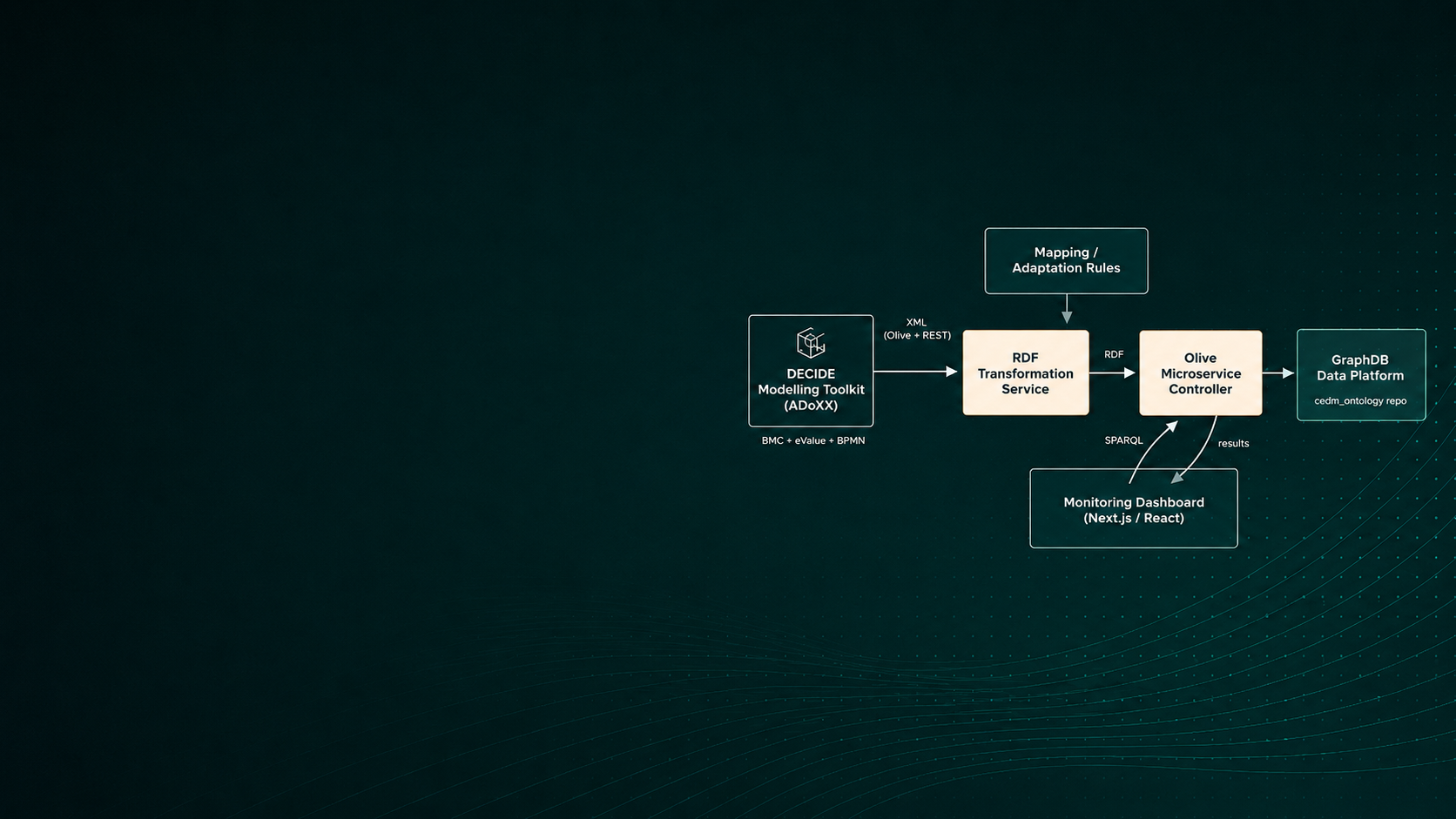
With this deliverable, System Dynamics Modelling is now a fully integrated component of the DECIDE Toolbox. This addition enables users to explore circular economy solutions not only at the conceptual level but also through dynamic simulations that illustrate how models perform over time. System Dynamics enriches the existing methodological toolkit - comprising the Business Model Canvas, e3Value and BPMN - by allowing long-term economic, environmental and social effects to be visualised and assessed. These include shifts in material flows, potential reductions in CO₂ emissions and the financial performance of circular business models.
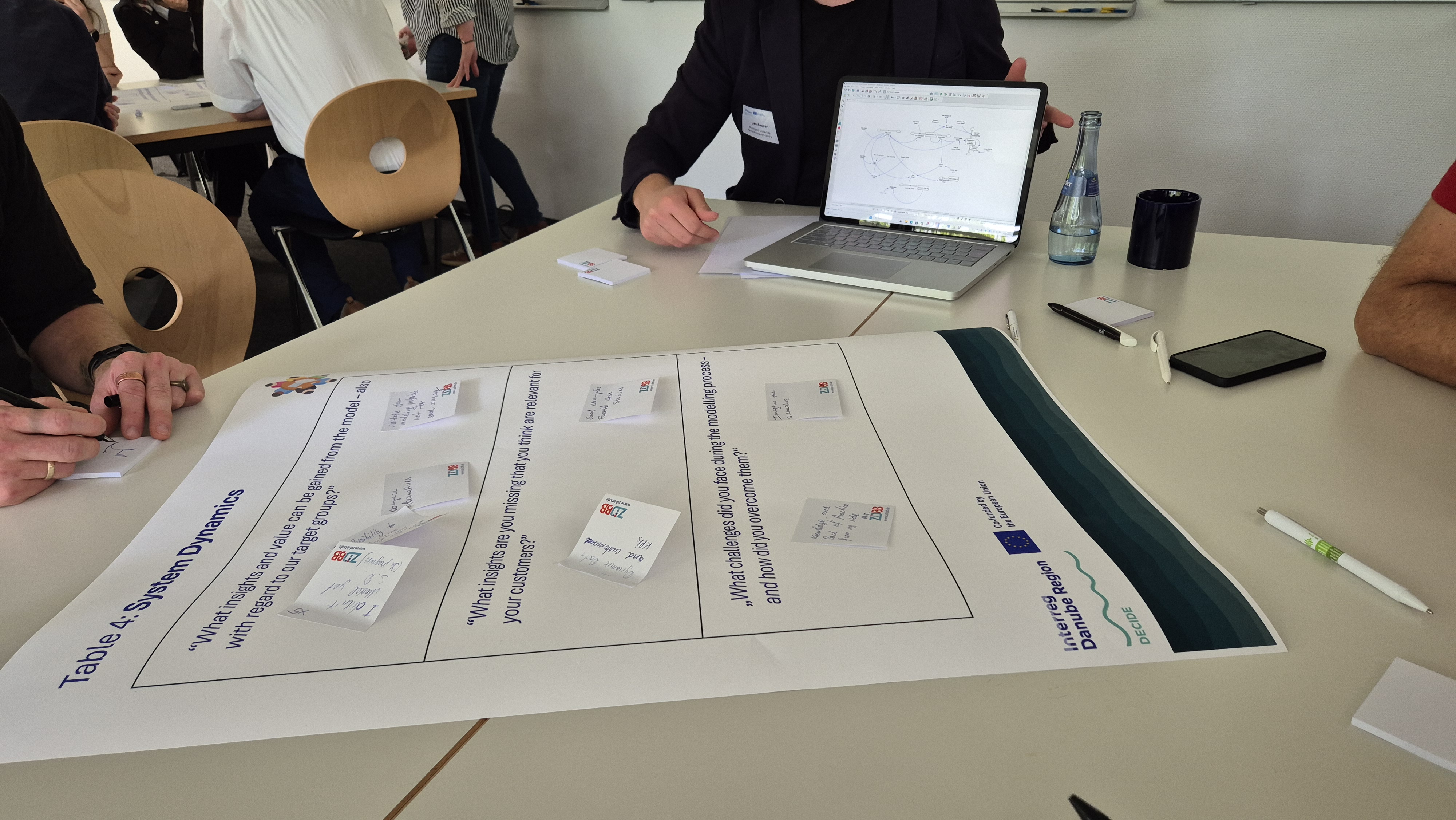
Its development followed a collaborative and iterative process: pilot cases were analysed jointly, relevant data was harmonised, and models were validated with stakeholders to ensure practical relevance. Two pilot cases were selected to demonstrate how simulation can uncover system behaviour, feedback loops and bottlenecks that static modelling alone cannot reveal, ultimately strengthening the robustness and usability of the DECIDE Toolbox.
The new modelling component directly addresses a key challenge faced by SMEs, start-ups, regional catalysts and public stakeholders: understanding the long-term implications of circular transformation. System Dynamics models help users test scenarios, anticipate potential outcomes and support informed decision-making. They also provide valuable insights into scalability and transferability, supporting the spread of circular solutions across sectors and regions.
Because the methodology is modular and adaptable, it can be applied to a wide range of industries and contexts beyond the initial pilots. Combined with the project’s continuous capacity-building efforts, Deliverable D1.4.3 is set to remain a relevant and practical resource well beyond the project’s lifetime.
By integrating established business modelling techniques with dynamic simulation, Deliverable D1.4.3 introduces a powerful analytical dimension to the DECIDE Toolbox, enabling organisations in the Danube Region to design, test and scale circular economy solutions with greater clarity, confidence and impact.

26/01/2026
By TICM TICM
Share on social media:


Smart

News & Events
Read the most recent updates and explore the upcoming events.


Would you like to receive project updates?
You're already part of our community!
Welcome to our newsletter community!
Subscribe to our newsletter